4 Texas Plants You Should Prune In January And 3 You Shouldn’t Touch
January might seem like a quiet month in your Texas garden, but it’s actually the perfect time for some plants to get a trim, while others should be left alone. Pruning at the right time can boost growth, blooms, and overall plant health.
Knowing which plants to prune and which to skip is key to keeping your garden thriving. One wrong cut can set a plant back for months.
From shrubs to fruit trees, the timing and technique matter, especially in Texas’s unique climate. Prune smart, grow strong.
At the same time, some plants are better left untouched to protect buds, flowers, and new growth from winter damage. Your garden’s health starts with knowing when to act, and when to wait.
Let’s explore which Texas plants to prune in January and which ones you should leave alone.
1. Crape Myrtle: The Perfect January Trim
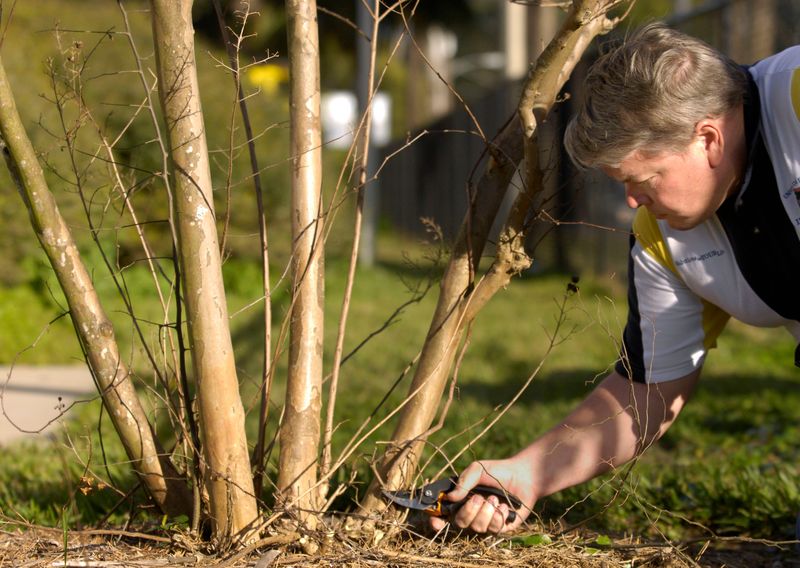
Winter dormancy makes crape myrtles ideal candidates for January pruning across Texas. These beloved Southern trees respond beautifully to careful shaping during their sleepy season, when sap flow slows and branches show their true structure.
Gardeners throughout Houston, Dallas, and Austin know this timing prevents stress and encourages vigorous spring growth.
Removing crossing branches and weak growth now sets the stage for spectacular summer blooms. Focus on thinning the canopy to improve air circulation, which helps prevent powdery mildew during humid Texas summers.
Cut back to strong lateral branches rather than creating ugly stubs that some folks call crape murder.
January pruning also gives you a clear view of the tree’s framework without leafy distractions. You can spot damaged limbs from winter storms or identify branches rubbing against each other.
This clarity makes decision-making much easier than trying to prune during the growing season.
Proper cuts heal quickly once warm weather returns, and new growth emerges exactly where you want it. The tree channels energy into fewer, stronger branches that produce larger flower clusters.
Texas gardeners who prune crape myrtles in January consistently report more impressive blooms and better overall tree health.
Remember to sterilize your pruning shears between cuts to prevent spreading diseases. Remove all debris from around the base, and consider applying a fresh layer of mulch after finishing your work for a tidy appearance.
2. Roses: Preparing For Spring Glory
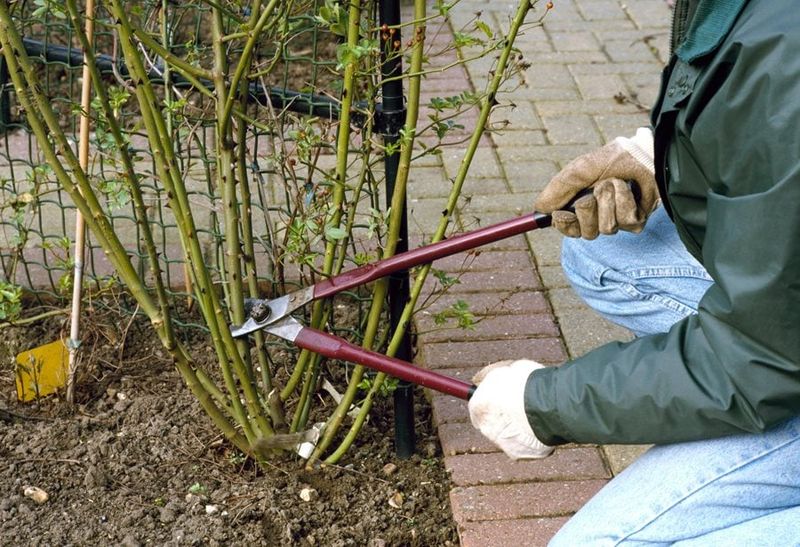
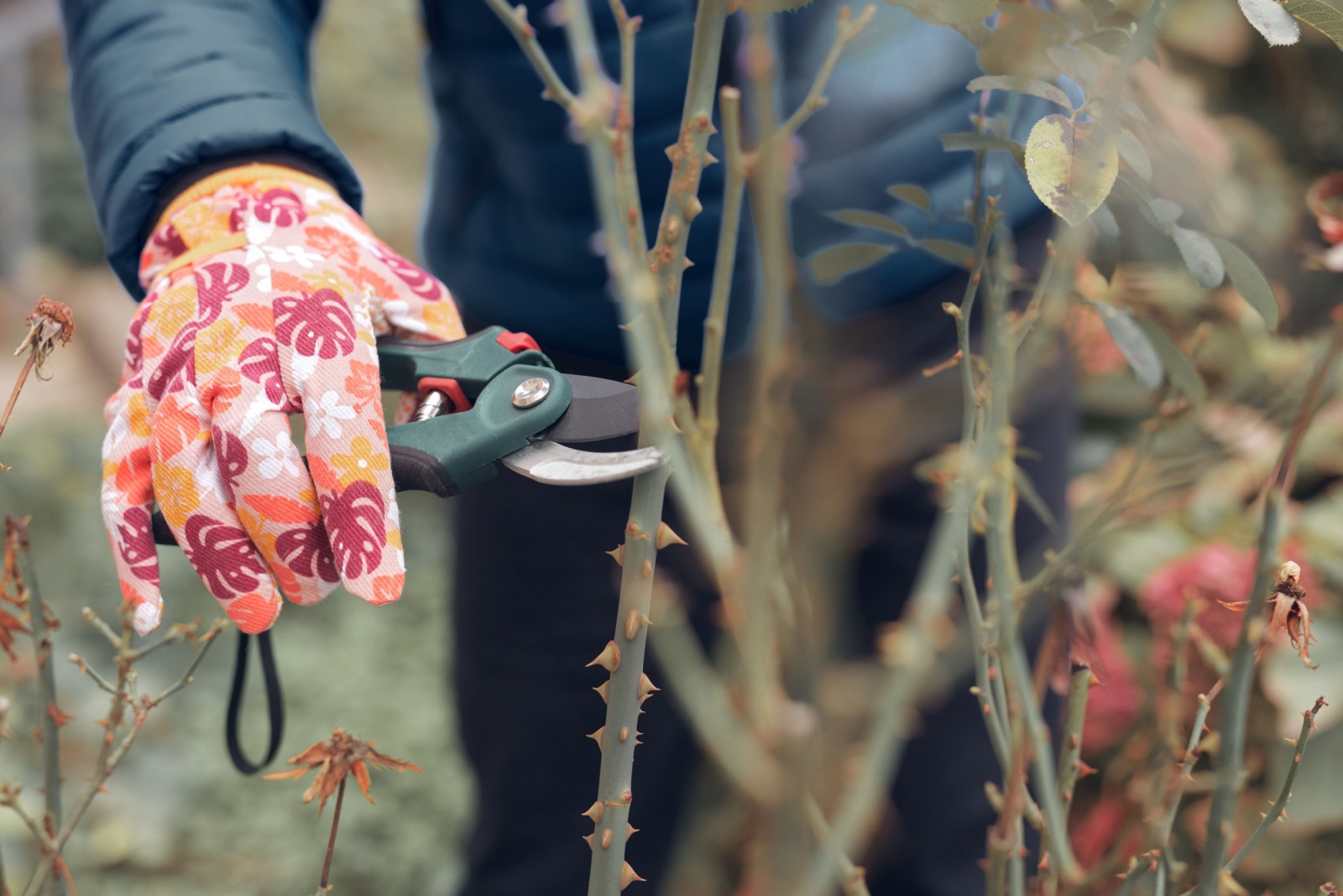
Rose bushes across Texas gardens benefit tremendously from January pruning, especially hybrid teas and floribundas. Cold weather sends these beauties into dormancy, making now the safest time to shape them without causing shock.
San Antonio, Fort Worth, and El Paso gardeners can tackle this task while plants rest comfortably. Start by removing any dry, diseased, or damaged canes down to healthy white tissue inside.
Look for blackened stems or those showing signs of disease, cutting them completely away from the plant. This cleanup prevents problems from spreading when active growth resumes in spring.
Next, reduce the overall height by about one-third to one-half, depending on your rose variety and desired size. Make cuts at a 45-degree angle just above outward-facing buds, which encourages an open, vase-shaped form.
Your Texas Garden Changes Every Week. Your Plan Should Too.
Gardening in Texas changes quickly throughout the season. Every Friday you’ll receive a simple weekly plan showing exactly what to plant, prune, fertilize, harvest, and protect so you never miss the right timing.
This shape allows sunlight and air to reach the center, promoting healthier foliage and reducing fungal issues common in Texas humidity.
Removing old, woody canes that no longer produce quality blooms redirects the plant’s energy into younger, more productive stems.
January pruning stimulates vigorous new growth that carries abundant flowers throughout the growing season. Texas rose enthusiasts who follow this schedule enjoy earlier blooms and stronger plants.
After pruning, clean up all fallen leaves and debris around the base to eliminate overwintering pests and diseases. Apply dormant oil spray if needed, and top-dress with compost to feed your roses as they wake up in spring.
3. Fruit Trees: Setting Up Summer Harvests
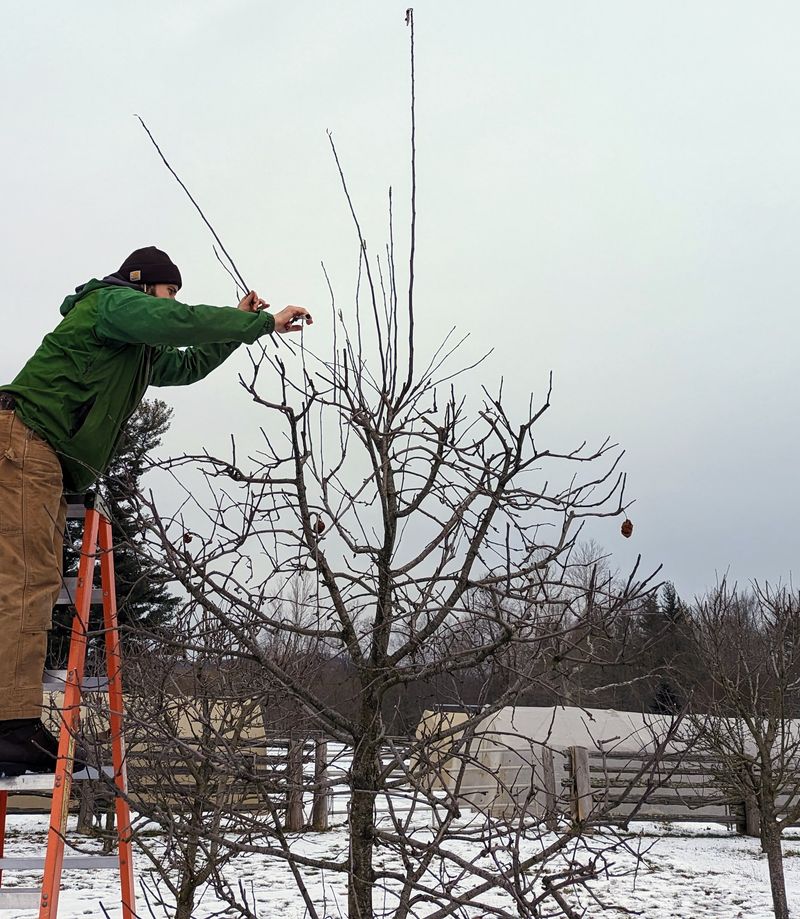
Peach, plum, and apple trees growing throughout Texas need January attention to produce quality fruit come summer. Dormancy protects these trees from pruning stress, and bare branches reveal exactly what needs cutting.
Orchardists from the Hill Country to East Texas schedule this essential maintenance during the coldest month.
Thinning crowded branches improves sunlight penetration and air movement through the canopy. Better light exposure means sweeter fruit and more even ripening across the tree.
Removing water sprouts and suckers that drain energy without producing fruit keeps the tree focused on quality rather than quantity.
January pruning also controls tree height, making future harvesting much easier and safer. Lower branches become more accessible, and you reduce the need for tall ladders during picking season.
Shaping young trees now establishes strong scaffold branches that support heavy fruit loads for years to come.
Pay special attention to peach trees, which produce fruit on last year’s growth and benefit greatly from annual pruning. Remove about 40 percent of last season’s growth to stimulate new fruiting wood.
Plum and apple trees need less aggressive pruning but still appreciate thinning and shaping during dormancy.
Texas fruit growers who prune in January report larger fruit size, fewer disease problems, and easier maintenance throughout the growing season.
Clean cuts made now heal perfectly as temperatures warm, and trees respond with abundant blossoms followed by delicious harvests.
4. Pomegranate: Winter Shaping For Health
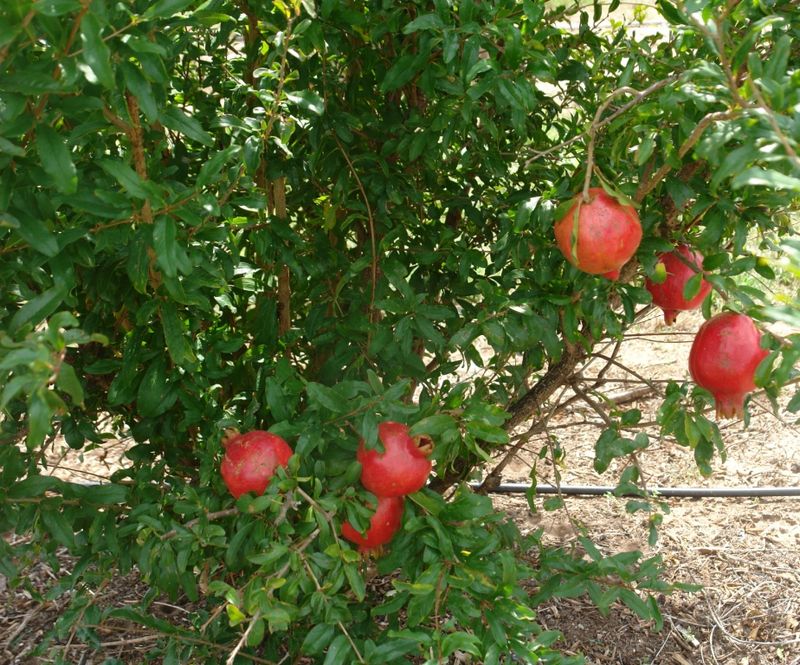
Pomegranate shrubs thrive across Texas landscapes and respond wonderfully to January pruning. These tough plants handle cold-season trimming without complaint, bouncing back with renewed vigor when spring arrives.
Gardeners in warmer regions like South Texas and the Rio Grande Valley find this timing particularly effective for shaping and maintenance.
Suckers sprouting from the base compete with main stems and create a messy, tangled appearance.
Removing these unwanted shoots during dormancy keeps your pomegranate looking clean and directs energy toward fruit production. Cut them flush with the ground or main trunk to discourage regrowth.
Thinning interior branches opens up the plant’s center, allowing light and air to reach all parts.
This openness reduces humidity around leaves and fruit, which helps prevent fungal diseases during Texas’s muggy summer months. Better air circulation also means healthier foliage and more consistent fruit development.
January gives you a clear view of the plant’s structure, making it easy to identify and remove crossing branches that rub and create wounds.
These injuries become entry points for pests and diseases, so eliminating them now protects your pomegranate’s long-term health. Prune back overly long branches to maintain a compact, manageable size.
Pomegranates pruned in January produce fruit on new growth, so don’t worry about cutting away potential harvest. The plant responds to pruning by generating fresh, productive branches that bear plenty of fruit by fall.
Texas gardeners appreciate how resilient and forgiving pomegranates are when pruned during their dormant period.
5. Spring-Blooming Shrubs: Hands Off The Buds
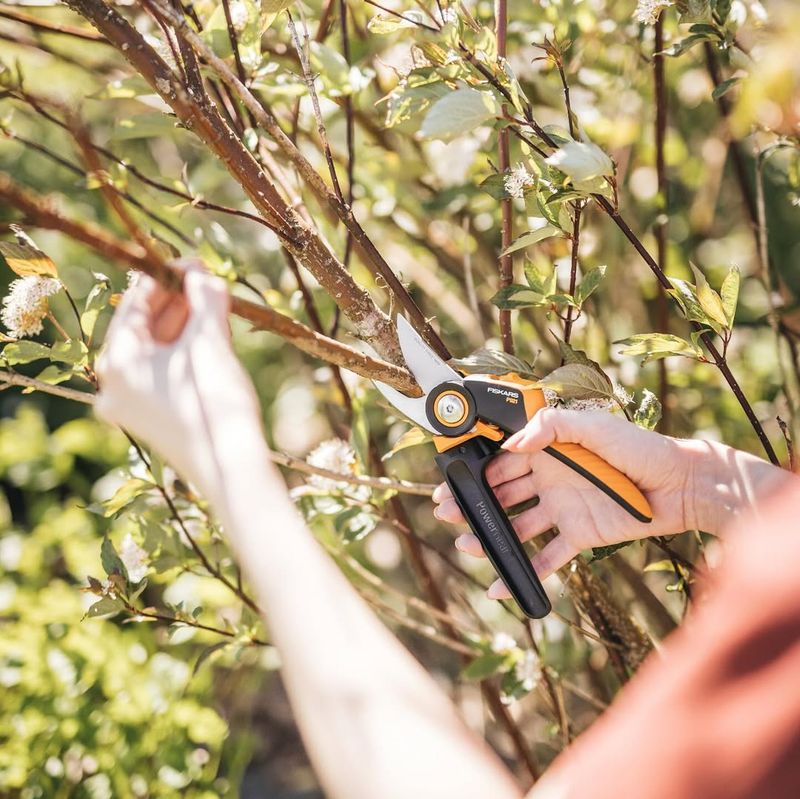
Azaleas, forsythia, and lilacs set their flower buds in late summer and fall, carrying them through winter ready to burst into color. Pruning these beauties in January removes all those precious buds, leaving you with green shrubs and zero blooms come spring.
Texas gardeners who value those early flowers know to keep pruning shears away from these plants until after they finish blooming.
Azaleas particularly suffer from winter pruning since every cut removes potential flowers that took months to develop. These acid-loving shrubs grow in East Texas gardens and other areas with suitable soil, providing spectacular spring displays when left alone.
Wait until right after flowers fade, then shape as needed before next year’s buds begin forming.
Forsythia’s cheerful yellow blooms arrive early in spring, often before leaves emerge, brightening Texas landscapes after winter’s gray. Cutting branches now eliminates that golden show entirely.
The same applies to lilacs, which produce fragrant purple or white flowers on old wood formed the previous season.
These spring bloomers need pruning eventually to control size and remove dry wood, but timing makes all the difference.
By waiting until immediately after flowering, you enjoy the current year’s blooms while still shaping the plant for next season. New growth has plenty of time to mature and set buds before winter returns.
If you absolutely must reduce size on overgrown spring-blooming shrubs, accept that you’ll sacrifice this year’s flowers for better long-term shape.
Most Texas gardeners prefer waiting and enjoying the blooms rather than facing bare branches when neighbors’ shrubs explode with color.
6. Texas Sage: Leave It Until Spring
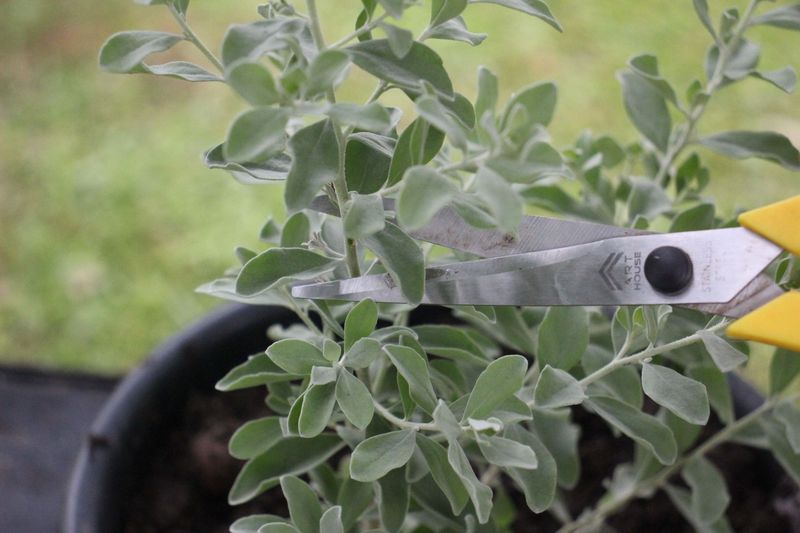
Texas sage, also called cenizo or purple sage, stands as a native icon across the Lone Star State, tolerating drought and heat like few other plants can. January pruning, however, can damage this tough shrub by exposing tender interior growth to late winter freezes.
Even though Texas winters seem mild, unexpected cold snaps can harm recently cut branches and stress the entire plant.
This native beauty blooms on new growth produced after winter dormancy breaks, so there’s no urgency to prune early. Waiting until late February or March, when the worst freeze danger passes, gives you the same shaping benefits without the risk.
Spring pruning stimulates fresh growth that emerges into warming weather rather than facing potential cold damage. Texas sage naturally maintains a rounded, attractive form without much intervention.
Light shaping after the last frost keeps plants compact and encourages those gorgeous purple, pink, or white blooms that appear after summer rains. Heavy pruning in January can shock the plant and delay flowering significantly.
Gardeners across West Texas, the Hill Country, and South Texas grow this xeriscaping champion for its low water needs and stunning color. Respecting its natural growth cycle by avoiding winter pruning keeps these plants healthy and beautiful.
The silvery foliage looks lovely even without pruning, providing year-round landscape interest.
If your Texas sage looks leggy or overgrown, resist the temptation to tackle it in January. Mark your calendar for late winter or early spring instead, when warmer temperatures protect new growth and the plant responds more vigorously to pruning efforts.
7. Evergreen Shrubs: Wait For Active Growth
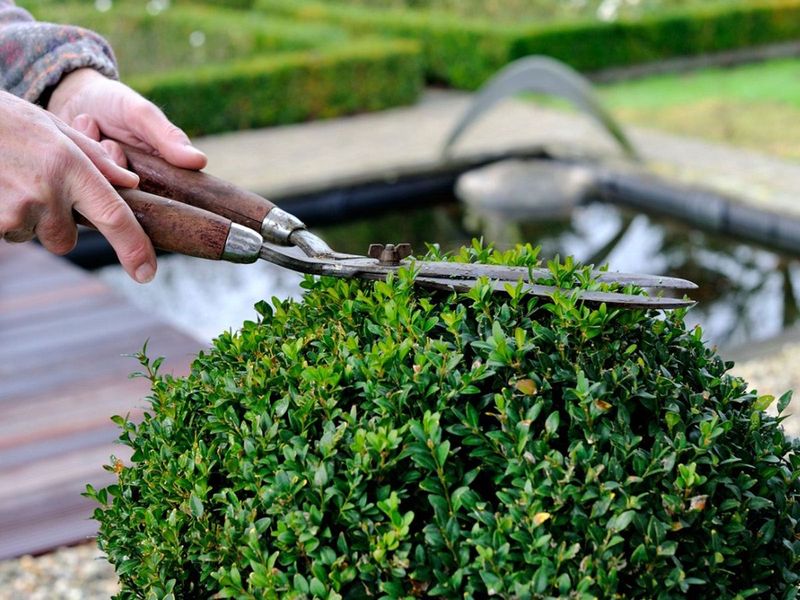
Hollies, boxwoods, and other broadleaf evergreens keep their foliage year-round, making them tempting targets for winter pruning when you have extra time. January trimming, however, removes the protective leaf barrier these plants rely on during cold weather.
Even in Texas, where winters stay relatively mild, exposing interior branches to cold, wind, and potential freezes weakens plants unnecessarily.
Evergreen shrubs grow most actively in spring and early summer, when they heal pruning wounds quickly and generate new growth to fill gaps. Cutting them during dormancy slows healing and leaves wounds open longer, increasing disease risk.
Spring pruning takes advantage of the plant’s natural growth surge for faster recovery and better results.
Boxwoods, popular for formal hedges throughout Texas, particularly dislike winter pruning. Cold weather stress combined with pruning stress can cause branch dieback and browning that ruins their neat appearance.
Waiting until new growth begins in spring ensures healthy regrowth and maintains that crisp, green look homeowners love.
Holly varieties grown across Texas for their glossy leaves and bright berries also prefer spring or early summer pruning. January cutting removes berries that provide winter interest and food for birds.
The plants respond better to shaping after active growth begins, producing fuller, more attractive foliage.
If you notice dry or damaged branches on evergreen shrubs during winter, removing those is fine anytime. Otherwise, patience pays off with healthier plants and better appearance.
Texas gardeners who wait until spring to prune evergreens consistently see superior results compared to those who trim during the dormant season.