7 Simple Steps To Propagate Lipstick Plants For Fast Spring Growth In Florida Homes
Most Florida houseplants survive spring. Lipstick plants explode with growth.
That short seasonal window makes this the easiest time of year to turn one trailing plant into several thriving new ones. Many indoor gardeners assume propagation is slow or complicated.
In reality, lipstick plants respond fast to warm temperatures and brighter days, often producing roots in just weeks when cut correctly. The difference between success and failure comes down to a few simple details most people overlook.
Stem placement, light direction, humidity balance, and timing all matter more than expensive tools or special products. If you want fuller hanging baskets, more blooms by early summer, or free plants to share with friends, this method works well in Florida homes.
These seven steps show exactly how to trigger fast root growth and avoid the common mistakes that cause cuttings to rot or stall.
1. Choose Healthy Stems For Fast Rooting
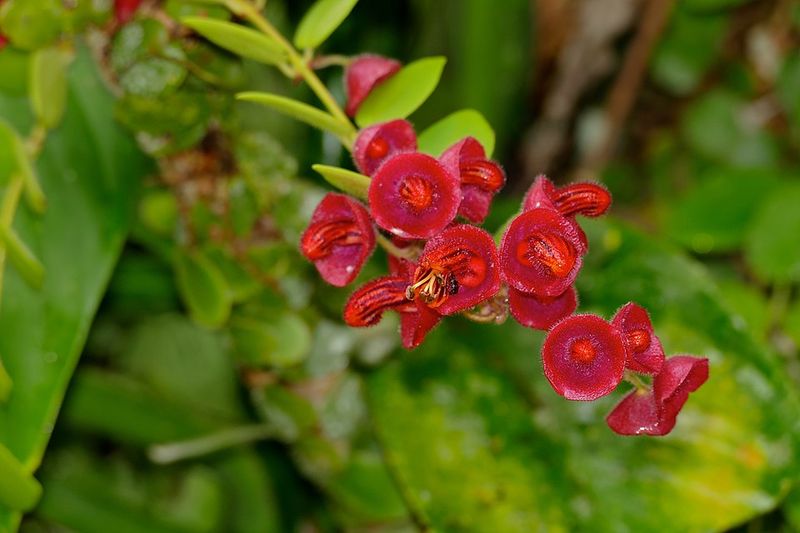
When you stand at your window and examine your lipstick plant, you will notice some stems look fuller and more vibrant than others. Those plump, green stems with closely spaced leaves are the ones that root quickly and grow into strong new plants.
Selecting the right cutting makes all the difference between watching roots appear in two weeks versus waiting a frustrating month with little progress.
Make sure the cutting includes at least two to three visible leaf nodes, since roots form from these nodes rather than from smooth stem sections. The stem should feel firm when you gently squeeze it, not soft or mushy.
Avoid any sections that show browning, yellowing, or signs of stress, as these cuttings struggle to develop roots even in Florida’s favorable humidity.
In South Florida homes, indoor humidity is often higher than in many other regions during spring, which helps cuttings retain moisture while they form roots. Central Florida plant owners might notice slightly drier indoor air, especially if you run air conditioning frequently.
North Florida gardeners transitioning out of heating season should check that their stems are well hydrated before cutting, since indoor heating can leave plants a bit dry.
Choose stems from the outer portions of your plant where growth is most active. These younger sections contain higher concentrations of natural rooting hormones, which help speed up root development.
You want cuttings that look eager to grow, with tight leaf spacing and deep green color that signals plenty of stored energy for the rooting process ahead.
2. Make Clean Cuts In The Right Spot
Your cutting tool matters more than most plant owners realize when propagating lipstick plants. A dull blade crushes stem tissue and creates ragged edges that invite bacterial problems, especially in warm Florida homes where moisture and heat can encourage rot.
Sharp, clean scissors or pruning shears give you a smooth cut that heals quickly and starts forming roots without delay.
Before you make any cuts, wipe your blade with rubbing alcohol or a diluted bleach solution. This simple step removes bacteria and fungi that might be lingering from previous garden tasks.
Your Florida Garden Changes Every Week. Your Plan Should Too.
Gardening in Florida changes quickly throughout the season. Every Friday you’ll receive a simple weekly plan showing exactly what to plant, prune, fertilize, harvest, and protect so you never miss the right timing.
Even if your tool looks clean, invisible pathogens can transfer to fresh cuts and slow down or completely stop root development.
Position your cut just below a leaf node, which is the small bump on the stem where leaves emerge. This node contains concentrated growth cells that produce roots much faster than stem sections between nodes.
Aim for a cut about a quarter inch below the node, angling your blade slightly to increase the surface area available for root formation.
After cutting, check the stem end closely. It should look clean and green inside, not brown or discolored.
If you see any damage, make a fresh cut slightly higher up the stem. In Florida’s humid indoor environment, a clean cut heals over within a day or two, forming a protective layer while roots begin to push out from the node area just above.
3. Remove Lower Leaves To Prevent Moisture Problems
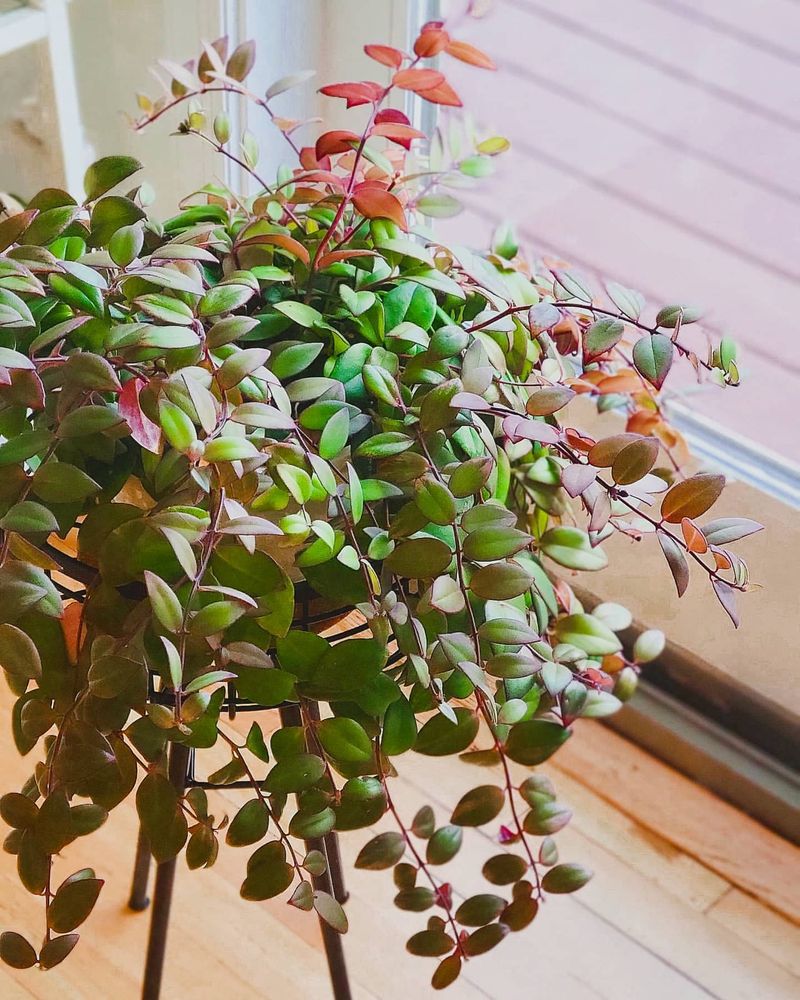
Once you have your cutting, you will see several pairs of leaves along the stem. Stripping away the bottom leaves might feel wasteful, but this step prevents serious moisture issues that can ruin your propagation efforts.
Leaves submerged in water or buried in soil quickly turn mushy and decay, releasing bacteria into the rooting zone and causing the entire cutting to fail.
Gently pinch off the lowest two or three pairs of leaves, leaving just the top foliage intact. You want about two inches of bare stem at the bottom, which gives you room to insert the cutting into your rooting medium without any leaves touching water or soil.
Leaving two to four healthy leaves at the top produces the best balance between energy production and moisture control.
Be careful not to tear the stem when removing leaves. Hold the stem steady with one hand and use your other hand to pinch each leaf off cleanly at its base.
If you accidentally damage the stem, make a fresh cut above the damaged area and remove leaves again from the new cutting.
Florida’s indoor humidity helps your cutting stay turgid even with fewer leaves, so you do not need to worry about excessive water loss. South Florida homes with naturally high humidity might see cuttings stay perky for days without extra moisture.
Central and North Florida plant owners can lightly mist the remaining leaves once daily if they start to look slightly droopy, though most cuttings handle the transition without any help.
4. Choose Water Or Soil Propagation Methods
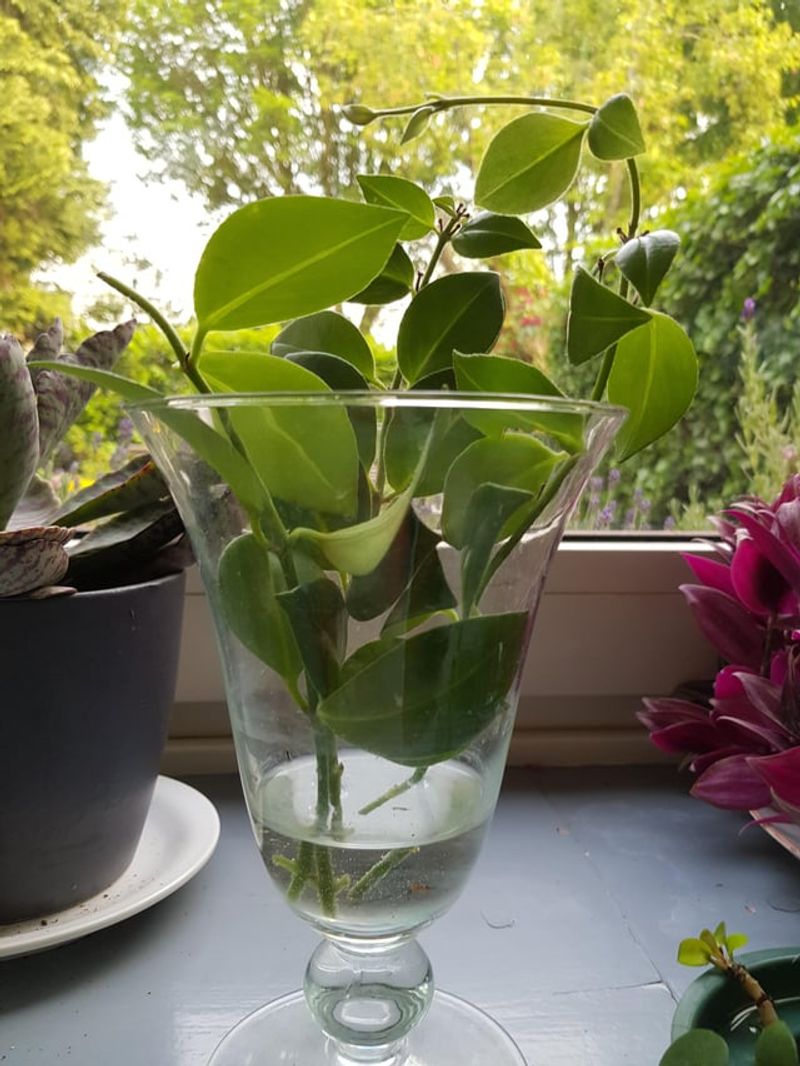
Florida plant owners have two reliable options for rooting lipstick plant cuttings, and both work well in our warm spring conditions. Water propagation lets you watch roots develop, which is exciting for first-time propagators and helpful for learning what healthy root growth looks like.
Soil propagation skips the transplant step and often produces sturdier roots that adapt quickly to pot life.
For water propagation, fill a clear glass or jar with room temperature tap water and place your cutting so the bare stem sits submerged while leaves stay above the waterline. Set the container in bright, indirect light near a window.
Change the water every three to four days to keep it fresh and oxygenated, which prevents bacterial growth and keeps roots healthy.
Soil propagation requires a light, well-draining mix such as equal parts peat moss or coco coir and perlite, or a high-quality seed-starting or epiphyte-style houseplant mix. Moisten the mix until it feels like a wrung-out sponge, then poke a hole with your finger and insert the cutting about an inch deep.
Firm the soil gently around the stem to hold it upright.
South Florida’s warm indoor temperatures can slightly speed water propagation, with roots often appearing in ten to fourteen days. Central Florida homes might see slightly slower progress, around two to three weeks.
North Florida plant owners transitioning out of cooler indoor temps should keep soil-propagated cuttings in a warm spot to encourage rooting, as chilly soil slows root development significantly.
5. Create The Right Humidity Environment
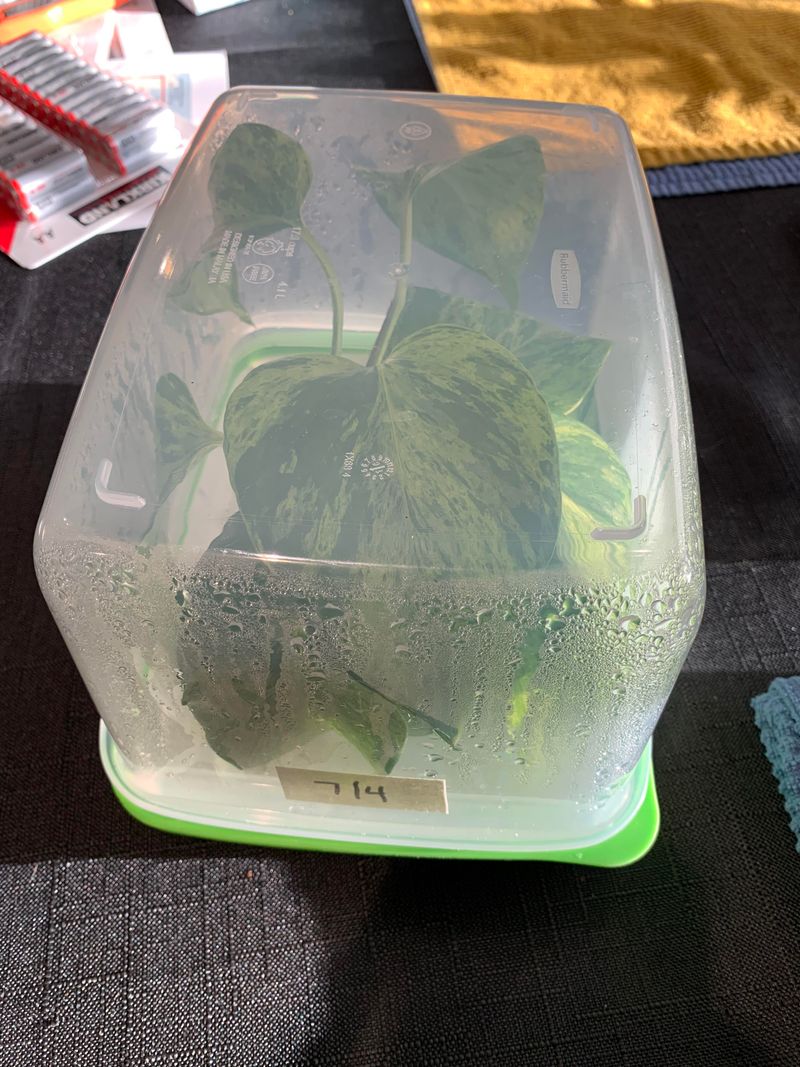
Your cutting needs consistent humidity around its leaves while roots develop, but Florida homes already provide a head start that gardeners in drier climates envy. Still, boosting humidity helps prevent leaf moisture loss and reduces stress while roots develop, keeping your cutting looking fresh and green instead of wilted and stressed.
The goal is creating a mini greenhouse effect without trapping so much moisture that fungal problems develop.
For water-propagated cuttings, simply placing the glass near other houseplants often provides enough ambient humidity. Plants naturally release moisture through their leaves, creating a slightly more humid microclimate in grouped arrangements.
If your cutting starts to look droopy, loosely drape a clear plastic bag over the top of the glass, leaving the bottom open for airflow.
Soil-propagated cuttings benefit from a humidity dome or a clear plastic bag tented over the pot. Poke a few small holes in the plastic to allow air circulation, which prevents mold and mildew from forming on the soil surface or leaves.
Remove the cover for an hour each day to refresh the air and check soil moisture.
South Florida plant owners often experience higher natural humidity than many regions, though air-conditioned homes may still drop into the forty to fifty percent range. Central Florida homes with frequent air conditioning might need a light daily misting to keep cuttings happy.
North Florida gardeners should watch for signs of dryness, especially if you still run heat occasionally, and adjust humidity support as needed to keep leaves firm and perky.
6. Provide Proper Light And Temperature
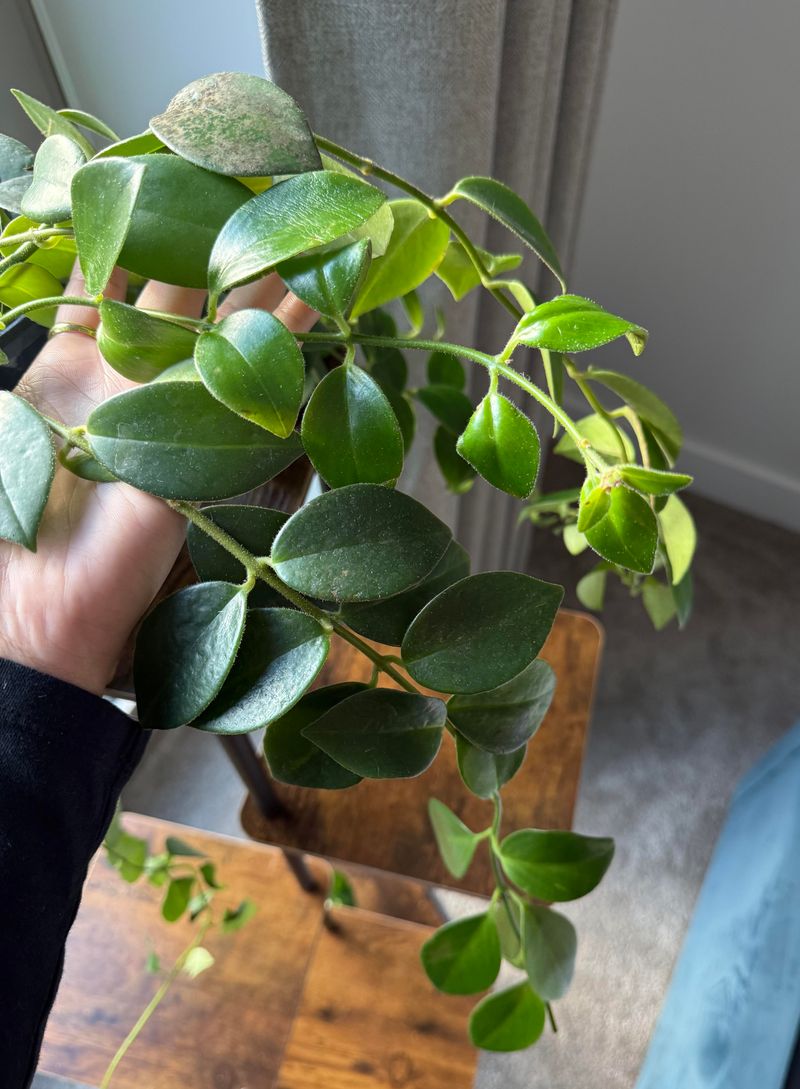
Lipstick plant cuttings root best in bright, indirect light that mimics their natural tropical understory habitat. Too much direct sun heats up water or dries out soil too quickly, stressing the cutting before roots can form.
Too little light slows photosynthesis and leaves the cutting without enough energy to produce roots, leading to weeks of waiting with little progress.
Place your cuttings near an east-facing window where they receive gentle morning sun and bright shade for the rest of the day. South and west windows work if you filter the light with a sheer curtain or move the cutting a few feet back from the glass.
North windows provide enough light during Florida’s long spring days, though rooting might take a few extra days compared to brighter locations.
Temperature plays a crucial role in how quickly roots develop. Lipstick plants prefer consistent warmth between seventy and eighty degrees, which is easy to maintain in most Florida homes during spring.
Avoid placing cuttings near air conditioning vents that blast cold air or in spots where nighttime temps drop below sixty-five degrees, as chilly conditions significantly slow root growth.
South Florida plant owners enjoy nearly perfect conditions throughout spring, with warm days and mild nights that keep cuttings actively rooting. Central Florida homes might experience cooler mornings, so check that your propagation spot stays consistently warm.
North Florida gardeners should move cuttings away from windows on chilly nights to avoid temperature dips that stall progress and stress developing roots.
7. Know When New Plants Are Ready To Transplant
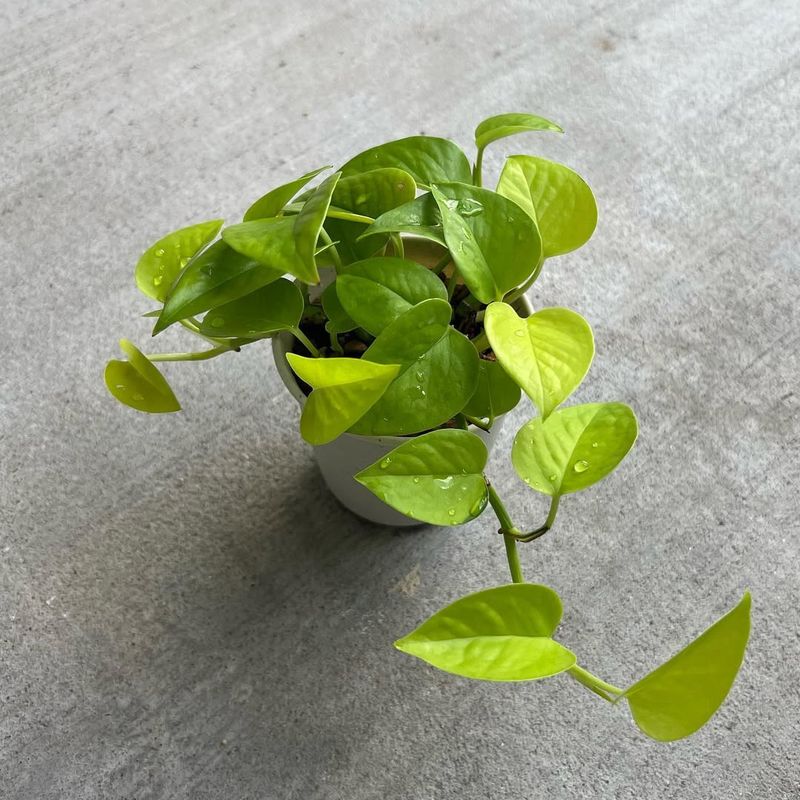
Watching roots emerge from your lipstick plant cutting is thrilling, but knowing when to transplant requires patience and observation. Water-propagated cuttings show their progress clearly, with white roots growing longer each day.
Soil-propagated cuttings hide their roots underground, so you need to watch for other signs that tell you the plant is ready for its permanent home.
For water-propagated cuttings, wait until roots reach about two inches long and begin branching. Tiny root hairs sprouting from the main roots signal a healthy, mature root system ready to handle soil.
Transplanting too early, when roots are just tiny nubs, often results in transplant shock and slow growth afterward.
Soil-propagated cuttings are ready when you see new leaf growth emerging from the tip. This fresh growth tells you roots have developed enough to support the plant and pull nutrients from the soil.
Gently tug the cutting; if it resists and feels anchored, roots have established well.
Transplant water-rooted cuttings into a small pot filled with well-draining houseplant mix, being careful not to damage the delicate roots. Keep the soil consistently moist for the first week while roots adjust to their new environment.
Soil-propagated cuttings can stay in their original pots or move up one size if they have filled the container with roots. Florida’s warm spring weather helps newly transplanted cuttings settle in quickly, often showing vigorous new growth within two weeks of transplanting.