8 Exotic Fruits You Can Grow In Texas Gardens
Texas gardens are full of possibilities, and growing exotic fruits is one way to make your yard truly stand out. With the right choices, you can enjoy unique flavors and tropical vibes right at home.
Imagine picking fresh, sun-ripened fruits from your own backyard. From tangy citrus to sweet, unusual varieties, exotic fruits thrive in Texas’s warm climate with proper care.
Your garden can taste like a vacation. Many of these plants are surprisingly hardy, adapting to local conditions while adding color, fragrance, and variety.
Fresh, unusual fruits are closer than you think. Whether you have a spacious backyard or a small patio, exotic fruit trees and shrubs can thrive in containers or soil. Your garden can be a tropical oasis without leaving Texas.
1. Pomegranate
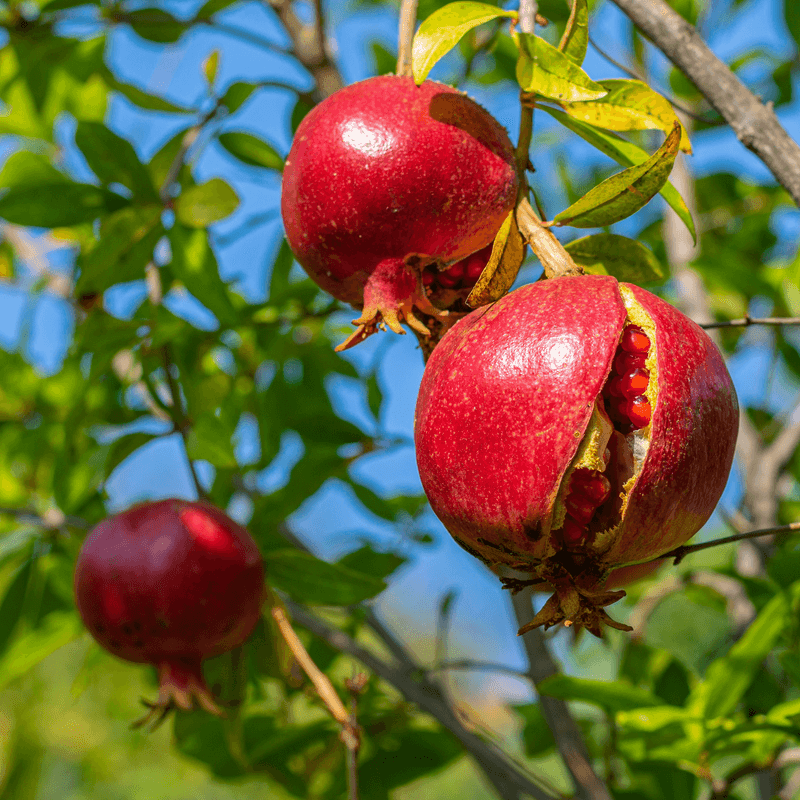
Ancient civilizations treasured this jewel-toned fruit for thousands of years, and now Texas gardeners can enjoy the same ruby-red rewards right in their own backyards.
Pomegranates adapt remarkably well to the Texas climate, particularly in the warmer regions where they thrive in full sun and well-drained soil.
The shrub-like trees produce stunning orange-red flowers in spring before developing into the familiar round fruits packed with juicy arils.
Growing pomegranates in Texas requires minimal effort once established. These drought-tolerant plants actually prefer the hot, dry conditions found across much of the state, making them perfect for water-conscious gardeners.
Plant them in areas with good drainage and plenty of sunlight, and they will reward you with fruit in just two to three years.
The wonderful pomegranate variety performs exceptionally well throughout Texas, producing large, sweet fruits with soft seeds. You can also try the Eversweet cultivar, which offers seedless arils that are perfect for eating fresh.
These trees rarely face serious pest problems in Texas gardens, though occasional aphids may appear on new growth.
Pomegranates need about 100 to 150 chill hours during winter, which most Texas regions easily provide. Prune your trees in late winter to maintain shape and encourage fruit production.
The trees can grow 12 to 20 feet tall but respond well to pruning if you prefer a more compact size. Harvest fruits in late summer through fall when they develop a deep color and make a metallic sound when tapped.
2. Fig
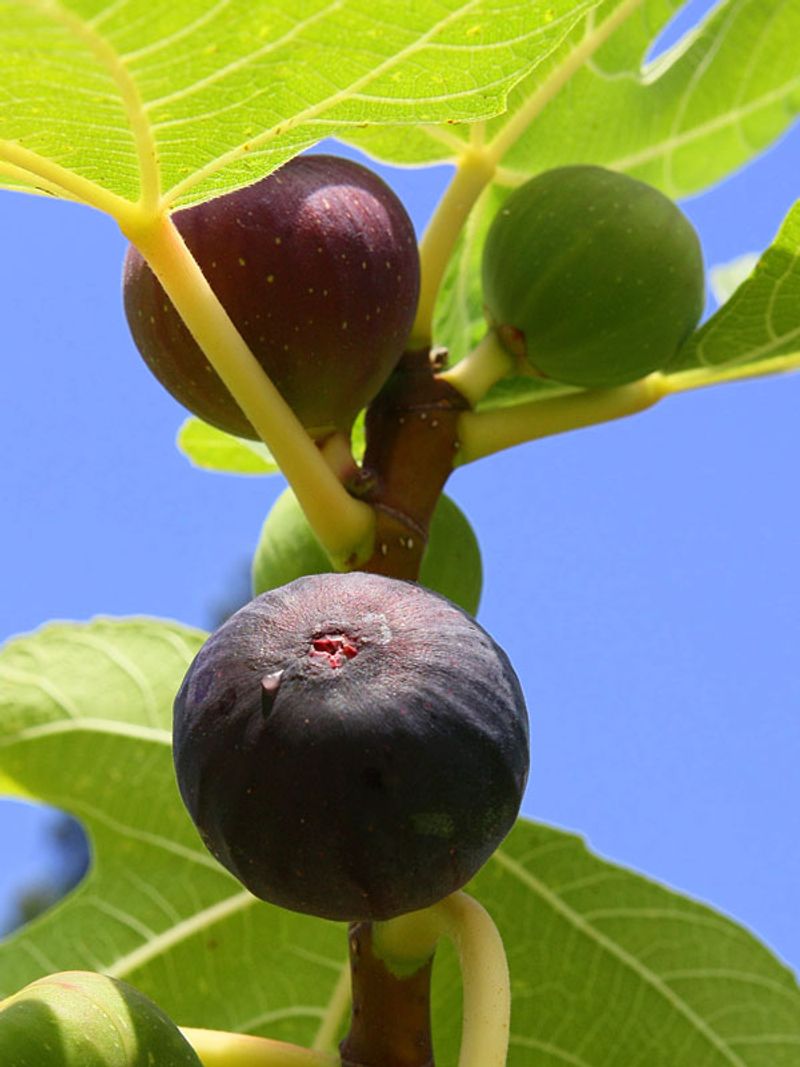
Mediterranean sweetness comes to Texas in the form of figs, one of the most reliable exotic fruits you can grow in the Lone Star State. Figs have been cultivated for thousands of years, and their adaptability makes them ideal for Texas gardens from the Gulf Coast to the Panhandle.
These deciduous trees produce two crops annually in warmer regions, offering an early summer harvest followed by a more abundant fall crop.
Texas gardeners have excellent success with several fig varieties. The Celeste fig, also called the Sugar fig, is particularly well-suited to Texas conditions with its small to medium-sized, sweet fruits and cold-hardy nature.
Texas Everbearing is another outstanding choice, producing large brown figs with strawberry-colored flesh. Brown Turkey figs also perform wonderfully, offering reliable production and good cold tolerance.
Your Texas Garden Changes Every Week. Your Plan Should Too.
Gardening in Texas changes quickly throughout the season. Every Friday you’ll receive a simple weekly plan showing exactly what to plant, prune, fertilize, harvest, and protect so you never miss the right timing.
Plant fig trees in full sun with well-drained soil, spacing them about 15 to 20 feet apart. They tolerate various soil types but prefer slightly acidic to neutral pH levels.
In North Texas and the Panhandle, consider planting figs in protected locations or growing them in containers that can be moved indoors during harsh freezes.
Figs require minimal care once established, needing only occasional deep watering during extended dry periods. Prune lightly in late winter to remove damaged wood and maintain size.
Watch for fig beetles and birds, which love the sweet fruits as much as you do. Harvest figs when they soften slightly and the neck weakens, typically from June through November depending on your location in Texas.
3. Jujube
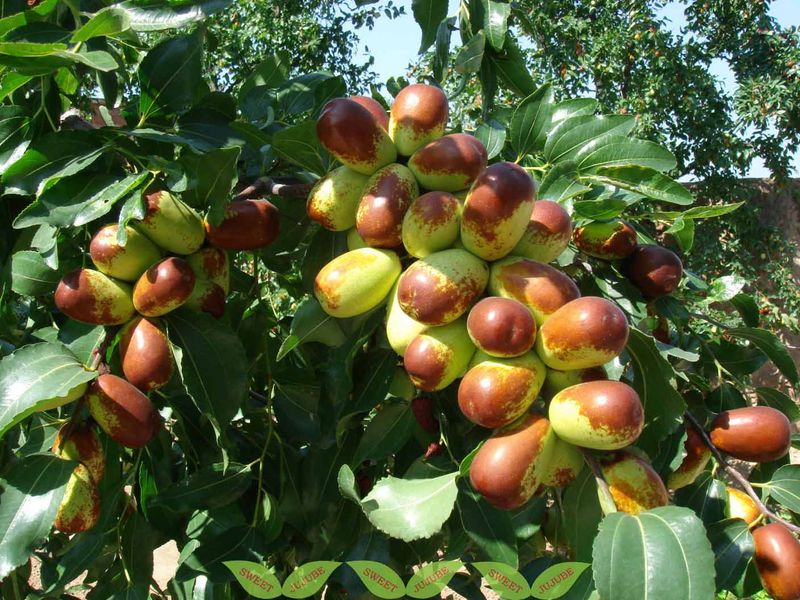
Often called the Chinese date, jujube trees bring an Asian delicacy to Texas landscapes with remarkable success. This fruit tastes like a sweet apple when fresh and develops a date-like texture when dried, offering gardeners two treats from one tree.
Jujube trees handle Texas heat better than almost any other fruit tree, making them an exceptional choice for gardeners frustrated by the intense summer temperatures.
Jujubes flourish throughout Texas, from the humid eastern regions to the arid western plains. They tolerate alkaline soils, drought conditions, and temperature extremes that would stress many other fruit trees.
The trees produce small, glossy leaves and thorny branches that create an attractive landscape specimen even before fruiting begins.
Li and Lang are two popular jujube varieties for Texas gardens. Li produces large, round fruits with crisp, sweet flesh, while Lang offers elongated fruits with excellent flavor.
Both varieties ripen in late summer through fall, turning from green to mahogany brown as they mature. Plant at least two different varieties for better pollination and increased fruit production.
These low-maintenance trees require full sun and well-drained soil but adapt to various soil types found across Texas. Once established, jujubes need minimal watering and rarely face pest or disease problems.
The trees can reach 15 to 20 feet tall but respond well to pruning. Harvest fruits when they turn completely brown and slightly wrinkled, or pick them earlier for a crisp, apple-like texture. Jujubes store well either fresh in the refrigerator or dried for long-term keeping.
4. Prickly Pear Cactus
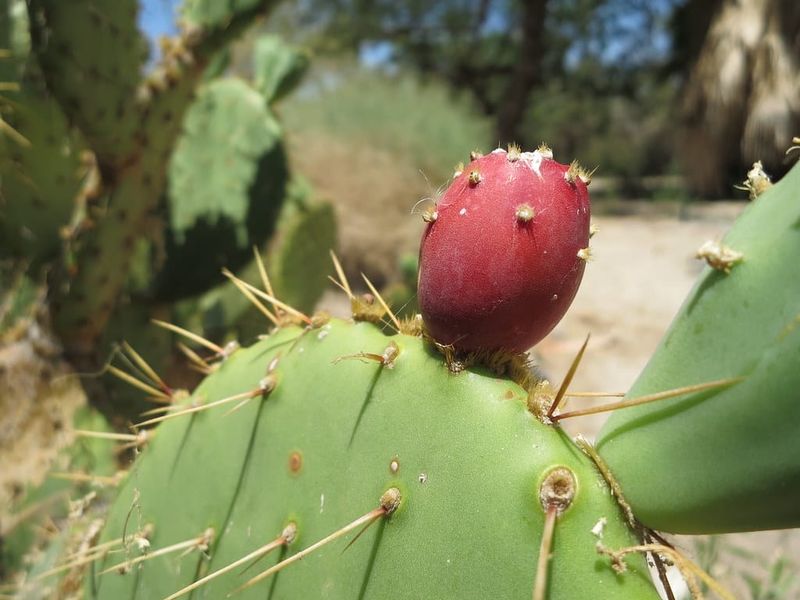
Native to Texas and beloved across the state, prickly pear cactus produces both edible pads and delicious fruits called tunas. This iconic plant thrives in the Texas heat and requires almost no maintenance, making it perfect for beginner gardeners or those with challenging, dry landscapes.
The vibrant yellow, orange, or red flowers appear in spring, followed by egg-shaped fruits that ripen to deep purple or red by late summer.
Prickly pear grows wild throughout much of Texas, but cultivated varieties produce larger, sweeter fruits with fewer spines. The fruits have a unique flavor reminiscent of watermelon and strawberry combined, with a slightly tart finish.
Both the fruits and the young pads, called nopales, are edible and nutritious, offering high levels of vitamin C, magnesium, and fiber.
Growing prickly pear in your Texas garden requires minimal effort. Plant pads directly in the ground during spring or summer, placing them in full sun with excellent drainage.
These cacti tolerate poor soil, extreme heat, and drought conditions that would challenge most other plants. Space plants about three to four feet apart to allow for their spreading growth habit.
Harvest the pads when young and tender, typically in spring, wearing thick gloves to protect against spines. Remove the glochids, the tiny hair-like spines, by burning them off or scrubbing under running water.
Pick the fruits in late summer when they turn deep purple and give slightly to pressure. The fruits store well in the refrigerator for several weeks.
Prickly pear rarely needs watering in Texas except during extreme drought, and it faces few pest problems beyond occasional scale insects.
5. Persimmon
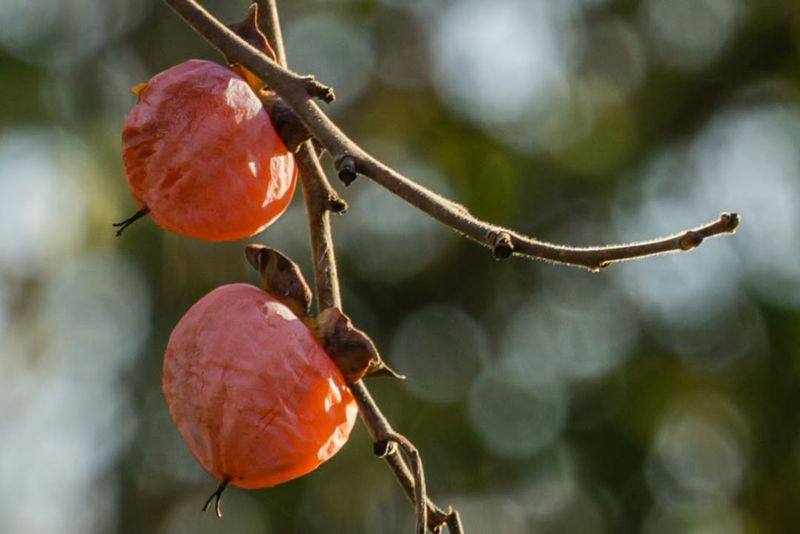
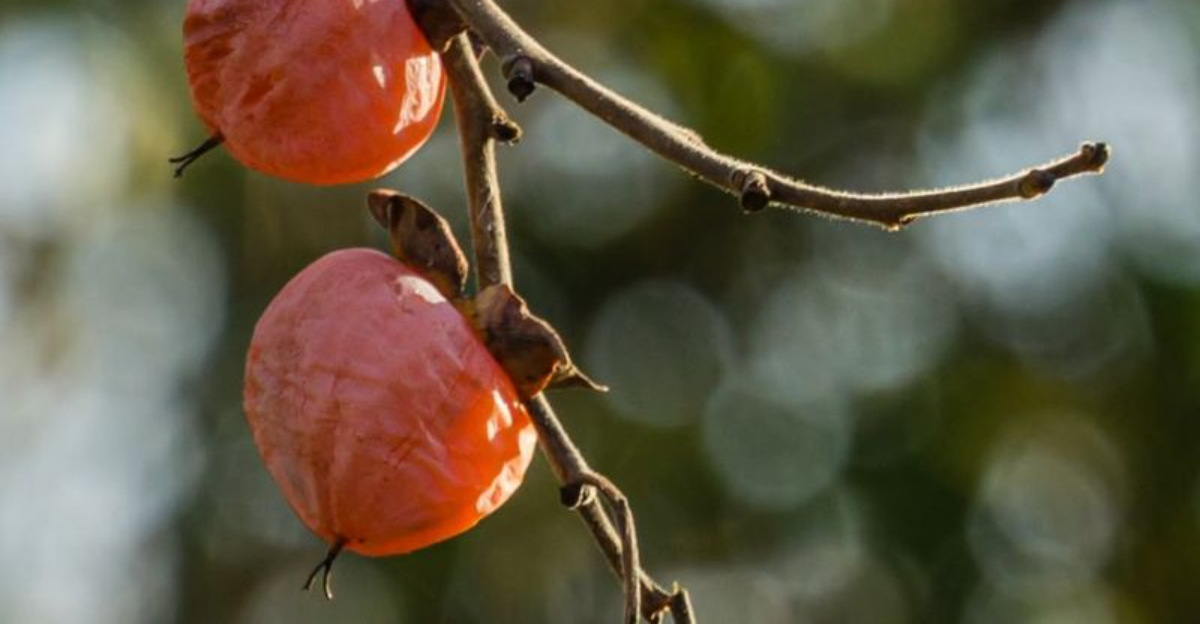
Autumn brings a special treat to Texas gardens when persimmon trees heavy with orange fruits signal the changing season. Two types of persimmons grow successfully in Texas: the native American persimmon and the larger Asian varieties.
Both offer sweet, honey-like flavors once fully ripe, though Asian types generally produce bigger fruits with fewer seeds. The trees provide beautiful fall foliage in shades of yellow, orange, and red before dropping their leaves.
American persimmons grow wild throughout East Texas and adapt easily to cultivation. The fruits are smaller than Asian varieties but intensely sweet when fully ripe.
Fuyu and Hachiya are popular Asian persimmon varieties for Texas gardens. Fuyu persimmons have a squat, tomato-like shape and can be eaten while still firm, offering a crisp, sweet flavor.
Hachiya persimmons are acorn-shaped and must be completely soft before eating to avoid an unpleasant astringent taste.
Plant persimmon trees in full sun to partial shade with well-drained soil. They tolerate various soil types found throughout Texas but prefer slightly acidic conditions.
Asian persimmons generally perform best in Central and East Texas, while American persimmons adapt to a wider range of conditions across the state. Space trees 15 to 20 feet apart to allow for mature growth.
Persimmons need regular watering during establishment but become quite drought-tolerant once mature. The trees rarely face serious pest problems in Texas gardens.
Harvest Fuyu persimmons when they turn deep orange but remain firm. Wait to pick Hachiya persimmons until they become extremely soft, almost jelly-like. Fruits ripen from October through December depending on variety and location in Texas.
6. Passion Fruit
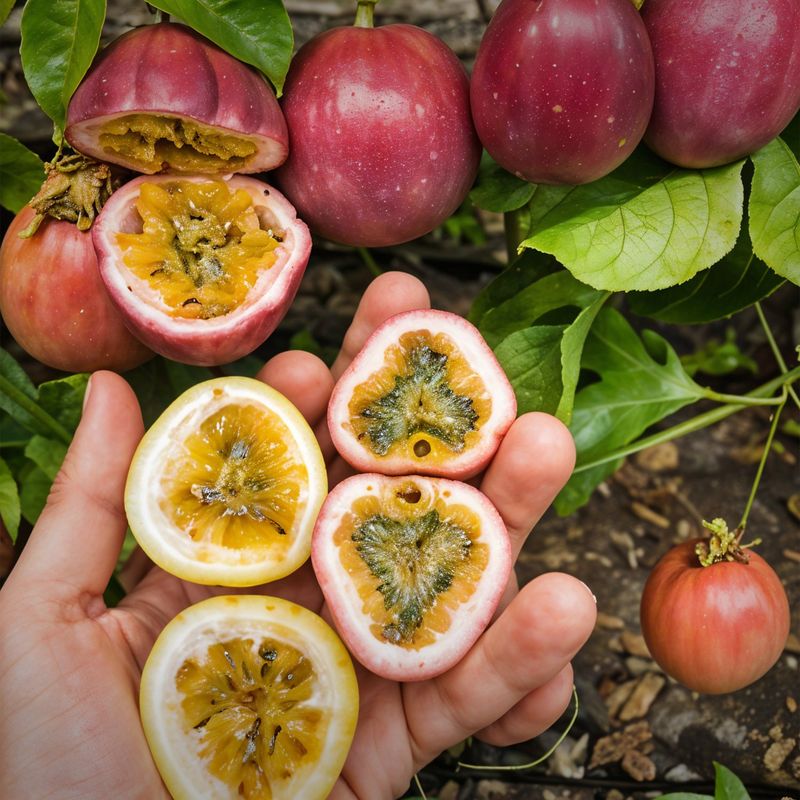
Tropical vibes come alive in South Texas gardens where passion fruit vines climb and sprawl, producing exotic flowers followed by aromatic fruits.
The stunning blooms alone make these vines worth growing, featuring intricate purple and white petals surrounding prominent stamens.
The fruits that follow contain tangy, intensely flavored pulp packed with edible seeds, perfect for juices, desserts, and fresh eating.
Passion fruit grows best in the warmer regions of Texas, particularly along the Gulf Coast and in South Texas where freezing temperatures are rare. The vines are actually perennial in these areas, growing year-round and producing multiple harvests.
In Central Texas, passion fruit can be grown as an annual or in containers that can be protected during winter cold snaps.
Purple passion fruit varieties tolerate slightly cooler temperatures than yellow types and often perform better in Texas gardens. Plant vines in full sun with rich, well-drained soil and provide a sturdy trellis or fence for support.
These vigorous growers can reach 15 to 20 feet in a single season, quickly covering structures with lush foliage.
Passion fruit vines need regular watering and benefit from monthly feeding during the growing season. They prefer slightly acidic soil with plenty of organic matter.
Watch for aphids and caterpillars, which occasionally bother the vines. Harvest fruits when they turn fully purple or yellow and fall from the vine or wrinkle slightly.
The fruits continue ripening after picking and develop better flavor if left at room temperature for a few days. Texas gardeners in warmer regions can enjoy passion fruit from summer through fall, with some plants producing year-round in the mildest areas.
7. Loquat
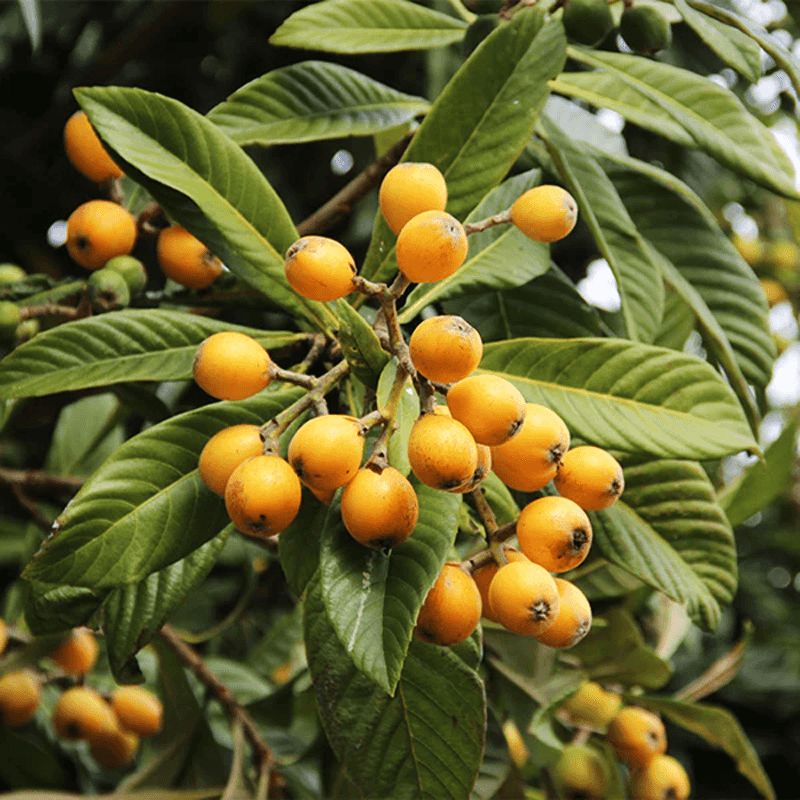
Evergreen beauty meets delicious fruit in the loquat tree, an often-overlooked gem for Texas landscapes. These attractive trees produce clusters of small, golden-orange fruits with a flavor combining apricot, plum, and mild citrus notes.
The large, tropical-looking leaves remain green year-round, providing constant visual interest while the fragrant white flowers appear in fall and winter, filling the air with a sweet perfume.
Loquats thrive throughout much of Texas, from the Gulf Coast through Central Texas and into some protected areas of North Texas. The trees handle heat remarkably well and tolerate various soil types, though they prefer well-drained, slightly acidic conditions.
Their evergreen nature makes them excellent specimen trees or privacy screens that also happen to produce tasty fruit.
Several improved loquat varieties perform well in Texas gardens. Gold Nugget produces large, sweet fruits with excellent flavor.
Champagne offers pale-fleshed fruits with a mild, sweet taste. These varieties typically produce better quality fruit than seedling trees, though seedlings still make attractive landscape plants.
Plant loquat trees in full sun to partial shade, spacing them 15 to 25 feet apart depending on the variety. They need regular watering during establishment but become moderately drought-tolerant once mature.
Thin fruit clusters in winter to encourage larger fruit size. Fire blight can occasionally affect loquats in Texas, particularly during wet springs.
Harvest fruits in late winter through spring when they turn golden-orange and give slightly to gentle pressure. The fruits bruise easily, so handle them carefully.
Loquats taste best when tree-ripened and should be eaten fresh or processed quickly as they do not store long.
8. Dragon Fruit
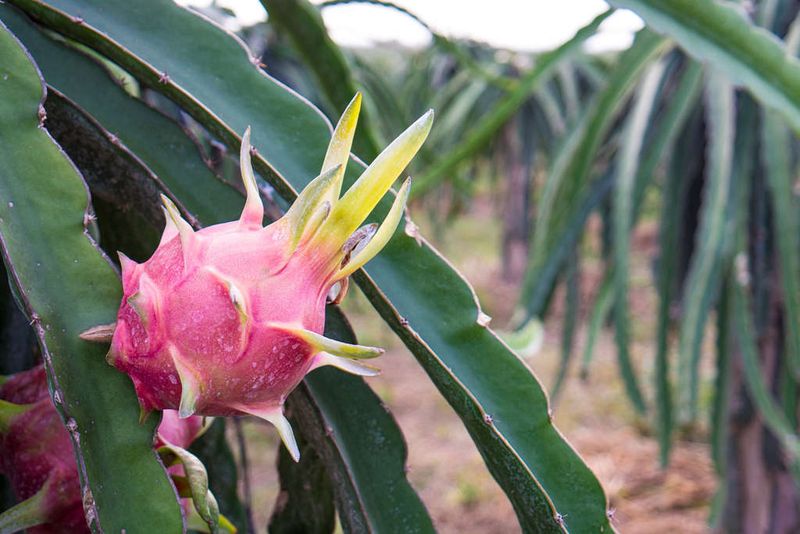
Stunning and otherworldly, dragon fruit cactus brings a touch of the tropics to Texas gardens with its spectacular appearance and delicious fruits.
This climbing cactus produces large, fragrant flowers that bloom at night, followed by vibrant pink or yellow fruits with white or magenta flesh dotted with tiny black seeds.
The fruits taste mildly sweet with a texture similar to kiwi, offering a refreshing treat during the hot Texas summer.
Dragon fruit grows successfully in South Texas and along the Gulf Coast where freezing temperatures are rare or brief.
Gardeners in other parts of Texas can grow dragon fruit in containers that can be moved indoors during winter or in protected locations against south-facing walls.
The plants need warm temperatures to produce fruit, with most varieties requiring nighttime temperatures above 65 degrees Fahrenheit.
Several dragon fruit varieties work well for Texas growers. White-fleshed varieties tend to be slightly less sweet but more productive, while red-fleshed types offer more intense color and flavor.
Plant dragon fruit in well-drained soil or specialized cactus mix, providing a sturdy trellis or support structure as these epiphytic cacti naturally climb.
Dragon fruit needs regular watering during the growing season but requires excellent drainage to prevent root problems. Feed monthly with a balanced fertilizer during spring and summer.
The plants produce best with some afternoon shade in the intense Texas heat. Hand-pollinating flowers increases fruit set, though some varieties are self-fertile.
Harvest fruits when they turn fully colored and the scales on the skin begin to wither slightly. The fruits continue to ripen slightly after picking and store well in the refrigerator for up to two weeks, making them perfect for Texas gardeners who want an exotic fruit that keeps.