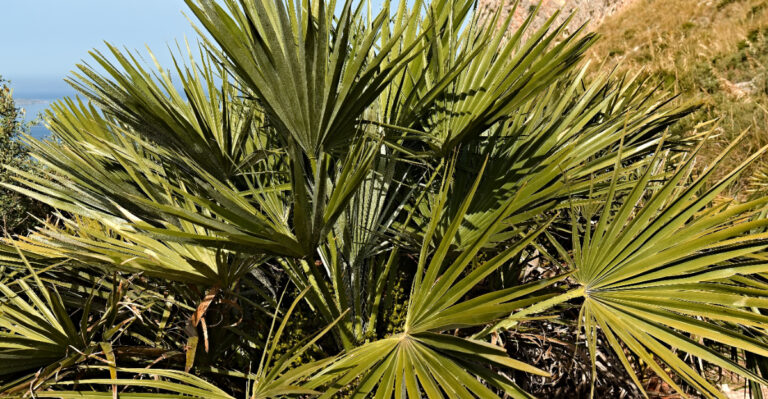
A Foolproof Guide To Indoor Palm Plant Care In Florida Homes
Palm trees thrive all over Florida, yet thousands of indoor palms quietly struggle inside our homes every year. Brown tips, drooping fronds, yellow leaves, and slow growth are not signs of bad luck.
They are signals that your home environment is working against your plant. Air conditioning dries the air, windows change how sunlight reaches leaves, and indoor pots trap moisture in ways outdoor soil never does.
The good news is most indoor palm problems are easy to fix once you understand what is actually happening around your plant. Small changes in light placement, watering habits, humidity control, and soil choice can completely transform how your palm looks and grows.
If you want fuller fronds, deeper green color, and a healthier tropical look year-round without constant trial and error, this guide will show you exactly what Florida homeowners need to know to succeed with indoor palms.
Why Palms Behave Differently Indoors
Your palm might look perfectly happy when you first bring it home, then suddenly start showing brown tips or slowing down its growth a few weeks later.
Indoor environments lack the natural air circulation, rain cycles, and consistent light that palms receive outdoors, even here in Florida where they grow so easily in yards and landscapes.
Your home becomes a controlled ecosystem where you manage every element that nature would normally provide.
Air conditioning creates dry pockets around vents and cooling zones that can stress palm fronds used to humid outdoor air. Bright windows might seem like plenty of light, but glass reduces overall light intensity and blocks some ultraviolet wavelengths, creating uneven lighting patterns across your room.
Even watering becomes trickier indoors because pots trap moisture differently than ground soil, and container drainage is far more limited than in open landscape soil.
Understanding these differences helps you anticipate what your palm needs before problems appear. Indoor palms grow slower, need less frequent feeding, and require careful attention to their immediate surroundings.
Once you recognize how your home differs from outdoor conditions, caring for indoor palms becomes much more intuitive and successful.
Choosing The Right Palm For Indoor Florida Homes
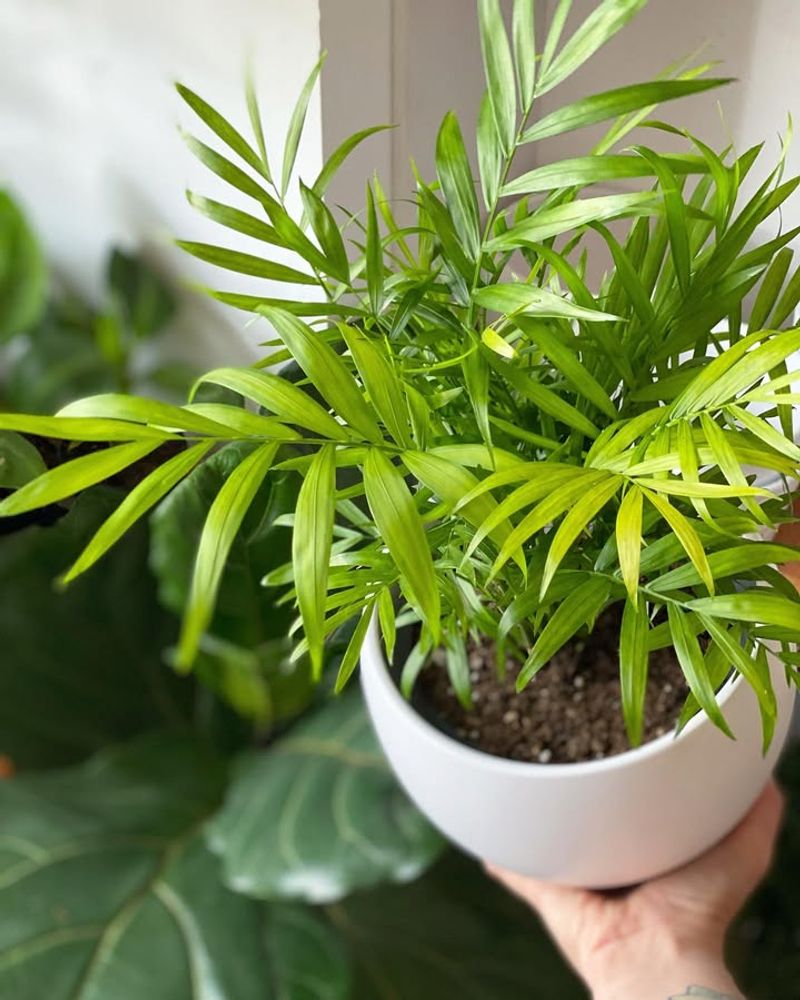
Not every palm that grows beautifully in your yard will adapt to living inside your home. Some palms naturally tolerate lower light and confined root space, while others quickly become stressed and struggle when moved indoors.
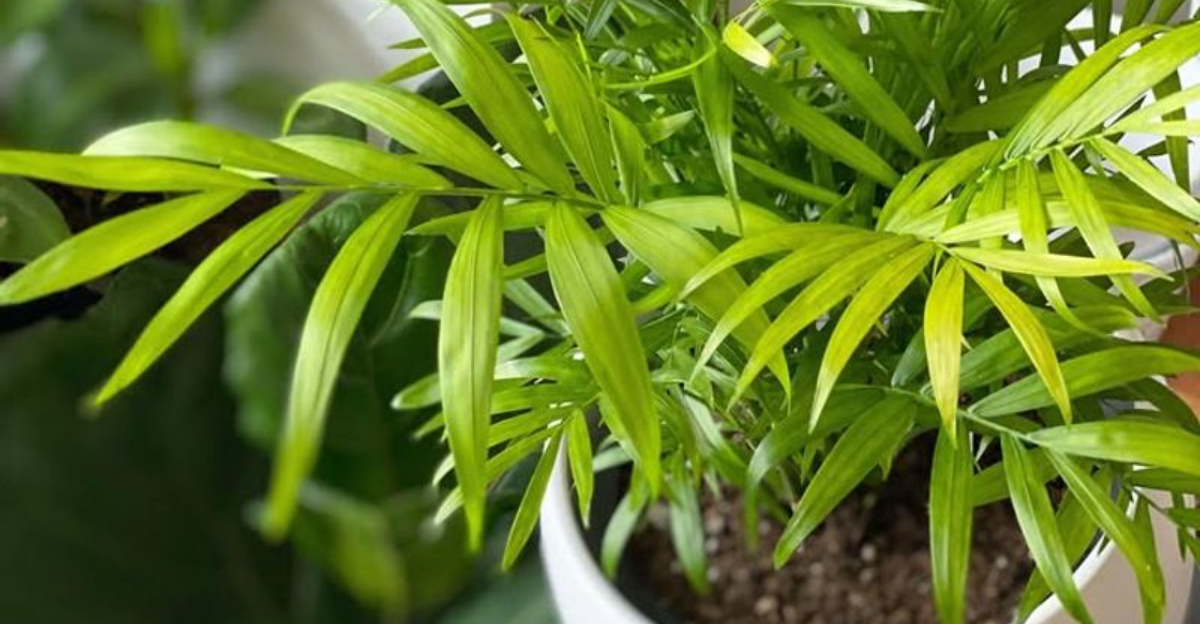
Parlor palms, areca palms, and lady palms consistently perform well in Florida homes because they handle filtered light and adapt to indoor humidity levels without constant adjustment.
Majesty palms often tempt homeowners with their lush appearance at garden centers, but they typically struggle indoors over time because they need more light and space than most homes provide.
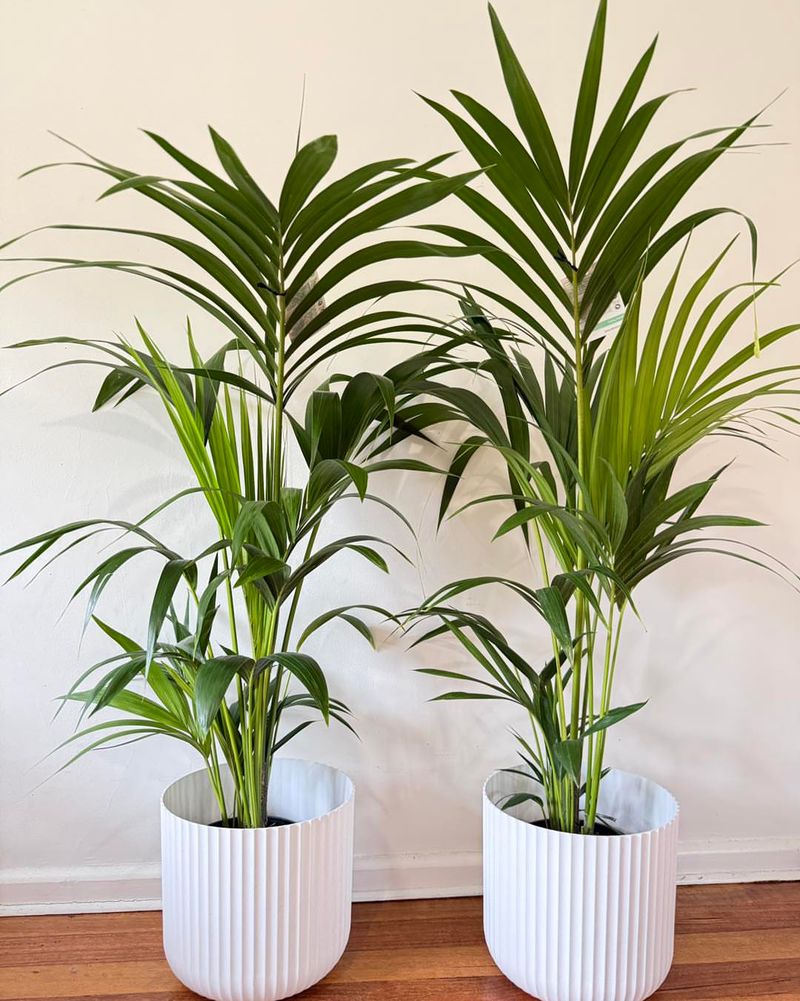
Kentia palms offer excellent durability and tolerate lower light better than many other varieties, making them ideal for rooms without direct sun exposure.
Bamboo palms work wonderfully in North Florida homes where heating systems create drier winter air, as they adapt well to fluctuating humidity.
When selecting your palm, consider your actual indoor light conditions rather than hoping the palm will adjust to what you have available.
Your Florida Garden Changes Every Week. Your Plan Should Too.
Gardening in Florida changes quickly throughout the season. Every Friday you’ll receive a simple weekly plan showing exactly what to plant, prune, fertilize, harvest, and protect so you never miss the right timing.
Choosing a palm suited to your specific space from the beginning prevents frustration and creates a much better growing experience for both you and your plant.
How Much Light Indoor Palms Actually Need
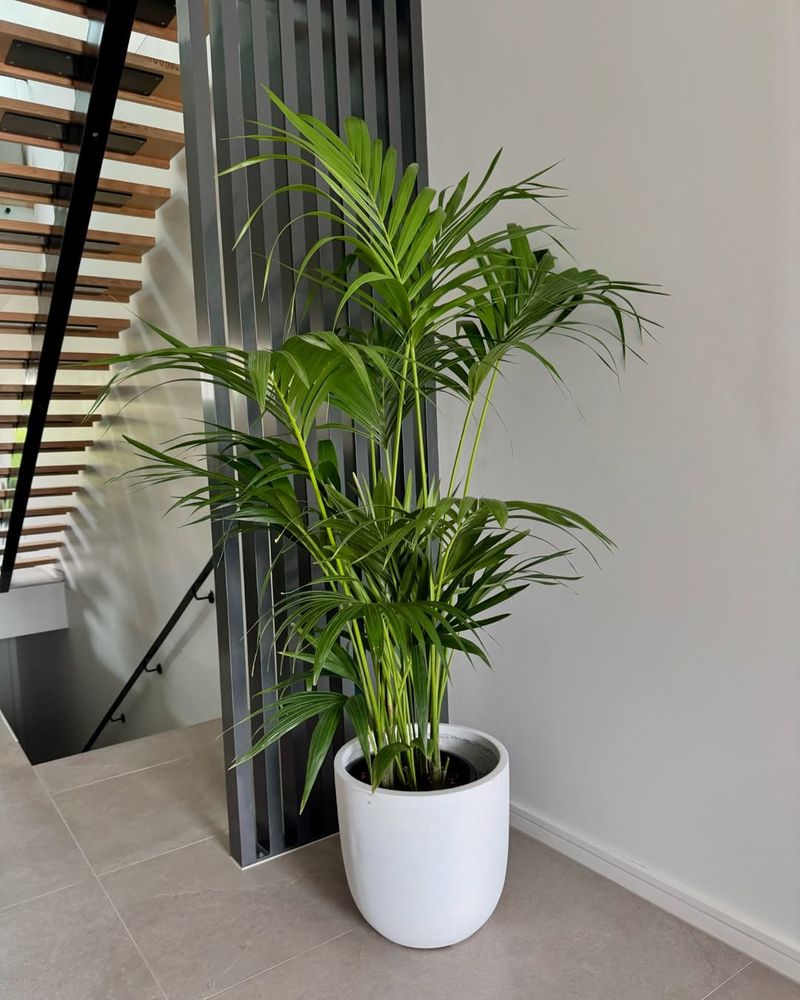
Bright indirect light sounds simple until you start trying to figure out what that actually means in your particular room. Most indoor palms need several hours of filtered sunlight daily, which typically comes from windows facing east or north where light stays gentler throughout the day.
South and west windows can work beautifully in Central and North Florida during winter months when light is less intense, especially with sheer curtain filtering, but that same exposure might scorch fronds during intense summer afternoons.
Watch how light moves across your room throughout the day before committing to a permanent spot for your palm.
Morning sun through sheer curtains provides ideal conditions for most varieties, while harsh afternoon rays often require additional filtering or moving your palm a few feet back from the window.
Rotating your palm every few weeks ensures all sides receive equal light exposure and prevents lopsided growth leaning toward the brightest source.
Palms placed too far from windows often develop thin, stretched fronds reaching desperately for light, while those too close may show bleached or brown patches where sun intensity exceeded their tolerance.
Finding that sweet spot where your palm receives bright but gentle light makes all the difference in maintaining healthy, vibrant fronds year-round.
Watering Indoor Palms Without Root Problems
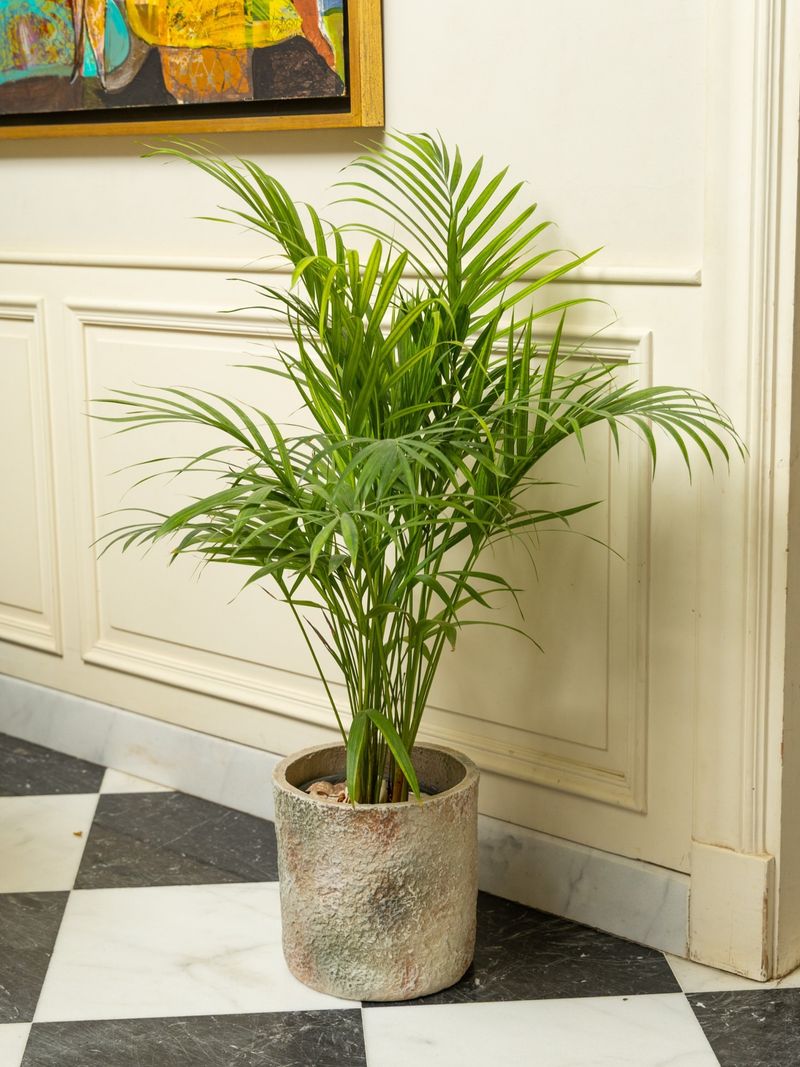
More indoor palms suffer from overwatering than any other single problem, especially here in Florida where our outdoor palms tolerate heavy summer rains without issue.
Indoor containers trap water completely differently than ground soil, and roots sitting in soggy potting mix quickly develop rot that spreads through the root system before you notice symptoms above the soil line.
Your palm needs consistent moisture without staying waterlogged between waterings.
Check the top two inches of soil before watering rather than following a rigid schedule, as indoor conditions change with seasons and air conditioning cycles. During summer months when your AC runs constantly, soil may dry faster than during milder spring weather when windows stay open and humidity naturally increases.
Always use pots with drainage holes so excess water escapes freely, and empty saucers within an hour after watering to prevent roots from reabsorbing standing water.
South Florida homeowners often need to water less frequently than expected because ambient humidity keeps soil moist longer, while North Florida homes with winter heating may require more frequent watering as indoor air becomes exceptionally dry.
Learning your specific palm’s rhythm takes a few weeks of observation but prevents the root damage that causes irreversible decline.
Managing Florida Humidity And Air Conditioning
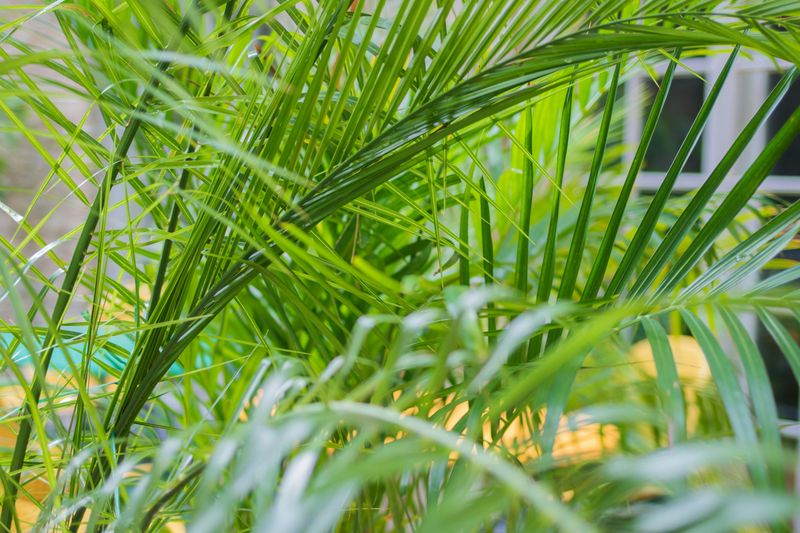
Florida’s natural humidity makes outdoor palms incredibly happy, but your indoor air conditioning removes that moisture and creates a much drier environment than most tropical plants prefer.
Central Florida homeowners running AC from May through October often notice their palms developing crispy brown tips as fronds lose moisture faster than roots can replace it.
This constant battle between natural humidity and artificial cooling affects every indoor palm across the state.
Grouping several plants together creates a microclimate where transpiration from multiple plants increases local humidity around their fronds. Placing your palm away from direct AC vents prevents cold, dry air from blasting fronds and causing rapid moisture loss.
Some homeowners find success placing a small humidity tray filled with pebbles and water beneath their palm, though the pot should sit on the pebbles above the water line rather than soaking in it.
North Florida faces the opposite challenge during winter when heating systems remove even more moisture from indoor air.
Misting fronds occasionally helps but provides only temporary relief, while maintaining proper watering and keeping palms away from heating vents offers more consistent protection against low humidity stress throughout seasonal changes.
The Best Soil Mix For Indoor Palms
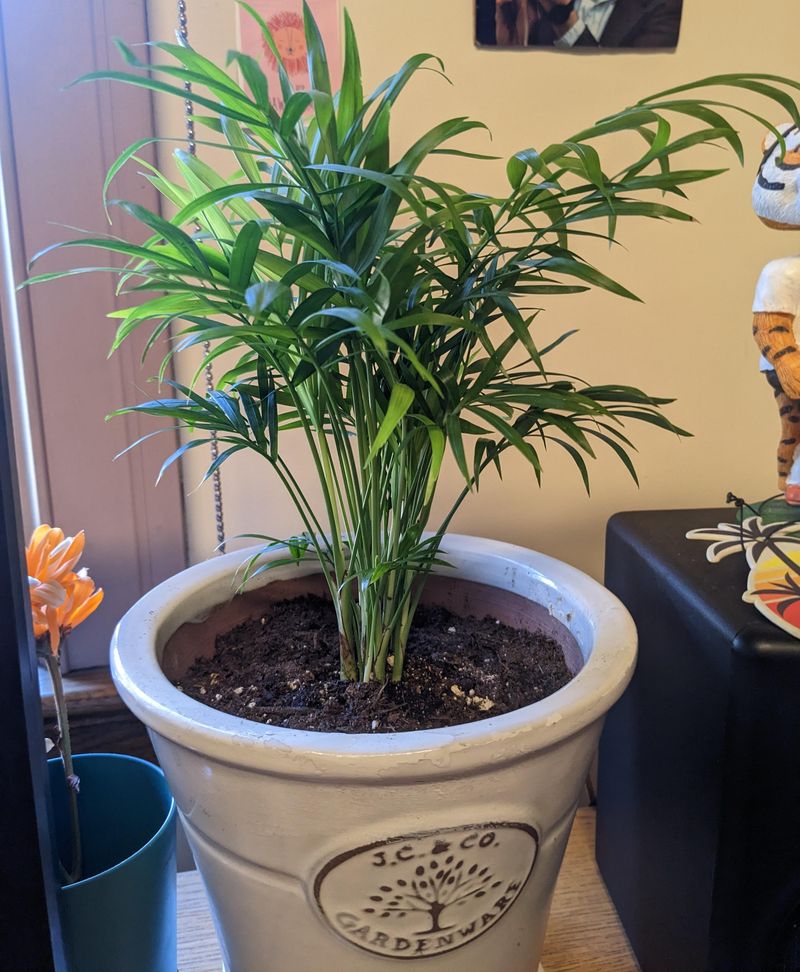
Garden soil from your yard might grow beautiful outdoor palms, but that same heavy soil becomes problematic in indoor containers where drainage and aeration matter even more. Indoor palms need a loose, well-draining potting mix that holds moisture without becoming compacted or waterlogged between waterings.
Standard potting soil often works adequately when amended with materials that improve drainage and prevent soil from settling into a dense, airless mass.
Mixing two parts quality potting soil with one part perlite and one part orchid bark creates an excellent medium that balances moisture retention with proper drainage.
Some Florida growers add a small amount of coarse sand to improve drainage, though pine bark or orchid bark amendments generally provide better long-term aeration for palms sensitive to wet feet like majesty or kentia varieties.
The mix should feel light and crumbly in your hands rather than heavy and clay-like.
University of Florida IFAS Extension recommends avoiding mixes with water-retaining crystals for indoor palms because these products can hold too much moisture in container environments.
Your soil should dry slightly between waterings rather than staying constantly damp, which prevents root rot while still providing the consistent moisture palms need for healthy growth.
Replenishing this mix every few years as it naturally breaks down keeps your palm’s root environment healthy long-term.
Fertilizing Palms The Right Way Indoors
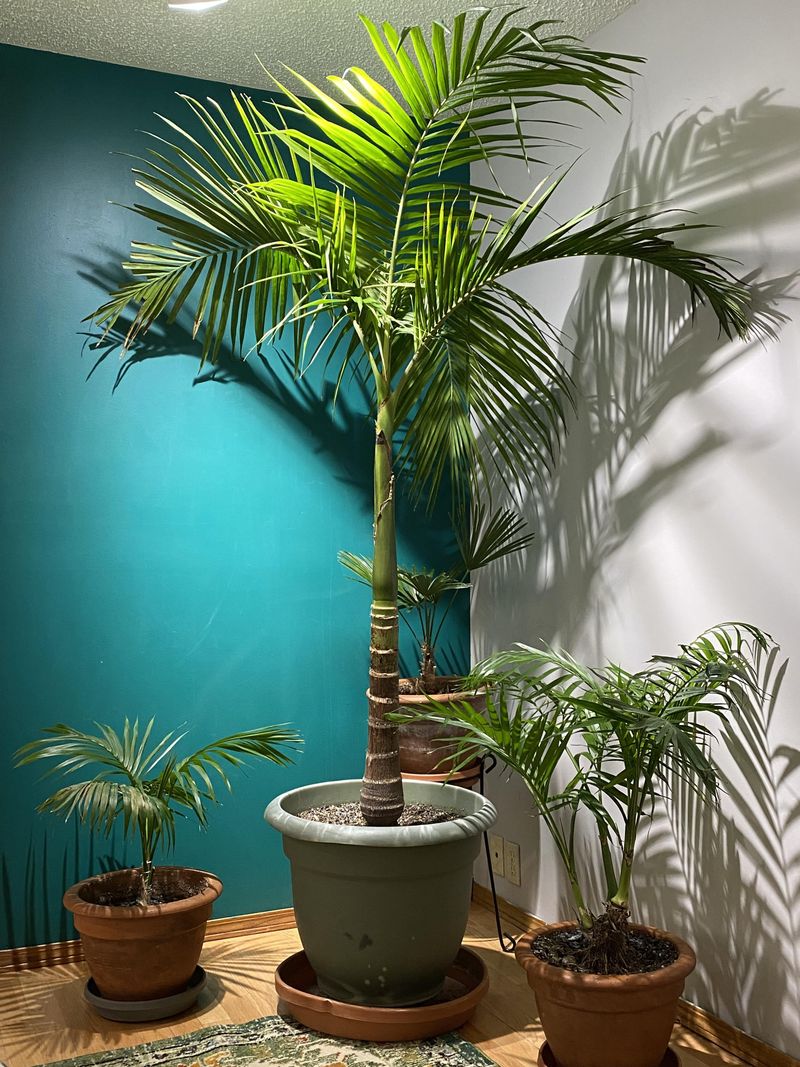
Indoor palms grow much slower than their outdoor counterparts, which means they need significantly less fertilizer than many homeowners expect.
Overfeeding creates salt buildup in potting soil that damages roots and causes the same brown tips and yellowing that nutrient deficiency produces, making it easy to misdiagnose the problem and add even more fertilizer.
Your palm needs regular but gentle feeding during its active growing season from spring through early fall.
A balanced liquid fertilizer diluted to half the package recommendation works beautifully for most indoor palms when applied monthly during warm months. Look for formulas containing micronutrients like manganese and iron, which palms specifically need to maintain deep green fronds and prevent yellowing.
Florida-Friendly Landscaping guidelines suggest using slow-release granular fertilizers designed specifically for palms if you prefer less frequent feeding, applying these every three months during the growing season.
Skip fertilizing entirely during winter months when your palm naturally slows its growth and uses fewer nutrients. Flushing your palm’s soil with plain water every few months helps remove accumulated salts from previous feedings, especially important in containers where minerals concentrate over time.
Proper fertilizing keeps fronds vibrant without creating the nutrient imbalances that cause long-term health problems.
Preventing Common Indoor Palm Problems
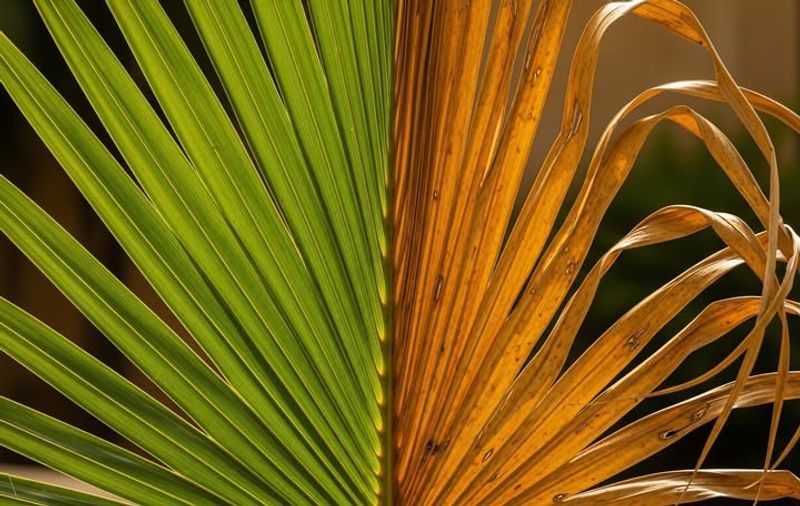
Brown tips on fronds signal several possible issues, from low humidity and inconsistent watering to fertilizer salt buildup or fluoride sensitivity from tap water.
South Florida homeowners often see spider mites during dry winter months when humidity drops and these tiny pests thrive in warm, dry conditions.
Catching problems early makes correction much easier than waiting until your palm shows severe symptoms across multiple fronds.
Inspect your palm weekly for small changes like yellowing lower fronds, which naturally occurs as palms age and redirect energy to new growth. However, multiple fronds yellowing simultaneously often indicates watering problems or nutrient imbalances that need attention.
Scale insects appear as small brown bumps along frond stems and require gentle removal with rubbing alcohol on a cotton swab before populations explode.
Keeping fronds clean by wiping them monthly with a damp cloth removes dust that blocks light absorption and creates surfaces where pests settle. Avoid placing your palm in cold drafts from doors or windows during rare Florida cold snaps, as temperatures below 50°F stress most tropical palms significantly.
Prevention through proper placement, consistent care, and regular observation stops most problems before they become serious enough to damage your palm permanently.
When To Repot Indoor Palms
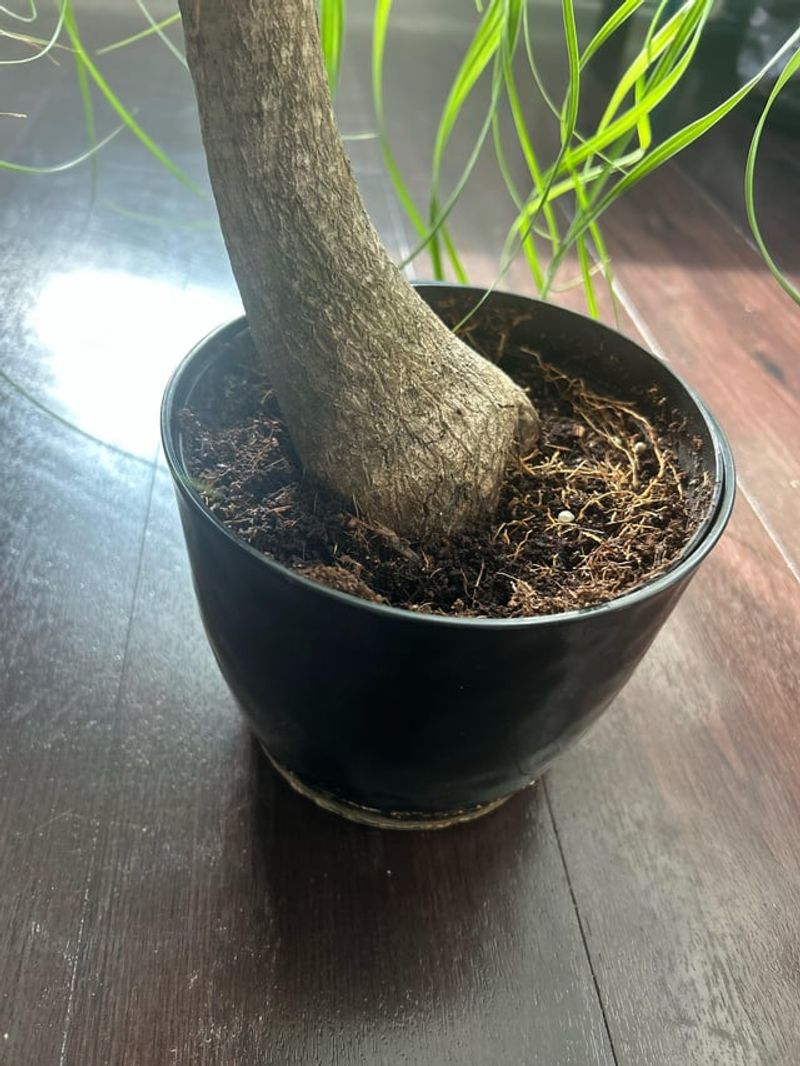
Palms actually prefer being slightly rootbound and often perform better in containers that seem too small for their size compared to other houseplants.
Repotting too frequently stresses palms and disrupts their root systems unnecessarily, so waiting until roots actively circle the pot’s exterior or emerge from drainage holes signals true repotting time.
Most indoor palms need repotting only every two to three years depending on their growth rate and container size.
Spring offers the ideal repotting window when your palm enters its active growing season and can quickly establish roots in fresh soil. Choose a new container only two inches larger in diameter than the current pot, as oversized containers hold too much moisture and increase root rot risk.
Use fresh, well-draining potting mix and handle roots gently to minimize transplant shock.
After repotting, water thoroughly until liquid drains freely from the bottom, then avoid fertilizing for at least six weeks while your palm adjusts to its new container.
Central Florida palms repotted in March or April establish beautifully before summer heat arrives, while North Florida timing can extend into May.
Some palms never truly need repotting and thrive for years in the same container with occasional top-dressing of fresh soil to replenish nutrients.
What Healthy Indoor Palms Look Like
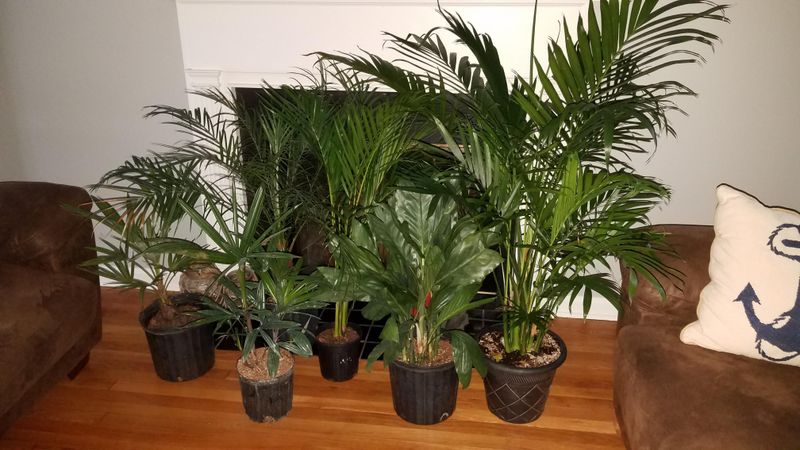
A thriving indoor palm displays deep green fronds that arch gracefully without drooping or reaching desperately toward light sources. New fronds emerge regularly from the crown during the growing season, unfurling slowly over several days as they expand to full size.
The overall plant maintains its natural shape and symmetry, with older lower fronds gradually yellowing and dropping as part of normal growth cycles rather than multiple fronds declining simultaneously.
Healthy frond tips stay green and intact rather than turning brown and crispy, though minor tip browning can occur even with excellent care due to natural sensitivity to water quality or humidity fluctuations.
The soil surface appears slightly dry between waterings while remaining lightly cohesive rather than dusty or compacted, indicating proper moisture balance.
Your palm’s growth remains steady but slow compared to outdoor specimens, producing perhaps three to five new fronds annually depending on variety and growing conditions.
Regular observation helps you recognize your specific palm’s healthy baseline, making it easier to spot subtle changes that indicate developing problems. A palm that looks vibrant in your friend’s South Florida sunroom might appear slightly different in your Central Florida home, and both can be perfectly healthy within their respective environments.
Trust your palm’s overall appearance and growth pattern rather than comparing it to outdoor palms or unrealistic images online.