What This Incoming Storm Means For Gardens From Texas To The Carolinas
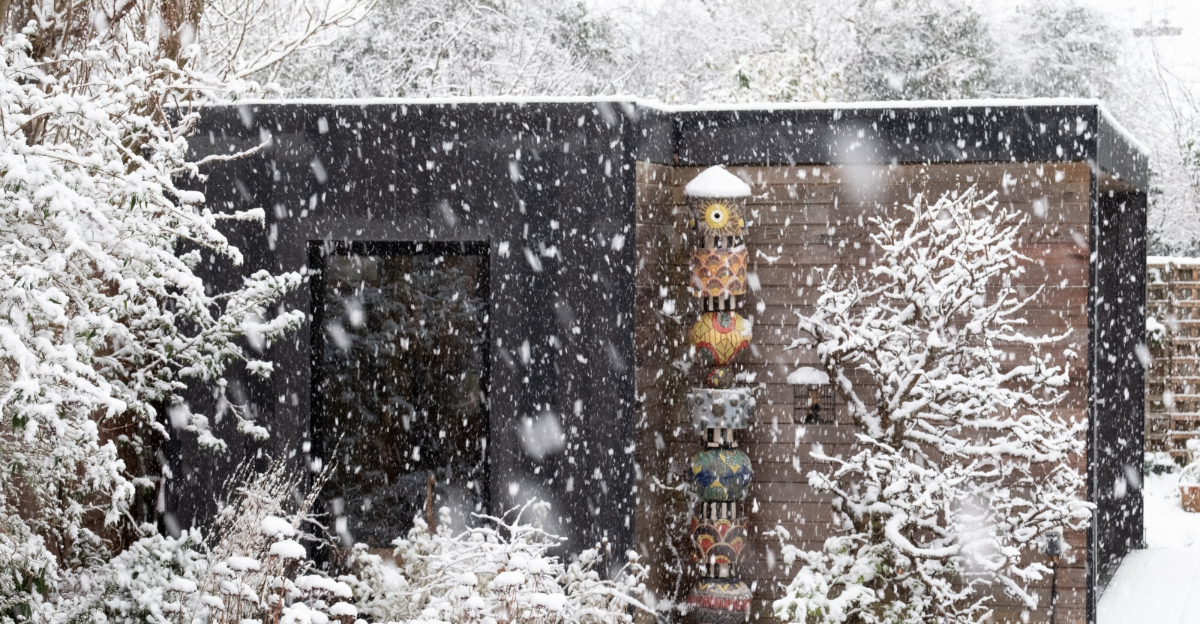
An incoming winter storm moving from Texas through the Carolinas is about to challenge gardens that aren’t accustomed to this kind of cold or its duration.
Unlike gradual seasonal cooling, this system is arriving fast, bringing freezing temperatures, ice, and wind before many plants have had time to adjust.
Southern gardens often remain actively growing late into the season, which makes sudden cold far more disruptive than it would be farther north.
The real concern isn’t just how low temperatures drop, but how long plants stay exposed without relief.
Ice, wind, and frozen soil combine into a type of stress that affects roots, stems, and foliage all at once. That combination is what makes this storm different from a brief overnight freeze.
Many common landscape and garden plants across Texas, Georgia, and the Carolinas are not built for prolonged freezing conditions.
Preparation matters most before the first hard drop in temperature, when small actions still make a meaningful difference.
Understanding what this storm brings helps gardens avoid unnecessary losses and recover faster once conditions improve.
1. What Kind Of Winter Weather Is Moving Across Texas And The Carolinas
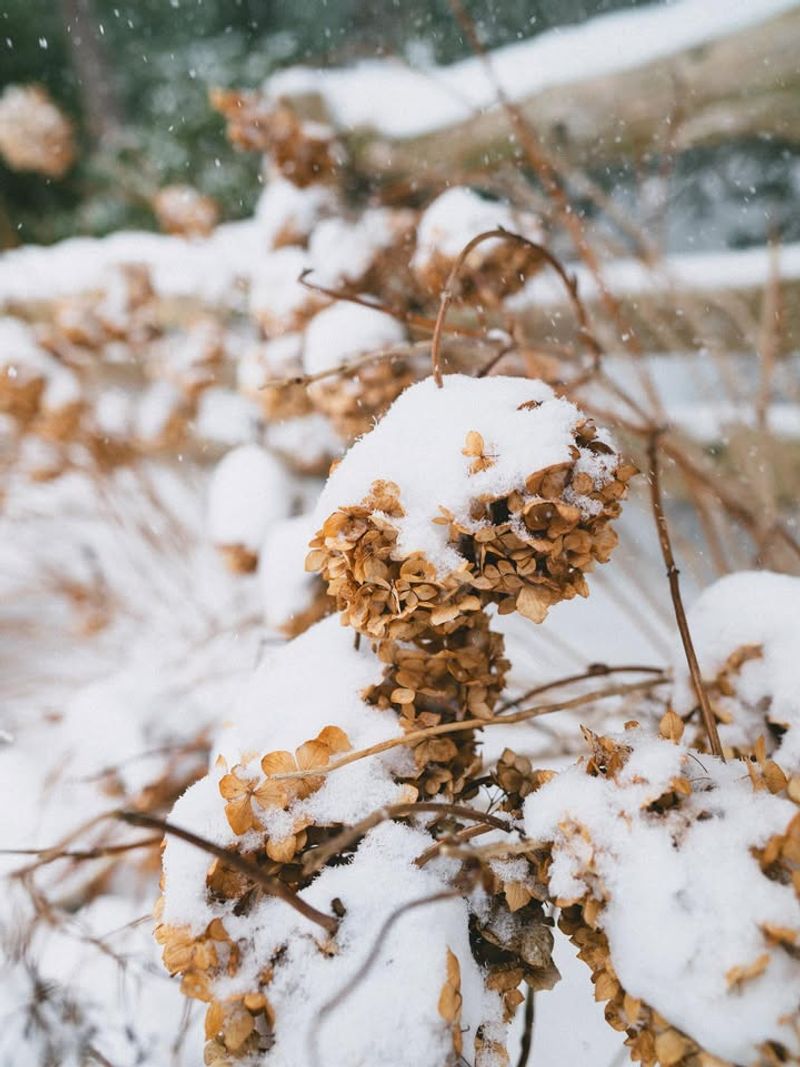
Cold fronts from the Arctic are plunging southward, bringing temperatures that are unusual for many southern gardens.
Exact impacts will vary by location depending on cloud cover, wind, and how long freezing temperatures persist.
These systems carry not just chilly air but also moisture that can turn into sleet, freezing rain, and even snow across Texas, Louisiana, Mississippi, Alabama, Georgia, and the Carolinas.
Unlike northern winters that settle in gradually, this storm is hitting fast and hard, leaving little time for plants to adapt.
Temperatures could drop below freezing for extended periods, with some areas potentially dipping into the teens overnight.
Texas gardeners, including those in traditionally milder regions, are facing conditions that many tropical and subtropical plants are not built to handle.
Ice accumulation on branches and leaves adds weight that can snap stems and damage delicate foliage.
Winds accompanying the storm make the cold feel even harsher, pulling moisture from plant tissues faster than usual.
Gardeners in North Carolina and South Carolina should expect similar conditions, with some areas seeing one of the more significant freezes of the season.
Understanding the severity helps you prepare properly instead of hoping for the best.
Timing matters too, since this storm is arriving during a period when many plants are still actively growing or have not fully hardened off for winter. Forecasts suggest the worst conditions will last several days, meaning prolonged exposure rather than a quick overnight freeze.
Knowing what is coming allows you to take action before it is too late.
2. Why This Type Of Storm Can Stress Garden Plants Quickly

Plants in the South have adapted to mild winters and rarely face prolonged freezing temperatures.
When cold air arrives suddenly, their cells do not have time to adjust, and freezing temperatures can damage plant tissues quickly.
This is especially true for species that thrive in warmth, like citrus, hibiscus, and bougainvillea, which are common across Texas and the Gulf Coast.
Your Texas Garden Changes Every Week. Your Plan Should Too.
Gardening in Texas changes quickly throughout the season. Every Friday you’ll receive a simple weekly plan showing exactly what to plant, prune, fertilize, harvest, and protect so you never miss the right timing.
Freezing rain creates a coating of ice that blocks sunlight and weighs down branches, leading to breakage. Even hardy plants can suffer when ice builds up, and tender new growth is particularly vulnerable.
Gardens in Georgia and the Carolinas often include plants that are borderline hardy, meaning they survive most winters but struggle during extreme cold snaps like this one.
Wind chill compounds the problem by accelerating water loss from leaves and stems, a process called desiccation.
Plants cannot pull moisture from frozen soil, so they dry out even as temperatures plummet. This double stress of cold and dehydration is what causes so much visible damage after storms pass.
Root systems also suffer when soil freezes deeply, especially in containers where roots are more exposed. Texas gardeners with potted plants on patios need to understand that containers offer far less insulation than in-ground beds.
Quick temperature swings can shock plants, causing them to drop leaves, wilt, or develop blackened stems.
3. Which Plants Are Most Vulnerable Right Now
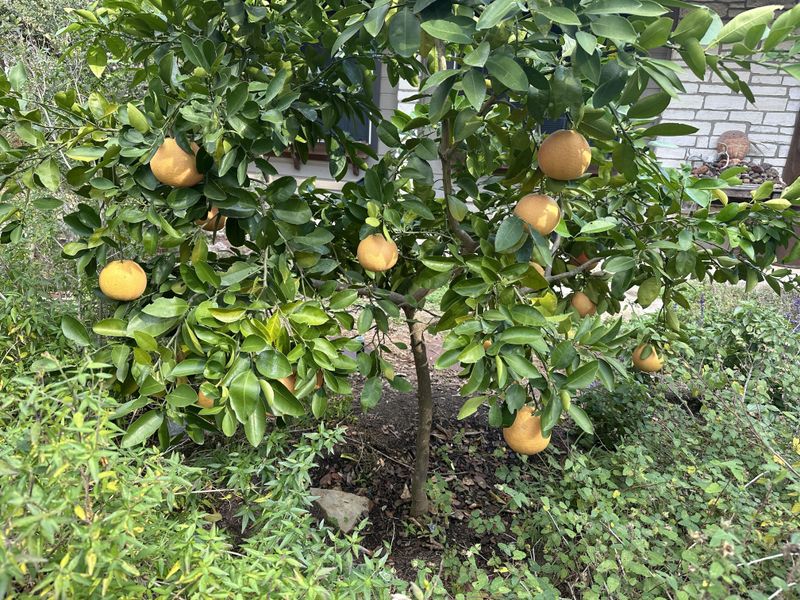
Tropical and subtropical species top the list of vulnerable plants, including citrus trees, banana plants, palms, and ornamental gingers.
These are staples in Texas landscapes, particularly in Houston, Austin, and along the Gulf Coast, where gardeners enjoy a nearly year-round growing season. When temperatures drop into the twenties or lower, these plants can experience severe tissue damage within hours.
Tender perennials like impatiens, coleus, and caladiums will not survive a hard freeze, and even semi-hardy favorites such as lantana and plumbago can suffer significant dieback.
Gardeners in Alabama and Mississippi often push the limits with plants that thrive in their mild climates, but this storm will test those boundaries.
Succulents and cacti, which are popular in Texas xeriscaping, are also at risk since they store water in their tissues that can freeze and expand.
Newly planted trees and shrubs have not yet developed strong root systems, making them more susceptible to cold stress.
Young growth on established plants, including spring bloomers that have already started budding, can be damaged or lost entirely.
Vegetables like tomatoes, peppers, and squash will not tolerate freezing temperatures, and even cool-season crops like lettuce and kale can struggle if ice forms on their leaves.
Potted plants are especially vulnerable because their roots are above ground and exposed to colder air. North Carolina and South Carolina gardeners with container gardens need to move pots indoors or provide extra insulation.
Knowing which plants are at greatest risk helps you prioritize your protection efforts.
4. How To Protect In-Ground Plants Before Temperatures Drop
Watering your garden thoroughly before the freeze is one of the most important steps you can take. Moist soil retains heat better than dry soil, helping to insulate roots and keep the ground temperature slightly warmer.
Texas gardeners should water deeply a day or two before the storm arrives, making sure moisture reaches the root zone without creating standing water that could freeze.
Mulching around the base of plants adds an insulating layer that protects roots from temperature extremes. Apply a thick layer of shredded leaves, pine straw, or wood chips, especially around vulnerable perennials and young trees.
In Georgia and the Carolinas, this extra mulch can mean the difference between a plant surviving or suffering severe root damage.
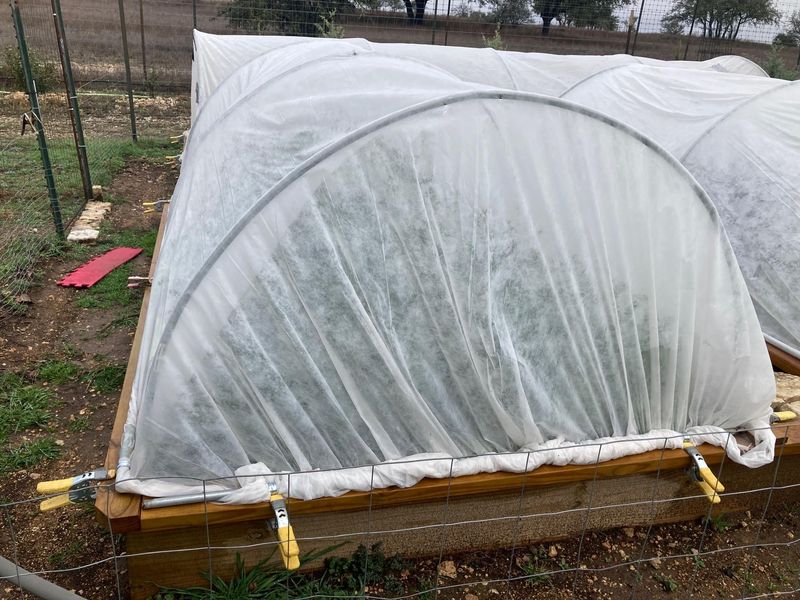
Covering plants with fabric row covers, old sheets, or blankets traps heat radiating from the soil and creates a warmer microclimate.
Avoid using plastic directly on foliage, as it can transfer cold and cause more harm than good. Drape covers over stakes or frames to keep fabric from touching leaves, and secure the edges to the ground to prevent cold air from sneaking underneath.
For small trees and shrubs, wrapping trunks with burlap or insulating tree wrap protects tender bark from cracking.
Use frost covers and insulation to trap ground heat around plants, creating a slightly warmer microclimate during the coldest nights.
Gardeners in South Carolina and Alabama can use this trick for citrus and other frost-sensitive plants to add a few extra degrees of protection.
5. Steps To Safeguard Containers And Raised Beds
Moving potted plants indoors is the best option if you have space, even if it is just into a garage, shed, or covered porch.
Containers lose heat quickly because soil is exposed on all sides, and roots can freeze solid in a matter of hours.
Texas gardeners with large collections of potted succulents, herbs, or ornamentals should prioritize bringing in the most tender varieties first.
If moving pots is not possible, group them together in a sheltered location like against a south-facing wall or under an overhang.
Clustering containers helps them share warmth and provides some protection from wind. Wrapping groups of pots with bubble wrap, burlap, or old blankets adds insulation, and placing pots on blocks or boards instead of directly on cold concrete helps prevent heat loss from below.
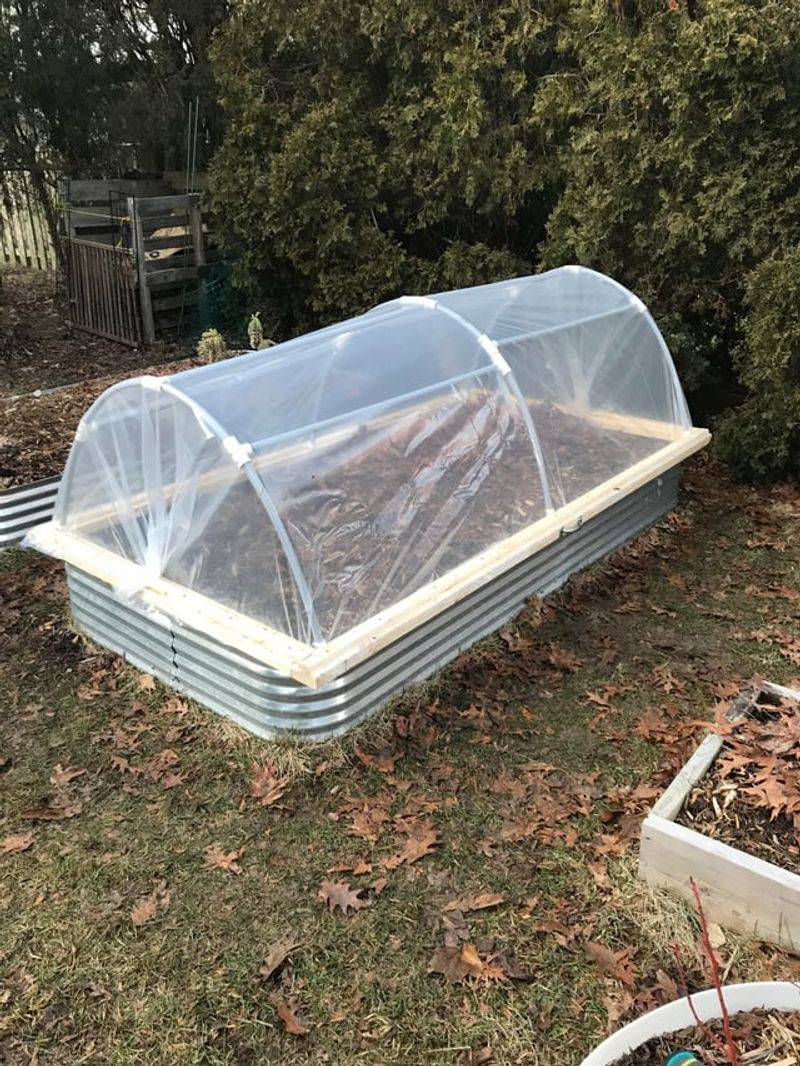
Raised beds can be protected by draping row covers or clear plastic over hoops or frames to create a mini greenhouse effect.
This method works well for cool-season vegetables that might otherwise be damaged by ice or heavy snow. Gardeners in North Carolina and Georgia often use raised beds for winter greens, and covering them keeps crops edible and healthy through the storm.
For larger raised beds, adding a thick layer of straw or shredded leaves over the soil surface insulates plant roots and keeps soil temperatures more stable.
Watering beds before the freeze, just as you would with in-ground plants, helps retain heat.
If you have frost-sensitive plants in raised beds, consider adding cloches or individual covers for extra protection during the coldest nights.
6. What Not To Do While The Storm Is Passing
Avoid pruning or cutting back damaged growth while temperatures are still freezing.
Even if leaves and stems look blackened or wilted, they provide some insulation to the rest of the plant and removing them too soon exposes healthy tissue to further cold damage.
Texas gardeners often want to clean up immediately, but patience is key until the weather warms up.
Do not water plants during the freeze, as wet foliage can freeze solid and cause more harm.
Once you have watered thoroughly before the storm, leave the hose alone until temperatures rise above freezing again. Ice-covered leaves are heavy and fragile, and adding more moisture only increases the risk of breakage.
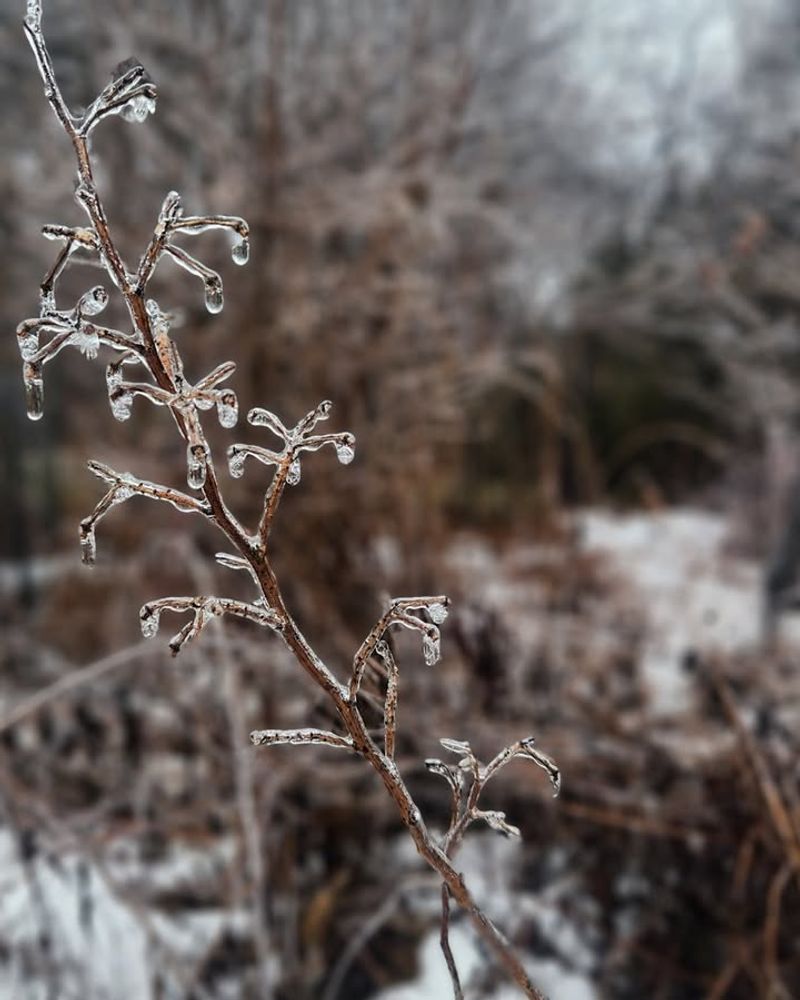
Resist the urge to shake ice or snow off branches, tempting as it may be.
Frozen plant tissues are brittle, and shaking can snap stems or break limbs that would otherwise recover once the ice melts naturally. Gardeners in the Carolinas and Alabama should let nature take its course and allow ice to melt on its own.
Do not fertilize plants before or during the storm, as this encourages new growth that is even more vulnerable to cold damage.
Fertilizing should wait until spring when plants are actively growing again. Also avoid uncovering plants too early, even if daytime temperatures rise, because nighttime lows may still dip below freezing and cause additional stress.
Leave protective covers in place until the forecast shows consistently warmer weather.
7. How To Check Plants Once Conditions Improve
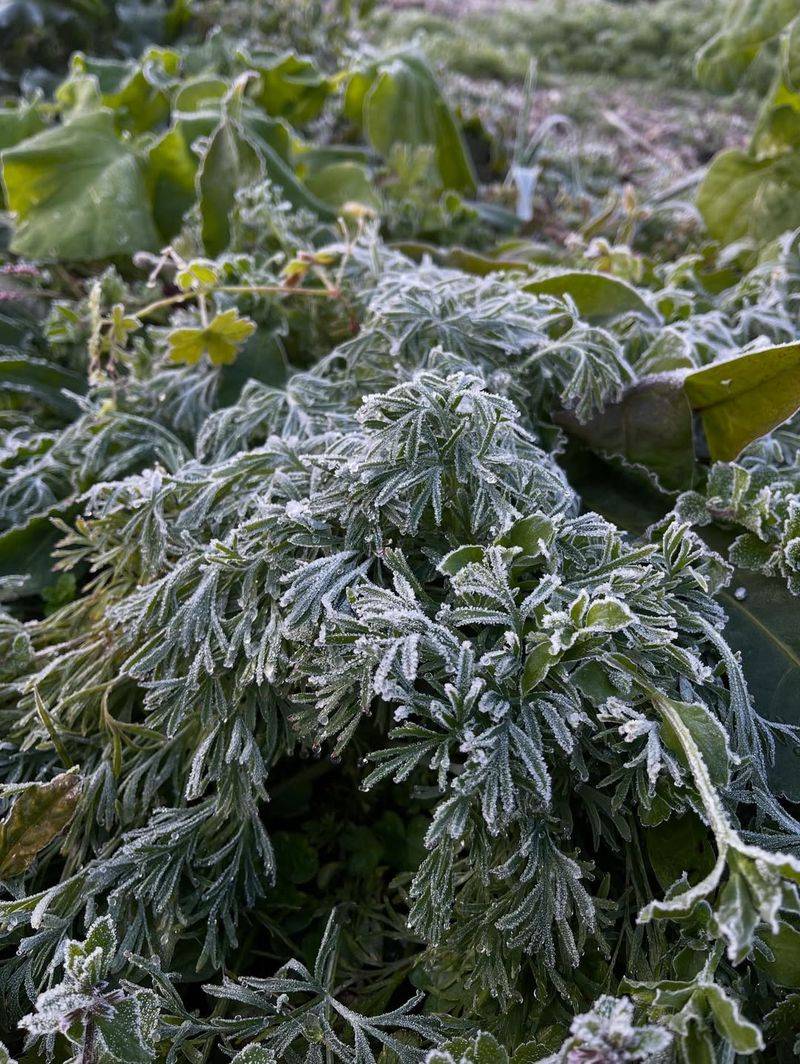
Wait until temperatures have been above freezing for at least a full day before assessing damage. Plants may look worse than they actually are right after a freeze, and some will recover once they thaw out and start moving water through their systems again.
Texas gardeners should give plants a week or more to show signs of recovery before making any major decisions about removal or heavy pruning.
Gently bend stems and branches to see if they are still flexible or if they snap easily.
Flexible stems are likely still alive and will recover, while brittle, dry stems that break cleanly may not recover.
Check the base of plants for new growth emerging from the crown or roots, which is a good sign that the plant will bounce back even if top growth was harmed.
Scratch a small section of bark with your fingernail or a knife to see if there is green tissue underneath. Green means the stem is still alive, while brown or gray indicates damage.
Start checking near the base of the plant and work your way up to find where living tissue ends and damaged tissue begins. Gardeners in Georgia and the Carolinas can use this method to determine how much pruning will be needed later.
Look for signs of root damage by gently tugging on plants to see if they are still firmly anchored in the soil. Mushy or blackened roots are a sign of severe cold damage, while firm, white roots indicate health.
Remove any covers or insulation once the danger of frost has passed to allow air circulation and prevent mold or rot from developing.
8. Simple Post-Storm Care That Helps Gardens Recover
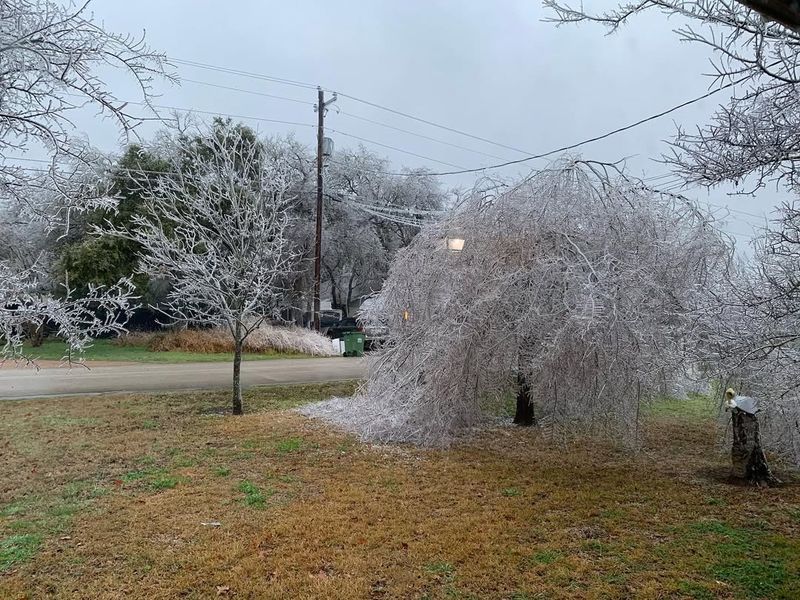
Once the danger of freezing has passed, remove damaged foliage gradually rather than all at once.
Cutting back too much too soon can shock plants and slow their recovery.
Texas gardeners should focus on removing only the most severely damaged leaves and stems, leaving anything that still looks questionable until new growth appears and makes it clear what needs to go.
Water plants deeply once soil has thawed to help them recover from the stress of freezing and dehydration. Roots need moisture to resume normal function, and a good soaking encourages new growth to emerge.
Avoid overwatering, though, as cold-damaged roots are more susceptible to rot if soil stays soggy.
Apply a balanced, slow-release fertilizer once plants show signs of active growth, usually a few weeks after the storm.
This gentle feeding supports recovery without pushing plants too hard. Gardeners in North Carolina and South Carolina can also add a layer of compost around the base of plants to improve soil health and provide nutrients gradually.
Prune damaged branches cleanly just above healthy buds or nodes to encourage strong new growth. Use sharp, clean tools to make cuts that heal quickly.
Watch for signs of disease or pests, as stressed plants are more vulnerable to both.
Keep an eye on weather forecasts for any additional cold snaps and be ready to protect plants again if needed. With patience and proper care, most gardens will recover and thrive once spring arrives.