How Texas Gardeners Start Salad Gardens In January For Early Harvests
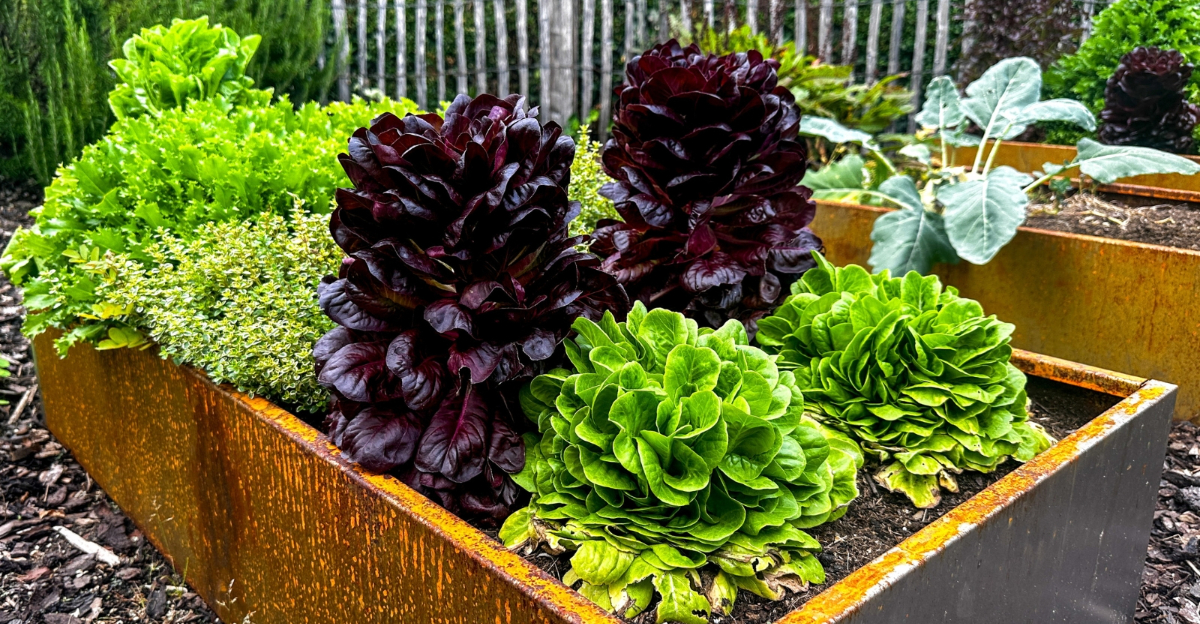
January doesn’t look like salad season in Texas, yet this is exactly when some of the most productive gardens quietly get started.
Mild winter temperatures and workable soil give leafy greens a rare window to establish before spring heat arrives.
Instead of rushing later, starting now lets roots settle in while conditions stay calm and forgiving.
Texas gardeners who plant early often harvest sooner and more consistently once daylight begins to stretch.
What makes this timing so effective is how quickly cool-season greens respond once growth begins. That early momentum carries straight into spring.
Protected beds, smart placement, and simple covers turn January planting into a reliable strategy rather than a gamble.
Early salad gardens also avoid many pests that show up later in the season.
By the time most gardens are just getting started, these January-planted beds are already producing fresh harvests across Texas.
1. Choosing Cold-Tolerant Greens First
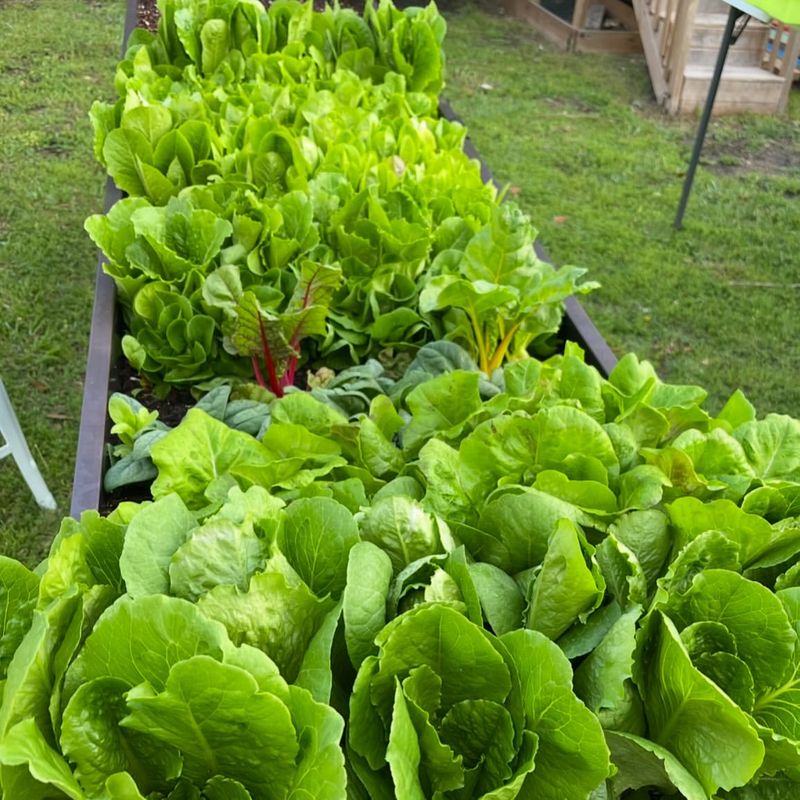
Success with January planting depends heavily on selecting varieties that laugh at frost instead of wilting under it. Lettuce, spinach, arugula, and kale are champions when temperatures dip, and they actually taste sweeter after a light freeze.
Texas gardeners know that picking the right seeds makes all the difference between a thriving patch and a disappointing experiment.
Buttercrunch lettuce is a favorite across the state because it handles cold snaps beautifully and produces tender, buttery leaves. Spinach varieties like Bloomsdale and Space are equally tough, growing steadily even when nighttime temperatures hover in the low thirties.
Arugula adds a peppery kick to salads and grows so fast that you can harvest it within three weeks of planting.
Kale deserves a spot in every Texas winter garden because it becomes more flavorful after exposure to cold weather. Mustard greens and collards also perform well, offering variety and nutrition.
Mache, also called corn salad, is another cold-hardy option that many gardeners overlook.
Avoid planting warm-season crops like tomatoes or peppers in January, as they simply cannot handle the cold. Stick with greens that are bred for cool weather, and your garden will reward you with abundant harvests.
Reading seed packets carefully helps you choose varieties specifically labeled as cold-tolerant or frost-resistant.
Local nurseries in Texas often stock seeds suited to the region, making it easier to find proven performers. Ordering from seed companies that specialize in Southern or winter gardening can also expand your options.
Experimenting with a few different varieties lets you discover which ones grow best in your specific area.
2. Using Raised Beds To Warm Soil Faster
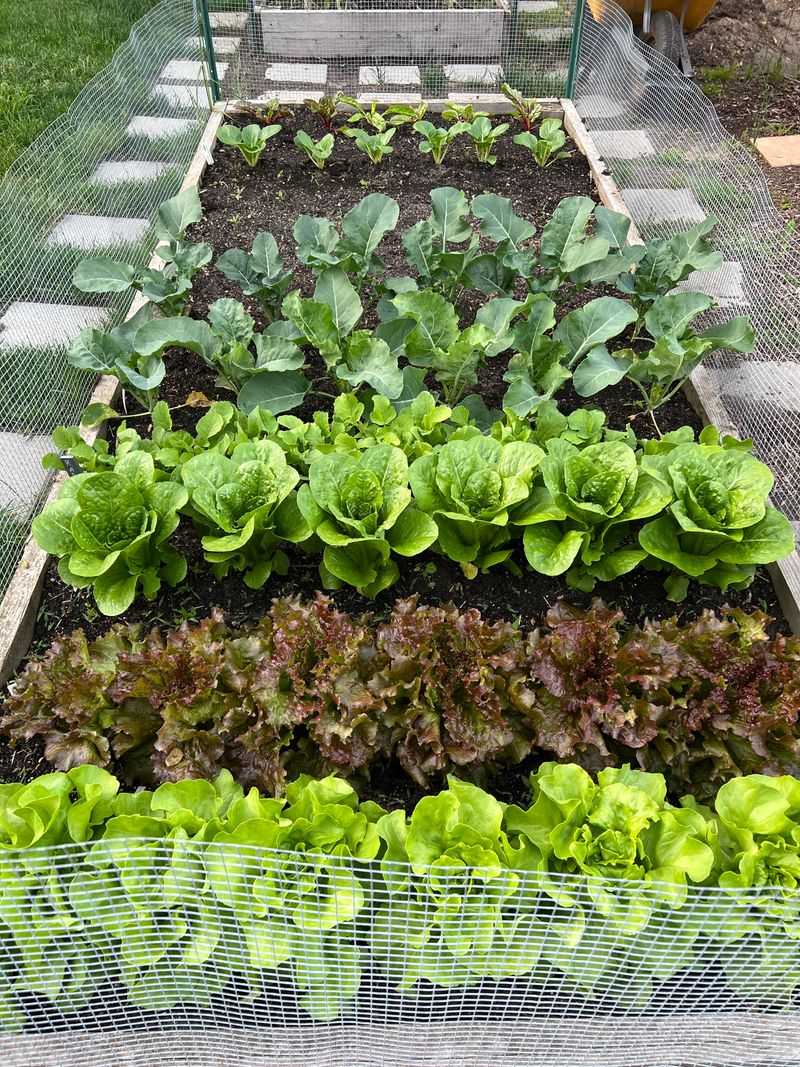
Raised beds are a game-changer for Texas gardeners who want to get a jump on the growing season. Soil in raised beds warms up faster than ground-level soil because it is exposed to more sunlight and air circulation.
This extra warmth encourages seeds to germinate quickly and helps young plants establish strong roots.
Building a raised bed is easier than you might think, and it does not require fancy carpentry skills. Simple wooden frames made from untreated lumber or cedar work perfectly, and you can size them to fit your space.
Your Texas Garden Changes Every Week. Your Plan Should Too.
Gardening in Texas changes quickly throughout the season. Every Friday you’ll receive a simple weekly plan showing exactly what to plant, prune, fertilize, harvest, and protect so you never miss the right timing.
Many Texas gardeners use beds that are four feet wide and eight feet long, which provides plenty of room for a variety of greens.
Filling your raised bed with high-quality soil mix gives your plants the nutrients they need to thrive. A blend of compost, peat moss, and vermiculite creates a loose, well-draining environment that roots love.
Adding a bit of organic fertilizer at planting time gives seedlings an extra boost.
Raised beds also make it easier to control soil quality, especially if your native Texas soil is heavy clay or sandy. You can customize the mix to suit the needs of salad greens, which prefer slightly acidic to neutral pH levels.
Testing your soil occasionally helps you make adjustments as needed.
Another advantage of raised beds is improved drainage, which prevents roots from sitting in waterlogged soil during winter rains. Good drainage is critical for preventing rot and fungal diseases.
Elevating your garden also makes planting, weeding, and harvesting more comfortable on your back and knees.
3. Starting Seeds Directly Instead Of Transplants
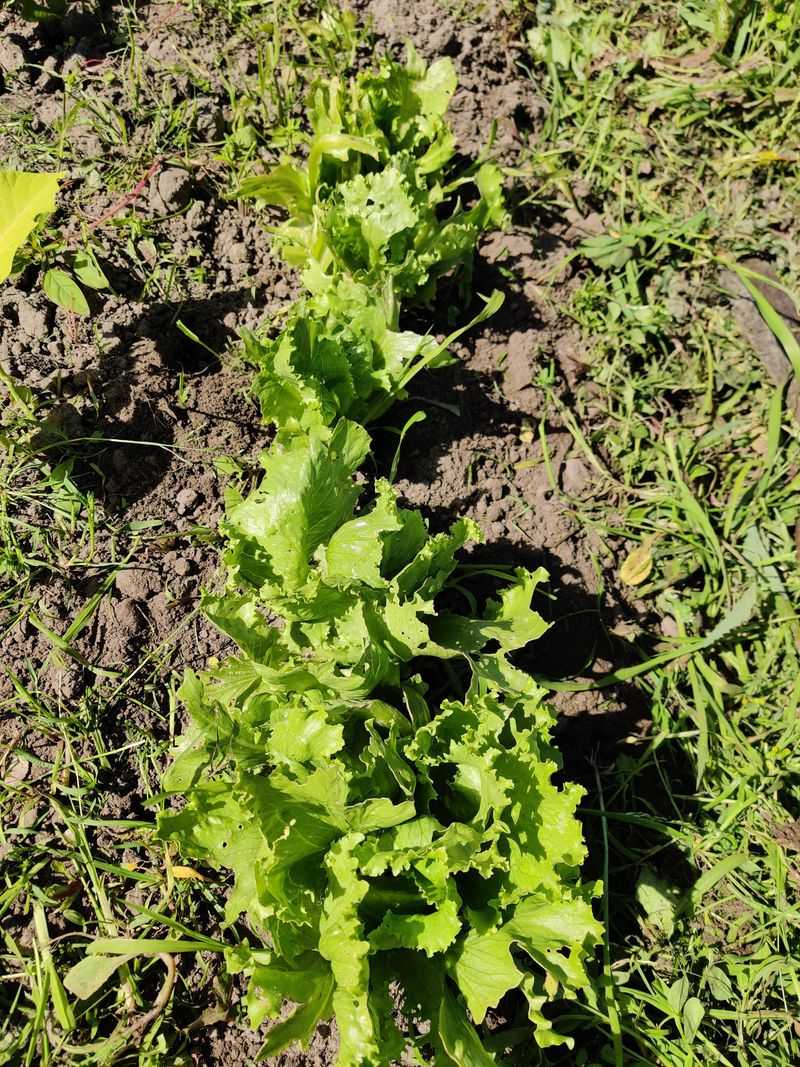
Planting seeds straight into the garden might seem intimidating, but it is actually the best approach for many salad greens in January. Lettuce, spinach, and arugula all prefer to be direct-sown because they develop strong taproots that do not like being disturbed.
Transplanting can shock these crops and slow their growth, so starting them where they will grow saves time and effort.
Direct seeding is also more affordable than buying transplants, and it gives you access to a wider variety of greens. Seed packets contain enough seeds for multiple plantings, allowing you to stagger your harvests throughout the season.
Texas gardeners appreciate the flexibility and cost savings that come with starting from seed.
Preparing your soil properly is key to successful direct seeding. Rake the surface smooth and remove any rocks or clumps that could interfere with germination.
Sprinkling a thin layer of compost over the bed provides a nutrient-rich environment for emerging seedlings.
Sowing seeds at the correct depth ensures they have enough moisture to sprout without being buried too deep. Most salad greens need to be planted only a quarter-inch deep, and some, like lettuce, even need light to germinate.
Pressing the seeds gently into the soil helps them make good contact with moisture.
Watering lightly after planting keeps the soil consistently moist until seeds sprout, which usually takes five to ten days. Covering the bed with a thin layer of row cover or burlap can help retain moisture and protect seeds from birds.
Checking the bed daily ensures you catch the first signs of germination.
4. Protecting Beds With Frost Cloth On Cold Nights
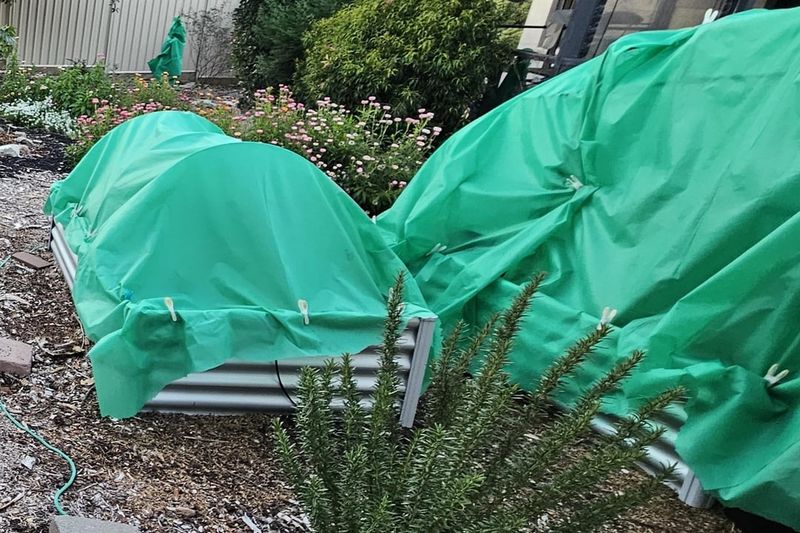
Even though Texas winters are generally mild, occasional cold snaps can damage tender seedlings if they are left unprotected. Frost cloth, also called row cover or floating row cover, is a lightweight fabric that traps heat and shields plants from freezing temperatures.
Draping it over your salad garden on chilly nights can mean the difference between thriving greens and stunted growth.
Frost cloth works by creating a microclimate around your plants, holding in warmth from the soil and blocking icy winds. It allows sunlight, air, and water to pass through, so you do not have to remove it during the day unless temperatures rise significantly.
Many Texas gardeners leave it in place for weeks at a time during the coldest part of winter.
Installing frost cloth is simple and requires only a few supplies. You can drape it directly over plants or support it with hoops made from PVC pipe or wire.
Securing the edges with rocks, bricks, or landscape staples prevents wind from blowing it away.
Choosing the right weight of frost cloth depends on how much protection your plants need. Lightweight fabrics offer a few degrees of frost protection and work well for mild Texas winters.
Heavier fabrics provide more insulation but may block too much light if left on for extended periods.
Removing the cover during warm, sunny days allows plants to soak up maximum sunlight and prevents overheating. Checking the weather forecast helps you decide when to cover and uncover your garden.
Frost cloth is reusable, so you can fold it up and store it for next season.
Investing in quality frost cloth pays off over time because it lasts for several years with proper care.
5. Planting In Sunny, Wind-Sheltered Spots
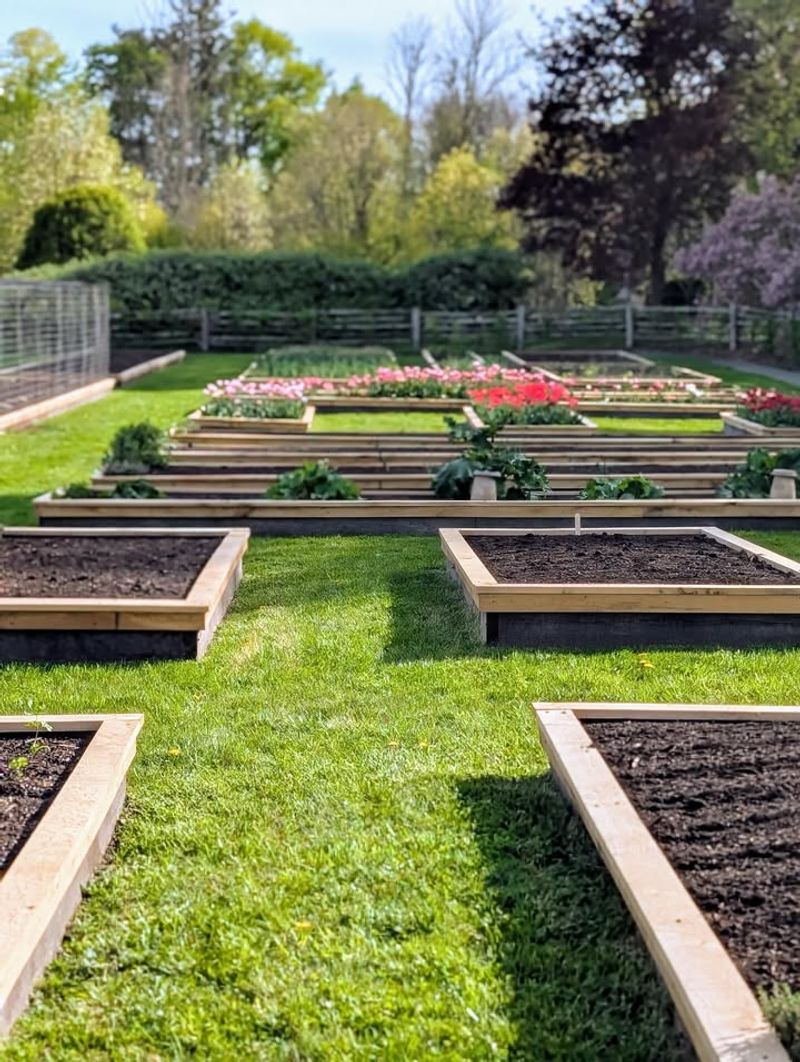
Location is everything when it comes to growing salad greens in January, and finding the sunniest, most protected spot in your yard sets you up for success. Greens need at least four to six hours of sunlight daily to grow well, and in winter, every ray of sunshine counts.
Texas gardeners often choose south-facing areas that receive maximum light throughout the day.
Wind can be a serious problem during Texas winters, drying out soil and damaging tender leaves. Planting near a fence, wall, or hedge provides a natural windbreak that keeps your garden calmer and warmer.
Even a slight reduction in wind exposure can make a noticeable difference in plant health.
Observing your yard throughout the day helps you identify microclimates that stay warmer than other areas. Spots near buildings or paved surfaces often absorb and radiate heat, creating pockets of warmth that benefit cold-season crops.
Taking advantage of these natural heat sources extends your growing window.
Avoiding low-lying areas where cold air settles is equally important. Frost tends to form more heavily in dips and valleys, putting plants at greater risk.
Choosing slightly elevated ground or raised beds helps your greens escape the coldest temperatures.
If your yard lacks natural windbreaks, you can create your own using temporary barriers like stakes and burlap. Placing a row of potted plants or bales of straw on the windward side of your garden also helps.
These simple solutions make a big difference without requiring major construction.
6. Watering Lightly To Avoid Cold, Soggy Soil
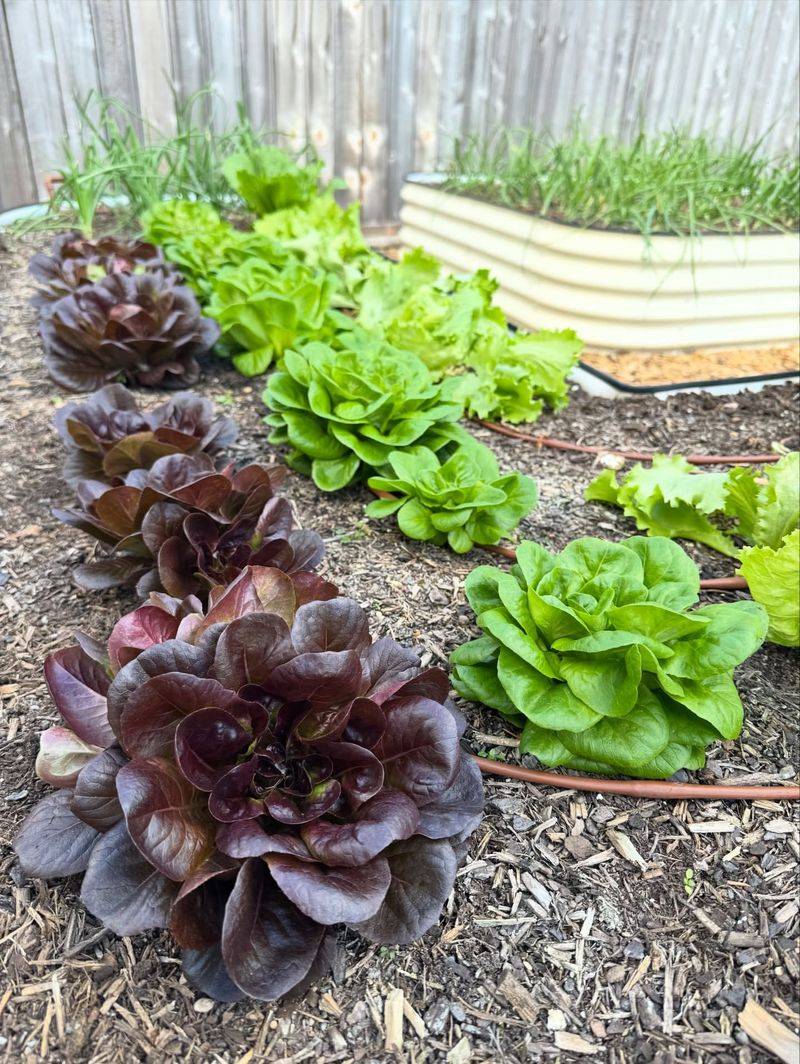
Watering salad greens in winter requires a completely different approach than summer gardening, and overdoing it is one of the most common mistakes. Cold, wet soil stays saturated longer and can suffocate roots, leading to stunted growth and disease.
Texas gardeners learn quickly that less is more when it comes to winter watering.
Checking soil moisture before watering prevents you from adding water when it is not needed. Stick your finger an inch or two into the soil, and if it feels damp, hold off for another day or two.
Salad greens have shallow roots, so they do not need deep watering like larger plants.
Watering in the morning gives soil time to absorb moisture and dry slightly before temperatures drop at night. Wet foliage and soil at night increase the risk of frost damage and fungal problems.
Timing your watering to coincide with sunny, warmer parts of the day helps plants use water more efficiently.
Using a watering can or a hose with a gentle spray nozzle prevents soil from washing away or compacting. Drip irrigation systems work beautifully for winter gardens because they deliver water slowly and directly to the root zone.
Setting a timer on your drip system ensures consistent moisture without waste.
Mulching around plants helps regulate soil moisture by reducing evaporation and preventing the surface from drying out too quickly. A thin layer of straw or shredded leaves works well, but avoid piling it too thickly, which can trap excess moisture.
Mulch also insulates roots from temperature fluctuations.
7. Staggering Plantings For Continuous Harvests
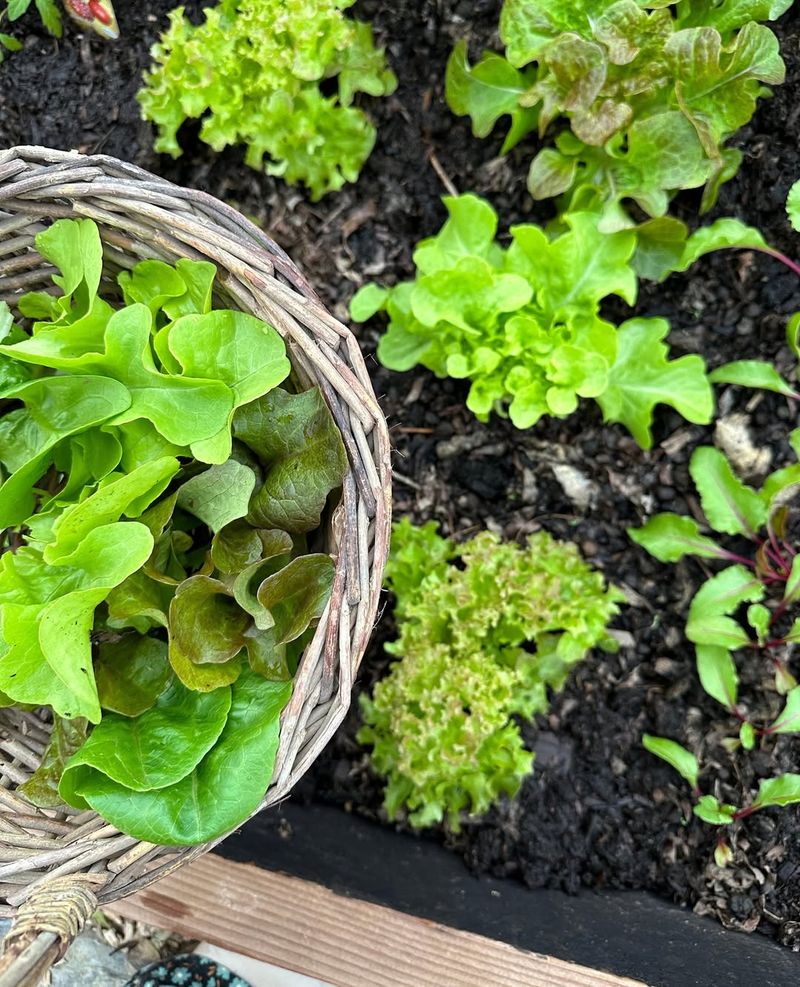
Planting all your salad greens at once might seem efficient, but it leads to a feast-or-famine situation where everything is ready to harvest at the same time. Staggering your plantings by sowing a new batch every two weeks ensures a steady supply of fresh greens throughout the season.
Texas gardeners who master this technique enjoy salads from late winter through early spring.
Starting with a small section of your bed and adding more rows every couple of weeks keeps your garden producing without overwhelming you. Mark your calendar with planting dates so you do not forget to sow the next round.
Consistency is key to maintaining a continuous harvest.
Choosing fast-maturing varieties makes staggered planting even more effective. Arugula and baby lettuce are ready to pick in as little as three weeks, while spinach and kale take a bit longer.
Mixing quick and slow growers gives you variety and extends your harvest window.
Labeling each planting with the date and variety helps you keep track of what was planted when. Small stakes or markers in the soil make it easy to see at a glance which rows are ready to harvest.
This simple habit prevents confusion and helps you plan your next planting.
Harvesting outer leaves while allowing the center of the plant to continue growing prolongs production even further. This cut-and-come-again method works especially well with lettuce, spinach, and kale.
Each plant can provide multiple harvests over several weeks.
8. Growing Greens In Containers For Easy Protection
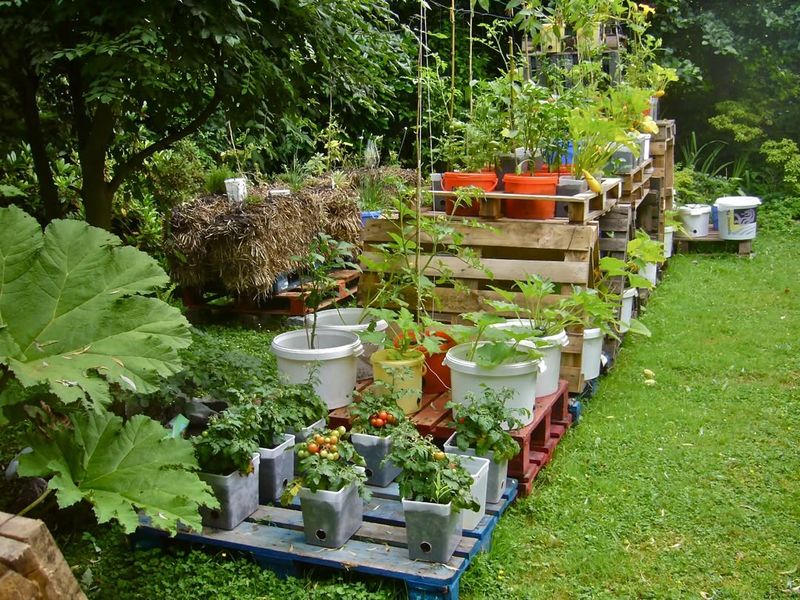
Containers offer incredible flexibility for Texas gardeners who want to grow salad greens in January without committing to a full garden bed. Pots can be moved to sunny spots during the day and relocated to sheltered areas or even a garage on freezing nights.
This mobility gives you control over growing conditions that in-ground gardens simply cannot match.
Choosing the right size container is important for healthy root development. Salad greens do not need deep pots, but they do appreciate width for spreading roots.
Containers that are at least six to eight inches deep and twelve inches wide work well for lettuce, spinach, and arugula.
Drainage holes are non-negotiable because salad greens will not tolerate waterlogged soil. If your pot does not have holes, drill a few in the bottom before planting.
Placing a saucer underneath catches excess water and protects surfaces from staining.
Filling containers with high-quality potting mix rather than garden soil ensures good drainage and prevents compaction. Potting mix is lighter and fluffier, which helps roots access oxygen and nutrients.
Adding a slow-release organic fertilizer at planting time gives seedlings a steady supply of food.
Containers dry out faster than garden beds, so checking moisture levels daily is important. In Texas, even winter sun can evaporate water quickly, especially from smaller pots.
Watering when the top inch of soil feels dry keeps plants happy without overwatering.
9. Harvesting Young Leaves To Encourage Regrowth
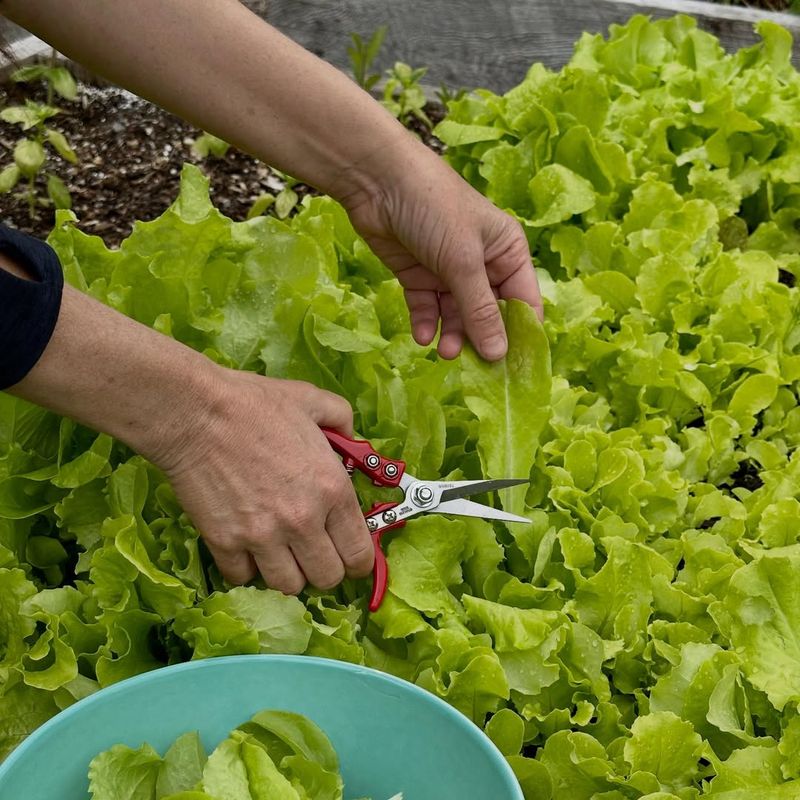
Picking salad greens at the right time and in the right way keeps plants producing for weeks instead of giving you a single harvest. Young leaves are more tender and flavorful than mature ones, and harvesting them encourages the plant to send up new growth.
Texas gardeners who use this method enjoy fresh salads all winter long.
Starting to harvest when leaves are just a few inches tall might feel premature, but it actually benefits the plant. Removing outer leaves while leaving the center intact allows the plant to continue photosynthesizing and growing.
This technique, called cut-and-come-again, works beautifully with lettuce, spinach, arugula, and kale.
Using clean, sharp scissors or garden shears makes harvesting quick and prevents damage to the plant. Tearing leaves by hand can bruise stems and introduce disease.
Cutting just above the base of the leaf allows the plant to seal the wound and regrow faster.
Harvesting in the morning when leaves are crisp and full of moisture gives you the best flavor and texture. Wilted afternoon greens do not taste as good and will not stay fresh as long in the refrigerator.
Rinsing leaves gently and storing them in a sealed container extends their shelf life.
Rotating your harvests among different plants prevents any single one from becoming overstressed. Picking a few leaves from each plant rather than stripping one bare keeps your garden balanced and productive.
This approach also ensures you always have greens ready to pick.