Plant These 9 Vegetables In Florida Before January Ends For Faster Harvests
If you garden in Florida, you already know winter feels different here. While other states are scraping ice off windshields, you are walking outside in a hoodie, checking beds, and wondering if it is too early to plant.
The truth is January gives Florida gardeners a quiet advantage that does not last long. Cool soil, mild afternoons, and slower-growing conditions create the perfect window for certain vegetables to take off fast and grow stronger before spring heat kicks in.
Planting before the end of January can mean harvesting earlier, dealing with fewer pests, and getting sweeter, more tender crops. Many gardeners wait until spring and miss this opportunity every year.
If you want fuller harvest baskets, healthier plants, and a head start on the season, this short winter window is one you do not want to waste.
1. Lettuce
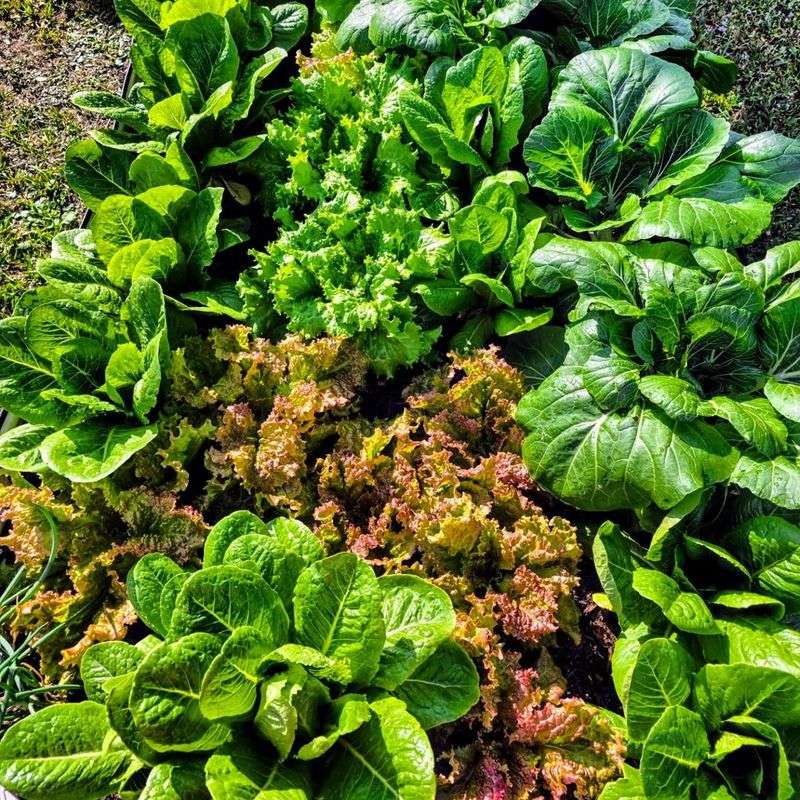
Your fingers press small seeds into cool, prepared soil as the late January sun warms your shoulders without scorching them. Lettuce loves this exact moment in Florida’s gardening calendar because temperatures hover in an ideal range where germination happens quickly and leaves grow tender instead of bitter.
When you plant before February arrives, your lettuce seedlings emerge within five to ten days and reach harvest size in just 45 to 55 days, depending on variety.
Central and South Florida gardeners enjoy the smoothest lettuce-growing conditions during this window, with mild nights that keep plants from bolting too soon. North Florida growers benefit from cooler temperatures that produce extra-crispy leaves with sweet flavor.
The key advantage of January planting is giving your lettuce enough cool weeks to mature before March warmth triggers flowering.
Loose-leaf varieties mature fastest, so you can start snipping outer leaves for salads while the plant keeps producing. Butterhead and romaine types need a few extra weeks but reward you with dense, flavorful heads.
Cool soil temperatures between roughly 50–65°F support steady lettuce growth without stressing young plants.
2. Spinach
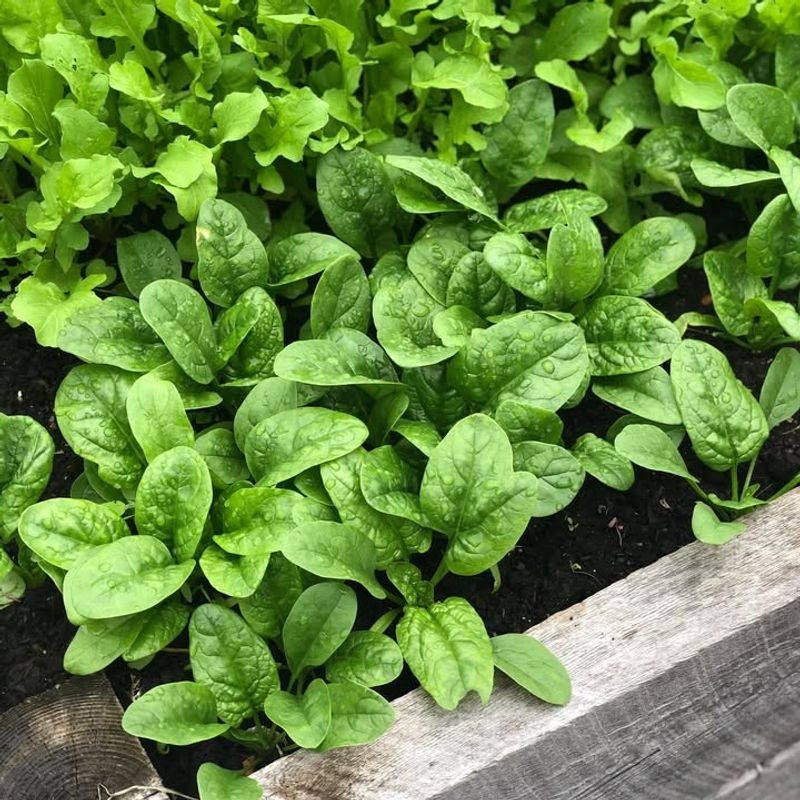
Morning dew clings to the first true leaves of spinach seedlings as you walk through your garden in late January, noticing how quickly these plants fill their rows. Spinach thrives when planted now because Florida’s winter provides just enough chill to sweeten the leaves without freezing them.
Seeds tucked into the ground before February germinate within seven to fourteen days, and you can harvest baby leaves in as little as 30 days or wait for full-sized plants at 45 days.
North Florida gardeners appreciate how spinach handles occasional light frosts, which actually improve flavor by concentrating natural sugars. Central Florida’s consistent mild temperatures create very favorable spinach-growing conditions with minimal risk of sudden heat spikes.
South Florida growers should plant as early in January as possible because rising late-winter temperatures can cause spinach to bolt sooner than in Central and North Florida.
The faster you plant, the longer your harvest window stretches before spring warmth ends production. Spinach prefers soil that drains well but stays evenly moist, so adding compost before planting helps roots establish quickly.
You can pick outer leaves continuously or cut entire plants at once for a big harvest.
Your Florida Garden Changes Every Week. Your Plan Should Too.
Gardening in Florida changes quickly throughout the season. Every Friday you’ll receive a simple weekly plan showing exactly what to plant, prune, fertilize, harvest, and protect so you never miss the right timing.
3. Radishes
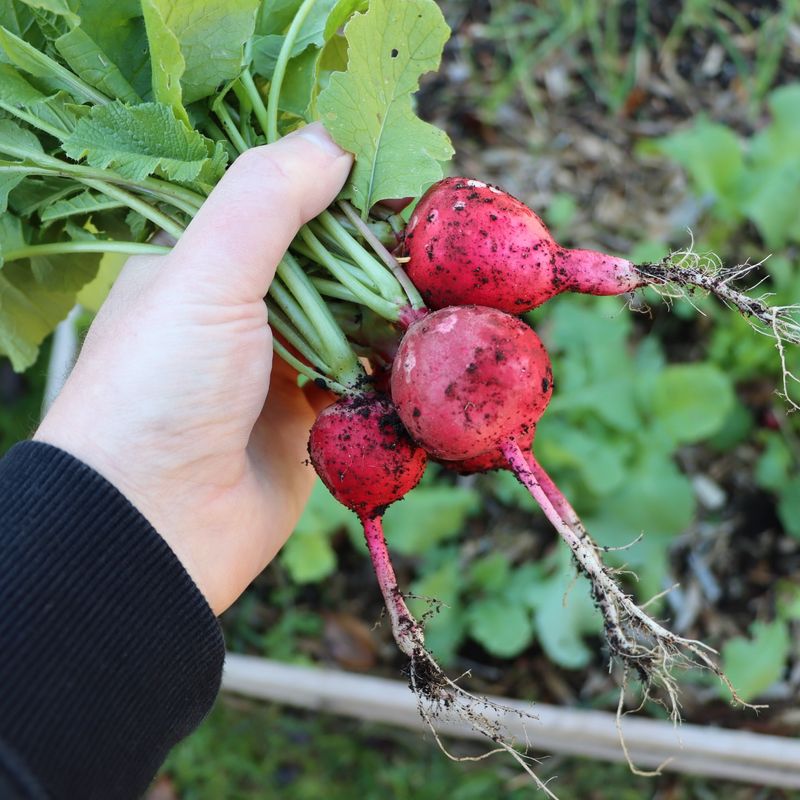
A packet of radish seeds feels light in your hand, but the speed at which these vegetables grow makes them a favorite for Florida gardeners who want quick results.
Radishes planted in late January take advantage of cool soil temperatures that encourage fast root development without the woody texture that heat creates.
From seed to crunchy harvest takes only 25 to 30 days, making radishes one of the fastest crops you can grow this month.
Most regions in Florida benefit from January radish planting, with North and Central Florida seeing the longest cool-weather growing window. The secret to tender radishes is consistent moisture and temperatures below 75 degrees during most of the growing period.
When you plant before February, your radishes mature while conditions stay ideal, giving you tender texture and strong peppery flavor. Thin seedlings to about two inches apart so each root has room to expand.
You can succession plant every two weeks throughout January and early February to keep fresh radishes coming to your kitchen.
4. Carrots
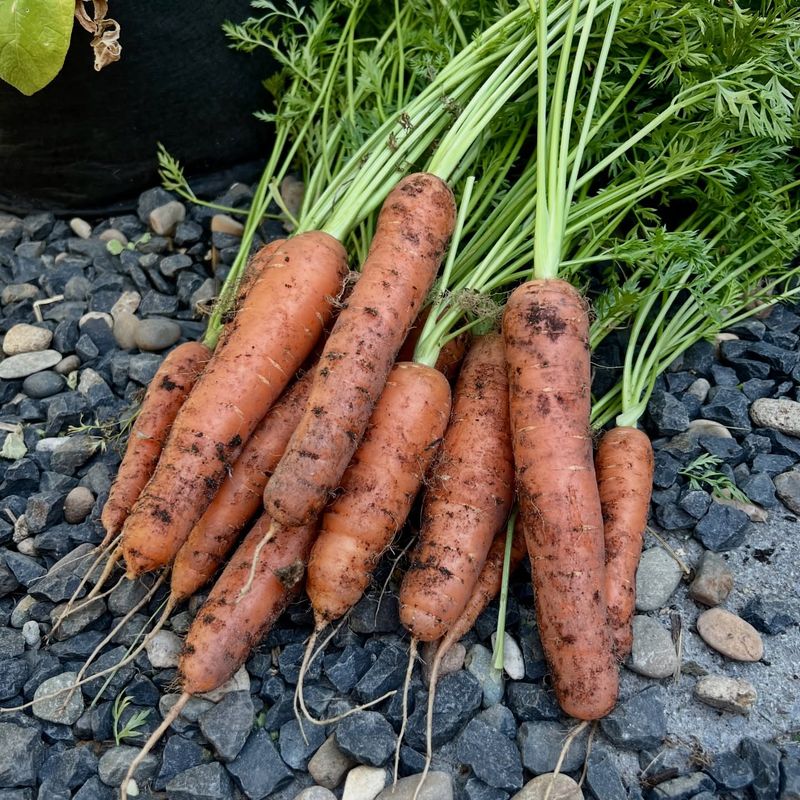
Loose, sandy soil runs through your fingers as you prepare a bed for carrots, knowing that Florida’s natural soil texture often works beautifully for these root vegetables. Carrots need time to develop, but January planting gives them cool weeks to grow straight and sweet before warmer weather arrives.
Seeds may take 10 to 21 days to sprout depending on soil temperature and moisture, but once they emerge, carrots grow steadily toward a harvest in 60 to 75 days.
North Florida gardeners enjoy excellent carrot-growing conditions during winter months, with cool soil that encourages long, well-shaped roots. Central Florida works well for most carrot varieties, especially when you plant before February to maximize cool growing time.
South Florida growers should choose short-season varieties and plant early in January to finish harvesting before heat intensifies.
Carrot seeds are tiny and need consistent moisture to germinate, so covering the row with a light layer of compost helps retain moisture and prevents soil crusting. Thinning seedlings to two inches apart ensures each carrot develops properly.
The advantage of late January planting is giving your carrots enough time to mature while temperatures favor root growth over leafy tops.
5. Beets
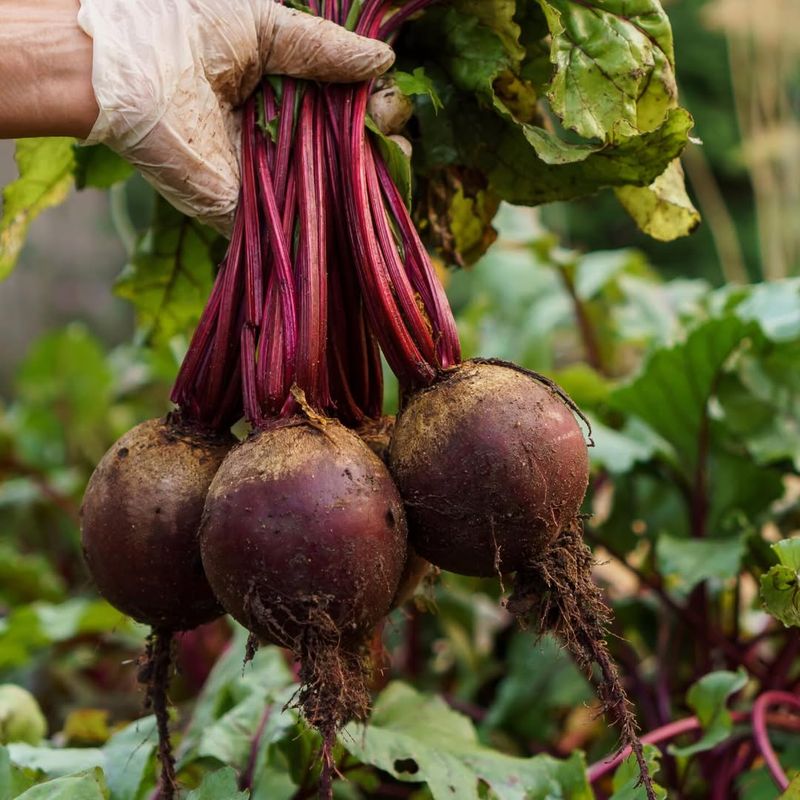
Wrinkled beet seeds look unusual compared to other vegetable seeds, but their ability to thrive in Florida’s January weather makes them a smart choice for your cool-season garden. Beets tolerate a wide range of conditions, yet they perform best when soil temperatures stay between 50 and 65 degrees during germination and early growth.
Planting before February ends gives your beets about 50 to 65 days of ideal growing weather before spring warmth changes their growth pattern.
Central Florida offers very favorable beet-growing conditions in late January, with mild days and cool nights that produce sweet, tender roots. North Florida gardeners benefit from extended cool weather that allows beets to size up slowly and develop deep color.
South Florida growers should plant early in the month to ensure beets mature before temperatures climb too high.
Each beet seed is actually a cluster of seeds, so expect multiple seedlings to emerge from each spot you plant. Thinning to three inches apart gives roots space to expand.
You can harvest both the greens and the roots, making beets a double-value crop. January planting ensures your beets develop smooth texture and earthy-sweet flavor instead of becoming tough or fibrous.
6. Kale
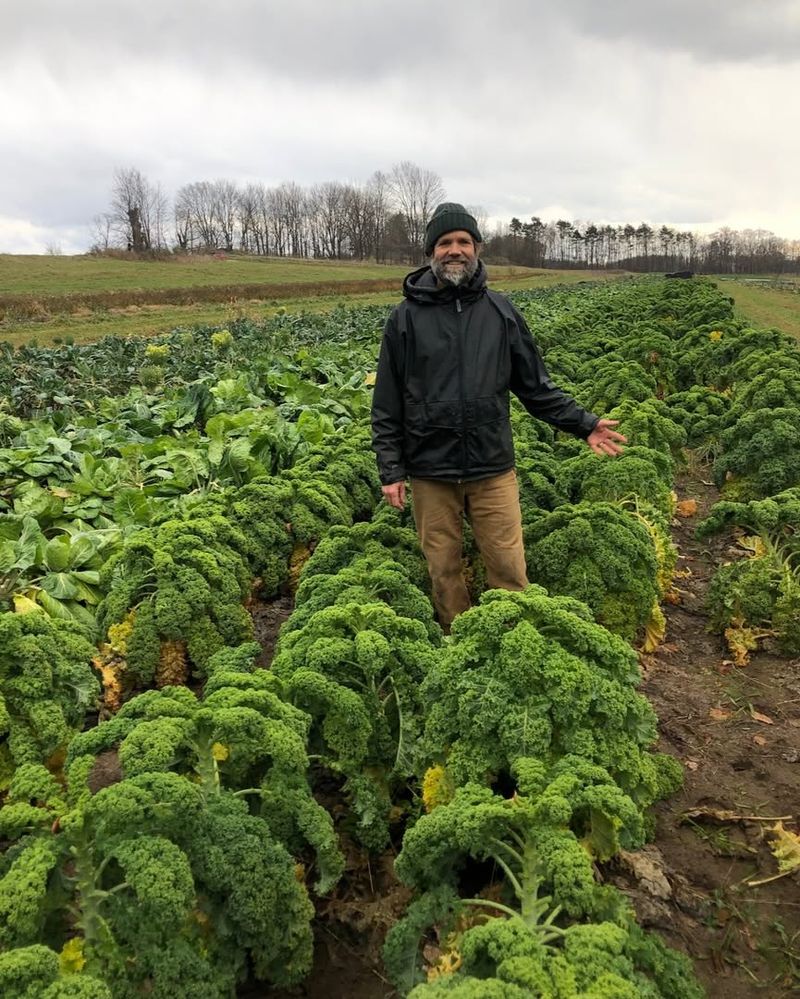
Sturdy kale seedlings stand upright in your garden as January breezes rustle their leaves, showing how well this crop adapts to Florida’s winter growing season.
Kale thrives in temperatures that would stress heat-loving vegetables, and planting in late January through February gives kale time to establish strong roots before warmer spring temperatures arrive and produce abundant leaves.
From transplant or seed, kale reaches harvest size in 55 to 75 days, with baby leaves ready even sooner.
North Florida gardeners find that kale grows vigorously through winter and even tolerates light frosts that sweeten the leaves. Central Florida provides excellent kale-growing conditions with minimal temperature swings.
South Florida growers should plant kale in January to harvest before April heat reduces leaf quality.
The advantage of late January planting is allowing kale to develop thick, nutritious leaves during cool weather when flavor peaks. You can harvest outer leaves continuously, letting the center keep producing, or cut entire plants at once.
Kale handles Florida’s occasional warm winter days better than more delicate greens, but it still benefits from the cooler soil temperatures that January offers. Mulching around plants helps maintain even soil moisture and keeps roots cool as days gradually warm.
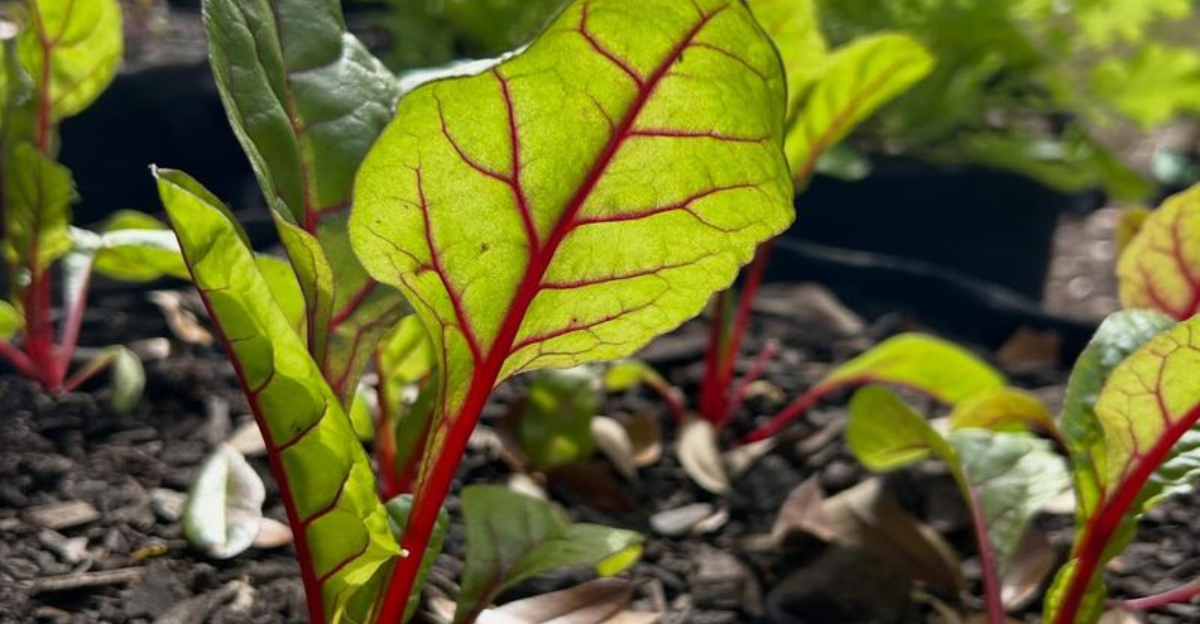
7. Swiss Chard
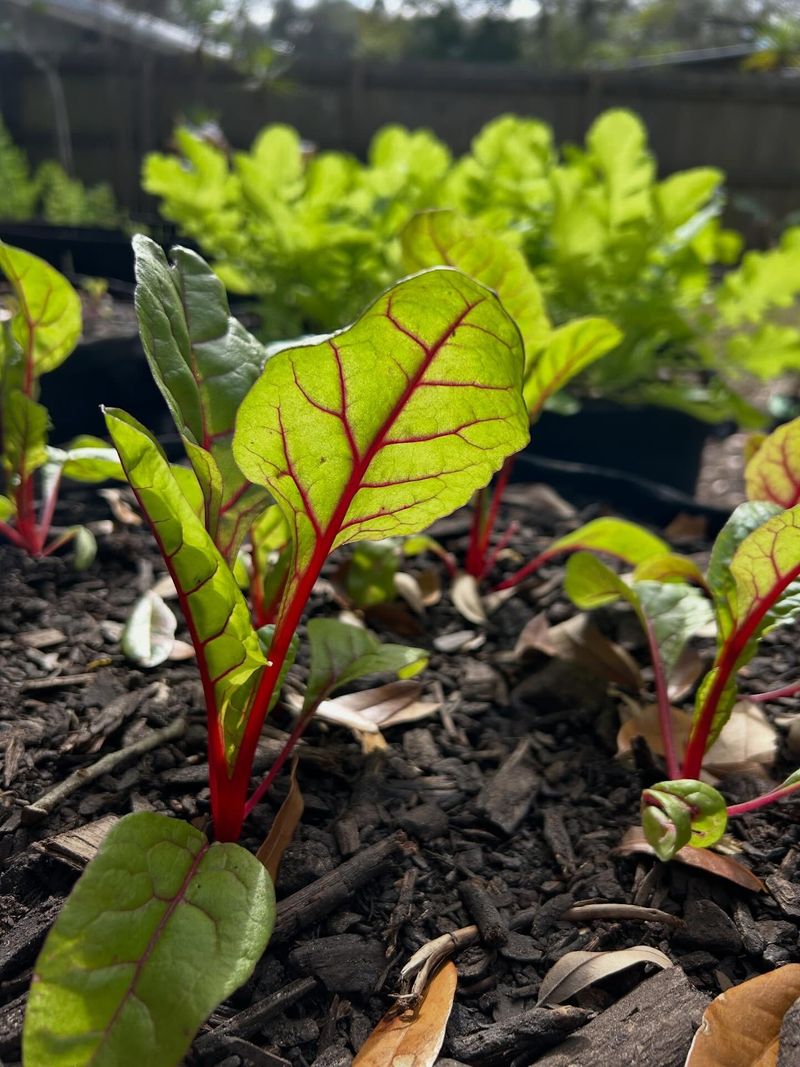
Colorful stems of Swiss chard catch your eye even from across the garden, making this vegetable as decorative as it is productive. Swiss chard tolerates more heat than many greens, but January planting gives it the best start by establishing roots during cool weather before warmer months arrive.
Seeds germinate in seven to fourteen days, and you can begin harvesting outer leaves in about 50 to 60 days while the plant continues producing.
Swiss chard performs well in January planting across much of Florida, especially in Central and South Florida. North Florida gardeners enjoy extended harvests as chard continues producing through spring.
South Florida growers appreciate how chard bridges the gap between winter and summer gardens, tolerating both cool and warming temperatures.
The key advantage of planting chard before February is giving plants time to develop strong root systems that support continuous leaf production. Unlike heading vegetables that finish with one harvest, chard keeps producing new leaves from the center as you remove outer ones.
Rainbow varieties add bright color to your garden with stems in red, yellow, orange, and white. Chard grows well in Florida’s sandy soils when amended with compost.
8. Green Onions (Scallions)
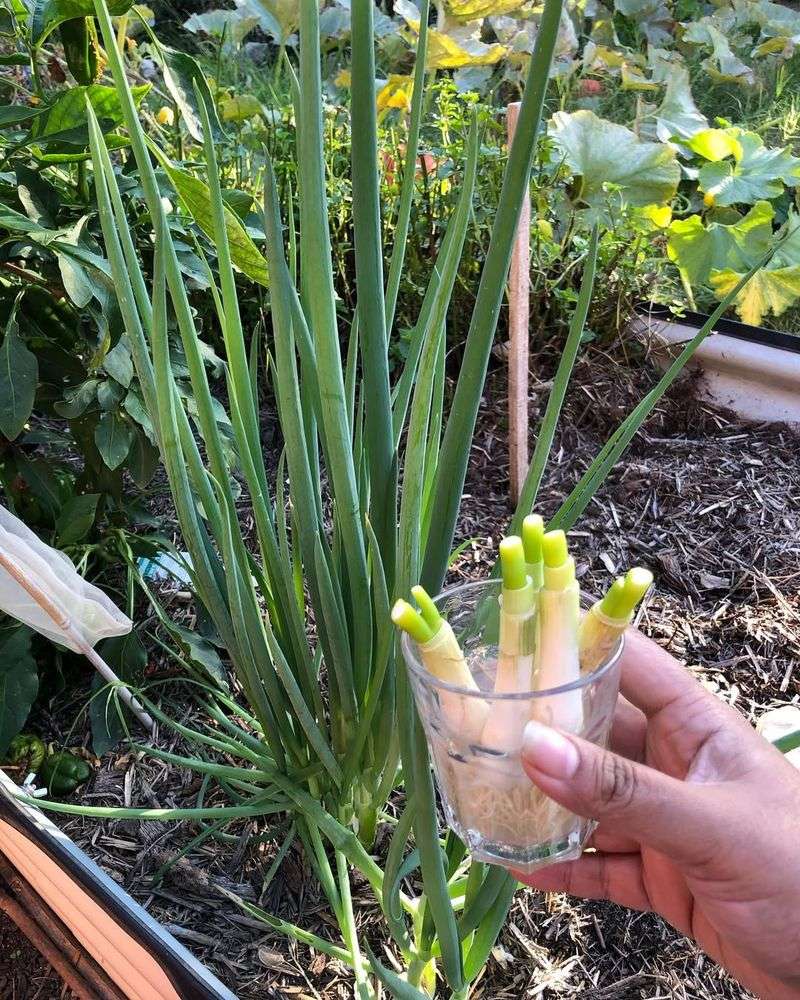
Slender green shoots often emerge within one to two weeks after planting onion sets or seeds, showing why green onions rank among the most satisfying quick crops for Florida gardeners. Green onions thrive in January because cool weather encourages steady top growth without triggering bulb formation.
From sets, you can harvest in as little as 30 days, while seeds take about 60 days to reach usable size.
South Florida gardeners enjoy the fastest green onion growth due to mild temperatures that keep plants growing without stress. Central Florida offers excellent conditions with cool nights that produce flavorful, crisp stems.
North Florida growers benefit from extended cool weather that allows green onions to develop slowly and reach ideal thickness.
Planting before February ends gives your green onions the advantage of cool soil temperatures during establishment, leading to stronger root systems and better drought tolerance later. You can plant sets for faster harvests or seeds for a longer continuous supply.
Green onions need consistent moisture but handle Florida’s occasional dry spells better than many leafy vegetables. Harvesting by pulling entire plants or cutting tops and letting roots regrow gives you flexibility in how you manage your crop.
9. Turnips
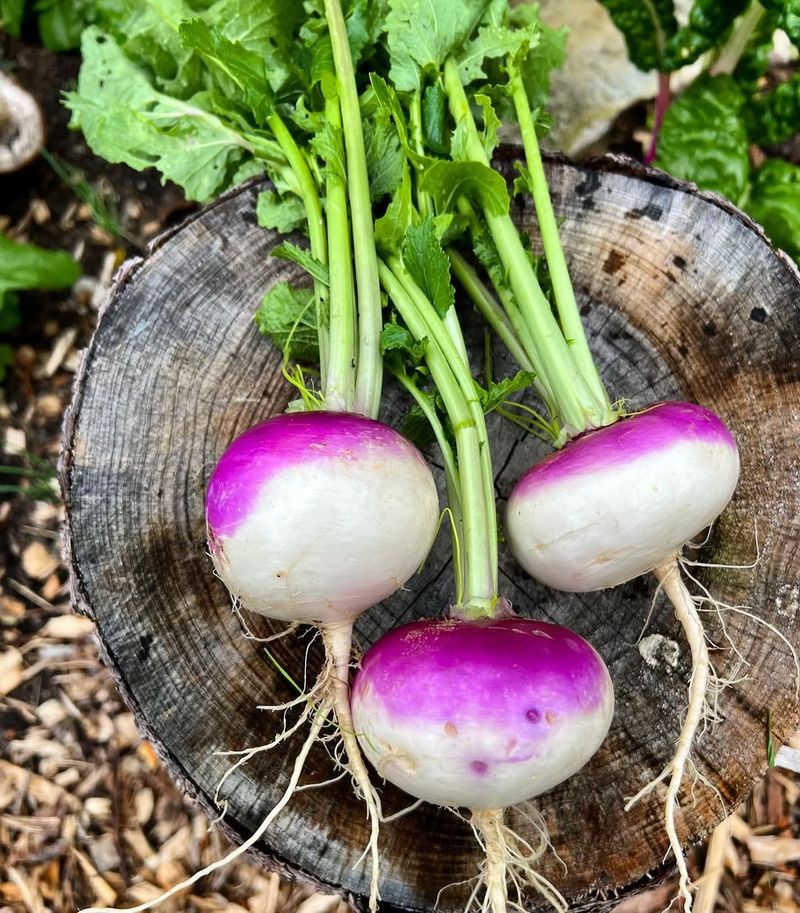
Both roots and greens make turnips a versatile choice for Florida gardeners who want to maximize their January planting efforts. Turnips grow quickly in cool weather, with roots ready to harvest in 35 to 60 days depending on variety and size preference.
Planting before February gives turnips enough time to develop sweet, tender roots before warmer weather changes their texture and flavor.
North Florida gardeners find that turnips handle occasional cold snaps without damage, actually improving in flavor after light frosts. Central Florida provides very favorable turnip-growing conditions with steady cool temperatures throughout the root development period.
South Florida growers should plant turnips early in January to ensure harvest before heat arrives.
The advantage of late January planting is allowing turnips to mature during Florida’s cooler winter growing period. You can harvest turnip greens anytime after plants reach six inches tall, and many gardeners pick greens from some plants while letting others develop roots.
Turnips prefer loose soil that allows roots to expand easily, so working compost into the bed before planting improves both drainage and fertility. Consistent moisture produces the smoothest, sweetest roots.
North Florida gardeners should monitor frost forecasts and use row covers when needed. Central Florida offers the widest January planting window.
South Florida gardeners should plant early in January to avoid early heat buildup.