How To Grow A Fresh Salad Garden In Florida This January
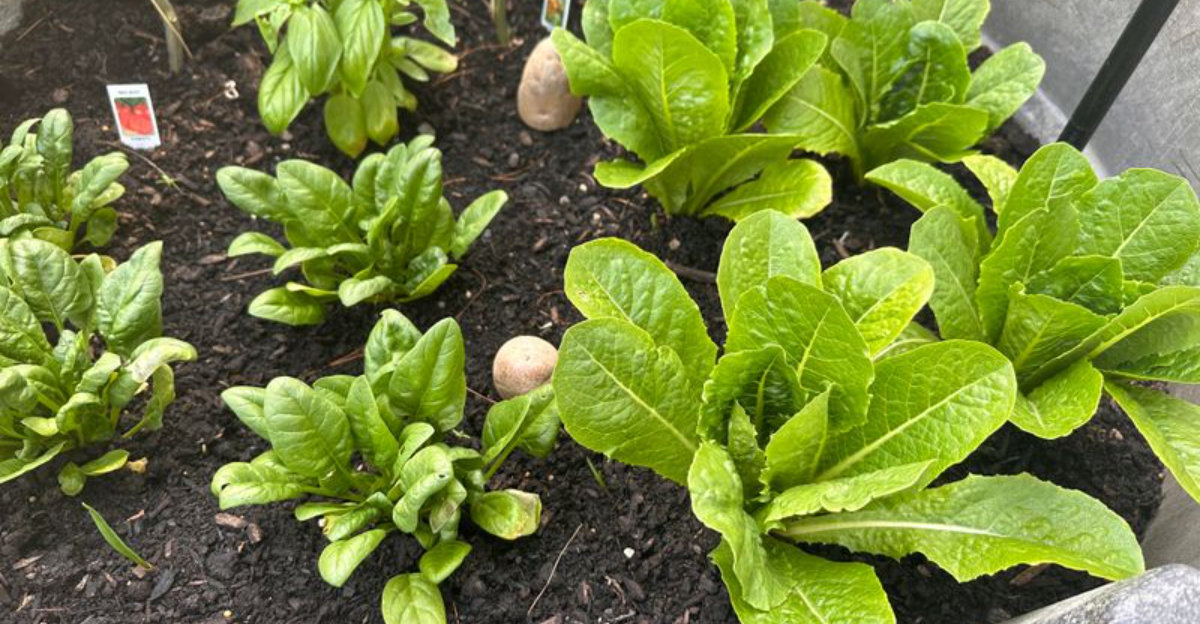
January quietly gives Florida gardeners a rare advantage most people overlook. Cool nights slow plant stress, mild days speed growth, and pests take a seasonal break.
That combination creates prime conditions for growing salad greens that taste better and last longer than anything shipped from a store. Lettuce stays tender instead of bitter.
Arugula develops bold flavor without bolting. Spinach thickens its leaves with nutrients instead of racing to flower.
A few square feet of soil or a handful of containers can begin producing harvests in as little as three weeks. Even beginners can succeed during this window because the weather does most of the work.
With smart planting and simple care, January gardens can keep bowls full through late winter and early spring. This is one of the easiest times of year to grow fresh food in Florida, and the payoff arrives fast.
1. Why January Is The Best Month For Salad Gardens In Florida
Step outside on a January morning in Florida and you will feel cool air that often ranges from the low fifties to the low seventies, the kind of temperature that makes you want to work in the garden without breaking a sweat. This is the weather window salad greens dream about.
Lettuce, spinach, arugula, and kale all germinate beautifully when soil temperatures sit between sixty and seventy degrees, and January often provides this range across most of the state.
Summer heat would bolt these crops into flowering within days, ruining their tender leaves and turning them bitter. But January gives you a long, gentle growing season where greens can slowly build flavor without stress.
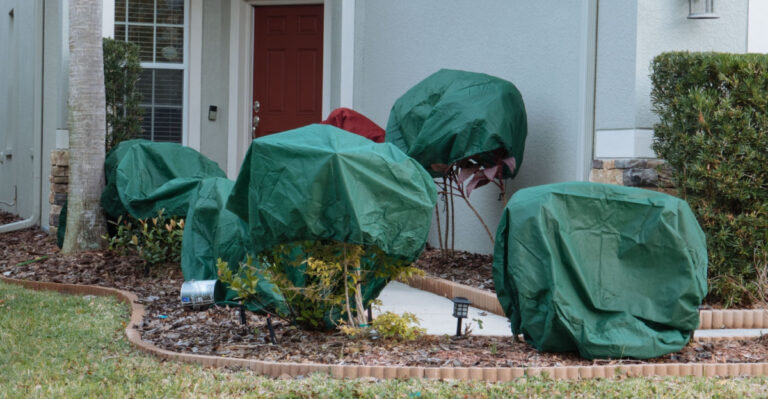
North Florida gardeners should watch for occasional frost warnings and cover young seedlings when temperatures dip below thirty-two degrees.
Central Florida enjoys the most stable conditions, with rare freezes and steady sunshine that powers photosynthesis without scorching delicate foliage. Spinach may struggle in far South Florida as temperatures warm quickly, so heat-tolerant varieties or alternatives like Swiss chard perform better there.
If you plant now, you are setting yourself up for months of fresh salads pulled straight from your backyard.
2. The Fastest-Growing Greens For Winter Planting
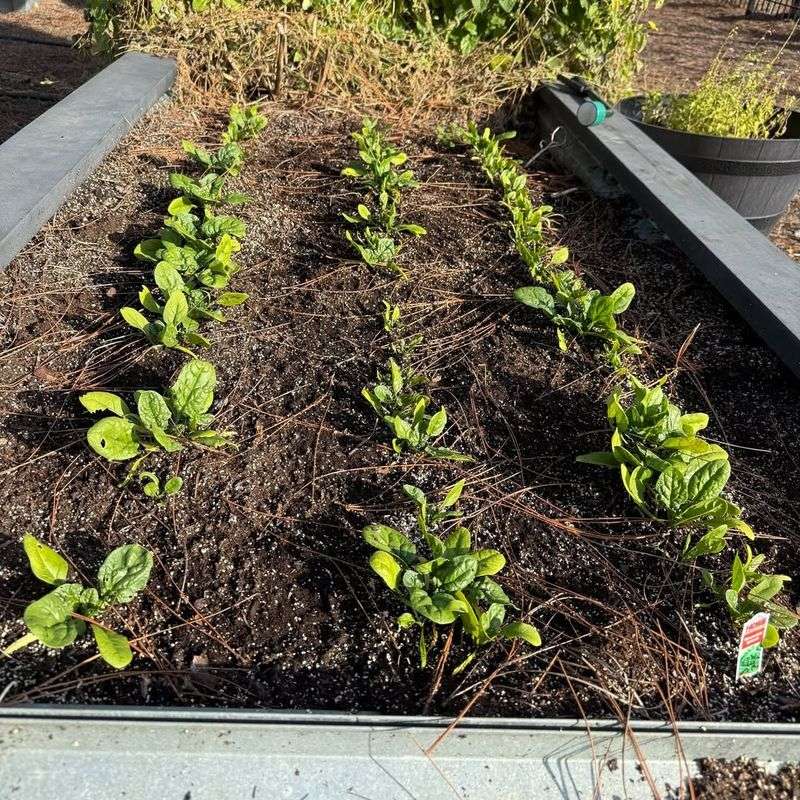
Arugula is the sprinter of the salad garden. Drop seeds into prepared soil and within five days you will see tiny green loops pushing through the surface, unfurling into jagged leaves that taste peppery and bright.
By three weeks, you can start snipping outer leaves for your first salad. Arugula loves Florida January weather because it grows fast in cool conditions and can tolerate light frost when protected.
Loose-leaf lettuce varieties like Salad Bowl, Red Sails, and Oakleaf follow close behind, ready to harvest in about thirty-five to forty days. These lettuces do not form tight heads, which means you can pick individual leaves as they mature and let the plant keep producing.
Spinach takes a bit longer, around forty to fifty days, but the wait is worth it for those dark green, nutrient-packed leaves.
Mustard greens and mizuna are underrated choices that grow almost as fast as arugula and add a spicy kick to mixed greens. Kale is the marathon runner, taking fifty to sixty days to reach full size, but you can start harvesting baby leaves much sooner.
Your Florida Garden Changes Every Week. Your Plan Should Too.
Gardening in Florida changes quickly throughout the season. Every Friday you’ll receive a simple weekly plan showing exactly what to plant, prune, fertilize, harvest, and protect so you never miss the right timing.
Plant a mix of these greens in early January and you will have something to harvest every single week through March.
3. What To Plant Together For Continuous Harvests
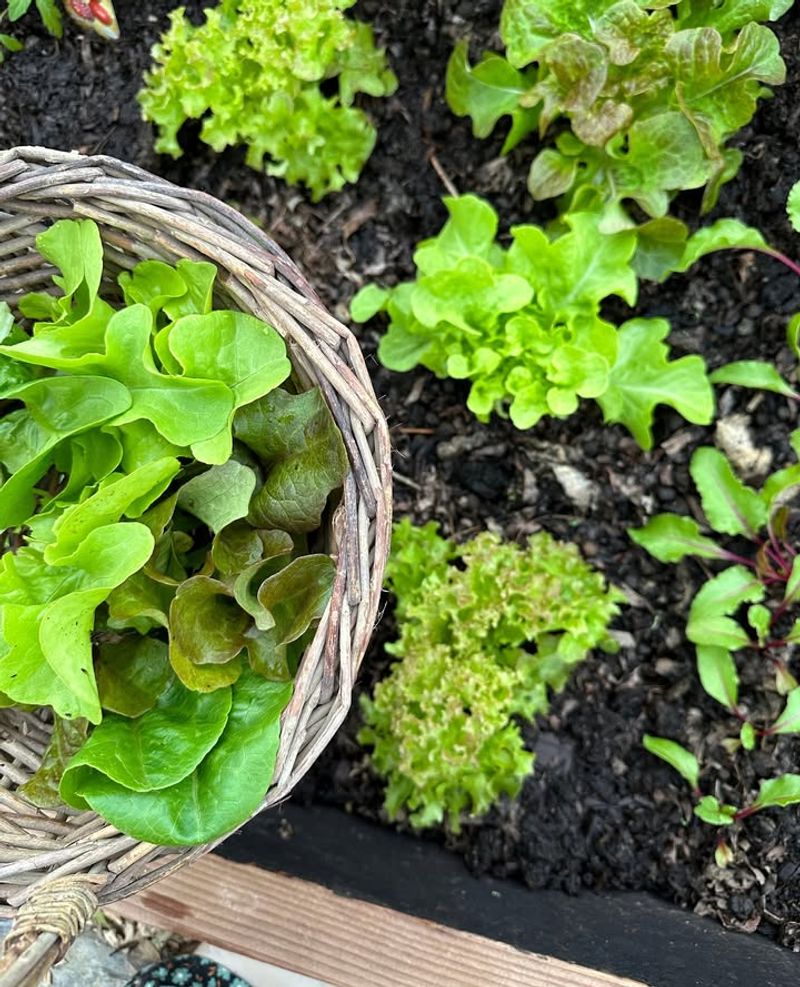
Imagine walking into your garden every Saturday morning and finding something new ready to pick. That is what succession planting delivers.
Instead of sowing all your lettuce seeds on the same day, plant a new row every two weeks throughout January and into early February. When the first planting reaches harvest size, the second planting will be halfway there, and the third will just be sprouting.
Pair quick growers like arugula and mustard greens with slower crops like kale and chard. The fast greens give you early harvests while the slower ones mature into steady producers that last through spring.
Radishes are a secret weapon in salad gardens because they grow in twenty-five to thirty days and mark your rows, so you know where slower seeds are germinating beneath the soil.
Interplanting also works beautifully in Florida winter gardens. Tuck spinach between rows of lettuce, or plant chives and parsley along the edges of your beds.
These companion plants do not compete for space because they grow at different rates and depths. By layering your plantings this way, you turn a small garden bed into a continuous salad bar that never runs empty, even when you harvest handfuls of greens three times a week.
4. Raised Beds vs Containers: What Works Best In Florida
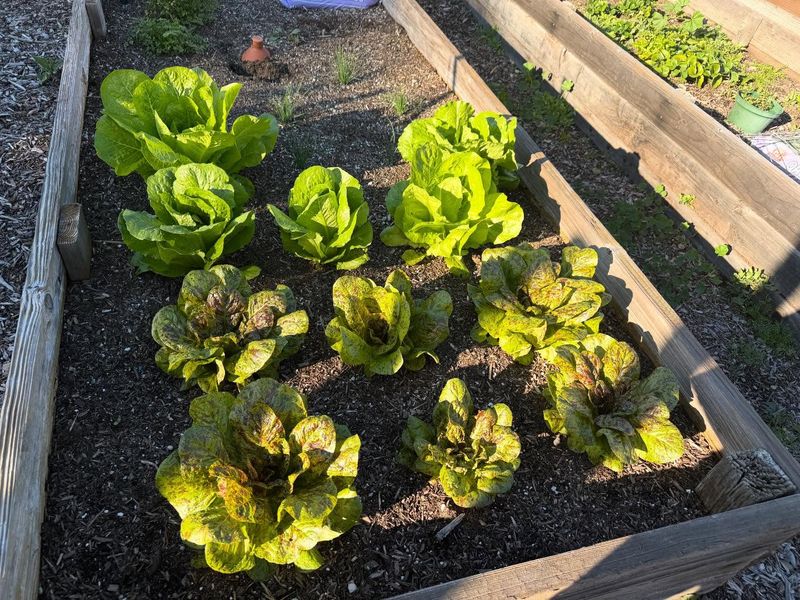
Florida soil can be tricky. Sandy soil drains too fast and does not hold nutrients well, while clay soil in some areas stays waterlogged and suffocates roots.
Raised beds solve both problems by letting you build the perfect growing environment from scratch. Fill them with a mix of compost, peat moss or coconut coir, and a little native soil, and you create a fluffy, well-draining bed that salad greens love.
Raised beds also warm up faster in January, which helps seeds germinate quickly and gives roots a head start. You can build beds from untreated lumber, concrete blocks, or food-safe galvanized or coated metal troughs.
Aim for at least eight inches of depth, though twelve inches is better for deeper-rooted crops like carrots and radishes that you might tuck into your salad garden.
Containers work beautifully if you have limited space or want to garden on a patio or balcony. Use pots that are at least ten inches deep and have drainage holes in the bottom.
Window boxes are perfect for shallow-rooted greens like lettuce and arugula. Containers dry out faster than raised beds, so you will need to check soil moisture daily during dry spells.
Both methods work well in Florida, so choose based on your space, budget, and how much bending you want to do when you harvest.
5. How To Prepare Florida Soil For Salad Crops
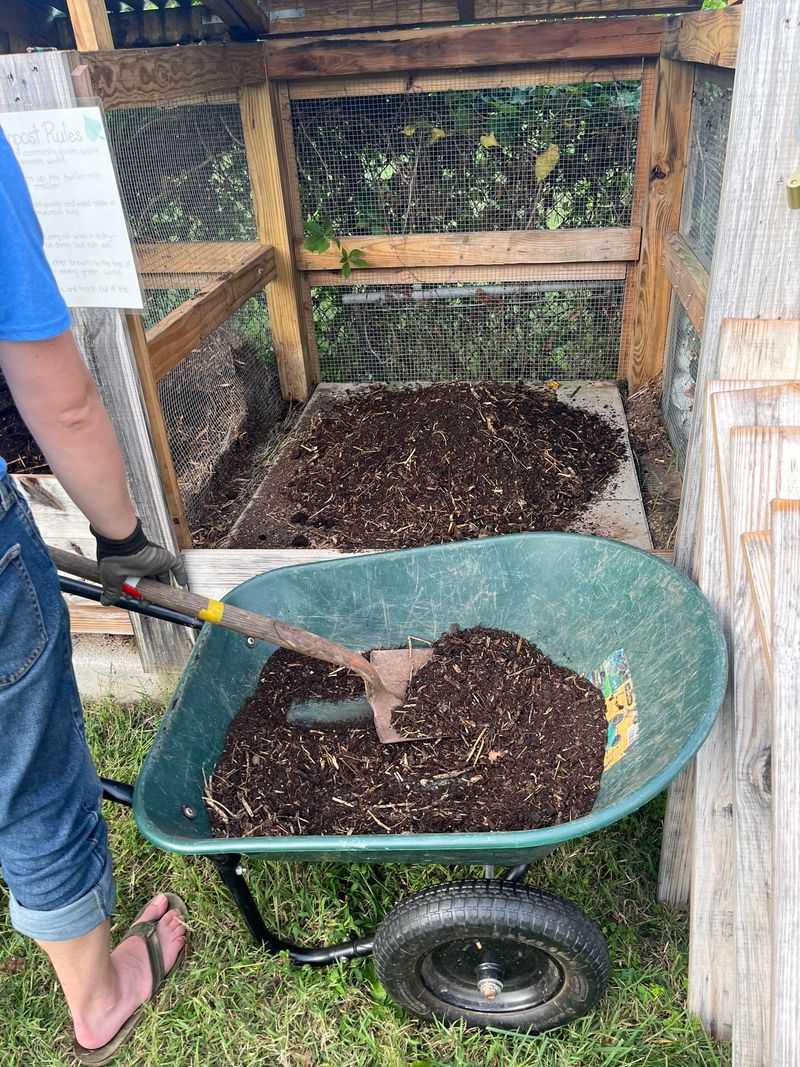
Great salads start with great soil. Before you plant a single seed, take a few minutes to test your soil pH.
Salad greens prefer a pH between six and seven, which is slightly acidic to neutral. You can pick up a simple soil test kit at any garden center or send a sample to your local University of Florida IFAS Extension office for a detailed analysis.
Once you know your pH, amend your soil with compost. Spread a two-inch layer over your planting area and work it into the top six inches of soil.
Compost improves drainage in clay soils and helps sandy soils hold moisture and nutrients. If your soil is too acidic, add a little garden lime.
If it is too alkaline, sulfur will bring it back into balance.
Mix in a balanced organic fertilizer before planting, preferably a slow-release organic blend with equal parts nitrogen, phosphorus, and potassium. Greens need nitrogen to build lush leaves, so look for fertilizers that list blood meal, feather meal, or fish emulsion on the label.
Rake the bed smooth, water it lightly, and let it settle for a day or two before planting. This simple prep work gives your salad crops the foundation they need to grow fast, stay healthy, and produce tender leaves that taste amazing in every bowl.
6. Watering Mistakes That Ruin Winter Greens
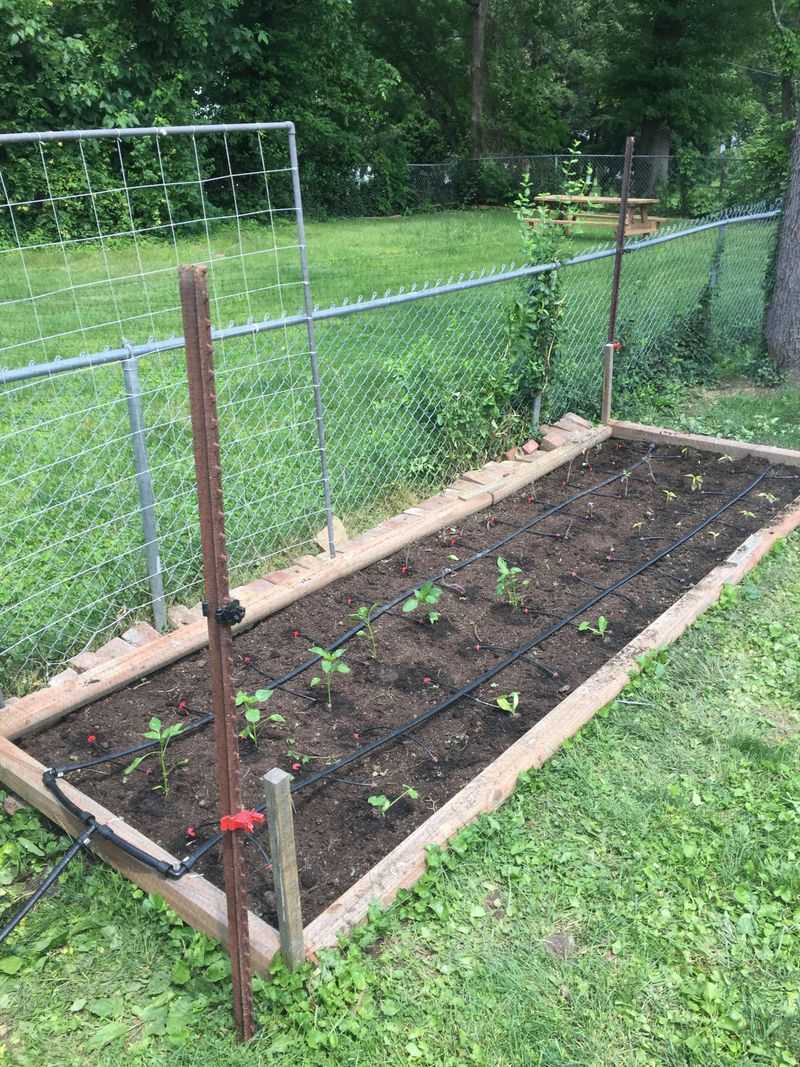
Overwatering is the number one mistake Florida gardeners make with winter salad crops. January is part of Florida’s dry season, so rainfall is often limited, and many gardeners assume their greens need daily watering just like summer tomatoes.
But cool-season greens grow slowly and do not drink as much water. When soil stays soggy, roots suffocate, fungal diseases take hold, and plants rot before they ever reach harvest size.
Check soil moisture by sticking your finger two inches deep into the bed. If it feels damp, wait another day before watering.
If it feels dry, water deeply until moisture reaches six inches down. Shallow, frequent watering encourages shallow roots that cannot support healthy plants.
Deep, infrequent watering trains roots to grow down where moisture and nutrients are more stable.
Water early in the morning so leaves have time to dry before nightfall. Wet foliage overnight invites mildew and fungal spots that ruin your harvest.
Drip irrigation or soaker hoses are ideal because they deliver water directly to the soil without wetting leaves. If you hand-water, aim for the base of plants and avoid splashing.
North Florida gardeners should reduce watering during rainy weeks, while South Florida gardeners may need to water once or twice a week during dry spells depending on soil type. Pay attention to your plants and let the soil guide your schedule.
7. How To Harvest Without Destroying Your Plants
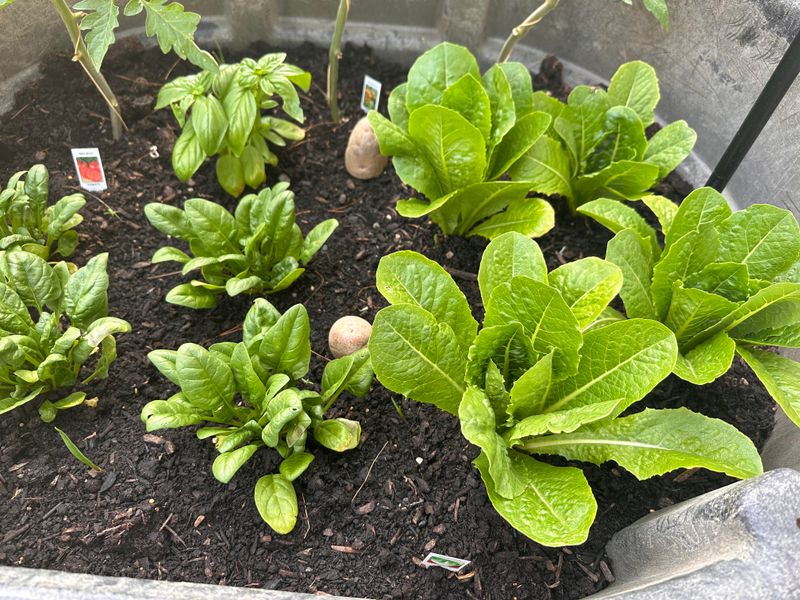
Walk into your garden with a pair of clean scissors and a bowl, and you are ready to harvest salad greens the right way. Cut-and-come-again harvesting is the secret to keeping your plants productive for months instead of weeks.
Start by snipping outer leaves from lettuce, spinach, and kale, leaving the center growing point untouched. This allows the plant to keep pushing out new leaves from the middle, giving you multiple harvests from a single plant.
For arugula and mustard greens, cut leaves when they are three to four inches long. If you wait too long, they turn tough and bitter, especially as the weather warms in late February.
Take no more than one-third of the plant at each harvest, which keeps enough foliage on the plant to fuel continued growth through photosynthesis.
Loose-leaf lettuce responds beautifully to leaf-by-leaf picking. Gently pinch or cut individual leaves from the outside of the plant, working your way around the rosette.
Within a week, new leaves will fill in the gaps. Avoid pulling leaves off by hand because that can damage the crown and introduce disease.
Harvest in the morning when leaves are crisp and full of moisture, and rinse them gently before adding them to your salad bowl.
8. How To Keep Your Salad Garden Producing Into Spring
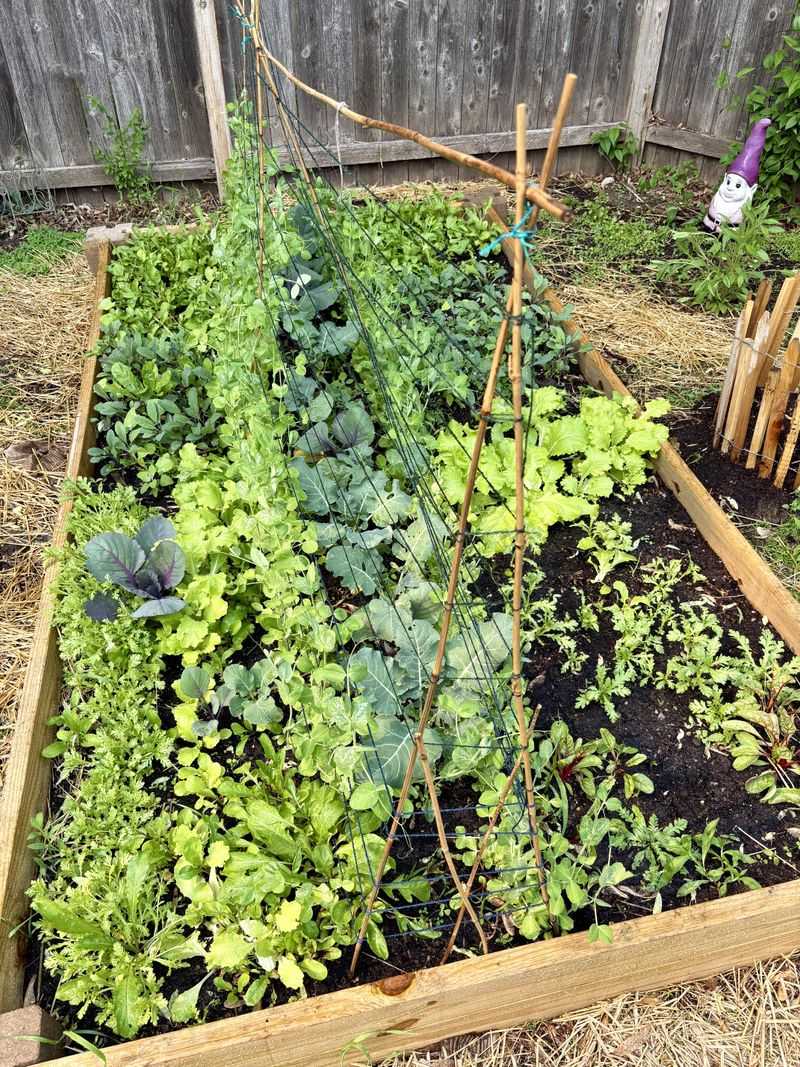
As January turns into February and then March, your salad garden will shift from establishment mode into full production. Keep the harvests coming by feeding your plants every two to three weeks with a liquid organic fertilizer.
Fish emulsion or seaweed extract work beautifully because they deliver a quick nitrogen boost that greens use to build fresh leaves. Dilute the fertilizer according to package directions and water it in at the base of plants.
Watch for bolting as temperatures climb in late March and April. Bolting happens when plants sense longer days and warmer nights, triggering them to flower and set seed.
Once a plant bolts, leaves turn bitter and tough. You can delay bolting by providing afternoon shade with a simple shade cloth stretched over your beds, especially in South Florida where temperatures rise faster.
Replant cool-season greens in late February for a final spring harvest, but also start transitioning to warm-season crops like cherry tomatoes, peppers, and basil.
Pull out bolted plants and add them to your compost pile, then refresh your beds with new compost and plant heat-loving crops that will carry you through summer.
This cycle keeps your garden productive year-round and ensures you always have something fresh to harvest, no matter the season.