12 Common Texas Trees You Should Avoid Planting Near Your House
Trees can add shade and beauty to Texas yards, but some species are risky when planted too close to homes. Roots can damage foundations, pipes, or driveways, and overhanging branches can threaten roofs and windows.
Not every tree is safe to plant near your home. These common Texas trees may cause costly problems if placed too close to structures.
Homeowners should consider root growth, branch spread, and maintenance needs before planting. Choosing safer species or planting farther from the house protects your property and reduces long-term upkeep.
Smart tree placement saves money and prevents damage. Texas homeowners who select trees carefully enjoy shade, beauty, and safety without risking structural problems. Protect your home and create a thriving yard with the right tree choices.
1. Willow Trees (Salix Species)
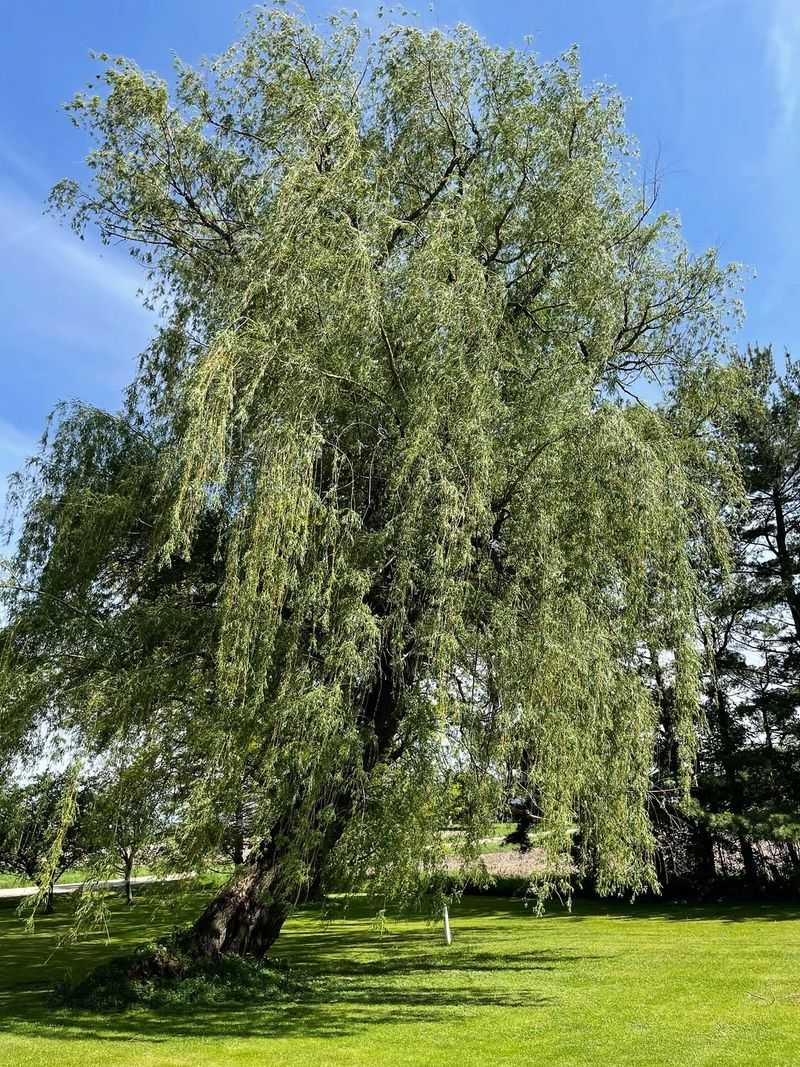
Picture a beautiful weeping willow swaying gracefully in the breeze, and you might fall in love instantly. But underneath that romantic canopy lies a root system so aggressive it acts like a living plumbing inspector, seeking out every crack and joint in your water lines.
Willows have evolved to thrive near water sources, which means their roots actively search for moisture wherever they can find it.
In Texas, where temperatures soar and rainfall patterns vary wildly, these trees grow exceptionally fast, sometimes adding several feet per year.
That rapid growth translates directly into equally aggressive root expansion, and your irrigation system, sewer lines, and drainage pipes become irresistible targets.
Once willow roots find a tiny opening, they infiltrate and expand, causing blockages that require expensive professional removal.
Texas soils, particularly the clay-heavy varieties common in many regions, crack during dry spells and create perfect entry points for these moisture-hungry roots.
The warm climate accelerates growth even further, meaning problems develop faster here than in cooler states.
Within just a few years of planting a willow near your foundation, you might notice plumbing issues, soggy spots in your yard, or even foundation movement as roots disrupt drainage patterns around your home’s perimeter.
2. Cottonwood (Populus Deltoides)
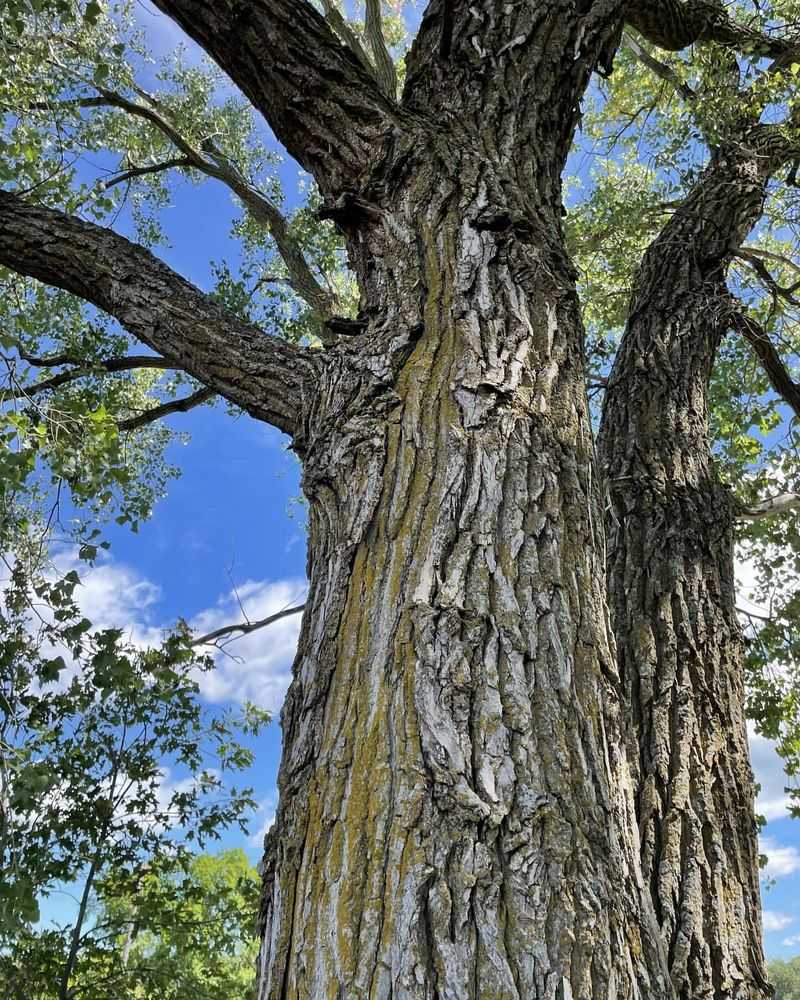
Cottonwoods belong to the poplar family and share that group’s reputation for explosive growth and boundary-pushing roots.
In favorable conditions, a young cottonwood can shoot upward six feet or more in a single growing season, eventually reaching heights of 80 to 100 feet with massive spreading crowns.
That impressive size comes at a steep price when planted anywhere near structures, driveways, or utility lines.
The root system spreads aggressively in all directions, seeking water and nutrients with relentless determination.
These roots commonly extend two to three times beyond the canopy’s drip line, meaning a mature tree’s roots can impact areas more than 100 feet away from the trunk.
Pavement doesn’t slow them down; cottonwood roots simply grow beneath driveways and patios, then expand and lift, causing expensive cracking and displacement. Foundation concerns become very real with cottonwoods planted within 50 feet of homes.
The roots can disturb soil moisture levels around your foundation, contributing to settling issues, especially in Texas clay soils that shrink and swell dramatically. The sheer size these trees achieve means falling branches pose significant risks during storms.
Your Texas Garden Changes Every Week. Your Plan Should Too.
Gardening in Texas changes quickly throughout the season. Every Friday you’ll receive a simple weekly plan showing exactly what to plant, prune, fertilize, harvest, and protect so you never miss the right timing.
Additionally, cottonwoods produce copious amounts of fluffy seeds that blanket yards and clog gutters every spring, creating maintenance headaches that complement the structural problems these giants cause near residential properties throughout Texas landscapes.
3. Silver Maple (Acer Saccharinum)
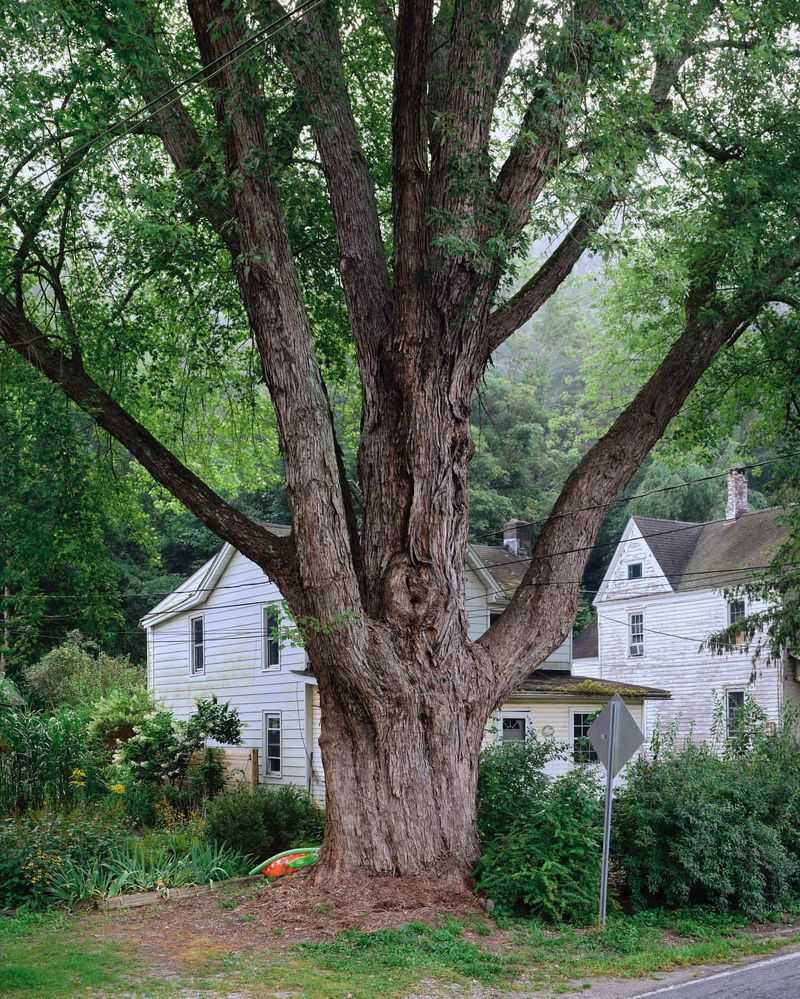
Silver maples grow with astonishing speed, which makes them tempting choices for homeowners wanting instant shade.
However, that rapid growth comes with a serious structural weakness that becomes painfully obvious during Texas storm season.
The wood of silver maples is surprisingly soft and brittle, snapping easily under wind stress or ice load, sending heavy branches crashing onto roofs, vehicles, and power lines.
Even more troublesome are the shallow surface roots that spread horizontally just beneath the soil.
These roots push upward as they expand, creating trip hazards and lifting sidewalks, driveways, and patio pavers with surprising force.
Your once-smooth walkway can become a buckled mess within a decade, and repairing the damage means either grinding down roots or replacing entire sections of concrete.
Texas experiences sudden severe weather events including thunderstorms with straight-line winds, occasional tornadoes, and rare but devastating ice storms.
Silver maples respond poorly to all of these conditions, dropping branches regularly even in moderate winds.
The combination of weak wood structure and aggressive surface roots makes this species particularly unsuitable for residential areas.
Cleanup becomes a constant chore, and the liability risk from falling limbs near your home simply isn’t worth the temporary shade benefits this fast-growing maple provides to Texas homeowners.
4. Bradford Pear / Callery Pear (Pyrus Calleryana)
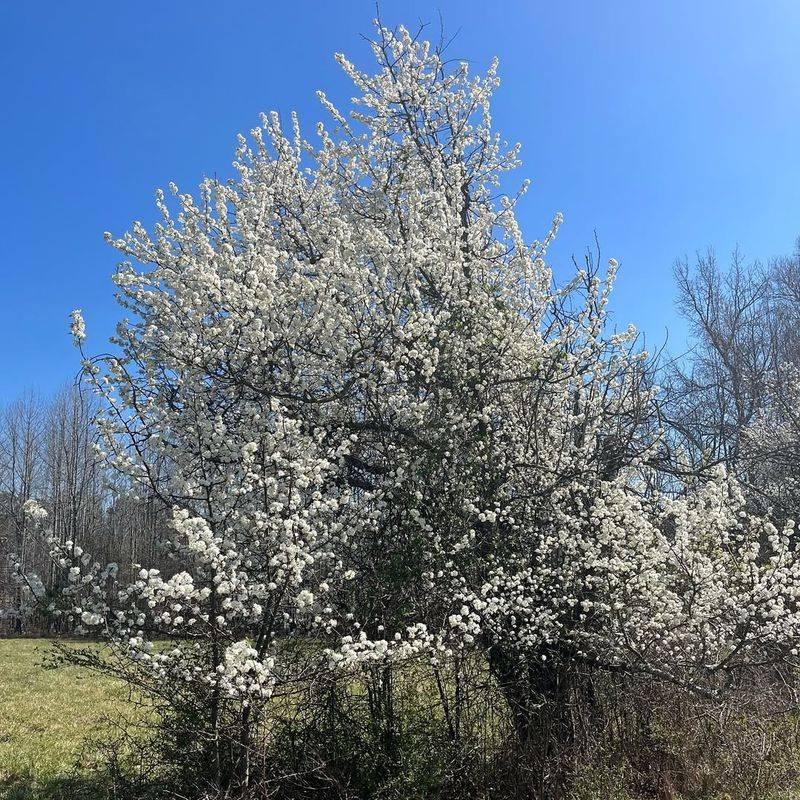
Few trees have fallen from grace quite as dramatically as the Bradford pear. Introduced as an ornamental street tree with spectacular spring blooms, it quickly became a suburban landscape staple across Texas.
Unfortunately, decades of experience have revealed serious structural flaws that make this species downright hazardous near homes and high-traffic areas. The main problem lies in the branch structure itself.
Bradford pears grow with narrow, V-shaped branch angles rather than the strong, wide angles that characterize sturdy trees. These weak attachment points create natural failure zones, and branches frequently split away from the trunk under stress.
Texas wind events, which can arrive suddenly and violently, regularly shred Bradford pears, leaving behind splintered trunks and massive cleanup projects.
Beyond structural weakness, Bradford pears have proven invasive throughout Texas, particularly in disturbed areas and along highways.
The cultivar crosses with other Callery pear varieties, producing thorny offspring that spread aggressively and displace native vegetation. Many Texas cities now actively discourage new Bradford pear plantings, and some have banned them entirely.
The combination of branch failure risk, invasive spread, and relatively short lifespan means this once-popular ornamental has become a landscape liability.
Homeowners with existing Bradford pears near structures should consider proactive removal before storm damage forces the issue, replacing them with sturdier, non-invasive native alternatives better suited to Texas conditions.
5. Chinese Tallow Tree (Triadica Sebifera)
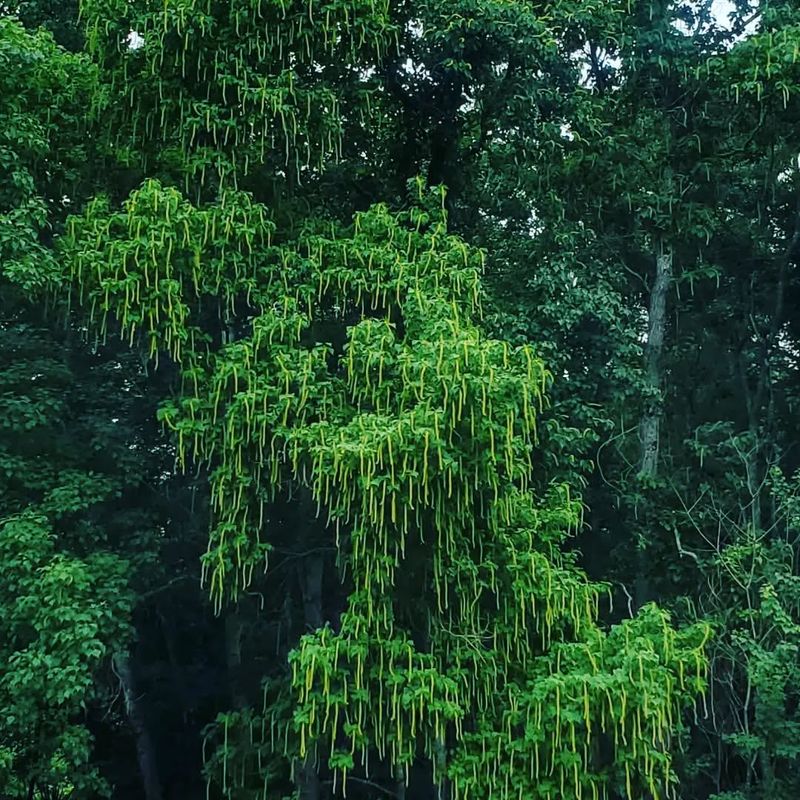
Brilliant fall color drew many Texans to Chinese tallow trees, with leaves turning stunning shades of red, orange, and purple.
This exotic import seemed like a perfect solution for adding autumn interest to landscapes that often lack seasonal color.
However, Chinese tallow has become one of Texas’s most problematic invasive species, particularly in the eastern and southeastern regions where moisture levels support its aggressive spread.
Chinese tallow reproduces prolifically through seeds that sprout readily in diverse conditions. Birds consume the waxy fruits and spread seeds far and wide, creating new infestations in natural areas, pastures, and along waterways.
Once established, Chinese tallow crowds out native trees and understory plants, fundamentally altering ecosystem composition and reducing habitat quality for native wildlife species that evolved alongside indigenous vegetation.
Conservation agencies, including the Texas Parks and Wildlife Department and various native plant societies, actively encourage Chinese tallow removal and discourage any new plantings.
Many counties classify it as a noxious weed. Beyond the environmental concerns, Chinese tallow produces toxic sap that can irritate skin, and the trees themselves can become quite large, posing structural risks near homes.
The shallow root system doesn’t provide adequate anchoring for the tree’s mature size, increasing storm vulnerability.
Homeowners should absolutely avoid planting Chinese tallow and consider removing existing specimens, replacing them with native Texas trees that provide similar aesthetic benefits without the ecological damage and maintenance headaches.
6. Arizona Ash (Fraxinus Velutina)
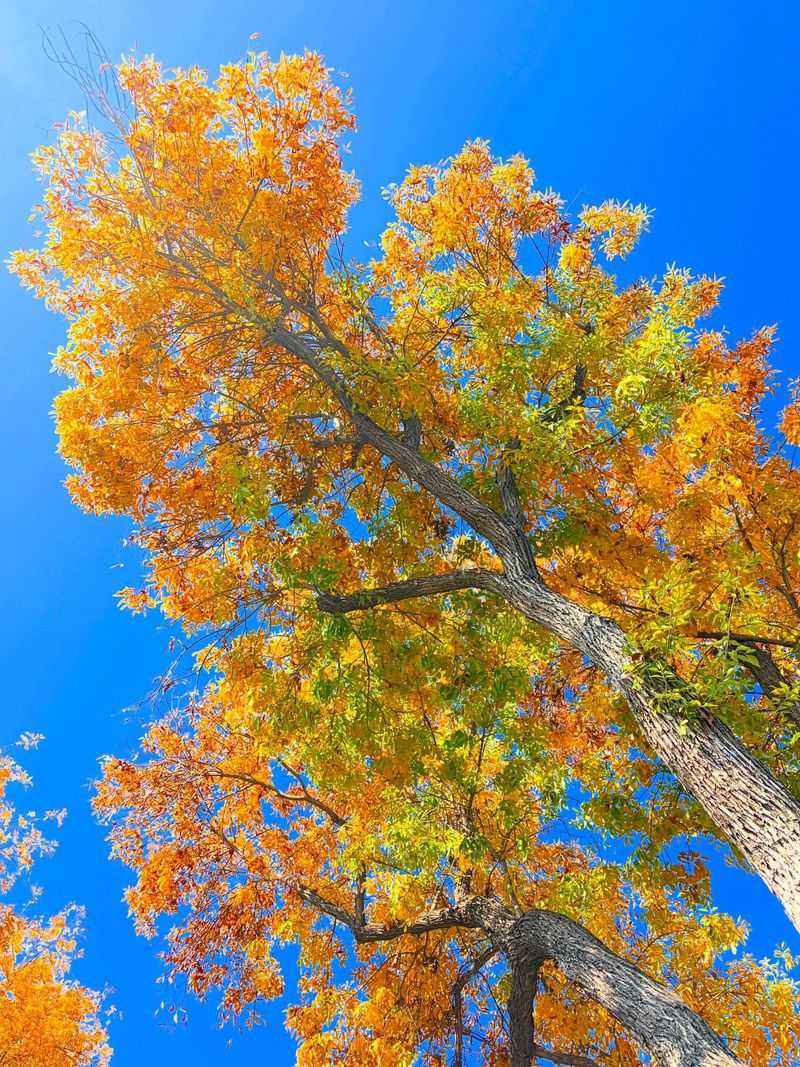
Arizona ash gained popularity in Texas for its relatively fast growth and ability to provide shade in challenging urban conditions.
Nurseries marketed it as drought-tolerant and adaptable, which sounded perfect for water-conscious Texas landscapes.
Reality has proven considerably less appealing, with Arizona ash developing a reputation as a short-lived problem tree with expensive maintenance requirements.
Despite claims of drought tolerance, Arizona ash actually demands considerable water to maintain health, and the shallow root system spreads aggressively near the surface seeking moisture.
These surface roots crack sidewalks, infiltrate irrigation systems, and create bumpy, difficult-to-mow lawn areas.
The roots also make the tree vulnerable to wind throw, where the entire tree topples during storms because the shallow root plate can’t provide adequate anchoring. Lifespan concerns represent another significant drawback.
While native Texas trees like live oaks can thrive for centuries, Arizona ash typically begins declining after just 20 to 30 years, developing rot, suffering branch dieback, and becoming increasingly hazardous.
Storm vulnerability increases dramatically as trees age and wood quality deteriorates. Urban Texas settings subject trees to heat island effects, reflected warmth from pavement, and inconsistent watering, all of which accelerate Arizona ash decline.
Homeowners end up facing removal costs right when the tree finally achieves decent size, making the entire investment questionable from the start when better long-lived alternatives exist for Texas landscapes.
7. Mulberry (Morus Species)
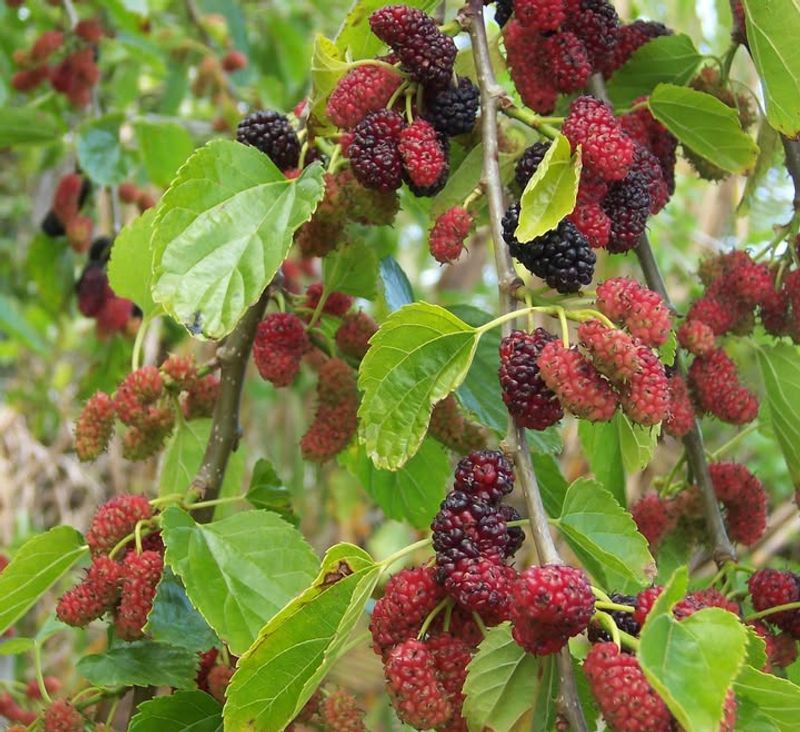
Mulberries produce abundant sweet fruit that attracts birds and brings back nostalgic memories of childhood climbing and berry-stained fingers.
That charm fades quickly when you realize those same fruits create purple stains on everything below the canopy, including sidewalks, patios, outdoor furniture, and unfortunately, parked vehicles.
The fruit drop continues for weeks during late spring and early summer, creating slippery messes and attracting wasps and other insects. Root issues compound the fruit problems.
Mulberries develop aggressive surface root systems that buckle pavement and invade planting beds, making it difficult to grow grass or other plants beneath the canopy.
The roots seek out water sources and can infiltrate sewer lines and septic systems, causing expensive plumbing repairs.
These shallow roots also mean mulberries topple relatively easily during strong winds, especially when planted in the clay soils common throughout much of Texas. Maintenance challenges never end with mulberries near residential spaces.
Beyond constant fruit cleanup, the trees drop twigs and small branches regularly, requiring frequent raking. Staining becomes a genuine concern on concrete surfaces, where purple juice creates permanent discoloration that pressure washing can’t fully remove.
Placing mulberries away from structures, walkways, and parking areas makes sense if you want the fruit and shade, but planting them close to your house guarantees years of cleanup frustration and eventual root-related damage to hardscaping and foundations throughout the Texas growing season.
8. Sweetgum (Liquidambar Styraciflua)
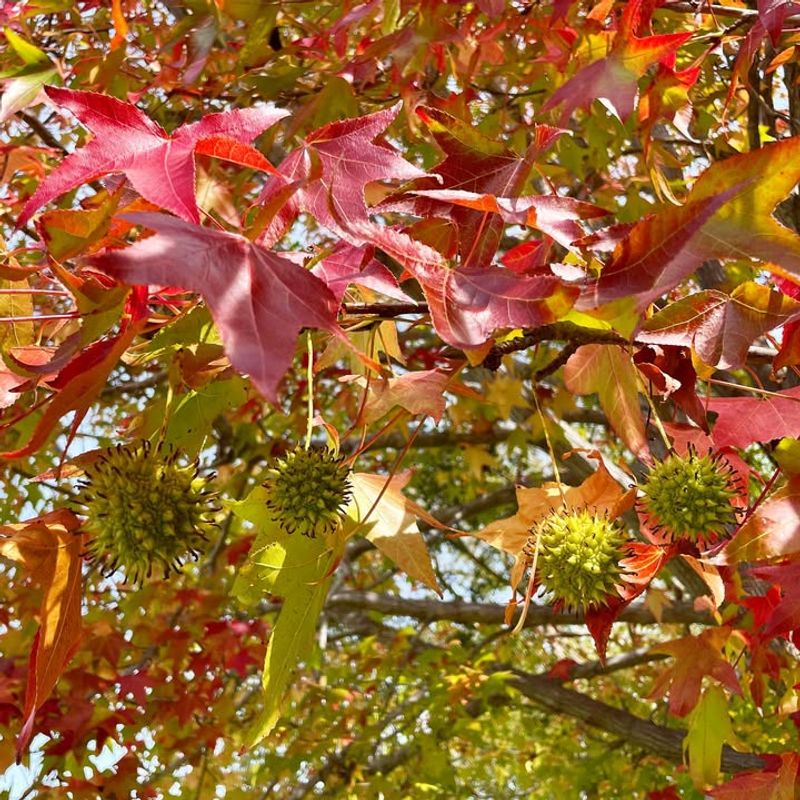
Sweetgum trees offer spectacular fall color with star-shaped leaves turning vibrant reds, purples, and yellows.
Homeowners often plant them for that autumn display, not realizing they’re simultaneously signing up for years of prickly seed pod cleanup and root-related headaches.
Those spiky seed balls, called gumballs, rain down by the hundreds starting in fall and continuing through winter, creating genuine hazards on walkways where they roll underfoot like natural ball bearings.
Lawn maintenance becomes significantly more difficult with sweetgums overhead. Mowing over gumballs damages mower blades and creates unpleasant projectiles, while raking them up takes considerable time and effort.
The seed pods persist for months, resisting decomposition and accumulating in gutters, flower beds, and every corner of your yard. Walking barefoot becomes impossible, and the constant cleanup grows tiresome quickly.
Surface roots present equally troublesome long-term problems. Sweetgums develop extensive shallow root systems that lift pavement, crack foundations, and create tripping hazards across lawns.
These roots make it nearly impossible to establish healthy grass beneath the canopy, leaving bare spots that turn muddy during Texas rainstorms.
The combination of aggressive surface roots and heavy seed litter makes sweetgums particularly unsuitable near homes, driveways, and patios.
While they thrive in Texas landscapes and provide undeniable beauty during fall, the year-round maintenance burden and pavement damage they cause near structures simply outweigh their seasonal aesthetic benefits for most residential properties.
9. Siberian Elm (Ulmus Pumila)
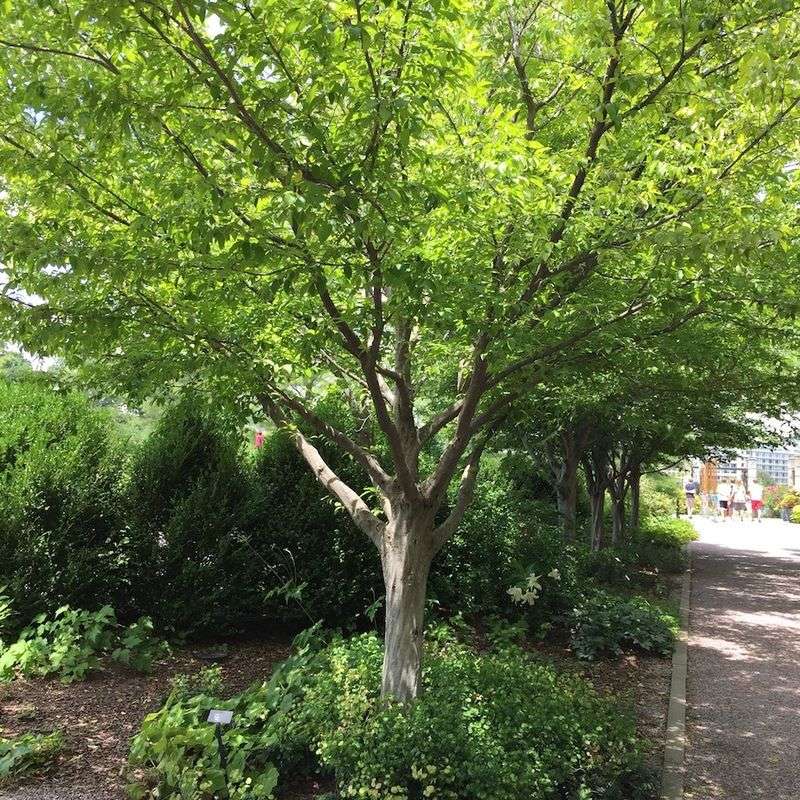
Siberian elm earned the unfortunate nickname “trash tree” through decades of disappointing performance in urban landscapes.
Introduced as a supposed replacement for American elms lost to disease, Siberian elm grows quickly and tolerates harsh conditions, which initially seemed promising.
Those advantages disappear rapidly once you experience the species’ numerous serious shortcomings, particularly near homes and structures.
Weak branch structure tops the list of concerns. Siberian elm wood lacks strength, and branches snap easily during wind events, ice storms, or even under their own weight as they age.
Texas weather regularly tests tree structure with sudden thunderstorms, occasional ice, and persistent winds, and Siberian elms fail these tests repeatedly.
Branches rain down constantly, creating cleanup work and posing genuine hazards to roofs, vehicles, and people below. Invasive behavior makes matters worse.
Siberian elms produce abundant seeds that germinate readily, creating thickets of seedlings throughout your yard, flower beds, and gutters. Removing these seedlings becomes an endless battle, and they sprout in the most inconvenient locations possible.
The aggressive seeding also contributes to invasive spread beyond your property, displacing native vegetation in natural areas.
Storm damage vulnerability increases dramatically as trees mature, with large limbs and even entire trunks splitting away without warning.
Given the combination of weak structure, constant maintenance demands, and invasive tendencies, Siberian elm ranks among the absolute worst choices for planting near Texas homes.
10. Eucalyptus (Eucalyptus Species – South Texas And Specialty Plantings)
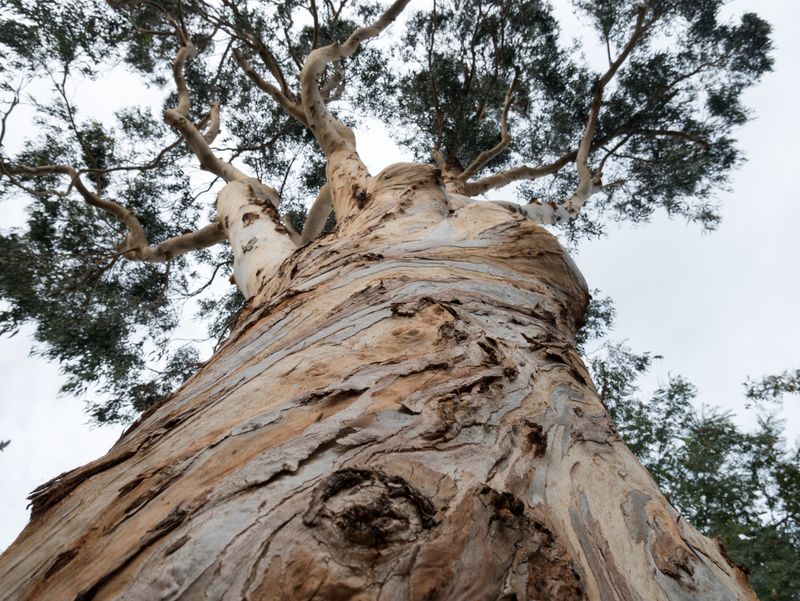
Eucalyptus trees bring exotic appeal with their aromatic leaves, interesting peeling bark, and rapid growth.
Some South Texas gardeners and specialty landscapers experiment with eucalyptus varieties, attracted by their unique appearance and potential height.
However, these Australian natives come with significant drawbacks that make them risky choices near residential structures, particularly in Texas’s variable climate conditions. Brittle limbs represent the primary safety concern.
Eucalyptus branches break easily, sometimes without warning or obvious stress. The phenomenon called sudden limb drop or summer branch drop occurs when large branches simply detach during calm weather, creating hazards below.
Combined with Texas wind events and occasional ice, eucalyptus trees shed branches regularly, threatening roofs, power lines, and anything beneath their canopies. Shallow root systems provide inadequate anchoring for these tall, fast-growing trees.
The roots spread horizontally near the surface, making eucalyptus vulnerable to toppling during storms. These same shallow roots disrupt pavement and irrigation systems while failing to access deep soil moisture.
Despite their Australian desert origins, many eucalyptus species demand considerable water, creating challenges during Texas drought cycles.
The combination of high water needs, shallow roots, brittle branches, and poor storm performance makes eucalyptus fundamentally incompatible with safe residential landscapes.
Texas’s swing between drought and deluge, heat and occasional freezing temperatures, stresses these trees beyond their adaptive capacity, resulting in hazardous situations near homes where stability and safety should be priorities.
11. Hackberry (Celtis Laevigata)
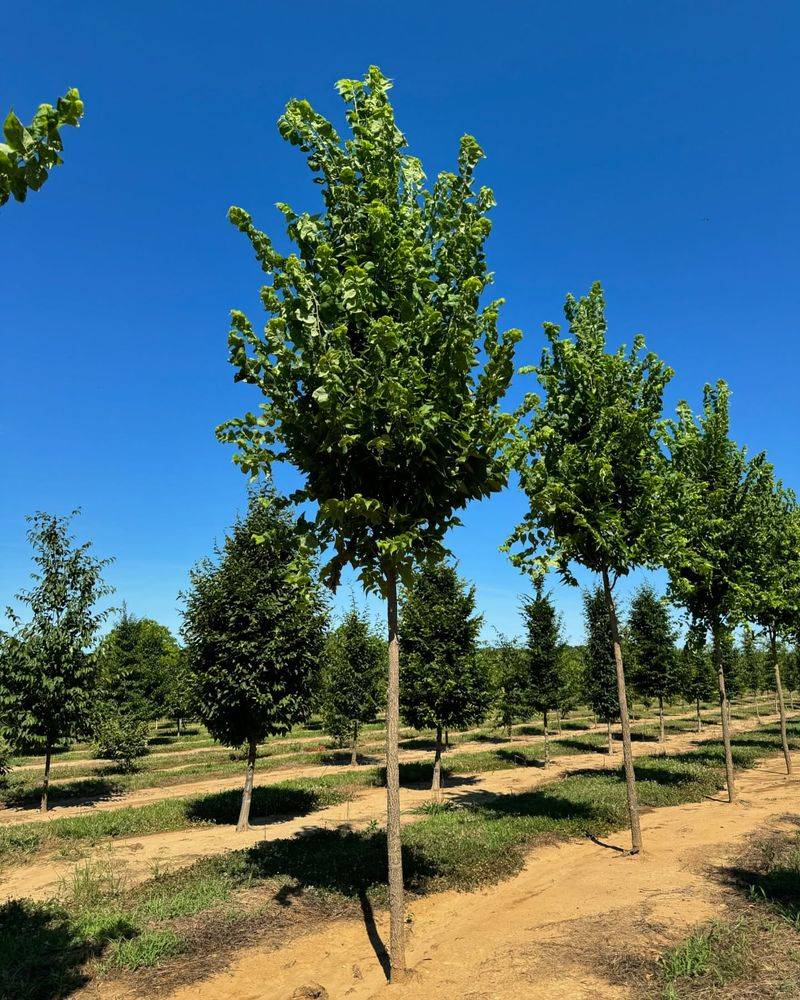
Hackberry trees grow wild throughout Texas, thriving in fence rows, creek bottoms, and disturbed areas with minimal care.
That toughness and rapid growth rate tempt homeowners to leave volunteer hackberries or intentionally plant them for quick shade.
However, several characteristics make hackberry problematic near homes and paved surfaces, despite its native status and ability to survive harsh conditions. Fast growth produces weak wood structure.
Hackberries shoot upward quickly, sometimes adding several feet annually, but that rapid growth creates brittle branches prone to breaking during storms.
The trees also tend to develop multiple trunks with weak attachment points, increasing the likelihood of major structural failures. Surface roots spread aggressively, lifting sidewalks and driveways while making lawn maintenance difficult beneath the canopy.
Leaf gall insects create another persistent annoyance. Hackberries commonly host psyllids that cause nipple gall formations on leaves, creating bumpy, distorted foliage that looks diseased.
While these galls don’t seriously harm tree health, they create unsightly canopies and cause premature leaf drop, adding to maintenance burdens.
The combination of aggressive surface roots, weak branch structure, and insect susceptibility makes hackberry a poor choice near structures and paved areas.
Better native alternatives like Texas red oak or cedar elm provide similar toughness and growth rates without the structural problems and surface root issues that make hackberry challenging in maintained residential landscapes throughout Texas regions.
12. Water Oak (Quercus Nigra)
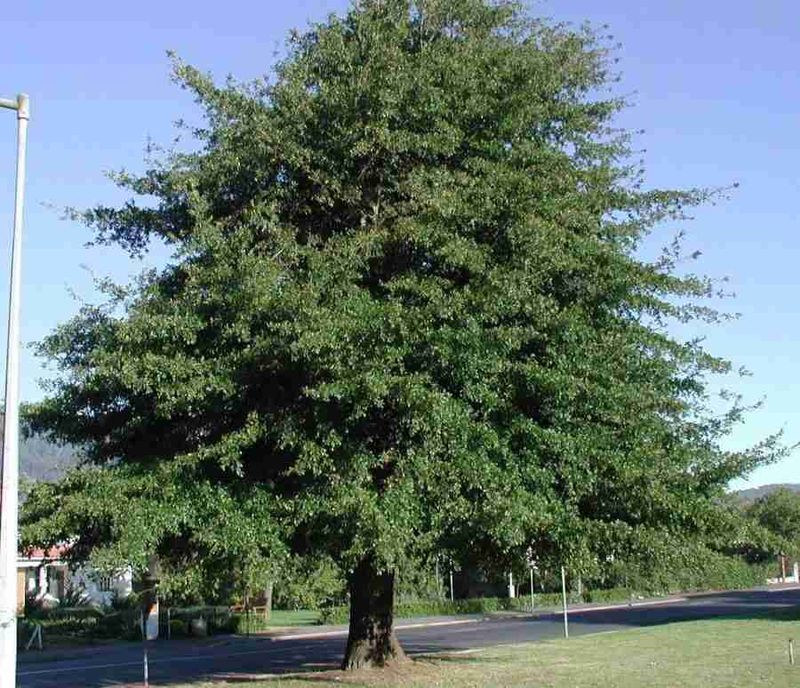
Water oaks belong to the red oak group and share that family’s relatively fast growth, which makes them attractive for homeowners wanting quicker shade than slower-growing live oaks provide.
However, water oak’s rapid growth comes with significant compromises in longevity, structure, and storm resistance that become increasingly problematic as trees mature near residential structures.
Lifespan limitations distinguish water oak from its superior oak cousins.
While live oaks can thrive for 300 years or more, water oaks typically begin serious decline after just 50 to 70 years, developing hollow trunks, extensive rot, and dangerous structural weaknesses.
That relatively short lifespan means your shade tree becomes a hazard right when it reaches impressive size, requiring expensive removal when it should be entering its prime years.
Brittle branch structure causes ongoing problems throughout the tree’s life. Water oak wood lacks the strength of white oaks or live oaks, and large branches snap during storms with alarming regularity.
The broad, spreading canopy catches wind like a sail, increasing stress on already weak branch attachments.
Texas storm seasons bring high winds, lightning, and occasional ice, all of which test tree structure severely. Water oaks frequently fail these tests, dropping massive limbs onto roofs and power lines.
The combination of short lifespan, weak wood, and large mature size makes water oak a risky choice near homes, despite its native status and initial attractiveness as a fast-growing shade provider for Texas properties.