7 Native Florida Plants That Attract Painted Buntings In Winter
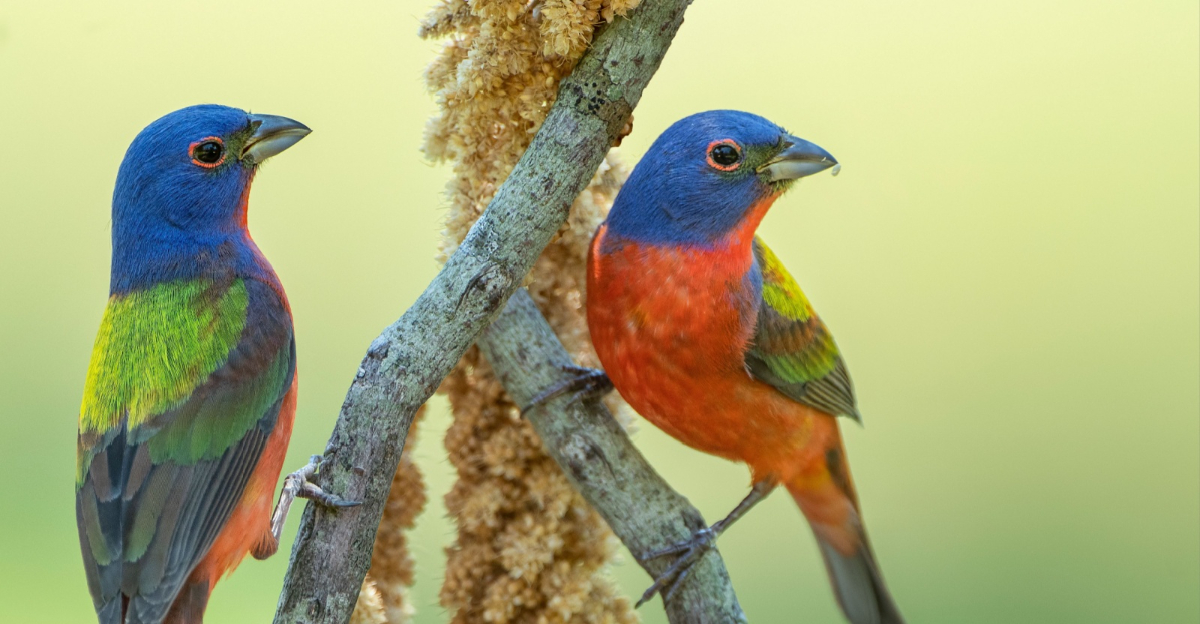
Most people don’t realize Florida is one of the best places in the country to see Painted Buntings in winter. These small, neon-colored birds quietly move through backyards, hedges, and garden edges looking for seeds and safe places to hide from predators.
The problem is that many modern landscapes remove the exact native plants buntings depend on to survive the colder months. The good news is that a few smart planting choices can make a big difference.
Homeowners across Central and South Florida are already seeing Painted Buntings show up simply by adding the right grasses, shrubs, and cover plants.
If you want more wildlife in your yard and a better chance of seeing one of Florida’s most colorful winter visitors, these native plants can help turn your garden into a reliable bunting stopover.
1. American Beautyberry (Callicarpa americana)
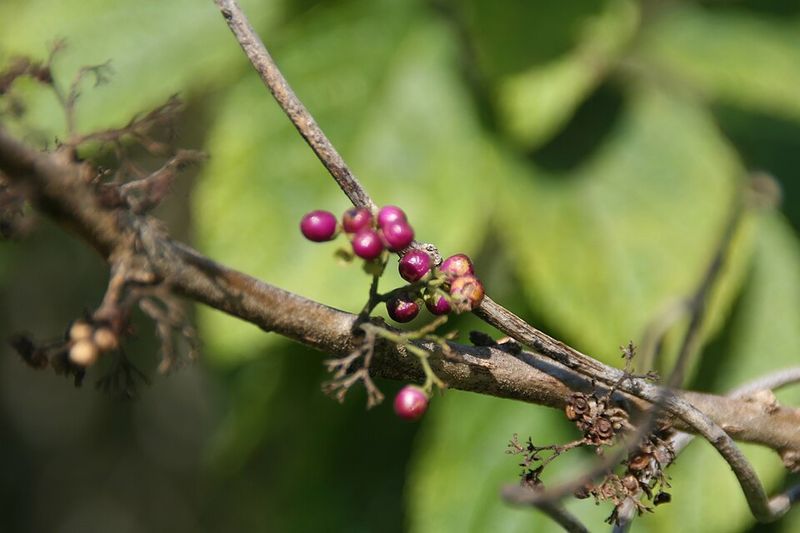
You might notice movement low in the understory, where small birds flit between tangled branches heavy with purple fruit. American Beautyberry becomes a magnet for Painted Buntings during winter months, especially when berry clusters persist into January and February.
The shrub’s arching stems create sheltered feeding zones where buntings feel safe from hawks and neighborhood cats.
Painted Buntings rarely eat the berries themselves, but they use beautyberry thickets as protected feeding zones where insects concentrate and nearby native grass seeds are easier to forage safely.
The dense branching structure offers excellent cover, and you’ll often see buntings darting in and out of beautyberry thickets during early morning hours.
This plant thrives in partial shade and adapts well to North and Central Florida gardens.
In South Florida, beautyberry may grow year-round but becomes especially valuable when other seed sources decline. The shrub requires minimal maintenance and tolerates Florida’s sandy soils without fertilizer or pesticides.
Homeowners who plant American Beautyberry often report increased bunting activity within a single season, particularly when the shrub is grouped with other natives.
Leave the spent branches through winter rather than pruning early. This keeps the structure intact for birds and allows any remaining seeds or insects to continue supporting your backyard visitors until migration begins in March.
2. Wax Myrtle (Myrica cerifera)
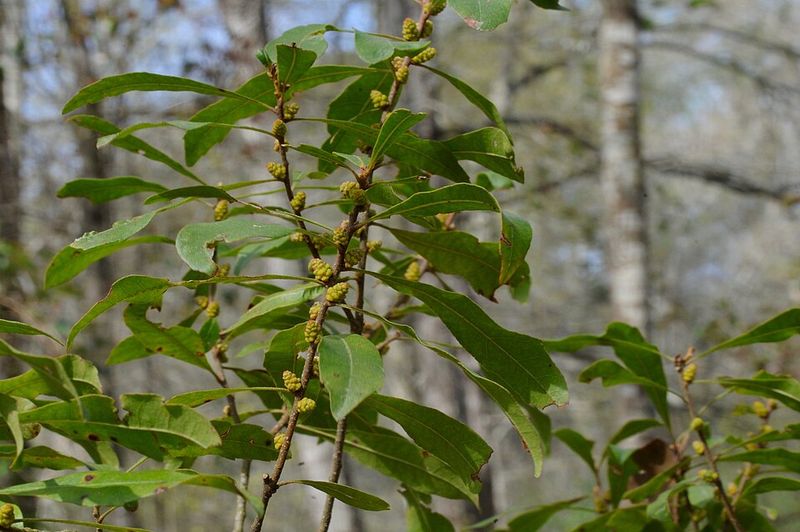
A persistent rustling in evergreen foliage often signals Painted Buntings working through the branches of Wax Myrtle, using the dense cover while foraging for insects and nearby seed sources. This adaptable shrub grows naturally along Florida’s coastal areas and inland edges, forming dense thickets that provide critical shelter and foraging habitat when buntings need it most.
The berries ripen in fall and persist well into spring, offering an important food source for many winter birds during cold snaps.
Painted Buntings rarely eat Wax Myrtle berries, but they actively use the dense evergreen foliage for shelter and hunt insects that concentrate within the branches. Wax Myrtle’s branching structure creates layered cover that protects birds from predators while they forage.
Your Florida Garden Changes Every Week. Your Plan Should Too.
Gardening in Florida changes quickly throughout the season. Every Friday you’ll receive a simple weekly plan showing exactly what to plant, prune, fertilize, harvest, and protect so you never miss the right timing.
In North Florida, this plant serves overwintering populations, while Central Florida sees both resident and migrating buntings using it as a stopover.
South Florida homeowners find that Wax Myrtle supports buntings throughout the winter season, especially when planted near water sources or mixed native borders. The shrub tolerates salt spray, wet soils, and drought once established, making it ideal for Florida-Friendly Landscaping.
You’ll notice buntings visiting Wax Myrtle most actively in early morning and late afternoon.
Avoid heavy pruning during winter months to maintain the berry supply and protective structure. Planting both male and female specimens ensures consistent berry production that keeps your yard attractive to buntings year after year.
3. Yaupon Holly (Ilex vomitoria)
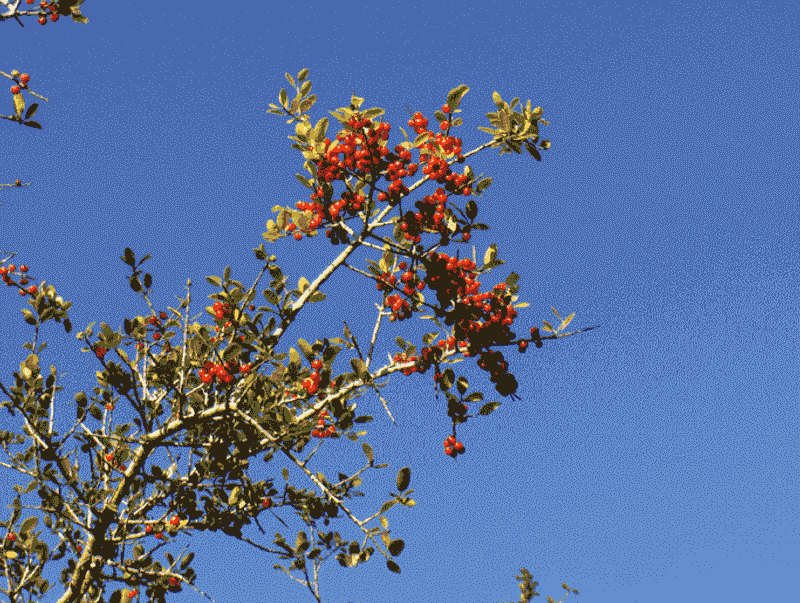
Bright red berries clustered against glossy green leaves catch your eye first, but it’s the constant bird activity that reveals why Yaupon Holly matters so much to winter Painted Buntings. Female plants produce abundant fruit that ripens in fall and holds through winter, creating valuable habitat for many birds while providing Painted Buntings with dense shelter and safe resting cover.
Buntings often perch in the dense branching to survey the yard before dropping down to forage for native grass seeds and insects nearby.
The holly’s evergreen structure provides year-round shelter, and its compact growth habit makes it perfect for smaller Florida yards. Painted Buntings use Yaupon Holly as a safe retreat between feeding sessions, and you’ll frequently spot them resting in the interior branches during midday heat.
This plant thrives across all Florida regions, from the Panhandle to the Keys.
In North Florida, Yaupon Holly supports buntings through occasional freezes, while Central and South Florida populations rely on it during dry winter periods when water and food become scarce.
The shrub tolerates various soil types and requires no fertilization, making it a low-maintenance choice for bird-friendly gardens.
Homeowners consistently report seeing buntings within days of planting mature Yaupon specimens.
Keep the area beneath your holly natural, allowing leaf litter and fallen berries to accumulate. This creates foraging habitat where buntings can scratch for seeds and insects without exposure to predators or pesticides.
4. Coral Honeysuckle (Lonicera sempervirens)
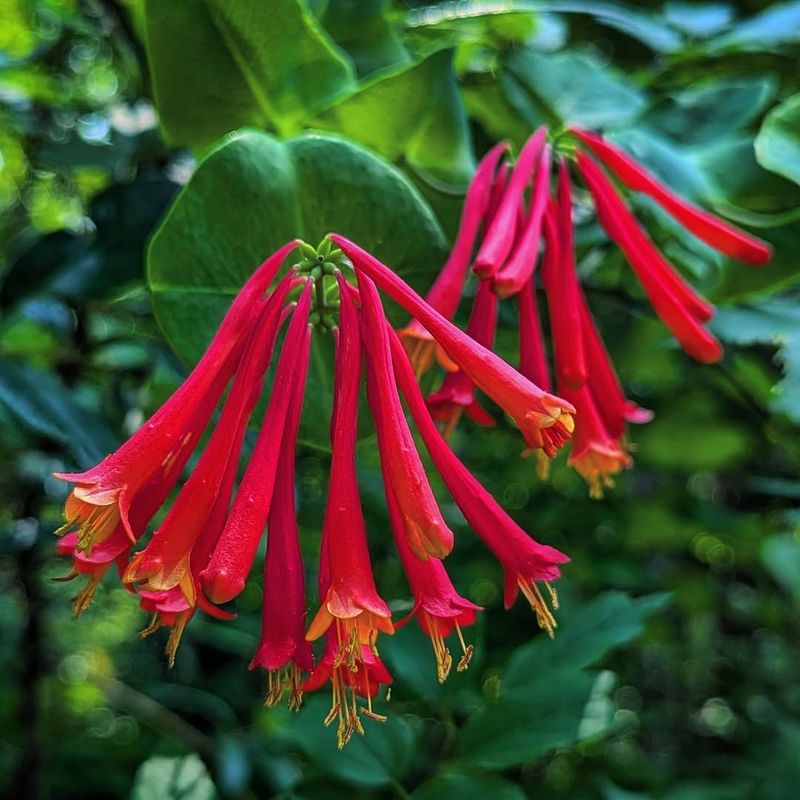
Tubular red flowers climbing along a fence line might seem like a hummingbird plant, but Coral Honeysuckle offers winter value that extends far beyond nectar. Painted Buntings use the vine’s twining stems and semi-evergreen foliage as protective cover while foraging in nearby shrubs and grasses.
The plant produces small berries in late fall that persist into winter and help support insect populations that Painted Buntings forage on nearby.
Unlike invasive honeysuckles, Coral Honeysuckle is a Florida native that won’t smother your landscape. It climbs moderately and provides vertical structure that buntings use to move safely between feeding areas.
In North Florida, the vine may lose some leaves during cold spells, but it rebounds quickly and continues offering shelter. Central Florida gardeners see nearly year-round foliage that supports both migrating and wintering buntings.
South Florida populations benefit from the vine’s ability to bloom sporadically through winter, maintaining insect activity when other food sources decline. Homeowners who plant Coral Honeysuckle near native grasses or shrubs create layered habitat that buntings prefer.
The vine thrives in full sun to partial shade and tolerates Florida’s variable rainfall without supplemental watering once established.
Train the vine along fences, trellises, or arbors to maximize vertical habitat. Avoid cutting back the vine in fall or winter, as the structure provides critical cover and the berries support both birds and beneficial insects that buntings rely on for protein.
5. Firebush (Hamelia patens var. patens)
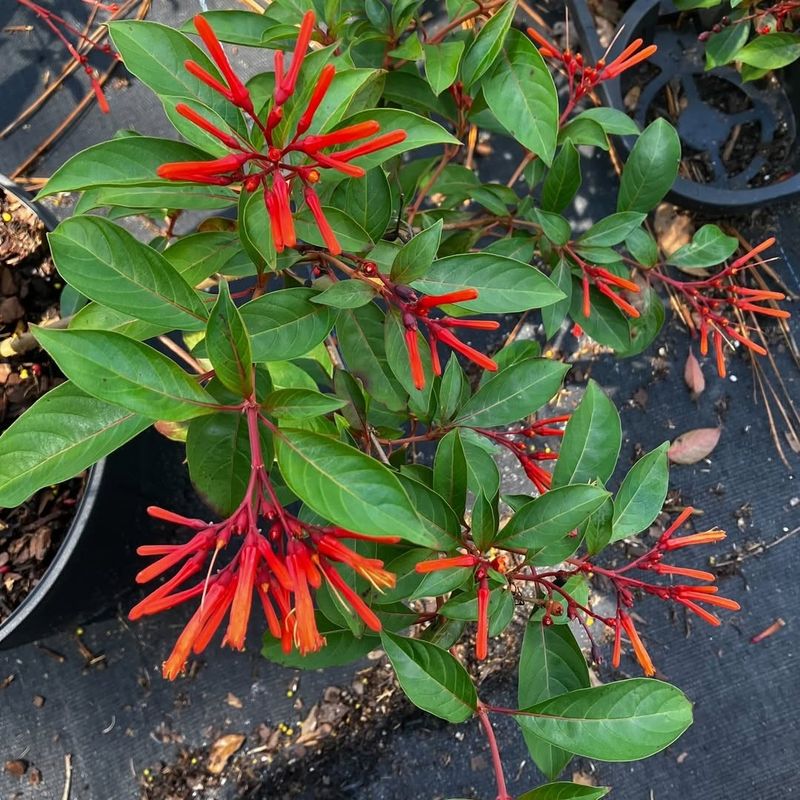
Orange tubular flowers glow against dark green foliage even in winter, and the constant hum of activity around Firebush tells you everything about its value to Florida wildlife.
Painted Buntings occasionally forage insects around Firebush and may sample small berries, but they rely more heavily on nearby native grass seeds for winter feeding.
The plant’s semi-woody structure creates excellent cover, and buntings often perch in the upper branches while scanning for predators.
In South Florida, where Firebush is native, the plant blooms nearly year-round, providing continuous food for both nectar-feeders and seed-eaters. Central Florida homeowners see the plant wither slightly during cold snaps, but it rebounds quickly and maintains enough structure to shelter wintering buntings.
North Florida gardeners treat Firebush as a warm-season perennial, cutting it back after frost and enjoying robust regrowth in spring.
The berries ripen in waves and help sustain insect activity while nearby native grasses provide the primary seed food source buntings depend on. Firebush tolerates sandy soils and thrives in full sun, making it ideal for open areas where buntings feel comfortable foraging.
You’ll notice increased bunting activity when Firebush is planted near grasses or other seed-producing natives.
Resist the urge to deadhead spent flowers or remove berry clusters. These are exactly what your winter buntings need, and leaving the plant natural supports the insects and seeds that keep birds returning to your yard season after season.
6. Seagrape (Coccoloba uvifera)
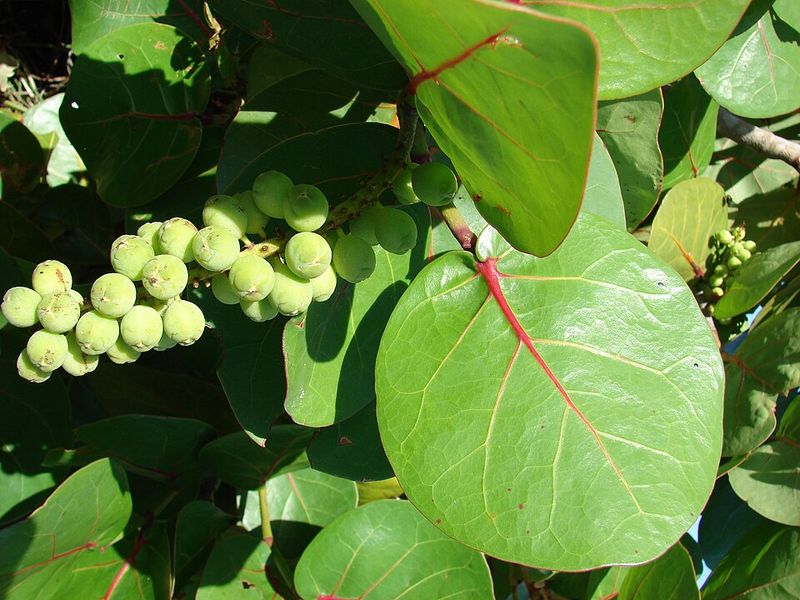
Large round leaves and clusters of grape-like fruit make Seagrape instantly recognizable, but it’s the winter fruit persistence that makes this coastal native so valuable to Painted Buntings.
The purple fruit ripens in late summer and often hangs on the tree through winter, benefiting many coastal birds while providing Painted Buntings with shaded foraging cover and insect-rich habitat beneath the canopy.
Many birds forage in the canopy, while Painted Buntings primarily forage on the ground beneath the tree where fallen fruit attracts insects.
Seagrape’s spreading canopy creates shaded understory habitat that buntings use for resting and preening between feeding sessions. In South Florida, this tree is a landscape staple that supports wintering bunting populations along the coast and inland.
Central Florida gardeners near the coast find Seagrape equally valuable, especially in yards that mimic natural dune and scrub habitats.
The tree tolerates salt spray, sandy soils, and drought, making it perfect for Florida-Friendly landscapes that require minimal water or fertilizer. Homeowners who plant Seagrape often see buntings within weeks, particularly when the tree is paired with native grasses or low shrubs.
The fruit also attracts other songbirds, creating a lively winter feeding station.
Leave fallen fruit and leaf litter beneath your Seagrape to maintain natural foraging habitat. Avoid pesticides and chemical treatments that could harm the insects buntings depend on, and let the tree grow naturally to maximize its shelter and food value for your backyard visitors.
7. Switchgrass (Panicum virgatum)
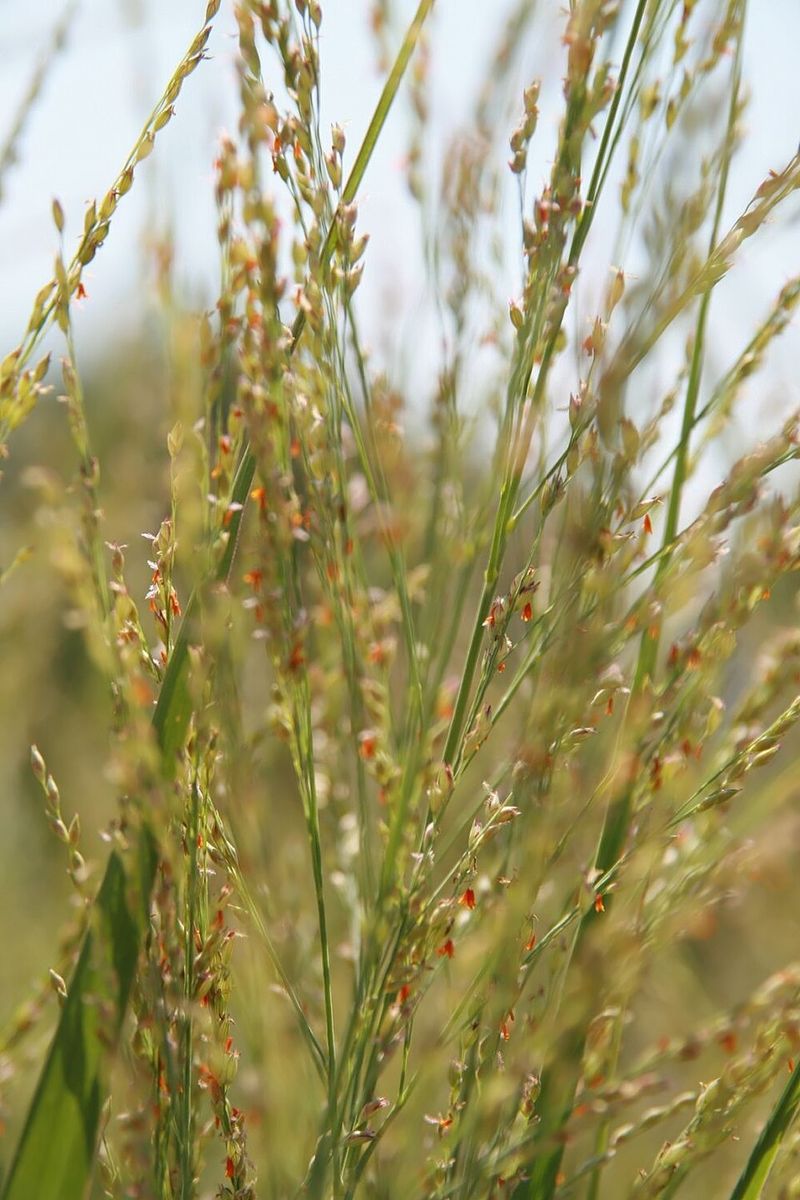
Tall seed heads swaying in the winter breeze signal prime Painted Bunting habitat, and Switchgrass delivers exactly what these seed-eating songbirds need during the coldest months. The grass produces abundant seeds in fall that persist through winter, creating one of the most reliable natural feeding stations for wintering Painted Buntings.
You’ll often see them clinging to the stems, carefully extracting seeds while other birds forage below for fallen seeds.
Switchgrass grows in clumps that provide excellent ground cover and shelter from predators. In North Florida, the grass turns golden in winter, offering both food and visual interest in your landscape.
Central Florida populations benefit from Switchgrass planted in open sunny areas where buntings feel safe approaching. South Florida homeowners find that Switchgrass maintains its structure year-round, supporting buntings throughout the winter season.
The grass tolerates a wide range of soil conditions and requires no fertilization or irrigation once established. Planting Switchgrass in drifts or masses creates the kind of habitat buntings prefer, especially when combined with native shrubs and flowering plants.
Homeowners who add Switchgrass to their yards often report seeing buntings within the first winter season.
Leave the seed heads standing through winter rather than cutting back in fall. This simple step ensures your buntings have access to the food they need, and the dried grass provides nesting material that birds will collect when spring migration begins in March and April.