One January Yard Chore In Texas That Cuts Down Spring Work
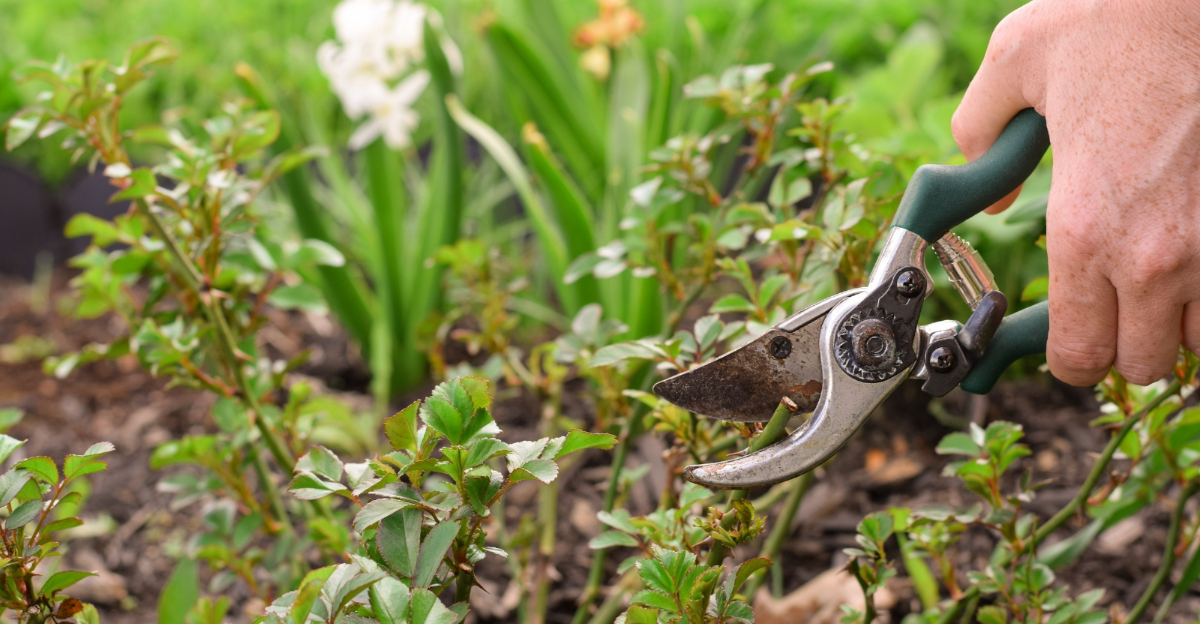
January may look quiet in Texas yards, but one specific chore done now quietly removes a huge chunk of spring stress before it ever shows up.
That chore is cutting back perennials while plants are dormant, when timing works in your favor instead of against you.
This applies mainly to established, warm-season perennials and hardy plants, not cold-sensitive or spring-blooming varieties.
Old stems and spent growth may not seem urgent in winter, yet they quickly become obstacles once warm weather triggers fast, crowded new growth.
Handling this task in January keeps fresh shoots safe and prevents the frantic trimming that often happens too late.
It also clears out lingering debris that can shelter problems long before spring planting begins.
Texas gardens wake up quickly, and beds that were cleaned early respond faster, grow more evenly, and stay easier to manage. The difference shows up not just in appearance, but in how smoothly the season starts.
What feels like a small winter chore ends up simplifying nearly every task that follows.
By the time spring arrives, the hardest part is already done, leaving more time for planting and far less time spent catching up.
1. Cutting Back Perennials In January Reduces Spring Yard Work In Texas
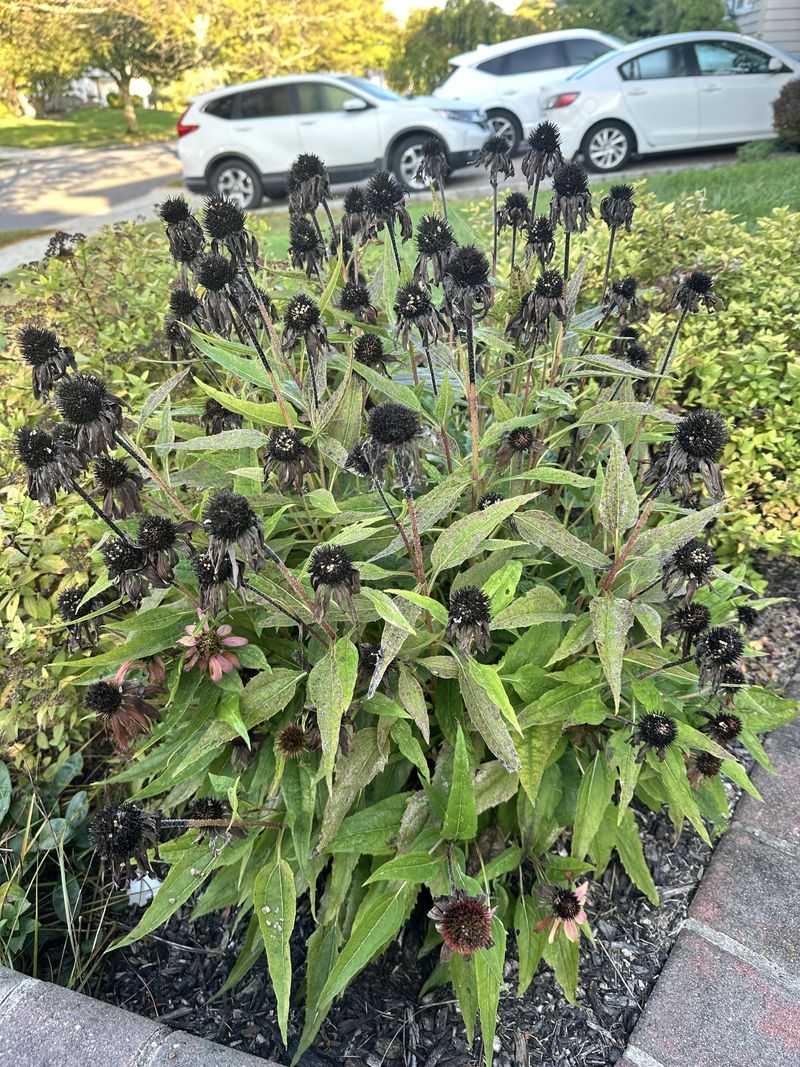
Most gardeners across Texas know that timing matters when maintaining a healthy yard. Perennials grow back year after year, but their old stems and leaves need regular attention.
Trimming them down while the weather stays mild gives you a head start before everything explodes with new growth.
Spring arrives fast in Texas, bringing warm temperatures and rapid plant development. If you wait until March or April to cut back last year’s growth, you’ll be racing against time.
New shoots can already be pushing through the soil, making it harder to see what needs trimming without accidentally damaging fresh stems.
Tackling this task in January means less stress later on. You won’t be juggling multiple chores when the weather gets hot and everything needs watering, weeding, and fertilizing all at once.
Getting ahead now creates breathing room for other projects.
Old foliage left standing through winter can harbor pests and diseases. Removing it early reduces the chance of problems spreading to new growth.
Your plants start the season cleaner and healthier, which means less trouble down the road.
Texas winters vary by region, but January typically offers comfortable working conditions. You’re not battling summer heat or spring thunderstorms.
The job becomes easier and more enjoyable when the temperature stays reasonable and the bugs haven’t returned in full force yet.
Cutting back perennials also improves your yard’s appearance right away. Instead of looking at brown, tangled stems, you’ll see a neat, organized garden bed.
2. Why January Is The Easiest Time To Tackle This Task In Texas
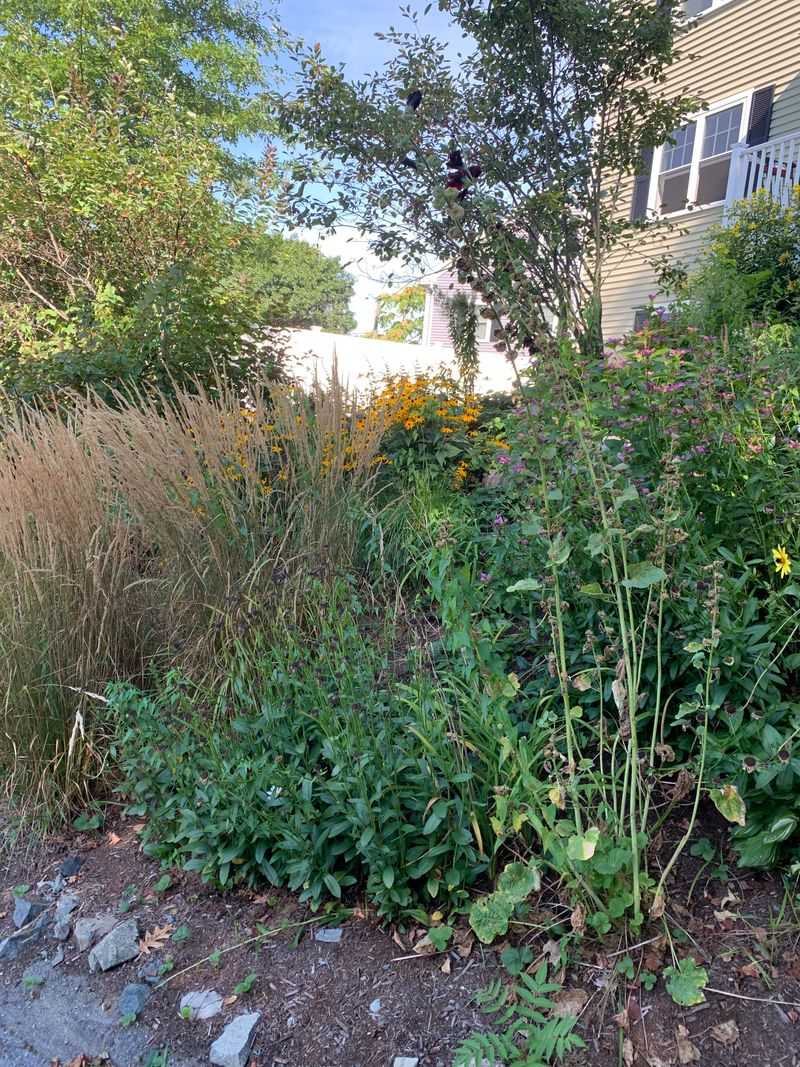
Temperatures across Texas drop to comfortable levels during January, making outdoor work far more pleasant. You won’t be sweating through your shirt or stopping every ten minutes to drink water.
The cooler air lets you focus on the job without feeling exhausted halfway through.
Your Texas Garden Changes Every Week. Your Plan Should Too.
Gardening in Texas changes quickly throughout the season. Every Friday you’ll receive a simple weekly plan showing exactly what to plant, prune, fertilize, harvest, and protect so you never miss the right timing.
Plants enter dormancy as winter settles in, meaning they’re not actively growing. This dormant period is the safest time to trim perennials because you won’t interrupt their growth cycle.
They’re essentially resting, so cutting them back causes minimal stress and allows them to recover before spring arrives.
Insect activity drops significantly during January in most Texas regions. Fewer mosquitoes, wasps, and biting flies mean you can work in peace.
You’ll spend more time trimming and less time swatting away pests, which makes the whole experience much more enjoyable.
Visibility improves dramatically when plants aren’t surrounded by dense foliage. You can clearly see the base of each perennial and identify what needs cutting.
This clarity reduces mistakes and speeds up the process, especially if you’re working with varieties that grow close together.
Soil conditions in January are often ideal for walking around garden beds. Texas winters typically bring less rainfall than spring, so the ground stays firmer and less muddy.
You won’t sink into soft soil or leave deep footprints that compact the earth around plant roots.
Your schedule might be more flexible during January compared to busier months. Holiday chaos has passed, and spring activities haven’t ramped up yet.
3. What Happens When Perennials Are Left Until Spring
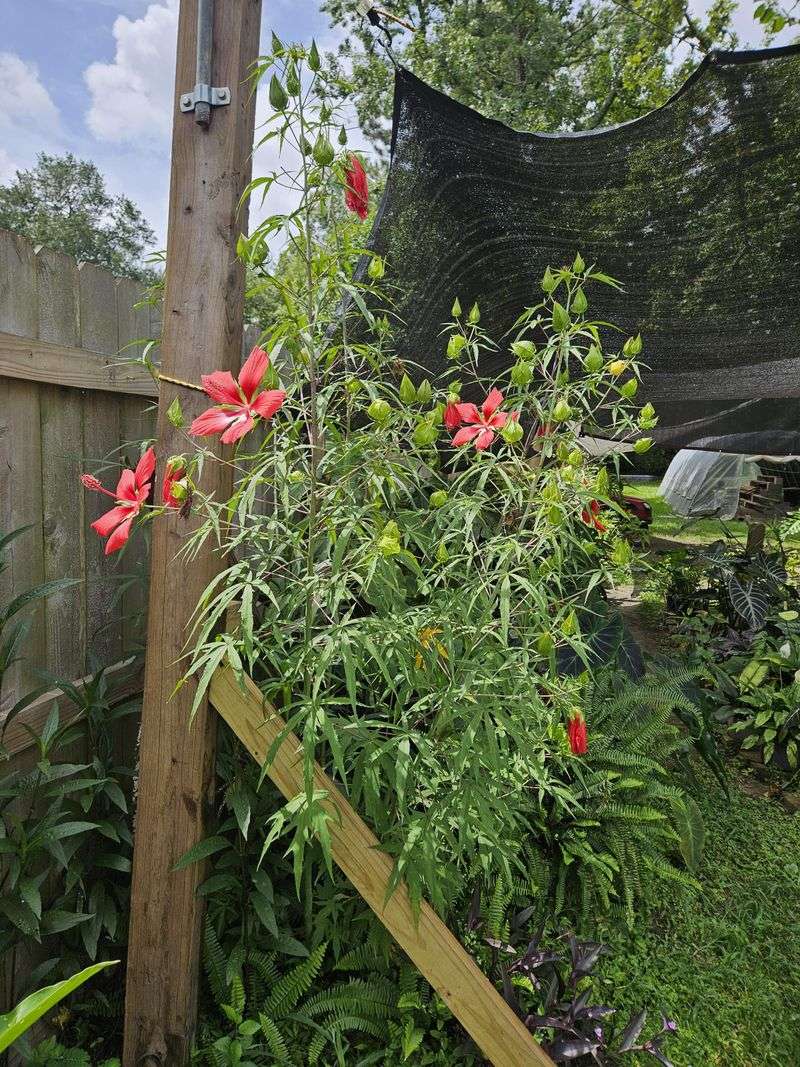
Waiting too long to trim perennials creates a tangled mess that’s much harder to manage. Old stems intertwine with new growth, making it nearly impossible to cut cleanly without damaging fresh shoots.
You’ll spend extra time carefully separating what stays from what goes, turning a simple task into a frustrating puzzle.
New growth emerges quickly once Texas temperatures warm up in spring. By the time you notice your perennials need attention, tender shoots may already be several inches tall.
Cutting around these delicate stems requires extra caution and significantly slows down your progress through the garden bed.
Pests and diseases thrive in the debris left over from last year’s growth. Old leaves and stems provide perfect hiding spots for insects and fungal spores.
When you finally remove this material in spring, you risk spreading problems throughout your garden just as plants are most vulnerable to attack.
The visual appeal of your yard suffers when brown, collapsed foliage dominates the landscape. Neighbors and visitors see an unkempt space instead of a well-maintained garden.
First impressions matter, and neglected perennials send the wrong message about how much you care for your outdoor space.
Spring in Texas brings unpredictable weather, including sudden storms and heavy winds. These conditions make outdoor work uncomfortable and sometimes dangerous.
Trying to trim perennials while dodging raindrops or fighting gusty winds turns a manageable chore into an unpleasant ordeal.
Your workload multiplies when you delay this task until spring. Perennials aren’t the only plants demanding attention once warm weather arrives.
You’ll also be planting annuals, spreading mulch, fertilizing lawns, and dealing with weeds, creating a backlog of chores that feels overwhelming.
4. How Cooler January Weather Makes Cutting Back Faster
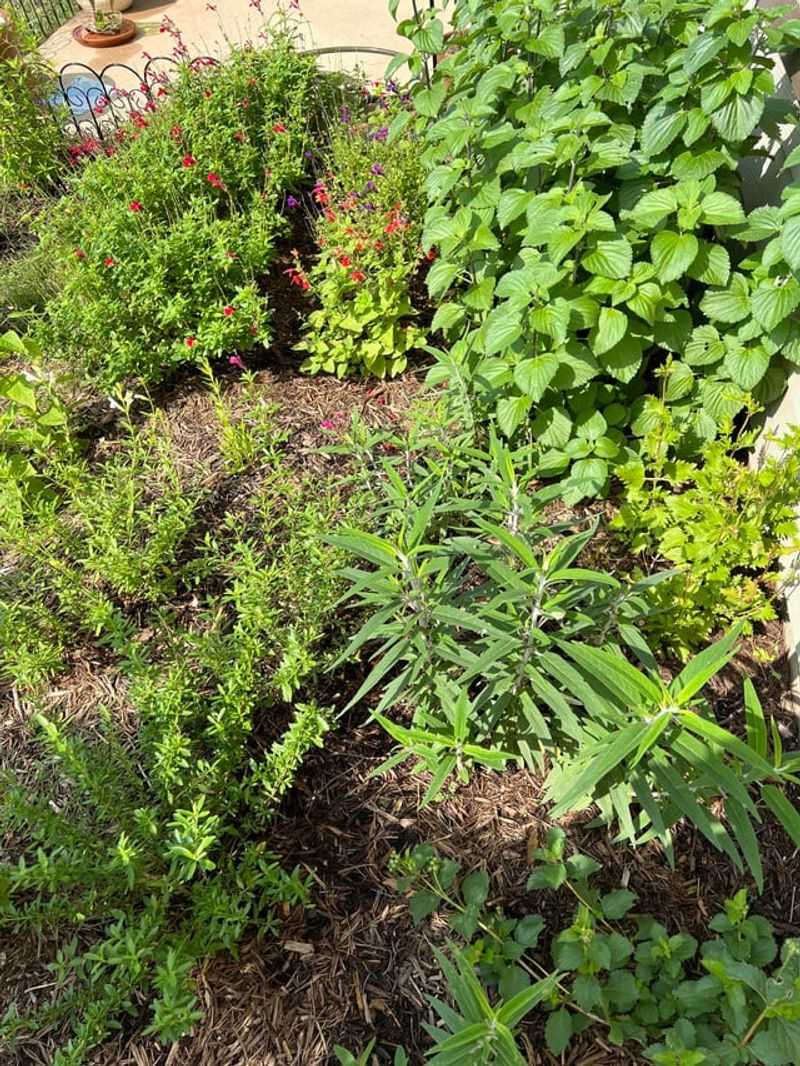
Working in comfortable temperatures means you can maintain a steady pace without frequent breaks. Texas summers force you to stop often for water and shade, but January’s mild conditions let you power through the job.
You’ll finish in a fraction of the time it would take during hotter months.
Your energy levels stay higher when you’re not fighting extreme heat. Cooler air keeps your body temperature regulated, allowing you to focus on the task at hand.
You’ll make cleaner cuts and better decisions about what to trim because you’re not exhausted or distracted by discomfort.
Plants are dormant during January, which means their stems are often drier and easier to cut through. You won’t be sawing through thick, sappy growth that gums up your pruning shears.
The brittle nature of dormant stems allows for quick, efficient trimming with minimal effort.
Sweat doesn’t blur your vision or make your hands slippery during January work sessions. You can grip your tools firmly and see exactly where you’re cutting.
This precision speeds up the process and reduces the risk of accidents or mistakes that would require extra time to fix.
Cooler weather means you can work during the middle of the day without worrying about sun exposure. Texas summers force early morning or late evening work to avoid peak heat, but January offers flexibility.
You can choose the most convenient time for your schedule and complete the job in one efficient session.
Your tools perform better in moderate temperatures. Metal blades don’t heat up uncomfortably, and handles remain easy to grip.
This might seem like a small detail, but it makes a noticeable difference when you’re making hundreds of cuts across multiple plants.
5. How This One Task Limits Weeds And Mess Later On
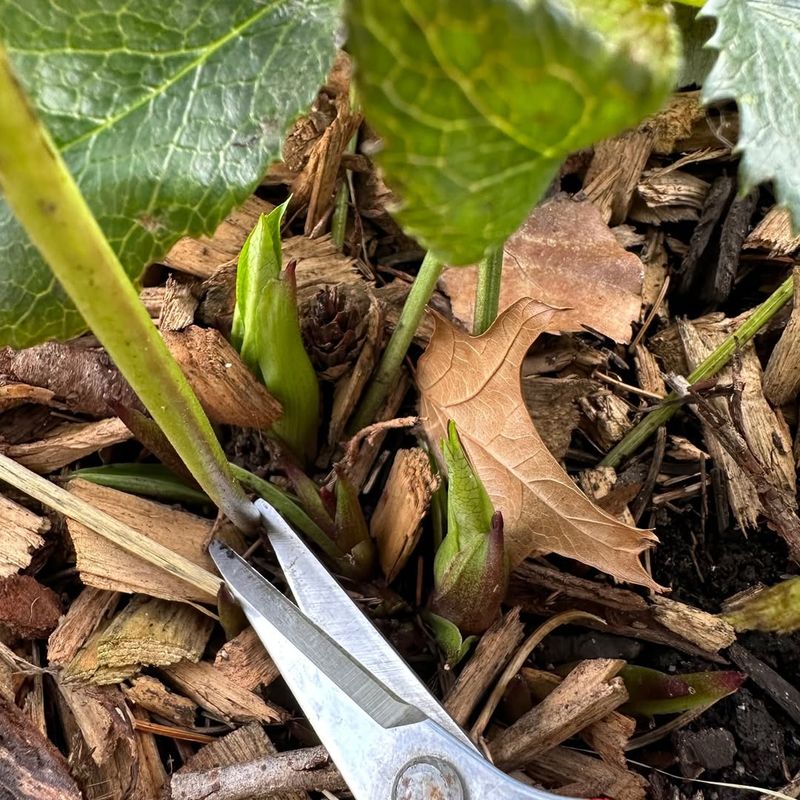
Removing old perennial growth in January eliminates hiding places for weed seeds. Many weeds drop their seeds in late summer and fall, and these seeds nestle into the debris at the base of perennials.
Clearing away this material in January exposes seeds to harsh conditions and birds, reducing the number that successfully germinate in spring.
Clean garden beds are easier to mulch effectively. Once you’ve trimmed your perennials, you can spread a fresh layer of mulch that suppresses weeds throughout the growing season.
Texas gardens benefit greatly from good mulch coverage, and you can’t achieve it properly when old stems are in the way.
Early cleanup allows you to spot and remove small weeds before they become established. January in Texas often brings mild days when tiny weeds start growing.
Catching them now takes just minutes, while waiting until spring means dealing with mature plants with deep root systems.
Trimmed perennials allow better air circulation around plants. This improved airflow reduces moisture buildup that encourages weed growth and fungal diseases.
Texas humidity can be challenging for garden health, so anything that promotes drying helps keep problems at bay.
The psychological benefit of a clean slate shouldn’t be underestimated. Starting spring with tidy garden beds motivates you to maintain that appearance.
You’re more likely to pull emerging weeds promptly when your beds already look good, creating a positive cycle of maintenance.
Composting old perennial stems removes potential weed seeds from your garden entirely. Many Texas gardeners compost their winter trimmings, and hot composting processes destroy weed seeds.
This turns waste into valuable soil amendment while reducing future weed pressure.
6. What Texas Soil And Roots Do After Winter Cutbacks
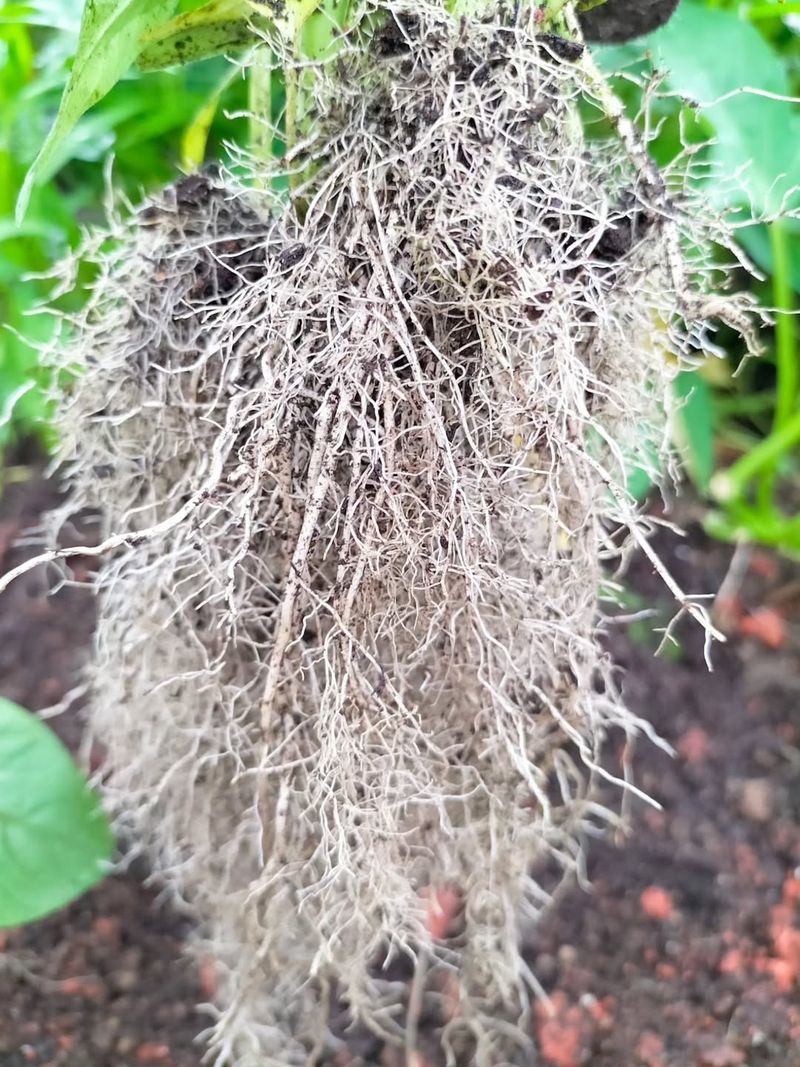
Root systems continue developing even while aboveground growth appears dormant. Trimming perennials in January allows plants to conserve energy while roots remain active through winter.
This underground activity creates a more robust foundation that supports vigorous growth when Texas temperatures rise in spring.
Exposed soil warms more quickly in the sun after you remove old plant material. Texas winters bring plenty of sunny days, and this warmth encourages beneficial soil organisms to remain active.
These microorganisms break down organic matter and make nutrients available to plant roots, improving overall soil health.
Moisture penetrates soil more effectively when it’s not blocked by layers of old stems and leaves. Winter rains reach plant roots directly, providing the water perennials need to maintain their root systems during dormancy.
Better moisture distribution means healthier plants and less irrigation needed once the growing season begins.
Trimmed perennials allow you to add amendments to soil more easily. January is an excellent time to spread compost or other organic matter around plants.
These materials have months to integrate into Texas soil before spring growth demands maximum nutrition from the ground.
Root expansion happens more readily in soil that’s not compacted by foot traffic. When you complete your January trimming, you can stay out of garden beds for months.
This undisturbed period lets roots spread freely, accessing more water and nutrients throughout a larger area.
Cooler soil temperatures during January slow water evaporation, meaning roots stay hydrated with less effort. Texas droughts are common, so any practice that improves water retention benefits your garden.
Healthy root systems developed during winter make plants more drought-tolerant when summer heat arrives.
7. How Much Time This Saves Once Spring Growth Starts
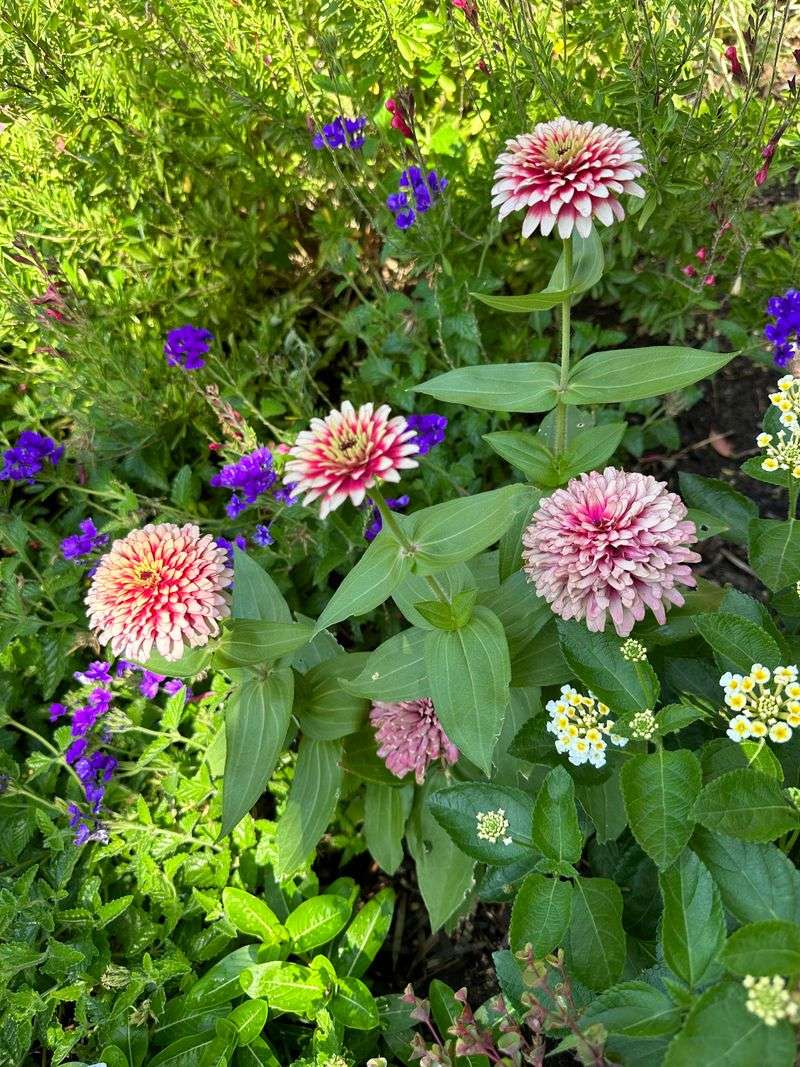
Completing perennial trimming in January can save you several full days of work in spring. Those hours add up quickly when you consider all the other tasks demanding attention during the busy growing season.
Texas gardeners juggle countless chores once warm weather arrives, so eliminating even one major project makes a significant difference.
Spring cleanup becomes a quick touch-up rather than a major undertaking. You’ll spend minutes instead of hours on each garden bed because the heavy lifting is already done.
This efficiency lets you focus on exciting activities like planting new flowers or vegetables instead of wrestling with last year’s leftovers.
The mental energy saved is just as valuable as the physical time. Knowing your perennials are already trimmed eliminates that nagging feeling of falling behind.
You can approach spring with confidence and enthusiasm rather than dread about all the work waiting for you.
Watering schedules become more manageable when plants aren’t competing with old debris. Your perennials grow more uniformly and need consistent moisture levels.
This predictability makes irrigation planning simpler and more efficient throughout the Texas growing season.
Fertilizing is faster and more effective in beds prepared during January. You can apply products evenly without working around old stems, ensuring your perennials receive proper nutrition.
This streamlined process saves time and improves results, giving you better value from your fertilizer investment.