10 Vegetables Texans Plant Before January Ends For Stronger Spring Harvests
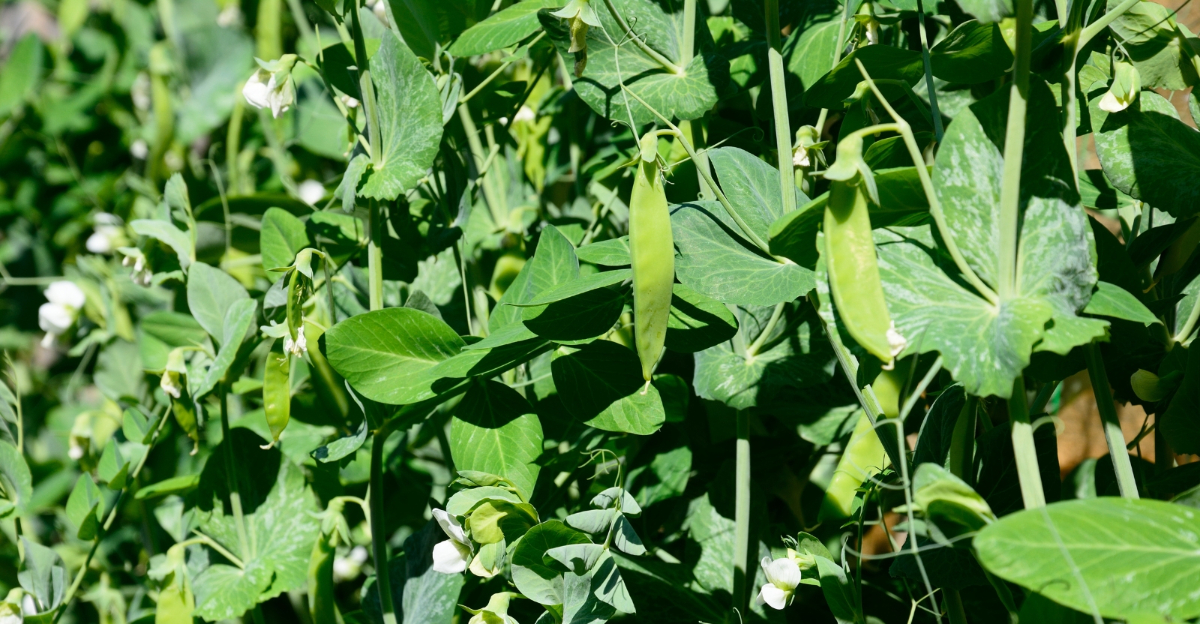
January doesn’t feel like planting season in much of Texas, yet this short window quietly sets the tone for how productive spring gardens turn out.
Cool soil, mild days, and slower growth create ideal conditions for certain vegetables to establish strong roots before heat arrives.
This timing works best for mild-winter regions of Texas, including Central, South, and coastal areas, while colder regions may need to wait or use protection.
Many Texas gardeners wait too long, not realizing that early planting can mean sturdier plants and heavier harvests later.
Vegetables started before January ends use this calm period to settle in without stress, building strength below the surface. This head start often shows up months later when plants keep producing while others struggle.
Texas weather moves fast once spring hits, and gardens that are already established respond better to sudden warmth.
Early planting also reduces pressure later, when watering, pests, and rapid growth demand constant attention.
Choosing the right vegetables now allows gardens to stay productive instead of playing catch-up.
Those early decisions often separate average spring harvests from gardens that stay full, steady, and rewarding well into the season.
1. Sugar Snap Peas
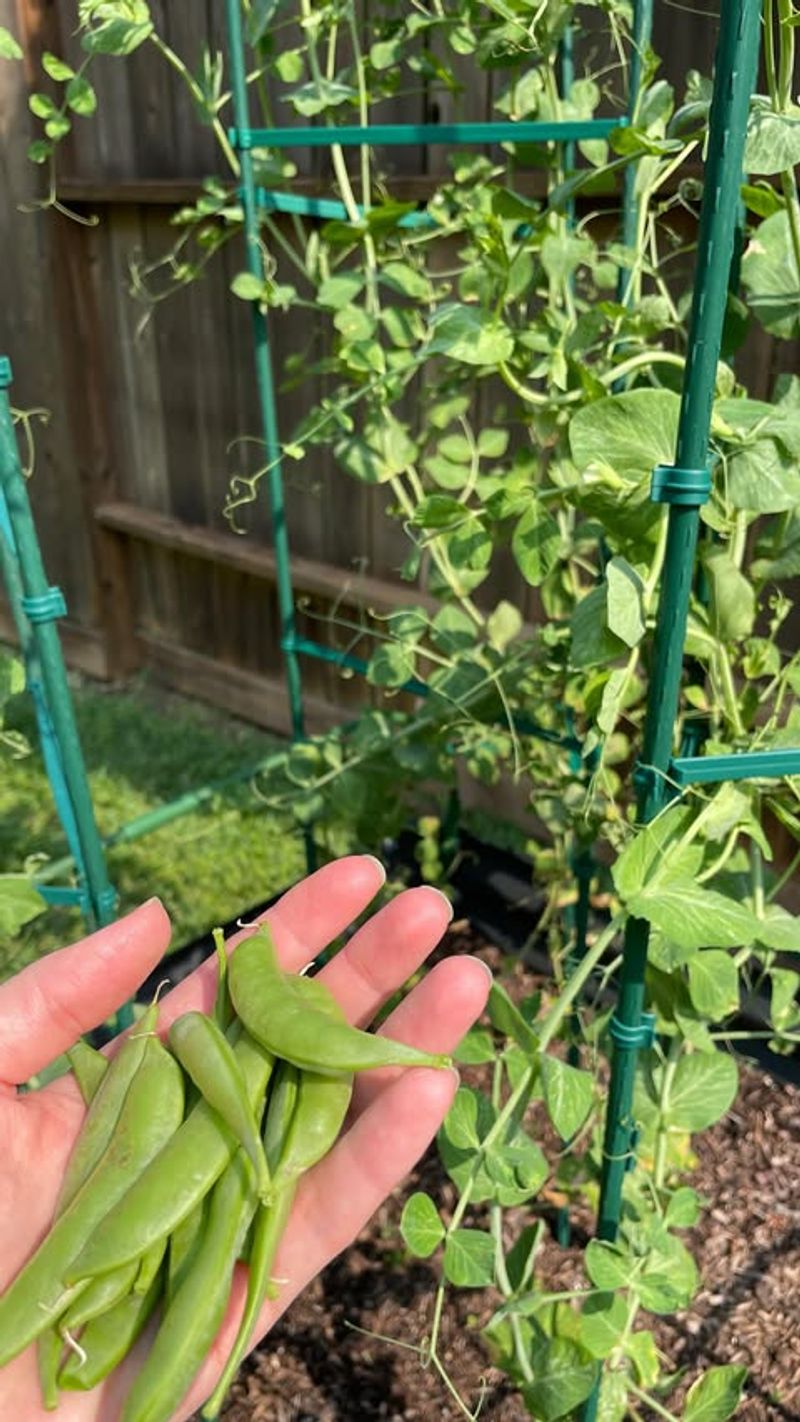
Cool weather brings out the absolute best flavor in this sweet, crunchy vegetable that gardeners across Texas adore. January planting gives the roots time to establish before warmer days arrive in March and April.
Your plants will develop stronger stems and healthier foliage when started during these cooler months.
Most varieties need something to climb on, so set up trellises or stakes right when you plant your seeds. The vines can reach four to six feet tall depending on which type you choose.
Support structures make harvesting much easier and keep your pods clean and off the ground.
Texans living in zones 8 and 9 have ideal conditions for January planting of this crop. The soil should be workable and not frozen solid when you plant.
Direct sowing works best since these plants don’t transplant well once their roots are established.
Consistent moisture helps seeds germinate within seven to fourteen days after planting. Your seedlings will emerge looking delicate but they’re tougher than they appear.
Light frost won’t harm young plants as long as temperatures don’t plunge into the teens.
Harvest begins about sixty days after planting when pods are plump and crisp. Pick them frequently to encourage more production throughout the season.
Fresh-picked pods taste incredibly sweet and satisfying straight from the vine.
Companion planting with carrots or radishes maximizes garden space efficiently. These vegetables grow at different rates and depths, so they don’t compete for nutrients.
Your spring garden becomes more productive when you pair compatible crops together thoughtfully.
2. English Peas
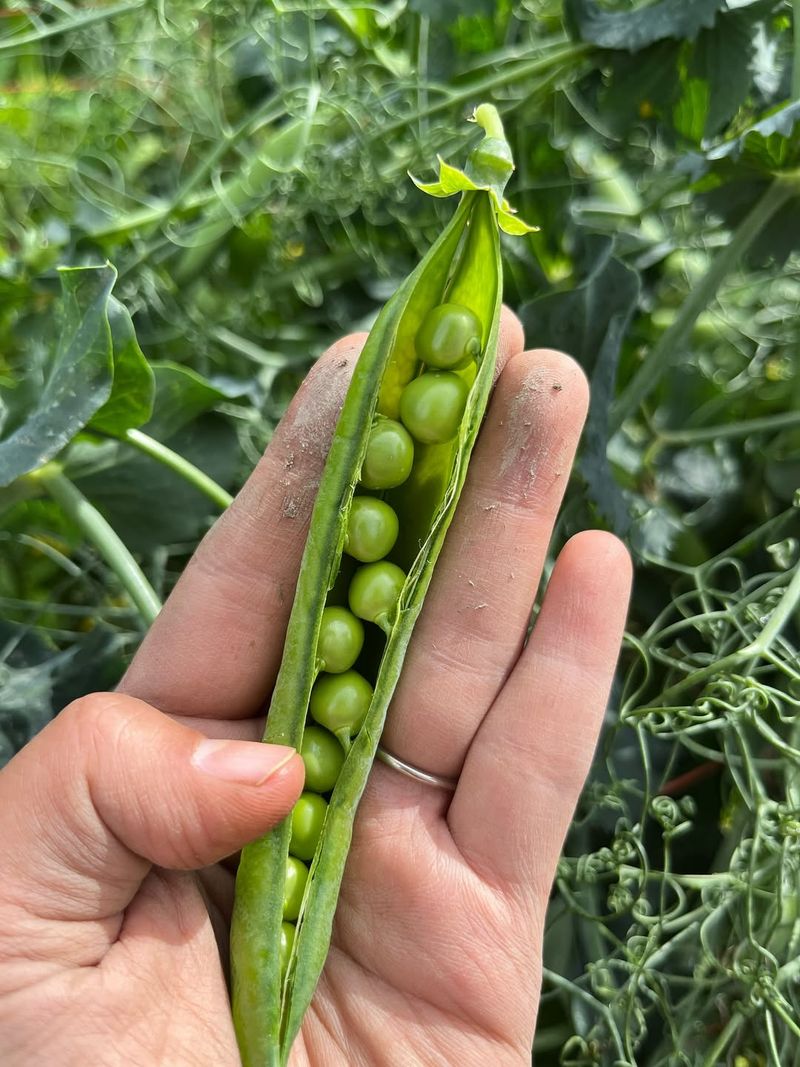
February and March bring the sweetest harvests when you plant these classic garden favorites in late January. Texas gardeners have grown this vegetable for generations because it performs so reliably in our climate.
The plants prefer cooler temperatures and will produce abundantly before summer heat arrives.
Shelling peas requires more work than snap varieties but the flavor payoff is absolutely worth the effort. Each pod contains six to eight tender green peas that taste like springtime itself.
Your Texas Garden Changes Every Week. Your Plan Should Too.
Gardening in Texas changes quickly throughout the season. Every Friday you’ll receive a simple weekly plan showing exactly what to plant, prune, fertilize, harvest, and protect so you never miss the right timing.
Kids especially love helping shell peas while sitting on the back porch.
Prepare your soil by adding compost or aged manure a few weeks before planting time. These plants appreciate rich, well-draining earth that holds moisture without becoming waterlogged.
A slightly raised bed works wonderfully for this crop in areas with heavy clay soil.
Space your seeds about two inches apart in rows that are eighteen inches from each other. Plant them one inch deep and water gently after covering with soil.
Germination happens faster when soil temperatures hover between 45 and 65 degrees Fahrenheit.
Support structures become necessary as plants mature and begin producing heavy pods. Shorter varieties might only need simple stakes while taller ones require sturdy trellising.
Proper support prevents plants from toppling over during spring thunderstorms common across Texas.
Watch for pods that feel full but haven’t turned tough or starchy yet. Timing your harvest correctly ensures maximum sweetness and tenderness.
Morning picking when temperatures are still cool helps preserve that just-picked flavor longer.
3. Radishes
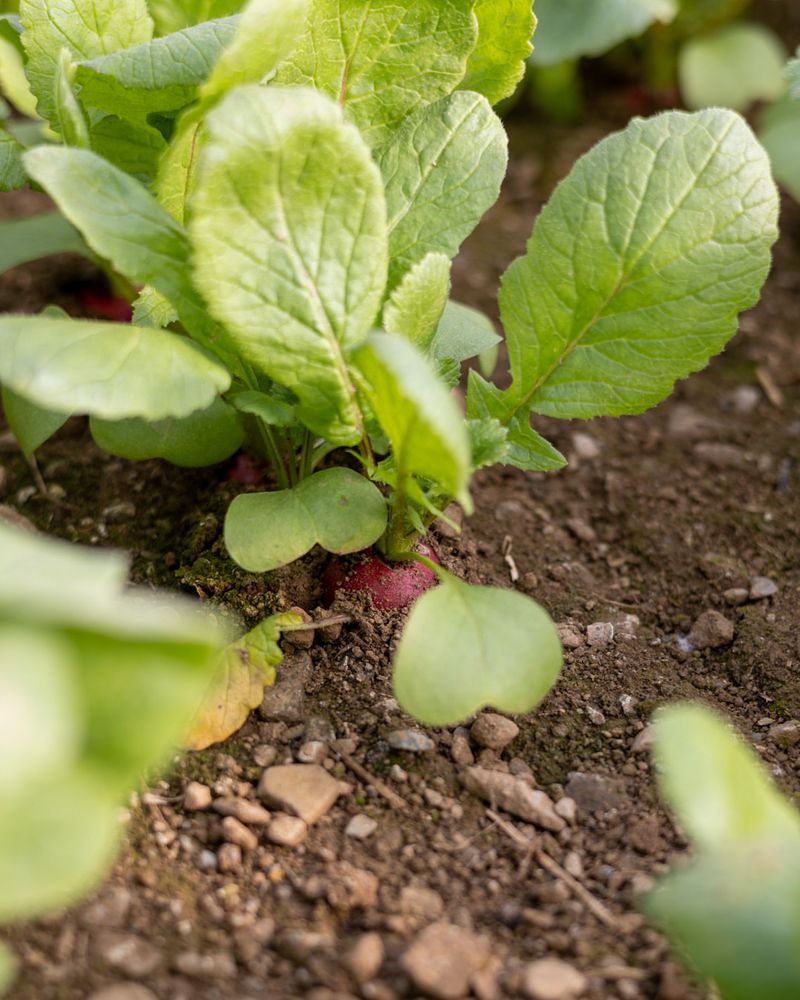
Lightning-fast growth makes this vegetable perfect for impatient gardeners and children learning to grow their own food. Seeds germinate in just three to five days under the right conditions.
Within three to four weeks, you’ll be crunching into fresh, peppery radishes from your Texas garden.
Succession planting every ten days ensures a continuous harvest throughout February and March. Sow small amounts rather than planting your entire packet at once.
This strategy prevents having too many radishes ready at the same moment.
Loose, rock-free soil helps these root vegetables develop their characteristic round or cylindrical shapes. Compacted earth causes forked or twisted roots that look odd but taste just fine.
Work your garden bed thoroughly before planting for the best-shaped radishes.
Texas gardeners can choose from red, white, purple, or even black varieties with different flavor profiles. Some taste mild and sweet while others pack serious spicy heat.
Experimenting with different types keeps your salads interesting and colorful.
Thin seedlings to about two inches apart once they develop their first true leaves. Crowded radishes never size up properly and you’ll end up with tiny, disappointing roots.
The thinned seedlings make excellent additions to salads or sandwiches.
Harvest promptly when roots reach the size described on your seed packet. Radishes left in the ground too long become woody and excessively hot.
Cool morning temperatures make pulling radishes easier since the soil is slightly moist from overnight dew.
4. Carrots
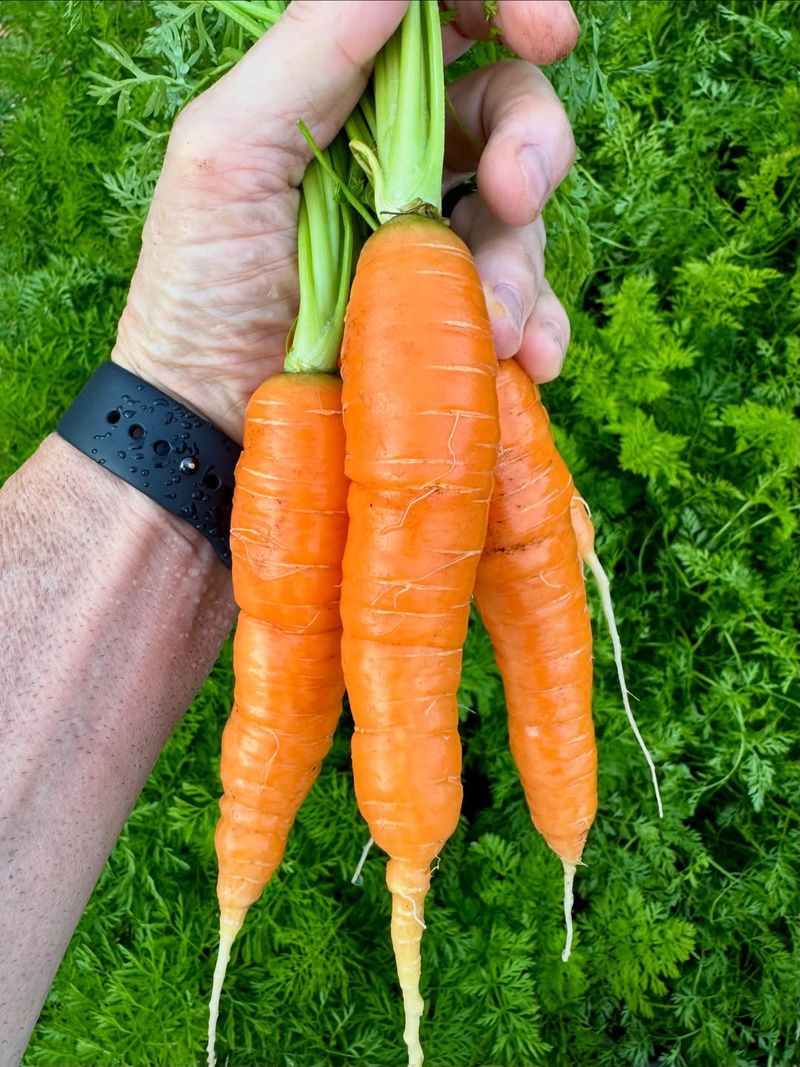
January planting gives these sweet root vegetables plenty of time to develop before spring temperatures climb too high. Texans who start carrots now will harvest tender, flavorful roots in April and May.
The extended growing period in our state produces especially sweet and crunchy vegetables.
Deeply worked soil at least twelve inches down allows long varieties to grow straight and true. Rocky or compacted earth forces carrots to fork and twist into unusual shapes.
Raised beds filled with loose, sandy loam work exceptionally well for this crop.
Tiny seeds require shallow planting at just a quarter inch deep for proper germination. Covering seeds with vermiculite instead of soil helps maintain consistent moisture without crusting.
Germination takes ten to seventeen days, so patience becomes necessary with this vegetable.
Thinning seedlings feels wasteful but it’s absolutely essential for good-sized roots. Space plants two inches apart once they’re a few inches tall.
Baby carrots from thinning taste delicious and shouldn’t go to waste.
Consistent watering throughout the growing season prevents roots from cracking or splitting. Irregular moisture causes stress that results in tough, woody carrots.
Mulching around plants helps maintain even soil moisture across Texas where temperatures can fluctuate wildly.
Different varieties mature at different rates, from 50 days for baby types to 80 days for full-sized storage carrots. Choosing the right variety for your timeline and space ensures success.
Short, stubby varieties work better in shallow or heavy soils found throughout parts of the state.
5. Spinach
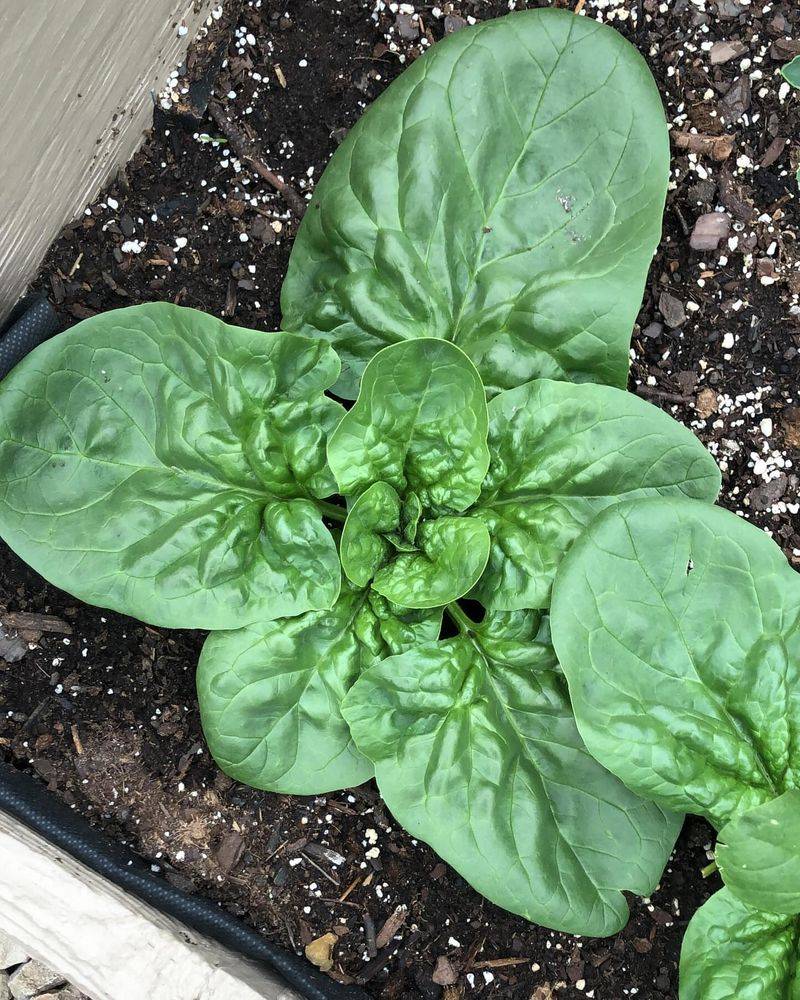
Nutrient-dense leaves practically grow themselves when planted during Texas winters. This vegetable tolerates light freezes beautifully and actually tastes sweeter after cold nights.
January plantings will provide fresh greens for salads and cooking well into April.
Choose between smooth-leafed and savoy types depending on your culinary preferences. Smooth varieties clean more easily while crinkled savoy types have a heartier texture.
Both grow equally well in Texas gardens when planted before February arrives.
Broadcast seeds across prepared beds or plant in rows spaced about six inches apart. Cover lightly with a quarter inch of soil and water gently to settle everything in.
Seeds germinate within five to nine days when soil temperatures stay between 40 and 70 degrees.
Baby leaf spinach can be harvested in as little as three weeks after planting. Cut leaves when they’re just a few inches tall for tender salad greens.
Plants will often regrow for a second and sometimes third cutting before bolting.
Mature spinach takes about forty to fifty days to reach full size in Texas gardens. Harvest entire plants by cutting at soil level or pick outer leaves continuously.
The cut-and-come-again method extends your harvest window significantly.
Watch for signs of bolting as days lengthen and warm in late March or April. Once flower stalks appear, leaves turn bitter and tough.
Succession planting every two weeks ensures you’ll have tender spinach throughout the season regardless of when individual plants bolt.
6. Leaf Lettuce
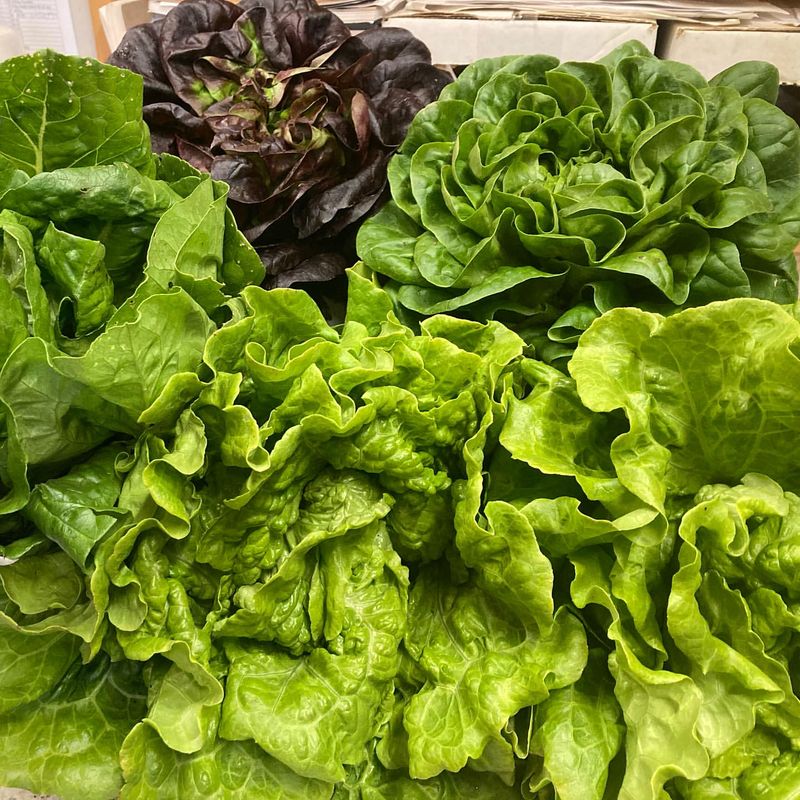
Crisp, fresh salads start with January sowings that mature quickly in cool Texas weather. This fast-growing vegetable provides harvests in as little as thirty days from seed.
Multiple plantings every couple weeks keep your salad bowl filled through spring.
Loose-leaf varieties come in stunning colors from bright green to deep burgundy red. Frilly or smooth textures add visual interest to garden beds and dinner plates alike.
Mixing different types creates beautiful edible landscapes that produce abundantly.
Scatter seeds thinly across prepared soil or plant in shallow furrows about twelve inches apart. Barely cover with soil since lettuce needs some light to germinate properly.
Gentle watering with a fine spray prevents washing away these lightweight seeds.
Seedlings emerge within just a few days when conditions are favorable. Thin plants to six inches apart once they have several true leaves.
Those thinned seedlings make perfect micro-greens for sandwiches and garnishes.
Begin harvesting outer leaves when plants are about four inches tall. This cut-and-come-again approach keeps plants producing for weeks.
Inner leaves continue growing while you enjoy the mature outer foliage regularly.
Texas gardeners should provide afternoon shade as March and April bring warmer temperatures. A simple shade cloth or planting near taller crops extends the harvest season.
Lettuce bolts quickly once daytime temperatures consistently exceed 75 degrees, so timing matters greatly in our climate.
7. Kale
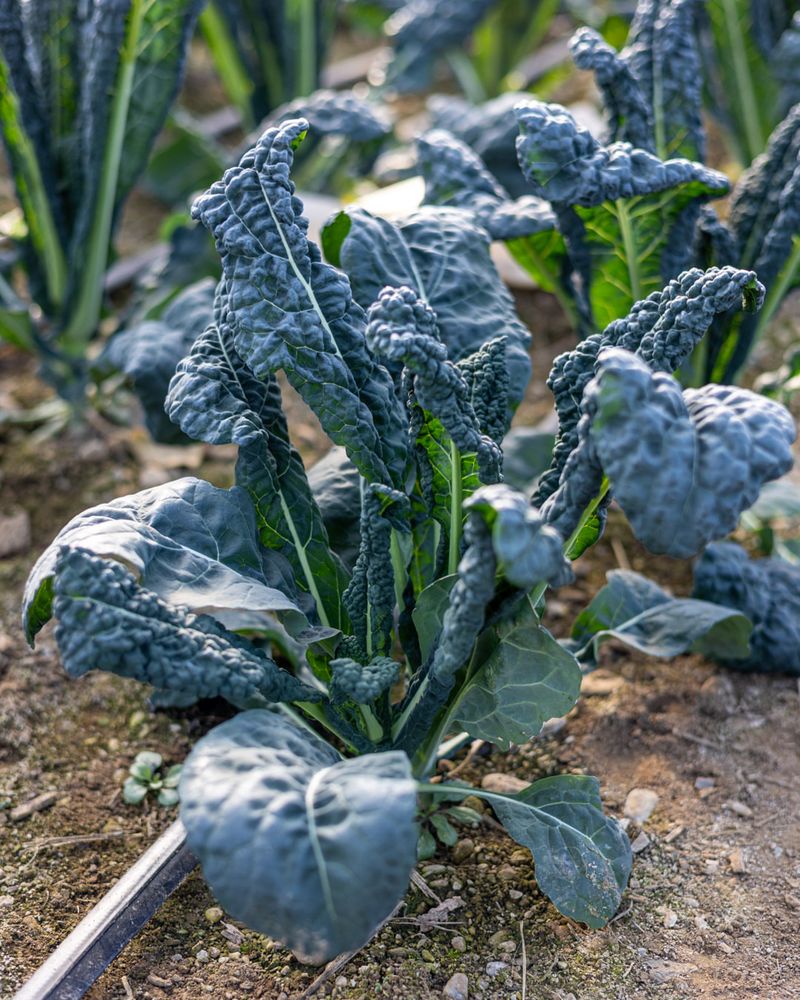
Superfood status and incredible cold tolerance make this leafy green a January planting priority for health-conscious Texans. Frost actually improves the flavor by converting starches to sugars.
Your plants will thrive through winter and produce abundantly as spring approaches.
Curly, lacinato, and red Russian varieties each offer unique flavors and textures worth trying. Curly types have frilly, robust leaves perfect for chips and hearty dishes.
Lacinato features flat, almost prehistoric-looking leaves with a sweeter, more delicate taste.
Plant seeds half an inch deep in rows spaced eighteen inches apart for good air circulation. Germination occurs within five to eight days in cool soil.
Transplants work well too if you prefer getting a head start indoors.
Young plants need consistent moisture to establish strong root systems quickly. Mulching around seedlings conserves water and moderates soil temperatures during temperature swings.
Texas weather can be unpredictable, so mulch provides valuable insurance for your crops.
Begin harvesting lower leaves when plants are about eight to ten inches tall. Leave the central growing point intact so plants continue producing.
Individual plants can provide fresh greens for months when harvested this way.
Kale withstands temperatures down into the low twenties without protection across most of Texas. This exceptional hardiness makes it more reliable than many other winter vegetables.
Even after a hard freeze, plants often bounce back and continue growing vigorously once temperatures moderate.
8. Swiss Chard
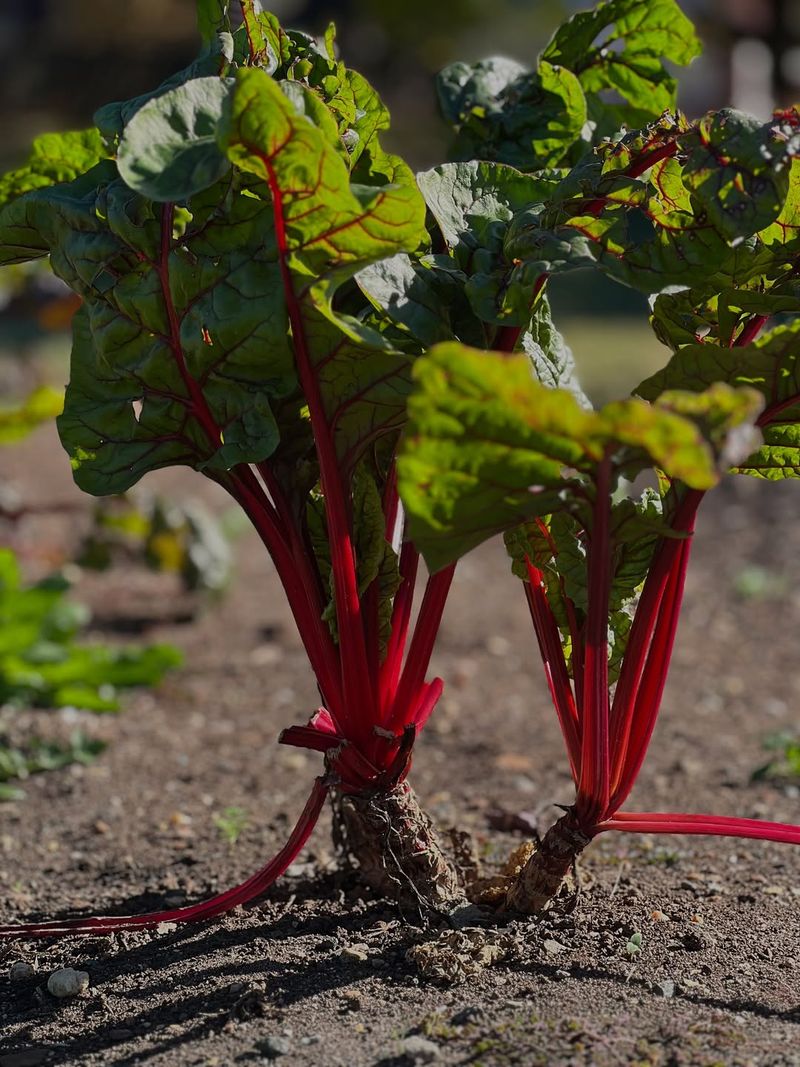
Colorful stems in rainbow hues make this vegetable as ornamental as it is delicious and nutritious. Bright red, yellow, orange, pink, and white stalks stand out beautifully in Texas winter gardens.
The large, glossy leaves provide continuous harvests from a single planting.
Seeds are actually clusters containing multiple seeds, so expect several seedlings from each one you plant. Thin to about six inches apart once plants have a few leaves.
Those thinned seedlings taste delicious when small and tender.
Plant seeds half an inch deep in rows or blocks with adequate spacing for mature plants. Germination happens within seven to fourteen days depending on soil temperature.
Chard tolerates a wide range of conditions, making it forgiving for beginning gardeners.
This vegetable grows vigorously throughout the cool months in Texas without much fussing. Regular watering and occasional feeding with compost tea keep plants productive.
The low-maintenance nature makes chard perfect for busy gardeners.
Harvest outer leaves continuously while letting the center continue producing new growth. Each plant can provide greens for several months with this method.
Leaves taste best when harvested young and tender, before they exceed eight inches in length.
Both leaves and stems are edible and delicious prepared different ways. Stems take longer to cook than leaves, so separate them during prep.
The mild flavor works well in countless recipes from simple sautés to complex gratins, making this vegetable incredibly versatile in Texas kitchens.
9. Turnips
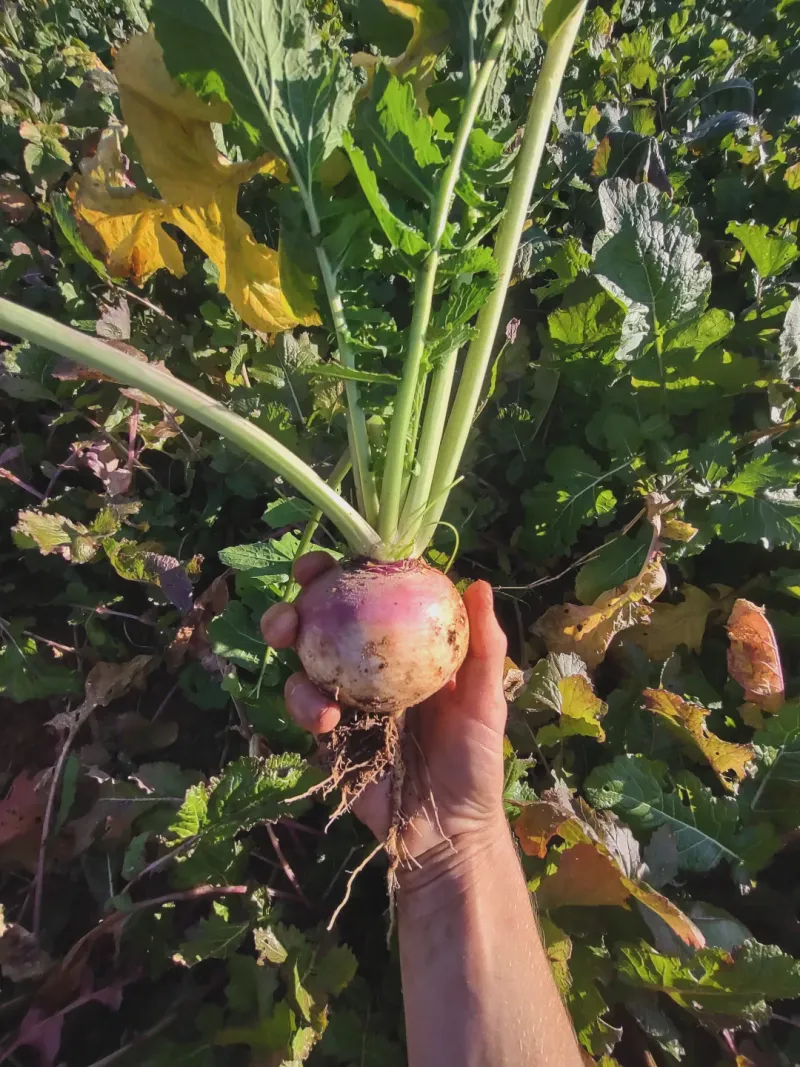
Dual-purpose harvests make this old-fashioned vegetable newly popular among Texas gardeners seeking maximum productivity. Young greens provide nutritious eating within three weeks of planting.
The roots mature over the following month for a second harvest from the same plants.
White, purple-topped varieties are most common, but golden and completely white types offer interesting alternatives. Flavor ranges from mild and sweet to peppery and strong.
Smaller roots harvested young taste milder and more tender than those left to grow large.
Sow seeds half an inch deep in rows about twelve inches apart for easy cultivation. Thin seedlings to three or four inches apart once they’re established.
Crowding produces small, tough roots that nobody wants to eat.
Turnips grow quickly in Texas winters, maturing in just forty to sixty days from seed. This rapid growth makes them excellent for filling gaps in your garden plan.
They also work well as a cover crop that produces food rather than just biomass.
Harvest greens anytime after plants are a few inches tall by cutting outer leaves. The roots continue developing while you enjoy fresh cooked greens.
Pull roots when they’re between two and three inches in diameter for the best texture and flavor.
Roots left in the ground too long become woody and strong-flavored in our climate. Spring weather can turn warm suddenly across Texas, so monitor your plants closely.
Timely harvesting ensures you’ll enjoy sweet, tender turnips rather than tough, bitter ones.
10. Beets
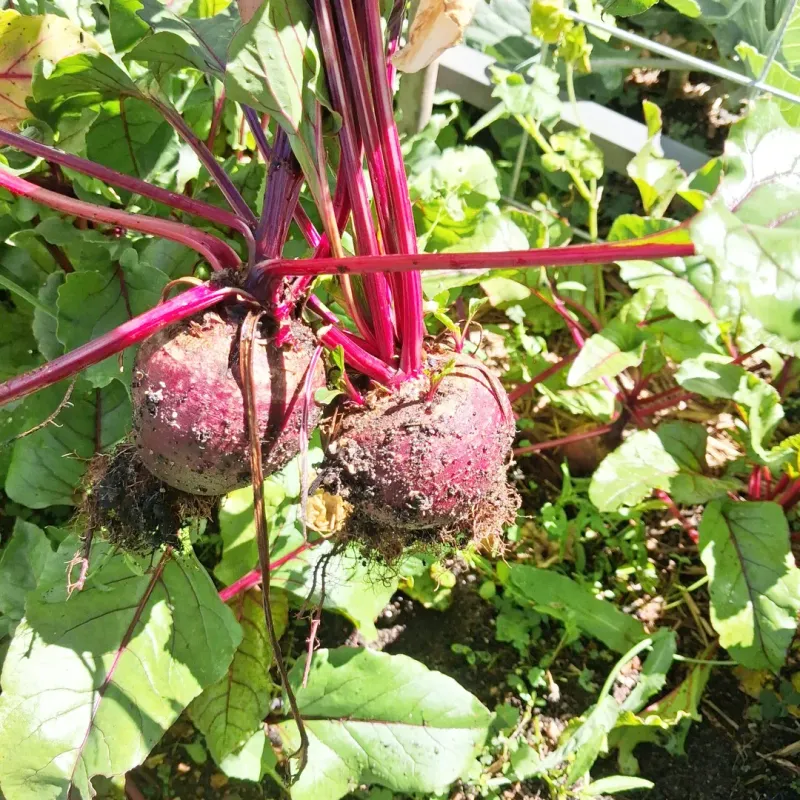
Earthy sweetness and gorgeous deep color make this root vegetable a January planting essential for Texas gardens. Both roots and greens provide nutritious eating from a single crop.
The plants tolerate light freezes and actually develop better flavor during cool weather.
Red varieties are traditional, but golden and striped Chioggia types offer visual excitement. Golden beets taste slightly milder and won’t stain your hands or cutting board.
Chioggia beets reveal beautiful red and white rings when sliced crosswise.
Plant seeds about half an inch deep and two inches apart in rows. Each seed is actually a cluster, so multiple seedlings emerge from each one planted.
Thin to about four inches apart once plants are a few inches tall.
Beets develop slowly in cool Texas soil, taking fifty-five to seventy days to reach maturity. Patience pays off with sweet, tender roots perfect for roasting or pickling.
Young beets harvested early taste especially delicate and need minimal cooking.
Greens can be harvested sparingly without harming root development below ground. Take just one or two outer leaves from each plant if you want both roots and greens.
Dedicated greens plantings allow more aggressive leaf harvesting without sacrificing root size.
Consistent moisture throughout the growing season prevents roots from developing tough rings or splitting. Mulching helps maintain even soil moisture during dry spells common across Texas.
Harvest when roots are between one and three inches in diameter for optimal tenderness and sweetness that makes beets genuinely delicious.