10 Vegetable And Herb Seeds To Plant Outdoors In Texas This Winter For A Head Start
Texas gardeners know that planting seeds outdoors during winter can give vegetables and herbs a head start for a strong spring harvest. Cold-hardy crops and hardy herbs thrive in cooler temperatures, establishing roots early and growing vigorously.
Start your seeds now and enjoy a more productive garden when spring arrives. These seeds, including spinach, kale, lettuce, carrots, parsley, and cilantro, do well when sown in well-prepared soil during winter.
Proper spacing, soil amendment, and protection from frost ensure seedlings develop strong roots and healthy growth. Staggered planting can also extend harvests for continuous fresh produce.
Winter sowing helps you maximize yields and enjoy early, abundant harvests. Texas gardeners who plant these seeds now can enjoy faster growth, healthier plants, and an early, bountiful harvest.
Get ahead of the season and grow fresh vegetables and herbs with confidence.
1. Spinach
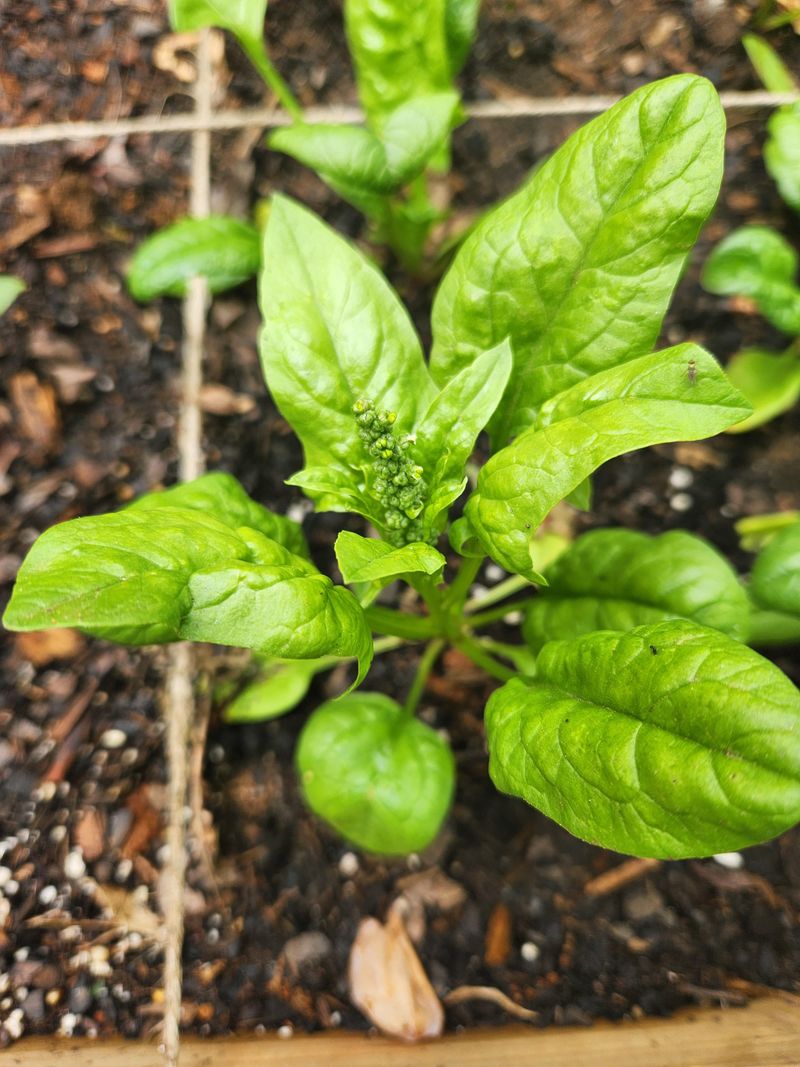
Few greens match spinach when it comes to thriving through Texas winter weather. This leafy powerhouse actually prefers the cool temperatures that arrive between November and February, making it an ideal candidate for outdoor sowing.
Soil temperatures between 40 and 60 degrees Fahrenheit create perfect conditions for steady germination and robust growth.
Space your spinach seeds about two inches apart in rows that allow easy access for harvesting. The plants will fill in nicely as they mature, creating lush green rows that resist most winter weather fluctuations.
Thinning seedlings to four inches apart once they sprout ensures each plant has room to develop full, tender leaves.
During particularly cold nights, when temperatures dip below freezing, a simple row cover or frost blanket provides excellent protection without much effort. These covers trap warmth near the soil and shield young plants from harsh winds.
Remove the covers during sunny days to allow air circulation and prevent moisture buildup.
Spinach grows steadily throughout winter, offering multiple harvests as you pick outer leaves and allow the center to continue producing. The cool season enhances its sweet, mild flavor while preventing the bitter taste that heat can bring.
Your winter-planted spinach will reward you with nutrient-rich greens perfect for salads, smoothies, and cooked dishes well into early spring.
2. Lettuce (Leaf And Romaine Types)
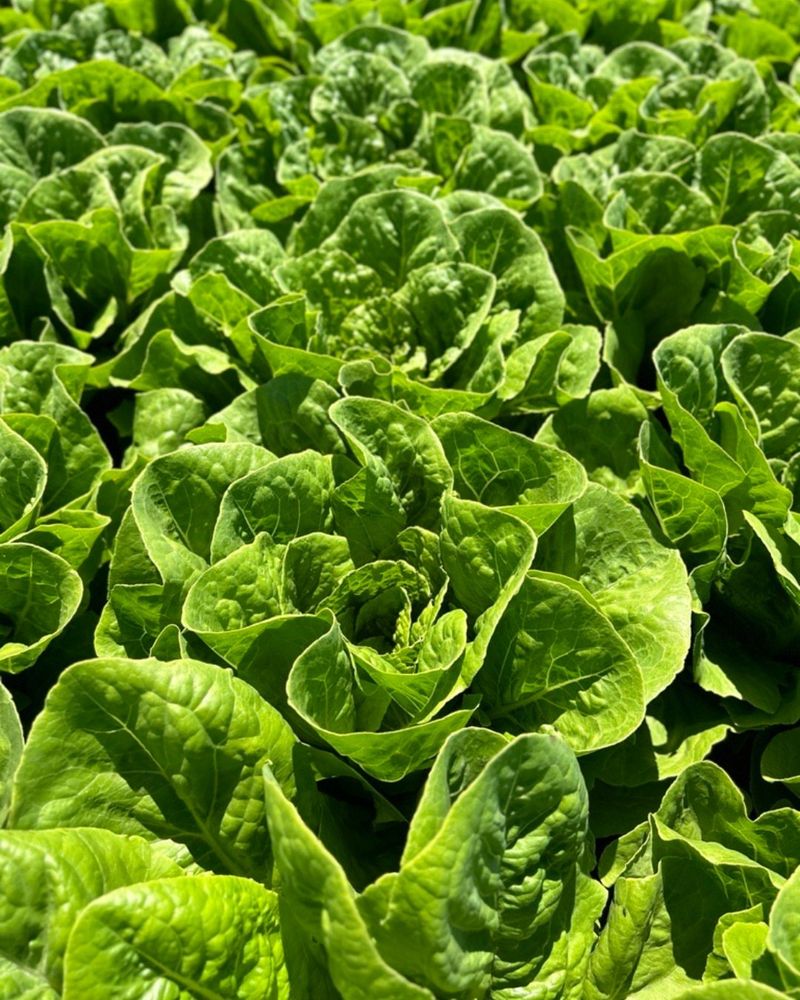
Crisp, homegrown lettuce becomes a reality when you direct seed varieties outdoors during Texas winter months. Both leaf and romaine types flourish in cool conditions, developing tender leaves with excellent texture and flavor.
Winter planting allows these greens to mature before spring heat triggers bolting, extending your harvest window significantly.
Succession planting transforms your lettuce patch into a continuous production system that keeps salads on your table for months. Sow small batches every two weeks from late fall through early winter, ensuring new plants mature as older ones finish.
This staggered approach prevents waste and provides fresh greens at just the right pace for most households.
In warmer regions of Texas, particularly southern areas, providing partial shade during the brightest midday hours helps lettuce maintain quality. A simple shade cloth or planting near taller crops offers protection without blocking essential morning and afternoon light.
Your Texas Garden Changes Every Week. Your Plan Should Too.
Gardening in Texas changes quickly throughout the season. Every Friday you’ll receive a simple weekly plan showing exactly what to plant, prune, fertilize, harvest, and protect so you never miss the right timing.
This balance keeps leaves sweet and prevents premature flowering.
Harvesting outer leaves while allowing the center to continue growing extends production from each plant. This cut-and-come-again method works beautifully with leaf varieties and provides weeks of fresh greens from a single sowing.
Romaine types can be harvested whole once heads form, offering satisfying crunch and robust flavor that store-bought options rarely match in freshness.
3. Radishes
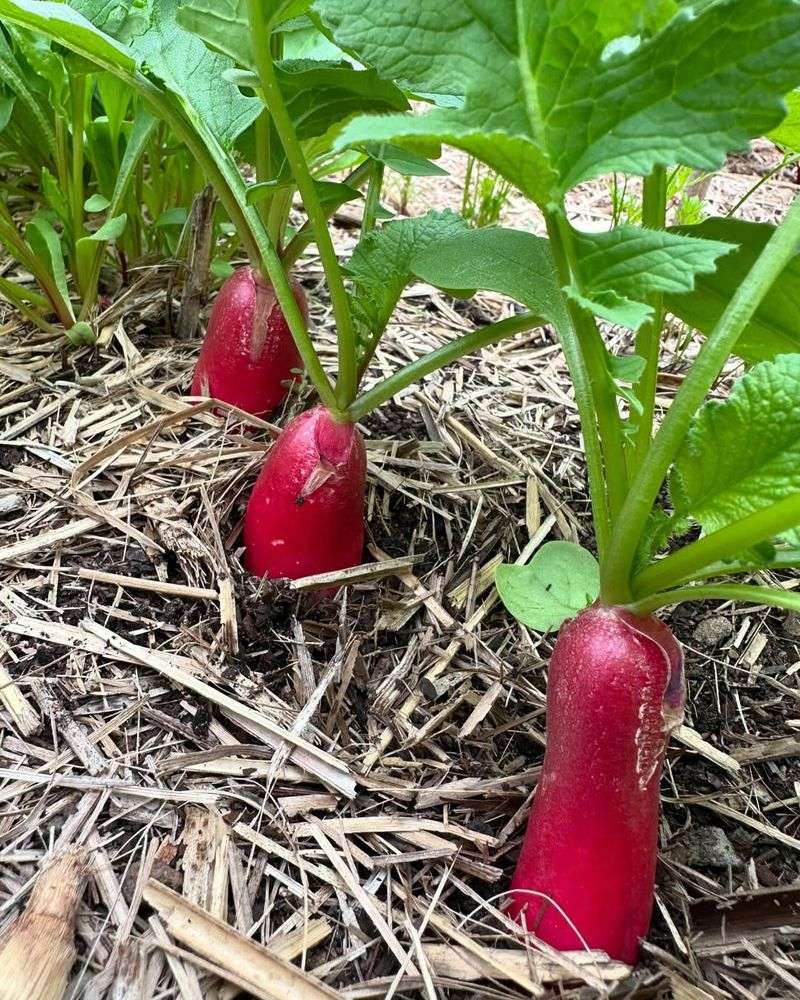
Speed and simplicity make radishes a favorite among Texas winter gardeners. These quick-maturing roots go from seed to harvest in as little as three to four weeks, providing nearly instant gratification for patient gardeners.
Cool soil temperatures bring out the best in radishes, encouraging crisp texture and the characteristic peppery bite that makes them so distinctive.
Winter planting eliminates the heat stress that often causes radishes to become woody or excessively hot in flavor. The mild temperatures allow roots to develop evenly, creating uniform size and tender flesh throughout.
This seasonal advantage means your winter radishes will taste noticeably better than those grown during warmer months.
Sow radish seeds about half an inch deep and one inch apart in loose, well-draining soil. The seeds germinate quickly in cool weather, often sprouting within just a few days of planting.
Thin seedlings to two inches apart once they emerge to give each root adequate space to expand.
Regular moisture keeps radishes growing at a steady pace, preventing the cracking or splitting that can occur with irregular watering. Harvest promptly once roots reach full size, as leaving them in the ground too long can compromise texture.
Their fast turnaround makes radishes perfect for filling gaps between slower-growing crops, maximizing every inch of your winter garden space.
4. Carrots
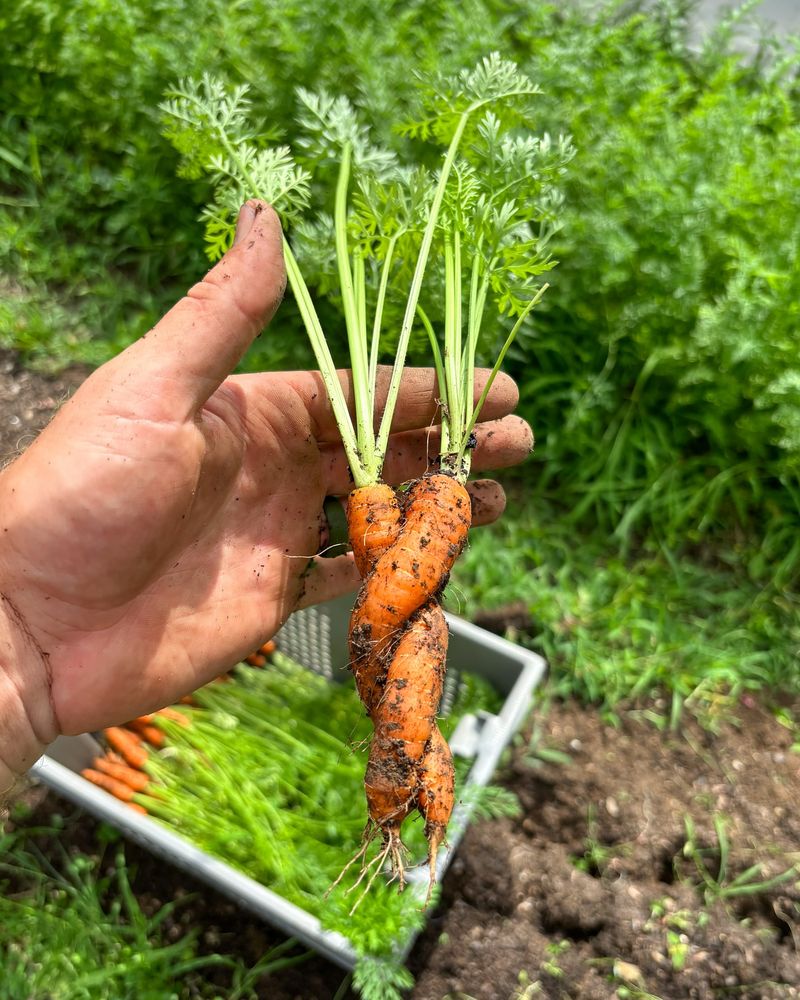
Sweet, tender carrots reach their peak flavor when grown during Texas cool-season months. Winter conditions allow these root vegetables to develop slowly, concentrating sugars and creating the crisp texture that makes fresh carrots so appealing.
The gradual growth process that cool weather encourages produces far superior results compared to spring or summer plantings.
Texas clay soils present challenges for carrot cultivation, but proper preparation makes all the difference. Work the soil deeply to at least twelve inches, removing rocks and breaking up compacted areas.
Adding compost or sand improves drainage and creates the loose texture carrots need to develop straight, uniform roots.
Sow carrot seeds thinly in rows, covering them with just a quarter inch of fine soil. The tiny seeds germinate slowly, sometimes taking two weeks to sprout, so patience becomes essential.
Keep the soil consistently moist during germination to prevent the surface from crusting over and blocking emerging seedlings.
Thinning proves crucial for carrot success, as crowded roots compete for space and develop poorly. Once seedlings reach two inches tall, thin them to stand about two inches apart.
This spacing allows each carrot to expand fully, creating the plump, straight roots gardeners desire rather than twisted, stunted specimens that result from overcrowding.
5. Beets
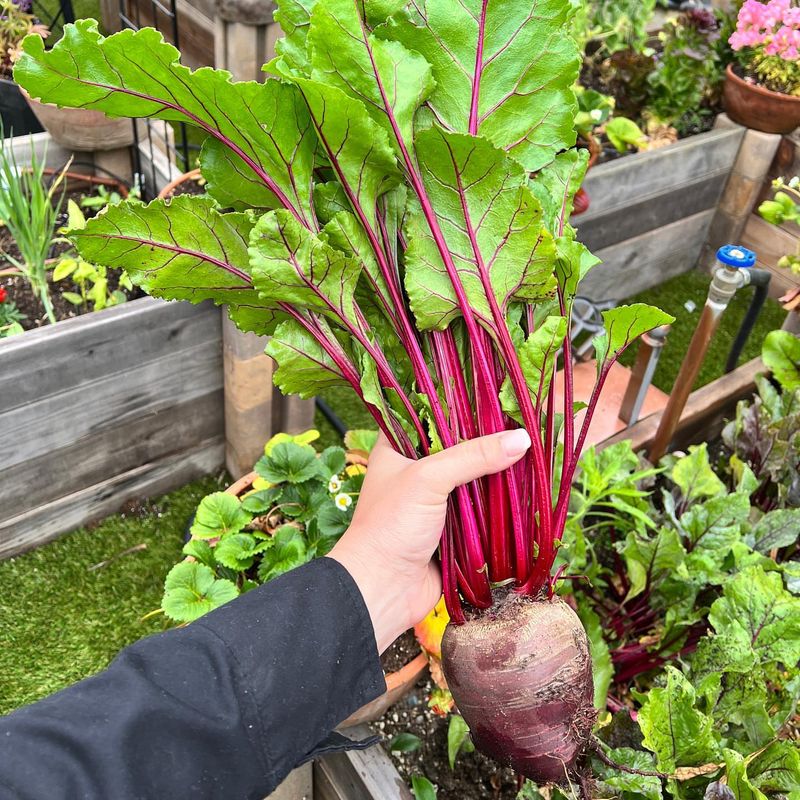
Versatility sets beets apart as a winter garden champion that delivers two harvests from one planting. The nutritious greens emerge first, offering tender leaves perfect for salads and cooking, while roots develop below ground into sweet, earthy vegetables.
Mild Texas winter temperatures suit beets perfectly, allowing both parts to mature without stress from extreme weather.
Plant beet seeds about half an inch deep and two inches apart in well-prepared soil. Each wrinkled beet seed actually contains multiple seeds clustered together, so expect several seedlings to emerge from each spot.
This natural characteristic means thinning becomes necessary to achieve properly sized roots.
Thin seedlings when they reach about two inches tall, spacing remaining plants three to four inches apart. The thinned seedlings make excellent additions to salads, wasting nothing from your garden.
This early harvest of baby greens provides immediate returns while the remaining plants continue developing.
Consistent moisture management helps beets grow steadily throughout winter months. The soil should stay evenly moist but never waterlogged, as excessive wetness can lead to rot or poor root development.
Mulching around plants helps maintain soil moisture and moderate temperature fluctuations during cold snaps, protecting your crop while reducing watering needs and keeping roots growing strong through winter.
6. Peas (Snap And Snow Types)
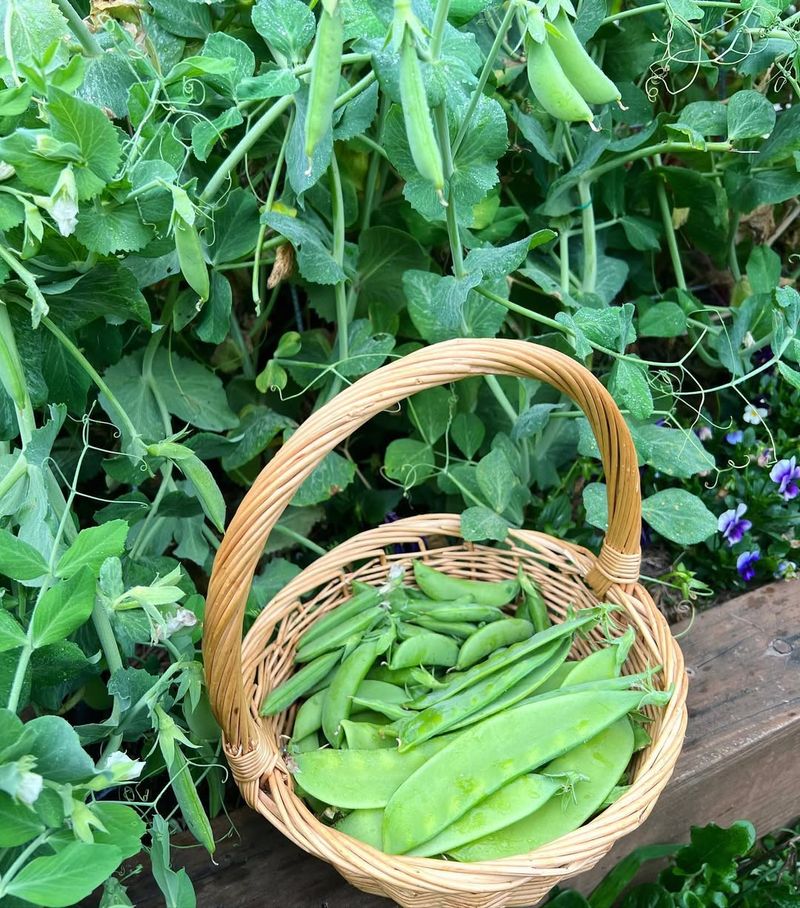
Climbing vines laden with crisp pods bring both beauty and productivity to winter gardens across Texas. Snap and snow peas thrive in cool weather, making them natural choices for planting between November and January depending on your region.
Beyond providing delicious harvests, peas actually improve soil health by fixing nitrogen through their root systems, benefiting future crops planted in the same space.
Setting up trellises or support structures before planting saves effort later and prevents disturbing developing roots. Peas climb naturally using delicate tendrils, but they need something to grab onto for vertical growth.
Simple bamboo stakes, string trellises, or wire fencing all work well and keep pods off the ground where they stay cleaner and easier to harvest.
Plant pea seeds about one inch deep and two inches apart along the base of your support structure. The seeds germinate readily in cool soil, typically sprouting within one to two weeks.
Water gently after planting and maintain consistent moisture as seedlings establish themselves.
Regional planting windows vary across Texas based on local climate patterns. Northern areas typically plant in late February through March, while central regions succeed with January through February sowings.
Southern Texas gardeners can start as early as November, taking advantage of the extended mild weather that characterizes winter in that region.
7. Cilantro (Coriandrum sativum)
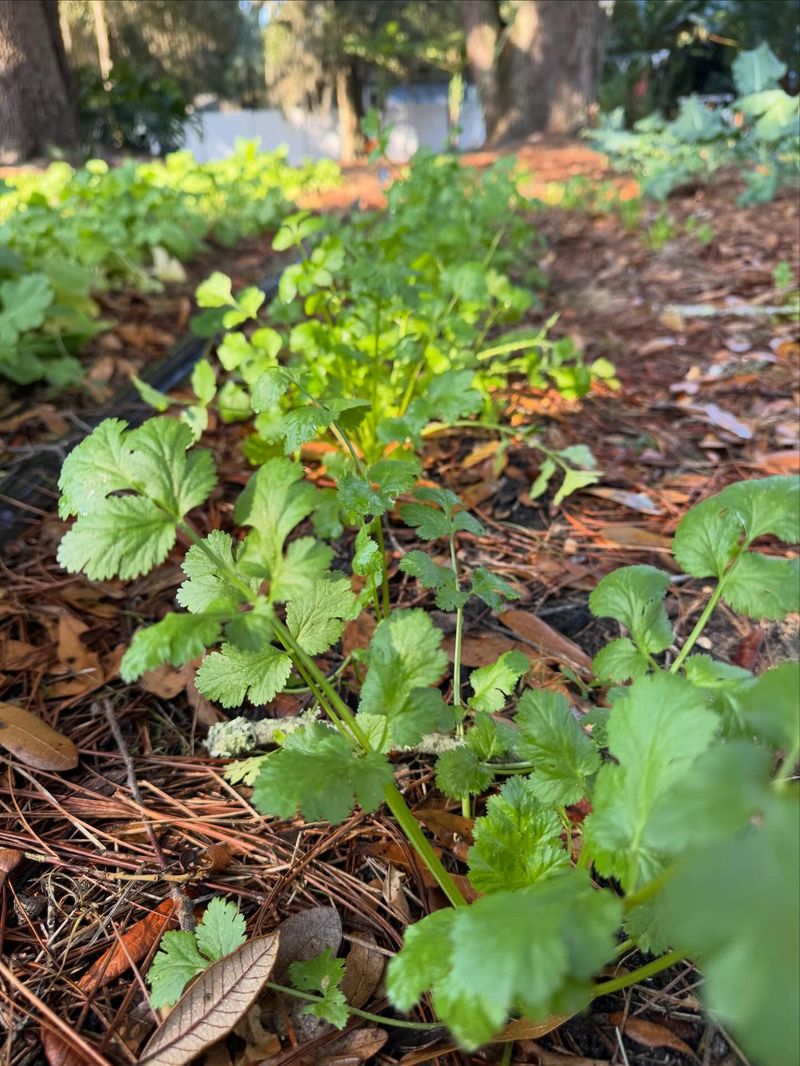
Aromatic cilantro leaves transform ordinary dishes into flavorful creations, and winter planting ensures the longest possible harvest period. This herb absolutely loves cool weather, making Texas winters ideal for outdoor sowings.
Planting during cooler months prevents the premature flowering that heat triggers, extending your harvest window from weeks to months.
Direct seed cilantro where you want it to grow, as the plants dislike transplanting. Scatter seeds thinly across prepared soil and cover with about a quarter inch of fine soil.
Germination occurs within one to two weeks when soil temperatures stay between 50 and 68 degrees Fahrenheit.
Succession planting becomes your strategy for continuous cilantro availability throughout winter and into spring. Sow small patches every three weeks from late fall through early winter, creating a rotation that provides fresh leaves as earlier plantings mature.
This approach prevents the feast-or-famine cycle that single large plantings create.
Harvest cilantro by cutting outer stems when plants reach six to eight inches tall, leaving the center growth point intact. This method encourages continued production and extends each planting’s productive life.
The cool weather keeps leaves tender and flavorful while delaying the transition to flowering, giving you weeks of aromatic harvests perfect for salsas, curries, and fresh garnishes that bring restaurant-quality flavor to home cooking.
8. Parsley
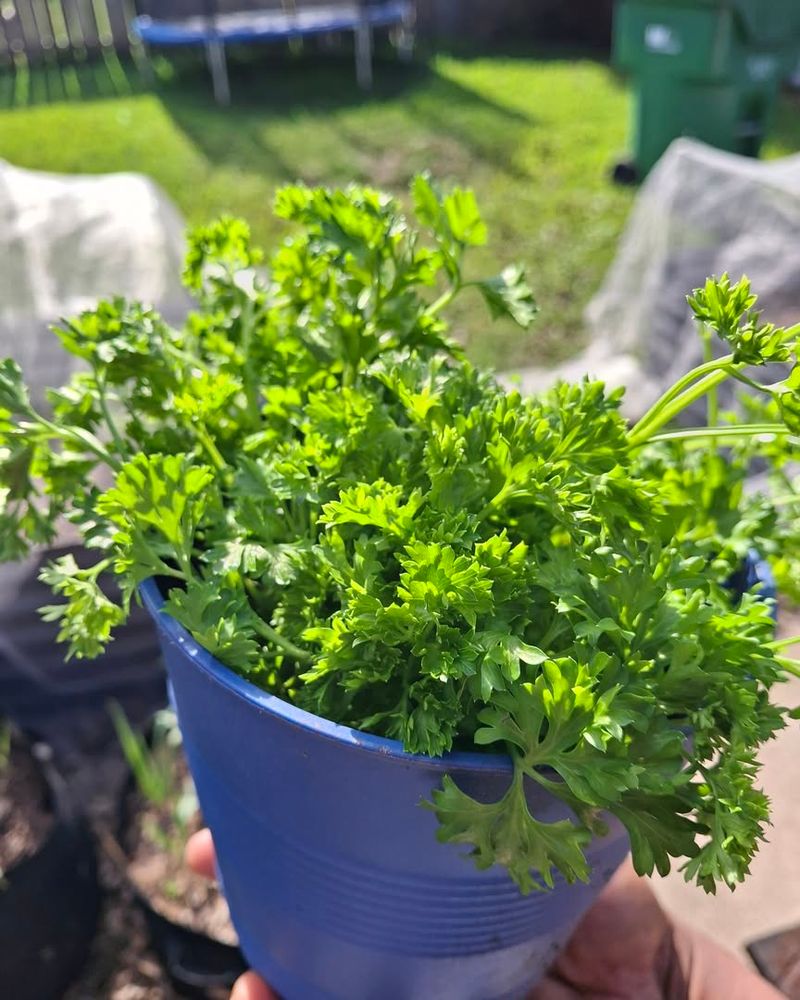
Patient gardeners find parsley worth the wait, as this cold-tolerant herb develops slowly but rewards persistence with abundant harvests.
Winter sowing takes advantage of parsley’s preference for cool conditions while giving plants the extended time they need to establish strong root systems.
The slow early growth that frustrates spring gardeners becomes less noticeable when you plant in winter, as the herb develops steadily through cooler months.
Soak parsley seeds overnight before planting to improve germination rates and speed emergence. The seeds contain oils that can slow sprouting, and pre-soaking helps overcome this natural barrier.
Plant the soaked seeds about a quarter inch deep in well-draining soil, spacing them four to six inches apart.
Germination takes patience, sometimes requiring two to three weeks before you see the first green shoots. Keep soil consistently moist during this waiting period, as drying out can prevent sprouting entirely.
Once seedlings emerge, they grow slowly at first, developing roots before putting energy into foliage.
Winter planting positions parsley perfectly for vigorous spring leaf production when the established root system supports rapid growth. By the time warm weather arrives, your winter-sown plants will be mature specimens producing abundant harvests.
The cool months create strong, healthy plants that outperform spring-planted specimens, providing fresh herbs for months with the distinctive flavor that makes parsley essential in so many cuisines.
9. Arugula
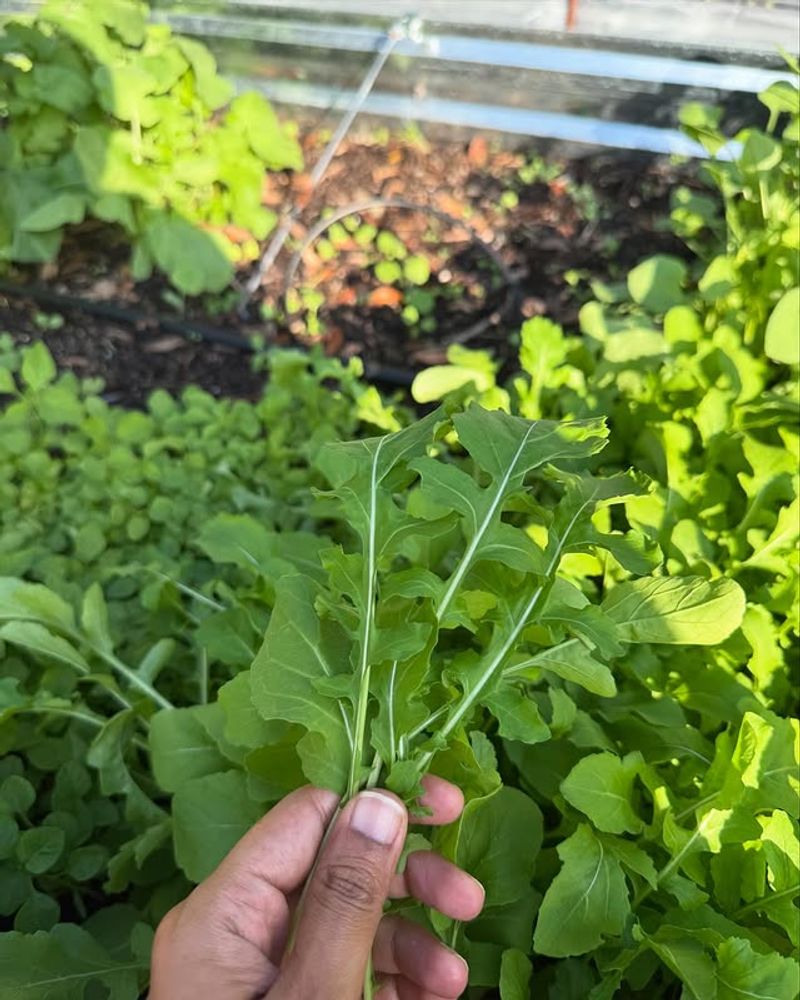
Peppery arugula leaves add distinctive flavor to salads and sandwiches, and this fast-growing green absolutely excels in Texas winter gardens. Seeds germinate quickly in cool soil, often sprouting within just five to seven days of planting.
The rapid growth means you can enjoy harvests in as little as three to four weeks, making arugula one of the most rewarding cool-season crops.
Cool temperatures actually improve arugula’s flavor profile, creating the pleasant peppery bite that makes this green so popular. Heat intensifies the spiciness to unpleasant levels and triggers rapid flowering, but winter conditions keep flavors balanced and leaves tender.
Your winter-grown arugula will taste noticeably milder and more nuanced than warm-weather plantings.
Scatter arugula seeds thinly across prepared soil and cover lightly with about a quarter inch of fine soil. The plants grow quickly and don’t require much space, making them perfect for tucking into gaps between larger crops.
Thin seedlings to four inches apart once they emerge to allow proper leaf development.
Harvest timing significantly impacts flavor and texture, with younger leaves offering the mildest taste. Begin picking outer leaves when plants reach four to six inches tall, allowing the center to continue producing.
Regular harvesting encourages new growth and extends your harvest period, providing weeks of fresh greens from each planting with minimal effort or space.
10. Green Onions (Scallions)
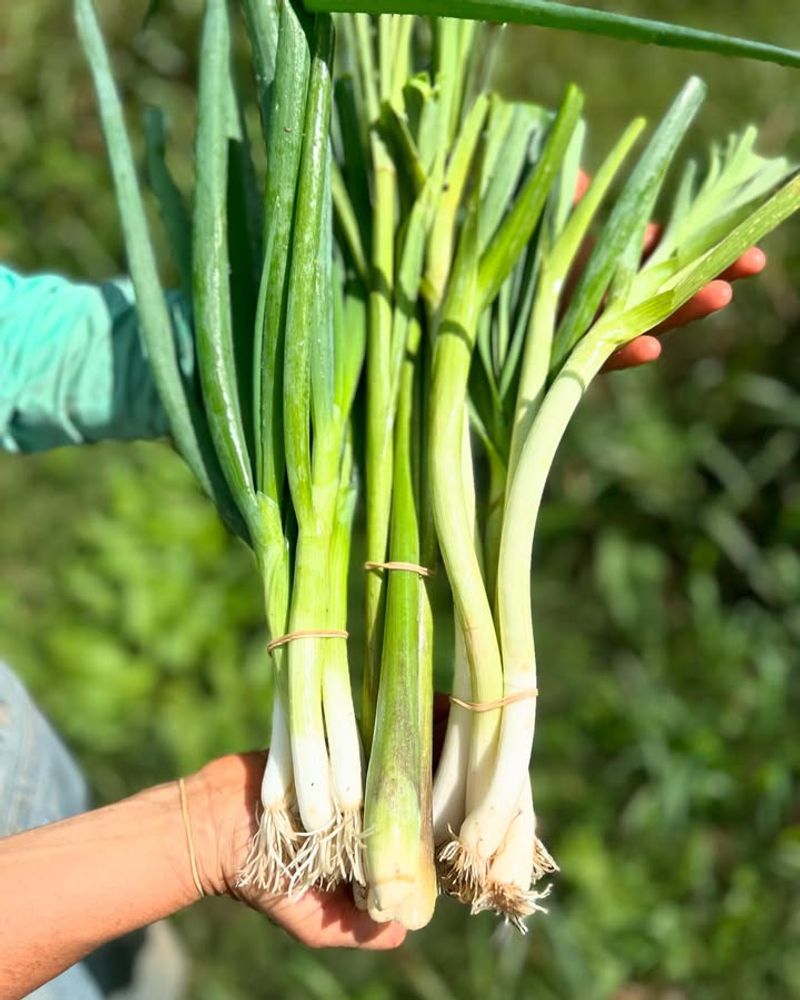
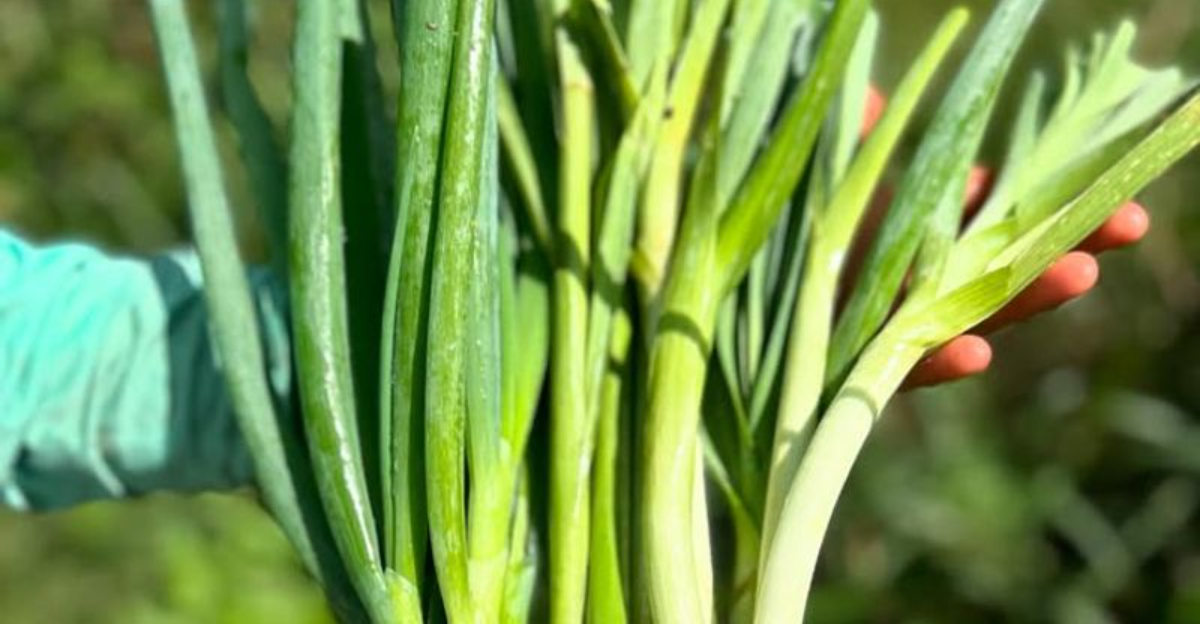
Reliable green onions grow steadily through mild Texas winters, providing fresh flavor for cooking throughout the cooler months. These versatile alliums tolerate cold weather remarkably well while requiring minimal space and care.
Their upright growth habit and shallow roots make scallions perfect candidates for both garden beds and container growing, adapting to whatever space you have available.
Dense planting techniques maximize scallion production in limited areas. Scatter seeds thickly in wide rows or broadcast them across small patches, allowing plants to grow closely together.
This crowding doesn’t harm scallions the way it would other vegetables, and actually supports the slender, tender stems gardeners prefer.
Containers offer excellent options for scallion cultivation, especially on patios, balconies, or near kitchen doors where convenient access encourages regular harvesting. Any pot at least six inches deep works well, and the compact growth allows you to pack plants relatively closely.
Container growing also simplifies soil management and makes moving plants for weather protection easy when necessary.
Continuous harvest methods extend scallion productivity over many weeks. Pull entire plants as needed, or cut green tops about an inch above the soil line and allow roots to regrow.
This cut-and-come-again approach provides multiple harvests from single plantings, making scallions incredibly productive for the small space they occupy in your winter garden.