Can You Remove A Neighbor’s Hedge In Florida? What The Law Actually Allows
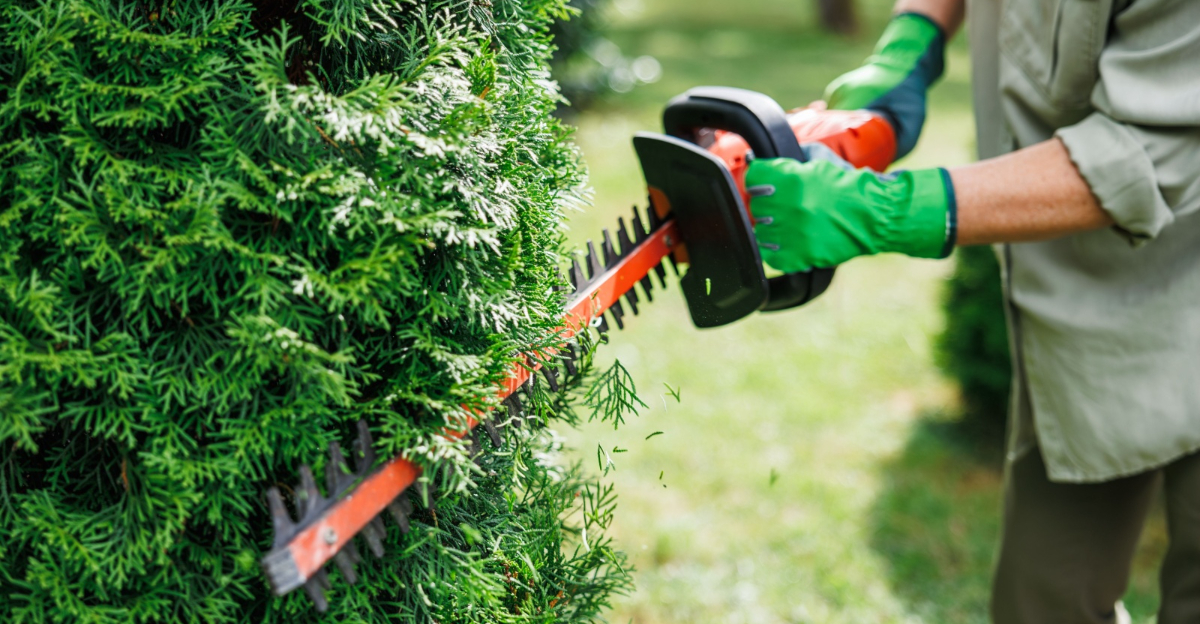
Your neighbor’s hedge creeping into your yard can turn a quiet afternoon into a legal headache. In Florida, grabbing the trimmer and going to town can cost real money if you cross the line.
Many homeowners assume they can cut anything that hangs over the fence, or worse, remove the whole hedge when it blocks sunlight or drops leaves in the pool. That assumption is risky.
Florida follows specific rules about property lines, shared boundary plants, and self help trimming. The details matter.
One wrong cut can trigger trespass claims, property damage disputes, or even criminal trouble in extreme cases. On the flip side, you do have rights when branches and roots invade your space.
Before you touch a single branch, read this guide. It explains what you can trim, what you must leave alone, and how to protect yourself while keeping peace with the neighbor next door today now.
1. What Florida Law Says About Property Lines And Hedges
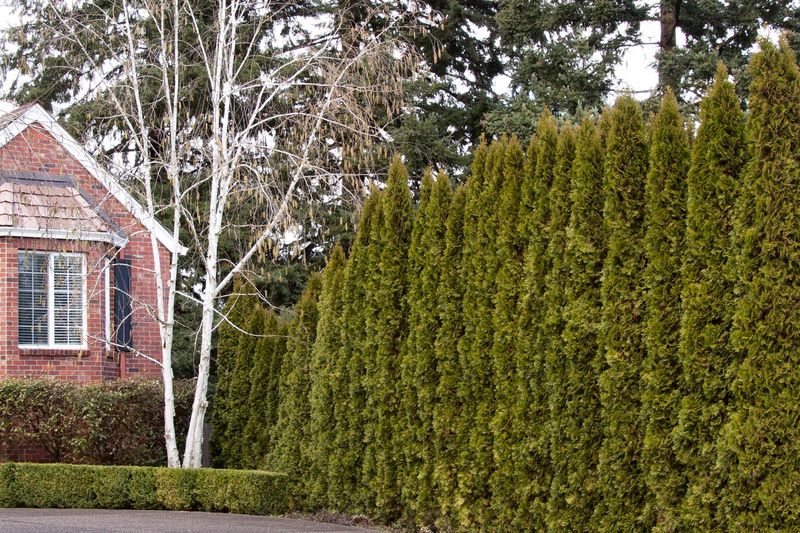
Florida law treats hedges and other landscaping as personal property, which means your neighbor owns their plants just like they own their furniture or car.
The key to understanding your rights starts with knowing exactly where your property line sits because that invisible boundary determines what you can legally do.
Most property disputes happen because neighbors assume where the line falls without actually checking official records. Your county property appraiser’s office provides maps that can help estimate boundaries, but they are not legal surveys.
For exact property lines, a licensed land survey is the most reliable way to avoid disputes.
You generally cannot remove or destroy vegetation that belongs to someone else, even if it annoys you or blocks your view. Doing so can expose you to civil liability and possible criminal penalties if the damage is intentional.
The law protects property owners from having their plants damaged or removed without permission, and violating this can lead to serious financial consequences.
However, the law does give you certain rights when branches or roots cross onto your side of the property line. Understanding these rights helps you take appropriate action without overstepping legal boundaries or damaging your relationship with your neighbor.
2. Who Actually Owns The Hedge And Why It Matters
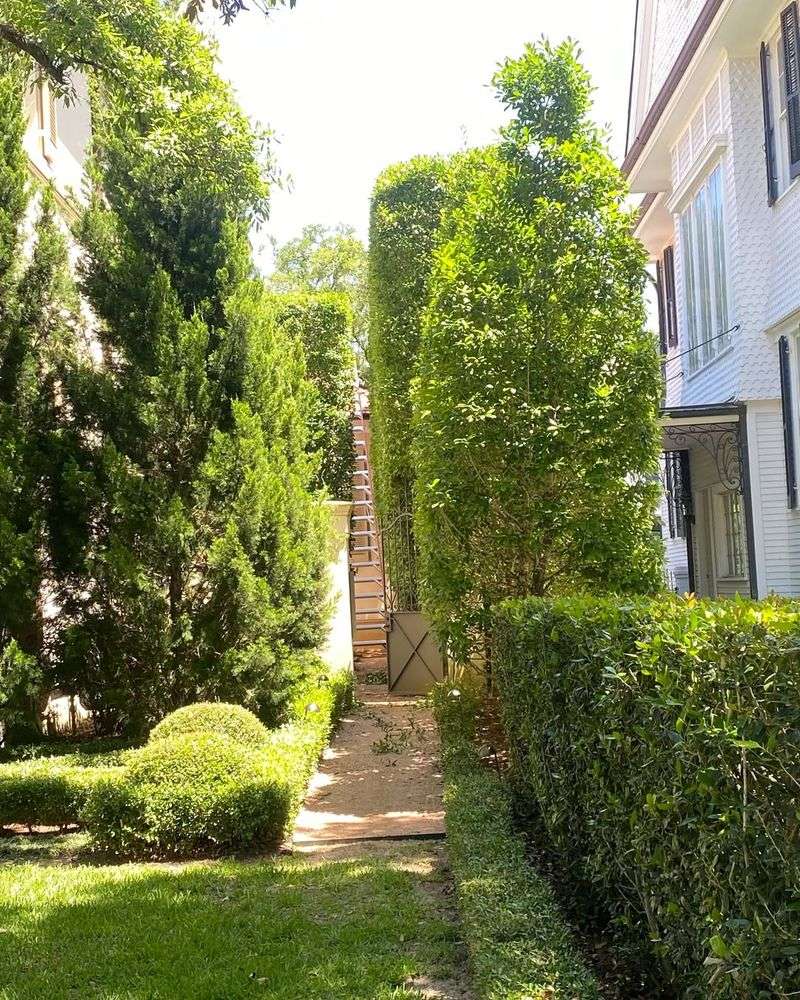
Ownership matters more than you might think when dealing with hedge disputes in Florida. If the hedge sits entirely on your neighbor’s property, they own it completely and have full control over what happens to it.
You cannot make decisions about trimming, shaping, or removing it without their consent.
Things get more interesting when a hedge straddles the property line with trunks or main stems growing directly on the boundary.
Florida property law generally treats trees and hedges growing directly on a boundary line as jointly owned by both neighbors, meaning neither party can remove or significantly alter them without mutual consent.
Neither of you can remove or significantly alter a boundary hedge without the other’s agreement.
Figuring out ownership sometimes requires looking at old property records or asking who planted the hedge originally. If the previous owner of your neighbor’s house planted those shrubs fifteen years ago entirely on their lot, the current owner inherited full ownership rights when they bought the property.
Your Florida Garden Changes Every Week. Your Plan Should Too.
Gardening in Florida changes quickly throughout the season. Every Friday you’ll receive a simple weekly plan showing exactly what to plant, prune, fertilize, harvest, and protect so you never miss the right timing.
Why does this matter so much? Because touching or removing someone else’s property without permission can make you liable for damages, even if you thought you were doing something helpful.
Always verify ownership before taking any action that affects the hedge itself.
3. When You Are Allowed To Trim Or Remove A Neighbor’s Hedge
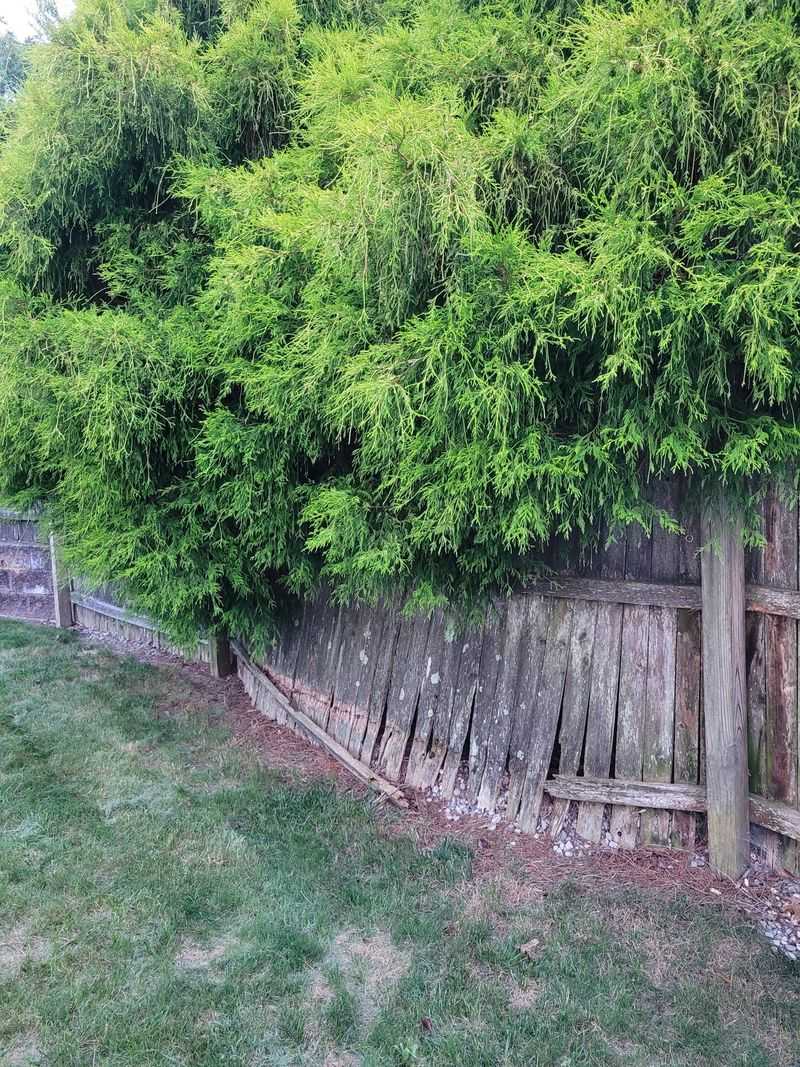
Florida law generally allows you to trim branches, roots, or foliage from your neighbor’s hedge that cross onto your property, but only on your side of the line.
This principle comes from common law rules that courts have upheld for decades, recognizing that you should not have to tolerate encroaching vegetation on your own land.
You can generally cut back overhanging branches to the property line from your own side without permission, as long as you do not enter your neighbor’s property to perform the work. The trimming should be reasonable and done in good faith.
If your actions severely damage or destroy the hedge, you could still be held financially responsible.
You may generally cut roots that extend onto your property, especially if they are causing damage to structures or pavement. However, cutting major roots that destroy or destabilize the hedge could result in liability.
Before you start trimming, consider talking to your neighbor first even though you generally have the legal right. A friendly conversation often prevents misunderstandings and keeps your relationship positive while you exercise your property rights.
4. What You Cannot Do Without Your Neighbor’s Permission
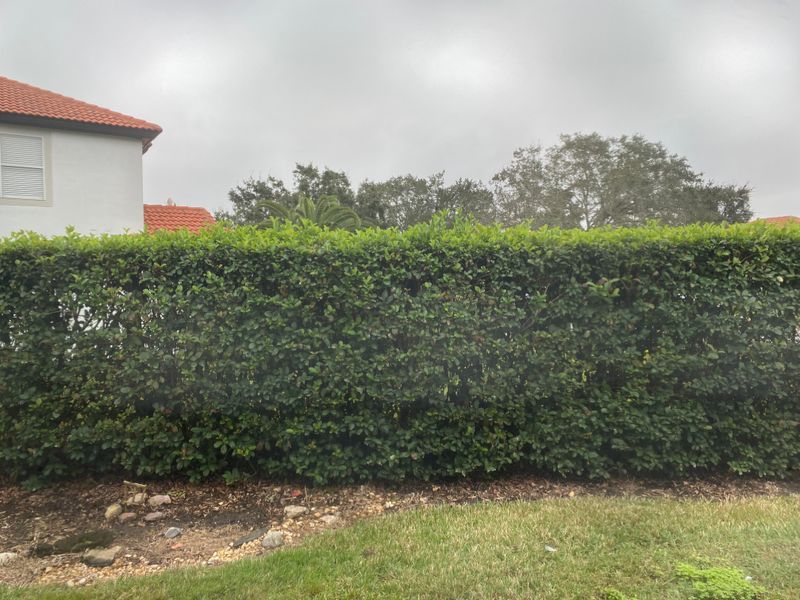
You absolutely cannot cross onto your neighbor’s property to trim their hedge without permission, even if you think you are helping them maintain it better.
Entering someone else’s property without consent is trespassing under Florida law, and doing work on their plants without permission can lead to civil liability for any damage you cause.
Removing an entire hedge that belongs to your neighbor without permission is generally prohibited, regardless of how much it bothers you or blocks your sunlight. Florida courts have awarded significant damages to property owners whose trees or hedges were cut down by neighbors who took the law into their own hands.
You also cannot apply chemicals, herbicides, or other treatments to your neighbor’s plants without their knowledge and agreement.
Intentionally harming or destroying vegetation that belongs to someone else can result in you paying for replacement costs plus additional damages, and in extreme cases, you might even face criminal charges for malicious destruction of property.
Even if branches are hanging over your property, you cannot trim them in a way that deliberately harms or disfigures the hedge out of spite or frustration. Florida law expects you to act reasonably and in good faith when exercising your trimming rights.
5. Florida Rules About Overhanging Branches And Encroaching Plants
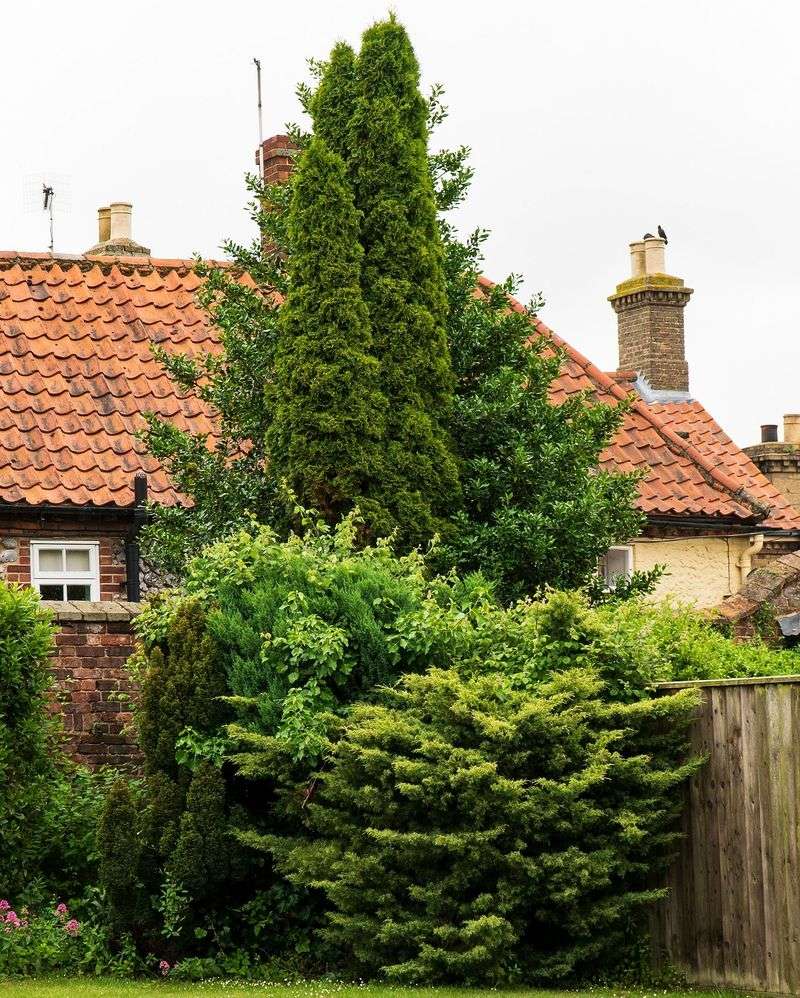
Overhanging branches create some of the most common disputes between Florida neighbors, especially when large shrubs or hedges grow tall and wide over time.
The general rule remains consistent with broader property principles: you can trim what crosses your property line, but you must do so carefully and responsibly.
Florida follows a self-help rule for natural vegetation encroachment, meaning you are generally allowed to trim what crosses your property line rather than forcing your neighbor to do the trimming for you.
This means you have legal grounds to trim back growth that blocks your walkways, scratches your vehicles, or makes it hard to maintain your own yard.
Encroaching roots present a trickier situation because they grow underground and their removal can seriously damage or destabilize the entire hedge.
If roots are cracking your pavement or damaging your septic system, you generally have the right to cut them on your property, but you should document the damage first and consider consulting with an arborist to minimize harm.
Remember that your right to trim does not extend to cutting so aggressively that you harm the neighbor’s property. Courts expect reasonable trimming that respects both your rights and your neighbor’s ownership interests in their landscaping.
6. What Happens If You Damage Or Destroy A Neighbor’s Hedge
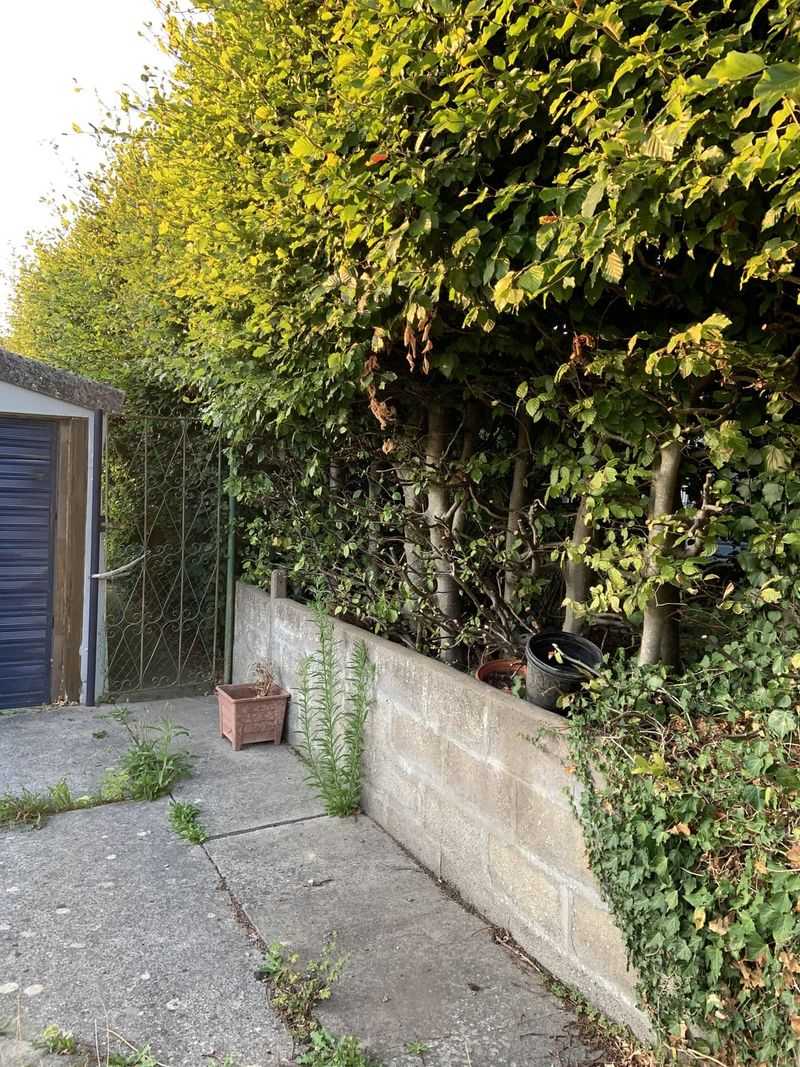
Damaging or destroying your neighbor’s hedge without permission can cost you far more than you might expect.
Florida law may allow property owners to recover the replacement or restoration value of damaged landscaping, which for mature hedges can run into thousands of dollars because replacing established plants requires purchasing large specimens and paying for professional installation.
Florida courts may award damages that include the cost to replace or restore damaged landscaping and, in some cases, loss of property value. When destruction is intentional or malicious, additional penalties may apply and criminal charges are possible.
If you accidentally harm a neighbor’s hedge while exercising your legal right to trim encroaching branches, you might still be liable if you acted carelessly or unreasonably.
Taking photos before you start work and hiring a professional arborist can protect you from claims that you damaged the plant through reckless trimming.
Homeowner’s insurance coverage depends on your policy, but many policies exclude intentional damage, so you should not assume your insurer will pay for landscaping damage caused to a neighbor. This makes it especially important to stay within legal boundaries when dealing with vegetation issues.
7. How To Handle Hedge Disputes Without Going To Court
Starting with a friendly conversation often solves hedge problems before they become legal disputes. Approach your neighbor calmly and explain how their hedge affects your property, whether it blocks your driveway, drops debris on your pool, or grows into your yard space.
Most people want to be good neighbors and will work with you once they understand the issue.
If talking directly feels uncomfortable or does not work, consider writing a polite letter that explains the problem and suggests solutions like sharing the cost of professional trimming or agreeing on a maintenance schedule.
Putting things in writing creates a record while still maintaining a respectful tone that encourages cooperation rather than conflict.
Mediation through your homeowner’s association or a community mediation service can help when direct communication breaks down. A neutral third party can facilitate discussion and help both of you reach an agreement that respects everyone’s rights and concerns without the expense and stress of going to court.
Sometimes offering to split costs or doing the work yourself with your neighbor’s permission can resolve the situation quickly.
Being flexible and solution-focused rather than demanding often leads to better long-term relationships and outcomes than insisting on your legal rights to the fullest extent possible.