9 Florida Native Ground Covers That Are Replacing Traditional Grass
Florida lawns are expensive, thirsty, and exhausting to maintain. Between blazing heat, sandy soil, watering restrictions, and constant mowing, many homeowners are quietly asking the same question: why are we still forcing grass to survive where it does not belong?
Across the state, more Floridians are switching to native ground covers that stay green longer, need far less water, attract butterflies and bees, and actually thrive in local conditions.
Some of these plants spread naturally, suppress weeds, improve soil health, and even handle light foot traffic without the weekly upkeep traditional lawns demand.
The best part? These natives are already adapted to Florida’s climate, meaning fewer chemicals, less irrigation, and more time enjoying your yard instead of working on it.
If your lawn feels like a constant battle, this list may completely change how you think about landscaping in Florida.
1. Frogfruit (Phyla nodiflora)
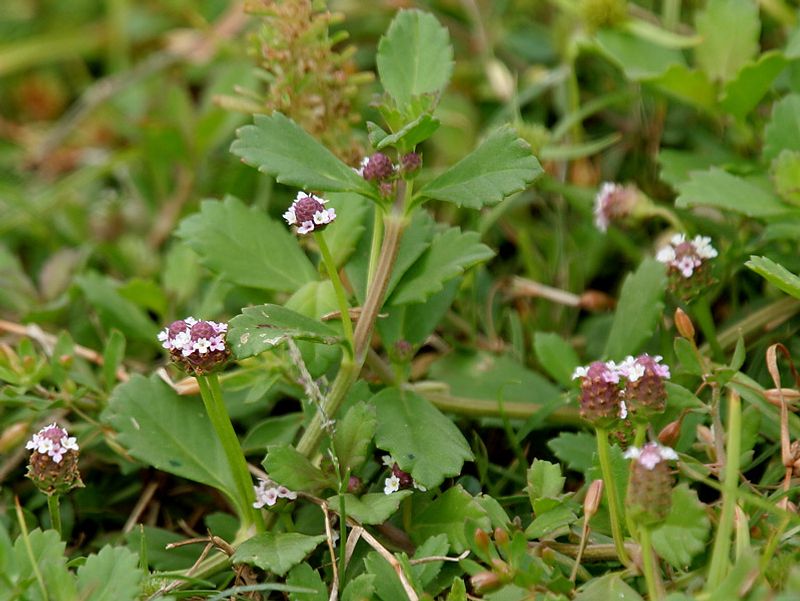
Your lawn can stay green most of the year in Central and South Florida without a single drop of fertilizer when you plant frogfruit. This tough little native spreads quickly across your yard, forming a dense mat that tolerates foot traffic better than most grasses.
Butterflies and bees flock to its tiny white and purple blooms, turning your landscape into a pollinator paradise.
Frogfruit loves full sun but adapts surprisingly well to partial shade, making it perfect for those tricky spots under trees. It thrives in Florida’s sandy or clay soils and needs very little water once established.
You can mow it occasionally to keep it looking tidy, or let it grow naturally to about four inches tall for a soft, meadow-like feel.
Planting is simple. Space plugs about twelve inches apart in spring or summer, water them well for the first few weeks, then step back and watch them fill in.
Within a few months, you’ll have a lush carpet that stays green through hot summers and rebounds quickly after winter dormancy in cooler parts of Florida, all while requiring far less maintenance than traditional turf grass.
2. Sunshine Mimosa (Mimosa strigillosa)
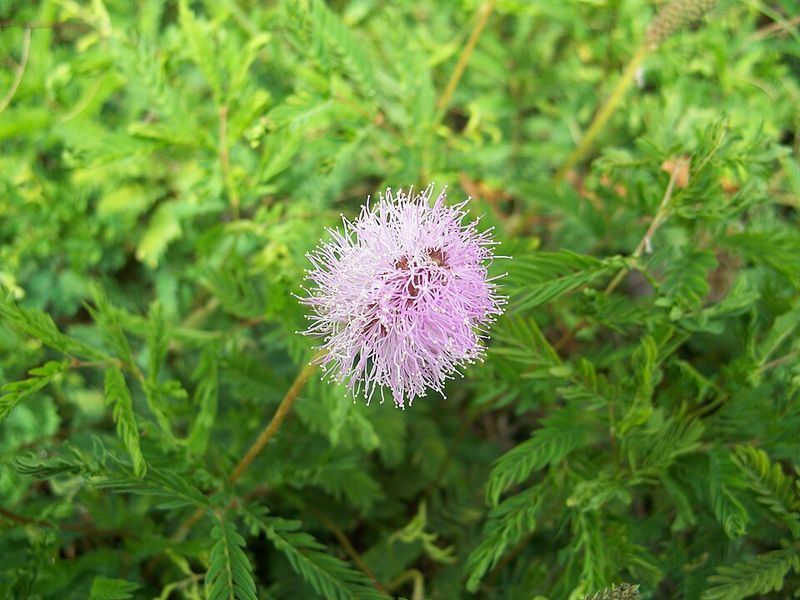
Few plants capture attention quite like sunshine mimosa when its cheerful pink puffball flowers blanket your yard in summer. This low-growing native spreads by runners, creating a thick ground cover that crowds out weeds naturally.
Its fern-like leaves fold up at night or when touched, delighting kids and adults alike with this interactive feature.
In North Florida, it may go semi-dormant after hard freezes but returns strongly in spring. As a legume, it also fixes nitrogen in the soil, improving your yard’s fertility over time without added fertilizers.
The plant tolerates moderate foot traffic and stays low, usually under six inches tall, so you can skip mowing entirely if you prefer a more natural look.
Start with small plants or plugs spaced about eighteen inches apart during the warm months. Water regularly for the first month until roots establish, then let nature take over.
Your Florida Garden Changes Every Week. Your Plan Should Too.
Gardening in Florida changes quickly throughout the season. Every Friday you’ll receive a simple weekly plan showing exactly what to plant, prune, fertilize, harvest, and protect so you never miss the right timing.
This ground cover self-seeds and spreads steadily, filling bare spots and creating a living mulch that keeps soil temperatures cooler during our scorching summers.
3. Beach Sunflower (Helianthus debilis)
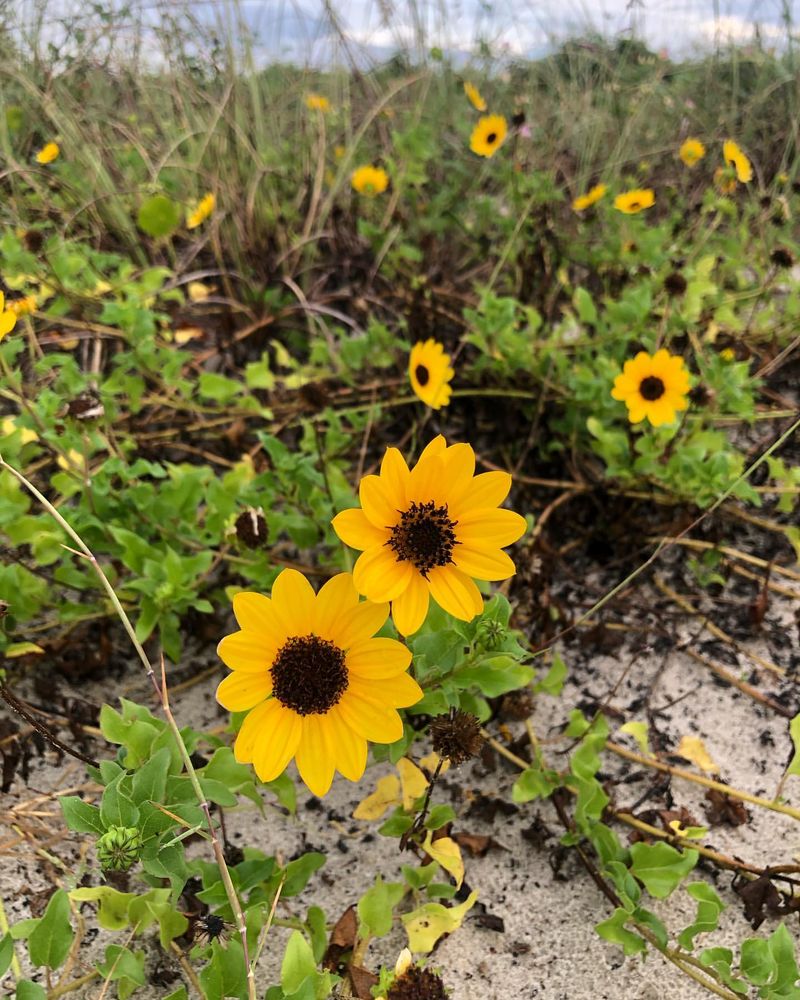
Imagine golden sunflowers dancing across your yard from spring through fall, and you’ve got beach sunflower. This coastal native brings non-stop color to your landscape while handling salt spray, wind, and drought like a champion.
Its sprawling stems create a thick mat that suppresses weeds and provides habitat for beneficial insects and small wildlife, though it works best as an ornamental ground cover rather than a walkable lawn substitute.
Beach sunflower thrives in full sun and well-drained sandy soils, making it ideal for coastal properties or inland areas with similar conditions. It grows quickly, spreading several feet wide, so give it plenty of room to roam.
The plant needs minimal water once established and actually performs better when you ignore it rather than fuss over it with fertilizers or constant irrigation.
Plant container-grown specimens or seeds directly in your garden after the last frost. Space plants about three feet apart to allow for their vigorous growth habit.
Trim back leggy stems occasionally to encourage bushier growth and more blooms. Your reward will be a sea of bright yellow flowers that attract butterflies, bees, and songbirds while requiring almost no maintenance beyond occasional shaping.
4. Lakeside Twinflower (Dyschoriste humistrata)
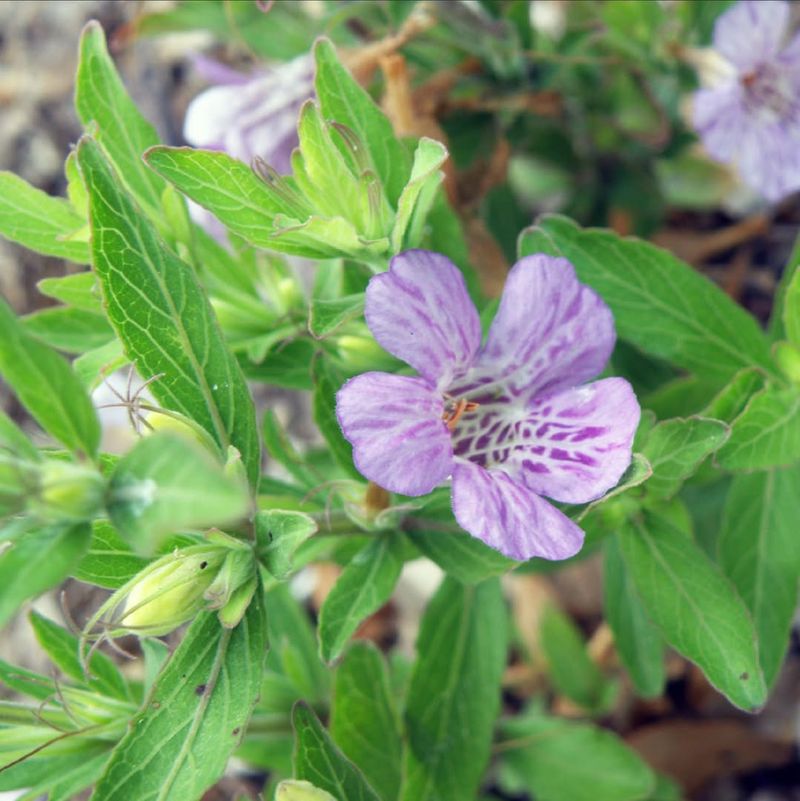
Not every yard gets full sun, and that’s where lakeside twinflower really shines. This shade-loving native produces delicate lavender flowers throughout the warm months while forming a dense, mostly evergreen carpet under trees and shrubs.
Its ability to thrive in dry shade makes it a lifesaver for those difficult areas where grass refuses to grow no matter what you try.
Lakeside twinflower adapts to various soil types but prefers well-drained conditions and partial to full shade. It spreads slowly but steadily by underground stems, eventually creating a weed-suppressing mat about four to six inches tall.
The plant needs very little water once established and actually looks better with benign neglect than with constant attention and fertilization.
Install plugs or small plants about twelve inches apart during spring or early summer when soil temperatures warm up. Water consistently for the first six weeks while roots take hold, then reduce watering to occasional deep soaks during extended dry spells.
This ground cover tolerates very light, occasional foot traffic and requires no mowing, making it perfect for naturalized areas or as a living mulch around larger plants in your shaded garden beds.
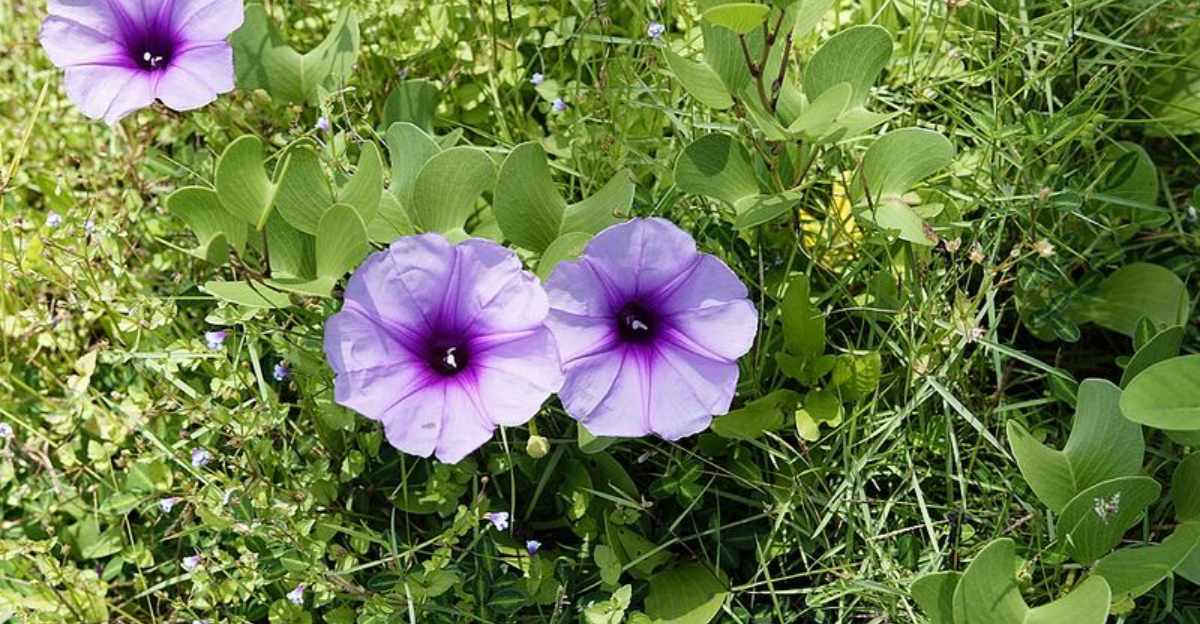
5. Railroad Vine (Ipomoea pes-caprae)
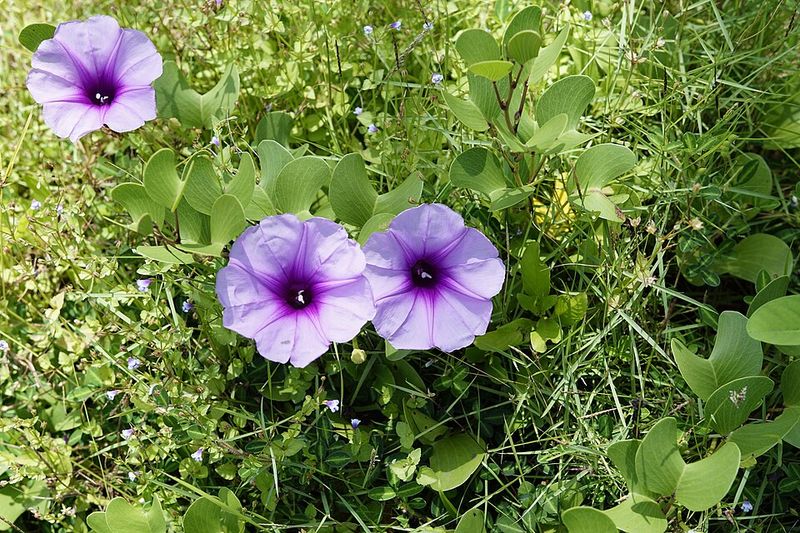
Coastal homeowners know the struggle of keeping plants alive in salty, sandy conditions, but railroad vine laughs in the face of these challenges. This tough native sprawls across dunes and beach areas, producing large pink or purple morning glory flowers that open at dawn.
Its thick, succulent leaves and aggressive spreading habit make it perfect for erosion control on slopes or challenging beachfront properties.
Railroad vine demands full sun and excellent drainage, thriving in the poorest sandy soils where other plants struggle. It tolerates salt spray, high winds, and drought conditions that would devastate traditional lawns.
The plant spreads rapidly by long runners that root at nodes, quickly covering large areas with minimal input from you beyond initial planting and occasional watering during establishment.
Start with rooted cuttings or container plants spaced about four feet apart, planting them in spring or summer for best results. Water regularly for the first month, then let rainfall handle irrigation unless you experience prolonged drought.
This ground cover works best in naturalized coastal settings rather than formal lawns, where its vigorous growth and sprawling nature can be appreciated without constant trimming to keep it in bounds.
6. Green Peperomia (Peperomia obtusifolia)
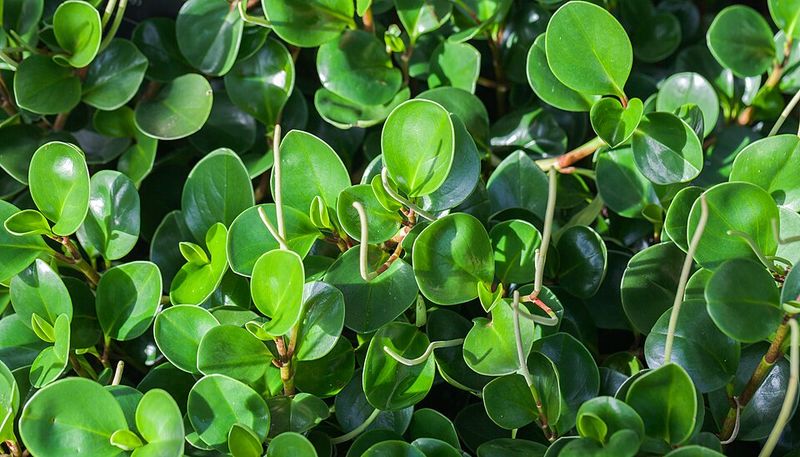
Most ground covers demand outdoor space, but green peperomia works best as a low-growing accent plant for shaded areas and protected patios rather than a true lawn replacement.
This South Florida native features thick, glossy leaves that store water efficiently, making it drought-tolerant once established in frost-free or protected locations.
Its compact growth habit and attractive foliage add texture and interest to spots where nothing else seems to work.
Green peperomia prefers bright indirect light to partial shade and well-drained soil rich in organic matter, and is best grown outdoors only in South Florida or sheltered microclimates.
It grows slowly compared to other ground covers, staying under eight inches tall and spreading gradually to form small colonies.
The plant needs minimal water and actually suffers when overwatered, making it perfect for forgetful gardeners or those looking to reduce landscape irrigation dramatically.
Plant small specimens about ten inches apart in protected areas with dappled shade during warm months. Amend your soil with compost before planting to improve drainage and provide nutrients.
Water sparingly, allowing soil to dry between waterings, and avoid fertilizing more than once or twice per year. This ground cover works beautifully as an understory plant beneath larger natives or as a living mulch in container gardens where traditional ground covers might overwhelm smaller spaces.
7. Wild Strawberry (Fragaria virginiana)
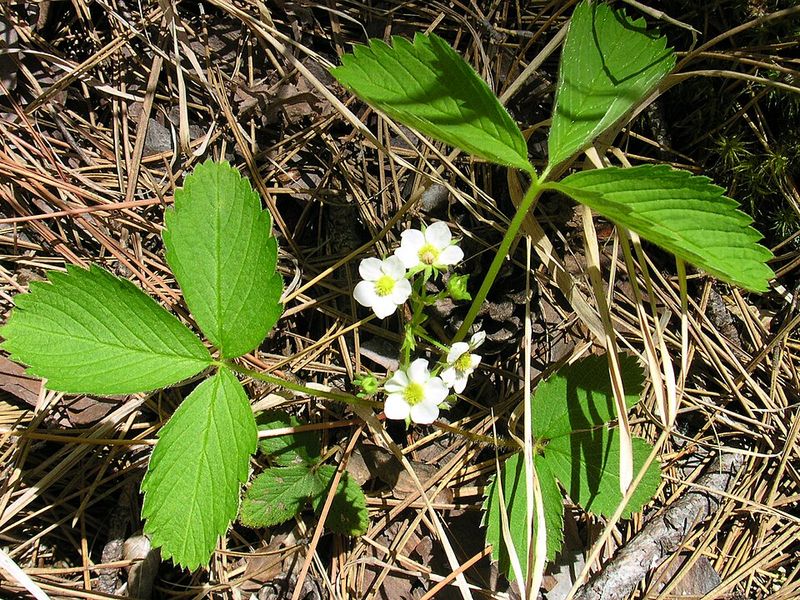
Nothing beats the surprise of finding tiny edible strawberries growing in your yard, and wild strawberry delivers exactly that experience in North and Central Florida landscapes.
This low-growing native spreads by runners, creating a lush green carpet topped with white flowers in spring and small red berries in early summer.
Birds, butterflies, and beneficial insects all appreciate this plant, while you enjoy the occasional sweet snack straight from your landscape.
Wild strawberry grows best in partial shade to full sun and prefers slightly acidic, well-drained soil amended with organic matter, but struggles in South Florida’s heat and humidity. It stays under six inches tall and spreads steadily but not aggressively, making it suitable for smaller yards or as edging along paths and garden beds.
The plant needs regular moisture during establishment and occasional watering during dry periods, though it handles brief droughts better than traditional grass.
Set out bare-root plants or small containers in fall or early spring, spacing them about twelve inches apart. Mulch lightly around plants to retain moisture and suppress competing weeds while roots establish.
Remove withered leaves in late winter to encourage fresh growth, and divide crowded clumps every few years to maintain vigor. This charming ground cover combines beauty, wildlife value, and edible rewards in one delightful package that transforms your yard into a productive, sustainable landscape.
Small changes in what you plant can make a big difference for your yard, your wallet, and Florida’s natural environment.
8. Blue Porterweed (Stachytarpheta jamaicensis)
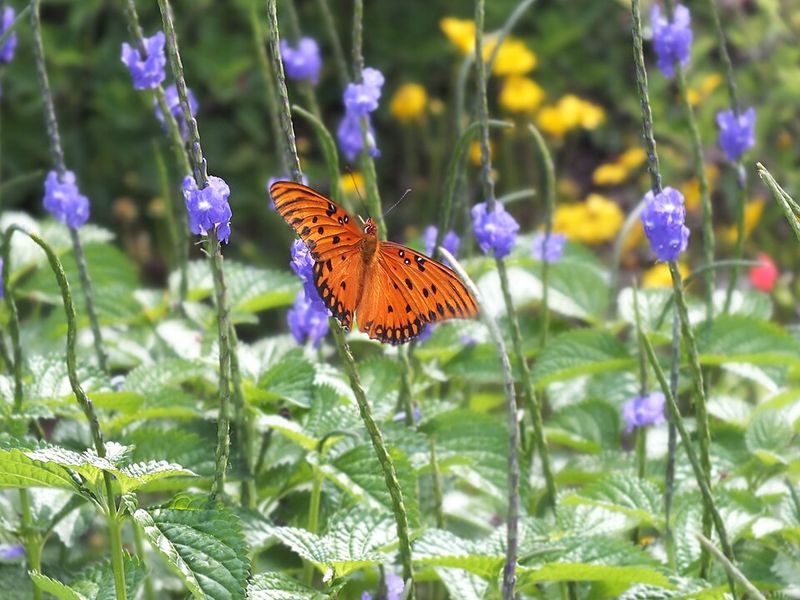
If you want a native ground cover that pulls double duty, blue porterweed quietly checks every box. This low-growing, sprawling wildflower spreads outward rather than upward, forming a loose but effective mat that helps suppress weeds while filling in open soil.
In the right conditions, it stays under a foot tall while branching horizontally, making it a natural fit for lawn-replacement areas with a softer, more relaxed look.
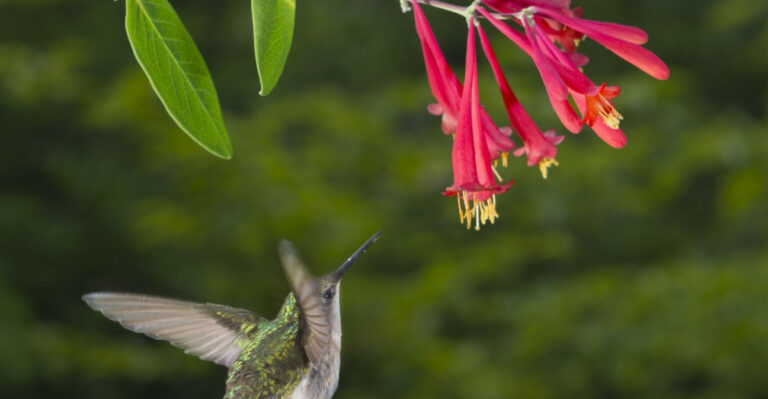
What really sets it apart is how much life it brings into your yard. Its slender flower spikes produce small blue blooms that open one at a time, drawing in a steady stream of butterflies, native bees, and even hummingbirds.
It also serves as a host plant for several butterfly species, which means it supports the full life cycle of pollinators, not just feeding adults.
Blue porterweed thrives in full sun to light shade and handles Florida’s sandy soils with ease. Once established, it tolerates drought and requires very little input, with no serious pest or disease issues reported.
It works best in low-traffic areas where you want a naturalized look rather than a traditional lawn feel. Given space, it spreads steadily, filling gaps and helping stabilize soil without constant mowing or watering.
In warm parts of Florida, it can bloom for extended periods, sometimes nearly year-round, keeping your yard active and colorful through the seasons.
9. Sunshine Blue (Evolvulus sericeus)
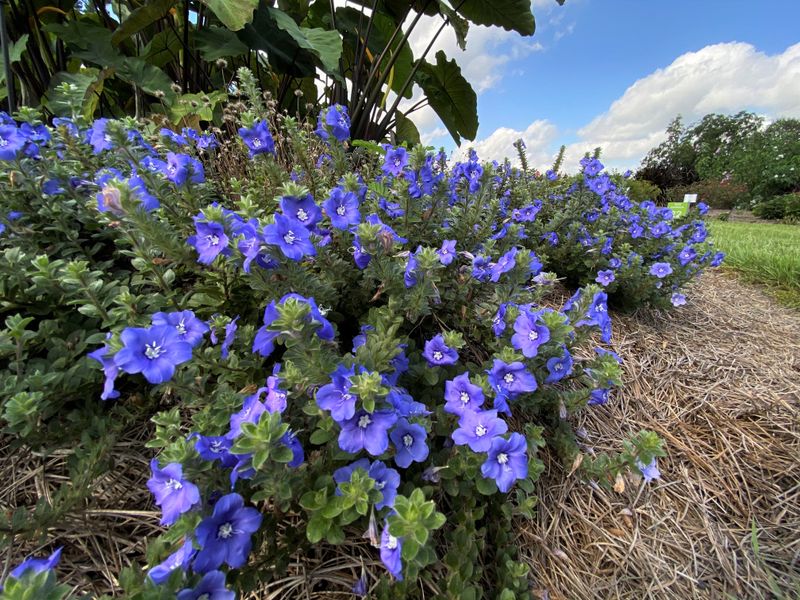
For a softer, silvery look that still holds its ground, sunshine blue brings a completely different texture to Florida landscapes. This native, low-growing perennial forms a small, spreading mound rather than a tight mat, making it ideal for blending ground cover with ornamental appeal.
It typically stays compact and close to the ground, filling spaces without becoming aggressive.
Its standout feature is the steady display of delicate, sky-blue flowers that open daily and refresh continuously through warm weather. Even though individual blooms last just a short time, the plant keeps producing new ones, giving the impression of nonstop color across the season.
Sunshine blue naturally grows in sandy, well-drained soils and is well adapted to the heat and sun Florida landscapes are known for. Once established, it handles dry conditions well and requires minimal maintenance, making it a strong fit for low-water yards or Florida-friendly landscaping.
This plant is best used in low-traffic areas, edging, or mixed ground cover plantings where its spreading habit can soften hard lines and fill open pockets. Its fine texture and silvery foliage also help reflect heat, which can benefit surrounding plants in exposed sites.
While it will not replace a walkable lawn, it fits perfectly into the growing shift away from turf, offering a low-maintenance, native option that supports pollinators and thrives in Florida’s natural conditions without constant upkeep.