7 Reasons Why Florida Gardenias Stop Blooming And How To Fix Them
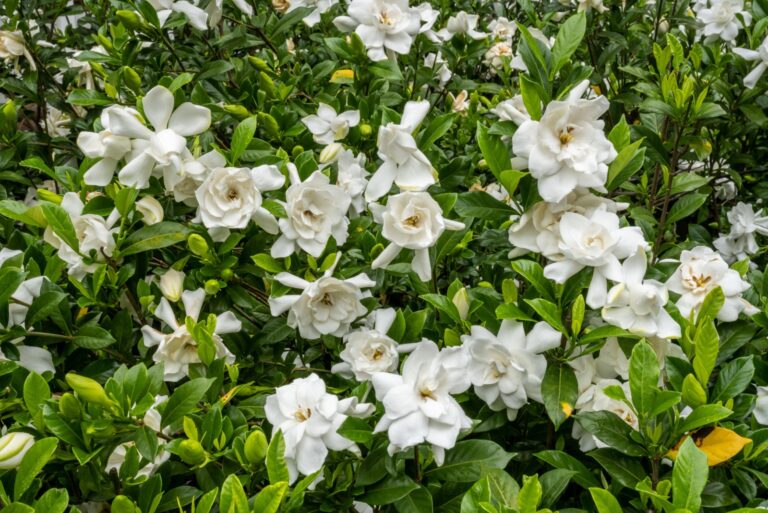
Your gardenia was covered in creamy white blooms not long ago, filling your yard with that sweet Florida fragrance. Now the buds won’t open, or worse, they never appear at all.
Sound familiar? This problem frustrates thousands of Florida gardeners every year, even experienced ones.
The plant often looks healthy on the surface, yet the flowers disappear without warning. Leaves may turn yellow, growth slows down, or buds fall off before opening.
Most people assume the plant is withering, but in many cases the issue is much simpler than it seems. Small changes in sunlight, soil conditions, watering habits, or pruning timing can completely shut down bloom production.
The good news is that these problems are usually easy to fix once you know what to look for. If your gardenia has stopped blooming and you want those beautiful white flowers back, this guide will help you spot the cause and correct it fast.
1. Too Much Shade And Not Enough Sunlight
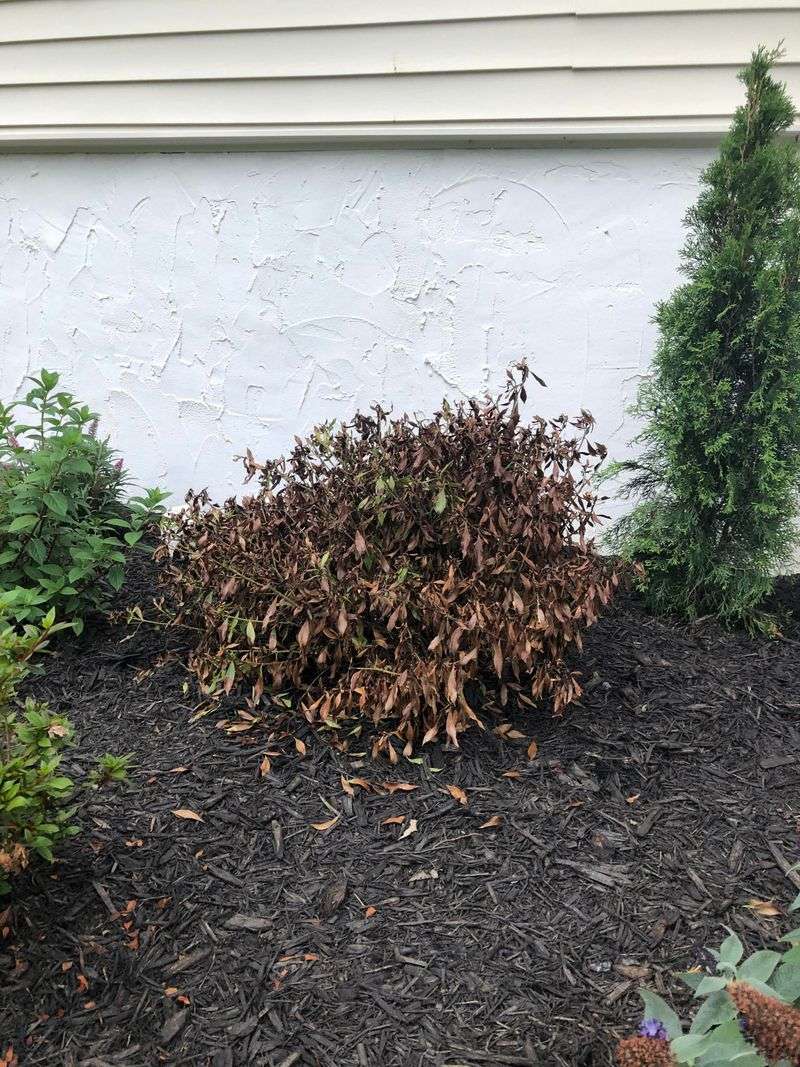
Your gardenia might be sitting in a spot that seemed perfect when you planted it, but over time trees grow taller and cast more shadow than they used to. Gardenias need at least four to six hours of direct morning sunlight to set buds and bloom reliably in Florida.
Without enough light, the plant will still grow leaves and look green, but it conserves energy and skips the flowering process entirely.
Walk around your garden in the morning and watch where the sun actually hits your gardenia. You might be surprised to find that what you thought was a sunny spot only gets dappled light filtered through palm fronds or oak branches.
If your plant is tucked under an overhang or shaded by your house for most of the day, it simply cannot gather enough energy to produce flowers.
The fix is straightforward but sometimes requires a tough decision. You can prune back overhanging branches to let in more light, or you might need to transplant your gardenia to a brighter location.
Choose a spot where it gets strong morning sun and some afternoon shade to protect it from the harshest heat. Gardenias bloom best when they get bright light early in the day, which helps them build up the sugars needed for bud formation.
If moving the plant is not an option, consider thinning the canopy above it or removing competing plants nearby. Even a small increase in sunlight can make a noticeable difference in bloom production over the next growing season.
2. Improper Pruning Timing
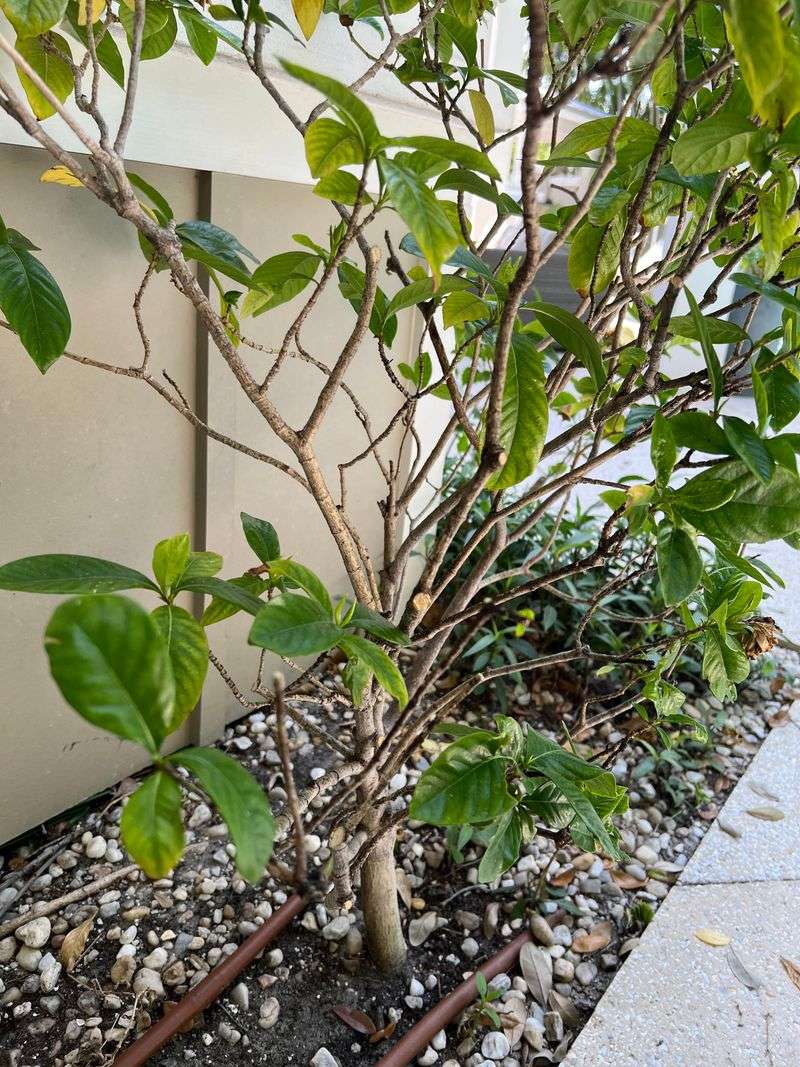
Many gardeners grab their pruning shears in late winter or early spring, thinking they are doing their gardenias a favor by shaping them up before the growing season. Unfortunately, that is exactly when gardenias are forming their flower buds.
If you cut back your plant in March or April, you are removing all the potential blooms before they ever get a chance to open.
Gardenias set their buds on old wood, which means the stems that grew last year are the ones that will flower this year. When you prune at the wrong time, you are essentially cutting off the entire bloom show.
Your Florida Garden Changes Every Week. Your Plan Should Too.
Gardening in Florida changes quickly throughout the season. Every Friday you’ll receive a simple weekly plan showing exactly what to plant, prune, fertilize, harvest, and protect so you never miss the right timing.
You might notice your gardenia looks tidy and well shaped, but it stays frustratingly green all summer long with no flowers in sight.
The best time to prune gardenias in Florida is right after they finish blooming, usually in late summer or early fall. This gives the plant plenty of time to grow new branches that will harden off and set buds for the following spring.
If you need to remove damaged or crossing branches, do it in August or September, not in the months leading up to bloom time.
Keep your pruning light and focus on shaping rather than heavy cutting. Remove spent flowers and any weak or leggy growth, but leave the healthy green stems intact.
If you accidentally pruned at the wrong time this year, be patient and wait until next season to see blooms return as long as you time it right going forward.
3. Nutrient Imbalance Or Lack Of Iron
Gardenias are heavy feeders, and they need a steady supply of nutrients to support both lush foliage and abundant blooms. When your plant is not getting the right balance of nitrogen, phosphorus, and potassium, it will prioritize survival over flowering.
Too much nitrogen pushes the plant to grow lots of green leaves but few or no buds, while a lack of phosphorus directly reduces bloom formation.
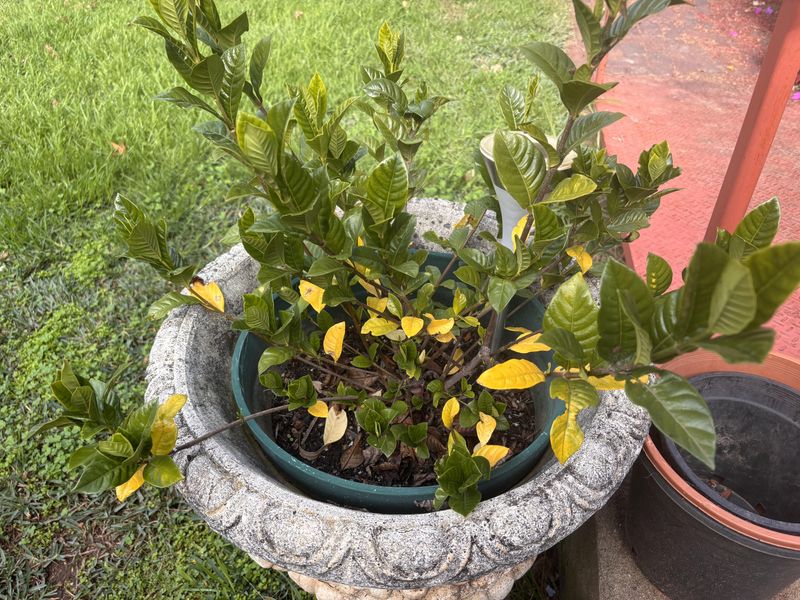
Iron deficiency is especially common in Florida because our soils tend to be sandy and low in organic matter. When gardenias do not get enough iron, the newer leaves turn yellow with green veins, a condition called chlorosis.
A plant struggling with chlorosis does not have the energy or health to produce flowers, even if everything else seems fine.
Start by feeding your gardenia with a fertilizer formulated for acid loving plants, which usually includes the right ratio of nutrients plus added iron and other micronutrients. Look for a product labeled for azaleas, camellias, or gardenias, and apply it in early spring and again in midsummer.
Avoid high nitrogen lawn fertilizers, which can make the problem worse.
If you see yellowing leaves, apply a chelated iron supplement directly to the soil around the root zone. Water it in well so the roots can absorb it quickly.
You should see new growth come in greener within a few weeks, and once the plant regains its health, blooming will usually follow in the next cycle.
4. Overwatering Or Poor Soil Drainage
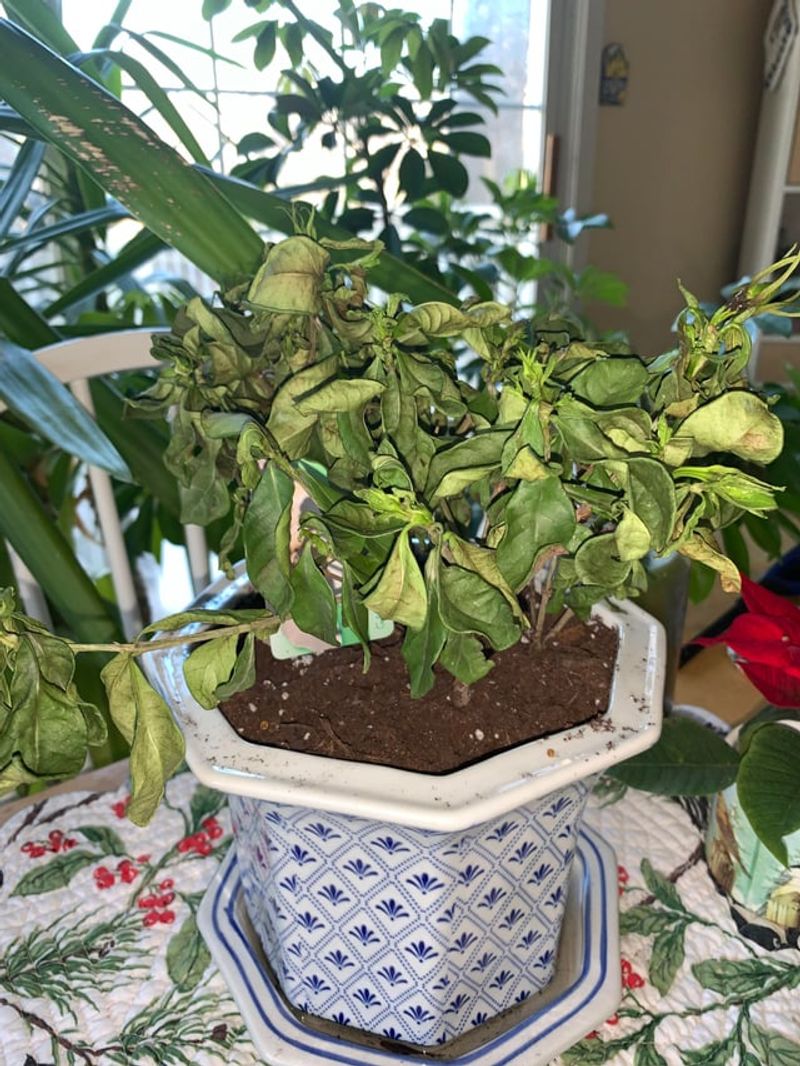
Gardenias love moisture, but they absolutely hate sitting in waterlogged soil. When the roots stay too wet for too long, they cannot take up oxygen and they start to suffocate.
This leads to root rot, which weakens the entire plant and shuts down blooming as the gardenia struggles just to stay alive.
Florida’s afternoon thunderstorms can dump inches of rain in a short time, and if your gardenia is planted in heavy clay or a low spot where water collects, it is going to suffer. You might notice the leaves turning yellow and dropping off, or the plant just looks droopy even though the soil is soaking wet.
These are signs that the roots are stressed and cannot support healthy growth or flower production.
Check the drainage around your gardenia by digging a small hole next to it after a heavy rain. If water is still standing in the hole several hours later, you have a drainage problem.
The best long term solution is to amend the soil with compost and pine bark to improve its structure, or consider transplanting your gardenia to a raised bed or mound where water drains away quickly.
Cut back on supplemental watering if you have been keeping the soil too moist. Gardenias prefer evenly moist soil, not soggy conditions.
Water deeply but infrequently, allowing the top inch or two of soil to dry out between waterings. Mulch around the base with pine straw or shredded bark to help regulate moisture levels without trapping excess water against the roots.
5. Soil pH That Is Too Alkaline
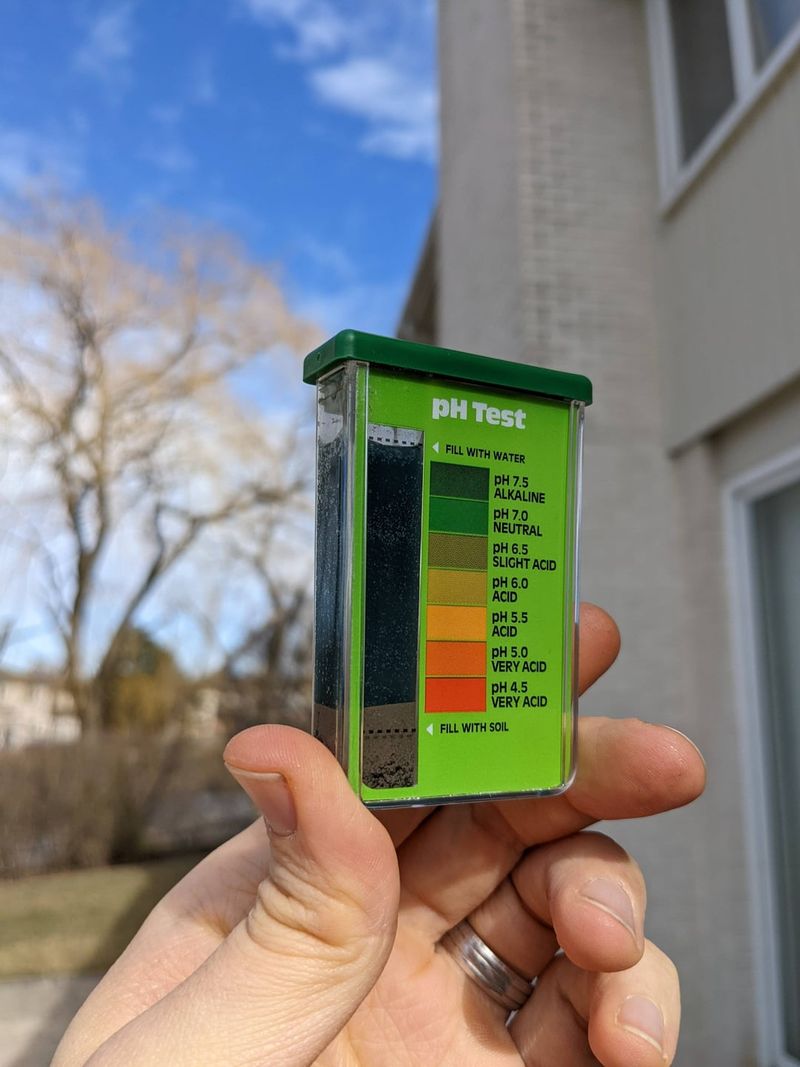
Gardenias are acid loving plants, and they thrive in soil with a pH between 5.0 and 6.5. Unfortunately, many parts of Florida have naturally alkaline soils, especially in coastal areas or places where limestone is close to the surface.
When the pH climbs above 7.0, gardenias cannot absorb iron and other essential nutrients even if those nutrients are present in the soil.
This creates a frustrating situation where you are feeding your plant and doing everything right, but it still looks pale and refuses to bloom. The high pH locks up the nutrients, making them unavailable to the roots.
Over time, the gardenia becomes weaker and stops producing buds because it simply does not have the resources it needs.
Test your soil pH with an inexpensive kit from a garden center or send a sample to your local Extension office for a detailed analysis. If the pH is too high, you can lower it by working sulfur or aluminum sulfate into the soil around your gardenia.
Follow the package directions carefully, as adding too much can harm the plant. You will need to retest and amend the soil periodically because Florida soils tend to drift back toward alkaline over time.
Mulching with pine needles or pine bark also helps maintain a slightly acidic environment around the roots. These organic materials break down slowly and release acids into the soil, creating the conditions gardenias prefer.
Keep the mulch layer about two to three inches deep, and refresh it once or twice a year to maintain the benefits.
6. Heat Stress During Bud Formation
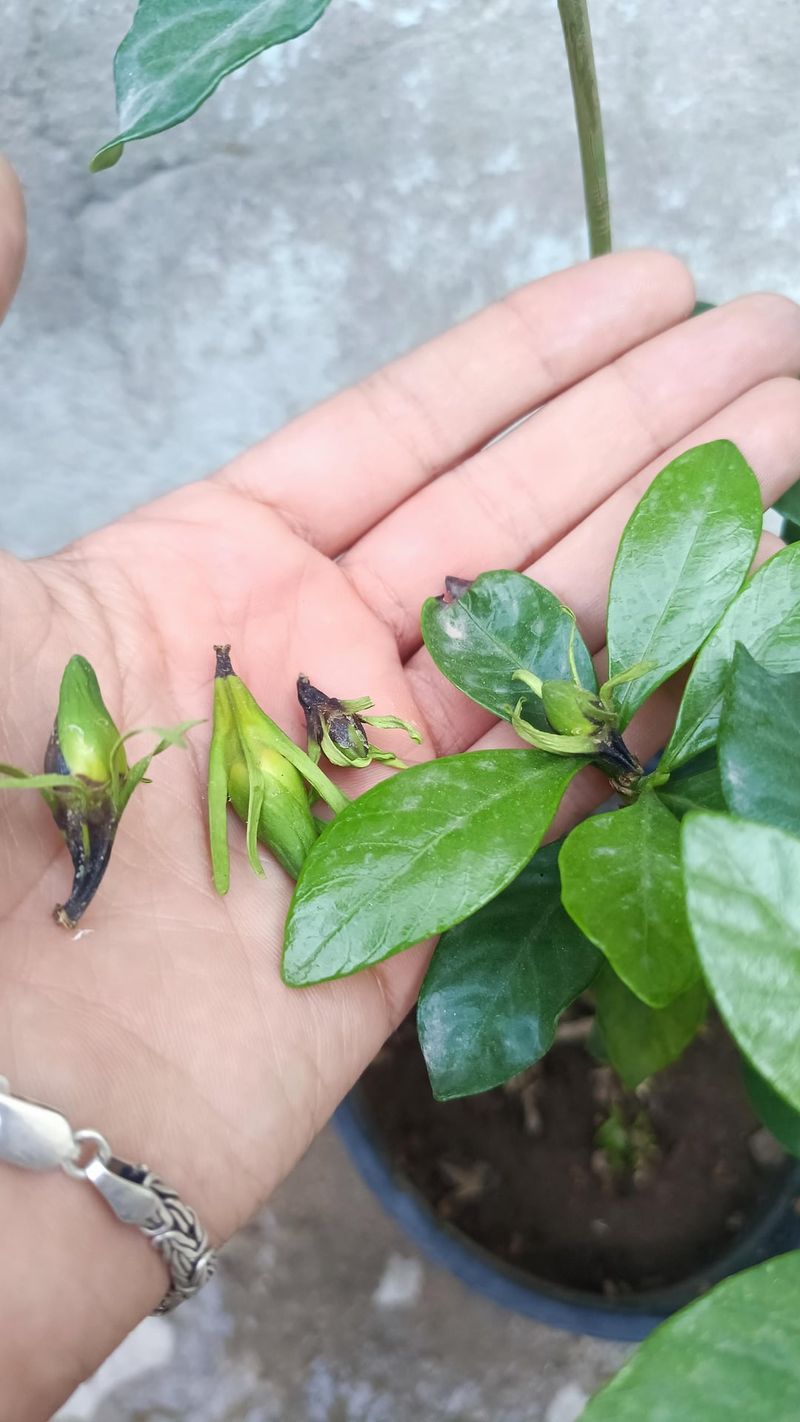
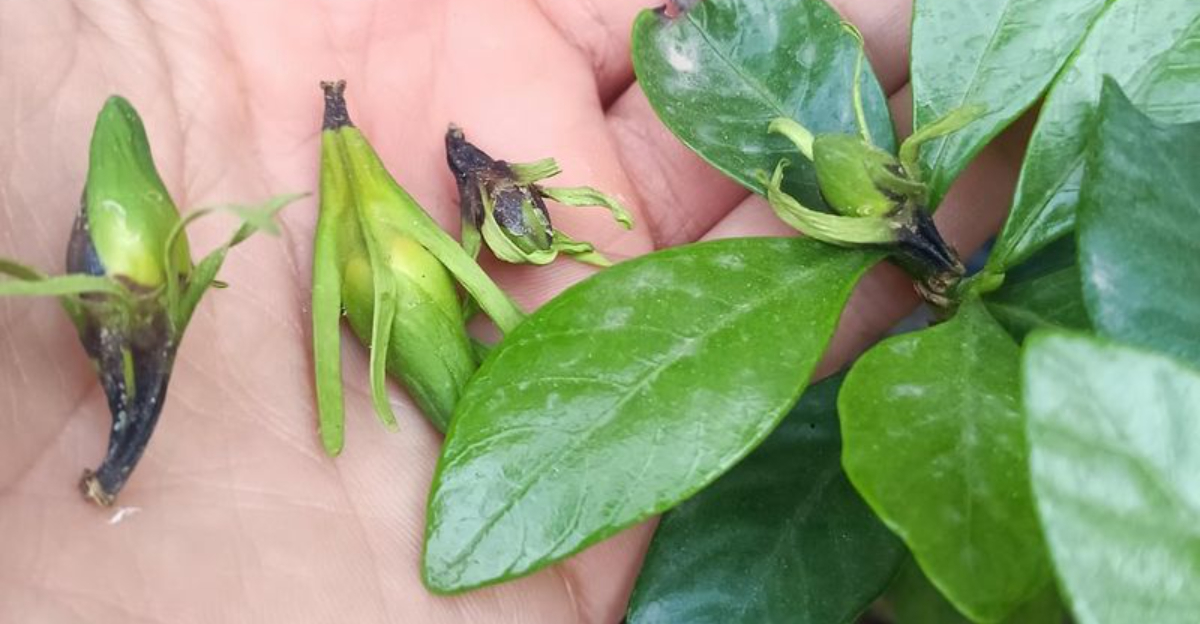
Florida summers are brutal, and gardenias can struggle when temperatures soar into the high 90s day after day. Extreme heat during the bud formation stage can cause buds to drop off before they ever open, or it can prevent buds from forming in the first place.
The plant redirects its energy toward cooling itself and maintaining basic functions, leaving nothing left over for flowering.
You might see tiny buds appear on your gardenia in late spring, only to watch them turn brown and fall off as the heat intensifies in June and July. This is especially common if your gardenia is planted in full afternoon sun with no protection from the hottest part of the day.
The combination of high air temperatures and scorching sun simply overwhelms the plant.
Provide some afternoon shade for your gardenia, especially during the peak summer months. You can plant it on the east side of your house or under the high canopy of a pine tree where it gets bright morning light but relief from the intense afternoon rays.
If your gardenia is already established in a hot spot, consider adding a temporary shade cloth or planting a taller shrub nearby to provide some relief.
Mulch is your best friend when it comes to managing heat stress. A thick layer of organic mulch keeps the soil cooler and helps retain moisture, which allows the roots to stay hydrated even when the air temperature climbs.
Water your gardenia deeply in the early morning so it has plenty of moisture to draw on throughout the day, and avoid letting the soil dry out completely during hot spells.
7. Pest Damage To Buds And New Growth
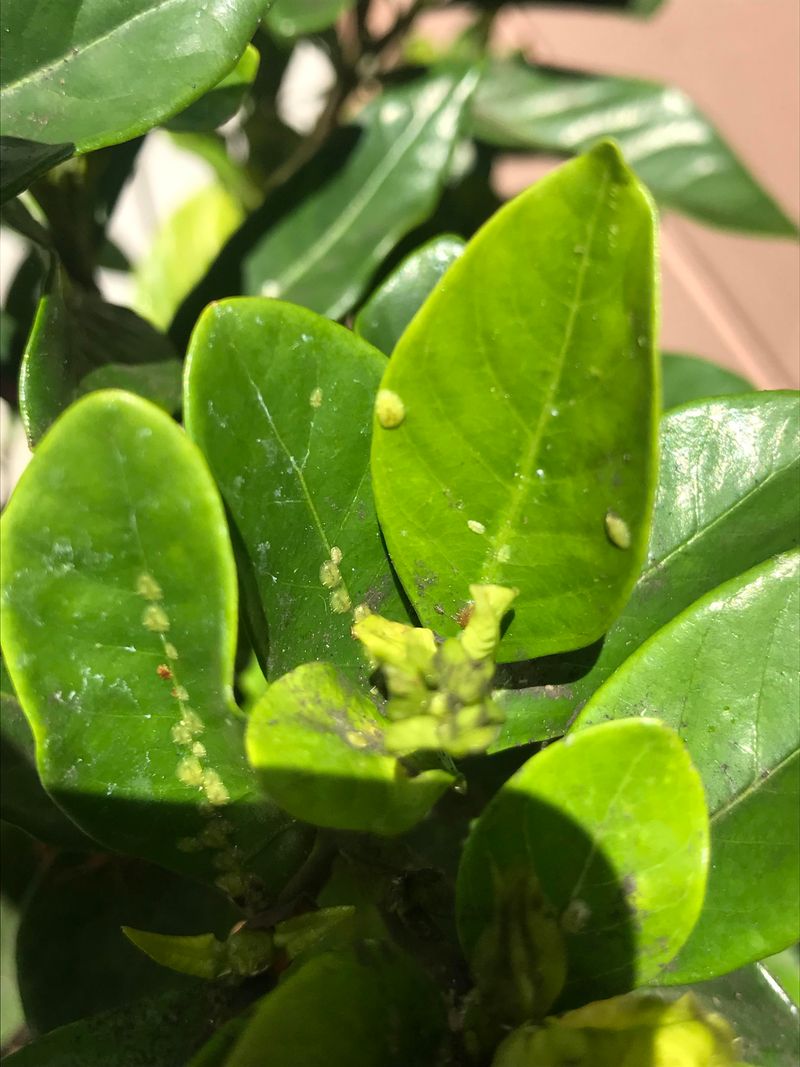
Gardenias are magnets for certain pests that love to feed on tender new growth and developing buds. Aphids, whiteflies, thrips, and spider mites all find gardenias irresistible, and they can do serious damage before you even notice they are there.
When pests attack the buds, they either cause them to drop off or prevent them from opening properly, leaving you with a plant that looks healthy but never blooms.
Thrips are particularly sneaky because they hide inside the buds and feed on the developing petals. You might see buds that turn brown at the tips or fail to open fully, and when you peel one apart, you find tiny insects inside.
Spider mites show up as fine webbing on the undersides of leaves, and they suck the sap out of the plant, weakening it so much that it cannot support flower production.
Inspect your gardenia regularly by turning over the leaves and checking the buds for any signs of insect activity. Look for sticky residue, distorted growth, or tiny moving specks.
If you catch pests early, you can often control them with a strong spray of water or by applying insecticidal soap or horticultural oil. Spray in the early morning or late evening to avoid burning the leaves in the hot sun.
Encourage beneficial insects like ladybugs and lacewings, which feed on aphids and other pests naturally. Avoid using broad spectrum pesticides that can harm these helpful allies.
Keep your gardenia healthy with proper watering and feeding, because a strong plant is much better at resisting pest damage than a stressed one.