How Texas Homes Can Get Orchids To Bloom Again After Flowering
Orchids often look their best in Texas homes right when they finish blooming, which makes it especially frustrating when nothing happens afterward.
Many people assume the plant is done or failing, even though it may still be healthy and capable of blooming again.
Texas conditions add an extra layer of confusion, because warm rooms, strong light, and air conditioning can quietly change how orchids recover after flowering.
What happens in the weeks after blooms drop plays a much bigger role than most people realize. Small care decisions during this phase can either support the next bloom cycle or stop it before it ever starts.
Some orchids need rest, while others respond better to subtle changes in light, watering, or placement.
Ignoring those differences often leads to long stretches of green leaves with no flowers in sight.
Reblooming is rarely about luck, but it often feels that way when the signals are misunderstood.
Once the post-bloom phase is handled correctly, orchids in Texas homes can return to flowering far more reliably than expected.
1. Give Orchids Bright, Indirect Light Every Day
Most orchids thrive when they receive filtered sunlight rather than harsh direct rays that can scorch their delicate leaves. Finding the sweet spot in your Texas home means placing them near an east or west-facing window where morning or late afternoon sun gently filters through curtains.
South-facing windows work too, but you’ll need sheer fabric to soften the intensity.
Leaves tell you a lot about light levels. Dark green foliage usually signals your orchid isn’t getting enough brightness, while reddish or yellowish tints mean it’s receiving too much.
Ideally, leaves should appear a healthy medium green shade that looks vibrant and strong.
Texas summers bring intense sunshine that can overwhelm indoor orchids if they sit too close to unprotected glass. Moving plants back a few feet or adding light curtains during peak heat months prevents leaf damage.
Consistent lighting helps trigger the hormonal changes orchids need to develop new flower spikes.
Rotating your plant every week or so ensures all sides receive equal light exposure. This prevents lopsided growth and encourages balanced development.
Natural light cycles in Texas homes generally provide enough brightness when positioned correctly.
Artificial grow lights work as supplements during shorter winter days when natural light diminishes. Place LED or fluorescent bulbs about twelve inches above the foliage for best results.
Combining natural and artificial sources creates ideal conditions year-round for reblooming success in the Lone Star State.
2. Adjust Watering After Flowers Drop
Orchids enter a resting phase once their blooms fade, and their water needs shift accordingly during this crucial period. Overwatering becomes the biggest threat when roots sit in moisture without the plant actively growing or flowering.
Texas humidity levels vary widely depending on your region, so checking the potting medium before adding water prevents root problems.
Stick your finger about an inch into the bark or moss mixture to test moisture. If it feels dry, it’s time to water; if it’s still damp, wait another day or two.
Your Texas Garden Changes Every Week. Your Plan Should Too.
Gardening in Texas changes quickly throughout the season. Every Friday you’ll receive a simple weekly plan showing exactly what to plant, prune, fertilize, harvest, and protect so you never miss the right timing.
During the rest period, orchids typically need watering once every seven to ten days, though this varies with indoor climate conditions.
Room temperature water works best, and many growers prefer the soaking method where you place the entire pot in a basin for ten to fifteen minutes. This allows roots to absorb moisture thoroughly without leaving standing water in decorative containers.
Always dump excess water from saucers or cache pots afterward.
Texas tap water often contains minerals and chemicals that can build up over time on roots and potting media. Using filtered or rainwater helps avoid these accumulations that interfere with nutrient uptake.
Morning watering gives leaves time to dry before cooler evening temperatures arrive.
Adjusting your schedule as seasons change keeps orchids healthy between bloom cycles throughout the year in Texas homes.
3. Keep Night Temperatures Slightly Cooler
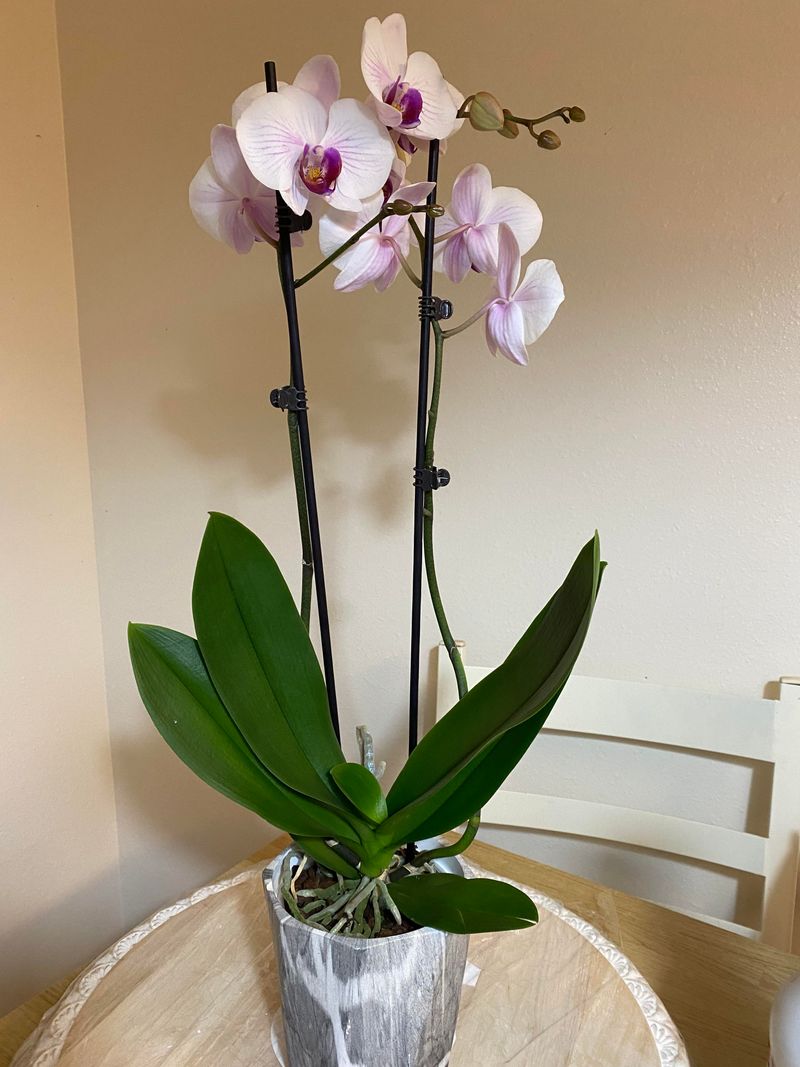
Temperature fluctuations between day and night actually trigger orchids to produce new flower spikes, making this one of the most important reblooming factors. A ten to fifteen degree difference signals the plant that conditions are right for flowering.
In Texas homes, this often happens naturally during spring and fall when outdoor temperatures shift considerably.
Daytime temps around seventy to eighty degrees work well for most popular orchid varieties like Phalaenopsis and Cattleyas. Nighttime temperatures should drop to somewhere between sixty and sixty-five degrees for optimal spike initiation.
This mimics their native tropical mountain habitats where evenings bring cooler air.
Central air conditioning makes maintaining these ranges easier during hot Texas summers, though you might need to adjust thermostats slightly. Placing orchids in rooms that naturally cool down at night, like bedrooms away from heat sources, helps create the necessary temperature swing.
Avoid spots near heating vents or appliances that emit warmth after dark.
Winter months in many parts of Texas naturally provide cooler nights without extra effort. However, homes with consistent heating may need strategic plant placement near windows where temperatures dip slightly.
Just ensure cold drafts don’t directly hit the foliage, as sudden extreme drops can stress plants.
Monitoring with a simple thermometer helps you track conditions and adjust placement as needed throughout different seasons across the state.
4. Use Light, Airy Potting Mixes That Drain Fast
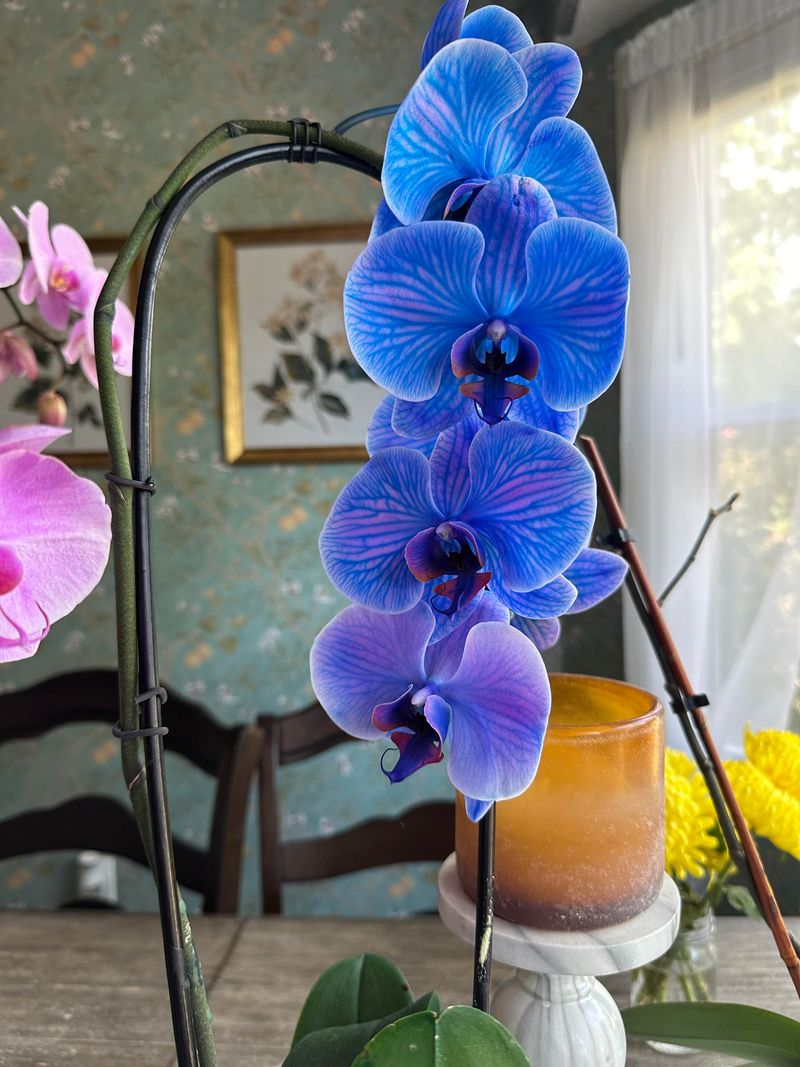
Orchid roots need air circulation just as much as they need moisture, which is why regular potting soil suffocates them quickly. Specialized orchid mixes contain chunky bark pieces, perlite, charcoal, and sometimes sphagnum moss that create air pockets around roots.
These materials allow water to drain rapidly while maintaining just enough moisture between waterings.
Repotting becomes necessary every two to three years as bark breaks down into smaller particles that compact and reduce airflow. Signs you need fresh media include a musty smell, roots growing over the pot edges, or bark that looks decomposed and muddy.
Spring offers the best timing for repotting in Texas since plants can recover during their active growth season.
Choose containers with multiple drainage holes rather than solid decorative pots that trap water at the bottom. Clear plastic pots let you monitor root health and moisture levels easily, though you can place them inside prettier outer containers for display.
Size matters too—orchids prefer snug fits rather than oversized pots with excess media that stays wet too long.
Texas garden centers and specialty nurseries carry pre-mixed orchid media, or you can blend your own combination. Larger bark chunks suit Cattleyas and Oncidiums, while finer mixes work better for Phalaenopsis roots.
Whatever blend you choose, proper drainage prevents the root rot that stops reblooming in its tracks across homes statewide.
5. Maintain Steady Humidity Without Overdoing It
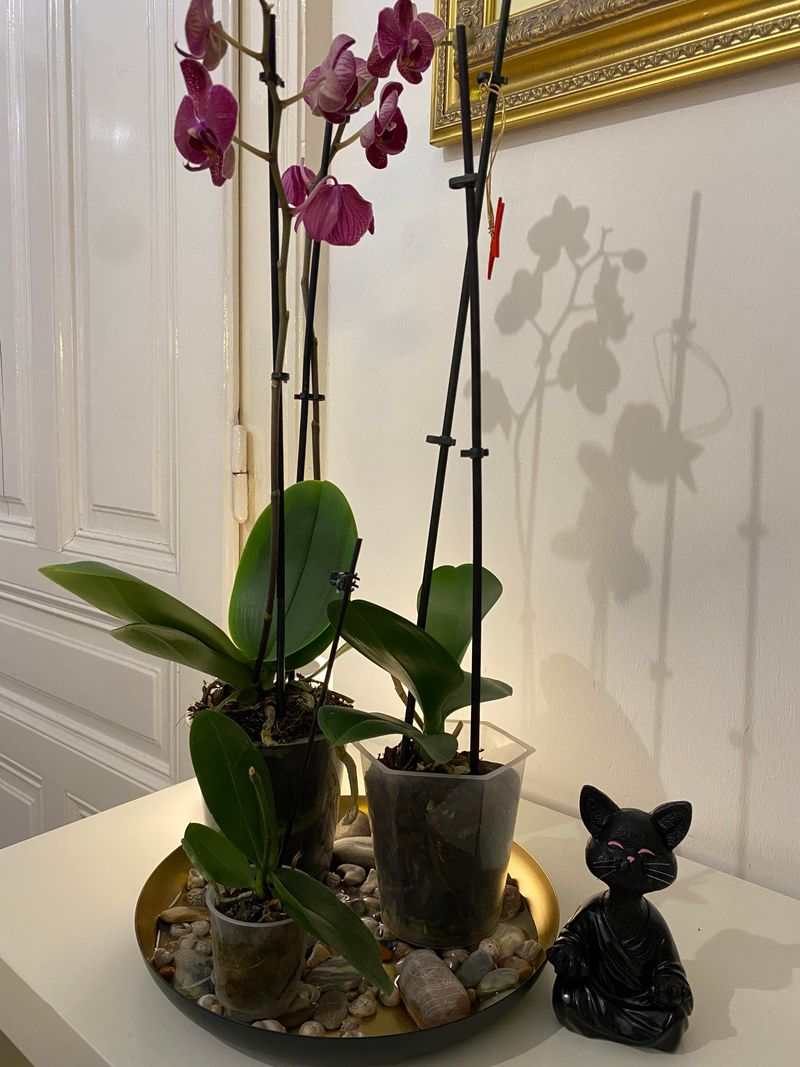
Orchids originally come from humid tropical and subtropical regions where moisture hangs in the air constantly throughout the day and night. Texas homes, especially those with air conditioning running during long hot summers, tend to have much drier indoor air than orchids prefer.
Forty to sixty percent humidity creates the ideal range for healthy growth and reblooming.
Simple humidity trays offer an easy solution—just fill a shallow tray with pebbles and add water until it reaches just below the stone tops. Setting your orchid pot on the pebbles allows evaporation to raise moisture levels around the plant without roots sitting in water.
Grouping several orchids together also creates a microclimate where plants benefit from each other’s transpiration.
Room humidifiers work well if you have multiple orchids or other tropical houseplants that appreciate extra moisture. Place the humidifier nearby but not directly blowing on the plants, which can cause uneven moisture distribution.
Bathrooms with windows often provide naturally higher humidity, making them surprisingly good orchid locations in Texas homes.
Misting sounds helpful but actually does little for humidity levels since the moisture evaporates within minutes. Worse, water droplets sitting on leaves or in crown crevices can encourage bacterial or fungal problems.
Focus instead on ambient humidity that surrounds the entire plant consistently.
Inexpensive hygrometers let you monitor indoor humidity accurately so you can adjust your methods as needed throughout the year across different Texas climate zones.
6. Feed Lightly During Active Growth Periods
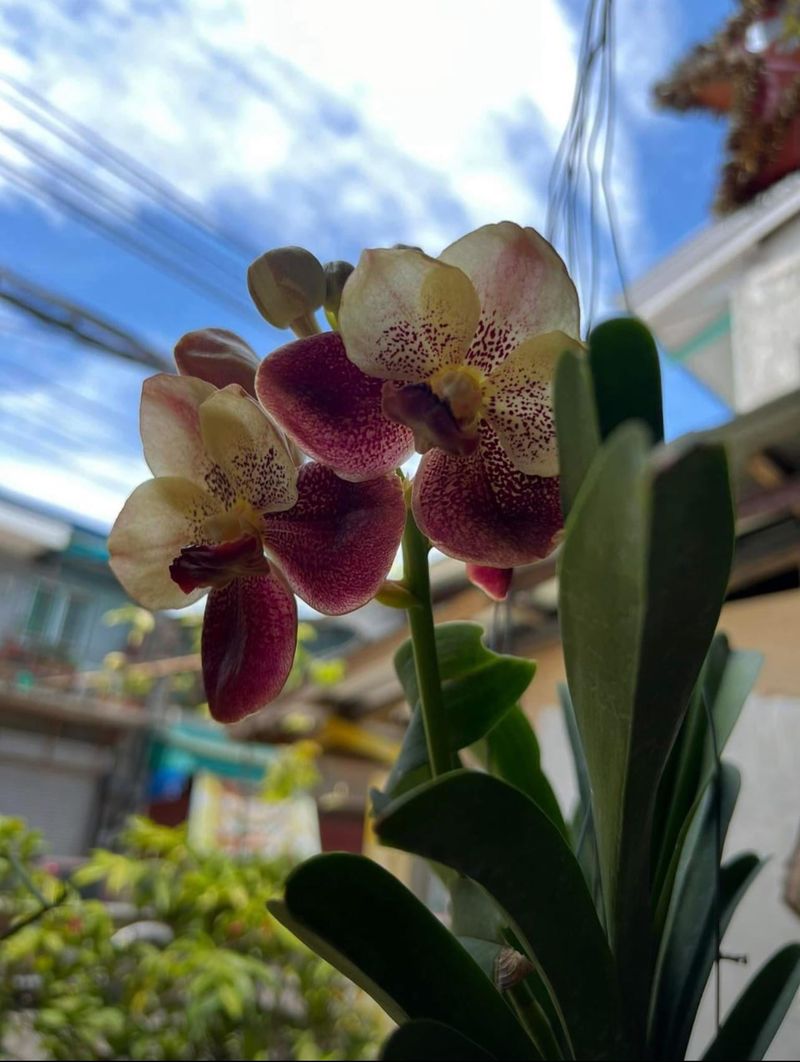
Fertilizer provides the nutrients orchids need to build strong roots, leaves, and eventually flower spikes, but too much causes more harm than good. The old saying among orchid growers is to feed weakly, weekly, meaning diluted fertilizer applications at regular intervals work better than occasional full-strength doses.
During rest periods after blooming, orchids need even less nutrition as their metabolism slows down.
Balanced formulas labeled 20-20-20 or similar ratios work well for general orchid feeding throughout most of the year in Texas homes. Mix the fertilizer at one-quarter to one-half the strength recommended on the package label.
Apply this diluted solution every other watering during active growth phases when you see new leaves or roots emerging.
Specialized orchid fertilizers often contain additional micronutrients these plants use efficiently. Some growers switch to a higher phosphorus formula like 10-30-20 in early fall to encourage flower spike development.
This mimics the nutrient availability orchids experience in nature as seasons shift and blooming time approaches.
Always apply fertilizer to damp potting media rather than bone-dry roots, which can burn from concentrated salts. Flushing pots with plain water once monthly helps remove mineral buildup that accumulates from both fertilizer and Texas tap water.
This prevents the white crusty deposits that appear on bark and pot rims over time.
Reduce or stop feeding entirely when orchids are fully dormant with no visible new growth happening anywhere on the plant.
7. Avoid Moving Orchids Too Often
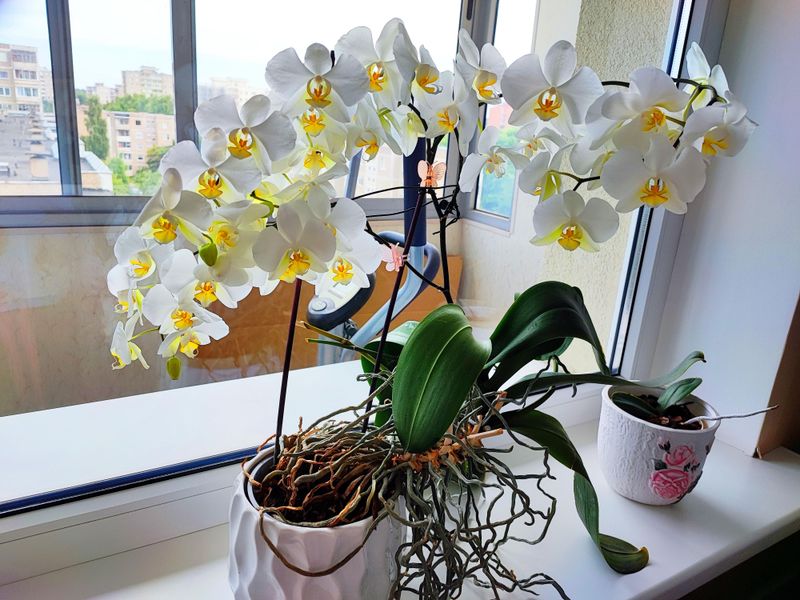
Orchids are surprisingly sensitive to changes in their environment, and constantly relocating them causes stress that delays or prevents reblooming entirely. Once you find a spot where your orchid shows healthy growth with good leaf color and strong roots, resist the urge to move it around.
Plants adapt to specific light angles, air circulation patterns, and temperature zones in their chosen location.
Even rotating the pot too frequently can confuse orchids, though occasional quarter-turns help maintain even growth. Some growers mark their pots with a small piece of tape to ensure they return plants to the exact same orientation after watering or inspection.
This level of consistency matters more than many Texas orchid owners realize when trying to encourage repeat blooms.
Bringing orchids outdoors during mild spring or fall weather can boost their health, but the transition needs careful management. Gradually acclimate plants over a week or two, starting with just an hour or two in a shaded spot and slowly increasing exposure.
Sudden moves from indoor conditions to outdoor Texas sun and wind shock plants severely.
Stability extends to daily routines too—try to water and check your orchids around the same times rather than randomly throughout the week. Plants respond to predictable care patterns by settling into healthy growth rhythms.
Temperature swings from moving between rooms disrupt the day-night differences orchids need for spike initiation.
Think of your orchid’s location as semi-permanent once you establish it somewhere with appropriate conditions for thriving in your particular Texas home environment.
8. Trim Spent Flower Spikes At The Right Time
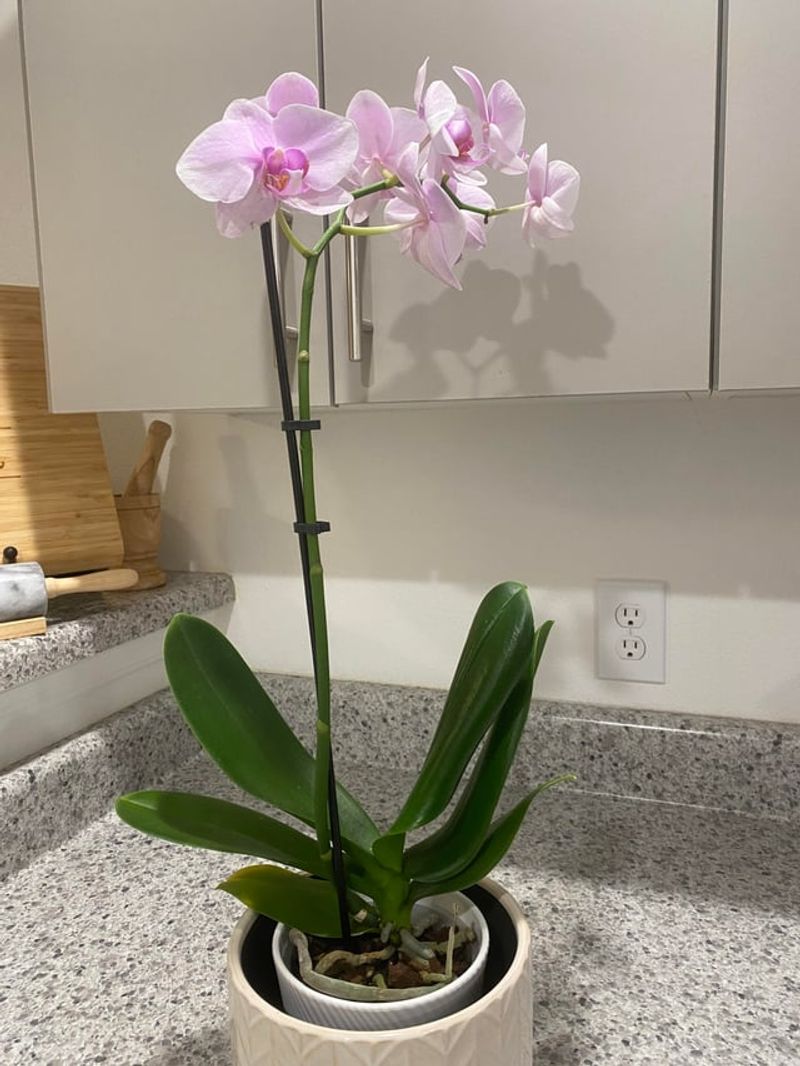
Knowing when and how to cut old flower spikes makes a significant difference in reblooming success for orchids grown in Texas homes. Phalaenopsis orchids sometimes produce secondary blooms from nodes along the existing spike, so many growers wait to see if this happens before cutting.
If the spike stays green and plump after flowers drop, there’s a chance new buds will emerge from dormant nodes within a few weeks.
When the spike begins turning brown and papery, it’s definitely time to remove it since the plant won’t use that stem again. Use sterilized scissors or pruning shears to make a clean cut about an inch above the base where the spike emerges from between leaves.
Cutting too close can damage the crown area where new growth originates.
Some orchid varieties like Cattleyas and Oncidiums won’t rebloom from old spikes, so cutting them back immediately after flowering finishes makes sense. This redirects the plant’s energy into root and leaf development rather than maintaining unnecessary stem tissue.
Removing spent spikes also improves the plant’s appearance during its rest period.
Sterilizing cutting tools between plants prevents spreading diseases or pests that might be present. A quick wipe with rubbing alcohol or a flame-heated blade works effectively.
Texas humidity can encourage bacterial problems if you cut with dirty tools, especially during warmer months when pathogens thrive.
After trimming, watch for new spike development from the base, which typically happens several months later when conditions trigger the next bloom cycle.
9. Be Patient Between Bloom Cycles
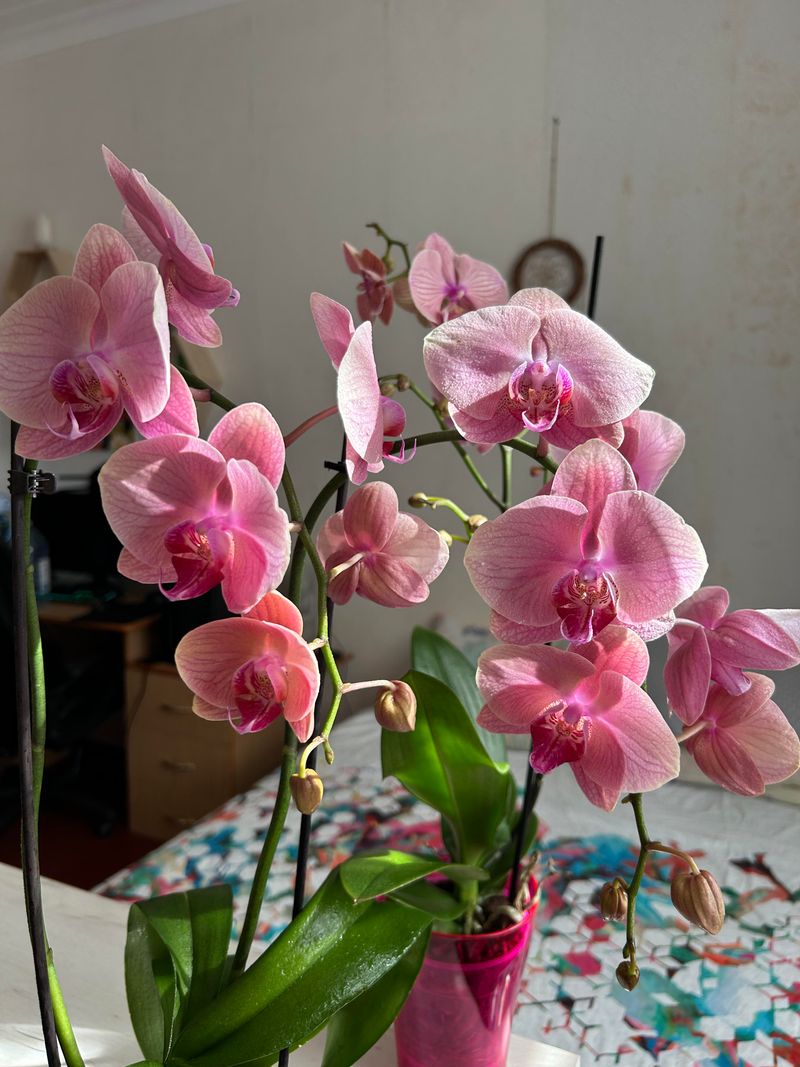
Perhaps the hardest part of orchid care for many Texas growers is simply waiting for the next flowering to begin naturally. Phalaenopsis orchids typically bloom once or twice yearly, while other varieties have their own schedules ranging from annual to multiple times per year.
Trying to force blooms before the plant is ready often backfires and extends the wait even longer.
Focus on maintaining excellent care during the rest period rather than obsessing over when flowers will appear. Healthy root growth and new leaf development are positive signs that your orchid is building strength for its next bloom cycle.
Strong plants with robust root systems produce more flowers and longer-lasting displays when they finally spike.
Many orchids need a specific rest period with adjusted care before they’ll initiate flowering again. This might mean slightly cooler temperatures, reduced watering, or less fertilizer for several weeks or months.
Research your particular orchid type since requirements vary considerably between species and hybrids commonly grown in Texas homes.
Seasonal triggers play important roles too—some orchids respond to shorter day lengths in fall, while others need the warming temperatures of spring. Working with these natural cycles rather than against them yields much better results.
Patience becomes easier when you understand that rest periods are essential preparation for spectacular blooms.
Keep records of when your orchids bloom so you can anticipate their patterns and adjust care accordingly. Most established orchids in proper conditions will reliably rebloom when their biological clocks say the time is right for flowering in your Texas home.