This One Change Makes Seed Germination Much Better In Florida
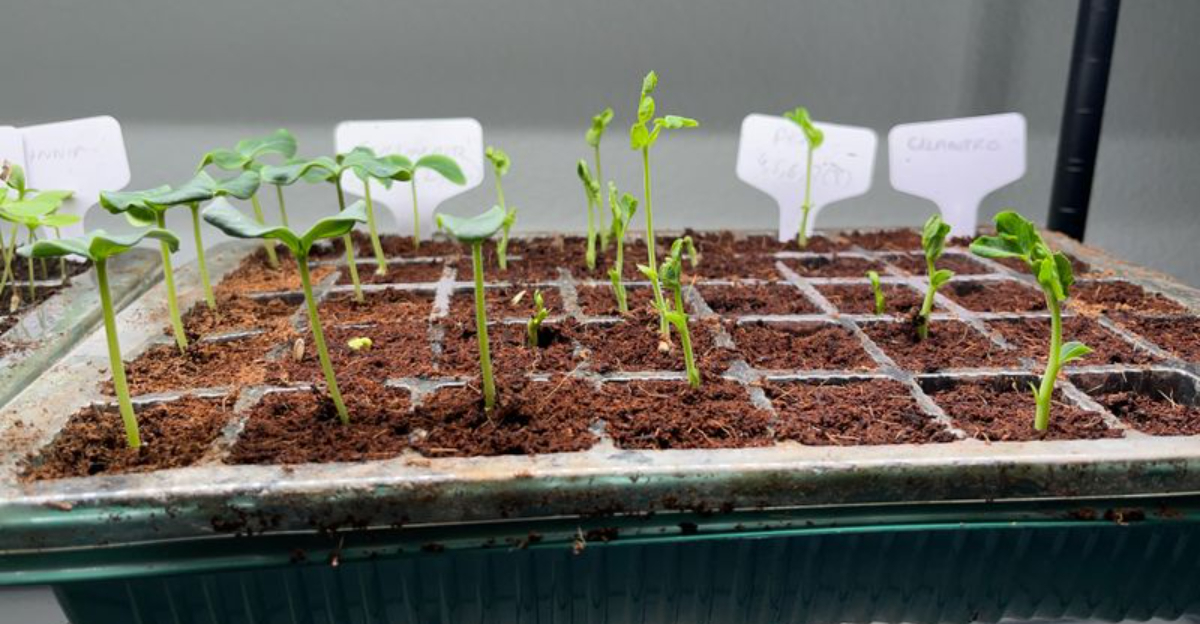
Tired of planting seeds that never seem to grow? Florida gardeners face a unique problem.
The warm, humid air that keeps tropical plants happy can make indoor seed trays a nightmare. Mold shows up, seedlings stay weak, and some seeds never sprout at all.
The good news is there is a simple trick that changes everything. By letting seeds pull water from the bottom instead of pouring it on top, seedlings get exactly the moisture they need without leaving the surface too wet.
This small change can mean the difference between patchy germination and trays full of strong, healthy sprouts. Once seeds are thriving, it is easier to grow robust plants that can handle Florida’s sun, heat, and sudden showers.
Gardeners who try this method often wonder how they ever started seeds any other way.
Why Seeds Fail More Often In Florida Than Other States
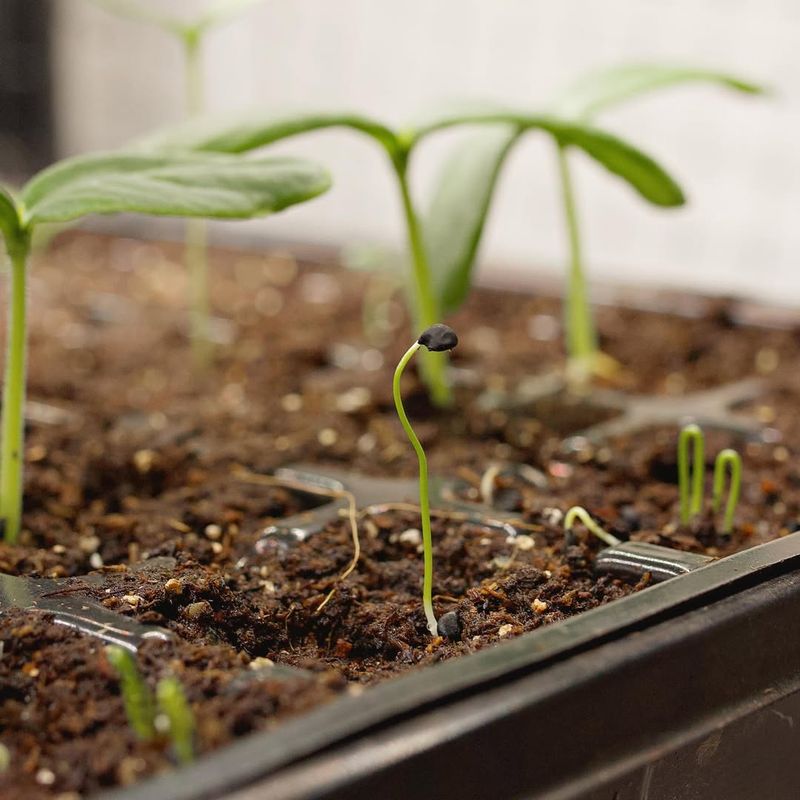
You open your seed tray expecting to see tiny green shoots pushing through the soil, but instead you find patchy germination, fuzzy white mold creeping across the surface, or seeds that never sprouted at all.
This scene plays out in Florida homes far more often than in drier climates, and it has everything to do with the moisture hanging in the air around your seed trays.
Florida’s indoor humidity levels can easily hover between sixty and eighty percent, even with air conditioning running. When you water seed trays from above in this environment, the soil surface stays wet for hours or even days longer than it would in Arizona or Colorado.
That prolonged surface moisture creates perfect conditions for fungal growth and damping-off disease, which attacks seedlings right at the soil line.
Temperature swings make the problem worse. Central Florida homes might cool down at night, causing condensation to form on plastic dome covers or along windowsills where seed trays sit.
South Florida gardeners deal with relentless heat that keeps soil surfaces steamy and stagnant. North Florida growers face cooler winter mornings that slow evaporation rates, leaving soil tops soggy well into the afternoon.
Seeds need consistent moisture to germinate, but they also need oxygen around them to trigger sprouting. When the top layer of soil stays waterlogged, seeds essentially suffocate before they can send out roots.
Understanding this balance is the first step toward better germination success in Florida’s challenging indoor growing conditions.
The Biggest Mistake Florida Gardeners Make When Starting Seeds
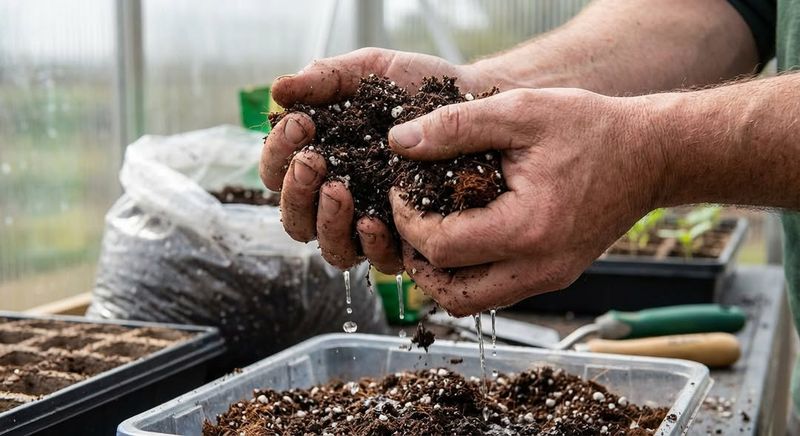
Walk into any garden center in Florida and you’ll see rows of watering cans with long spouts, spray bottles, and hose attachments designed for watering from above.
Most gardeners grab their favorite tool, gently sprinkle water over freshly planted seeds, and assume they’re doing everything right.
This overhead watering approach works fine in dry climates, but in Florida it sets up a cascade of problems that undermine germination from the very start.
When you pour water directly onto the soil surface, it saturates the top layer while often leaving the bottom of the tray too dry. Seeds planted at the recommended depth end up sitting in a soggy zone where fungal spores thrive and oxygen levels drop.
Your Florida Garden Changes Every Week. Your Plan Should Too.
Gardening in Florida changes quickly throughout the season. Every Friday you’ll receive a simple weekly plan showing exactly what to plant, prune, fertilize, harvest, and protect so you never miss the right timing.
Meanwhile, the roots that do manage to sprout have no reason to grow downward because all the moisture they need is right at the surface.
Florida’s humidity compounds this issue because that wet soil surface takes forever to dry out. You check your trays in the morning and see damp soil, so you skip watering.
But by afternoon, the bottom of the tray might actually be bone dry while the top still looks moist. This creates uneven moisture distribution that confuses seeds and weakens emerging seedlings.
The watering can feels natural and easy, but it’s working against Florida’s climate instead of with it. Recognizing this fundamental mismatch is what leads Florida gardeners toward a much more effective seed-starting method.
The One Simple Change That Improves Germination Instantly
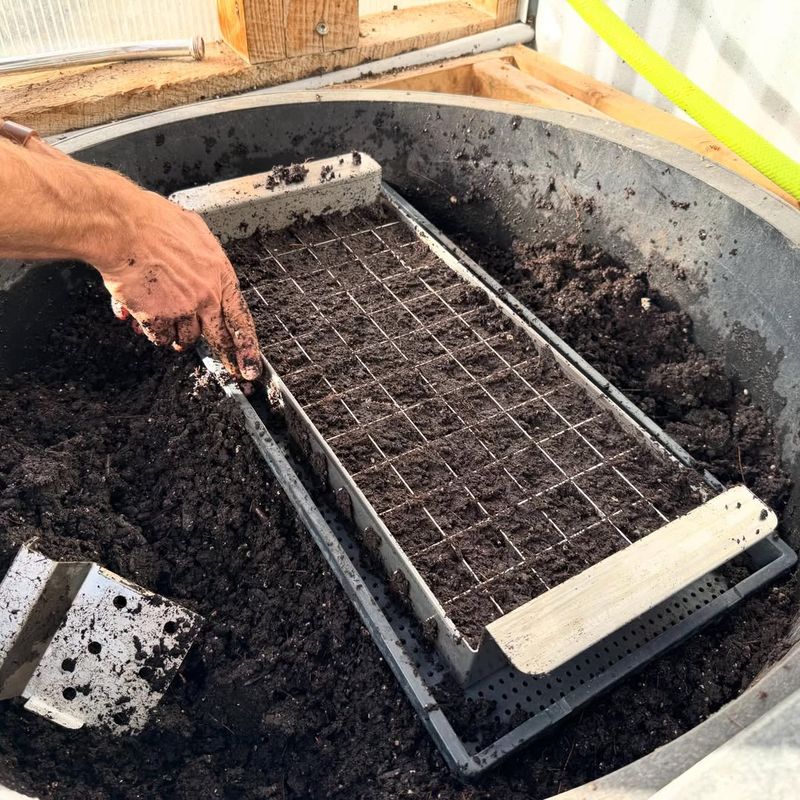
Bottom watering transforms seed germination success in Florida because it delivers moisture exactly where seeds need it while keeping the soil surface drier and less hospitable to mold and fungus.
Instead of pouring water onto the top of your seed tray, you place the entire tray into a shallow container of water and let the soil absorb moisture from below through drainage holes.
The change feels almost too simple to make such a dramatic difference, but Florida gardeners who switch to this method often see germination rates jump from fifty percent to over ninety percent.
The magic happens because capillary action pulls water upward through the soil, creating even moisture distribution throughout the entire root zone without saturating the surface. Seeds get the consistent dampness they need to swell and sprout, while the top layer of soil stays just dry enough to discourage fungal growth.
Oxygen can still reach seeds through the drier surface layer, giving them the perfect combination of moisture and air.
In Florida’s humid environment, this approach works with the climate instead of fighting it. Your indoor air already provides plenty of ambient moisture, so keeping the soil surface slightly drier doesn’t stress seeds at all.
Bottom watering also encourages roots to grow downward toward the water source, creating stronger seedlings with better root systems right from the start.
University of Florida IFAS Extension recommends bottom watering for seed starting specifically because it reduces damping-off disease and improves overall seedling vigor in Florida’s challenging conditions.
Why Bottom Watering Works Better In Florida’s Climate
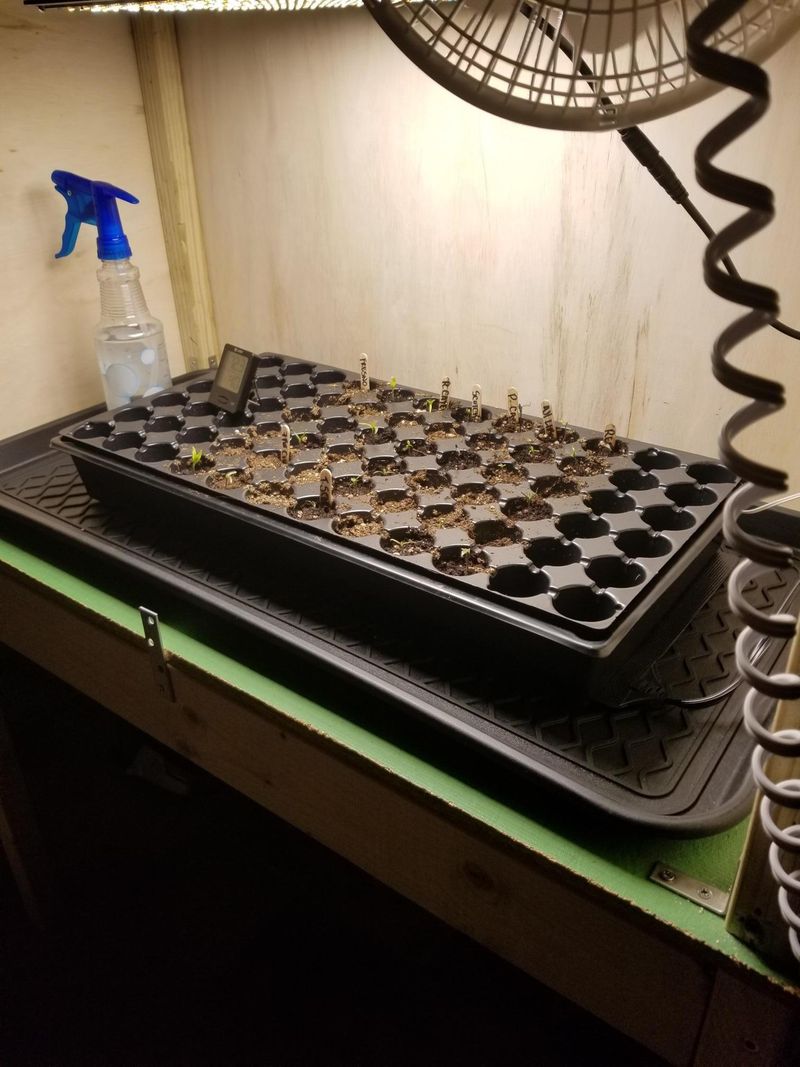
Stand in your kitchen on a typical Florida afternoon and you can practically feel the moisture in the air. That same humidity that makes your hair frizz and your windows fog also affects how water behaves in your seed trays.
When the air around your seedlings already holds significant moisture, adding more water to the soil surface creates a microclimate that’s just too wet for healthy germination.
Bottom watering sidesteps this problem by keeping the wettest zone of your soil down where roots need it most. The surface layer acts as a buffer zone that stays slightly drier, allowing better air exchange and discouraging the fungal spores that naturally exist in all potting mixes.
In South Florida where humidity rarely drops below sixty percent, this surface drying makes the difference between moldy trays and healthy sprouts.
Central Florida gardeners benefit because bottom watering helps compensate for the temperature fluctuations that cause condensation problems. When your trays pull moisture from below, there’s less surface water to evaporate and condense on dome covers overnight.
North Florida seed starters find that bottom watering works better during cooler months when surface evaporation slows down and top-watered trays stay soggy for days.
The method also gives you more control over moisture levels in an unpredictable climate.
You can adjust watering frequency based on how quickly your trays absorb water from below, rather than guessing whether the soil surface wetness reflects what’s happening deeper down where seeds actually germinate.
How To Bottom Water Seed Trays The Right Way
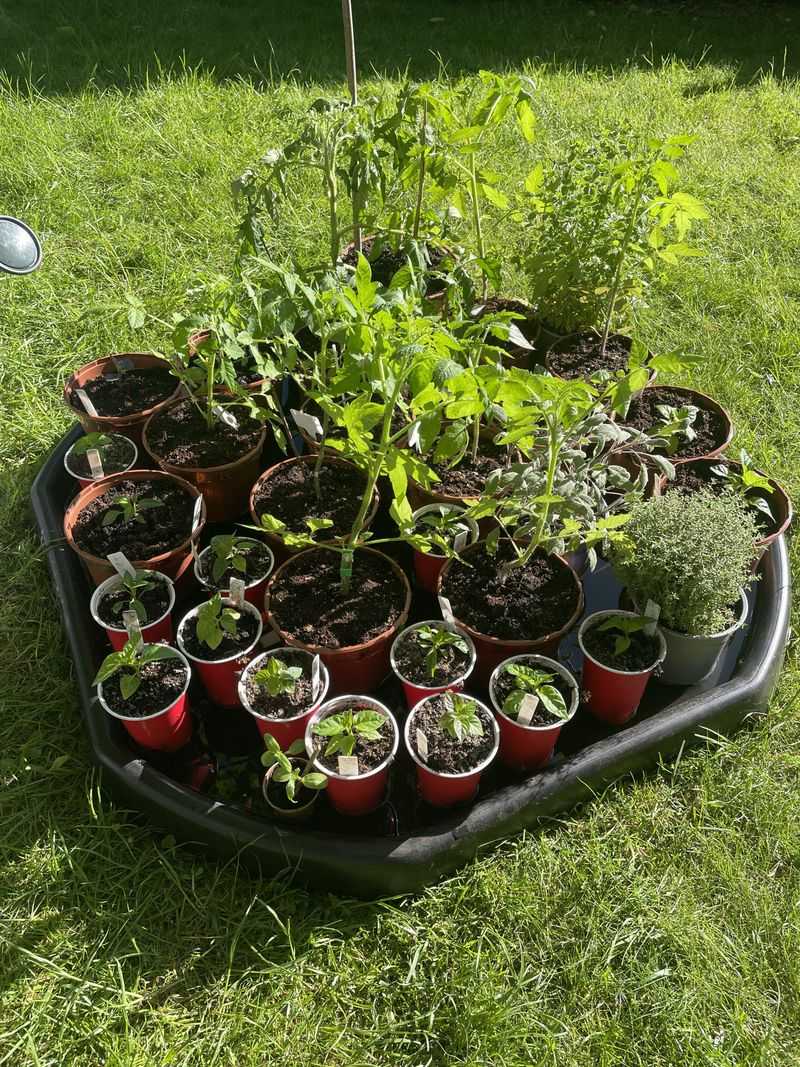
Grab a shallow container that’s wider than your seed tray but only about two inches deep. A baking pan, plastic storage bin lid, or nursery flat works perfectly.
Fill it with room temperature water to a depth of about one inch, then set your seed tray directly into the water. You want the water level to reach just below the surface of the soil in your tray, allowing it to wick upward through the drainage holes.
Watch your tray for about fifteen to thirty minutes. You’ll notice the soil surface gradually darkening as moisture moves upward through capillary action.
Once the top of the soil looks and feels slightly damp, lift your tray out of the water and let excess moisture drain away. The soil should feel evenly moist throughout but not waterlogged or dripping.
How often you bottom water depends on your specific Florida location and indoor conditions. South Florida gardeners might need to bottom water every two to three days, while North Florida seed starters might go four to five days between waterings during cooler months.
The key is checking soil moisture by touching the surface and feeling the weight of your tray.
Always use clean containers and fresh water for each watering session. Standing water can harbor bacteria and fungal spores that spread to your seedlings.
After each use, dump out the water, rinse your container, and let it dry completely. This simple hygiene step prevents disease problems that can wipe out entire trays of seedlings in Florida’s warm, humid conditions.
Signs Your Seedlings Are Getting Too Much Water
You lift your seed tray and it feels surprisingly heavy, like it’s holding more water than soil. When you press gently on the soil surface, water actually pools around your finger.
These are clear signals that your seedlings are sitting in too much moisture, even with bottom watering. Florida’s humidity makes it easy to overdo it because the soil takes longer to dry out than you might expect.
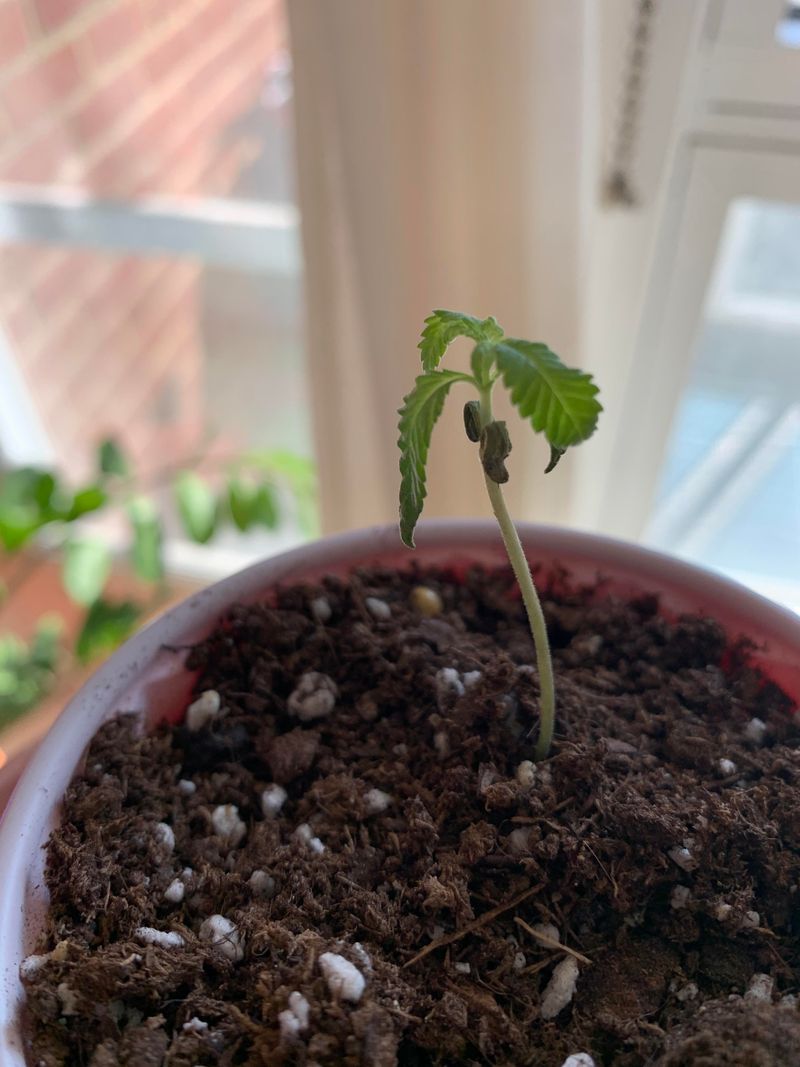
Look closely at your emerging seedlings and you might notice stems that look thin and pale instead of sturdy and green. Leaves may appear yellowish or translucent rather than vibrant.
Some seedlings might suddenly topple over at the soil line, a classic symptom of damping-off disease that thrives in waterlogged conditions. You might also see algae growth on the soil surface, appearing as a greenish film or crust.
The smell test works too. Soil that’s too wet develops a sour or musty odor instead of the fresh, earthy scent of properly moistened potting mix.
If you notice any of these signs, let your trays dry out more between bottom watering sessions. Skip a watering day or two and make sure your growing area has good air circulation.
A small fan running on low speed near your seed trays helps move humid air away and speeds up surface drying without stressing seedlings. This is especially helpful in South Florida where indoor humidity stays high even with air conditioning.
Proper airflow works hand in hand with bottom watering to create the ideal environment for strong, healthy seedling development.
Other Small Changes That Make Florida Seedlings Grow Stronger
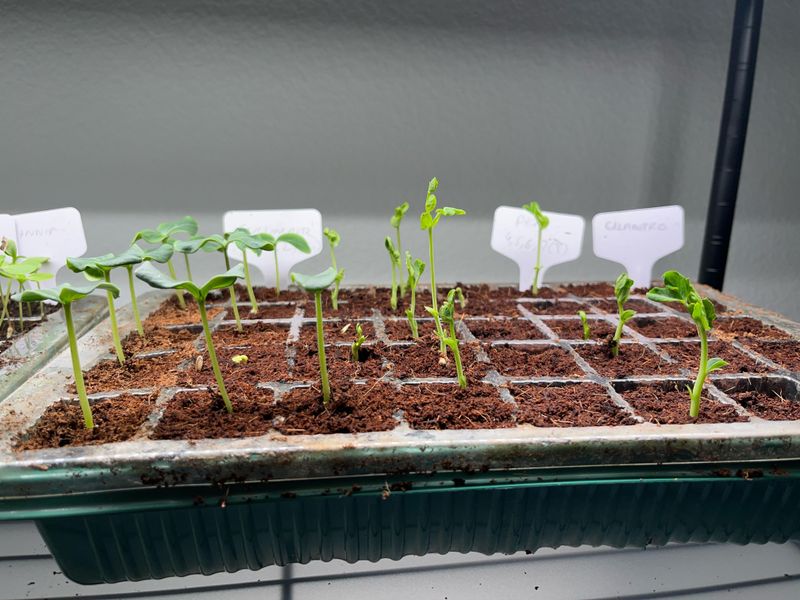
Bottom watering solves the biggest moisture management challenge, but a few other adjustments help Florida seedlings develop into transplant-ready plants. Adding a small oscillating fan to your seed-starting area makes a noticeable difference in seedling health.
Gentle air movement strengthens stems, reduces humidity around leaves, and helps prevent fungal problems that plague Florida growers. Set the fan on its lowest setting and position it to create a light breeze rather than a strong wind.
Lighting matters more than many Florida gardeners realize. Windowsill light often isn’t strong enough to produce sturdy seedlings, especially during our frequent cloudy periods.
Invest in basic LED grow lights positioned about four to six inches above your trays. Strong light encourages compact, robust growth instead of the tall, spindly seedlings that result from insufficient lighting.
Temperature control helps too. Most vegetable seeds germinate best between seventy and eighty degrees, which is easy to achieve in Florida homes.
But once seedlings emerge, slightly cooler temperatures around sixty-five to seventy-five degrees produce stockier plants. Central and North Florida gardeners can sometimes use unheated sunrooms or covered porches during mild weather to provide these cooler conditions.
Finally, resist the urge to keep dome covers on too long. Remove humidity domes as soon as most seeds have sprouted.
Continued high humidity around young seedlings increases disease risk in Florida’s already-moist environment. Your seedlings will develop stronger, more resilient growth when exposed to normal indoor air conditions from an early stage.
When Florida Gardeners Should Transplant Seedlings Outdoors
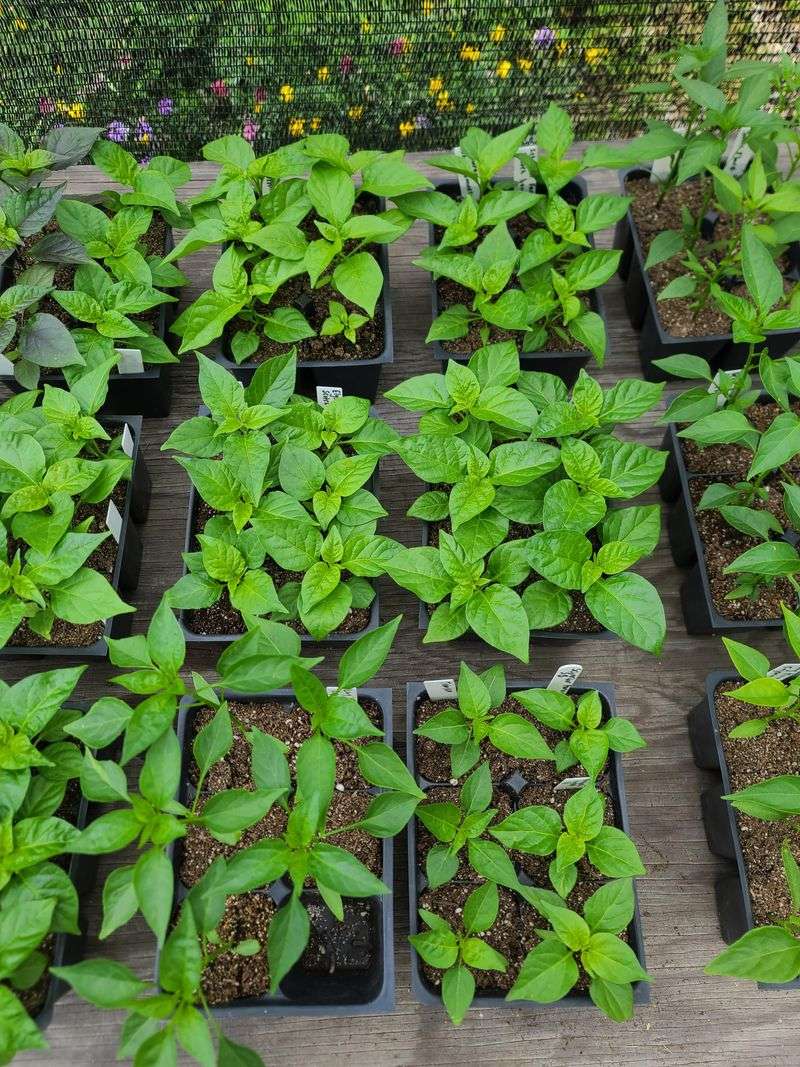
Your seedlings have developed their first set of true leaves and they’re growing strong thanks to bottom watering and good care. Now you’re wondering when it’s safe to move them outside into Florida’s intense sun and variable weather.
This transition, called hardening off, requires more attention in Florida than in cooler climates because our sun is fierce and our afternoon thunderstorms can pummel tender plants.
Start the hardening-off process about seven to ten days before your planned transplant date. Place your seedlings outside in a shaded, protected spot for just an hour or two on the first day.
Gradually increase their outdoor time and sun exposure over the following week. South Florida gardeners should be especially cautious about direct sun exposure, starting seedlings in deep shade and moving them to dappled light before full sun.
Watch weather forecasts carefully. Avoid transplanting right before predicted heavy rain or temperature spikes.
In North Florida, transplant cool-season crops like tomatoes and peppers after the last frost date, typically late February through March. Central Florida gardeners can often transplant these same crops in mid-February.
South Florida growers should have warm-season seedlings in the ground by late February or early March before summer heat arrives.
The Florida-Friendly Landscaping Program recommends transplanting on cloudy days or in late afternoon to reduce transplant shock. Water your seedlings well before moving them, and keep the soil consistently moist for the first week after transplanting.
Strong seedlings started with bottom watering establish faster and handle Florida’s challenging outdoor conditions much better than weak, poorly started plants.