Most Florida Gardeners Are Making These Raised Bed Soil Mistakes
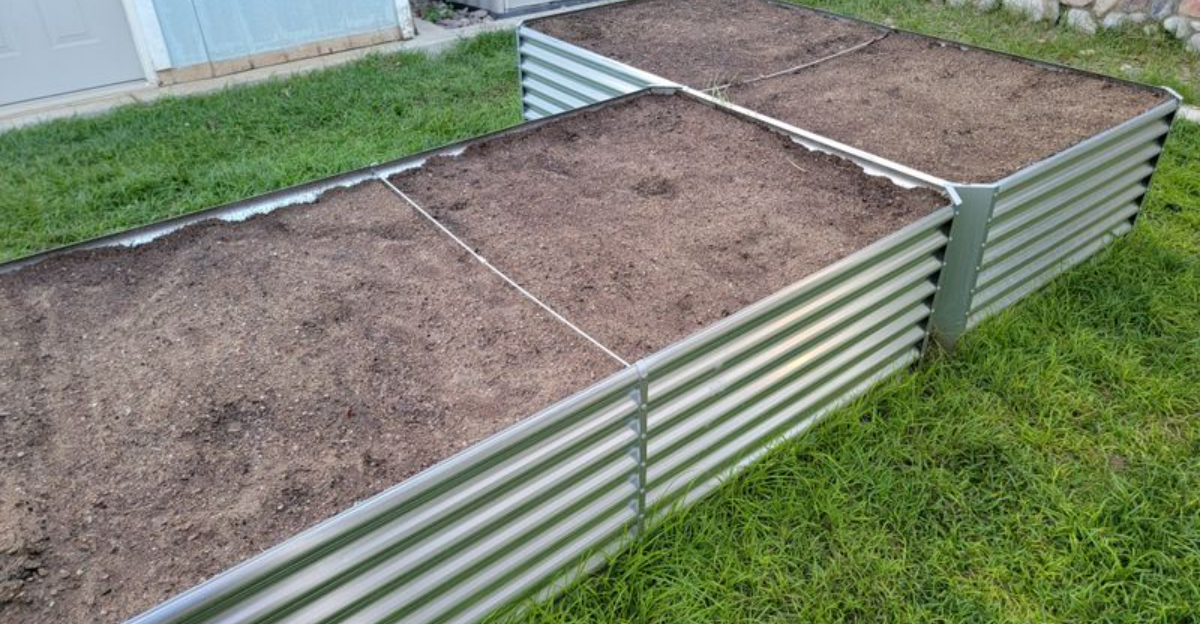
The raised bed looked perfect at first. Fresh soil, healthy seedlings, everything set up “the right way.”
Then the wilting started. Afternoon storms left puddles behind. Tomatoes stalled. Lettuce collapsed in the heat.
And no matter how much watering or fertilizing happened, nothing seemed to fix it.
This is happening to Florida gardeners every single season, often without realizing the real cause. It is not pests.
It is not bad seed. It is not even the weather.
The problem usually starts before the first plant ever goes into the ground. One overlooked decision can quietly sabotage the entire bed.
If a raised garden has been underperforming, there is a reason and it is closer than most people think.
1. Using Straight Bagged “Garden Soil” Without Improving Drainage
You grabbed bags labeled garden soil at the store, filled your new raised bed to the top, and watered everything in with high hopes. A week later, after Florida’s typical afternoon thunderstorm, you notice water pooling on the surface and your seedlings looking pale and stunted.
Many inexpensive bagged garden soil blends contain fine-textured materials like composted fines or loam that are designed for in-ground beds in cooler or drier climates, not Florida’s heavy rain cycles.
When that dense soil gets saturated, it holds water like a sponge in a bucket. Your plant roots need oxygen just as much as moisture, and compacted wet soil suffocates them quickly.
South Florida gardeners see this mistake most often because storms can drop one to two inches of rain in a short period, and heavy soil just can’t drain fast enough.
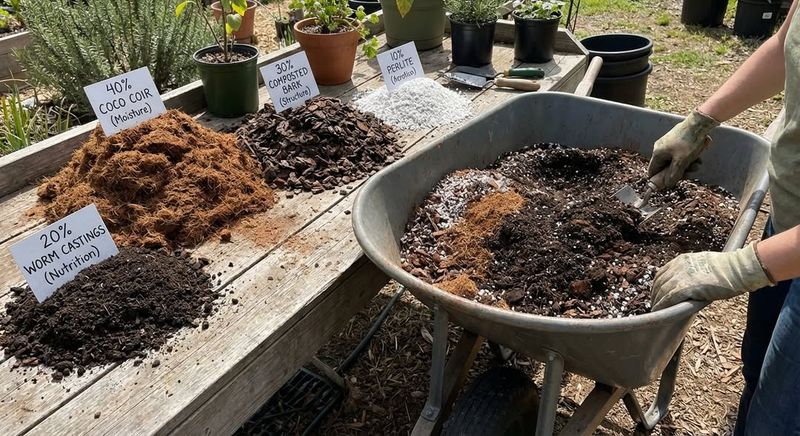
The fix involves mixing coarse materials into your bagged soil before planting. Add perlite, coarse vermiculite, or pine bark fines at a ratio of about one part amendment to three parts soil.
You’ll notice water moving through the bed instead of sitting on top, and your plants will respond with stronger root growth and better color within two weeks of replanting in the improved mix.
2. Filling Beds With Native Sandy Soil Only
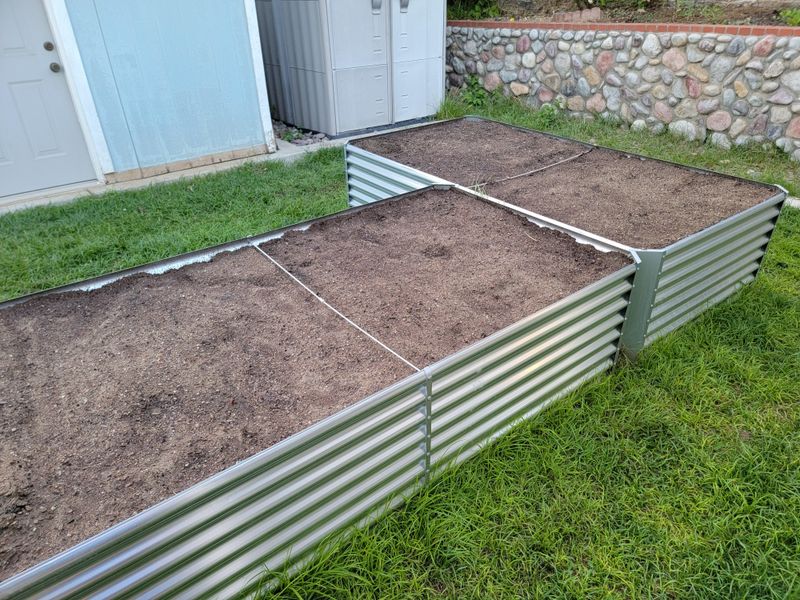
Scooping up the sandy soil already in your yard seems like the easiest and cheapest way to fill a raised bed. You might think elevation alone solves drainage problems, so why buy expensive soil when free sand sits right there?
Central Florida gardeners make this choice frequently because the native ground feels so light and drains so fast that it must be perfect for vegetables.
Pure sand drains too quickly and holds almost no nutrients or moisture. Your fertilizer washes straight through with the first watering, and by mid-morning your plants show stress even though you watered at dawn.
Sand particles are large and don’t bind together, so organic matter and nutrients just slide past the roots before plants can use them.
University of Florida IFAS Extension recommends blending sand with at least 30 percent compost and some peat moss or coconut coir to create structure. This combination gives you the drainage Florida plants need while holding enough moisture and nutrients to support steady growth.
Your Florida Garden Changes Every Week. Your Plan Should Too.
Gardening in Florida changes quickly throughout the season. Every Friday you’ll receive a simple weekly plan showing exactly what to plant, prune, fertilize, harvest, and protect so you never miss the right timing.
After you rebuild your bed with this balanced mix, you’ll see plants stay hydrated longer and respond more predictably to fertilizer applications throughout the season.
3. Skipping Organic Matter In Raised Bed Mixes
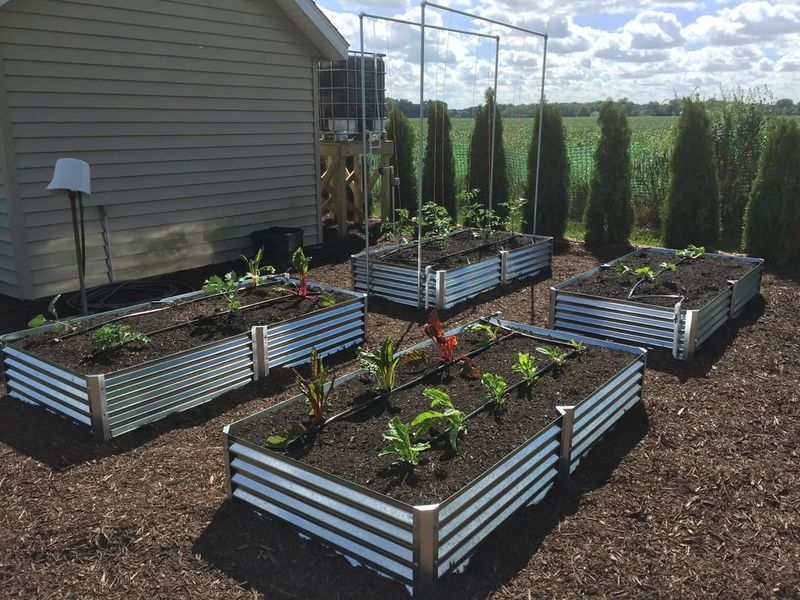
Your soil mix looked fine when you bought it, a blend of topsoil and sand that drained well and seemed ready to grow anything. But after a few weeks, the soil level dropped noticeably, and your plants never developed the lush growth you expected.
Without organic matter, your raised bed soil behaves more like a parking lot than a living ecosystem.
Organic matter does more than feed plants. It creates tiny spaces in the soil that hold both air and water, supports beneficial microbes that break down nutrients, and slowly releases nitrogen and other minerals as it decomposes.
Florida’s heat speeds up decomposition, so organic matter breaks down faster here than in cooler states, making it even more important to start with enough.
Aim for at least 25 to 30 percent compost, aged manure, or composted leaves in your initial bed mix.
North Florida gardeners can use slightly less because cooler winters slow decomposition, but South Florida beds need closer to 35 percent because year-round warmth burns through organic material quickly.
Once you add this foundation, your soil will feel softer, hold moisture more evenly, and support healthier root systems that produce more consistent harvests season after season.
4. Overloading Beds With Fresh Compost
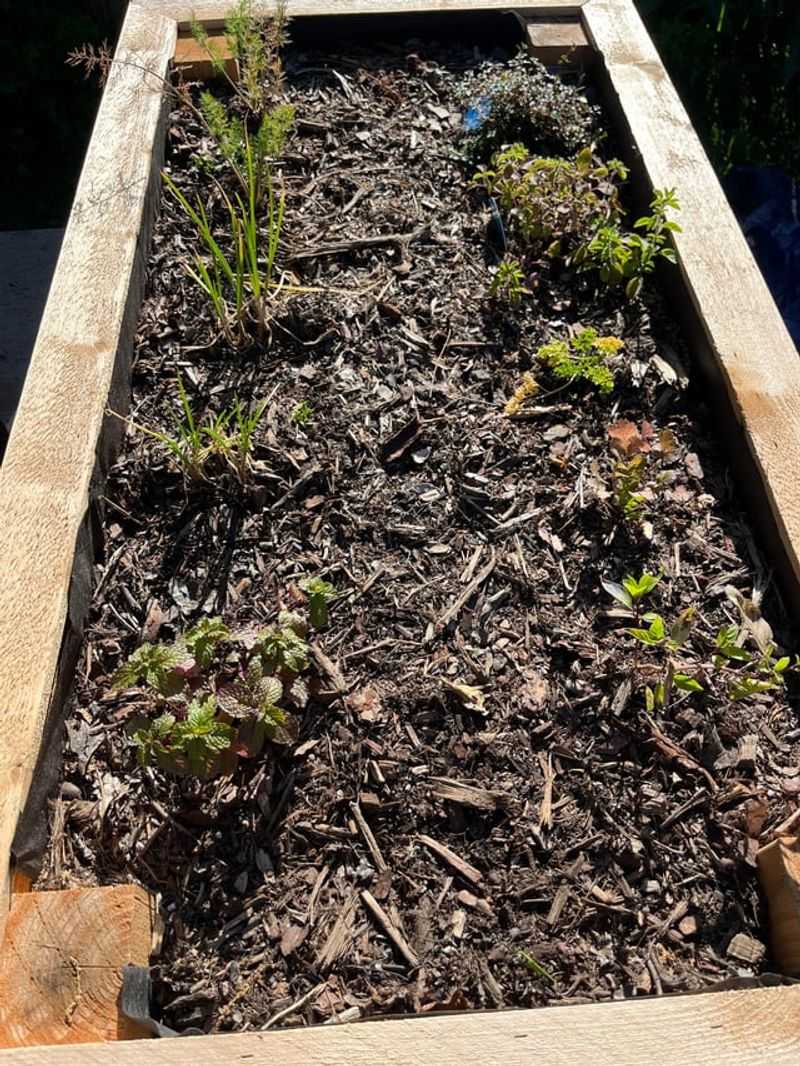
Compost is good for plants, so more must be better, right? You filled your raised bed with nearly pure compost, excited to give your vegetables the richest possible start.
But your seedlings grew tall and floppy, leaves turned dark green, and fruit production disappointed you even though the plants looked huge and healthy.
Very rich or improperly finished compost can release nitrogen unevenly, pushing plants to grow excessive foliage at the expense of flowers and fruit. Too much nitrogen also makes plants more attractive to pests and more vulnerable to disease because their cell walls stay soft and tender.
Compost-heavy mixes also settle and lose structure over time, especially after Florida’s heavy rains, reducing the air pockets roots need to thrive.
Balance is what your beds really need. Mix compost with topsoil, coconut coir, and a drainage amendment like perlite to create a blend that feeds plants steadily without overwhelming them.
A good starting ratio is one part compost, one part topsoil or coconut coir, and one part coarse drainage material. After switching to this balanced approach, you’ll notice stronger stems, better flowering, and more abundant vegetable production because your plants can focus energy where it matters most instead of just making leaves.
5. Using Topsoil That Compacts After Heavy Rain
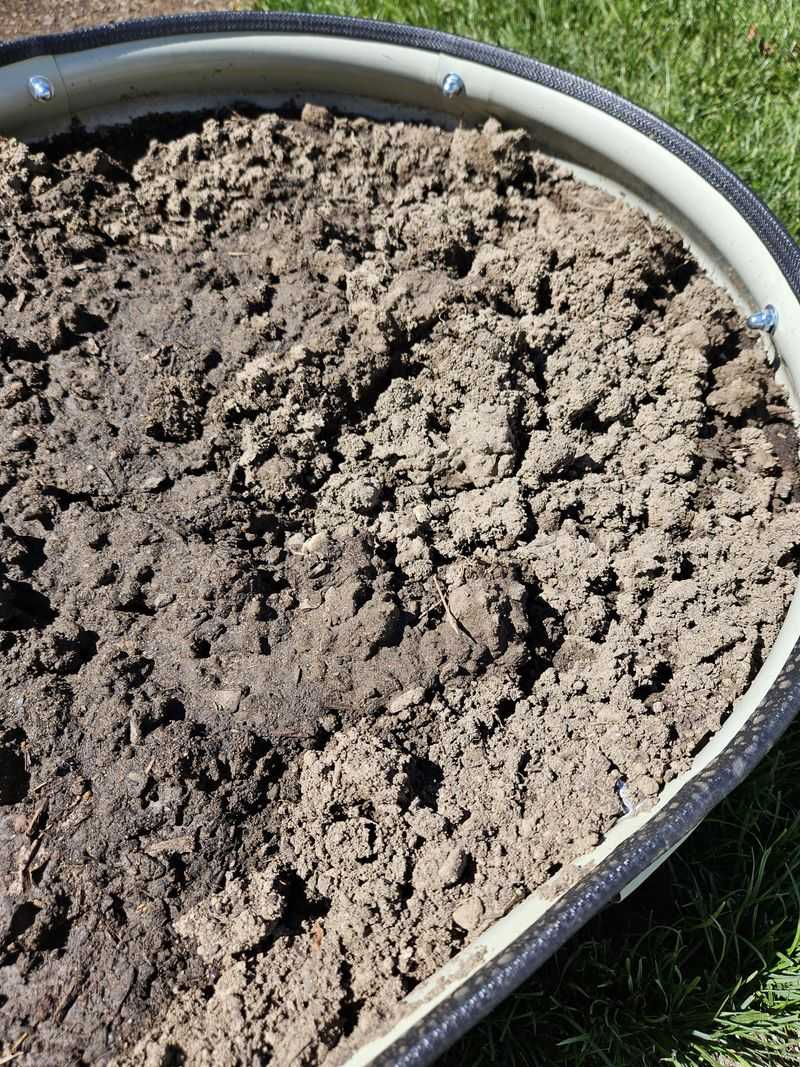
The topsoil you ordered looked perfect when it arrived, dark and crumbly and easy to spread. You filled your beds, planted your seeds, and watered everything in carefully.
Then the first big storm rolled through, and the next morning your soil surface felt hard and crusty, with water still standing in low spots even hours after the rain stopped.
Many bulk topsoils contain clay or fine silt that binds tightly when wet and then hardens as it dries. Florida’s cycle of drenching rain followed by hot sun turns this type of soil into something closer to concrete.
Your plant roots can’t push through compacted soil, and water can’t penetrate evenly, leaving some areas too wet and others bone dry just inches away.
Before buying topsoil, ask the supplier about texture and test a small amount by wetting it and letting it dry. Good raised bed topsoil should crumble easily even after drying and should never form a hard crust.
If you already have compacted topsoil in your beds, work in coarse compost, pine bark fines, and perlite to break up the density. Your beds will drain more evenly, roots will spread more freely, and you’ll spend less time fighting with soil that behaves more like clay than growing medium.
6. Not Adding Water-Retaining Ingredients For Florida Heat
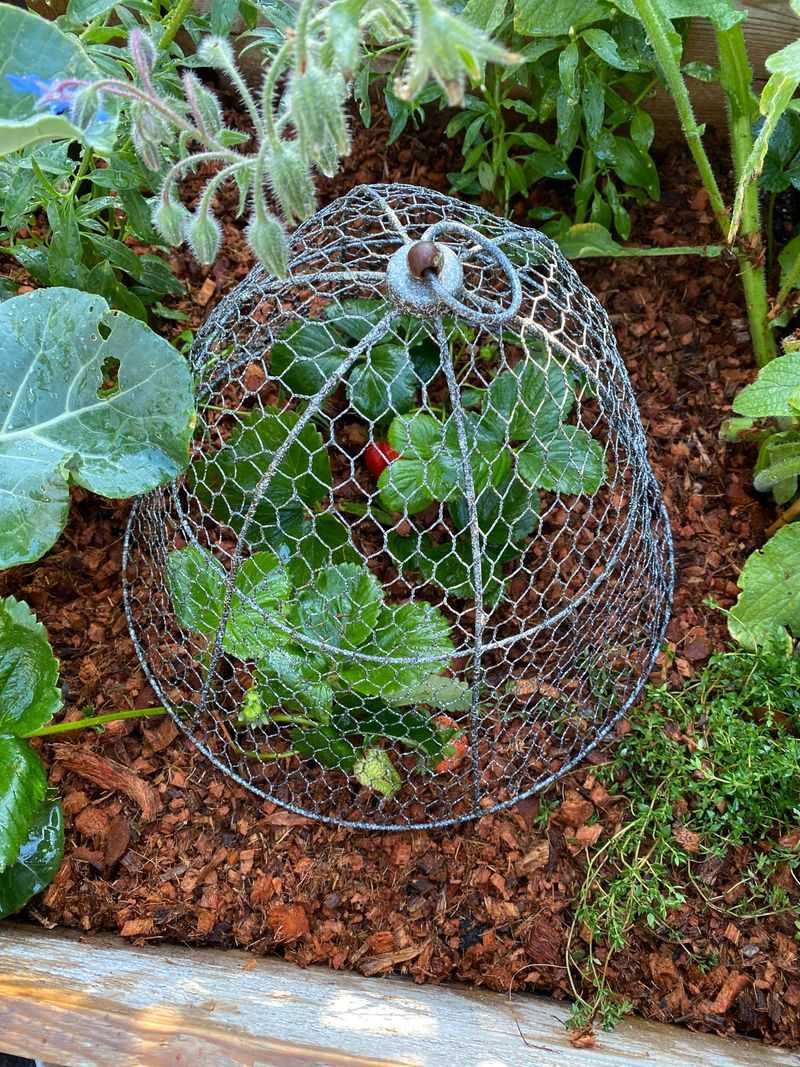
What if that “perfect” drainage is actually the problem? By noon on a sunny day, your soil feels dry three inches down even though you watered thoroughly at sunrise.
Your peppers and tomatoes wilt every afternoon, and you find yourself watering twice a day just to keep plants from looking stressed. Fast drainage is important in Florida, but so is holding enough moisture to carry plants through brutal summer heat.
Sandy soil and coarse amendments move water quickly, which prevents root rot but also means nutrients wash away and plants dry out faster than they can recover. Central and South Florida summers hit 95 degrees with intense sun that pulls moisture from soil faster than most gardeners realize.
Without water-retaining ingredients, your raised beds become high-maintenance and your plants stay stressed.
Coconut coir and vermiculite both improve water retention without making soil soggy, though coir and compost provide longer-lasting structure. Mix them into your bed at about 10 to 15 percent of total volume, along with finished compost that also holds moisture.
Peat moss works too, but coconut coir is more sustainable and performs better in Florida’s heat. After adding these ingredients, you’ll notice soil stays evenly moist longer, plants look healthier through midday heat, and you can water less frequently while still getting better growth and more consistent vegetable production.
7. Forgetting To Refresh Soil Between Seasons
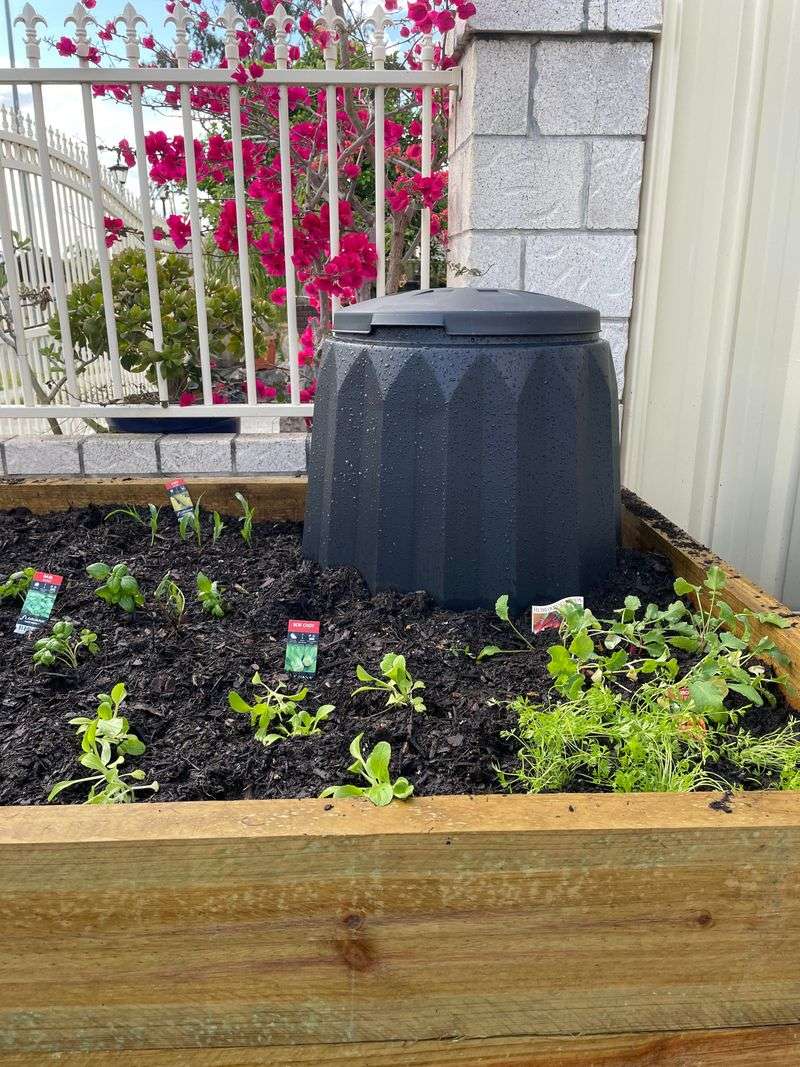
You planted spring tomatoes in your raised bed, then summer squash, then fall greens, all in the same soil without adding anything new. Each season your plants performed a little worse, grew a little slower, and produced less than the season before.
Soil in a raised bed isn’t a permanent resource; it gets used up faster than ground soil because it’s confined and worked harder.
Every crop pulls nutrients from the soil, and Florida’s heavy rains leach away even more. Organic matter decomposes quickly in our heat, so the soil structure that held moisture and air gradually disappears.
By the third or fourth crop, your bed might look full but the soil has lost the living quality that made it productive. Root systems stay shallow, plants yellow easily, and pests seem more attracted to your stressed vegetables.
Between each major planting season, add two to three inches of fresh compost and work it into the top six inches of your bed. If the soil level has dropped significantly, top off with a balanced mix of compost, coconut coir, and a drainage amendment.
North Florida gardeners can refresh twice a year, but South Florida beds benefit from smaller additions every planting cycle because year-round growing depletes soil faster. After you start refreshing regularly, your beds will produce more consistently and your plants will show the vigorous growth that comes from soil that’s alive and well-fed.
8. Over-Fertilizing New Raised Beds
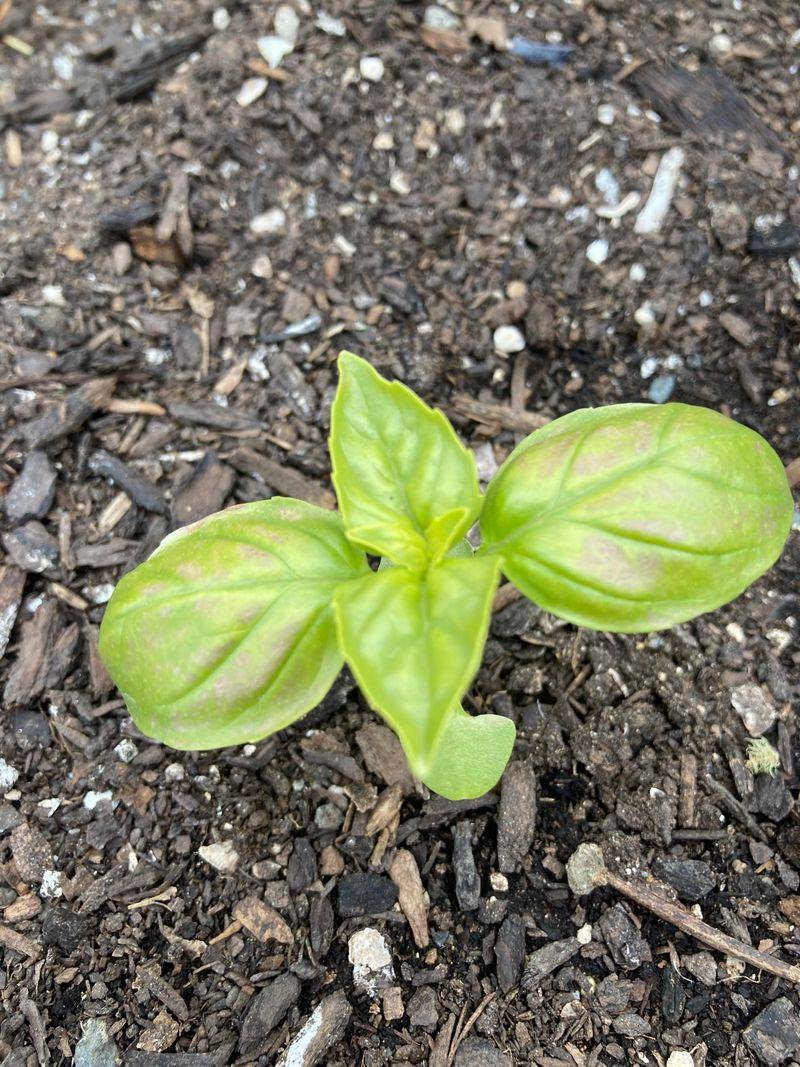
New raised bed soil already contains compost and nutrients, but if you wanted to give your plants the best possible start, you probably added a heavy dose of fertilizer at planting time. A few days later, your seedlings looked burned around the leaf edges, some wilted even though the soil stayed moist, and growth just stopped.
More fertilizer doesn’t mean better growth, especially in a new bed that’s already rich.
Excess synthetic fertilizer salts build up quickly in raised beds because the confined space concentrates everything. Too much nitrogen burns tender roots, and high salt levels pull moisture out of plant cells instead of feeding them.
Florida’s intense sun and heat make fertilizer burn even worse because plants are already stressed and less able to tolerate chemical imbalances in the soil.
When you first fill a raised bed with a good balanced mix, skip fertilizer entirely for the first few weeks. Let your plants settle in and start growing, then apply a light dose of balanced organic fertilizer once you see active new growth.
University of Florida IFAS Extension recommends starting with half the label rate and increasing only if plants show signs of nutrient deficiency like yellowing older leaves. Once you stop over-fertilizing, your plants will develop stronger root systems, healthier foliage, and better overall resilience to Florida’s challenging growing conditions throughout the season.
9. Ignoring Soil Depth Requirements
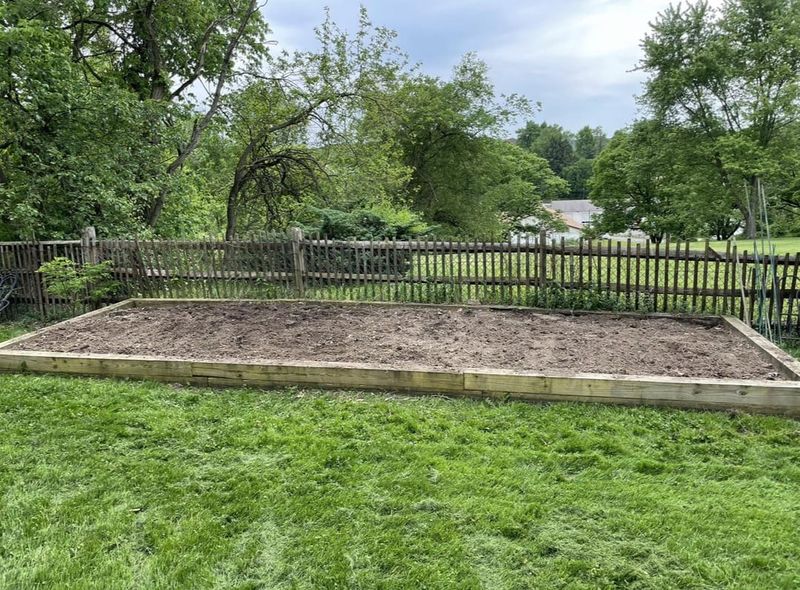
A raised bed might look deep enough, maybe eight inches of soil, so gardeners think that’s plenty for any vegetable. But if your tomatoes stayed small, your carrots grew short and twisted, and your beans never really took off even though everything else seemed right, now you know the culprit.
Shallow soil limits root growth, and limited roots mean limited plants no matter how perfect the soil quality might be.
Different vegetables need different root depths to thrive. Tomatoes, peppers, and squash need at least 12 inches of soil to develop the deep roots that support heavy fruiting.
Root vegetables like carrots and beets need 12 to 18 inches of loose soil to grow straight and full-sized. Even leafy greens perform better with 8 to 10 inches because deeper soil stays more evenly moist and provides more nutrients.
Shallow beds dry out faster in Florida heat and give roots nowhere to go when they hit the bottom.
Before building or filling your raised beds, plan for at least 12 inches of soil depth for most vegetables, and 18 inches if you want to grow root crops or large fruiting plants. If your existing beds are too shallow, you can add a second layer of boards to increase depth or mound soil toward the center to create deeper zones for heavy feeders.
Once your plants have adequate root space, you’ll see bigger growth, better stress tolerance, and significantly improved harvests because roots can do what they’re designed to do.
10. Letting Beds Dry Out Completely Between Waterings
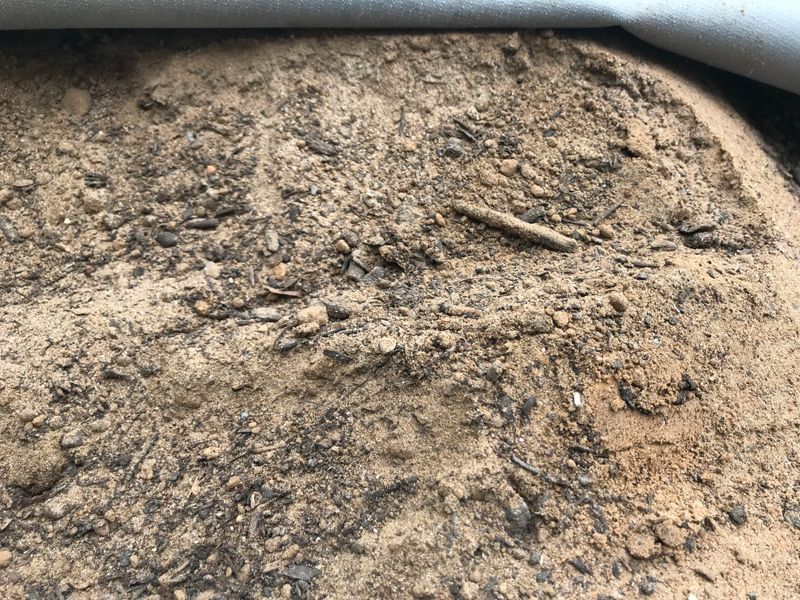
You water your raised beds thoroughly, then wait until the soil feels dry before watering again because you’ve heard that overwatering causes root rot. But your plants look stressed more often than not, and growth seems to start and stop instead of staying steady.
Letting raised bed soil dry out completely between waterings might prevent root rot, but it also prevents consistent growth and damages the living soil ecosystem you’re trying to build.
When soil dries completely, beneficial microbes go dormant or perish, organic matter stops breaking down, and plant roots experience stress that slows growth even after you water again. Florida’s heat makes this cycle even more damaging because soil temperatures spike when moisture disappears, essentially cooking the root zone.
Each dry-down and re-wet cycle also causes soil to shrink and crack, which damages fine feeder roots and creates uneven moisture distribution.
Your goal should be keeping soil evenly moist, not wet and not bone dry. Check moisture three to four inches down by sticking your finger into the soil, and water when it feels barely damp instead of waiting for dryness.
Mulching the soil surface with straw or shredded leaves also helps maintain even moisture by slowing evaporation. Once you keep your beds consistently moist, you’ll notice plants grow more steadily, produce more abundantly, and handle Florida heat with much less stress because their roots stay healthy and active all season long.