7 Plants Florida Gardeners Should Move In February (And 5 That Can Stay Put)
February in Florida feels like the garden’s turning point. Days are getting longer, soil is warming up, and plants are quietly shifting from winter rest into active growth.
This is the moment when moving the right plants can jumpstart blooms, boost harvests, and prevent stress before spring heat arrives. It is also the time when moving the wrong ones can undo months of progress in just a few days.
Some plants thrive when given more sun, fresh air, and outdoor exposure right now. Others need stability to finish their season strong.
Knowing the difference can save money, protect your plants, and set your landscape up for success. If your garden feels ready for a refresh, this February checklist will help you decide what to move, what to leave alone, and how to make the most of Florida’s early growing season.
1. Orchids (Bright Shade Outdoors)
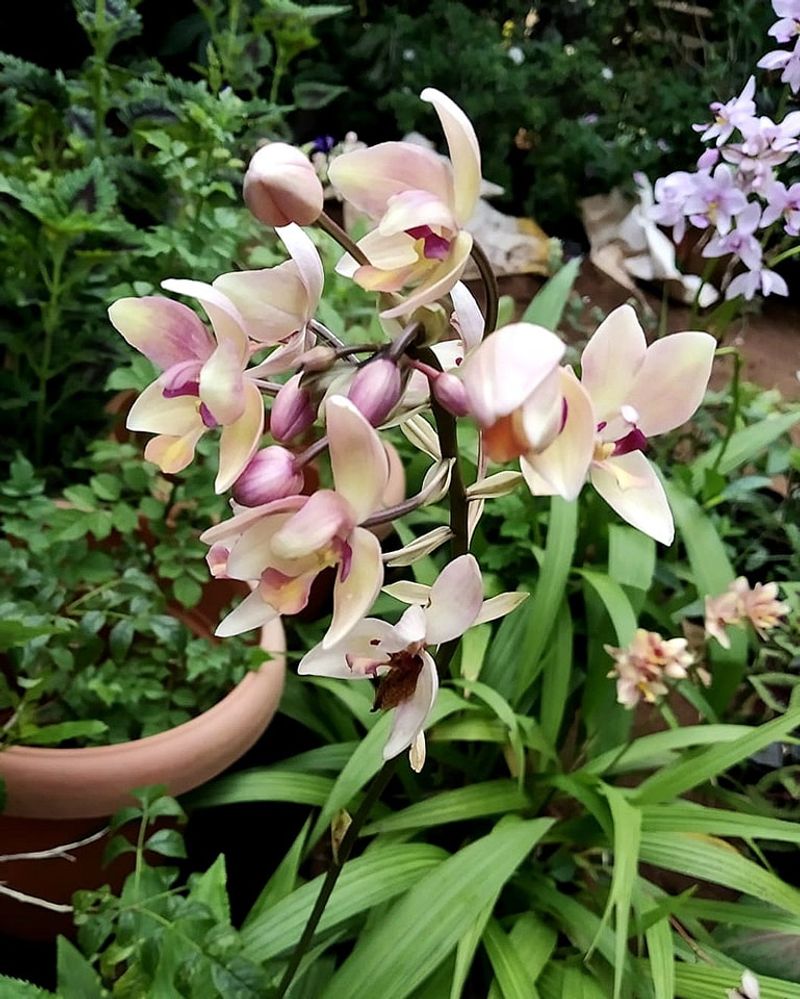
Walk onto your porch on a February morning and you might notice the sun feels softer yet more persistent. This shift in light quality makes it the ideal moment to move your orchids from indoor windowsills to bright outdoor shade.
Orchids thrive when they receive filtered morning light and gentle airflow, conditions that Florida patios naturally offer in late winter.
Many gardeners keep orchids indoors year-round, not realizing that February’s moderate temperatures and increasing daylight hours create perfect acclimation conditions.
Moving them too early risks cold damage, while waiting until March can expose them to sudden heat spikes.
Start by placing your orchids under a covered porch or beneath a tree canopy where they get dappled light. Watch for new root tips appearing silvery green, a sign your orchid is adjusting well.
North Florida gardeners should monitor overnight lows and be ready to bring orchids inside if temperatures dip below 50 degrees.
Central and South Florida gardeners can often leave them out permanently by mid-February, enjoying the humidity and natural light that encourage blooming cycles to strengthen and extend beautifully.
2. Tropical Houseplants (Away From Direct Window Sun)
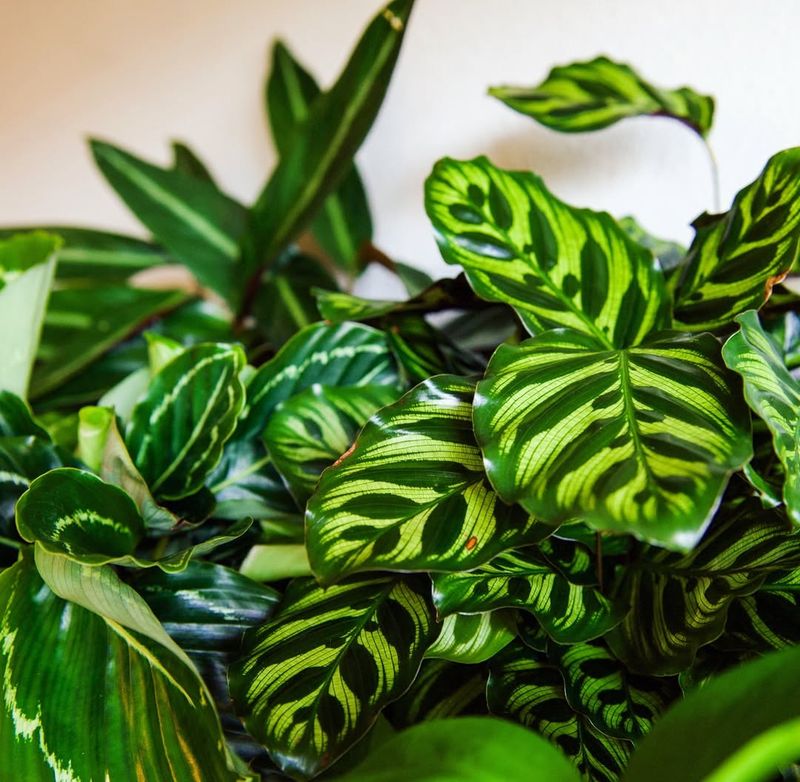
Your pothos and philodendrons have survived winter just fine on that south-facing windowsill, but February sunlight behaves differently. As the sun climbs higher in the sky, direct rays become more intense, and plants that tolerated winter window placement can suddenly show crispy brown leaf edges.
Tropical houseplants like monstera, snake plants, and peace lilies prefer consistent bright indirect light rather than harsh direct exposure. February is the month to pull them back a few feet from windows or move them to east-facing locations where morning light is gentler.
Many Florida gardeners overlook this seasonal adjustment, assuming indoor plants can stay put year-round.
Repositioning your houseplants now prevents sunburn and stress that weakens growth heading into spring. Watch for leaves turning pale yellow or developing bleached patches, both signs of too much direct sun.
In South Florida especially, where February sunshine is already strong, moving houseplants away from intense afternoon windows protects their lush foliage. Central and North Florida gardeners should make similar adjustments as daylight extends, ensuring your indoor jungle stays healthy and vibrant through the warming months ahead.
Your Florida Garden Changes Every Week. Your Plan Should Too.
Gardening in Florida changes quickly throughout the season. Every Friday you’ll receive a simple weekly plan showing exactly what to plant, prune, fertilize, harvest, and protect so you never miss the right timing.
3. Pepper Seedlings (Shaded Outdoor Hardening Area)
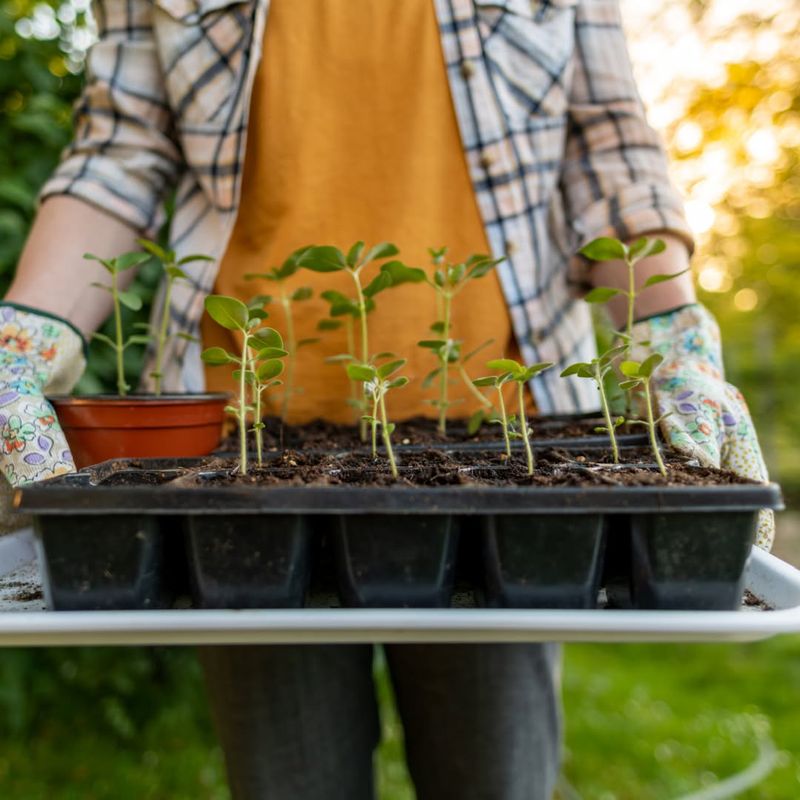
Those pepper seedlings you started indoors under grow lights are ready for their first taste of real Florida weather. February offers the perfect window to begin hardening off peppers, gradually introducing them to outdoor conditions without shocking their tender leaves.
Hardening off means moving seedlings to a shaded outdoor spot for a few hours each day, slowly increasing their exposure to natural light, wind, and temperature fluctuations. Many gardeners rush this process and end up with wilted, sunburned seedlings that struggle to recover.
Start by placing pepper seedlings in a shaded patio corner or under a porch overhang where they receive bright indirect light but no direct sun.
After three or four days, move them to a spot with morning sun for an hour, then gradually extend their time outdoors. North Florida gardeners should watch for late cold snaps and be ready to bring seedlings inside overnight if frost threatens.
Central Florida gardeners can usually complete hardening off by late February, while South Florida gardeners often transition peppers outdoors earlier in the month. Properly hardened pepper seedlings develop stronger stems and adapt quickly once transplanted into garden beds.
4. Tomato Seedlings (Protected Outdoor Spot)
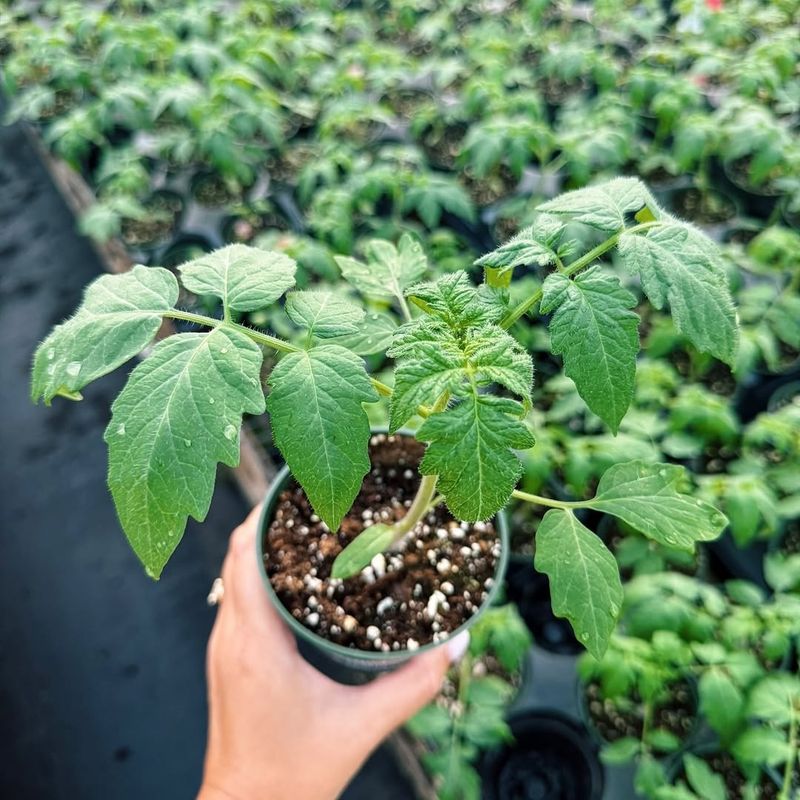
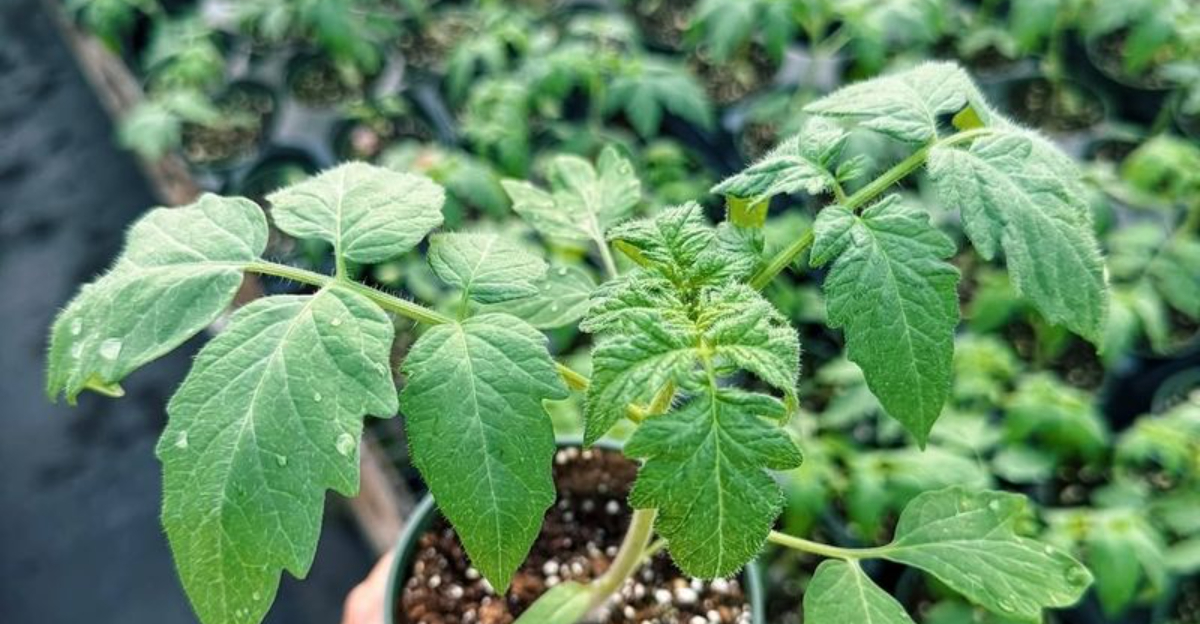
February afternoons in Florida bring that unmistakable warmth that makes you want to move everything outdoors. Your tomato seedlings are no exception, but they need a protected transition spot before heading into full garden beds.
Tomato seedlings benefit from gradual outdoor acclimation just like peppers, but they are still frost-sensitive and require extra attention to wind protection.
Choose a sheltered outdoor area such as a covered patio corner or alongside a south-facing wall where seedlings receive morning sun but stay shielded from strong afternoon breezes.
Wind can snap tender tomato stems and dry out leaves faster than seedlings can handle.
Start with short outdoor sessions of two to three hours in mild morning conditions, then bring seedlings back inside or into a garage. Over the course of a week, extend their outdoor time and increase sun exposure gradually.
North Florida gardeners should wait until the last frost date passes before leaving tomatoes out overnight, while Central Florida gardeners can often complete hardening by late February.
South Florida gardeners enjoy earlier planting windows and can transition tomatoes outdoors sooner, watching for new growth and sturdy stems that signal readiness for garden transplanting.
5. Potted Hibiscus (Full Sun Patio Or Yard Edge)
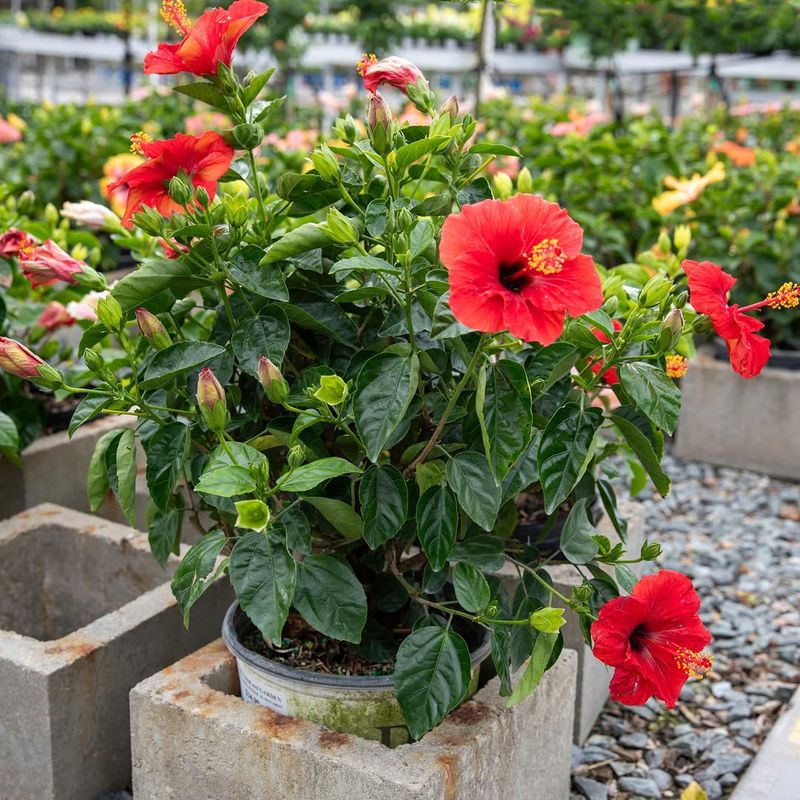
Hibiscus plants that spent winter in protected corners or near walls are ready to reclaim their sunny spots. February marks the time when potted hibiscus can move back to full sun locations without the risk of cold stress that plagued them in December and January.
Hibiscus thrives in bright, direct sunlight and rewards gardeners with abundant blooms when given six to eight hours of sun daily. Many gardeners keep hibiscus in partial shade longer than necessary, resulting in leggy growth and fewer flowers.
Moving your potted hibiscus to a full sun patio or yard edge now allows the plant to strengthen before the heavy blooming season arrives in spring.
Check your hibiscus for new leaf growth and small flower buds, both signs it is ready for relocation. Water thoroughly after moving to help roots adjust, and watch for any wilting in the first few days.
North Florida gardeners should still monitor overnight temperatures and be prepared to move pots closer to the house if a late freeze threatens. Central and South Florida gardeners can confidently place hibiscus in full sun by mid-February, enjoying the vibrant blooms that follow proper placement and timing adjustments.
6. Potted Citrus Trees (Sunny Outdoor Location)
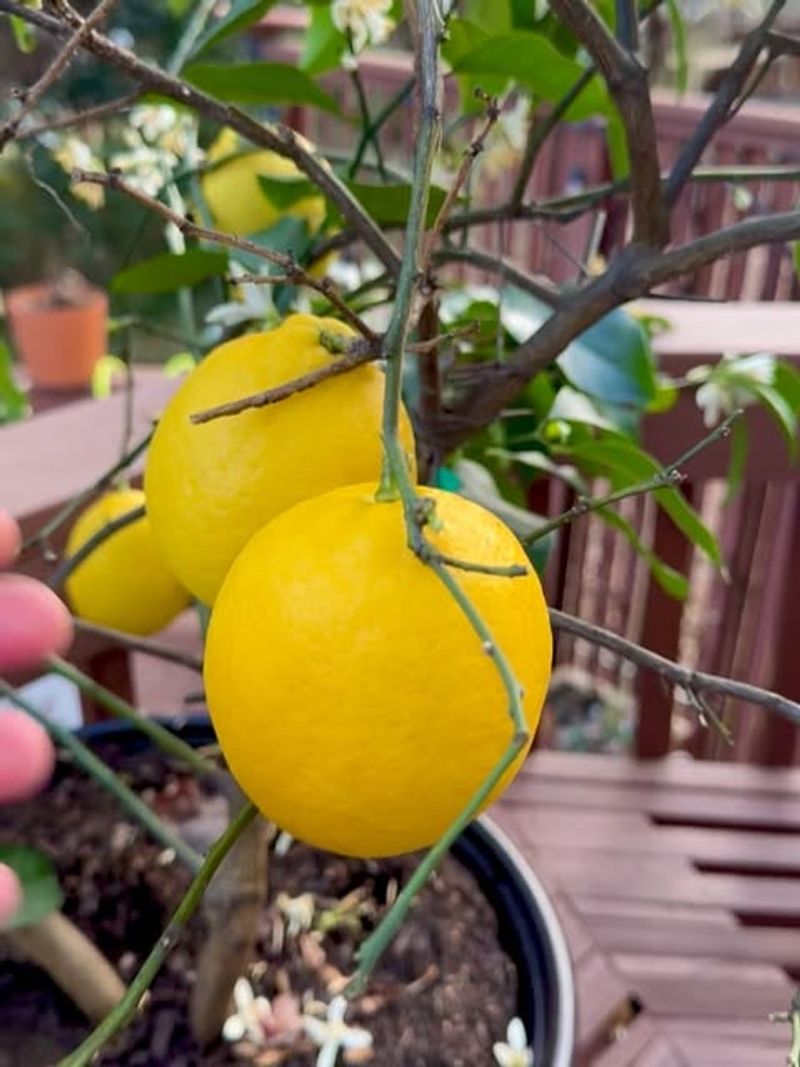
Your potted lemon or lime tree has been sitting near a garage or tucked under an eave since the first cold snap arrived. February is the month to move citrus back into full sun where it can soak up the strengthening rays and prepare for spring growth.
Citrus trees need abundant sunlight to produce fruit and maintain healthy foliage, and keeping them in protected shade too long weakens their structure and reduces yield. Look for new green shoots and fragrant white blossoms beginning to form, clear indicators your citrus is ready to transition outdoors.
Move your potted citrus to a sunny patio, driveway edge, or yard location where it receives at least six hours of direct sun daily.
Water deeply after relocating to help roots settle and support new growth. North Florida gardeners should keep an eye on weather forecasts and be ready to move citrus back to shelter if frost returns unexpectedly.
Central Florida gardeners can usually leave citrus out permanently by mid-February, while South Florida gardeners often skip winter protection entirely. Properly placed citrus trees reward you with fragrant blooms, healthy fruit set, and lush green leaves that signal your timing and care were spot on.
7. Plumeria (Bright Outdoor Area, Protected From Cold)
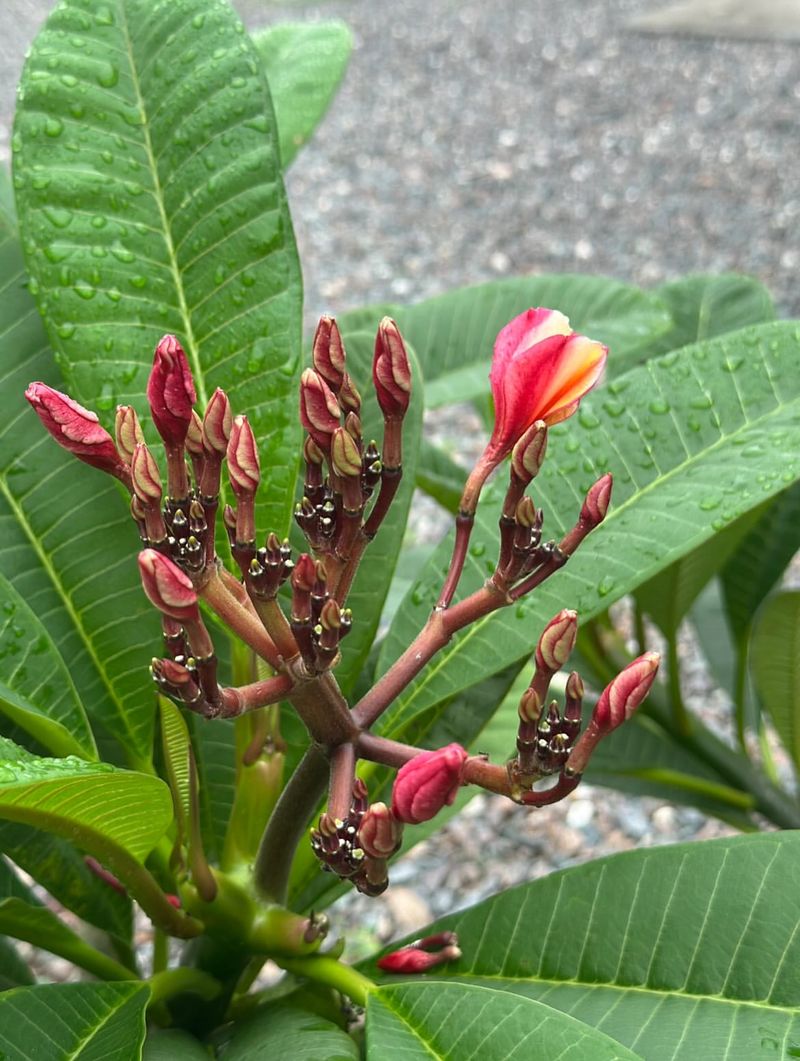
Plumeria plants often spend winter dormant indoors or in garages, their bare branches resting until warmer weather returns. February brings the first signs of life back to plumeria, with small leaf buds swelling at branch tips and signaling readiness for outdoor placement.
Plumeria thrives in bright outdoor locations with plenty of sun and warmth, but it remains sensitive to cold snaps that can damage emerging growth. Moving plumeria outdoors during warm February periods allows it to wake up gradually, benefiting from natural light and warmer daytime temperatures, but plants should be brought back inside during cold fronts.
Choose a bright patio spot or yard area that receives full sun but stays protected from cold north winds.
Watch for new leaves unfurling and stems thickening, both signs your plumeria is adjusting well. Water lightly at first, increasing frequency as growth accelerates and temperatures climb.
North Florida gardeners should keep plumeria movable, ready to bring it back inside if frost threatens. Central Florida gardeners can often leave plumeria out permanently by late February, while South Florida gardeners enjoy earlier placement and faster growth.
Properly timed outdoor transitions help plumeria develop strong stems, lush foliage, and those fragrant blooms that make Florida gardens unforgettable throughout the summer months.
8. Established Trees And Shrubs (Stay Put In-Ground)
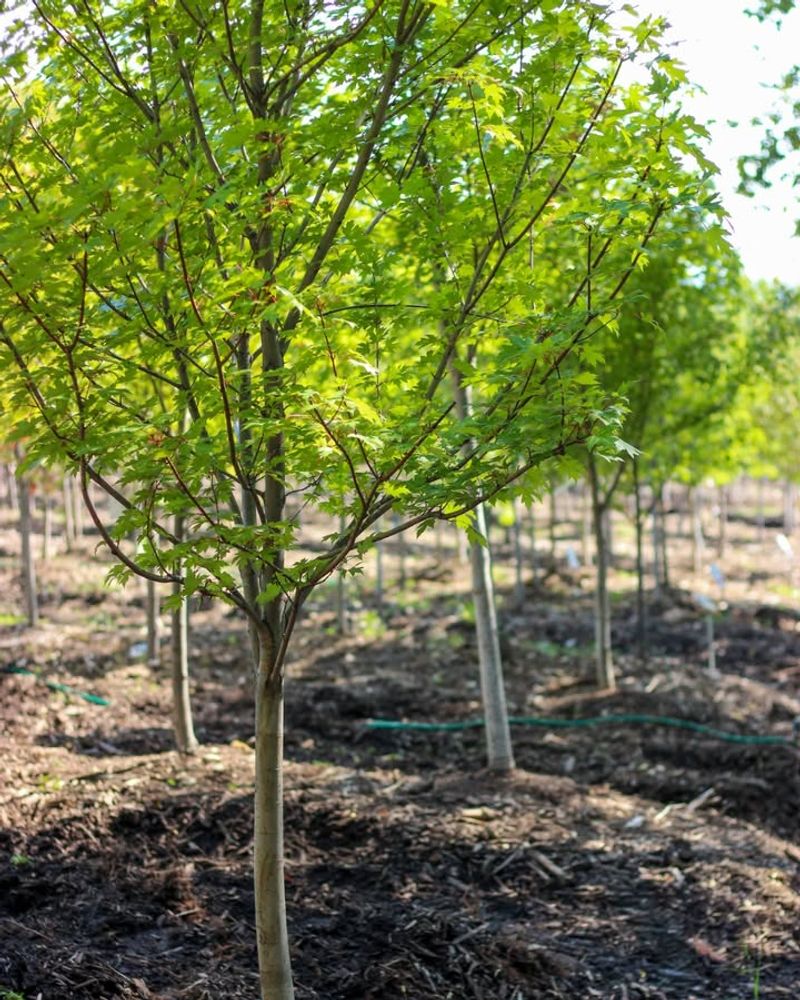
February might tempt you to rethink the placement of that oak tree or azalea shrub, but established woody plants should stay exactly where they are. Moving mature trees and shrubs once new growth begins disrupts root systems and stresses plants just as they prepare for spring growth.
Established plants have developed extensive root networks that anchor them and provide stability through seasonal changes. Digging them up once active growth begins causes root damage and transplant shock that weakens plants and delays growth for months.
Many gardeners assume cooler February weather makes it safe to relocate woody plants, but the energy plants invest in new root growth and budding foliage means they need stability, not disruption.
Instead of moving established trees and shrubs, focus on mulching around their bases and ensuring proper watering as temperatures warm. Watch for new leaf buds and flowering branches, signs your plants are thriving in their current locations.
North Florida gardeners should avoid any digging around established plants until fall, while Central and South Florida gardeners benefit from leaving woody plants undisturbed year-round. Respecting the root systems of established trees and shrubs helps them channel energy into healthy growth rather than recovery from unnecessary moves.
9. Cold-Season Vegetables (Stay Put In Garden Beds)
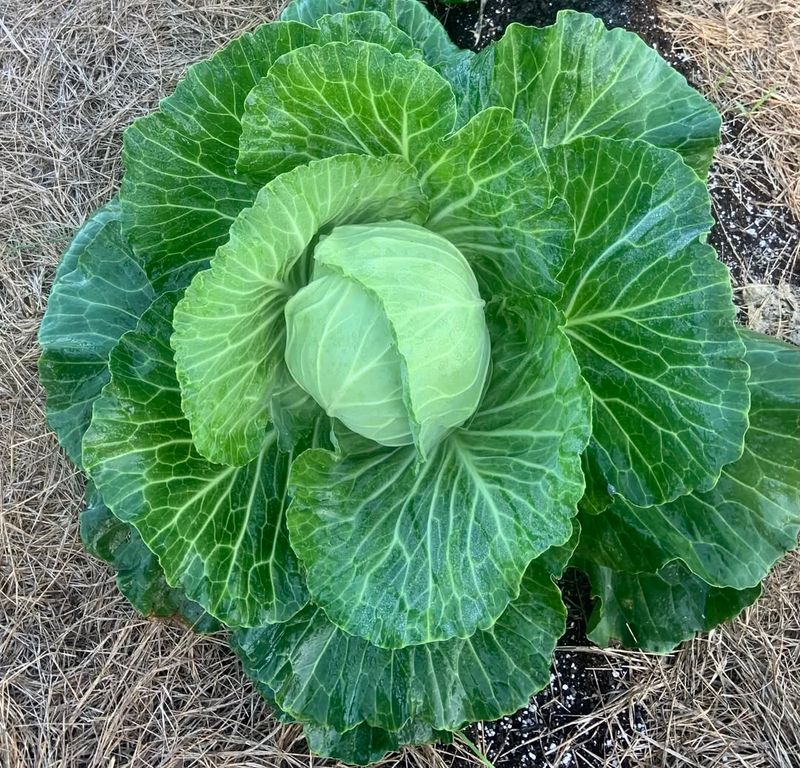
Your lettuce, broccoli, and kale are thriving in their garden beds, and February is no time to disturb them. Cold-season vegetables planted in fall or early winter are now at their peak production, and moving them would halt growth and reduce yields.
These vegetables thrive in cooler temperatures and are perfectly positioned to finish their growing cycles before Florida heat arrives. Transplanting them in February causes root disruption and wilting, wasting the months of growth they have already achieved.
Many gardeners mistakenly think they should relocate vegetables to sunnier spots as daylight increases, but established cold-season crops need stability to continue producing.
Instead of moving your vegetables, focus on harvesting regularly and keeping beds watered as temperatures fluctuate. Watch for bolting signs such as tall flower stalks forming, which indicate plants are finishing their cycles naturally.
North Florida gardeners can often extend cold-season vegetable harvests into March, while Central Florida gardeners should prepare for earlier transitions to warm-season crops. South Florida gardeners enjoy the longest cold-season windows and should let vegetables stay put until they naturally decline.
Leaving cold-season vegetables undisturbed maximizes your harvest and respects the growth patterns that make Florida winter gardening so rewarding.
10. Native Perennials (Stay Put In Current Planting Area)
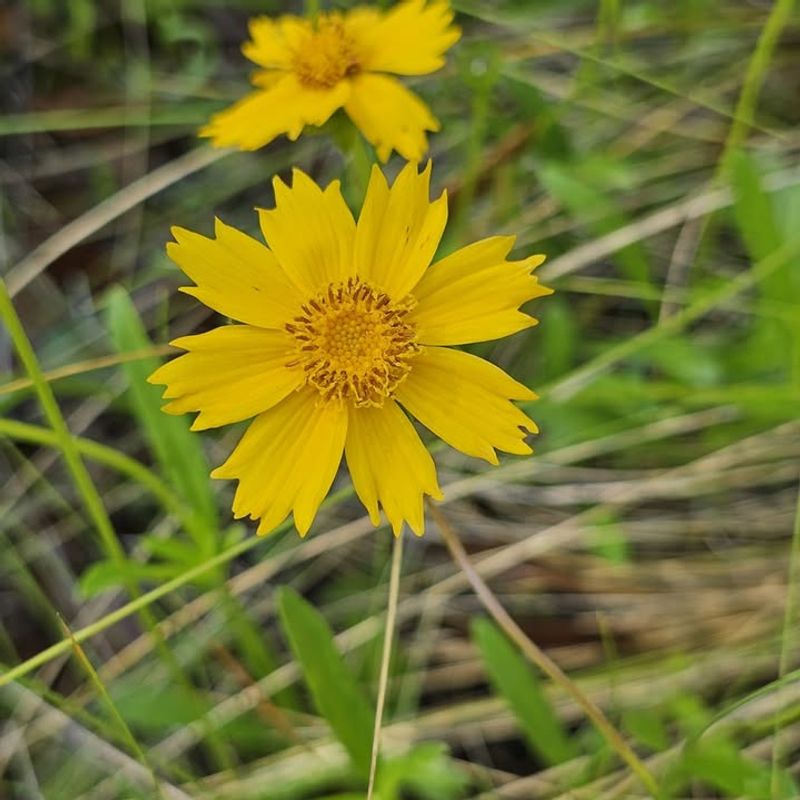
Native perennials like coreopsis, blanket flower, and blue-eyed grass are beginning to show new growth in February, and moving them once active growth begins can delay blooming and stress roots. These plants are deeply rooted and adapted to their current locations, and disturbing them now interrupts their natural spring emergence.
Native perennials have spent months developing root systems that anchor them through Florida’s seasonal shifts, and moving them once active growth begins causes unnecessary stress and delays blooming.
Many gardeners assume that cooler February weather makes it safe to relocate perennials, but these plants are already channeling energy into flower buds and new foliage.
Digging them up forces them to redirect energy toward root recovery instead of blooming.
Instead of moving native perennials, focus on mulching around them and removing any winter weeds competing for nutrients. Watch for flower stalks emerging and leaves spreading, signs your perennials are thriving where they are.
North Florida gardeners should wait until fall to relocate any perennials, while Central and South Florida gardeners benefit from leaving natives undisturbed year-round.
Respecting the timing and root systems of native perennials ensures they reward you with vibrant blooms and healthy growth throughout spring and into summer.
11. Palms (Stay Put In Current Location)
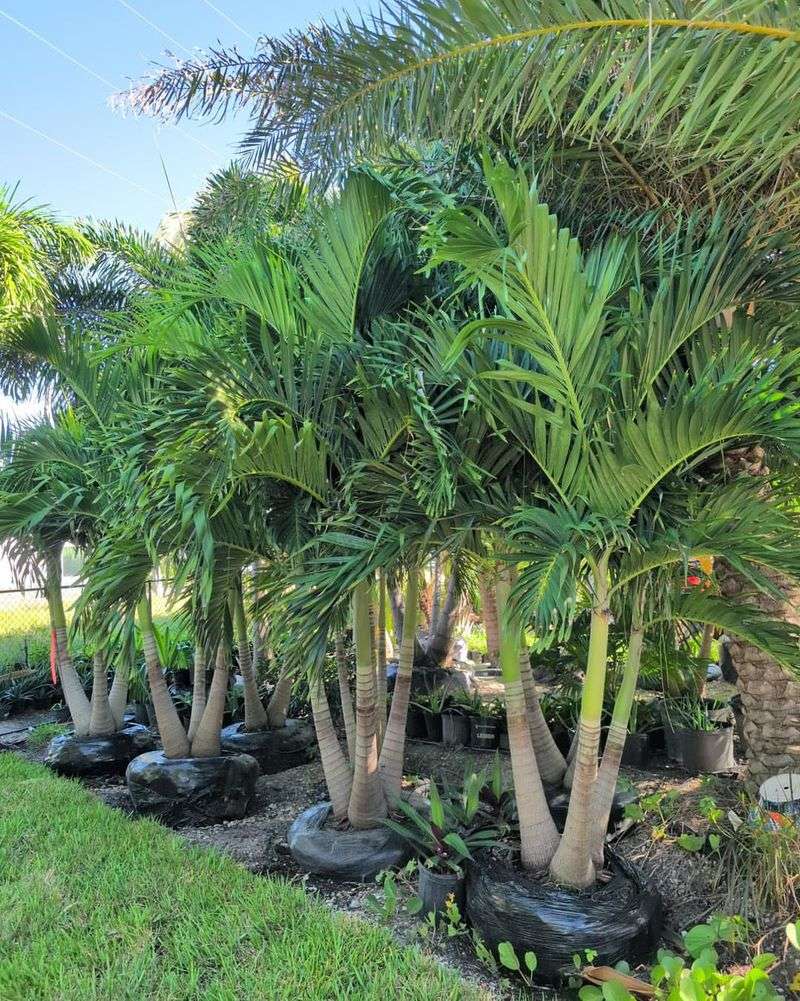
Palms are Florida landscape icons, and February is not the month to relocate them. Whether you have a queen palm, sabal palm, or pygmy date palm, moving established palms in late winter stresses root systems and disrupts their natural growth cycles.
Palms develop sensitive root balls that need stability, especially as they prepare for spring growth and frond production. Transplanting palms in February causes root damage and transplant shock that can take months to overcome, resulting in yellowing fronds and stunted growth.
Many gardeners assume palms are tough enough to handle any move, but their fibrous root systems are more delicate than they appear.
Instead of moving palms, focus on fertilizing with a palm-specific formula and ensuring proper drainage around their bases. Watch for new fronds emerging from the crown, a sign your palm is healthy and content in its current spot.
North Florida gardeners should avoid palm transplanting until late spring or early summer, while Central and South Florida gardeners benefit from waiting until soil temperatures warm in spring.
Leaving palms undisturbed in February allows them to channel energy into lush frond production and strong root development, keeping your Florida landscape looking tropical and thriving.
12. Ground Covers (Stay Put In Place)
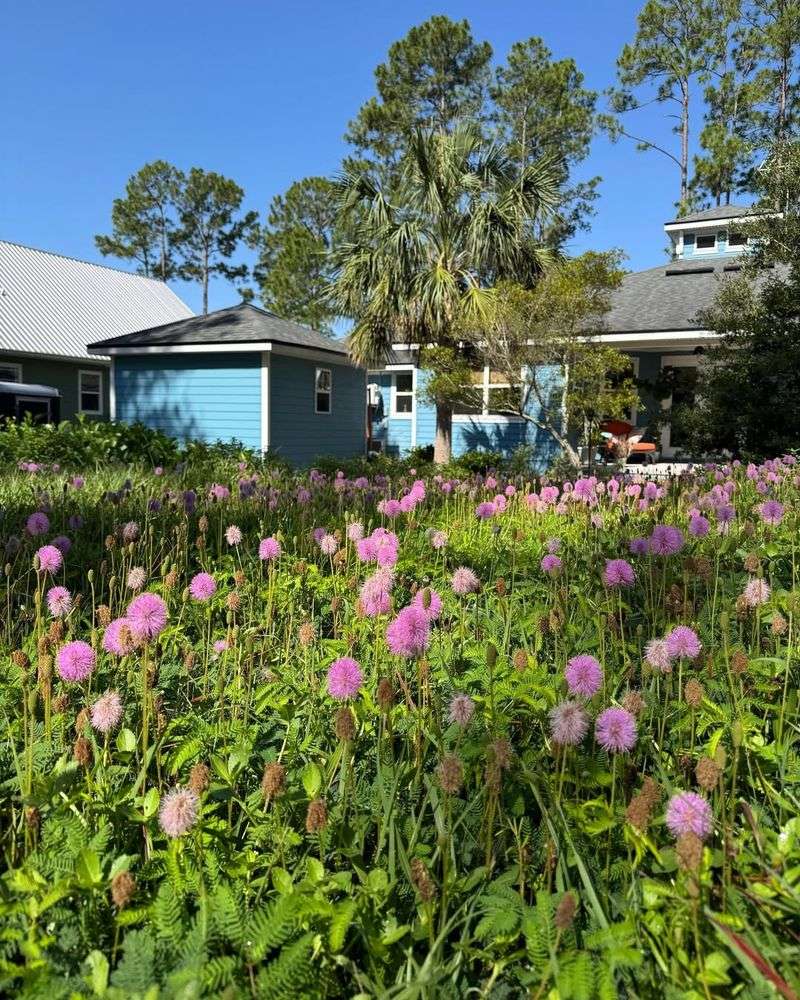
Ground covers like sunshine mimosa, perennial peanut, and asiatic jasmine are quietly spreading across your yard, and disturbing them during cool spells or early spring growth can slow their recovery. These low-growing plants are establishing root networks and preparing for vigorous spring growth, and moving them now halts their progress.
Ground covers thrive when left undisturbed, spreading naturally to fill spaces and suppress weeds. Transplanting them in February disrupts their root systems and creates bare patches that take months to recover.
Many gardeners think cooler February weather makes it safe to divide or relocate ground covers, but these plants are already actively growing and need stability to continue spreading.
Instead of moving ground covers, focus on edging them to control their spread and applying a light layer of compost to encourage healthy growth. Watch for new runners extending and leaves thickening, signs your ground covers are thriving in their current locations.
North Florida gardeners should wait until fall to divide or relocate ground covers, while Central and South Florida gardeners benefit from leaving them undisturbed year-round.
Respecting the growth patterns of ground covers ensures they fill your landscape quickly and beautifully, providing the lush green carpets that make Florida yards so inviting and low-maintenance throughout the growing season.