Texas Gardeners Can Grow Bigger Peaches With These 9 Proven Steps
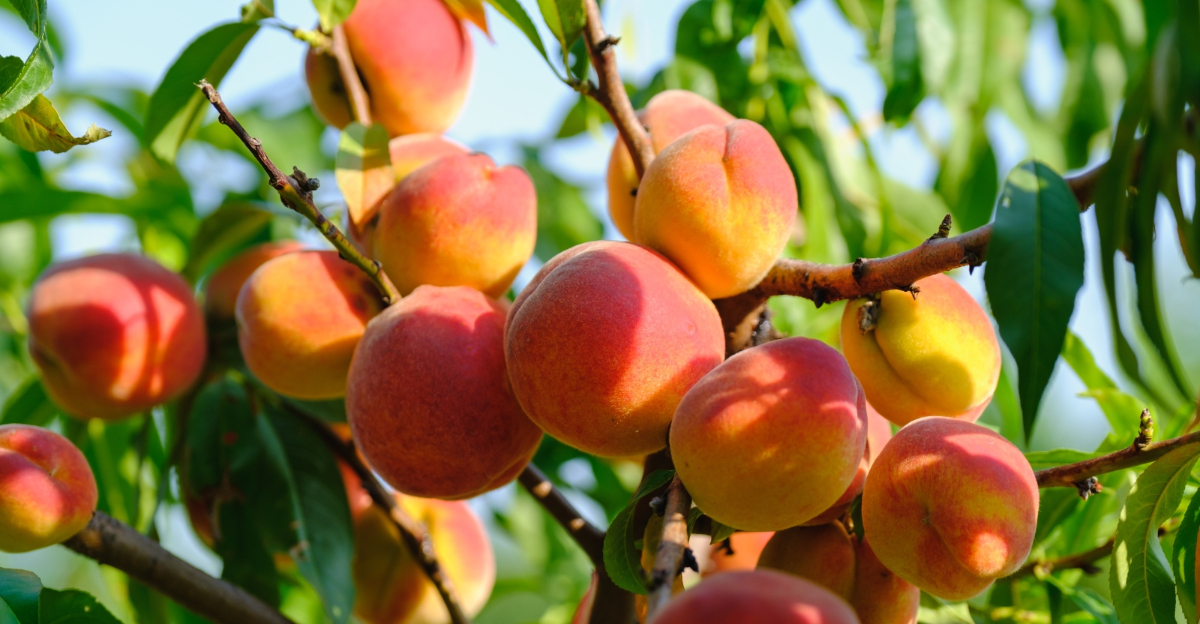
Texas peach trees often look promising early in the season, covered in growth and small developing fruit that hint at a great harvest ahead.
As weeks pass, many gardeners start noticing a familiar frustration when peaches stay undersized even though the tree itself looks strong and healthy.
Heat, long summers, and fast growth cycles in Texas play a bigger role in fruit size than most people expect.
Bigger peaches are rarely an accident, and they usually come from choices made well before fruit begins to swell on the branches. Those early decisions shape how energy moves through the tree for the rest of the season.
Watering alone does not solve the problem, and heavy feeding often creates more leaves instead of better fruit.
Peach trees respond best when growth is guided, not pushed, especially once spring transitions into early summer.
Spacing, timing, and selective care influence whether peaches compete with each other or develop fully.
Gardeners who adjust how their trees are managed start seeing noticeable changes long before harvest arrives. The difference shows up clearly when fruit begins gaining size instead of stalling.
This approach turns average Texas peach harvests into ones that feel genuinely rewarding to pick.
1. Start With Peach Varieties That Handle Texas Heat
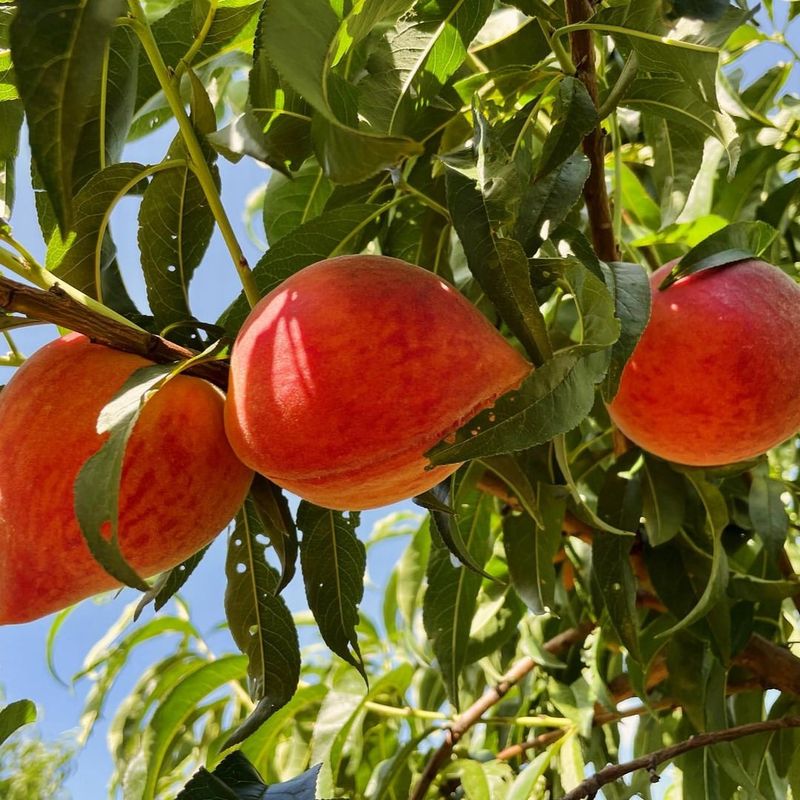
Choosing the right peach variety is like picking the right tool for a job. Some peaches simply cannot tolerate the intense summer conditions found across Texas, while others thrive in the heat and produce abundantly.
Varieties such as Elberta, Redhaven, and Texstar have been bred specifically to handle high temperatures and humidity.
Local nurseries across Texas often stock trees that perform well in your specific region. Asking staff for recommendations based on your county can save you years of frustration.
Each variety has different chilling hour requirements, which is the number of cold hours needed in winter for proper fruiting.
Low-chill varieties work best in southern Texas, where winters are mild. Mid-chill types suit the central areas, while northern regions can support higher-chill peaches.
Matching your tree to your climate zone is essential for success.
Fruit size is often determined by genetics, so selecting varieties known for large peaches gives you a head start. Look for descriptions that mention jumbo or extra-large fruit.
These trees are bred to channel energy into fewer, bigger peaches rather than many small ones.
Texas gardeners who plant the wrong variety often see trees that bloom beautifully but never set fruit. This happens when chilling requirements are not met.
Researching your area’s average winter chill hours prevents this common mistake.
Flavor also varies widely among peach types. Some are sweeter, others more acidic, and a few have a perfect balance.
Tasting peaches from local farmers markets can help you decide which varieties to grow.
Purchasing bare-root trees in late winter allows for easier planting and faster establishment. Container-grown trees work too but may take longer to adjust.
Either way, starting with a healthy, disease-free specimen is critical.
2. Plant Trees Where Full Sun Lasts Most Of The Day
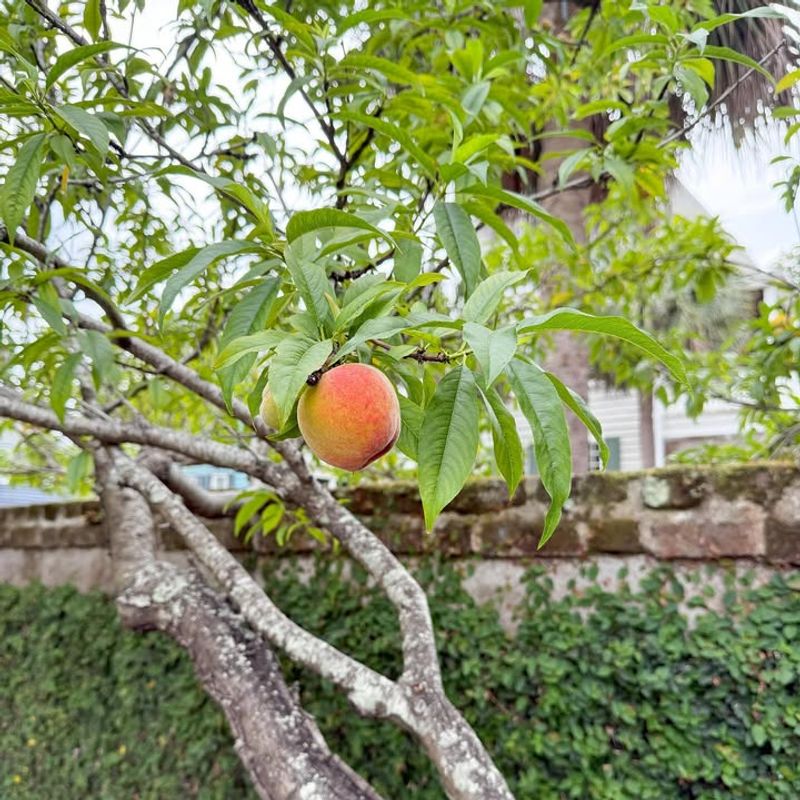
Sunlight fuels fruit production in peach trees. Without at least six to eight hours of direct sun daily, trees struggle to develop large, sweet peaches.
Your Texas Garden Changes Every Week. Your Plan Should Too.
Gardening in Texas changes quickly throughout the season. Every Friday you’ll receive a simple weekly plan showing exactly what to plant, prune, fertilize, harvest, and protect so you never miss the right timing.
Texas offers plenty of sunshine, but placement in your yard matters more than most gardeners realize.
Observe your property throughout the day to identify the sunniest spots. Shadows from houses, fences, or large trees can block crucial light during peak hours.
Even a few hours of shade can reduce fruit size and sweetness significantly.
Southern and western exposures typically receive the most intense sunlight in Texas. Planting on the south side of your property maximizes sun exposure year-round.
Avoid the north side of buildings, where shade lingers longer, especially in winter.
Morning sun is particularly valuable because it dries dew quickly, reducing fungal disease risk. Afternoon sun, while intense, drives photosynthesis and sugar production in developing fruit.
Both are important for growing bigger peaches.
Texas summers can be brutal, but peach trees actually need that heat to ripen fruit properly. Full sun exposure ensures trees reach the high temperatures required for optimal sugar development.
Partial shade often results in bland, smaller peaches.
When planning your orchard or garden layout, consider future growth of nearby plants. A small shrub today might become a shade-casting problem in five years.
Spacing trees away from structures and other plants prevents competition for light.
Reflected heat from pavement or light-colored walls can boost temperatures around your tree. While this can be beneficial, extremely high heat combined with poor watering can stress trees.
Balance is key in Texas gardening.
3. Prune Correctly To Improve Light And Airflow
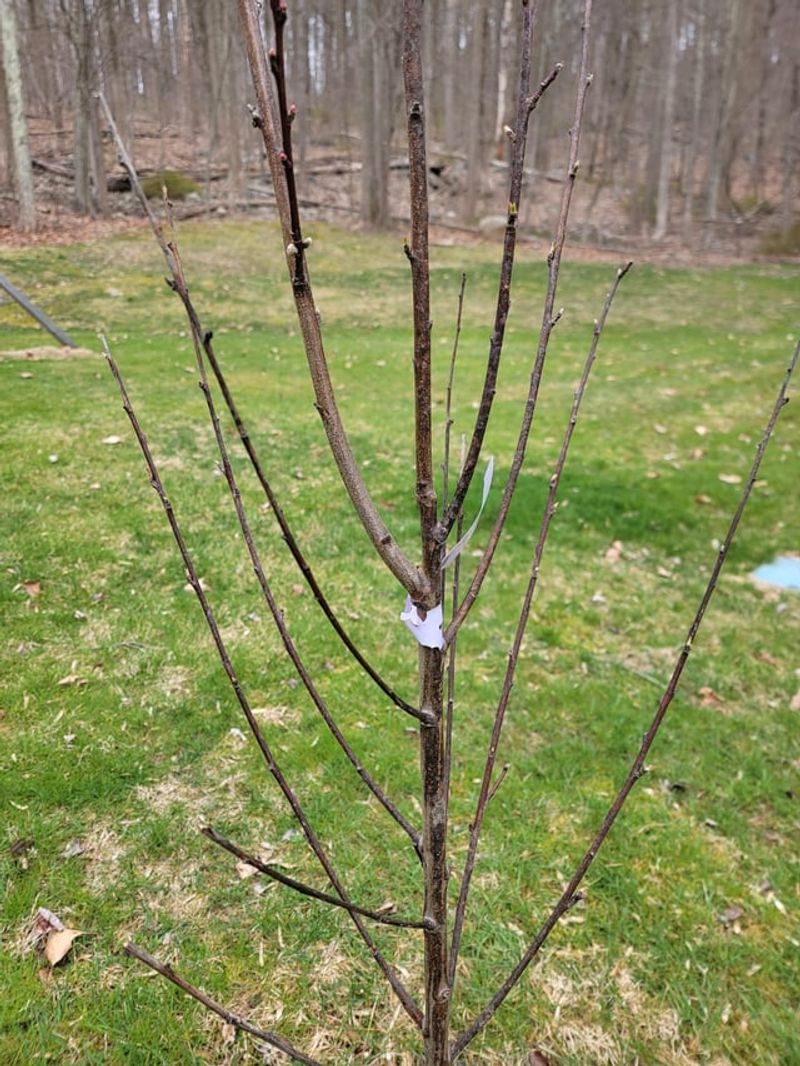
A well-pruned peach tree looks open and balanced, almost like a vase. This shape allows sunlight to reach every branch and air to circulate freely, both of which are essential for growing larger fruit.
Many Texas gardeners hesitate to prune heavily, but peach trees actually thrive when pruned aggressively.
Late winter, just before buds swell, is the ideal time to prune in Texas. Trees are still dormant, so cuts heal quickly when growth resumes.
Pruning too early in winter can expose trees to cold damage, while late pruning removes potential fruit.
Start by removing any branches that cross or rub against each other. These create wounds that invite pests and disease.
Next, eliminate branches growing toward the center of the tree, which block light and airflow.
Vertical shoots, called water sprouts, should be removed entirely. They grow vigorously but rarely produce fruit.
Instead, they drain energy from productive branches. Cutting them off redirects resources to fruit-bearing wood.
Thinning cuts, which remove entire branches back to the main trunk, are better than heading cuts that just shorten branches. Thinning opens the canopy more effectively.
Heading cuts often stimulate excessive new growth that crowds the tree again.
Texas peach trees benefit from an open-center pruning style. This method removes the central leader, encouraging a bowl-shaped canopy.
Sunlight penetrates deeply, and air flows through easily, reducing humidity and fungal problems.
Each major branch should have enough space around it for light and air. Crowded branches produce smaller, poorly colored peaches.
Adequate spacing also makes harvesting easier and more enjoyable.
4. Thin Fruit Early To Increase Final Peach Size
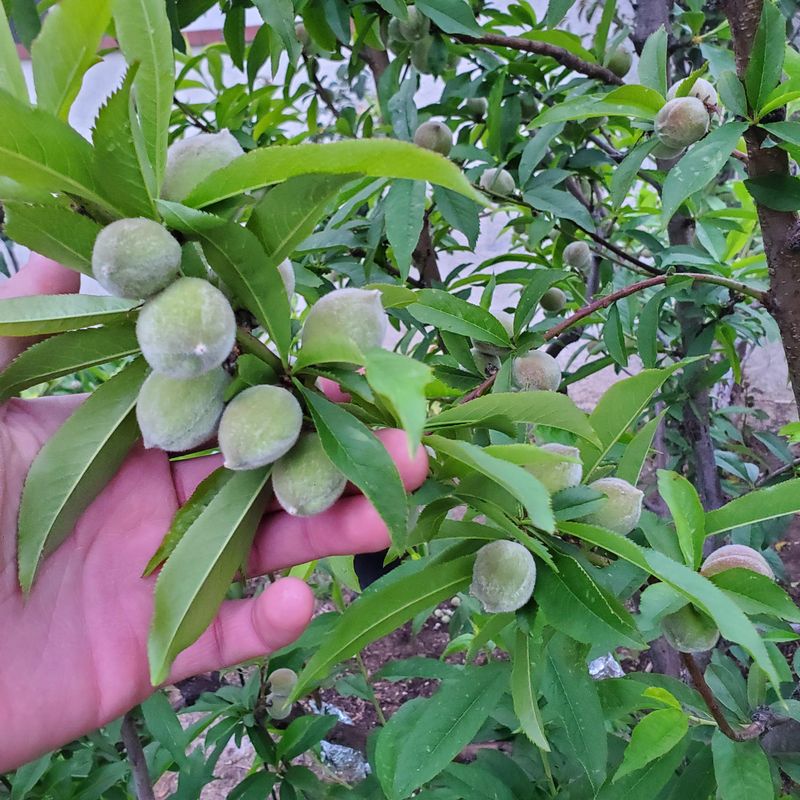
Peach trees often set far more fruit than they can support properly. Left unthinned, trees produce many small peaches instead of fewer large ones.
Thinning is one of the most effective ways to increase peach size, yet many Texas gardeners skip this crucial step.
Begin thinning when peaches are about the size of a dime or nickel. At this stage, the tree has not yet invested much energy into each fruit.
Removing excess peaches early allows the tree to focus resources on the remaining ones.
Aim for four to six inches of space between each peach on a branch. This spacing gives each fruit enough room to grow without competing for nutrients.
Crowded peaches also rub against each other, causing bruising and blemishes.
Use your fingers to gently twist off small, damaged, or misshapen fruit first. Then remove peaches that are clustered too closely together.
It may feel wasteful, but thinning dramatically improves the quality and size of your harvest.
Texas peach trees that are not thinned often drop fruit naturally in early summer. This natural thinning, called June drop, helps but usually does not remove enough fruit.
Hand thinning ensures optimal spacing and larger peaches.
Branches heavily loaded with fruit can break under the weight, especially during Texas storms. Thinning reduces this risk and protects the tree’s structure.
Fewer, larger peaches are easier to harvest and less likely to cause limb damage.
Thinning also improves fruit color and flavor. Peaches with more space receive better sunlight exposure, which enhances red blush and sweetness.
Crowded fruit often remains pale and less flavorful.
Some gardeners thin in stages, removing the worst fruit early and then thinning again a few weeks later.
5. Water Deeply During Fruit Development, Not Daily
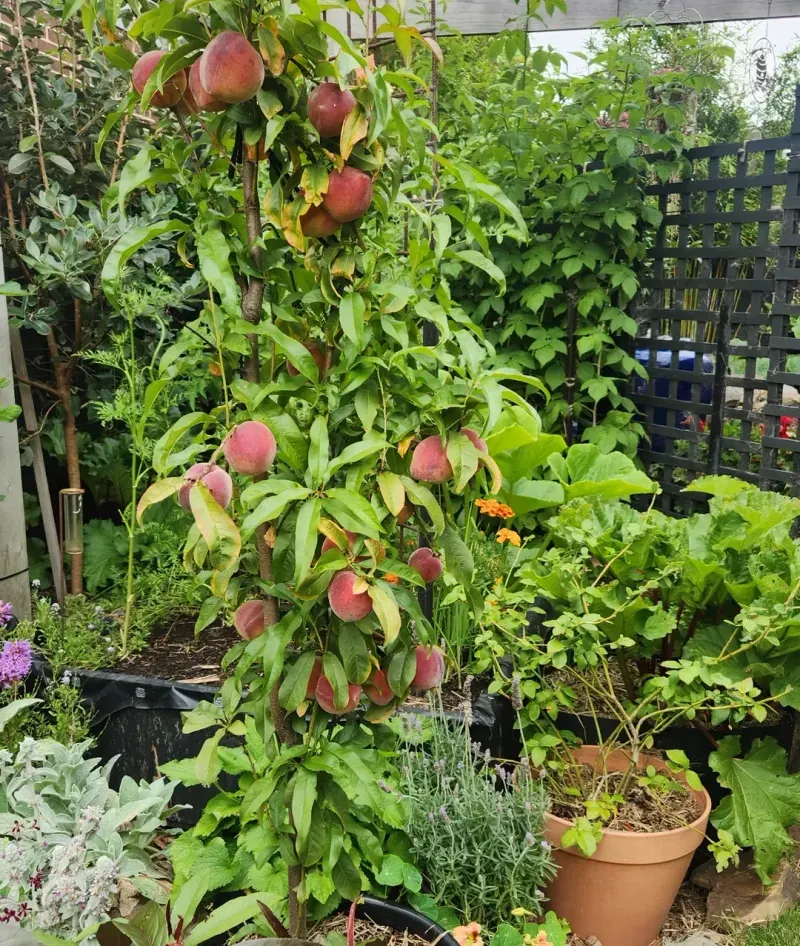
Watering peach trees correctly is often misunderstood. Many Texas gardeners water lightly every day, which encourages shallow roots and weak trees.
Deep, infrequent watering is far more effective for producing large, juicy peaches.
During fruit development, from late spring through early summer, peach trees need consistent moisture. This is when fruit is rapidly expanding, and water directly affects final size.
Allowing soil to dry out during this period stunts fruit growth.
Apply water slowly and deeply, soaking the soil to a depth of at least 12 to 18 inches. This encourages roots to grow downward, where soil stays cooler and moisture is more stable.
Shallow watering keeps roots near the surface, where they are vulnerable to Texas heat.
A soaker hose or drip irrigation system works best for peach trees. These methods deliver water directly to the root zone without wetting foliage.
Wet leaves increase disease risk, especially in humid Texas conditions.
Check soil moisture before watering by digging down a few inches. If the soil feels moist, wait a day or two.
Overwatering is as harmful as underwatering, causing root rot and poor fruit quality.
Mature peach trees in Texas typically need deep watering once or twice a week during hot, dry periods. Young trees require more frequent watering until their roots establish.
Adjust your schedule based on rainfall and temperature.
Mulching around the tree base helps retain soil moisture and regulate temperature. Apply a two- to four-inch layer of wood chips or shredded bark, keeping mulch a few inches away from the trunk.
This simple step reduces watering frequency.
6. Feed Trees At The Right Time, Not Constantly
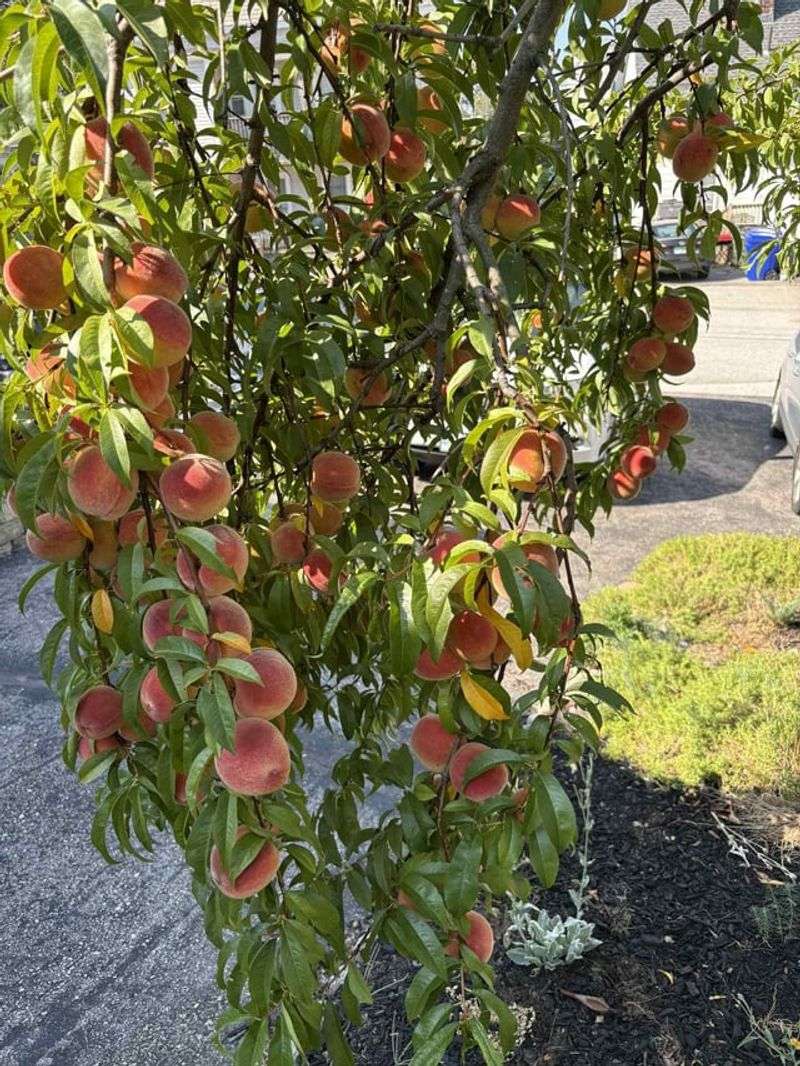
Fertilizing peach trees is not about giving them as much food as possible. Timing and balance matter far more than quantity.
Many Texas gardeners overfeed their trees, which leads to excessive leafy growth and smaller fruit.
The best time to fertilize peach trees in Texas is early spring, just as buds begin to swell. This feeding supports new growth and fruit development.
A second, lighter application in late spring can boost fruit size if trees show signs of nutrient deficiency.
Avoid fertilizing after early summer, as this encourages late-season growth that is vulnerable to cold damage. Trees need time to harden off before winter.
Late feeding also diverts energy away from fruit ripening.
A balanced fertilizer with equal parts nitrogen, phosphorus, and potassium works well for peach trees. Alternatively, use a formula slightly higher in phosphorus to promote fruiting.
Organic options like compost or aged manure release nutrients slowly and improve soil health.
Apply fertilizer evenly around the tree’s drip line, not against the trunk. The drip line is where the outermost branches extend, and this is where feeder roots are most active.
Watering after fertilizing helps nutrients soak into the soil.
Too much nitrogen causes trees to produce lush foliage at the expense of fruit. Texas peach trees with dark green, overly vigorous growth often have small, poorly developed peaches.
Moderation is key.
Soil testing is the best way to determine what your tree actually needs. Texas soil varies widely, and some areas may have adequate phosphorus but lack nitrogen or potassium.
Testing every few years ensures you are not wasting money or harming your tree.
7. Protect Peaches From Stress During Extreme Heat
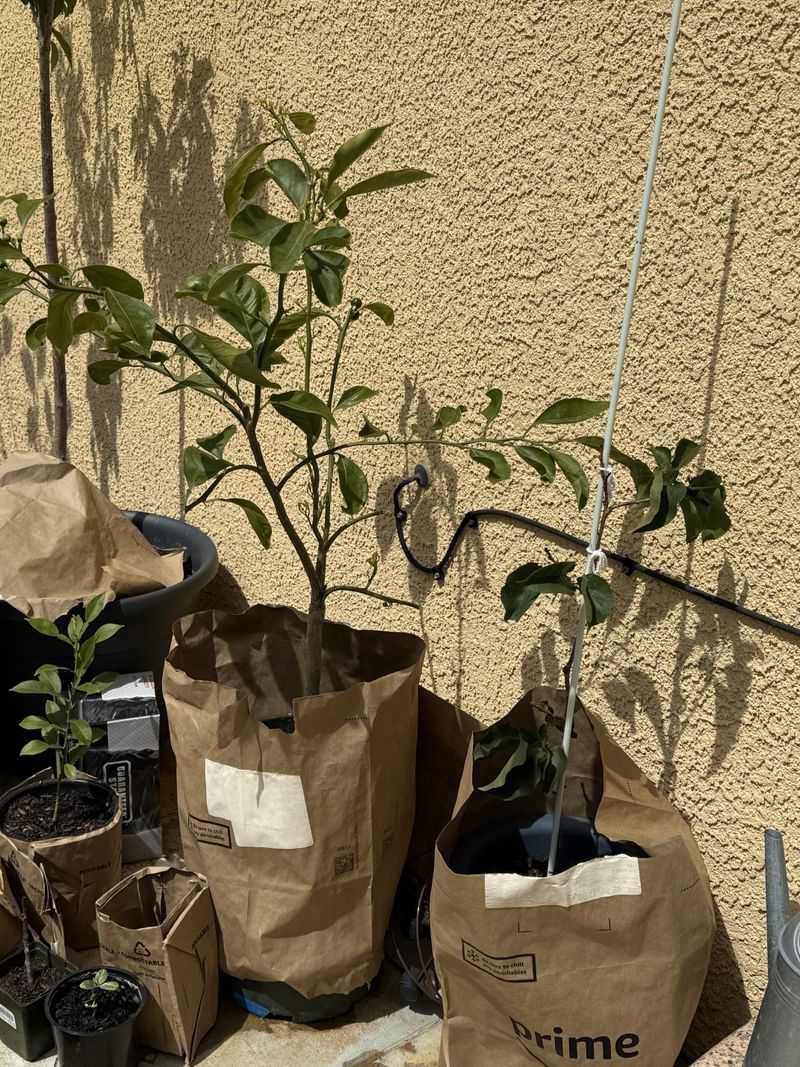
Texas summers can push peach trees to their limits. While these trees tolerate heat well, extreme temperatures can stress them and reduce fruit size.
Protecting trees during the hottest months ensures they continue to thrive and produce large peaches.
Mulch is one of the simplest and most effective ways to reduce heat stress. A thick layer around the tree base keeps soil cooler and retains moisture.
This buffer helps roots stay comfortable even when air temperatures soar above 100 degrees.
Shade cloth can provide relief for young trees or those in especially hot locations. Draping lightweight cloth over the tree during the hottest part of the day reduces direct sun exposure.
Remove it in the evening to allow air circulation.
Consistent watering is critical during heat waves. Trees under heat stress cannot absorb nutrients properly, and fruit development slows.
Deep watering every few days helps trees cope with extreme conditions.
Avoid pruning or heavy fertilizing during peak summer heat in Texas. These activities stress trees further and can cause more harm than good.
Save major tasks for cooler months when trees are less vulnerable.
Wilting leaves are a sign of heat stress, but they usually recover by evening. Persistent wilting, however, indicates a serious problem.
Checking soil moisture and adjusting watering can often resolve the issue.
Fruit exposed to intense sun can develop sunscald, which appears as bleached or wrinkled patches. Maintaining adequate foliage shades developing peaches naturally.
Thinning too aggressively can leave fruit vulnerable to sun damage.
8. Control Pests Before They Damage Developing Fruit
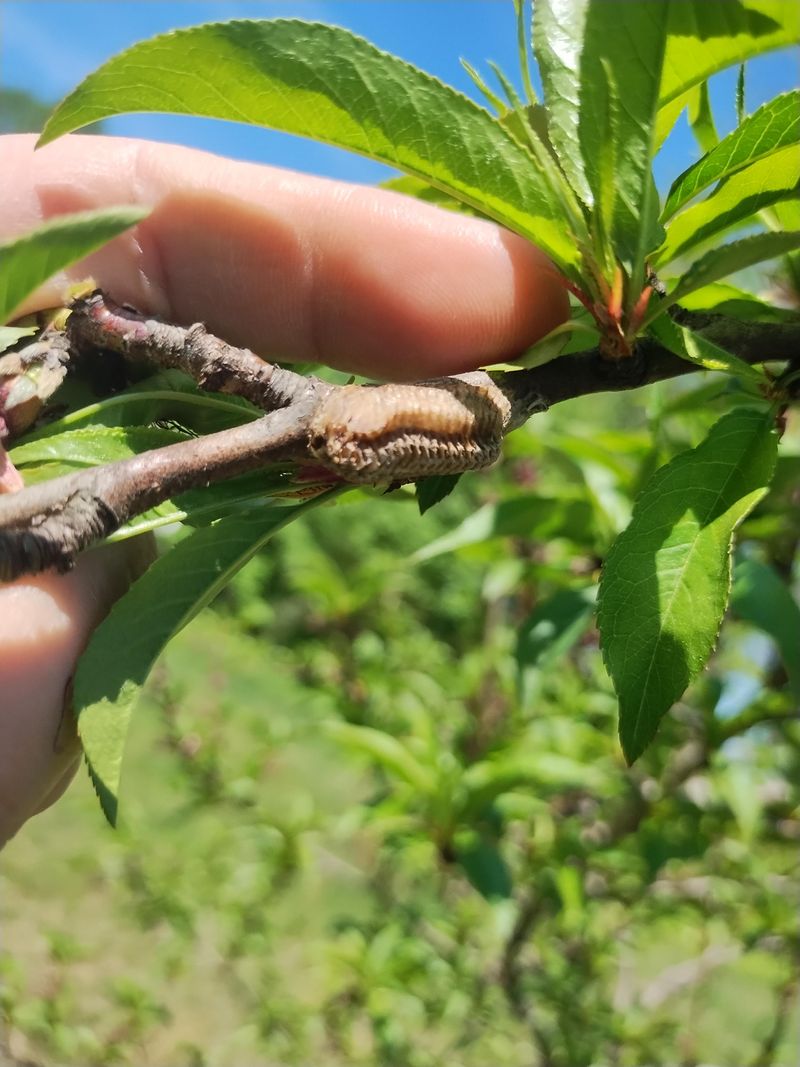
Pests can quickly ruin a promising peach crop. Texas gardeners face several common insects and diseases that target peaches, and early intervention is essential.
Waiting until damage is visible often means it is too late to save the fruit.
Peach tree borers are among the most destructive pests in Texas. These larvae tunnel into the trunk and roots, weakening the tree and reducing fruit production.
Inspect the base of your tree regularly for gummy sap or sawdust-like frass, which indicate borer activity.
Plum curculio beetles lay eggs in developing peaches, causing fruit to drop prematurely or become deformed. These pests are active in spring, just after petal fall.
Applying an appropriate insecticide during this window protects your crop.
Aphids and spider mites can weaken trees by sucking sap from leaves and shoots. Heavy infestations reduce the tree’s ability to support large fruit.
Spraying trees with a strong stream of water dislodges many pests, while insecticidal soap handles more serious problems.
Brown rot is a fungal disease that thrives in the humid Texas climate. It causes fruit to rot on the tree, often spreading rapidly during wet weather.
Removing infected fruit immediately and improving air circulation through pruning helps control this disease.
Monitoring your tree weekly allows you to catch problems early. Look for chewed leaves, sticky residue, or discolored fruit.
Early detection makes treatment easier and more effective.
Organic options like neem oil or horticultural oil can control many pests without harsh chemicals. These products work best when applied before pest populations explode.
Always follow label directions to avoid harming beneficial insects.
9. Harvest At Full Maturity For Maximum Size And Flavor
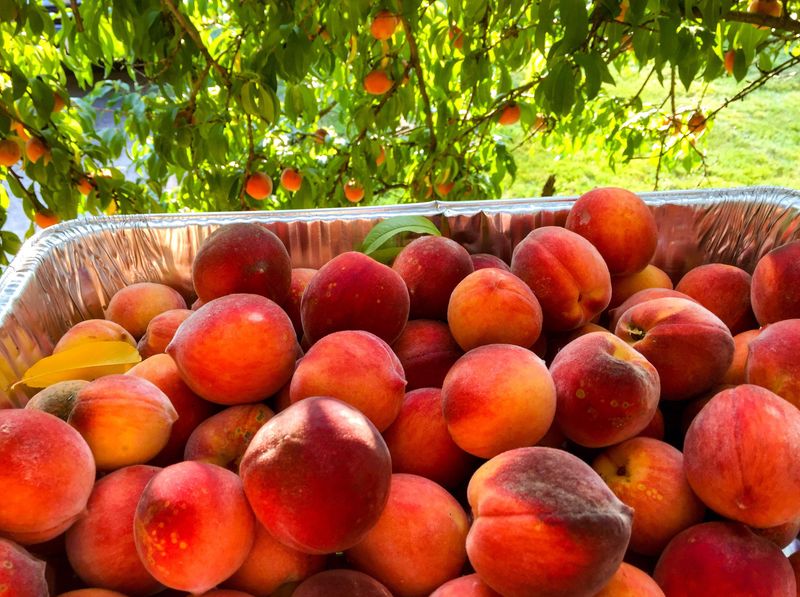
Knowing when to pick peaches makes all the difference in size and taste. Many Texas gardeners harvest too early, missing out on the full sweetness and size their trees can deliver.
Peaches do not ripen much after picking, so timing is critical.
A ripe peach has a rich, sweet aroma that you can smell from a few inches away. The background color of the skin changes from green to yellow or cream, and the fruit gives slightly when pressed gently.
Red blush alone does not indicate ripeness, as color develops before full maturity.
Taste-testing a peach is the most reliable way to judge readiness. If it is sweet, juicy, and flavorful, the rest of the fruit on that tree is likely ready.
If it tastes starchy or bland, wait a few more days.
Peaches ripen from the outside of the tree inward and from the top down. Check fruit in different locations rather than assuming all peaches are ready at once.
Harvesting in stages ensures each peach reaches peak quality.
Morning is the best time to pick peaches in Texas. Fruit is cool and firm, making it easier to handle without bruising.
Afternoon heat softens peaches, making them more prone to damage during harvest.
Use a gentle twisting motion to remove ripe peaches from the tree. Pulling straight down can tear the branch or leave the stem attached to the fruit.
Handle peaches carefully, as they bruise easily even when fully ripe.
Overripe peaches attract wasps and other insects, so harvest promptly once fruit is ready. Leaving ripe peaches on the tree also increases the risk of rot and pest damage.
Timely picking protects both your crop and your tree.