8 Garderning Tasks Texans Should Do In February For A Stronger Spring
February in Texas may still feel unpredictable, but it’s one of the most important months for setting up a successful spring garden. What you do now can shape how healthy and productive your plants will be later.
A few smart moves in February can save weeks of trouble in spring. From pruning and soil prep to early planting and cleanup, small tasks make a big impact.
Get ahead now and watch your garden explode with growth later. Instead of waiting for warmer days, this is the perfect time to prepare beds, improve drainage, and protect young plants from late cold snaps.
Strong gardens start with early action. Turn winter work into spring rewards. With the right February routine, Texas gardeners can create stronger roots, better blooms, and a growing season that starts fast and finishes even stronger.
1. Prune Fruit Trees And Roses Before New Growth Begins
Late winter is the absolute best time to prune fruit trees and roses throughout Texas. Doing this work in February allows you to shape your plants while they’re still dormant, which means less stress on them and better healing of cuts.
When you remove damaged, or crossing branches now, you’re helping the plant direct its energy toward producing healthy new growth and abundant fruit or flowers later.
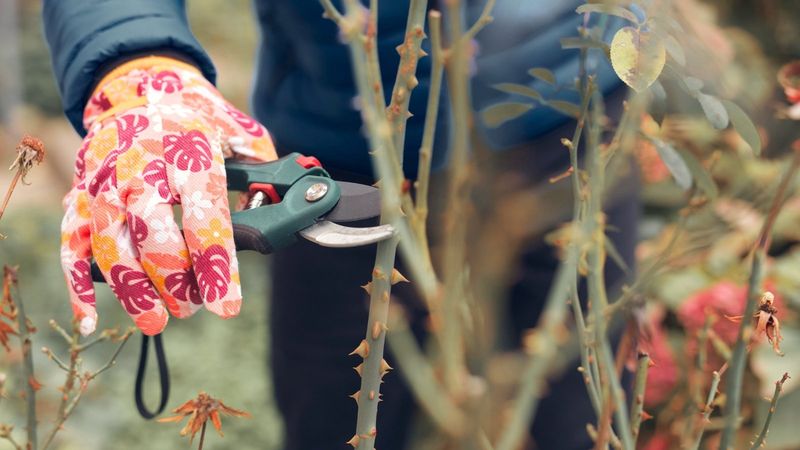
Start by removing any branches that look diseased or broken, cutting them back to healthy wood. For fruit trees like peaches, plums, and apples, open up the center to allow sunlight and air circulation, which reduces disease problems.
Roses benefit from similar treatment, with cuts made at a 45-degree angle just above an outward-facing bud.
Texas gardeners should use clean, sharp pruning shears to make smooth cuts that heal quickly. Avoid pruning spring-blooming shrubs like azaleas now, since they’ve already set their flower buds. Focus instead on summer bloomers and fruit producers.
Timing matters because pruning too early can expose tender wood to freeze damage, while waiting too long means you’ll cut off new growth and reduce your harvest.
February hits the sweet spot across most of Texas, giving plants time to heal before the growing season kicks into high gear.
Proper pruning now sets the foundation for vigorous, productive plants that will reward you with beautiful blooms and delicious fruit all season long.
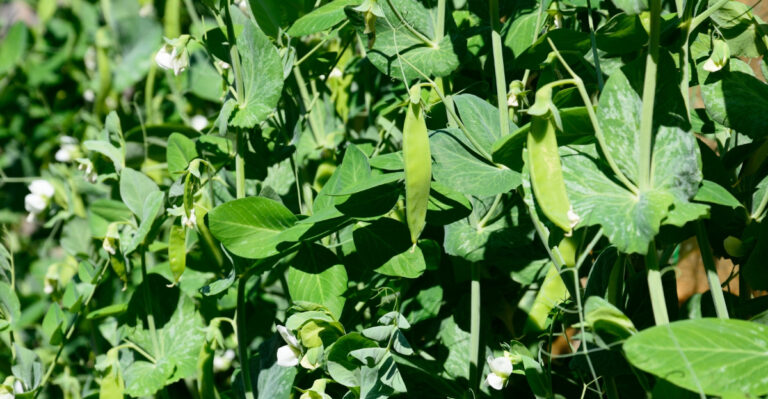
2. Plant Cool-Season Vegetables For Early Harvests
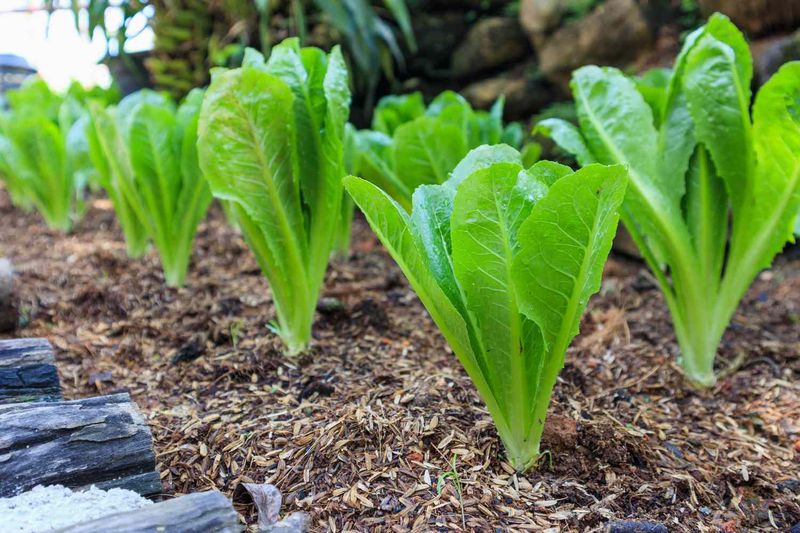
February is prime planting time for cool-season vegetables across Texas, giving you a jump on fresh homegrown produce. Crops like lettuce, spinach, carrots, beets, and broccoli thrive in the mild temperatures this month offers.
Getting these in the ground now means you’ll be harvesting delicious vegetables weeks before summer heat arrives and makes growing them nearly impossible.
Prepare your garden beds by working in compost or aged manure to enrich the soil. Cool-season crops prefer loose, well-draining soil with plenty of organic matter.
In Texas, you can direct-sow seeds for many vegetables or transplant seedlings for a quicker harvest.
Pay attention to your specific region within the state, as planting dates vary slightly between North Texas, Central Texas, and South Texas.
Your Texas Garden Changes Every Week. Your Plan Should Too.
Gardening in Texas changes quickly throughout the season. Every Friday you’ll receive a simple weekly plan showing exactly what to plant, prune, fertilize, harvest, and protect so you never miss the right timing.
Southern areas can plant earlier, while northern gardeners might wait until mid to late February if frost is still a concern. Check your local frost dates to time things perfectly.
Water your newly planted vegetables consistently, keeping the soil moist but not waterlogged. Cool-season crops grow quickly in Texas during February and March, so you’ll see results fast.
Many of these vegetables can be harvested multiple times, giving you fresh salads and side dishes for weeks.
Starting now ensures your garden produces abundantly before the scorching summer temperatures arrive and shift your focus to heat-loving plants like tomatoes and peppers.
3. Apply Pre-Emergent Herbicide To Prevent Weeds
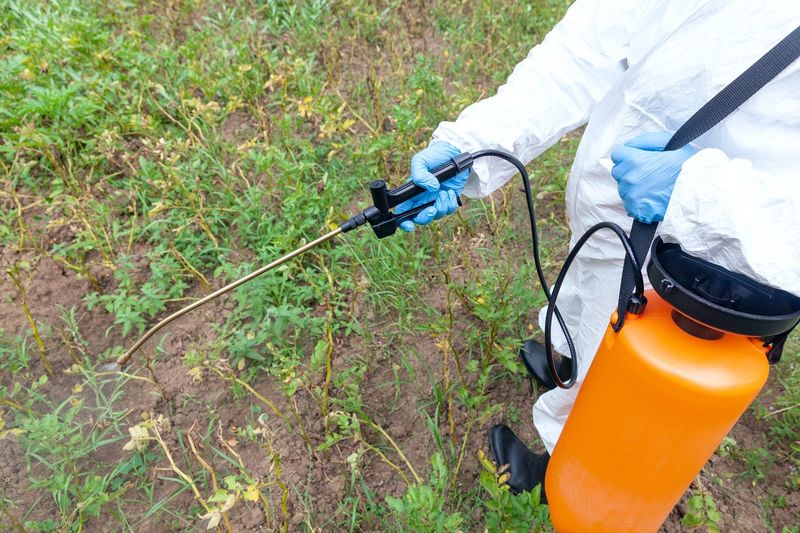
Weeds are the enemy of every Texas gardener, and February is your chance to stop them before they even start. Pre-emergent herbicides work by creating a barrier in the soil that prevents weed seeds from germinating.
Applying this product now, before soil temperatures rise and weeds begin sprouting, saves you countless hours of pulling and digging later in the season.
Target troublesome weeds like crabgrass, henbit, and chickweed that plague Texas lawns and gardens every spring. Timing is critical because pre-emergents must be in place before seeds germinate.
In most of Texas, February is the perfect month, though southern areas might need to apply in late January.
Spread the herbicide evenly across your lawn and garden beds following package directions carefully. Water it in lightly to activate the barrier.
Remember that pre-emergents prevent all seeds from sprouting, so don’t apply them where you plan to plant flower or vegetable seeds directly.
Texas gardeners who skip this step often regret it come April when weeds explode and take over. The small investment of time and product in February pays huge dividends in a cleaner, more manageable landscape.
Your grass and ornamental plants will face less competition for water and nutrients, allowing them to grow stronger and healthier. A weed-free yard also looks more attractive and requires far less maintenance throughout the busy spring and summer months ahead.
4. Fertilize Lawns And Established Plants
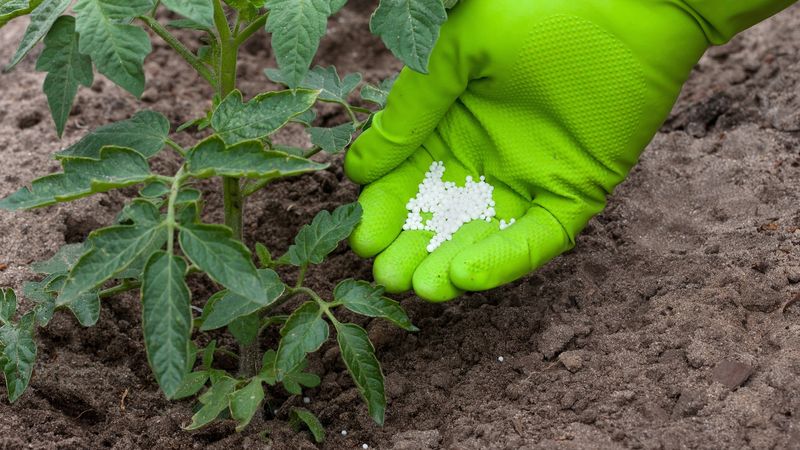
Giving your lawn and established plants a nutritional boost in February prepares them for vigorous spring growth. Texas soils often lack essential nutrients, so adding fertilizer now replenishes what plants need to thrive.
A well-fed lawn greens up faster and develops deeper roots that help it withstand summer heat and drought.
Choose a slow-release fertilizer appropriate for your grass type, whether you have St. Augustine, Bermuda, or another variety common in Texas. Apply it evenly using a spreader, and water it in thoroughly to help nutrients reach the root zone.
For established shrubs, trees, and perennials, use a balanced fertilizer or one formulated for specific plant types.
Avoid over-fertilizing, which can burn plants and harm the environment. Follow label instructions carefully, adjusting amounts based on your soil test results if you have them.
Texas gardeners should focus on feeding plants that are actively growing or about to break dormancy.
February fertilization gives plants the building blocks they need for healthy leaves, strong stems, and abundant blooms. Lawns treated now will green up beautifully and resist weeds better.
Ornamental plants will produce more flowers and foliage. Fruit trees and vegetables will yield bigger, tastier harvests.
This simple task takes just an hour or two but makes a visible difference in your landscape’s health and appearance. Skipping it means plants struggle to reach their full potential, leaving you with a less impressive garden come spring and summer.
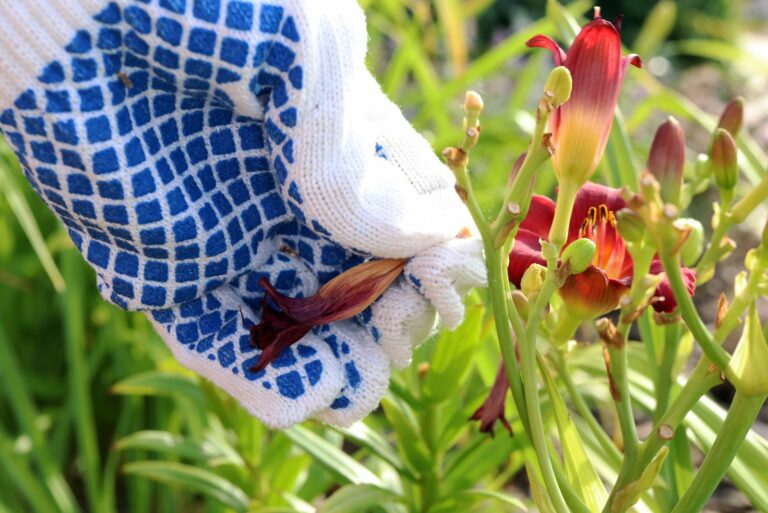
5. Divide And Transplant Perennials
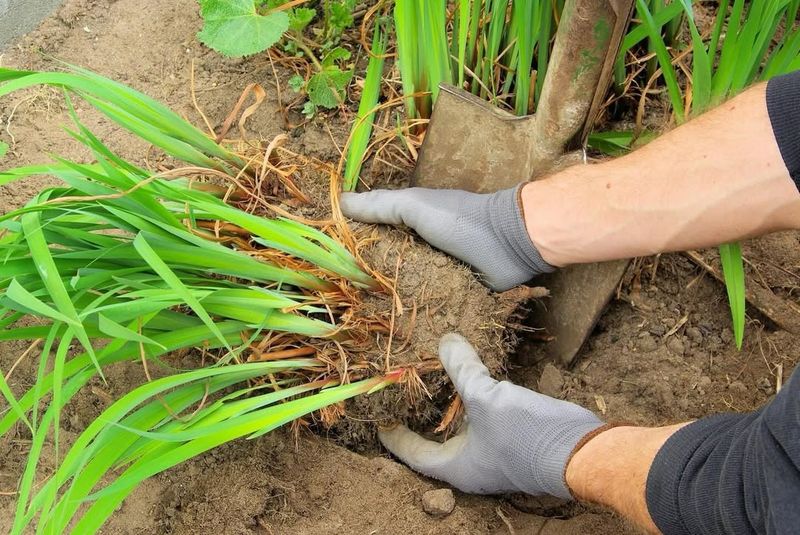
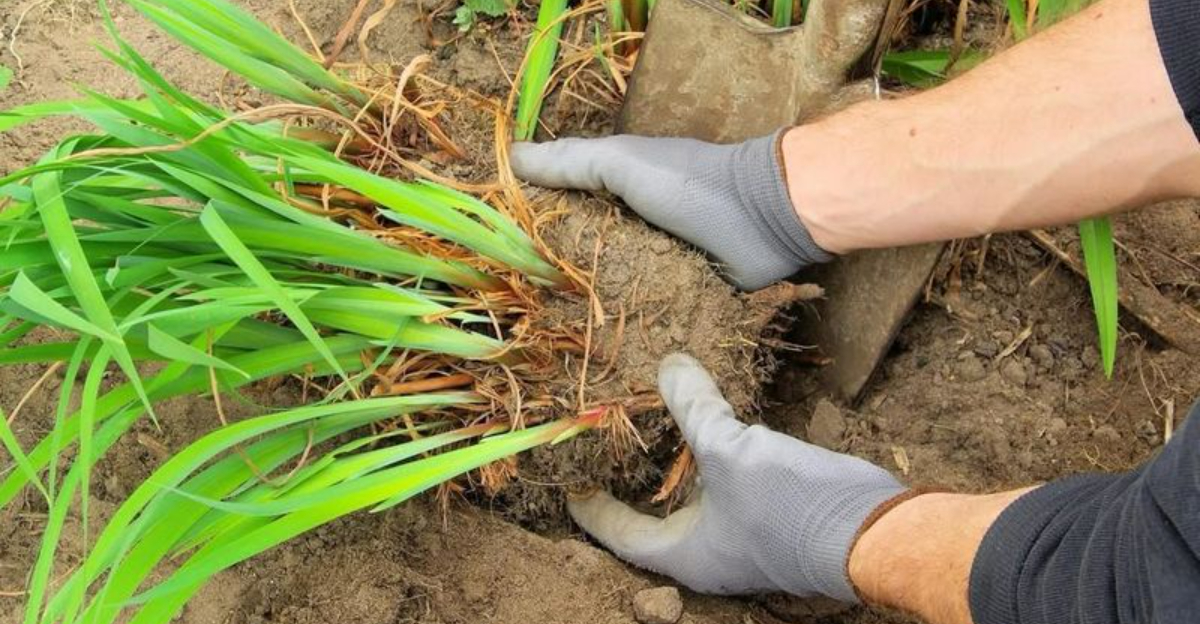
Perennials that have grown crowded or overgrown benefit tremendously from division in February. This task rejuvenates older plants, increases your stock for free, and improves flowering.
Texas gardeners can divide daylilies, irises, hostas, and many other perennials while they’re still dormant or just beginning to emerge.
Start by digging up the entire clump, being careful not to damage too many roots. Use a sharp spade or knife to cut the clump into sections, making sure each division has healthy roots and several growing points.
Replant divisions immediately at the same depth they were growing before, spacing them appropriately for their mature size.
Water transplants thoroughly and keep the soil consistently moist for the first few weeks as roots establish. Adding compost to the planting hole gives divisions a nutritious start.
Divided perennials may take a season to reach full size again, but they’ll be healthier and more vigorous than before.
February’s mild temperatures and increased rainfall in many parts of Texas create ideal conditions for transplanting. Plants experience less shock and establish quickly before summer heat arrives.
This task also lets you redesign your garden beds, moving plants to better locations or sharing extras with friends and neighbors.
Crowded perennials that go undivided eventually bloom less and may develop disease problems, so taking time to divide them now ensures they remain beautiful focal points in your Texas garden for years to come.
6. Prepare Garden Beds With Compost And Amendments
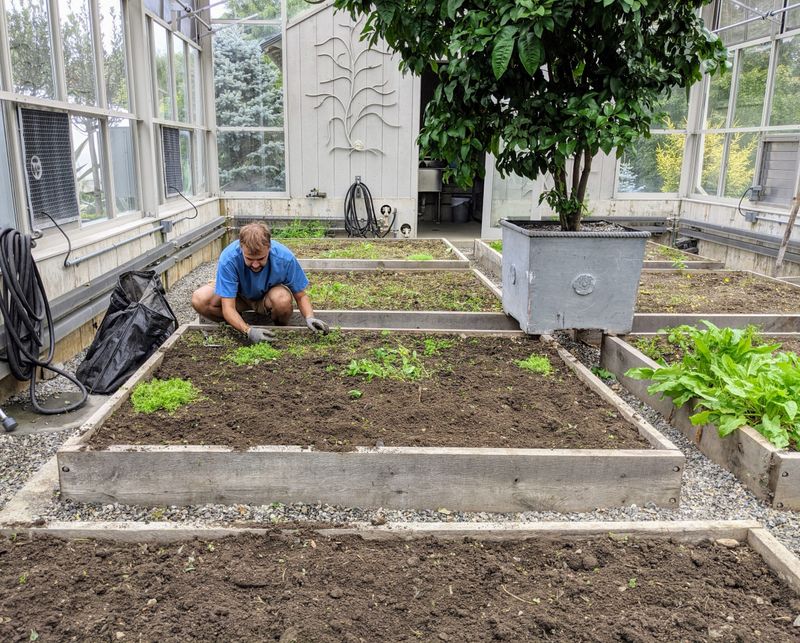
Building healthy soil is the foundation of successful gardening, and February is the perfect time to improve your garden beds throughout Texas. Adding compost, aged manure, and other organic amendments enriches the soil, improves drainage, and feeds beneficial microorganisms.
Plants grown in nutrient-rich soil are healthier, more productive, and better able to resist pests and diseases.
Spread a two to four-inch layer of compost over your beds and work it into the top six to eight inches of soil.
Texas clay soils especially benefit from organic matter, which loosens compacted earth and improves water infiltration. Sandy soils gain better moisture retention and nutrient-holding capacity.
Consider adding other amendments based on your soil’s needs. Sulfur lowers pH for acid-loving plants like azaleas and blueberries.
Lime raises pH if your soil is too acidic. A soil test, available through Texas A&M AgriLife Extension, tells you exactly what your garden needs.
Preparing beds now gives amendments time to integrate before planting season arrives in full force. You’ll have loose, workable soil that’s easy to plant in and provides an ideal environment for root growth.
Plants establish faster and grow more vigorously in well-prepared beds. This task might require some physical effort, but the payoff is enormous.
Gardens with properly amended soil produce bigger vegetables, brighter flowers, and healthier plants that need less water and fertilizer throughout the growing season.
7. Plant Trees And Shrubs While They’re Dormant
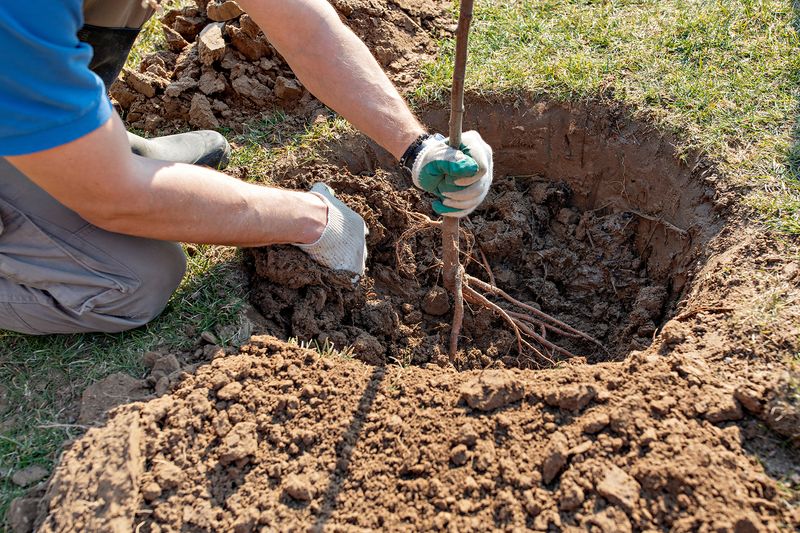
February offers Texas gardeners an excellent opportunity to plant trees and shrubs. Dormant plants experience less transplant shock and have time to establish roots before the stress of summer heat arrives.
Whether you’re adding shade trees, flowering shrubs, or native plants, getting them in the ground now gives them the best possible start.
Choose plants suited to your specific region of Texas and your yard’s conditions. Consider mature size, water needs, and sun exposure.
Dig planting holes two to three times wider than the root ball but no deeper. Set plants at the same level they were growing in their containers, and backfill with native soil.
Water deeply after planting and maintain consistent moisture throughout the first growing season.
Apply a two to three-inch layer of mulch around new plantings, keeping it a few inches away from trunks and stems. Mulch conserves moisture, moderates soil temperature, and reduces weed competition.
Bare-root trees and shrubs are often available in February and cost less than container-grown plants. They establish just as well when planted properly.
Texas gardeners who plant in February give their new additions months of cool, moist weather to grow roots before facing summer challenges. Trees and shrubs planted now will be stronger, healthier, and more drought-tolerant by the time hot weather arrives.
This investment in your landscape pays dividends for decades, providing shade, beauty, wildlife habitat, and increased property value.
8. Check And Repair Irrigation Systems
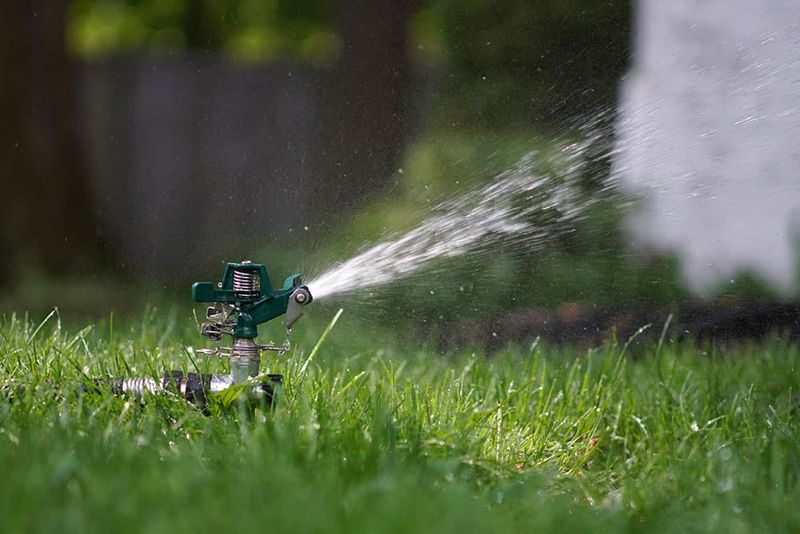
Before the busy growing season begins, Texas gardeners should inspect and repair their irrigation systems. February provides the perfect opportunity to test sprinklers, drip lines, and timers while water demands are still low.
Finding and fixing problems now prevents water waste and ensures your plants get adequate moisture when they need it most.
Run each irrigation zone and watch for broken sprinkler heads, clogged emitters, or leaking pipes.
Replace damaged components and adjust spray patterns to avoid watering sidewalks and driveways. Clean filters and flush drip lines to remove debris that accumulated over winter.
Check your timer settings and reprogram them for the upcoming season. As temperatures rise and plants begin active growth, they’ll need more frequent watering.
Texas water restrictions vary by region, so familiarize yourself with local rules and adjust your schedule accordingly.
Proper irrigation is crucial in Texas, where summer heat and periodic drought stress plants severely. A well-maintained system delivers water efficiently, reducing waste and lowering utility bills.
It also promotes deeper root growth by watering thoroughly but less frequently. Plants with strong root systems survive heat and dry spells better than those with shallow roots from frequent light watering.
Taking time to check your irrigation system in February means you won’t discover problems in June when plants are already suffering.
This proactive approach keeps your garden healthy and beautiful while conserving precious water resources throughout the demanding Texas growing season.