Most North Florida Gardeners Make This Winter Mistake
North Florida winter doesn’t look harsh, but it quietly wrecks a lot of gardens. One small habit trips up more homeowners than anything else, and most people don’t realize they’re doing it wrong.
Plants that looked fine in fall suddenly yellow, stop growing, or struggle when spring shows up. The problem usually starts underground.
Cooler weather keeps soil wet much longer than people expect, and roots suffer long before leaves show trouble. By the time damage appears, it’s often already done.
The good news is this is easy to fix once you know what’s happening. A few simple changes now can protect your plants, prevent disease, and save you from replacing shrubs and vegetables later.
If you garden in North Florida, this is something you really want to see.
1. Why Winter Gardening Is Trickier In North Florida
Step outside on a January morning and you will notice something different about your garden. The air feels cooler, the soil stays damp longer after rain, and your plants seem to grow in slow motion compared to their summer sprint.
North Florida sits in a unique climate zone where winter brings real cold snaps, occasional frost, and soil temperatures that drop low enough to change how plants behave.
Your garden does not follow the same rules during winter that it does in warmer months. Clay-heavy soils common throughout the region hold water much longer when temperatures drop.
Plants enter a period of slower growth, using far less water than they did during the heat of summer. Your irrigation system that ran perfectly in August now delivers too much water for plants that barely drink.
Many gardeners assume that if watering helped plants thrive in summer, the same schedule will work year-round. This misunderstanding causes more winter plant problems than any other single factor.
Your garden needs you to recognize that cooler weather, slower evaporation, and dormant growth patterns require a completely different approach. When you adjust your care habits to match what winter actually demands, your plants respond with healthier roots, stronger disease resistance, and better survival through cold snaps that inevitably arrive.
2. Overwatering During Winter Is Hurting North Florida Plants
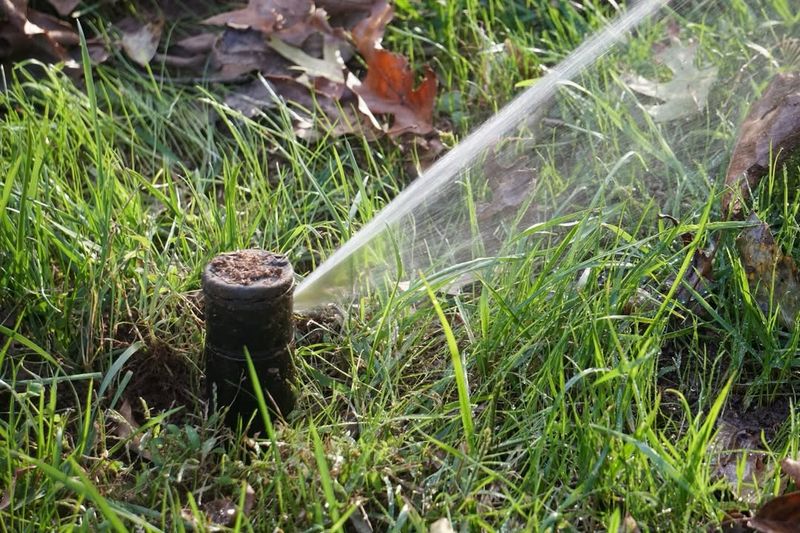
Walk through your garden after running your sprinklers and notice how long the ground stays wet. In summer, that moisture disappears quickly as heat and active plant roots pull water from the soil.
Winter tells a different story. The same amount of water you applied in July now sits in the root zone for days, creating conditions that harm rather than help your plants.
Overwatering is one of the most common mistakes North Florida gardeners make during winter months. Your automatic irrigation system continues its programmed schedule, delivering water at a rate designed for hot, dry conditions.
Meanwhile, cooler temperatures mean plants transpire less, roots absorb less, and soil dries much more slowly. The result is saturated soil that suffocates roots and invites fungal diseases.
Most gardeners never realize they are overwatering because plants do not always show immediate symptoms. You might think everything looks fine until spring arrives and plants fail to bounce back with new growth.
Your Florida Garden Changes Every Week. Your Plan Should Too.
Gardening in Florida changes quickly throughout the season. Every Friday you’ll receive a simple weekly plan showing exactly what to plant, prune, fertilize, harvest, and protect so you never miss the right timing.
By then, root damage has already occurred. Winter watering requires a complete mindset shift from summer abundance to winter restraint.
Your plants need you to recognize that less water during cold months actually promotes better health, stronger roots, and improved resilience when temperatures fluctuate between mild days and sudden freezes.
3. Why This Mistake Damages Plants During Cold Weather
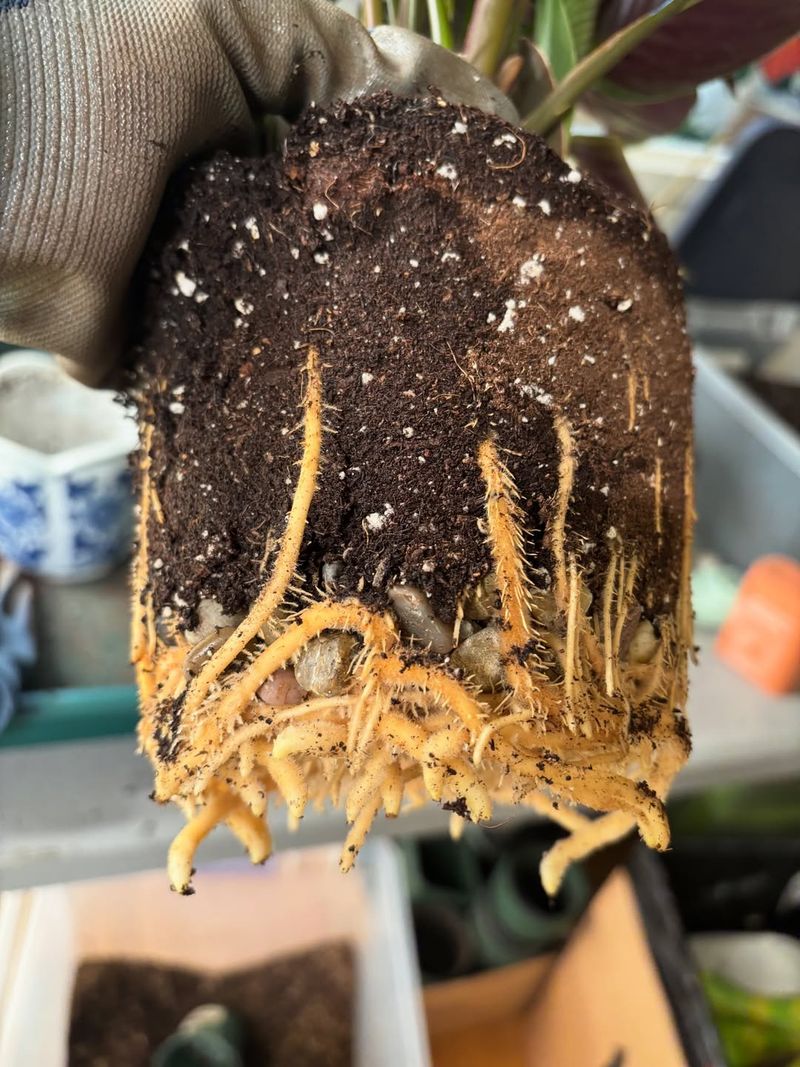
Imagine your plant roots sitting in cold, waterlogged soil for days at a time. Roots need oxygen just as much as they need water, and saturated soil pushes out the air pockets that healthy roots depend on.
When winter temperatures drop and soil stays wet, roots cannot breathe properly. They begin to suffocate, turning brown and mushy instead of staying firm and white.
Cold, wet conditions create the perfect environment for root rot fungi that remain dormant during hot, dry summers. These pathogens thrive in cool, wet soil conditions common during North Florida winters.
Your well-intentioned watering actually feeds the problem. Damaged roots cannot absorb nutrients or water efficiently, so plants begin showing stress symptoms even though plenty of water surrounds them.
Winter also brings another complication to North Florida gardens. When a cold snap arrives and soil is already saturated, plants face double stress.
Wet roots are more susceptible to freeze damage than roots in properly drained soil. Your plants need their root systems in peak condition to survive temperature drops.
Overwatering weakens their natural defenses right when they need strength most. Adjusting your watering habits protects roots from both fungal disease and cold damage throughout the winter season.
4. How To Avoid This Winter Mistake The Right Way
Start by turning off your automatic irrigation system or dramatically reducing its run time. Your summer schedule has no place in a North Florida winter garden.
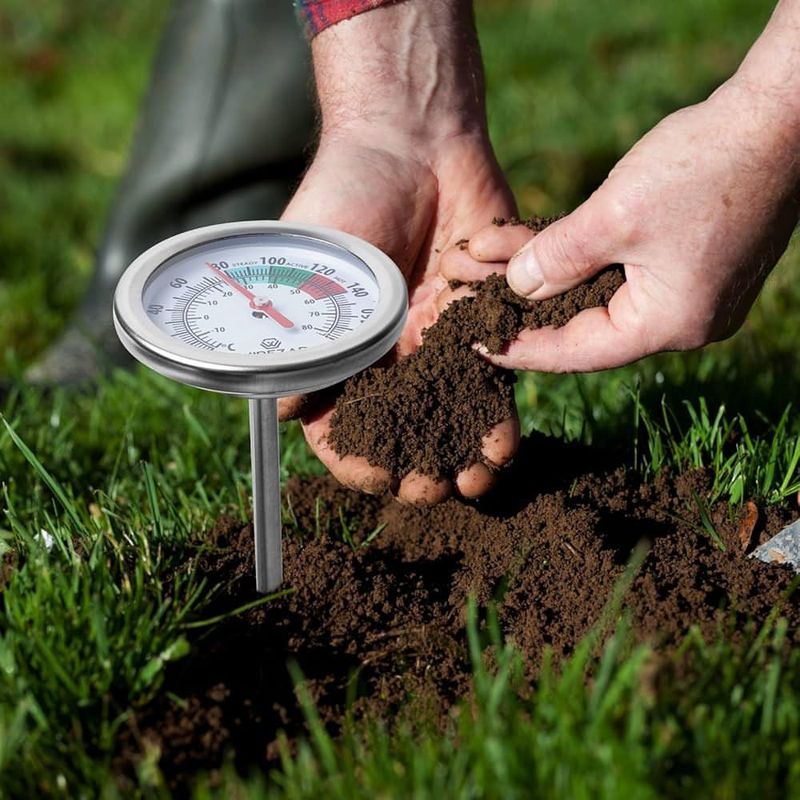
Check soil moisture before watering by pushing your finger three to four inches into the ground near plant roots. If the soil feels damp or cool, your plants do not need water yet.
Wait until the top three to four inches of soil dry before running your system again.
Adjust your irrigation controller to run less frequently and for shorter durations. Many established North Florida landscapes need little to no supplemental irrigation during winter, depending on rainfall, soil type, and weather conditions.
Newly planted gardens may need slightly more attention, but even young plants require far less water in winter than summer. Pay attention to rainfall as well.
A good winter rain can provide all the moisture your garden needs for two weeks or more.
Consider hand-watering specific plants that show signs of dryness rather than running your entire irrigation system. This targeted approach prevents overwatering healthy plants while addressing the needs of thirstier specimens.
Your vegetable garden may need different care than your established shrubs. Monitor each area separately and adjust watering based on what you observe rather than following a rigid schedule designed for different conditions.
5. Signs Your Garden Has Already Been Affected
Look closely at your plants and you might notice yellowing leaves that drop prematurely, even though winter is not typically a time for leaf loss on evergreen plants. This symptom often indicates root problems caused by too much water.
Your plants cannot absorb nutrients properly when roots are damaged, so foliage begins to yellow and weaken. Slow or stunted growth also signals trouble, though winter naturally slows plant development anyway.
Walk around your garden and check for areas where water pools after irrigation or rain. These low spots hold moisture longer than surrounding areas, creating pockets of saturated soil that harm plant roots.
You might also notice a sour or musty smell coming from the soil around struggling plants. This odor indicates anaerobic conditions where beneficial soil organisms cannot survive and harmful fungi take over.
Some plants show wilting symptoms even when soil is wet, which confuses many gardeners into adding more water. This reaction makes the problem worse.
Wilting with wet soil means roots are too damaged to function properly. Your plant cannot absorb available water because its root system has been compromised.
Check for soft, mushy stems near the soil line, another clear sign that overwatering has allowed fungal disease to establish itself in your garden during winter months.
6. Plants Most Impacted By This Mistake In North Florida
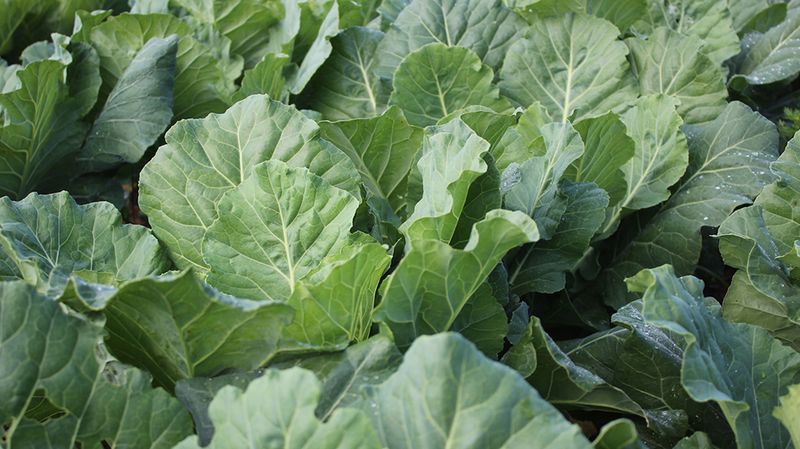
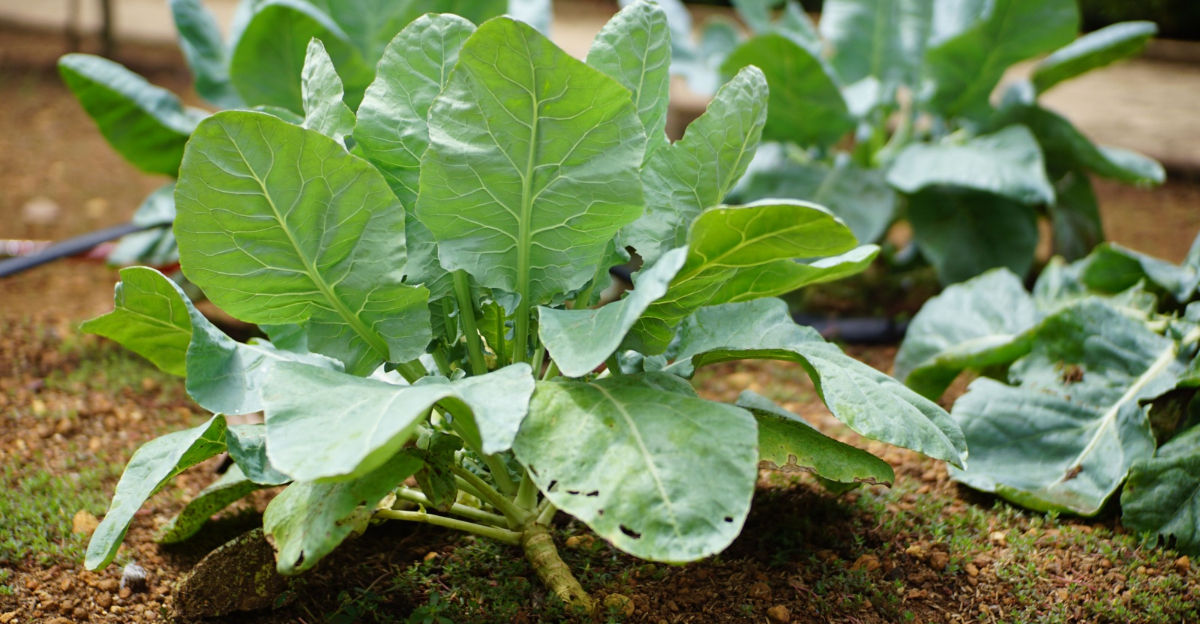
Your vegetable garden suffers tremendously from winter overwatering. Cool-season crops like broccoli, cabbage, lettuce, and kale grow best in North Florida winters, but they need well-drained soil to thrive.
Too much water encourages fungal diseases that attack leaves and roots, ruining your harvest before spring arrives. These vegetables grow slowly during short winter days, using far less water than summer crops like tomatoes or peppers.
Azaleas, camellias, and gardenias are popular North Florida landscape plants that hate wet feet during winter. Their shallow root systems sit in the top layer of soil where excess water accumulates most easily.
Overwatering these shrubs during cold months leads to root rot that may not become obvious until spring when plants fail to bloom or put out new growth. Many gardeners lose valuable landscape plants without ever realizing winter watering caused the problem.
Citrus trees also struggle with excessive winter moisture. While established citrus can tolerate some dampness, young trees are particularly vulnerable to root diseases when soil stays saturated during cool weather.
Your citrus needs infrequent, deep watering during winter rather than frequent shallow applications. Herbs like rosemary, thyme, and sage prefer drier conditions year-round and quickly succumb to root rot when winter watering continues at summer rates throughout North Florida gardens.
7. What North Florida Gardeners Should Do Instead
Embrace a new winter watering philosophy based on observation rather than automation. Your garden tells you what it needs if you pay attention to soil conditions, plant appearance, and weather patterns.
Check your soil regularly and water only when the top few inches feel dry. This simple practice prevents most overwatering problems and keeps roots healthy throughout the season.
Improve drainage in problem areas before winter settles in completely. Add organic matter to clay-heavy soils to help water move through the root zone more efficiently.
Consider creating raised beds for vegetables and plants that demand excellent drainage. Proper soil preparation makes winter watering management much easier and reduces the risk of root diseases taking hold during cold, damp months.
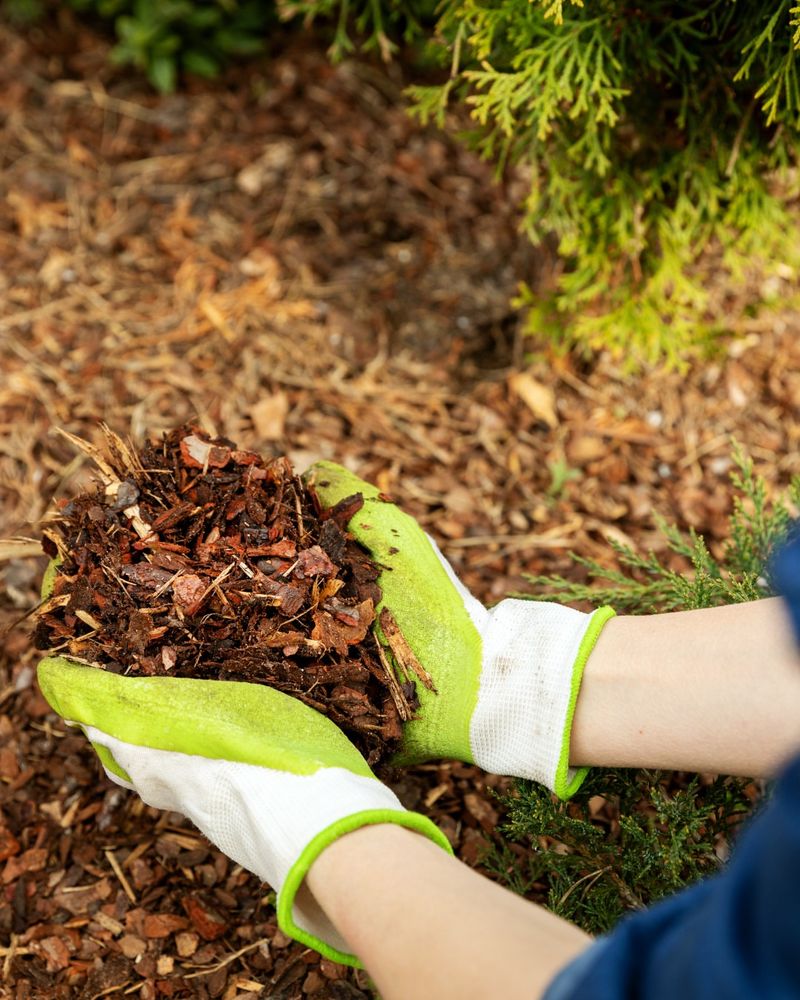
Apply mulch correctly around plants to help regulate soil moisture without creating waterlogged conditions. A two to three inch layer of mulch insulates roots from temperature swings while allowing excess water to evaporate.
Keep mulch pulled back slightly from plant stems to prevent moisture from accumulating right against sensitive tissue. Monitor weather forecasts and skip irrigation before predicted rainfall.
Let nature provide water when possible, saving your irrigation system for genuinely dry periods. Your plants will reward this thoughtful approach with stronger growth when spring warmth finally returns to your North Florida garden.
8. How To Protect Your Garden For The Rest Of Winter
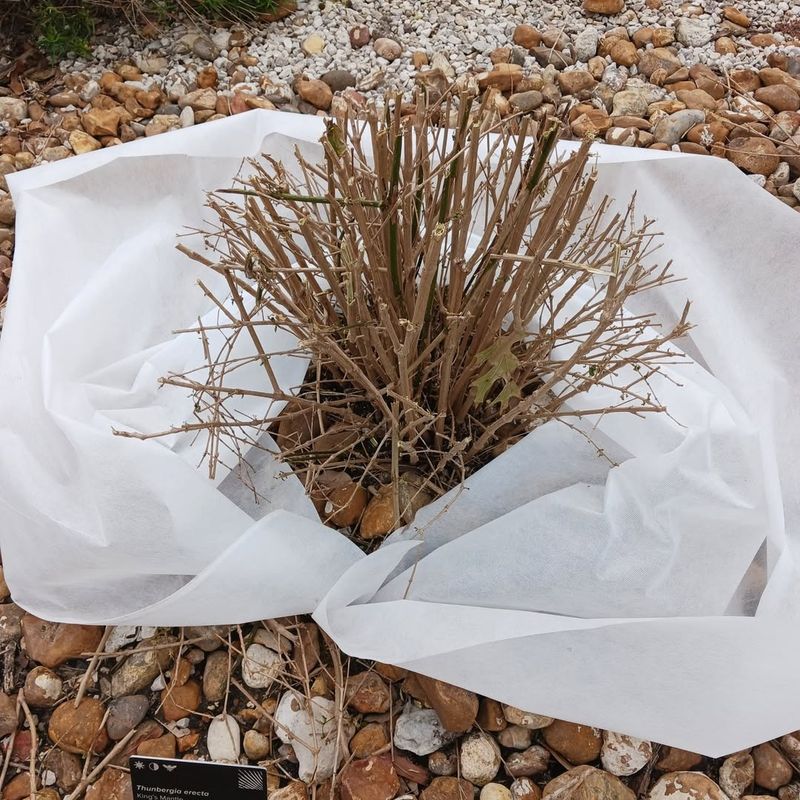
Prepare for cold snaps by ensuring your garden has proper drainage before temperatures drop. Plants with healthy, well-drained root systems survive freezes much better than those sitting in saturated soil.
When frost warnings arrive, avoid watering if soil is already saturated or poorly drained. Moderately moist soil can help retain heat, but waterlogged soil increases root stress and freeze injury.
Adjust your irrigation system monthly as winter progresses and rainfall patterns change. North Florida winters vary considerably from year to year.
Some seasons bring regular rain that eliminates the need for supplemental watering, while drier winters require occasional irrigation to prevent stress. Stay flexible and responsive to actual conditions rather than following a predetermined schedule that ignores weather reality.
Keep an eye on your vegetable garden throughout winter, as these plants need more attention than established landscapes. Hand-water vegetables when needed rather than running zone irrigation that also waters dormant lawn areas and shrubs.
This targeted approach conserves water while giving your food crops the moisture they need to produce harvests. As February arrives and temperatures begin climbing toward spring, gradually increase watering frequency to match awakening plant growth.
Your winter restraint pays off with healthy roots ready to support vigorous spring growth across your entire North Florida garden.