Why Floridians Use Pine Straw Instead Of Mulch
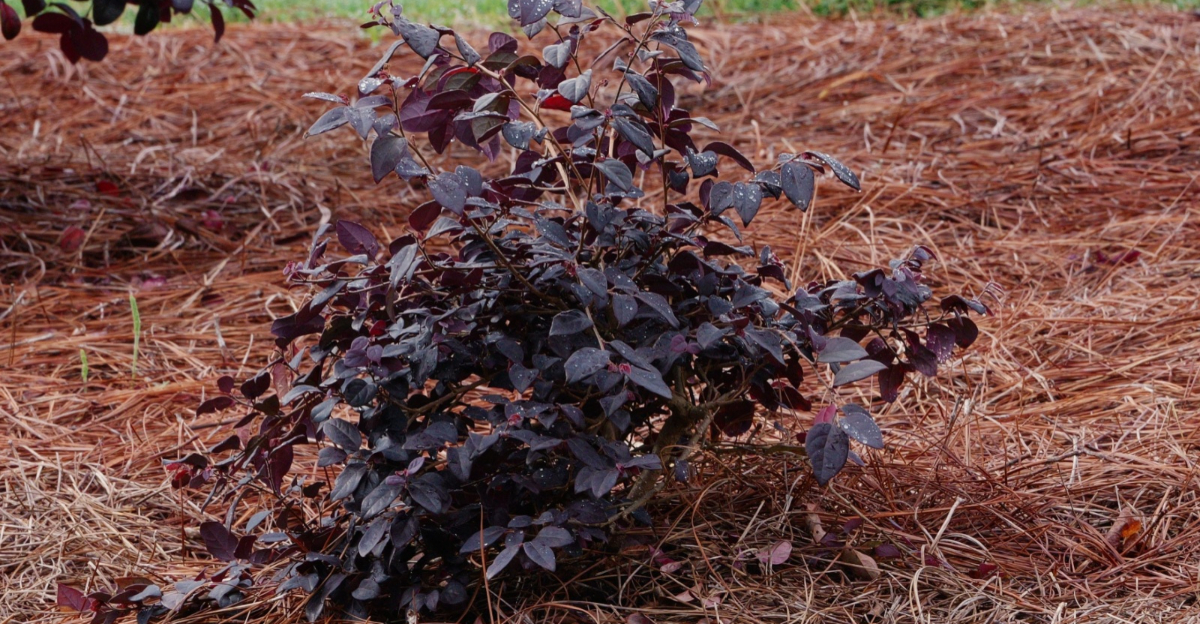
Walk through Florida after a heavy summer rain and one thing stands out fast. Some yards look freshly landscaped while others are covered in washed-out mulch, muddy patches, and scattered wood chips.
The difference often comes down to one simple choice hiding in plain sight: pine straw. Across North and Central Florida, more homeowners are quietly replacing traditional mulch with pine needles, and the results are hard to ignore.
Beds stay neater after storms, plants handle heat better, and maintenance becomes far easier during the long rainy season. Pine straw is not just about looks.
It works with Florida’s sandy soil, heavy rainfall, and intense sun in ways many people never realize. If you want a cleaner landscape, fewer weekend chores, and better plant health, understanding why pine straw performs so well could change how you manage your yard year-round.
1. Why Pine Straw Is So Popular In Florida Yards
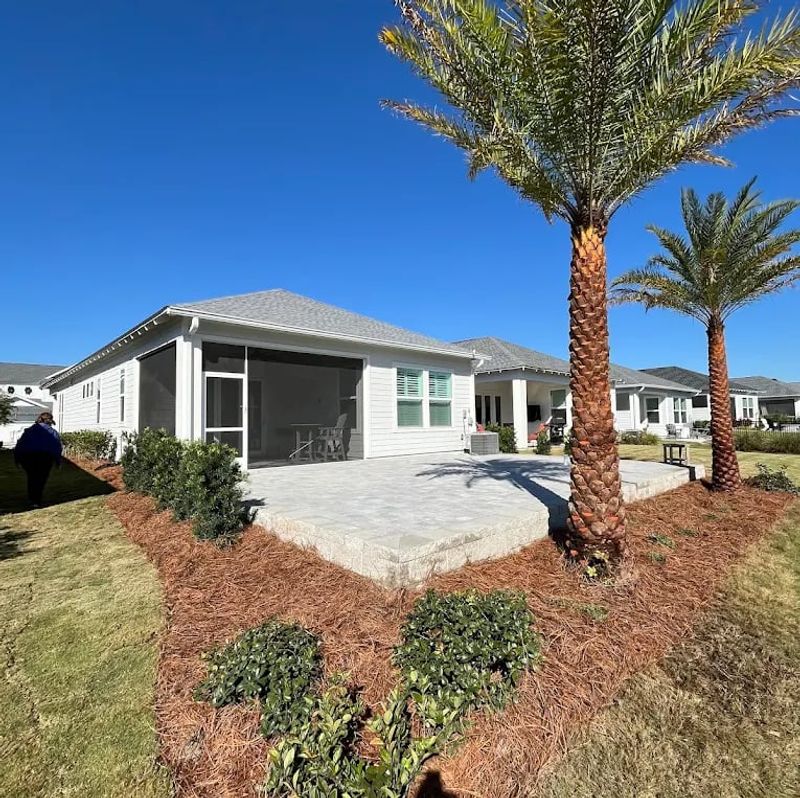
Drive through neighborhoods in Jacksonville, Tallahassee, or Gainesville and you will see pine straw covering flower beds, tree rings, and garden pathways everywhere. Homeowners choose this material because it comes from the abundant longleaf and slash pine forests throughout North Florida, making it affordable and easy to find.
Local suppliers harvest fallen pine needles sustainably, creating a renewable resource that does not require cutting down trees or processing wood into chips.
Your neighbors probably switched to pine straw after noticing how much easier it makes yard maintenance during Florida’s intense rainy season. Pine needles naturally interlock when they fall, creating a woven mat that stays put even during afternoon downpours.
This interlocking quality means you spend less time raking displaced material back into beds after every storm.
Cost plays a big role in pine straw’s popularity too. A bale of pine straw typically covers more area than a bag of wood mulch and is often more cost-effective per square foot in North and Central Florida, depending on local availability and season.
You can refresh your beds two or three times yearly without breaking your landscaping budget.
Many homeowners also appreciate the natural, woodland appearance pine straw creates, especially around native Florida plants and shade trees that thrive under pine canopies in nature.
2. What Makes Pine Straw Work Better In Florida Climate
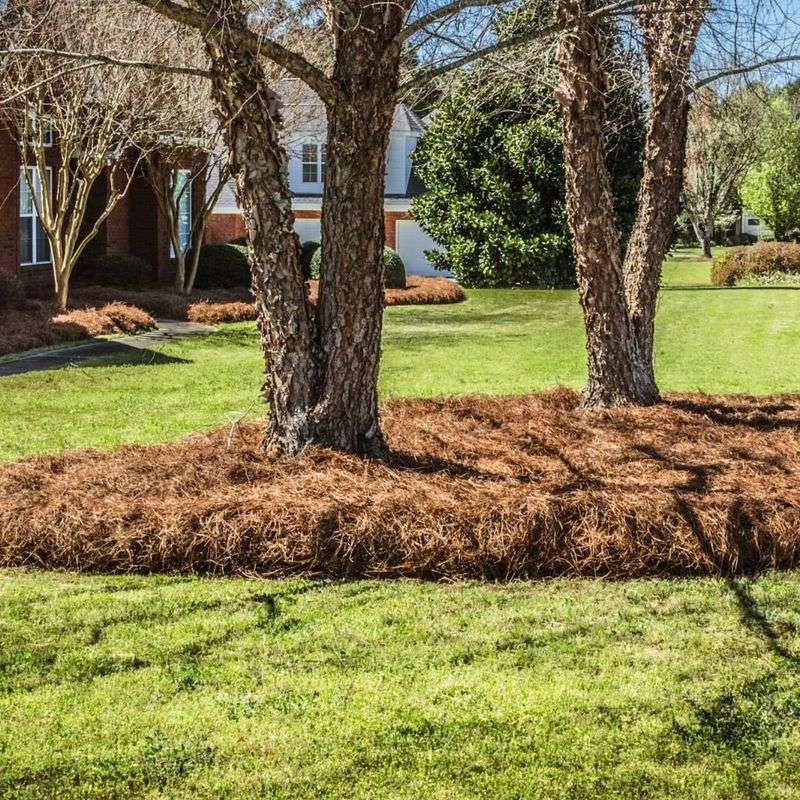
Florida’s combination of high heat, intense rainfall, and sandy soil creates challenges that wood mulch struggles to handle effectively. Pine straw addresses these challenges through its unique physical structure and chemical composition.
The long, flexible needles allow air circulation around plant roots while still providing insulation from temperature extremes. This breathing quality prevents the soggy, compacted conditions that often develop under thick wood mulch layers during summer rainstorms.
Sandy Florida soils drain quickly, which means moisture retention becomes crucial for plant health. Pine straw creates a protective layer that slows water evaporation from soil surfaces without blocking rainfall from reaching root zones.
Your plants get consistent moisture access even during dry spells between storms. The needles also break down slowly, gradually adding organic matter to soil without creating the waterlogged mats that decomposing wood chips sometimes form.
Your Florida Garden Changes Every Week. Your Plan Should Too.
Gardening in Florida changes quickly throughout the season. Every Friday you’ll receive a simple weekly plan showing exactly what to plant, prune, fertilize, harvest, and protect so you never miss the right timing.
Temperature regulation matters more than many homeowners realize in Florida landscapes. Pine straw insulates soil from the intense summer sun that can heat bare ground to temperatures that stress shallow roots.
During winter cold snaps, that same insulation protects tender plants from frost damage. The light color of aged pine straw reflects heat rather than absorbing it like dark wood mulch, helping keep root zones cooler during peak summer months compared to bare soil.
3. How Pine Straw Handles Heavy Rain And Heat
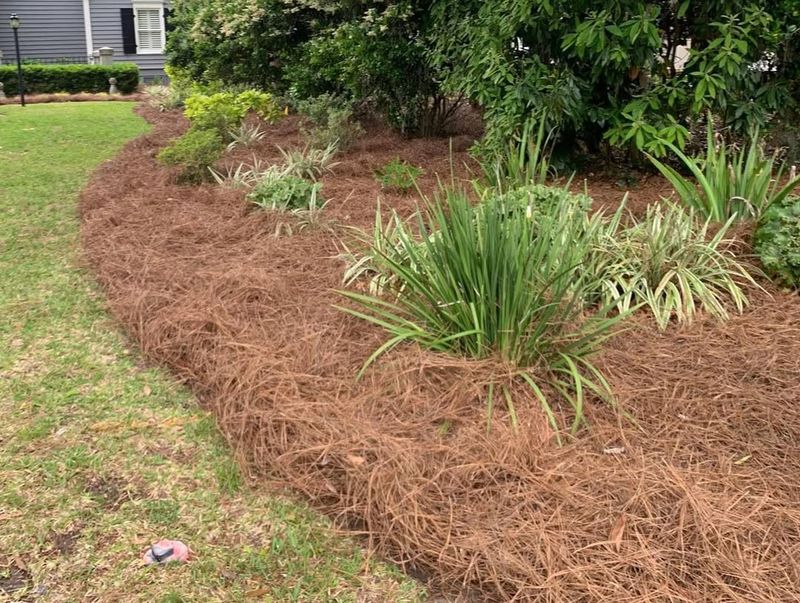
Stand outside during one of Florida’s summer afternoon thunderstorms and watch what happens to different ground covers. Wood mulch pieces often float away in rushing water, collecting in low spots and clogging drainage areas.
Pine straw behaves completely differently because the long needles tangle together, forming a flexible mat that bends with water flow instead of washing away. This interlocking structure means your beds stay covered and protected even during Florida’s intense summer downpours.
The way pine straw sheds water can help reduce erosion compared to loose wood chips.
Raindrops hit the needles and disperse gently rather than hammering directly onto soil surfaces.
Your landscape maintains its shape and plants keep their root zones intact instead of getting exposed by rushing water. This erosion control becomes especially important on slopes and around trees where root protection matters most.
Heat management works just as impressively as rain handling. Pine needles contain natural resins that help them resist decomposition in hot, humid conditions.
While wood mulch can develop mold, fungus, or unpleasant odors during Florida summers, pine straw tends to dry faster and compact less, which can reduce—but not eliminate—these issues.
The open weave of pine needles allows heat to escape rather than building up underneath, creating healthier conditions for beneficial soil organisms and plant roots throughout the hottest months.
4. Pine Straw Vs Mulch What Florida Gardeners Notice First
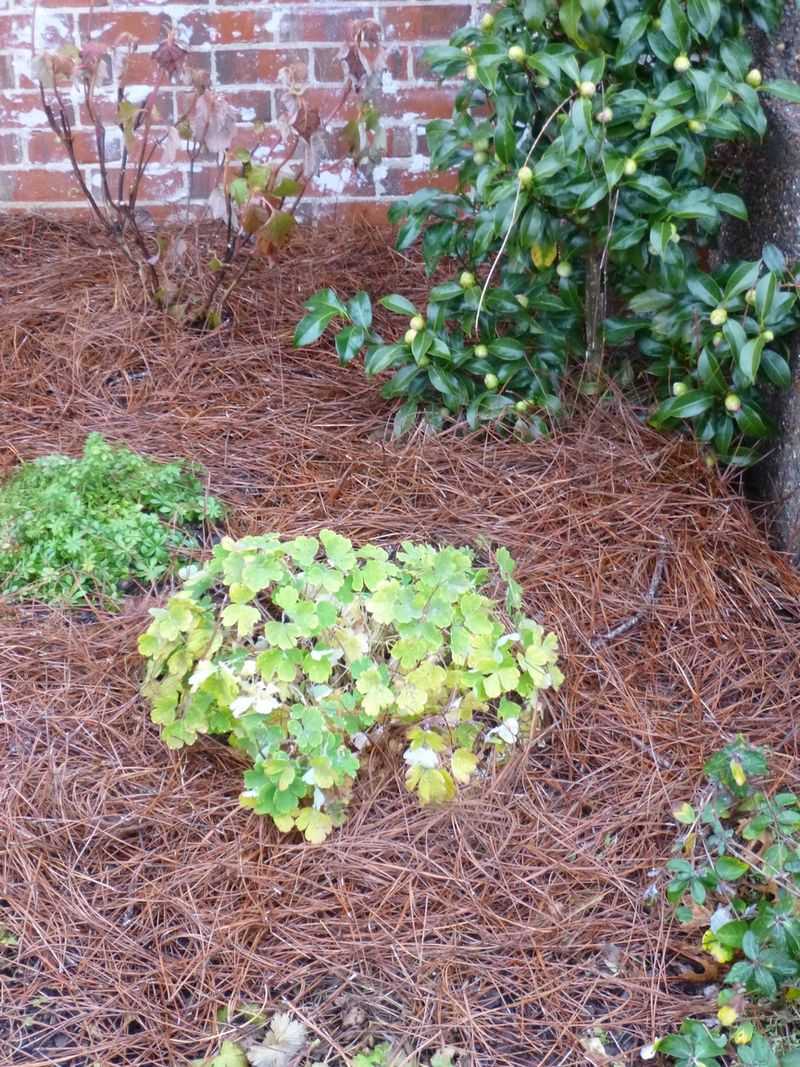
Most homeowners who switch from wood mulch to pine straw notice the weight difference immediately when spreading material. A bale of pine straw weighs much less than a bag of wood mulch covering the same area, making application easier on your back and faster to complete.
You can carry bales around your property without needing a wheelbarrow for every trip, and spreading the needles requires less physical effort than shoveling heavy wood chips.
Appearance changes become obvious within the first few weeks. Wood mulch often fades from rich brown to gray as Florida sun bleaches the wood fibers.
Pine straw develops a warm, golden tan color as it ages, maintaining an attractive look much longer. You also avoid the problem of wood mulch pieces floating to the surface after rain, creating an uneven, messy appearance that requires constant raking and redistribution.
Maintenance requirements drop noticeably with pine straw. You simply add fresh layers on top of existing material rather than removing old mulch before applying new batches.
The needles compress and decompose gradually, building soil quality over time. Weeds find it harder to establish in pine straw beds because the interlocking needles block light more effectively than loose wood chips.
When weeds do appear, pulling them from pine straw proves easier since roots do not anchor as deeply in the loose, airy material.
5. Where Pine Straw Works Best Around Florida Homes
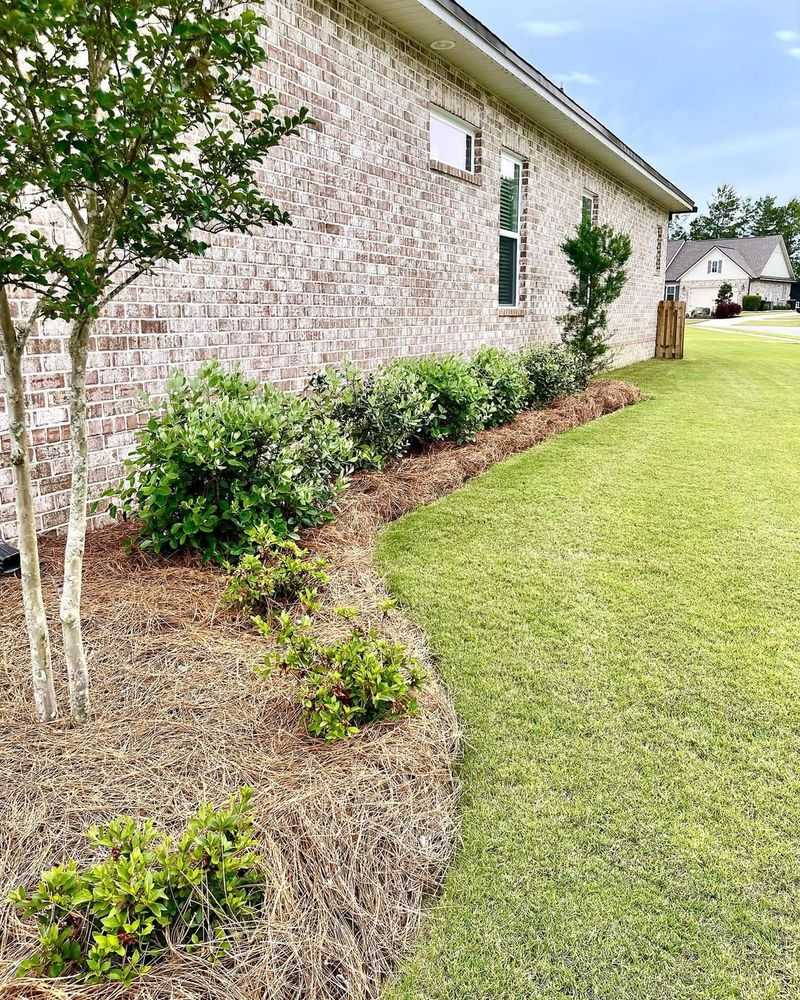
Pine straw performs exceptionally well around trees, especially native oaks, magnolias, and pines that naturally grow in forests where fallen needles cover the ground. Creating a three to four inch layer around your trees mimics natural conditions while protecting roots and conserving moisture.
Remember to keep pine straw pulled back several inches from trunk bases to prevent moisture buildup that could encourage rot or pest problems. This natural spacing allows air circulation around the bark.
Flower beds and shrub borders benefit tremendously from pine straw coverage. The material provides a clean, finished look that highlights colorful blooms without competing visually.
Azaleas, camellias, and other acid-loving plants particularly appreciate pine straw because the needles slightly lower soil pH as they decompose, creating ideal growing conditions. Your annual flowers and perennials stay cleaner too since rain does not splash soil onto leaves and petals.
Pathways and borders between lawn areas and planting beds work beautifully with pine straw. The material compresses under foot traffic better than loose bark mulch and provides good traction even when wet.
Slopes and areas prone to erosion see significant improvement with pine straw coverage because the interlocking needles hold soil firmly. Avoid using pine straw directly against house foundations or wooden structures where moisture retention could cause problems.
Keep at least six inches of clearance from buildings.
6. Common Myths About Pine Straw In Florida Landscapes
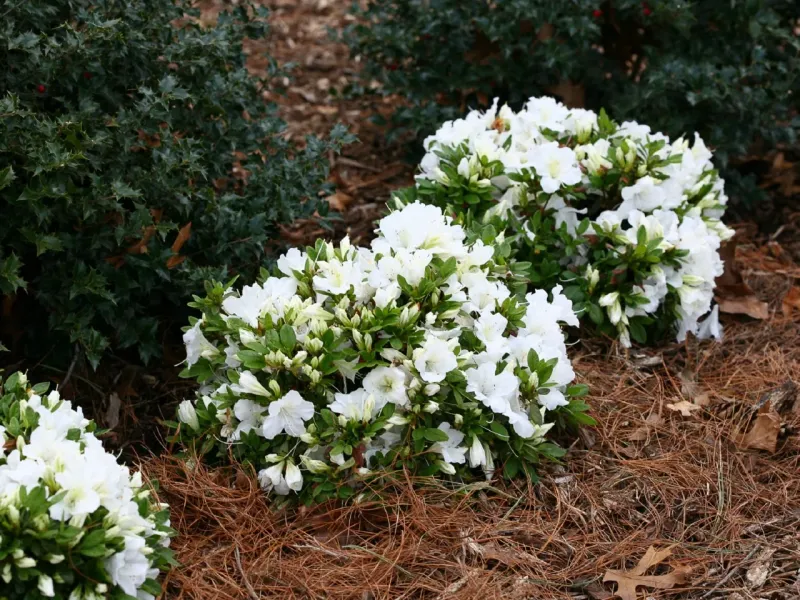
Many homeowners worry that pine straw increases fire risk around their homes, but research from University of Florida IFAS Extension shows properly maintained pine straw at recommended depths does not pose unusually high fire risk compared to other organic mulch materials. The key involves keeping straw at appropriate thickness, maintaining clearance from structures, and avoiding excessive dryness during extended drought conditions.
Dry, piled-up pine straw near buildings does create risk, but the same applies to any organic ground cover when improperly maintained.
Another common misconception suggests pine straw makes soil too acidic for most plants. While pine needles do have slight acidifying effects as they break down, the change happens gradually and mildly.
Your typical landscape plants tolerate this minor pH shift without problems. If you grow plants that specifically need alkaline soil, you can easily adjust pH with lime applications.
Most Florida soils already tend toward acidity anyway, so pine straw simply works with existing conditions.
Some people believe pine straw attracts snakes or provides habitat for pests. Snakes shelter in any ground cover that offers protection, whether pine straw, wood mulch, or dense vegetation.
Keeping pine straw at proper depth, maintaining clear sight lines, and managing overall landscape density matters more than material choice. Pine straw contains natural resins that may discourage certain insects, but it should not be considered a pest control method.
7. When Mulch Is Still The Better Choice In Florida
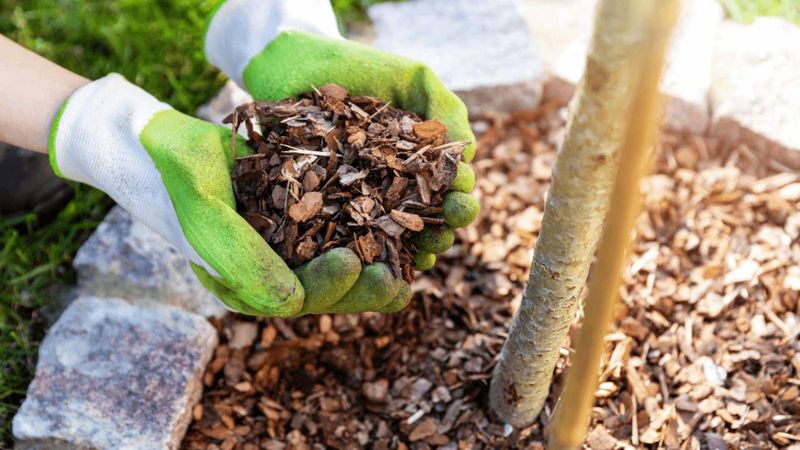
Wood mulch works better than pine straw in playgrounds and high-traffic areas where children play actively. The chunky texture of wood chips provides better cushioning for falls and stays in place under constant foot traffic better than pine needles.
Commercial playground mulch meets specific safety standards that pine straw cannot match. If you have swing sets, play structures, or areas where kids run and tumble frequently, stick with appropriate wood mulch products designed for those purposes.
Vegetable gardens often perform better with wood mulch or compost rather than pine straw. Many vegetables prefer neutral to slightly acidic soil conditions, and wood mulch breaks down without affecting pH as much as pine needles.
The chunky texture of wood mulch also makes it easier to work around vegetable plants that need frequent harvesting and replanting. You can pull wood chips aside, work the soil, and replace the mulch more easily than with matted pine straw.
South Florida landscapes face pine straw availability challenges since fewer pine forests grow in subtropical regions. Shipping pine straw from North or Central Florida increases costs significantly, making local wood mulch products more economical.
Tropical and subtropical plants common in South Florida also evolved without pine needle coverage, so wood mulch or other organic materials often suit these plants better. Consider your regional plant palette and material availability when choosing ground covers for your specific Florida location.
8. How Florida Homeowners Use Pine Straw Correctly
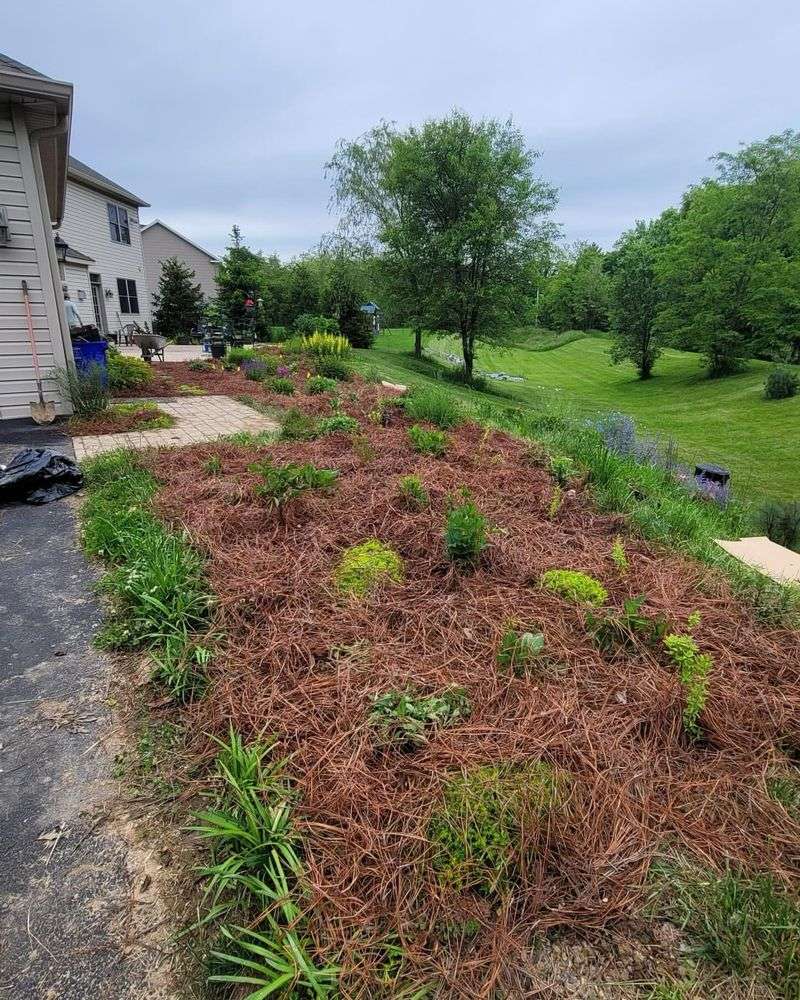
Proper pine straw application starts with depth. Spread needles three to four inches thick for optimal weed suppression and moisture retention.
Thicker layers can create problems by holding too much moisture against plant stems or preventing rainfall from reaching soil. Thinner layers fail to provide adequate coverage and allow weeds to establish.
You can measure depth easily by pushing your hand down through the straw until you feel soil underneath. Adjust coverage as needed to maintain consistent thickness.
Refresh your pine straw beds at least twice yearly to maintain appearance and performance. Most Florida homeowners add new layers in spring before summer heat arrives and again in fall before winter.
Simply spread fresh pine straw over existing material rather than removing old needles. The bottom layers will continue decomposing and enriching soil while new straw on top provides fresh coverage.
This layering approach builds soil organic matter gradually while keeping beds looking neat.
Always pull pine straw back from plant stems, tree trunks, and building foundations. Create a small bare zone around each plant to allow air circulation and prevent moisture problems.
Check these clearance zones several times yearly since pine straw can shift or settle. Water your pine straw beds occasionally during extended dry periods to keep the material from becoming overly dry.
This simple maintenance step helps with fire safety and keeps the needles flexible and effective.