12 Plants You Can Grow Year-Round In South Florida
South Florida gardeners live in a rare growing paradise. While much of the country shuts down garden beds for winter, your backyard can stay green, blooming, and productive nearly all year.
Warm temperatures, long daylight hours, and steady humidity create perfect conditions for tropical ornamentals and heat-loving food crops that simply refuse to quit. The real advantage is not just planting year-round.
It is choosing plants that thrive in high heat, tolerate summer rains, handle sandy soil, and keep producing even when winter nights cool slightly.
From flowering shrubs that brighten neighborhoods in February to edible plants that deliver steady harvests without constant replanting, the right selections turn yards into nonstop growing zones.
If you want lower maintenance, more color, and reliable harvests across every season, these plants perform consistently in South Florida landscapes and home gardens.
1. Hibiscus
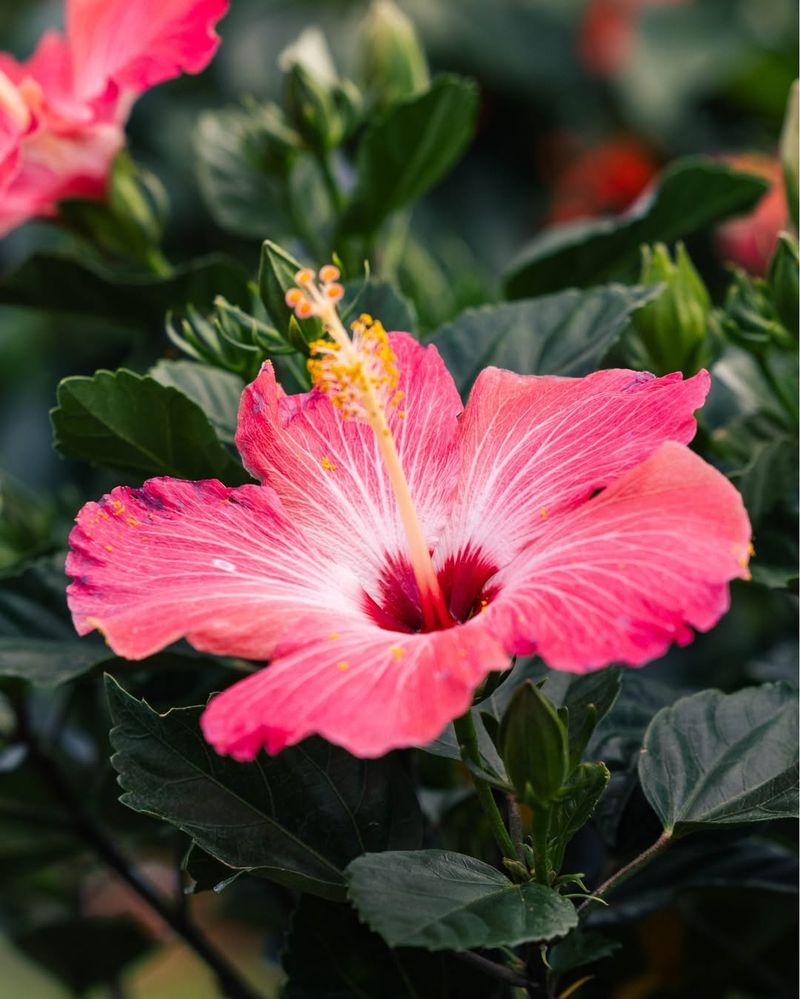
Walk through any coastal South Florida neighborhood in February and you will notice something remarkable: bright, tropical blooms still covering backyard hedges as if summer never ended.
Hibiscus delivers that spectacle because it genuinely loves your year-round warmth and rarely enters full dormancy in South Florida.
Flowers open daily in shades of red, pink, orange, yellow, and coral, creating constant color even when other gardens pause.
Your humidity actually helps hibiscus thrive, keeping foliage lush and encouraging new buds to form weekly. Full sun produces the most blooms, though plants tolerate partial shade near fences or under palm canopies.
Water deeply two to three times per week during dry months, and watch for spider mites when coastal breezes drop.
Homeowners commonly plant hibiscus as living fences, focal points near pools, or container specimens on patios. After planting, you will notice rapid growth and flowering within weeks, especially when you fertilize monthly with a balanced tropical formula.
Pruning lightly after storms keeps plants compact and encourages fresh, wind-resistant branches that bloom reliably through every season.
2. Bougainvillea
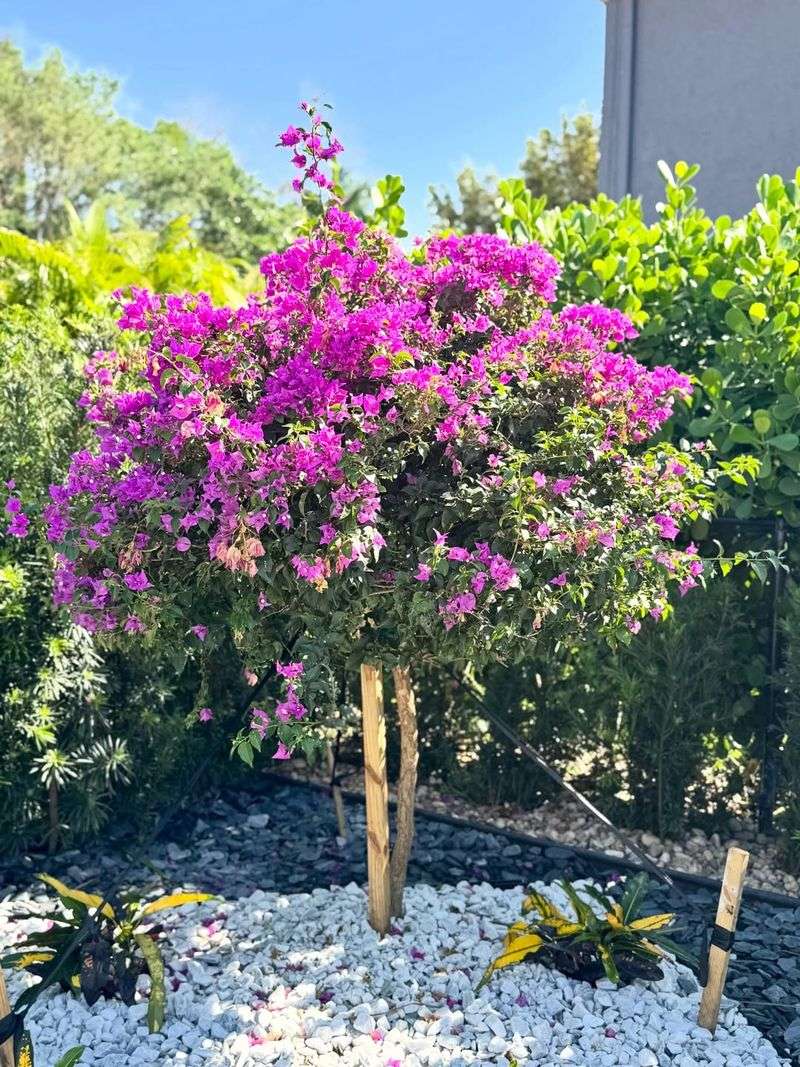
If you have ever wondered why certain South Florida landscapes look effortlessly colorful all year, bougainvillea is usually the answer. This vigorous vine or shrub produces vivid bracts in magenta, purple, orange, white, and red that blanket fences, arbors, and walls with repeated bloom cycles throughout the year.
The plant thrives in heat and actually blooms more intensely when conditions turn dry and sunny.
Bougainvillea performs best in full sun with well-draining soil, making it ideal for sandy coastal yards or raised beds inland. Water moderately once established, as overwatering reduces flowering and encourages leafy growth instead of colorful bracts.
Salt tolerance makes it a strong choice near beaches, and its thorny structure offers natural privacy screening.
You will commonly see bougainvillea trained over pergolas, cascading from containers, or clipped into dense hedges along property lines. After planting, expect a slow start while roots establish, then explosive growth and continuous color.
Prune after major bloom cycles to control size and shape, and watch for caterpillars during humid months. Wind from tropical storms rarely damages mature plants, as their flexible stems bend rather than snap.
3. Ixora (Dwarf Varieties)
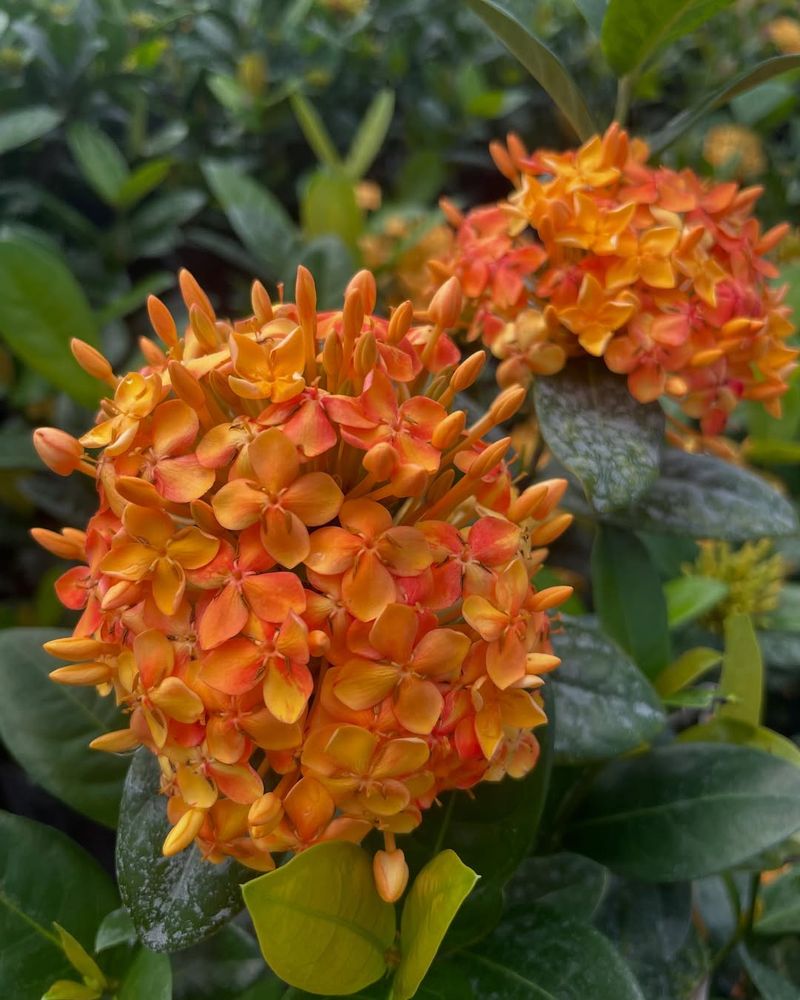
Clusters of tiny, tubular flowers form dense spheres that seem to glow against dark green foliage, and in South Florida, ixora produces those clusters every single month.
Your Florida Garden Changes Every Week. Your Plan Should Too.
Gardening in Florida changes quickly throughout the season. Every Friday you’ll receive a simple weekly plan showing exactly what to plant, prune, fertilize, harvest, and protect so you never miss the right timing.
Dwarf varieties stay compact at two to three feet tall, making them perfect for foundation plantings, walkway borders, or low hedges that never lose their shape.
Flower colors range from classic red and orange to softer pink, yellow, and coral tones.
Ixora loves consistent moisture and thrives in partial to full sun, though midday shade helps prevent leaf scorch during peak summer heat. Your humid climate keeps foliage healthy and encourages continuous bud formation, especially when you fertilize with an acidic formula designed for tropical flowering shrubs.
Avoid alkaline soils, as ixora shows yellowing leaves when pH climbs too high.
Homeowners commonly plant ixora in masses for bold color impact or as specimen accents near entries and patios. After planting, you will notice steady growth and flowering within a few weeks, with peak bloom cycles arriving during warm, rainy months.
Prune lightly to maintain shape and remove spent flower clusters, encouraging fresh blooms to take their place quickly.
4. Firebush
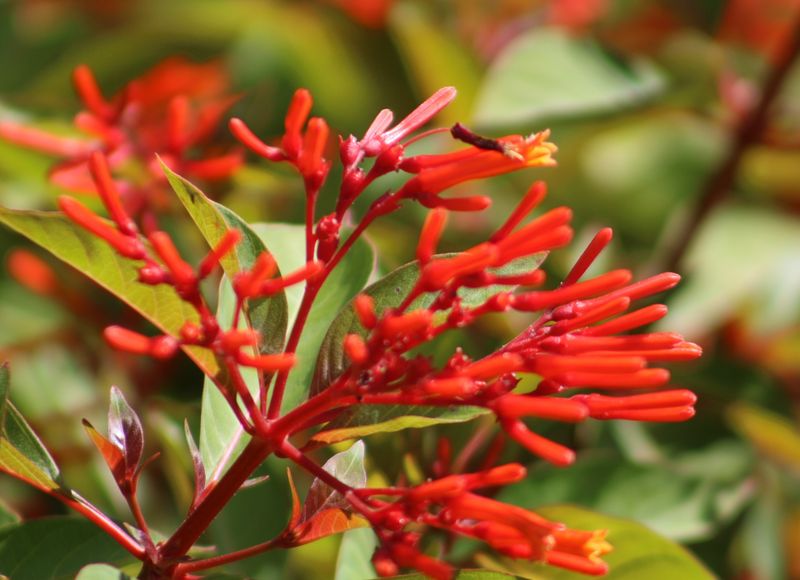
Butterflies and hummingbirds visit your garden daily when firebush is blooming, and in South Florida, that means they visit throughout most of the year. Tubular orange-red flowers appear in clusters at branch tips, attracting pollinators while producing small berries that native birds eagerly consume.
The plant grows quickly into a rounded shrub reaching four to eight feet tall, filling empty spaces with lush, tropical foliage and constant wildlife activity.
Firebush tolerates full sun, partial shade, heat, humidity, and occasional drought once established, making it one of the easiest year-round performers for South Florida landscapes. Water moderately during dry spells, and watch growth accelerate during summer rains.
The plant self-seeds readily, so expect volunteers to appear nearby if you let berries mature.
You will commonly see firebush planted as informal hedges, mixed into pollinator gardens, or massed along fence lines for privacy and color. After planting, expect rapid establishment and flowering within weeks, with blooms intensifying during warm months.
Prune lightly after storms or whenever plants outgrow their space, and firebush will rebound quickly with fresh growth and renewed flowering that keeps your garden buzzing year-round.
5. Coontie
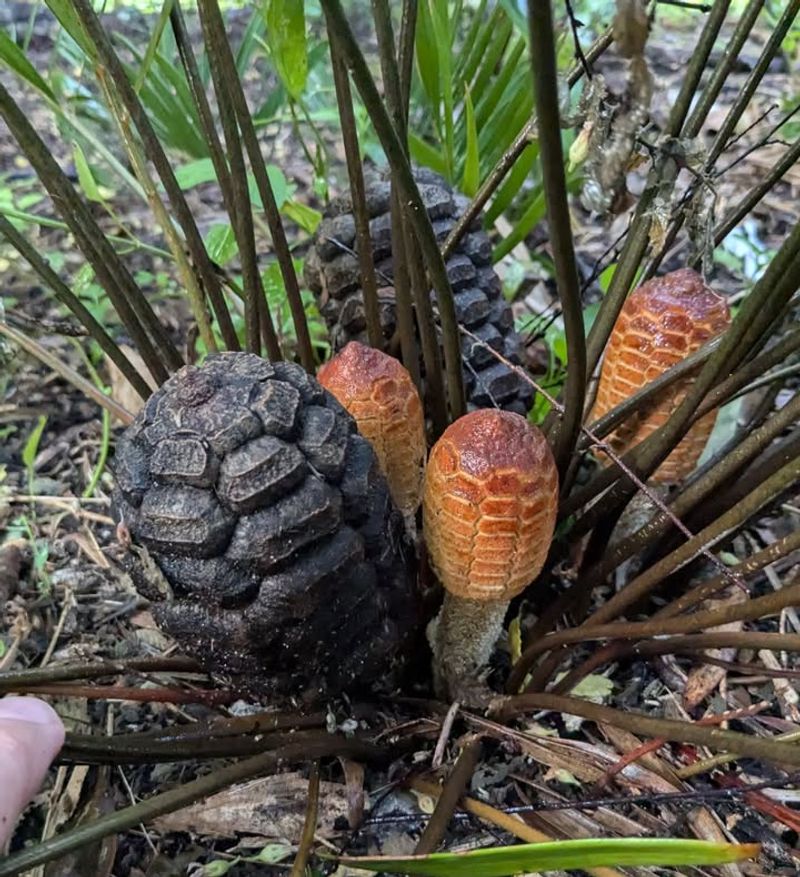
Some South Florida gardens feel effortlessly natural, as if they have always been there, and coontie is often the reason. This native cycad produces low, arching fronds that stay evergreen through every season, adding texture and structure to shaded beds, woodland gardens, or coastal landscapes.
Coontie grows slowly but steadily, forming dense clumps that require almost no maintenance once established.
Your humidity and warmth keep coontie thriving year-round, and the plant tolerates shade, partial sun, drought, and salt spray with equal ease. Water occasionally during extended dry periods, but avoid overwatering, as coontie prefers well-draining sandy or rocky soils.
Female plants produce colorful orange or red cones that attract native atala butterflies, whose caterpillars feed exclusively on coontie foliage.
Homeowners commonly plant coontie as groundcover under oaks and palms, in rock gardens, or along shaded walkways where grass struggles. After planting, expect slow but reliable growth, with new fronds emerging several times per year.
Coontie requires no fertilizer, no pruning, and no pest control, making it ideal for low-maintenance landscapes. Wind and storms rarely damage mature plants, as their sturdy fronds flex and recover naturally after tropical weather passes through.
6. Sweet Potato Vine
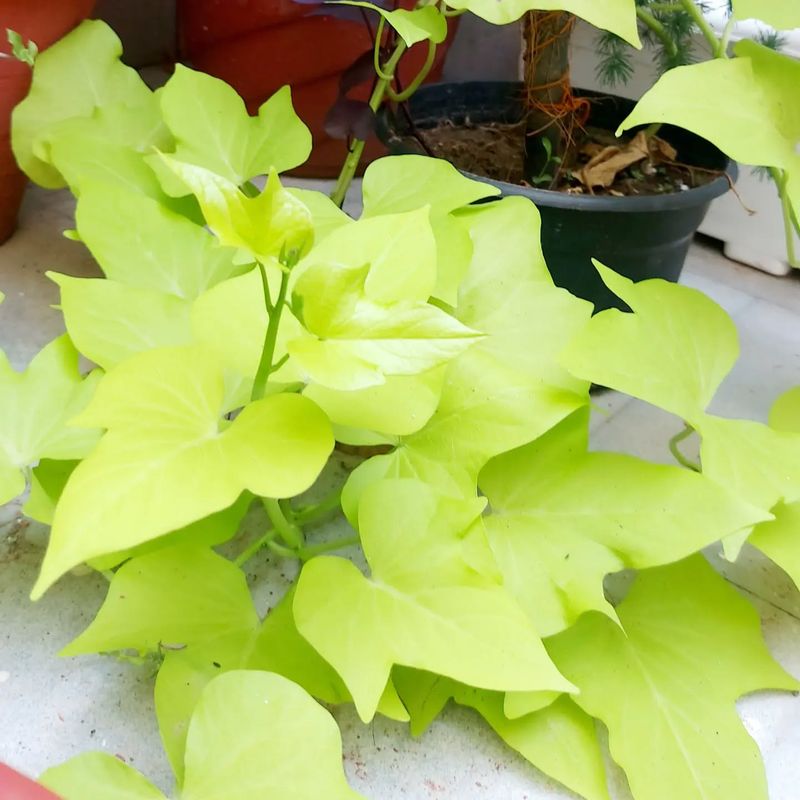
Cascading foliage spills over container edges, tumbles down retaining walls, and fills bare ground with vibrant color, and in South Florida, sweet potato vine does this nonstop.
Available in chartreuse, purple, bronze, and variegated shades, this vigorous ornamental groundcover grows rapidly in your heat and humidity, producing lush foliage that remains active year-round, with slightly slower growth during cooler weeks.
Unlike its edible relatives, ornamental varieties focus energy on leaves rather than tubers.
Sweet potato vine thrives in full sun to partial shade and tolerates wet or dry conditions once established, making it adaptable to coastal humidity or inland summer rains. Water regularly during the first few weeks, then reduce frequency as plants spread and root along stems.
Fertilize monthly during peak growth periods to maintain intense leaf color.
You will commonly see sweet potato vine planted in hanging baskets, mixed containers, or as fast-growing groundcover beneath taller shrubs and palms. After planting, expect explosive growth that can cover several feet in just weeks, especially during warm months.
Trim back wandering stems whenever plants outgrow their space, and cuttings root easily in water or moist soil, giving you free plants to expand your landscape or share with neighbors.
7. Okra
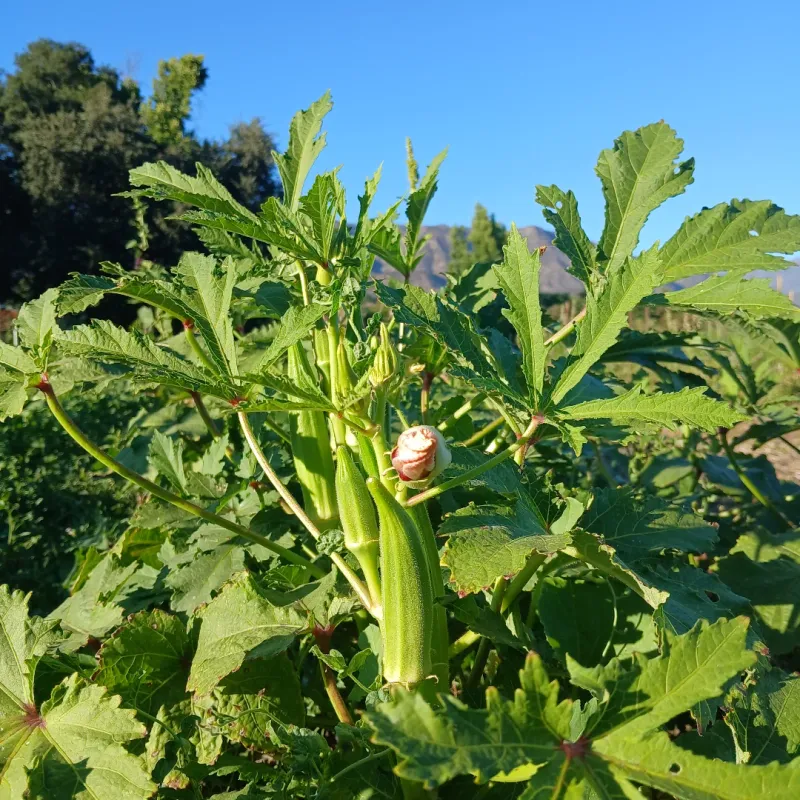
Most South Florida gardeners give up on traditional summer vegetables when heat and humidity arrive, but okra actually thrives when temperatures climb.
This tall, tropical vegetable produces tender pods continuously from spring through fall and often into winter, making it one of the longest-producing warm-season edibles in Zones 10 and 11.
Plants grow four to six feet tall, with large, hibiscus-like flowers that add ornamental value to vegetable beds.
Okra loves full sun, heat, and well-draining soil, and your humid climate keeps plants healthy and productive without the pest pressure seen in drier regions. Water deeply twice per week during dry spells, and fertilize monthly with a balanced vegetable formula to encourage continuous pod production.
Harvest pods every two to three days when they reach three to four inches long, as larger pods turn woody.
You will commonly see okra planted in dedicated vegetable gardens, mixed edible landscapes, or along sunny fence lines where height adds vertical interest. After planting, expect rapid growth and flowering within weeks, with pods appearing shortly after blooms fade.
Rotate plantings every few months to maintain peak production, and succession planting ensures steady harvests through most of the warm season.
8. Chaya (Tree Spinach)
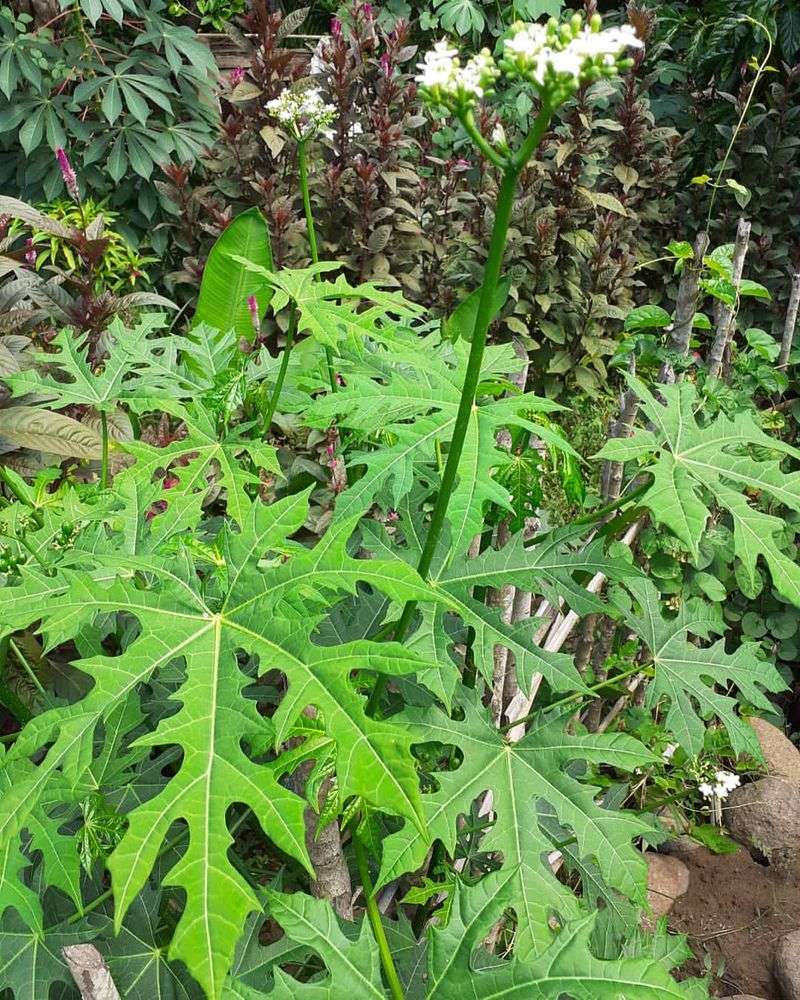
Imagine harvesting fresh greens every single week without replanting, and chaya makes that possible in South Florida. This fast-growing perennial shrub produces large, nutrient-rich leaves that taste similar to spinach when cooked, and plants thrive in your heat and humidity without bolting or slowing down.
Chaya grows six to eight feet tall, creating edible hedges or backyard food forests that produce year-round.
Chaya tolerates full sun to partial shade and adapts to wet or dry conditions, making it one of the easiest edibles for South Florida landscapes. Water regularly during establishment, then reduce frequency as plants mature and develop deep root systems.
Fertilize monthly with compost or a balanced organic formula to encourage lush, tender foliage.
Homeowners commonly plant chaya along property lines, in mixed edible gardens, or as standalone specimens near kitchens for easy harvesting. After planting, expect rapid growth and harvestable leaves within weeks, with production increasing as plants mature.
Always cook chaya leaves before eating to neutralize natural compounds, and harvest outer leaves regularly to encourage fresh, tender growth. Wind and storms rarely damage mature plants, as their flexible stems bend and recover quickly after tropical weather passes.
9. Longevity Spinach
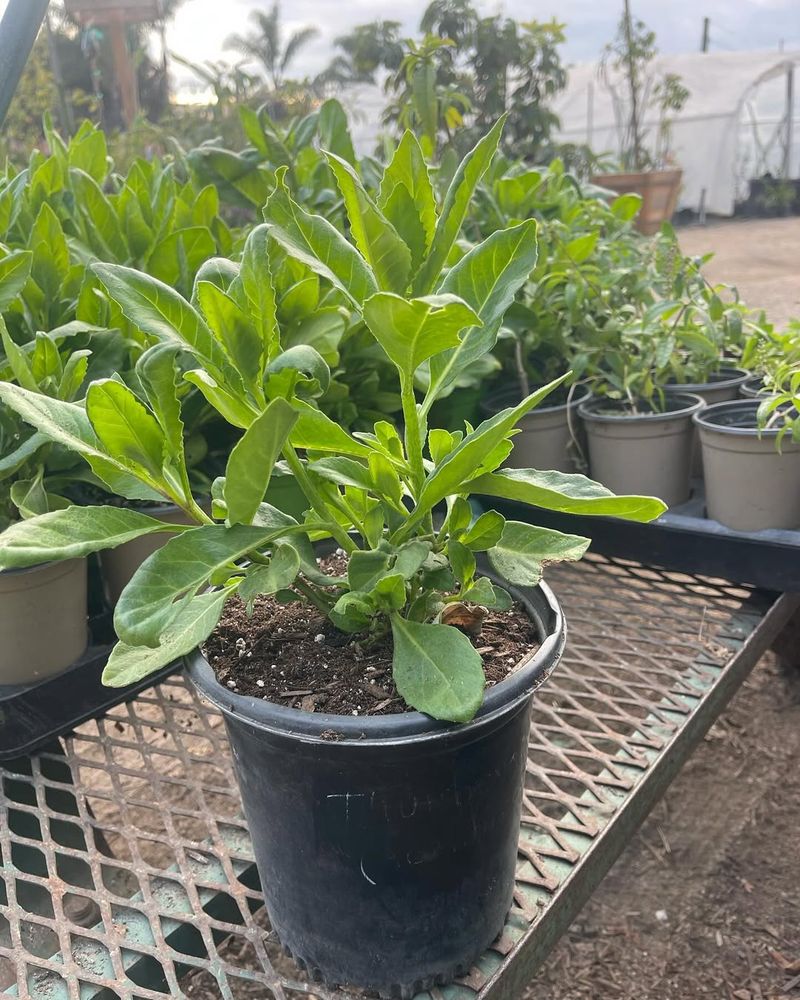
Low-growing rosettes of succulent leaves spread quietly beneath taller plants, and in South Florida, longevity spinach produces nutrient-dense leaves throughout the year in South Florida.
This perennial groundcover thrives in shade to partial sun, making it ideal for underplanting beneath fruit trees, palms, or along shaded walkways where traditional vegetables struggle.
Leaves have a mild, earthy flavor and can be eaten raw or cooked.
Longevity spinach loves your humidity and warmth, growing steadily without bolting or producing bitter leaves during hot months. Water regularly to keep soil evenly moist, and fertilize lightly every few months with compost or a gentle organic formula.
The plant spreads slowly by runners, forming dense mats that suppress weeds while producing continuous harvests.
You will commonly see longevity spinach planted in shaded edible gardens, mixed containers, or as living mulch beneath larger edibles. After planting, expect slow but steady establishment, with harvestable leaves appearing within weeks.
Pick outer leaves regularly to encourage fresh growth, and plants will continue producing without replanting. Longevity spinach requires almost no maintenance, tolerates neglect, and recovers quickly after storms, making it perfect for busy gardeners seeking reliable year-round greens.
10. Aloe Vera
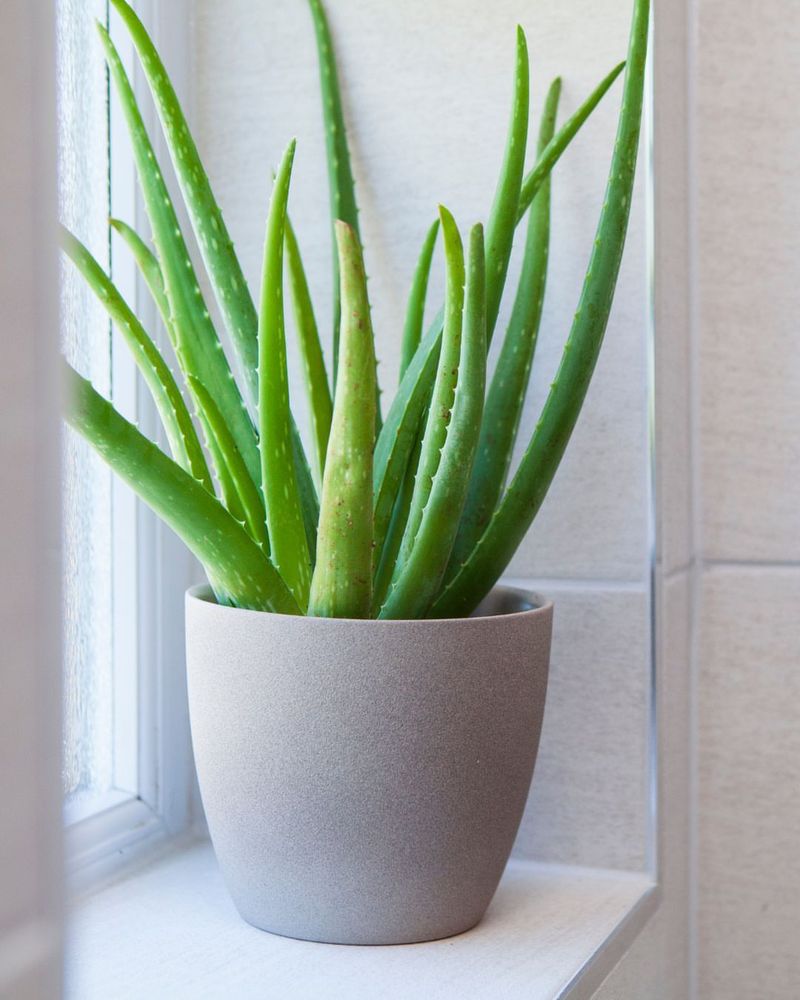
Thick, fleshy leaves filled with soothing gel stand upright in clusters, and in South Florida, aloe vera thrives year-round without any winter dormancy.
This succulent adapts beautifully to your heat and occasional dry spells, while tolerating humidity when planted in well-draining soil, producing new leaves continuously while requiring almost no care.
Aloe grows well in containers, rock gardens, or well-draining beds where water does not pool after summer rains.
Aloe vera prefers full sun to partial shade and tolerates drought once established, though occasional watering during extended dry periods keeps leaves plump and healthy. Avoid overwatering, as aloe rots quickly in soggy soil.
Your coastal humidity provides enough moisture to keep plants thriving without frequent irrigation.
Homeowners commonly plant aloe vera in pots near kitchens or patios for easy access to medicinal gel, or mass plantings in rock gardens and xeriscapes. After planting, expect slow but steady growth, with mature plants producing offsets that you can divide and replant.
Harvest outer leaves as needed for burns, cuts, or skin care, and plants will continue producing new foliage from the center. Aloe rarely suffers pest or disease issues, and mature plants tolerate salt spray, making them ideal for coastal South Florida landscapes that need low-maintenance, functional beauty.
11. Moringa Tree
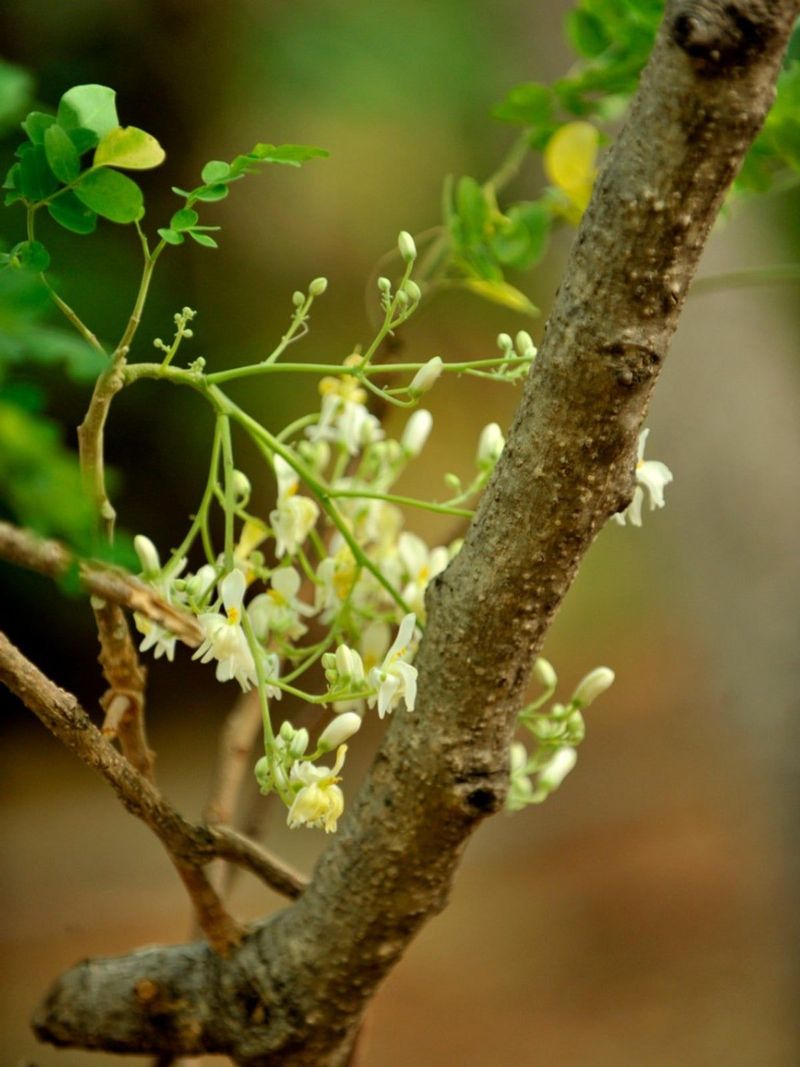
Fast-growing branches reach skyward, producing delicate, compound leaves that you can harvest weekly for nutrient-packed greens, and in South Florida, moringa grows most of the year with only brief slowdowns during cooler winter weeks.
This drought-tolerant tree thrives in your heat and adapts to sandy soils, producing edible leaves, flowers, seed pods, and roots that make it one of the most productive edibles for tropical landscapes.
Moringa can reach fifteen feet tall in a single year, creating quick shade or privacy screening.
Moringa loves full sun and well-draining soil. Water regularly during establishment, then reduce frequency as trees mature and develop deep taproots.
Fertilize monthly with compost or a balanced organic formula to encourage lush, tender foliage.
You will commonly see moringa planted in backyard food forests, along fence lines, or as fast-growing specimen trees in edible landscapes. After planting, expect explosive growth and harvestable leaves within weeks, with production increasing as trees mature.
Prune regularly to keep trees at manageable heights and encourage branching, and use pruned leaves for cooking or drying. Wind can damage young trees during storms, so stake plants until trunks thicken and stabilize naturally.
12. Cuban Oregano
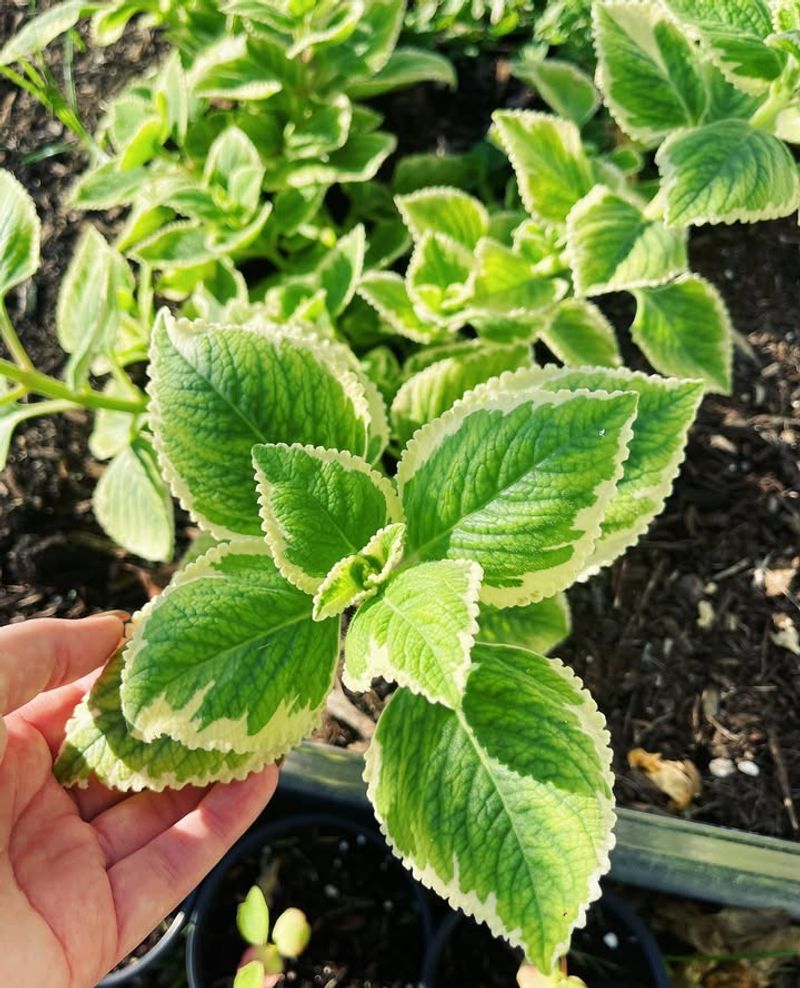
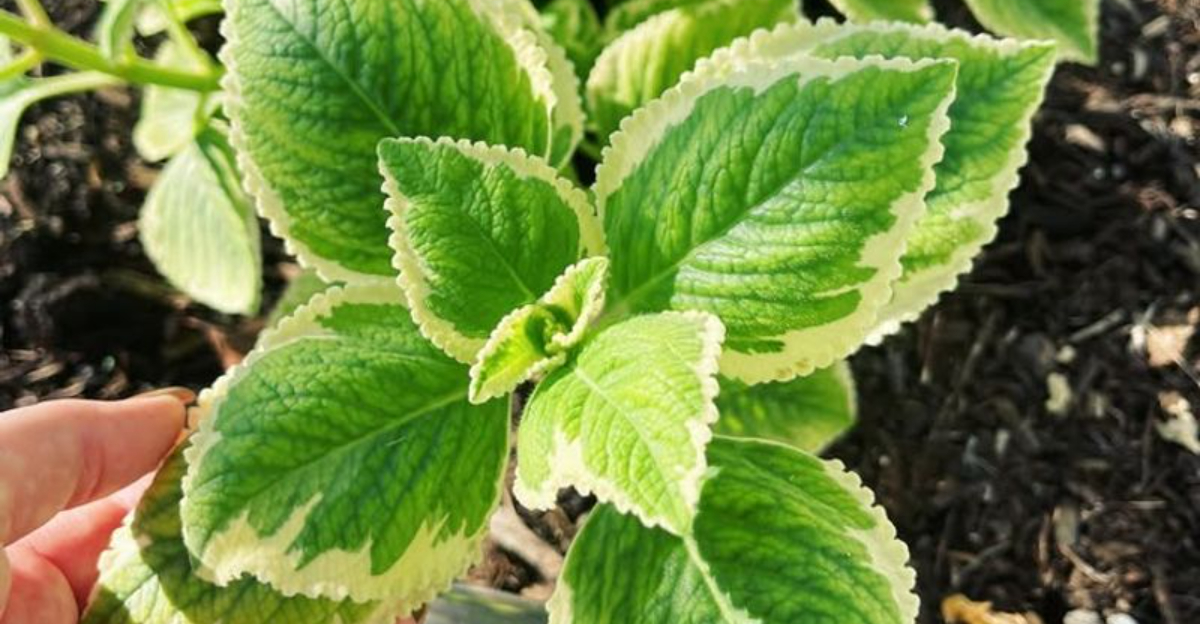
Fuzzy, aromatic leaves release a powerful scent when brushed, and in South Florida, Cuban oregano produces fragrant leaves most of the year with only minor seasonal slowdowns. This succulent herb thrives in your heat and humidity, growing as a low, spreading groundcover or trailing plant in containers.
Leaves have a strong oregano flavor with hints of thyme, making them popular for cooking, teas, and medicinal uses.
Cuban oregano prefers full sun to partial shade and tolerates drought once established, though occasional watering keeps foliage plump and flavorful. Avoid overwatering, as plants rot in soggy soil.
Your humidity provides enough moisture to support steady growth without frequent irrigation.
Homeowners commonly plant Cuban oregano in herb gardens, hanging baskets, or as edging along walkways where foot traffic releases its fragrance. After planting, expect rapid growth and harvestable leaves within weeks, with plants spreading quickly to fill available space.
Harvest leaves regularly to encourage fresh growth and prevent plants from becoming leggy, and cuttings root easily in water or soil.
Cuban oregano rarely suffers pest issues and recovers quickly after storms, making it a reliable, low-maintenance herb that performs beautifully year-round in South Florida landscapes seeking functional, aromatic beauty.