Why Central Florida Needs Its Own Gardening Schedule
Central Florida gardeners deal with one of the most confusing growing climates in the country. One week brings frost warnings, the next delivers eighty-degree afternoons.
You follow a Florida planting calendar, plant on time, and still watch crops struggle for no obvious reason. Tomatoes stall, lettuce bolts early, and seedlings refuse to thrive.
The problem usually is not your soil, your fertilizer, or your watering routine. The real issue is timing.
Central Florida sits in a narrow climate window that behaves nothing like North Florida and nothing like South Florida. Yet most planting guides lump the entire state together.
That mismatch causes missed harvests, wasted seeds, and unnecessary frustration. When you adjust your garden schedule to match Central Florida’s actual weather patterns, everything changes.
Growth becomes more predictable, harvests improve, and seasonal planting finally starts to make sense.
1. Why Central Florida Gardening Is Different From North And South Florida
Your garden sits right in the middle of two very different climates, and that creates challenges you will not find anywhere else in the state. North Florida gardeners deal with genuine winter cold and longer stretches of freezing temperatures, while South Florida enjoys tropical warmth year-round with minimal frost risk.
Central Florida bounces between both extremes, sometimes within just a few days during winter cold fronts.
One morning you wake up to frost warnings in January, and three days later you are pulling weeds in seventy-five-degree sunshine. This unpredictability makes rigid planting schedules designed for regions with more consistent weather patterns unreliable.
Your tomatoes need protection one day and shade cloth the next.
Inland areas around Orlando experience wider temperature swings than coastal regions, adding another layer of complexity. Urban heat islands push nighttime temperatures higher in developed neighborhoods, while rural gardens cool down faster after sunset.
This variation means your neighbor five miles away might have completely different frost dates than you do.
Understanding these regional differences helps you stop second-guessing your planting decisions. When you recognize that Central Florida operates on its own timeline, you can plan around local weather patterns instead of fighting them.
Your garden thrives when you honor the unique rhythm of this zone.
2. The Climate Zone Problem That Confuses Most Central Florida Gardeners
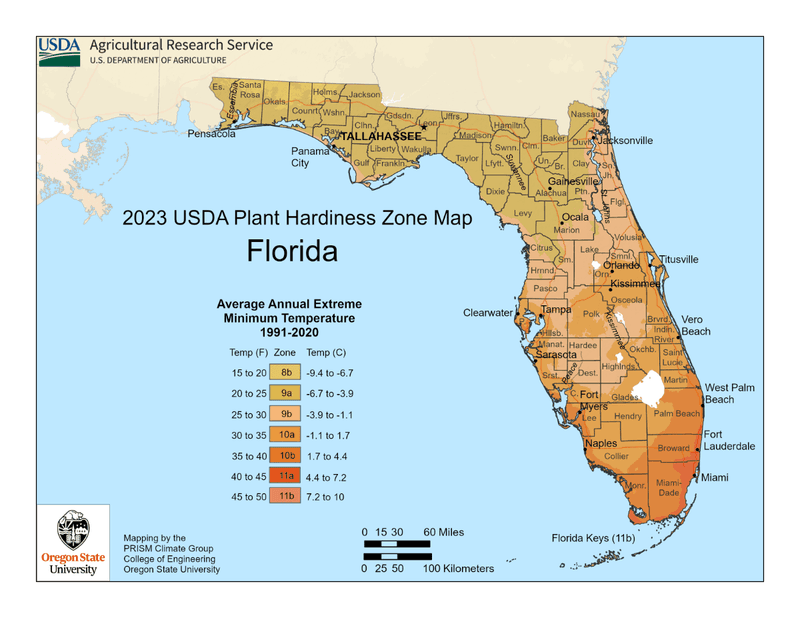
USDA hardiness zones tell only part of the story, and that incomplete picture leads to plenty of frustration in your garden. Central Florida spans zones 9b through 10a, which sounds straightforward until you realize that designation focuses mainly on average annual minimum temperatures.
It does not account for heat duration, humidity levels, or the wild temperature fluctuations that define your growing season.
A gardener in zone 9b near Ocala faces very different conditions than someone in zone 9b along the coast. Inland locations heat up faster during the day and cool down more dramatically at night, creating microclimates within the same zone classification.
Your garden can experience temperature differences of up to ten degrees between shaded and sun-exposed areas.
Most national seed companies and planting guides use these zone numbers as their primary reference, assuming consistent conditions within each zone.
Your Florida Garden Changes Every Week. Your Plan Should Too.
Gardening in Florida changes quickly throughout the season. Every Friday you’ll receive a simple weekly plan showing exactly what to plant, prune, fertilize, harvest, and protect so you never miss the right timing.
That assumption falls apart in Central Florida, where a late February cold snap can drop temperatures into the low thirties just days after a string of eighty-degree afternoons.
Your spring planting window opens and closes unpredictably.
Recognizing this limitation helps you stop blaming yourself when plants behave unexpectedly. Zone numbers provide a starting point, but local observation and experience matter far more for timing your plantings correctly in this region.
3. How Temperature Swings Affect Planting Timing In Central Florida
February in Central Florida feels like a gardening roller coaster, and those dramatic temperature shifts directly impact when you can safely transplant seedlings.
Morning frost warnings give way to afternoon heat that pushes soil temperatures into the sixties, confusing both gardeners and plants about what season it actually is.
Your pepper seedlings sit on the porch waiting for stable warmth while the calendar insists spring has arrived.
These swings create unique challenges for cool-season and warm-season crops alike. Lettuce and broccoli prefer steady cool temperatures, but sudden warm spells in late winter trigger premature bolting before you get a decent harvest.
Tomatoes and beans need consistent warmth to establish strong root systems, yet late cold snaps can stunt growth or damage tender foliage.
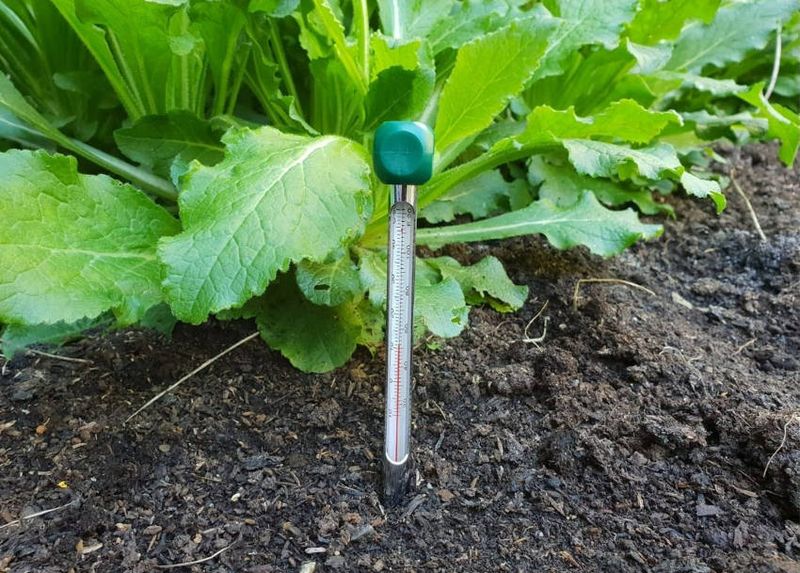
Soil temperature matters even more than air temperature for successful germination and transplanting. Your thermometer might read seventy degrees at noon, but the soil six inches down could still be holding onto overnight chill.
Seeds refuse to sprout in cold soil, and transplants struggle to recover from root shock.
Learning to monitor both air and soil temperatures gives you better planting cues than any printed calendar. Wait for three consecutive days of stable warmth before setting out heat-loving plants, and watch overnight lows as closely as daytime highs for accurate timing.
4. Why Following North Florida Schedules Causes Problems
North Florida planting calendars assume a winter that actually feels like winter, with extended cold periods and reliable frost dates that stay consistent from year to year.
Gardeners in Tallahassee and Jacksonville can count on cold weather lasting through February and sometimes into early March, giving cool-season crops plenty of time to mature.
Your Central Florida garden does not behave that way at all.
When you follow North Florida timing, you end up planting warm-season crops too late and missing valuable growing weeks in your longer season. Those schedules tell you to wait until mid-March or even April to plant tomatoes, but Central Florida soil often warms up enough by late February.
Your tomato plants could be flowering while North Florida gardeners are just transplanting seedlings.
Cool-season vegetables face the opposite problem. North Florida schedules suggest planting lettuce and kale in October, but your September and early October temperatures still hover in the eighties and nineties.
Seeds refuse to germinate in that heat, and transplants wilt despite daily watering. You need to wait until late October or early November for reliable cool-season success.
Shifting northern schedules earlier by about two to four weeks for warm-season crops and later for cool-season plantings better matches Central Florida weather patterns. Your garden rewards this regional awareness with stronger plants and better yields.
5. Why South Florida Planting Advice Does Not Always Work Here
South Florida gardening guides assume you never have to worry about frost, and that assumption causes just as many problems as following northern schedules too closely.
Miami and Fort Lauderdale gardeners plant tomatoes in October and harvest through winter, enjoying nearly frost-free conditions year-round.
Your Central Florida garden faces real freeze risk from December through February, making those tropical planting windows unrealistic.
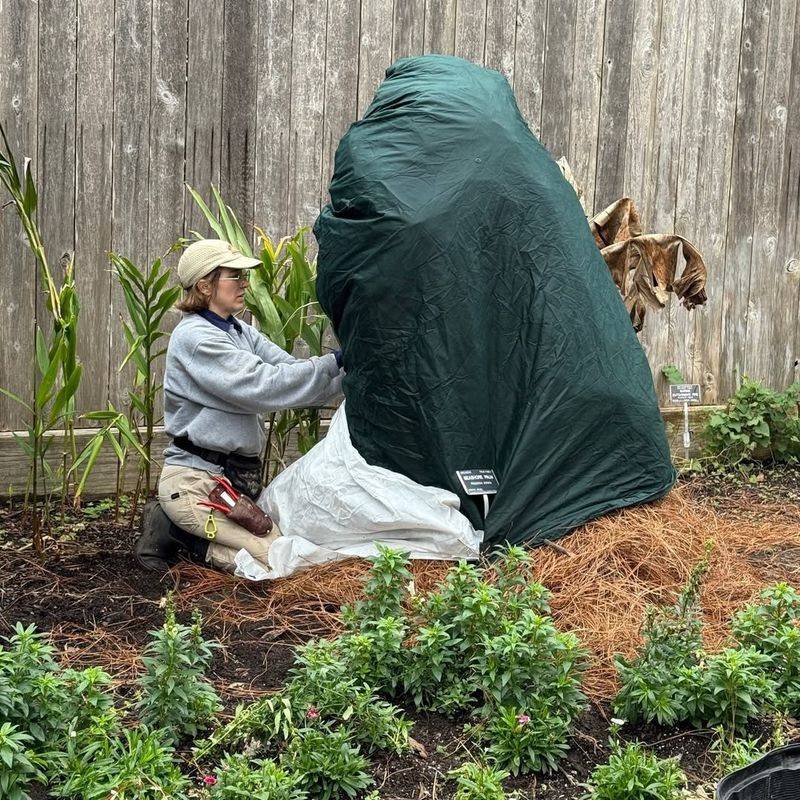
When you try to plant warm-season crops in fall like South Florida recommends, you run straight into winter cold snaps that damage or destroy tender plants. Tomatoes planted in October might thrive through November, but a January freeze sends you scrambling for row covers and hoping for survival.
South Florida gardeners never deal with that anxiety.
Heat tolerance recommendations also differ significantly. South Florida summers feel relentlessly hot and humid, pushing temperatures into the nineties for months on end.
Central Florida certainly gets hot, but you also catch occasional afternoon thunderstorms and slightly lower humidity levels that give heat-stressed plants brief recovery periods. Some crops South Florida gives up on in summer can still produce here with proper care.
Your best approach blends strategies from both regions. Protect tender crops like South Florida does during occasional cold, but time your main plantings around Central Florida’s actual frost windows.
This hybrid strategy acknowledges your unique position between two climate extremes.
6. What A Central Florida Gardening Timeline Actually Looks Like
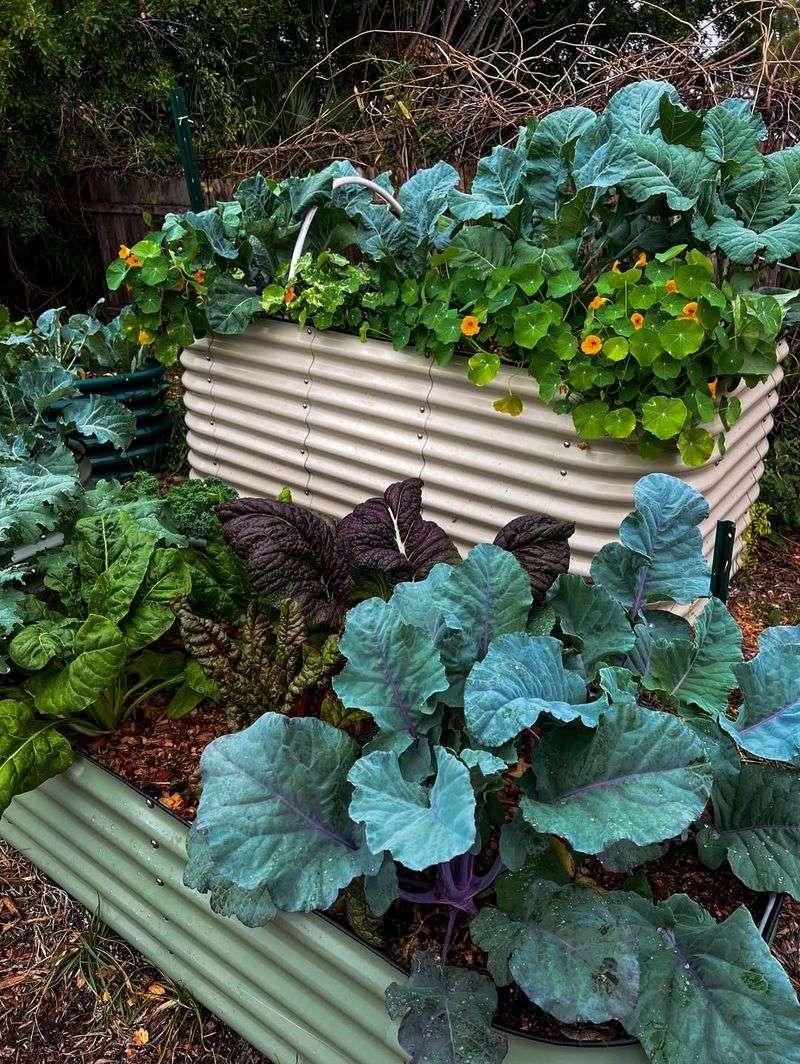
Your gardening year starts in September when nighttime temperatures finally drop below eighty degrees and cool-season planting becomes possible. This is when you sow lettuce, spinach, and other greens that refused to germinate during the summer heat.
Broccoli and cauliflower transplants go into prepared beds, and you begin the most productive growing season Central Florida offers.
October through February provides ideal conditions for cool-season vegetables, with harvests peaking in December and January. You watch the weather closely during this period, ready to cover tender plants if frost threatens.
Most winters bring at least one significant cold snap, but the majority of days stay mild enough for steady growth.
Late February marks your transition window when you start hardening off warm-season seedlings and preparing beds for spring planting.
Tomatoes typically go into the ground from late February through March, with peppers and squash following as soil temperatures rise, giving them time to establish before summer heat arrives.
You race to harvest remaining cool-season crops before they bolt in rising temperatures.
Summer becomes your challenging season, with intense heat and daily thunderstorms testing your gardening skills. Heat-tolerant herbs, okra, and Southern peas thrive while tomatoes struggle to set fruit in high heat and warm nighttime temperatures.
August brings the first hints of cooling, and you start planning your fall garden. This rhythm repeats year after year, driven by Central Florida’s unique seasonal pattern.
7. Plants That Perform Better With Central Florida Timing
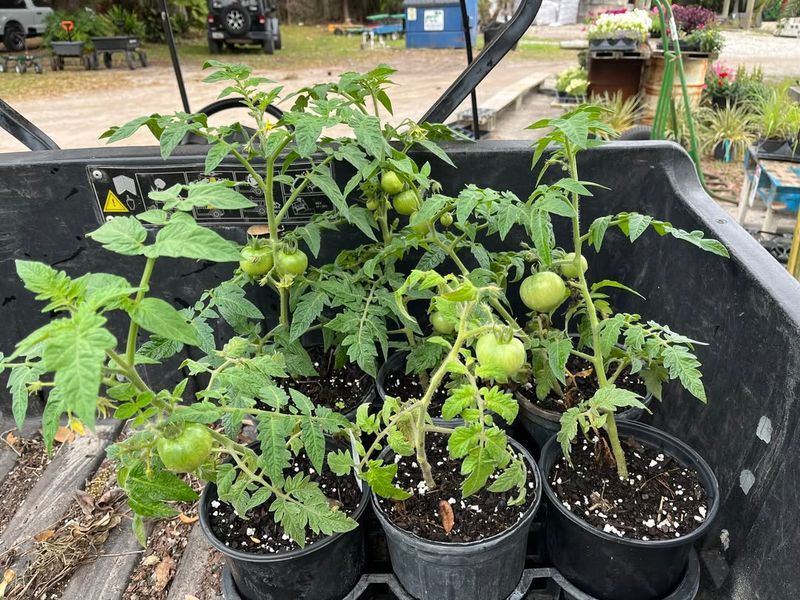
Tomatoes absolutely thrive when you time them specifically for Central Florida conditions, and getting this timing right makes the difference between mediocre harvests and abundant production. Plant transplants in early to mid-March, and your tomatoes establish strong root systems during mild spring weather.
They flower and set fruit before summer heat shuts down pollination, giving you peak harvests in May and June.
Cool-season greens like lettuce and arugula need your attention to regional timing even more critically. Plant too early in fall, and seeds rot in still-warm soil.
Wait until late October or early November when soil temperatures drop into the seventies, and those same seeds germinate beautifully. Your harvest window extends from December through March instead of ending in February like northern schedules predict.
Peppers benefit from slightly later planting than tomatoes, going into the ground in late March or early April after soil warms thoroughly. They tolerate summer heat better than tomatoes and produce steadily through October.
Squash and cucumbers need even warmer soil, performing best when planted from late March through April.
Understanding these specific timing needs for each crop type eliminates guesswork from your planting decisions. Your garden produces more consistently when you match each plant to its ideal Central Florida window rather than following generic statewide recommendations.
8. How To Adjust Your Garden Calendar For Better Results
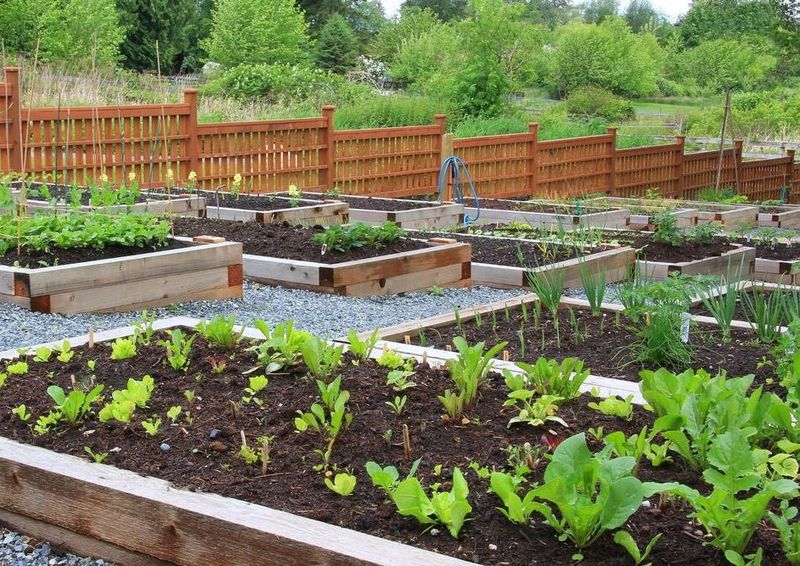
Start by keeping a simple garden journal that tracks actual weather patterns in your specific location, not what statewide averages predict. Note your last spring frost date and first fall frost date each year, along with when soil temperatures reach sixty degrees in spring.
These observations create a personalized planting calendar that reflects your microclimate more accurately than any printed guide.
Watch your established plants for seasonal cues that signal planting windows. When your citrus trees bloom in February, soil temperatures are warming enough to start hardening off tomato seedlings.
When crepe myrtles leaf out in March, warm-season planting season has arrived. Nature provides reliable indicators once you learn to read them.
Invest in a soil thermometer and check temperatures at planting depth before putting seeds or transplants into the ground. This simple tool eliminates guesswork about whether conditions are right.
Most warm-season vegetables perform best once soil temperatures stay above sixty-five degrees, while cool-season crops prefer temperatures between fifty and seventy degrees.
Connect with local gardening groups and University of Florida IFAS Extension resources specific to Central Florida. Other gardeners in your area face identical challenges and share valuable timing insights.
Your county extension office offers research-based planting dates tailored to regional conditions. These local connections help you refine your calendar year after year.