7 Florida Plants You Should Be Fertilizing In February (And 3 To Avoid)
February is one of the most important months of the year for Florida gardeners, yet it’s also when many people make the biggest fertilizer mistakes. Feed the wrong plants now and you can waste money, burn roots, or ruin spring blooms before they even start.
Skip the right ones and your yard may struggle all season long. Florida’s mild winter climate creates a narrow window when some plants wake up early and others still need to rest.
Knowing the difference can mean healthier citrus trees, bigger flowers, greener palms, and stronger vegetable harvests in the months ahead. If you want a yard that explodes with color instead of frustration, timing matters more than most homeowners realize.
These simple February fertilizing decisions can quietly shape your entire spring landscape, and most people are getting at least one of them wrong.
1. Feed Your Citrus Trees For Spring Growth
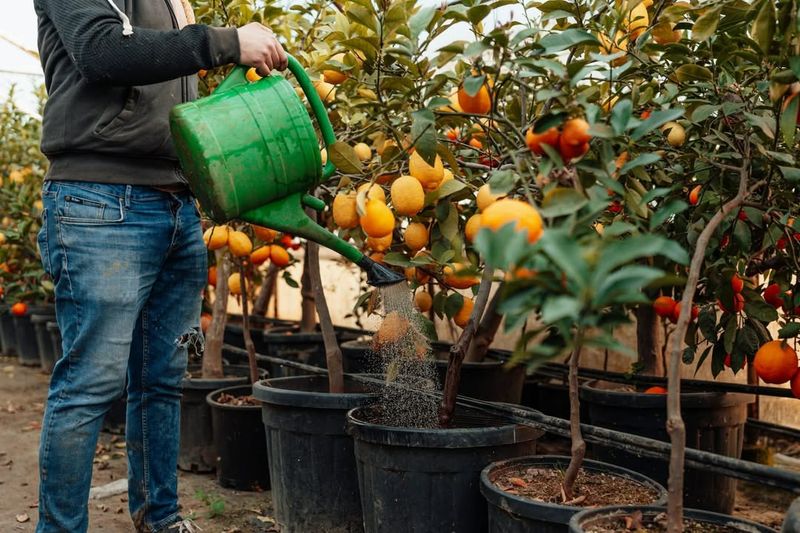
Citrus trees across Florida are gearing up for their most active growing season, and February is the perfect month to give them the nutrients they need. Your orange, lemon, grapefruit, and lime trees will use this early fertilizer to develop strong new leaves and set fruit that ripens later in the year.
Without proper feeding now, you might see pale yellow leaves and smaller fruit come harvest time.
Use a slow-release citrus fertilizer with micronutrients like manganese, zinc, and iron, which are often lacking in Florida’s sandy soils. Spread the granules evenly under the canopy, starting a foot away from the trunk and extending out to the drip line.
Water thoroughly after application to help nutrients reach the root zone without washing away.
Timing matters because citrus trees naturally push out new growth as temperatures rise in late winter. Feeding too early in January might expose tender growth to occasional cold snaps, while waiting until March means your tree misses the ideal window.
Follow UF/IFAS recommendations by applying fertilizer based on tree size and nitrogen percentage listed on the label, rather than tree age. Mature backyard citrus trees typically need up to 1–1.5 pounds of actual nitrogen per year, split into multiple applications, depending on tree size and fertilizer analysis.
Avoid piling fertilizer against the trunk, which can cause root burn and stress your citrus when it should be thriving instead.
2. Jumpstart Roses With Early Season Fertilizer
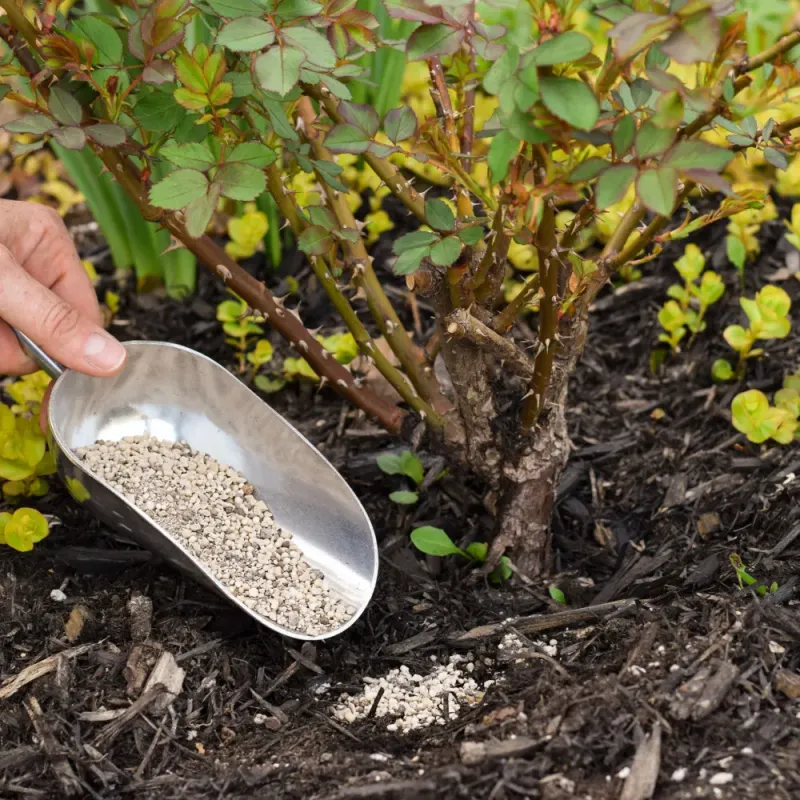
Roses in Florida gardens respond beautifully to a February feeding, rewarding you with abundant blooms throughout spring and early summer. Your rose bushes have been quietly growing roots all winter, and now they’re ready to channel energy into new canes and flower buds.
A balanced fertilizer applied this month gives them exactly what they need to produce vibrant colors and strong stems.
Choose a granular rose fertilizer with a ratio like 10-10-10 or 6-6-6, which provides equal parts nitrogen, phosphorus, and potassium. Scatter the fertilizer in a circle around each plant, keeping it several inches away from the base to prevent burning.
Gently scratch it into the top inch of soil, then water deeply to activate the nutrients and carry them down to hungry roots.
Your Florida Garden Changes Every Week. Your Plan Should Too.
Gardening in Florida changes quickly throughout the season. Every Friday you’ll receive a simple weekly plan showing exactly what to plant, prune, fertilize, harvest, and protect so you never miss the right timing.
February is ideal after roses have been pruned for late winter. UF/IFAS recommends fertilizing roses after pruning to support new cane growth and spring bloom production.
Feeding before pruning wastes nutrients that will be removed with cut growth. Feeding now supports the development of strong canes that can hold heavy blooms without flopping over.
University of Florida extension agents recommend repeating rose fertilization every six to eight weeks during the growing season, but this first application sets the foundation for everything that follows. Skip the temptation to overfeed, which can cause excessive leafy growth at the expense of flowers.
3. Give Palm Trees A Nutrient Boost
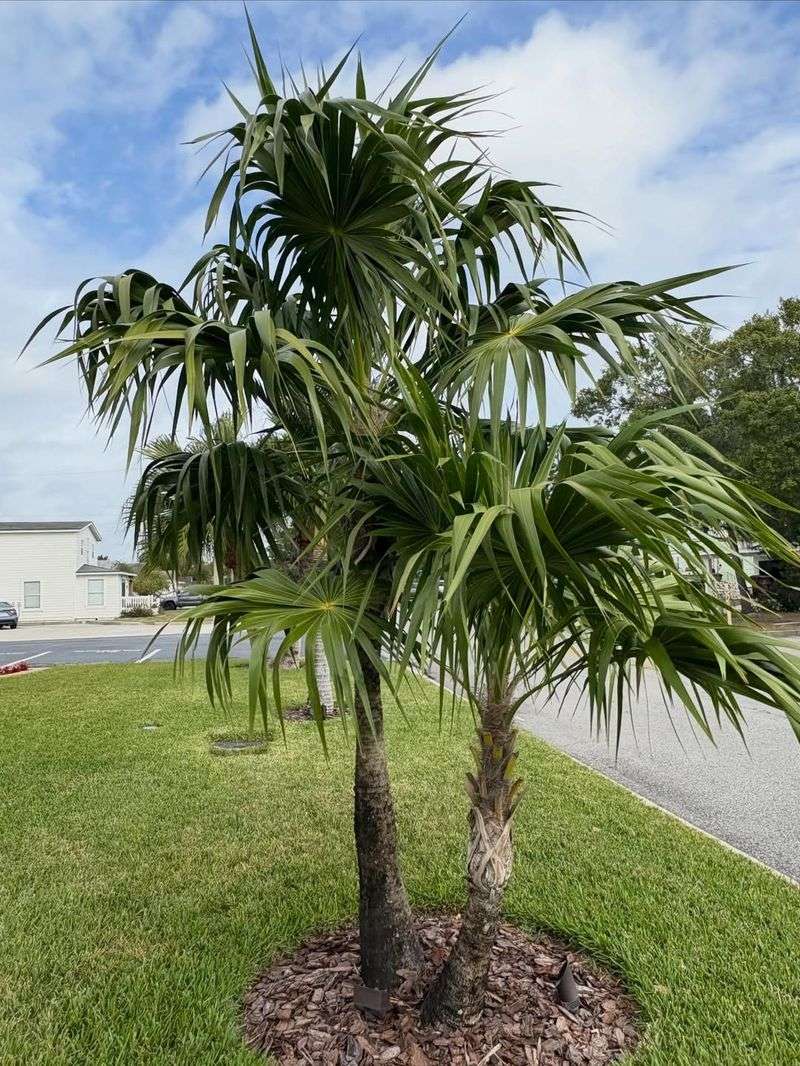
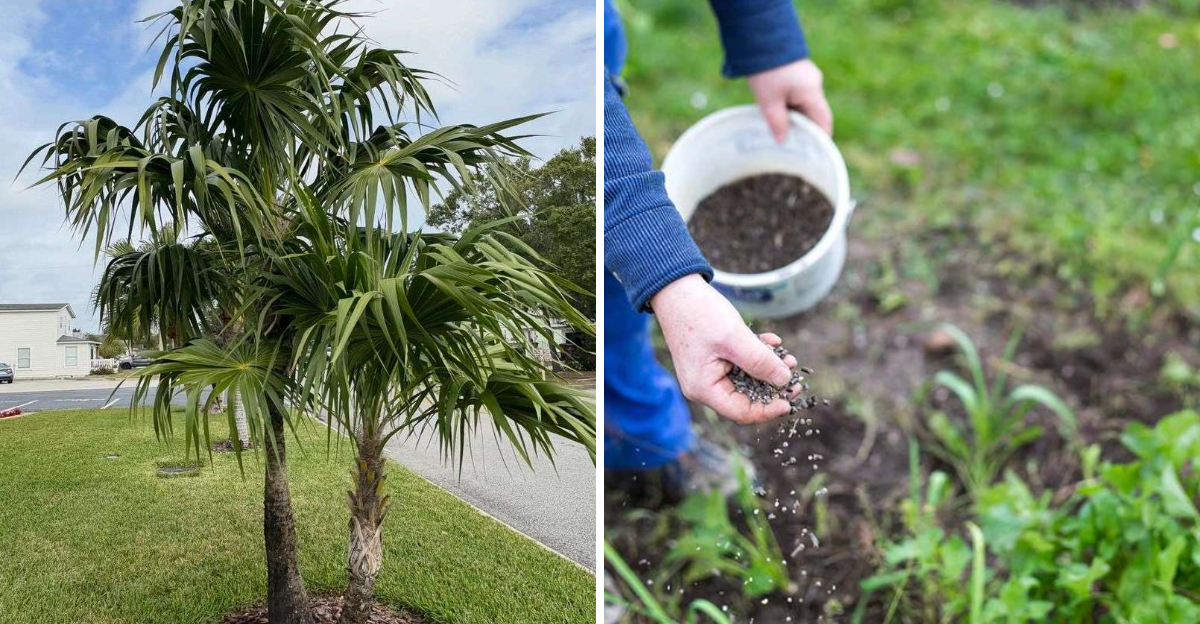
Palm trees are Florida icons, but they’re also heavy feeders that need regular nutrition to maintain their tropical good looks. February is an excellent time to fertilize palms because they’re beginning active growth after winter’s slower period.
Yellowing fronds, especially on newer growth, often signal nutrient deficiencies that a timely fertilizer application can prevent or correct before they become serious problems.
Look for a specialized palm fertilizer that includes magnesium, manganese, and potassium, which palms absolutely require but Florida soils often lack. Broadcast the granular fertilizer evenly in a wide circle under the canopy, extending out several feet from the trunk.
Water the area well after feeding to move nutrients into the root zone where palms can absorb them efficiently.
Palms have unique nutritional needs compared to other landscape plants, so using regular lawn fertilizer can actually harm them. University of Florida research shows that palms need specific nutrient ratios to avoid deficiency symptoms like frizzle top or bronzing.
UF/IFAS recommends fertilizing palms every 3–4 months using a slow-release palm fertilizer. February is an appropriate application window as palms resume stronger growth.
This early boost helps your palms produce healthy new fronds that stay green and vibrant through the hot summer months ahead.
4. Power Up Warm-Season Vegetable Gardens
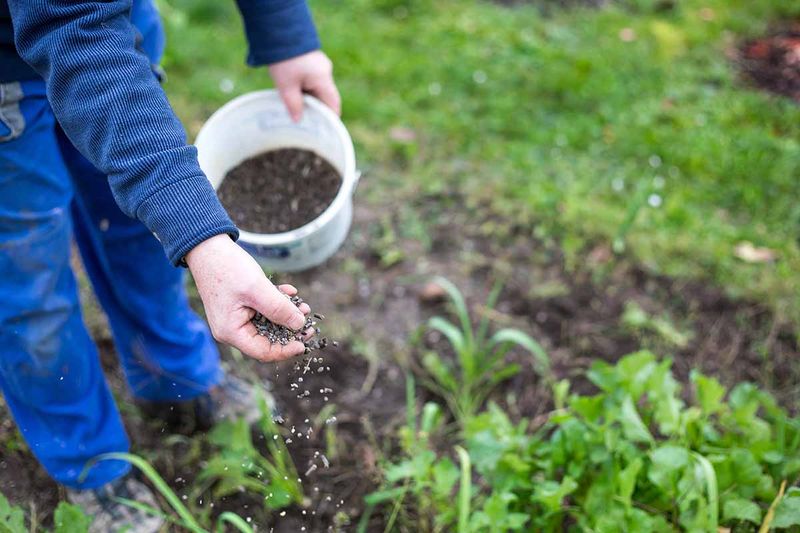
Your warm-season vegetable garden is about to explode with growth, and February is the month to prepare the soil with nutrients that will fuel tomatoes, peppers, squash, and beans. South Florida gardeners can already be planting these crops, while Central and North Florida gardeners should be getting beds ready for transplants in the coming weeks.
Either way, adding fertilizer now builds a nutrient-rich foundation for productive plants.
Work a balanced vegetable fertilizer or compost into your garden beds before planting, mixing it thoroughly into the top six to eight inches of soil. UF/IFAS recommends improving garden beds with compost or organic matter before planting and using fertilizer based on soil test results when available.
Balanced fertilizers such as 10-10-10 may be used if soil nutrient levels are unknown. Avoid high-nitrogen fertilizers that create lots of leaves but few fruits.
Timing your fertilization correctly means your transplants step into a ready-made buffet of nutrients instead of struggling in depleted soil.
University of Florida vegetable gardening guides recommend side-dressing plants with additional fertilizer once they start flowering and setting fruit, but this initial feeding is crucial.
Sandy Florida soils drain quickly and lose nutrients fast, so building up fertility before planting gives your vegetables the best possible start for a bountiful harvest.
5. Fuel Hibiscus For Heavy Blooming
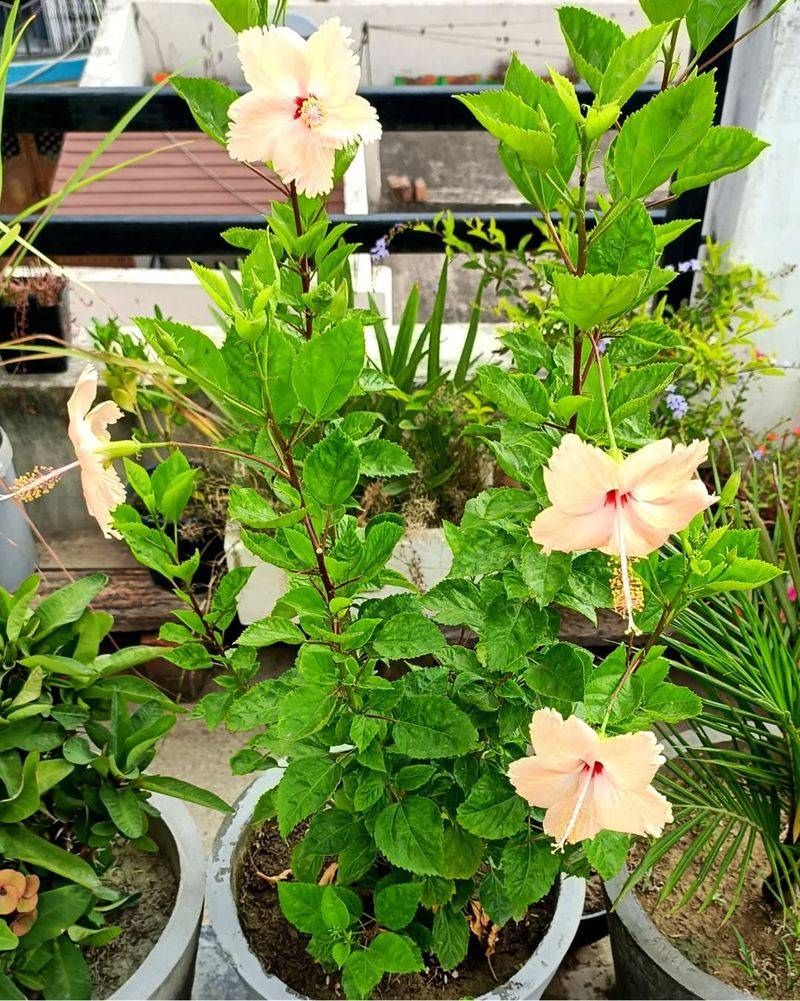
Hibiscus plants are Florida favorites that produce spectacular flowers almost year-round, but they need consistent feeding to keep those big, showy blooms coming. As temperatures warm in late winter and early spring, hibiscus begin increasing growth and flower production.
Fertilizing once active growth resumes helps support blooming. Without adequate nutrients, your hibiscus might produce smaller flowers or fewer buds than you expect from these tropical beauties.
Select a fertilizer formulated for flowering shrubs or specifically for hibiscus, with a balanced ratio that includes micronutrients. Apply granular fertilizer around the base of each plant, spreading it evenly in the root zone and watering it in thoroughly.
Hibiscus are heavy feeders, so plan to fertilize them every four to six weeks throughout the growing season for best results.
When temperatures begin warming in late winter, hibiscus respond by pushing out new growth and flower buds. Fertilization should begin once active growth is visible.
Feeding them now ensures the nutrients are available exactly when plants need them most. University of Florida extension experts note that hibiscus grown in containers need even more frequent feeding because nutrients leach out with every watering.
Keep your feeding consistent, and your hibiscus will reward you with armloads of stunning flowers from spring through fall.
6. Lightly Feed Bougainvillea For Better Flowers
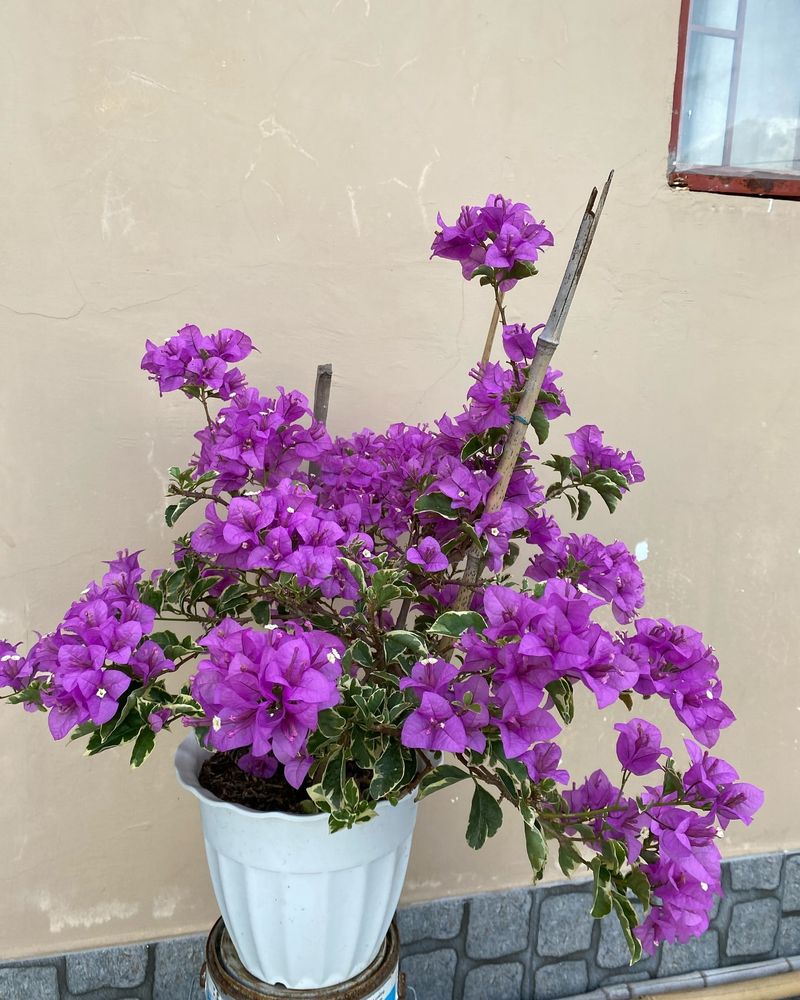
Bougainvillea vines bring brilliant color to Florida landscapes, but they have a reputation for being temperamental about fertilizer. February is a good month to give them a light feeding, encouraging flower production without triggering excessive leafy growth that comes at the expense of blooms.
The key with bougainvillea is moderation, since too much fertilizer actually reduces flowering and creates lanky, overgrown vines.
Choose a fertilizer with moderate nitrogen and low phosphorus unless a soil test shows phosphorus deficiency. Excess phosphorus is unnecessary in most Florida soils and can reduce bloom performance.
Apply it sparingly around the root zone, using about half the amount you would for other flowering shrubs. Water lightly after application, since bougainvillea actually blooms better when kept slightly on the dry side.
Bougainvillea flowers most abundantly when it experiences a little stress, which might sound backwards but makes perfect sense once you understand the plant’s tropical origins.
University of Florida horticultural experts explain that bougainvillea responds to lean conditions by producing more colorful bracts, the modified leaves that we admire as flowers.
A light February feeding gives your vine enough nutrition to stay healthy while still maintaining the slight stress that triggers spectacular color displays throughout spring and summer.
7. Fertilize St. Augustine Grass In South Florida Only
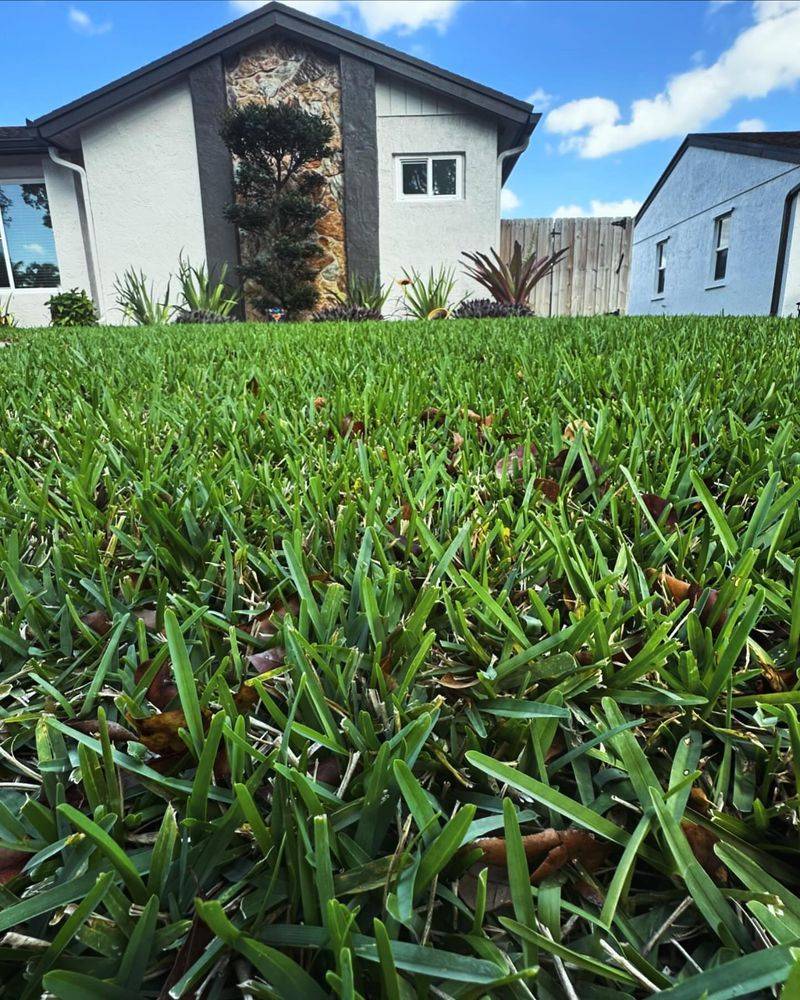
St. Augustine grass is the most popular lawn choice across Florida, but February fertilization is only appropriate for South Florida homeowners where grass never truly goes dormant. If you live in Miami-Dade, Broward, Palm Beach, or other coastal southern counties, your lawn is actively growing in February and can benefit from a light feeding.
Central and North Florida lawns should definitely wait until temperatures warm up consistently.
Apply a slow-release lawn fertilizer with a ratio like 16-4-8 or 15-0-15, following package directions carefully to avoid overapplication.
Use a broadcast spreader to ensure even coverage, and water the lawn thoroughly within 24 hours to move nutrients into the soil and prevent fertilizer burn.
Keep fertilizer off sidewalks and driveways to prevent runoff into storm drains.
South Florida’s warm winter temperatures mean St. Augustine grass continues photosynthesizing and growing roots even in February, so it can actually use the nutrients you provide.
University of Florida turfgrass specialists emphasize that fertilizing dormant or semi-dormant grass wastes money and increases the risk of nutrient runoff into waterways.
Check your local fertilizer ordinances too, since many Florida counties have blackout periods when lawn fertilization is prohibited to protect water quality. When you do fertilize, choose products with slow-release nitrogen that feeds your lawn gradually over several weeks.
8. Do Not Fertilize Azaleas And Camellias
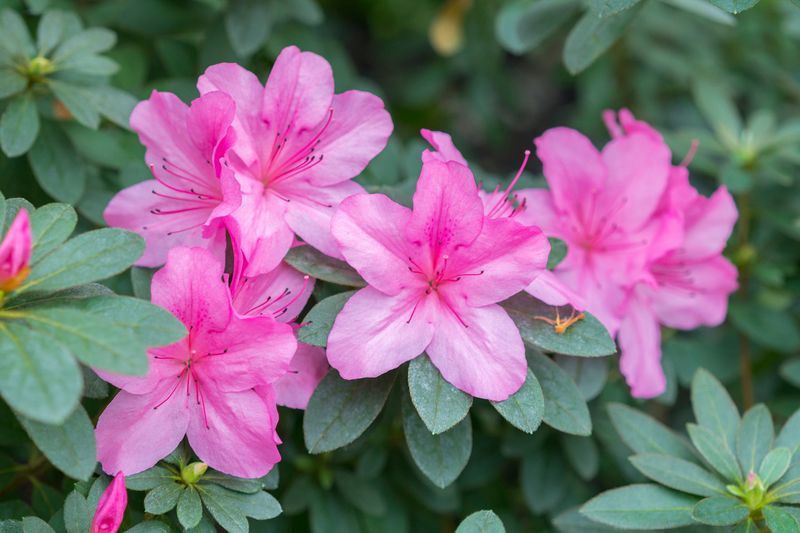
Azaleas and camellias are finishing their blooming season in February, and this is absolutely not the time to fertilize them. These acid-loving shrubs flower on old wood, meaning the buds for this year’s blooms formed last summer and fall.
Fertilizing now would push new vegetative growth at the expense of any remaining flowers, and it won’t help next year’s bloom production at all.
Wait until right after your azaleas and camellias finish flowering, typically in March or early April, to apply fertilizer. This timing allows the plants to use those nutrients for setting next year’s flower buds while also supporting healthy leaf growth.
Use an acid-forming fertilizer specifically designed for azaleas, camellias, and other ericaceous plants that prefer lower soil pH.
February fertilization can actually harm these plants by encouraging tender new growth that might be damaged by late cold snaps in North and Central Florida.
University of Florida extension publications clearly state that azaleas and camellias should only be fertilized after blooming is complete and before new growth hardens off in early summer.
Patience pays off with these shrubs, since proper timing results in spectacular flower displays year after year. Let them finish their show first, then feed them to prepare for next season’s performance.
9. Dormant Lawns In Central And North Florida Don’t Need Food Yet
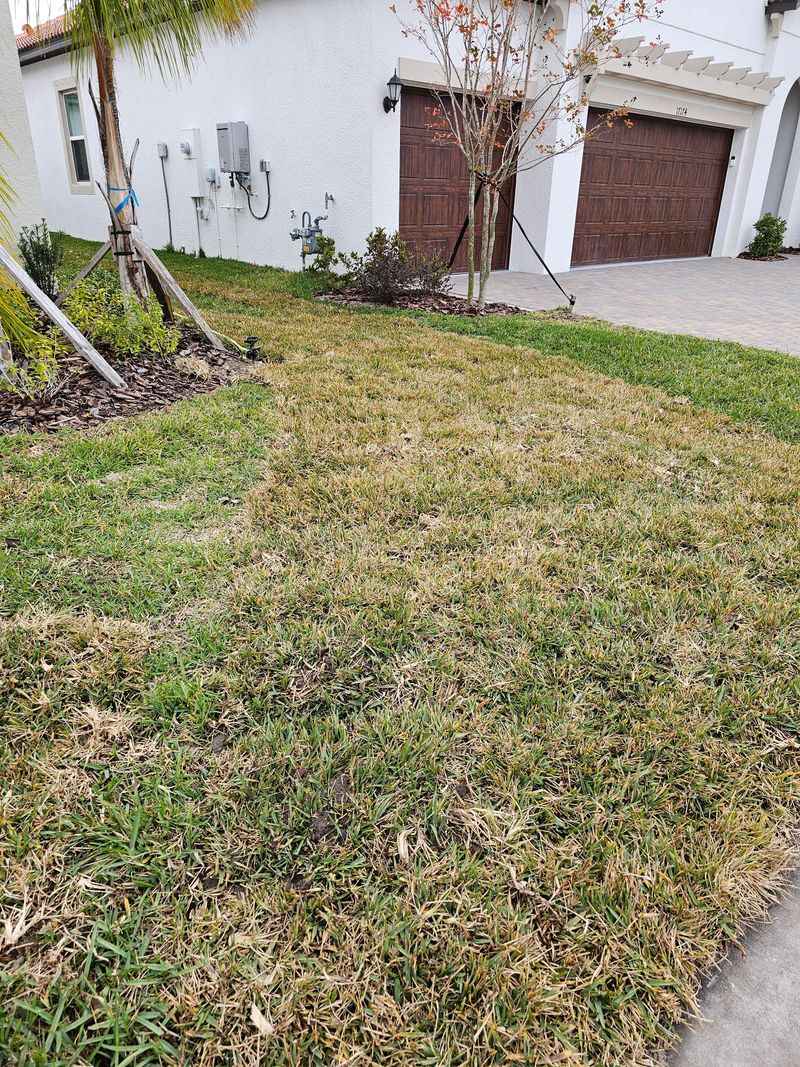
Lawns in Central and North Florida are still mostly dormant or semi-dormant in February, showing off their winter tan color that many homeowners find worrying. Resist the urge to fertilize now, because dormant grass simply cannot use the nutrients you apply.
Those fertilizer granules will either wash away with rain or sit on the surface doing nothing useful until temperatures warm up enough to trigger active growth.
Wait until your lawn shows consistent active green growth in spring before fertilizing, which usually occurs in late March or April in Central and North Florida. Early fertilization wastes money and increases the risk of nutrient runoff into lakes, rivers, and groundwater.
It can also encourage weeds that are more cold-tolerant than your grass, giving them a competitive advantage you definitely don’t want.
University of Florida turfgrass research demonstrates that fertilizing dormant warm-season grasses provides no benefit and considerable environmental risk. The nitrogen you apply can leach through sandy soils or run off into waterways, contributing to algae blooms and water quality problems.
Many Florida counties actually prohibit lawn fertilization during winter months for exactly these reasons. Be patient and let your lawn wake up naturally, then feed it when it can actually use what you provide for thick, healthy growth.
10. Don’t Touch Native Plants And Wildflowers
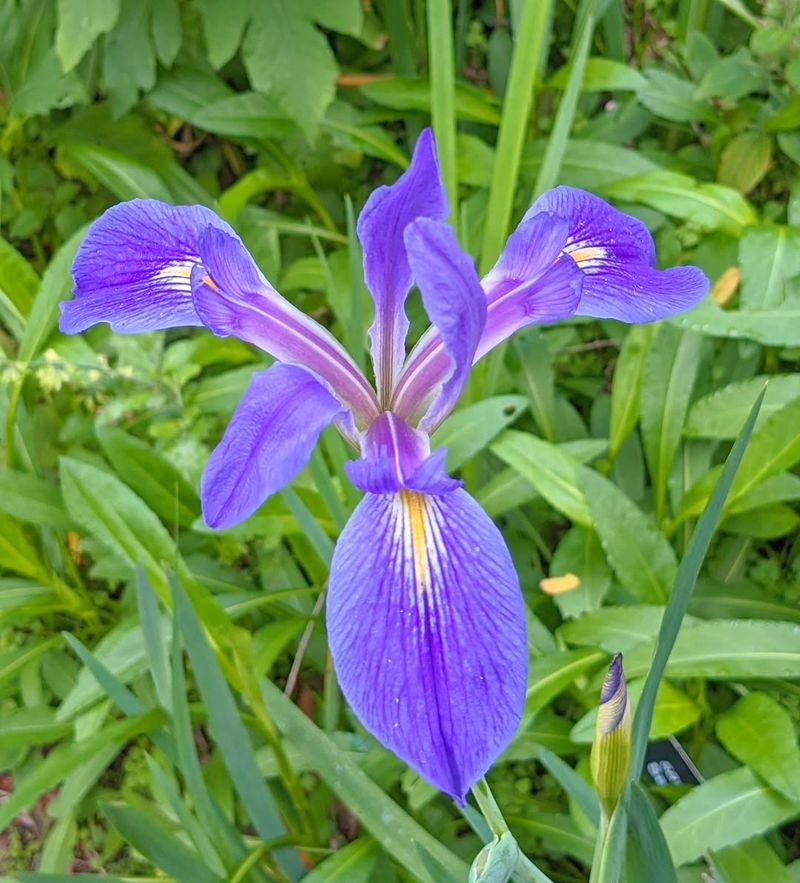
Many native Florida plants are adapted to local soil conditions and generally require little to no fertilizer once established. Fertilizing natives in February or any other time can cause problems ranging from excessive weak growth to increased susceptibility to pests and diseases.
These tough plants simply don’t need the extra nutrition that non-native species require to thrive in Florida landscapes.
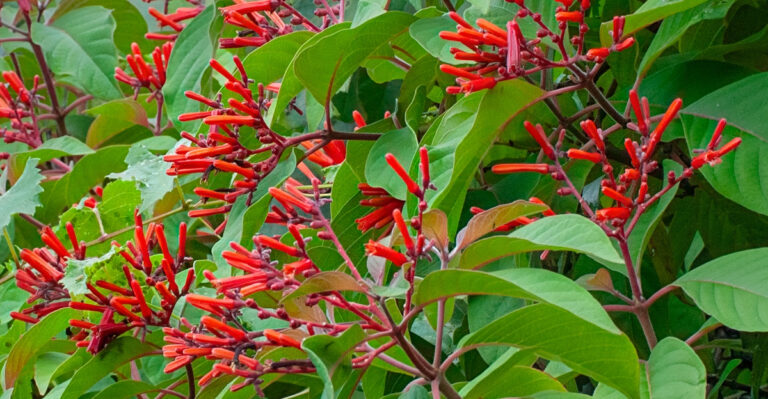
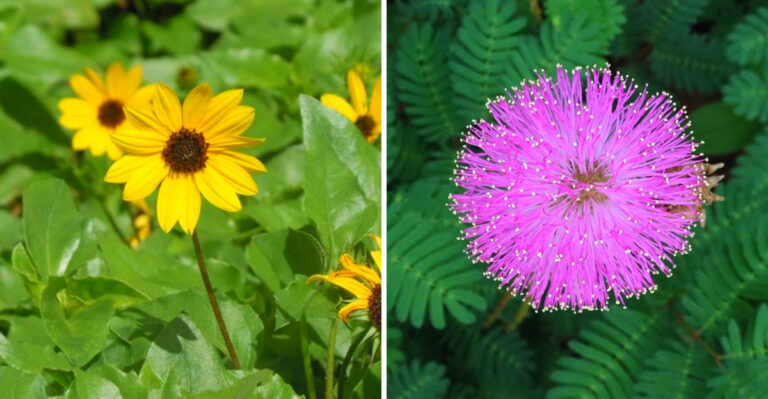
Species like coontie, beautyberry, firebush, blanket flower, and tickseed are perfectly adapted to Florida’s natural soil fertility levels. Adding fertilizer changes the soil chemistry and can actually weaken these plants or make them grow so vigorously that they lose their natural compact form.
Native plants also support beneficial insects and wildlife better when grown in conditions similar to their natural habitat.
University of Florida’s Florida-Friendly Landscaping program emphasizes using native plants specifically because they require minimal inputs including fertilizer, water, and pest control. Let your natives do their thing without interference, and they’ll reward you with beautiful flowers, interesting foliage, and wildlife activity throughout the year.
If a native plant looks stressed, the problem is usually location, drainage, or light rather than lack of fertilizer. Save your fertilizer budget for plants that actually need it and let Florida’s native beauties thrive naturally.