10 Fast-Growing Houseplants That Thrive In Texas Homes With Minimal Care
If you live in Texas and want more green in your home without spending hours on plant care, fast-growing houseplants can be the perfect solution.
Many people think healthy plants require constant attention, but some varieties grow quickly and stay strong with very little effort.
Between hot summers, strong sunlight, and busy schedules, it helps to choose plants that can handle a bit of neglect. The right houseplants can brighten your space, improve indoor air, and add life to any room without creating extra work.
Whether you are new to indoor gardening or just want easy wins, these fast growers can deliver quick results and lasting beauty. With the right choices, you can enjoy lush greenery that fits your lifestyle and keeps your home feeling fresh all year long.
1. Pothos (Epipremnum Aureum)
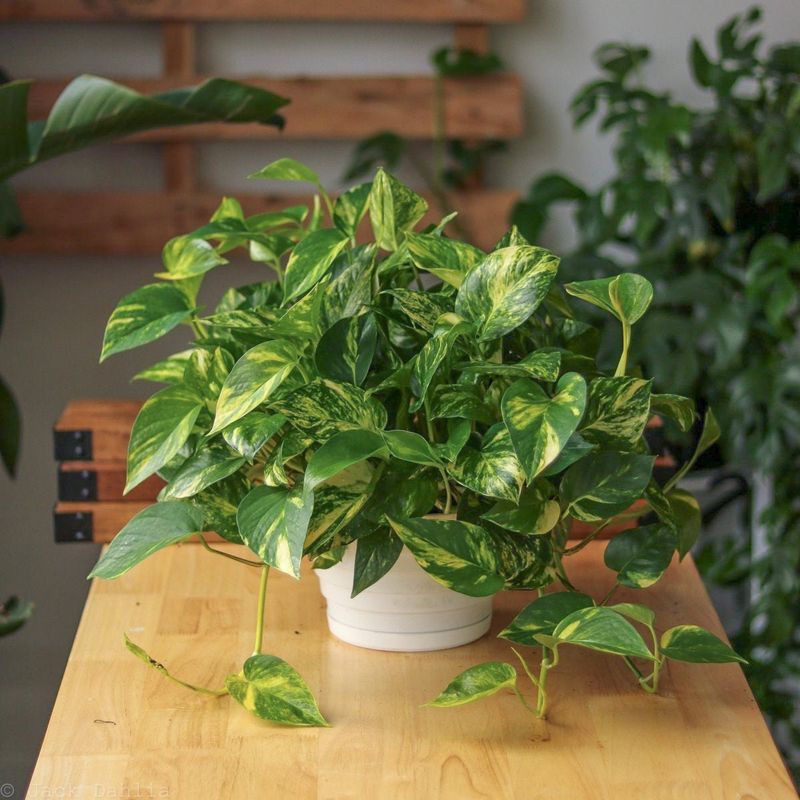
Trailing vines cascading from shelves or hanging baskets create an instant jungle vibe, and pothos delivers exactly that without demanding your constant attention.
This superstar adapts to nearly any lighting condition in your Texas home, from bright indirect light to shadowy corners where other plants would struggle.
New leaves unfurl weekly during growing season, giving you visible progress that makes indoor gardening feel rewarding.
Water only when the top two inches of soil feel dry to your touch, which typically means once every week or two depending on your home’s humidity levels. Texas homes with air conditioning can dry out soil faster, but pothos handles these conditions beautifully.
If you forget to water occasionally, those heart-shaped leaves might droop slightly but bounce back quickly after a good drink.
Golden, marble, or jade varieties offer different color patterns to match your decor preferences. Pothos purifies indoor air by filtering common toxins, making it both decorative and functional for your living spaces.
The vines can grow several feet long within months, and you can easily trim them back or propagate cuttings in water to create new plants.
Dallas apartment dwellers and Houston homeowners alike find this plant incredibly forgiving and fast-growing, perfect for beginners or anyone wanting lush greenery without the fuss.
2. Spider Plant (Chlorophytum Comosum)
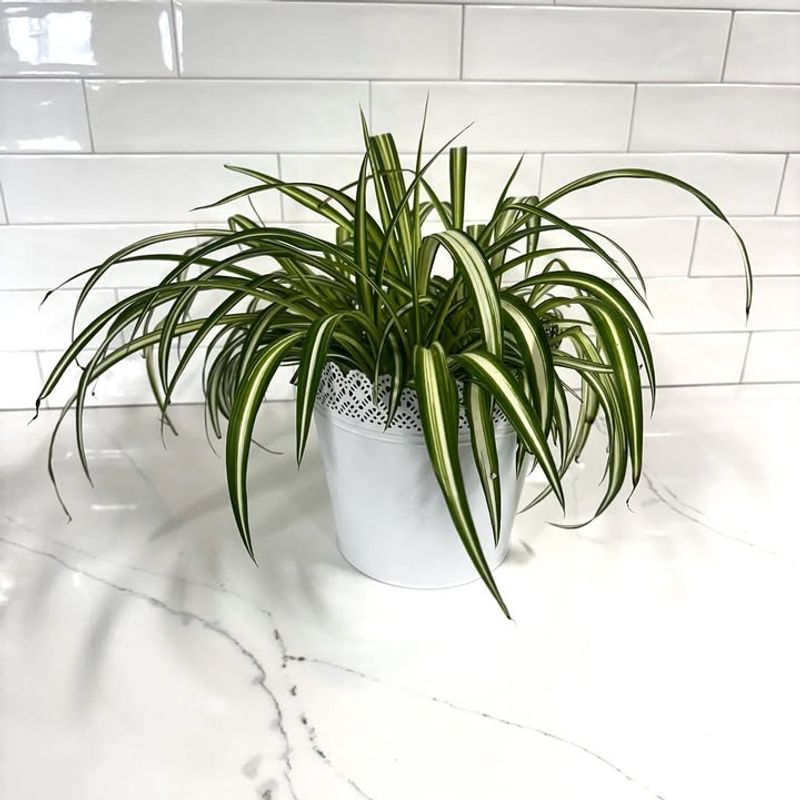
Arching leaves striped with cream or white make spider plants instantly recognizable, and their ability to produce baby plantlets on long stems adds extra charm.
These little offspring dangle like spiders on webs, hence the name, and they root easily when placed in soil or water.
Growth happens rapidly in Texas homes, with new leaves emerging from the center and babies appearing within months of bringing your plant home.
Bright indirect light works best, though spider plants tolerate lower light conditions better than many houseplants. They prefer slightly moist soil but forgive occasional neglect, making them ideal for busy Texans juggling work and family commitments.
Brown leaf tips sometimes appear in dry conditions, but simply trim them off and increase watering frequency slightly.
Spider plants thrive in the temperature range most Texas homes maintain year-round, between 65 and 75 degrees. Their tolerance for varying humidity levels means they work equally well in San Antonio’s drier climate or the more humid conditions along the Gulf Coast.
Your Texas Garden Changes Every Week. Your Plan Should Too.
Gardening in Texas changes quickly throughout the season. Every Friday you’ll receive a simple weekly plan showing exactly what to plant, prune, fertilize, harvest, and protect so you never miss the right timing.
The babies your plant produces make excellent gifts for friends or additions to other rooms in your house. Watching those plantlets develop roots and grow into full plants provides endless satisfaction without requiring advanced gardening knowledge or constant care routines.
3. Snake Plant (Sansevieria Trifasciata)
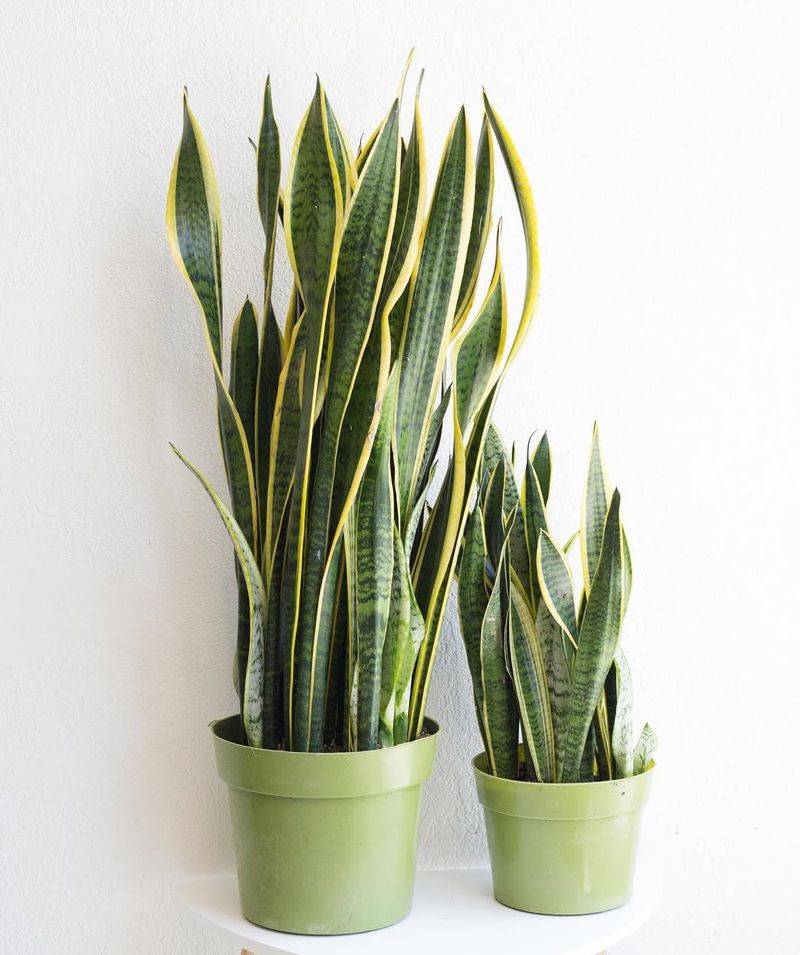
Sword-like leaves standing tall and proud make snake plants architectural statements in any room, and their reputation as nearly indestructible is well-deserved.
Also called mother-in-law’s tongue, this succulent thrives on neglect rather than attention, making it perfect for travelers or anyone with an unpredictable schedule.
New growth emerges from the soil as tightly rolled leaves that unfurl into striking vertical blades over several weeks.
These plants actually prefer infrequent watering, needing a drink only when the soil has completely dried out, sometimes just once or twice monthly. Overwatering causes more problems than underwatering, so less truly is more with snake plants.
They tolerate low light but grow faster in brighter conditions, adapting to whatever spot you choose in your Texas home.
Snake plants continue growing and producing new shoots even in the driest indoor environments created by heating and cooling systems. Their ability to convert carbon dioxide to oxygen at night makes them excellent bedroom companions for better air quality while you sleep.
Varieties range from compact six-inch versions to towering four-foot specimens with different patterns of yellow, white, or silver variegation.
Fort Worth and El Paso residents appreciate how these plants handle temperature fluctuations near windows or doors without showing stress, maintaining their sculptural beauty year-round with minimal intervention.
4. Philodendron Heartleaf (Philodendron Hederaceum)
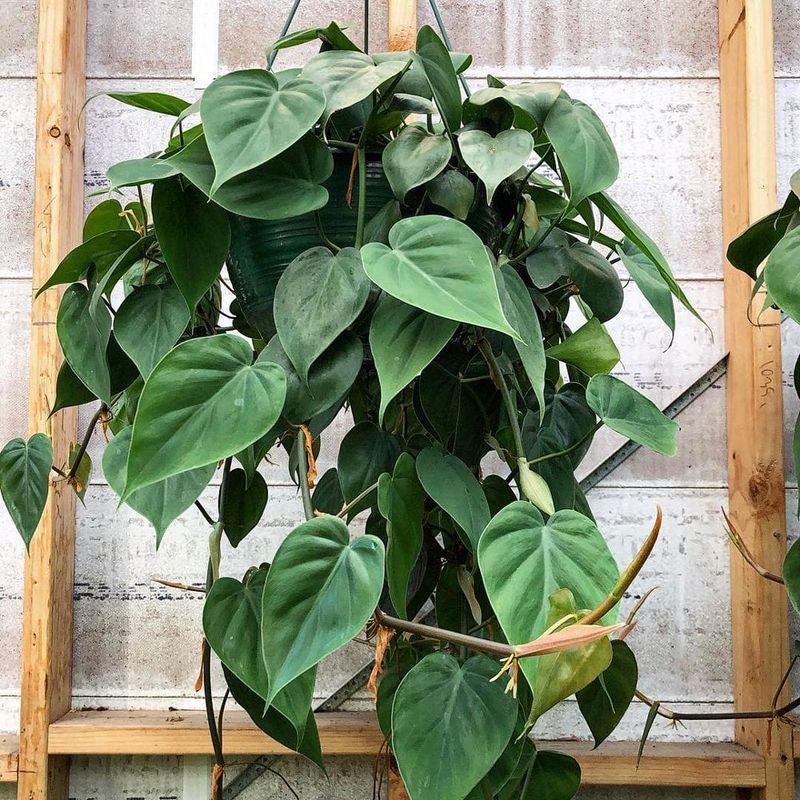
Glossy heart-shaped leaves catch light beautifully as they trail from shelves or climb up moss poles, depending on how you choose to display this versatile plant.
Philodendrons grow with remarkable speed once established, often producing new leaves every few days during spring and summer months.
Each leaf emerges in a lighter shade before deepening to rich green, giving you a constantly changing display.
Moderate watering keeps these plants happy, allowing the top inch of soil to dry between waterings. Texas homes with typical indoor temperatures between 65 and 80 degrees provide ideal growing conditions without any special adjustments needed.
These plants signal their thirst by slightly drooping leaves, making it easy to know when watering day has arrived.
Low to medium light works fine, though brighter indirect light produces faster growth and larger leaves. Heartleaf philodendrons rarely suffer from pest problems and bounce back quickly from minor neglect or care mistakes.
Their vines can extend several feet within a single growing season, creating impressive displays that transform empty walls or bare shelves. You can train them to climb or let them cascade naturally, and cuttings root easily in water for propagation.
Corpus Christi and Amarillo plant lovers find these reliable companions that deliver big visual impact without demanding complicated care routines or constant monitoring.
5. Tradescantia (Wandering Jew)
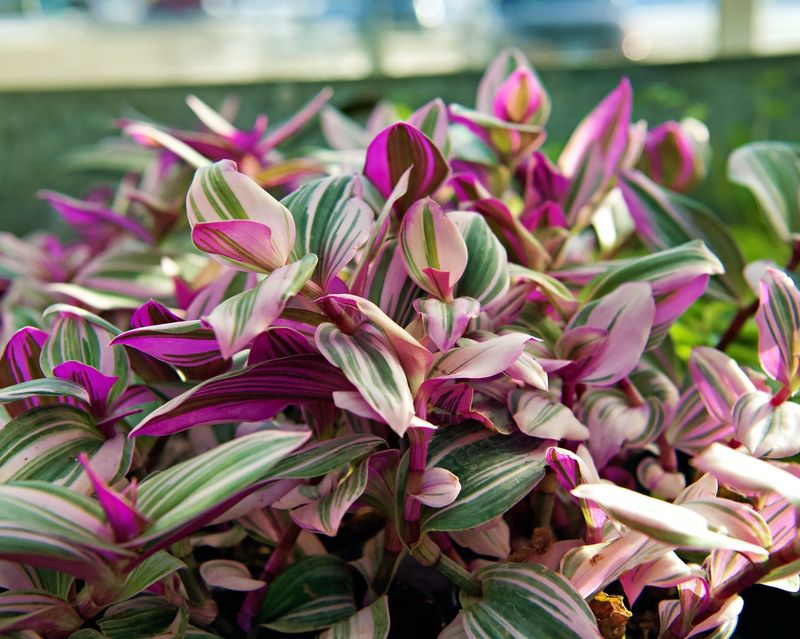
Vibrant purple, pink, silver, and green foliage creates a stunning color show that few other houseplants can match for visual drama. Tradescantia earns its common name from how quickly it spreads and grows, seemingly wandering across whatever space you give it.
Stems can grow several inches per week under good conditions, filling hanging baskets or cascading over pot edges in record time.
Bright indirect light brings out the most intense colors in the leaves, though these plants tolerate various light conditions throughout your Texas home. Water when the top half-inch of soil feels dry, usually every few days to a week depending on temperature and humidity levels.
The fleshy stems store some moisture, providing a buffer against occasional missed waterings.
Pinching back stems encourages bushier growth and prevents the plant from becoming too leggy or sparse. Those pinched pieces root incredibly easily in water or soil, letting you expand your collection or share with friends effortlessly.
Tradescantia handles the dry indoor air common in Texas homes during winter months better than many tropical plants. Small three-petaled flowers sometimes appear, adding unexpected delicate beauty to the already colorful foliage.
Whether you choose the classic purple variety or the striking tricolor version, growth happens so rapidly that you will see noticeable changes weekly, providing constant gardening satisfaction for minimal effort invested.
6. Monstera Deliciosa (Swiss Cheese Plant)
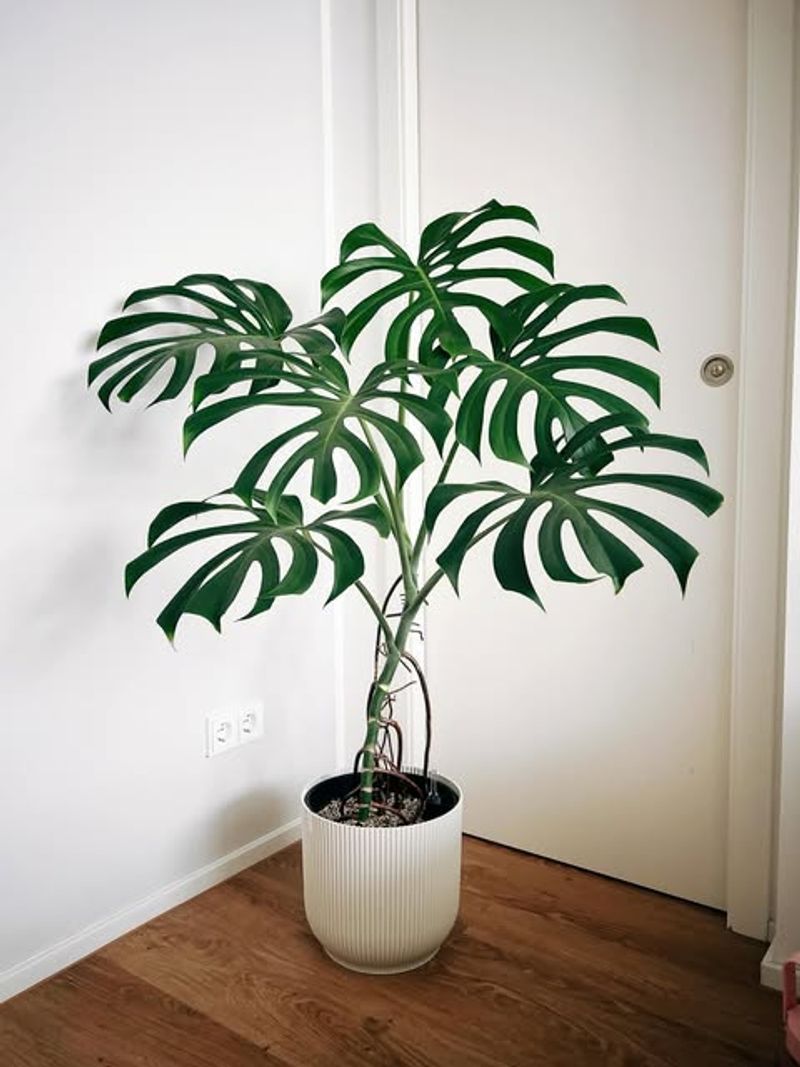
Those iconic split leaves with natural holes make monstera instantly recognizable and incredibly Instagram-worthy in any Texas interior.
Young plants start with solid heart-shaped leaves, but as they mature and grow, the characteristic splits and holes develop, creating dramatic fenestrations.
Growth happens surprisingly fast when conditions are right, with new leaves unfurling monthly and quickly expanding to impressive sizes.
Bright indirect light near east or west-facing windows works perfectly, though these adaptable plants tolerate slightly lower light levels. Allow the top two inches of soil to dry between waterings, checking with your finger rather than following a strict schedule.
Monstera appreciates the humidity Texas homes naturally have during summer months, though they handle drier winter air without major complaints.
Aerial roots emerge from stems as the plant grows, which you can tuck into the soil or let hang naturally for an authentic jungle appearance. These plants can eventually reach impressive heights, making them perfect statement pieces for living rooms or entryways with space to accommodate their size.
Support stakes or moss poles encourage upward growth and larger leaves with more dramatic splits.
Austin and Plano homeowners love how quickly monstera transforms from small starter plant to show-stopping focal point, delivering tropical vibes without requiring greenhouse conditions or expert-level care knowledge.
7. Aloe Vera
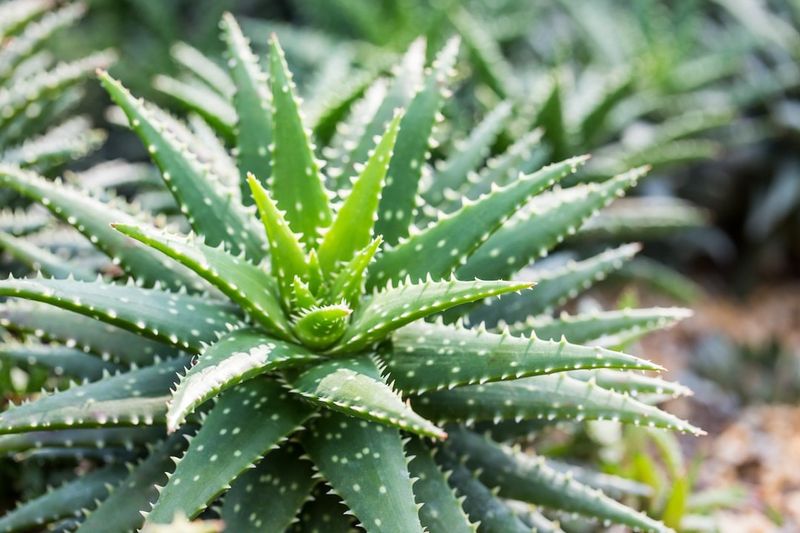
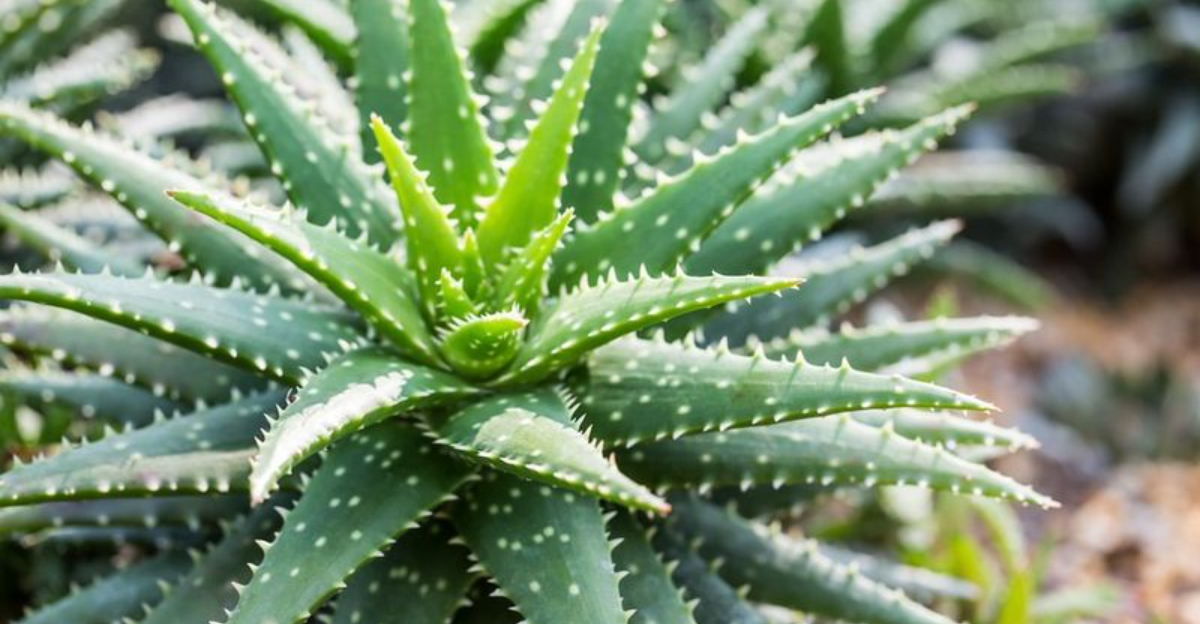
Spiky succulent leaves filled with soothing gel make aloe vera both decorative and practical for Texas households. New growth emerges from the center as tightly packed leaves that gradually spread outward, and mature plants produce offshoots called pups around their base.
These babies can be separated and potted individually, giving you multiple plants from your original purchase.
Aloe thrives on neglect, preferring infrequent deep watering over constant moisture. Wait until the soil has completely dried out before watering again, which might mean every two to three weeks depending on your home’s conditions.
Bright light from south or west-facing windows keeps aloe compact and healthy, preventing the stretched appearance that happens in too much shade.
The thick leaves store water, making aloe incredibly drought-tolerant and perfect for forgetful waterers or frequent travelers. Texas summers can be brutal, but aloe actually appreciates the warmth and bright light that come through windows during these months.
Having fresh aloe gel available for minor burns or skin irritation adds functional value beyond simple decoration. These plants rarely suffer from pests or problems when given proper drainage and adequate light.
Lubbock and Waco residents appreciate how aloe handles the temperature swings near windows without showing stress, maintaining its sculptural form year-round while steadily producing new growth and pups with minimal care required.
8. Chinese Evergreen (Aglaonema)
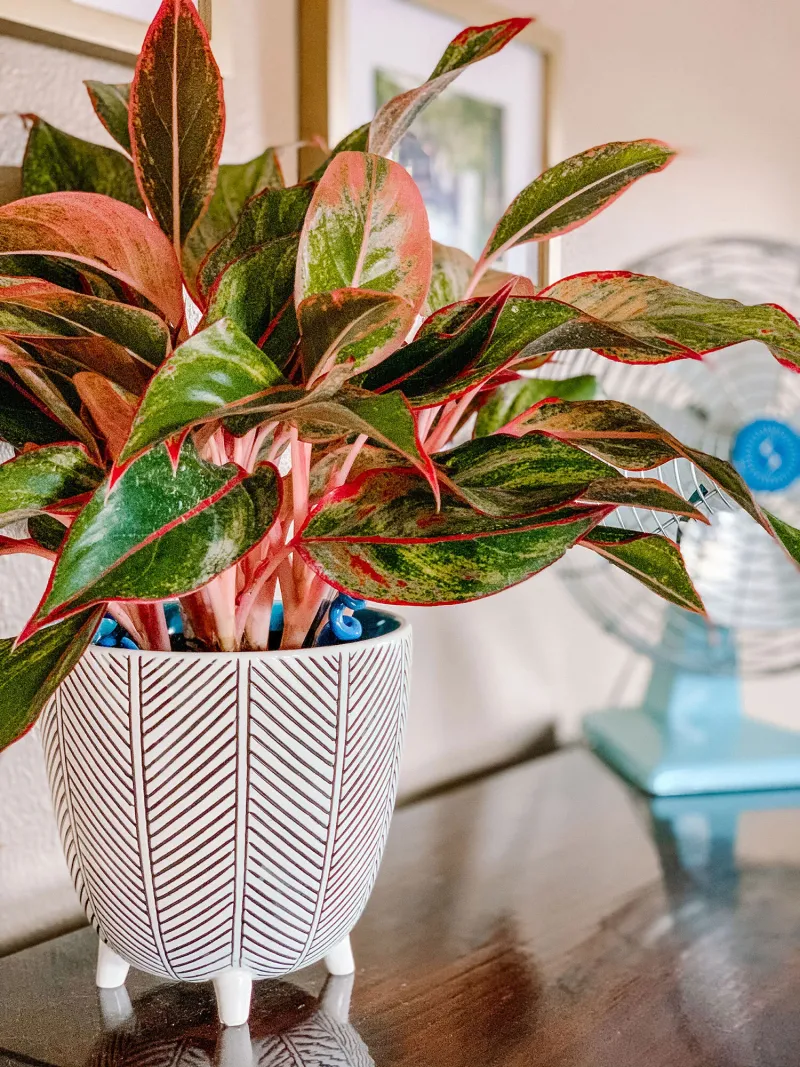
Stunning leaf patterns in combinations of green, pink, red, silver, and cream make Chinese evergreens living artwork that brightens any corner of your Texas home. New leaves emerge from the center as tightly rolled tubes that slowly unfurl to reveal intricate patterns and colors.
Growth continues steadily year-round, with plants producing several new leaves monthly even during winter when many houseplants slow down.
These tropical beauties tolerate low light conditions better than most colorful foliage plants, making them perfect for offices or rooms without bright windows. Water when the top inch of soil feels dry, usually weekly during warmer months and less frequently in winter.
Chinese evergreens prefer temperatures above 60 degrees, which most Texas homes maintain comfortably throughout the year.
The variety of cultivars available means you can find patterns and colors to match any decor style, from subtle silvers to bold pinks. These plants rarely need repotting and tolerate being slightly rootbound, reducing maintenance tasks even further.
Their compact growth habit makes them suitable for desks, nightstands, or small spaces where larger plants would overwhelm. Chinese evergreens filter indoor air pollutants effectively while adding color and life to your surroundings.
San Marcos and Tyler plant enthusiasts appreciate how these reliable performers deliver consistent beauty without demanding constant attention, thriving in typical indoor conditions and rewarding minimal care with steady growth and vibrant foliage that stays attractive year-round.
9. ZZ Plant (Zamioculcas Zamiifolia)
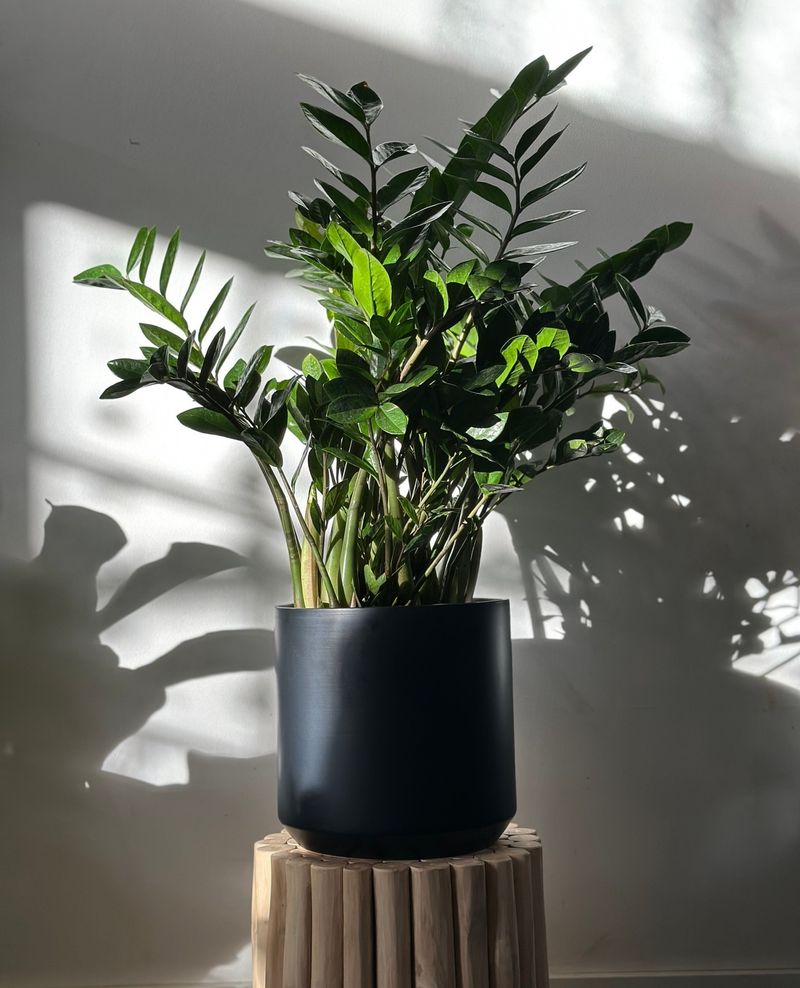
Shiny, waxy leaves arranged along upright stems give ZZ plants a polished, architectural appearance that looks expensive and carefully maintained. The truth is these plants thrive on neglect, making them perfect for anyone who travels frequently or simply forgets about plant care.
Underground rhizomes store water and nutrients, allowing ZZ plants to survive extended periods without attention while continuing to produce new growth.
Extremely low light tolerance means ZZ plants succeed in spaces where other houseplants would struggle, including interior rooms far from windows. Water only when the soil has completely dried throughout the pot, sometimes just once monthly or even less frequently.
Their slow to moderate growth rate might seem contrary to this list, but once established, ZZ plants produce multiple new stems that shoot up quickly from the soil.
These plants handle the dry air created by heating and air conditioning systems without developing brown tips or stressed foliage. Temperature fluctuations near doors or drafty windows barely phase them, making placement flexible throughout your Texas home.
The deep green color stays vibrant year-round without special fertilizing or care routines. ZZ plants rarely attract pests and resist most common houseplant problems, earning their reputation as bulletproof options.
Beaumont and Midland residents love how these glossy beauties add sophisticated style to any room while requiring less attention than a cactus, steadily expanding with new stems that fill out the pot beautifully.
10. Rubber Plant (Ficus Elastica)
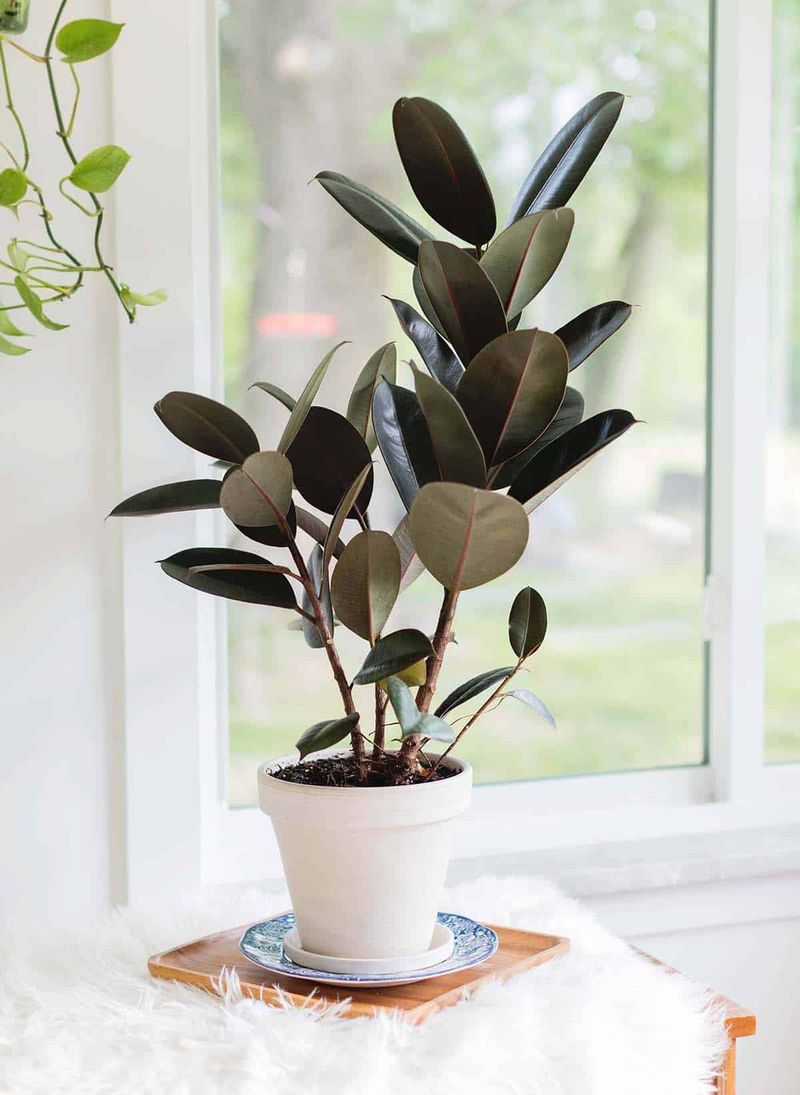
Large, glossy leaves in deep green, burgundy, or variegated patterns make rubber plants commanding focal points that anchor room designs. Each new leaf emerges wrapped in a red sheath that eventually drops away, revealing the full glory of the mature foliage.
Growth happens noticeably during spring and summer, with plants easily adding several new leaves monthly when conditions meet their preferences.
Bright indirect light produces the fastest growth and most vibrant leaf colors, though rubber plants adapt to medium light situations. Water thoroughly when the top two inches of soil feel dry, ensuring excess water drains completely from the pot.
These plants appreciate the warmth Texas homes naturally provide, thriving in temperatures between 60 and 75 degrees year-round.
Wiping dust from those large leaves keeps them glossy and helps the plant photosynthesize efficiently, a quick task that takes just minutes monthly.
Rubber plants can grow quite tall over time, but you can prune them to maintain desired heights and encourage bushier growth.
Their substantial presence makes them excellent choices for empty corners or spaces needing visual weight and drama. The thick leaves have a substantial, almost rubbery texture that feels as impressive as it looks.
Killeen and Laredo homeowners find rubber plants deliver quick results and impressive size without requiring complicated care schedules, growing steadily into stunning specimens that transform ordinary rooms into plant-filled sanctuaries with minimal effort required.