9 Indoor Plants Texas Homeowners Can Grow In Bottles Or Jars
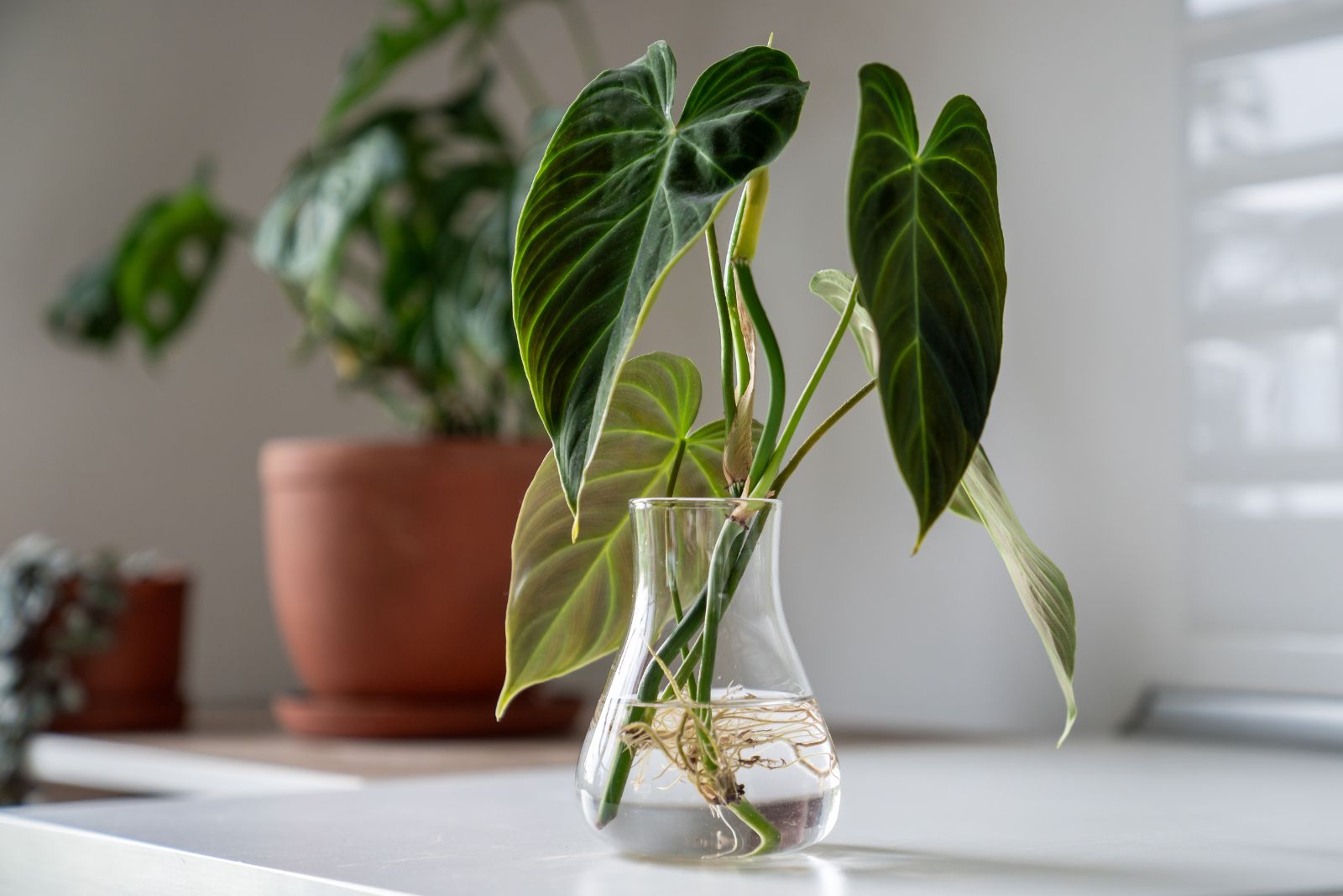
Turning everyday bottles and jars into tiny indoor gardens is becoming a fun trend in Texas homes, and it is easy to see why. These small plant setups save space, look stylish, and bring greenery into rooms that might not have much floor area.
Whether you live in an apartment, a townhouse, or a busy household, growing plants in glass containers can be both practical and creative. You can place them on shelves, desks, windowsills, or kitchen counters without cluttering your space.
Even better, many plants grow well in jars and need very little care once set up the right way. With the right choices and simple maintenance, these mini gardens can stay healthy and attractive for a long time.
If you want a fresh way to decorate and grow plants indoors, bottles and jars offer a smart and modern solution.
1. Pothos
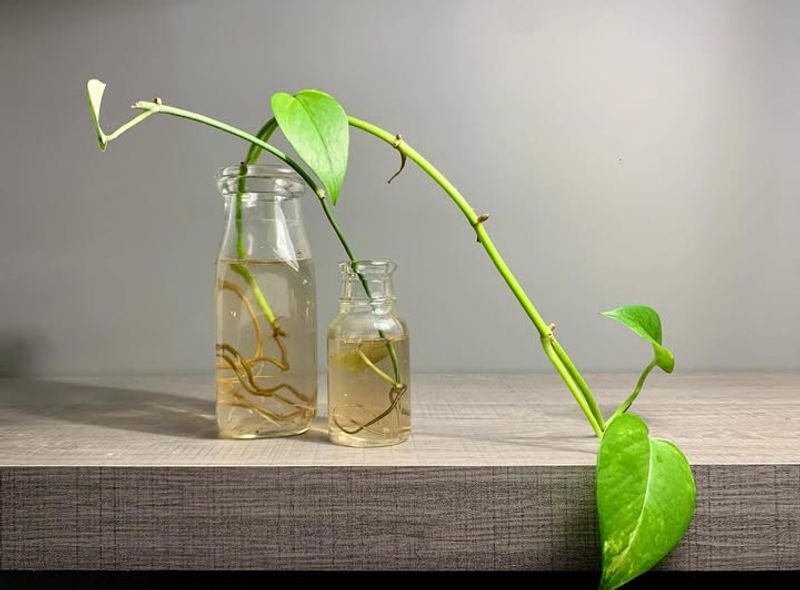
Pothos ranks as one of the easiest plants you can possibly grow in a jar or bottle, making it perfect for beginners who want to start their indoor garden journey. This trailing vine features heart-shaped leaves that come in various shades of green, often with yellow or white variegation that adds visual interest to any room.
You can grow pothos in water alone, which means you don’t even need soil to keep this beauty thriving in your Texas home.
The plant adapts incredibly well to low-light conditions, so even if your apartment or house doesn’t get tons of natural sunlight, pothos will still flourish.
Simply place a cutting in a jar filled with water, and within weeks you’ll see roots developing and new leaves unfurling. Change the water every week or two to keep it fresh and prevent algae buildup.
Many Texas homeowners love pothos because it helps purify indoor air by removing toxins like formaldehyde and benzene. The vines can grow quite long, creating beautiful cascading displays from shelves or hanging near windows.
If your pothos gets too leggy, just trim it back and use those cuttings to start new plants in more jars.
This plant tolerates the temperature fluctuations common in Texas homes. It doesn’t mind if you forget to water it occasionally, making it practically foolproof for anyone wanting to add greenery to their living space.
2. Lucky Bamboo
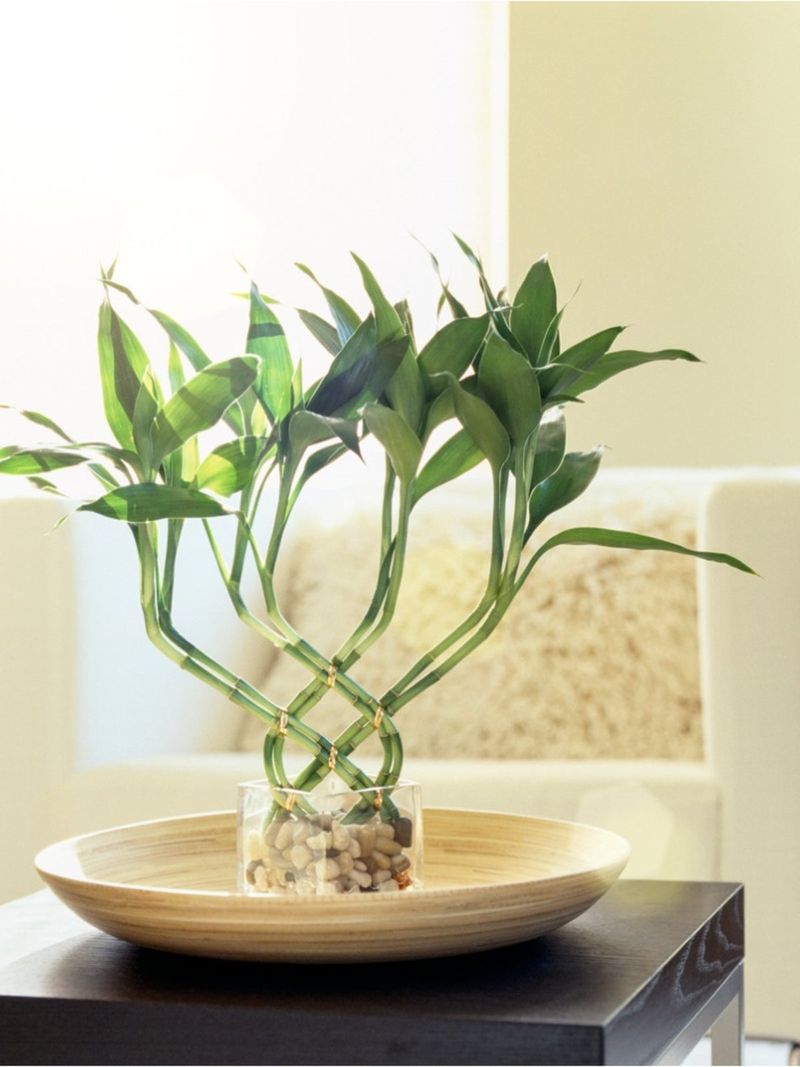
Despite its name, lucky bamboo isn’t actually bamboo at all but rather a type of tropical water lily called Dracaena sanderiana. This plant has become a favorite for bottle and jar gardening because it grows happily in plain water without any soil required.
The straight stalks with their bright green leaves create an elegant, minimalist look that fits beautifully in modern Texas homes.
Lucky bamboo thrives in indirect light, making it suitable for offices, bathrooms, or bedrooms that don’t get direct sun exposure. You can arrange multiple stalks in a single jar to create interesting patterns, or even find pre-shaped stalks that spiral or braid for extra visual appeal.
Just fill your container with enough water to cover the roots, and refresh it weekly to keep your plant healthy.
Your Texas Garden Changes Every Week. Your Plan Should Too.
Gardening in Texas changes quickly throughout the season. Every Friday you’ll receive a simple weekly plan showing exactly what to plant, prune, fertilize, harvest, and protect so you never miss the right timing.
In Texas, where many people appreciate both indoor plants and good fortune symbolism, lucky bamboo serves double duty as decoration and a traditional gift believed to bring prosperity.
The plant tolerates a wide range of temperatures, though it prefers staying between 65 and 90 degrees, which matches most indoor Texas environments perfectly.
If the leaves start turning yellow, it usually means the plant is getting too much direct sunlight or the water contains too much chlorine, so try using filtered or distilled water instead.
Lucky bamboo grows slowly and stays manageable in size, making it ideal for small spaces throughout your home.
3. Spider Plant
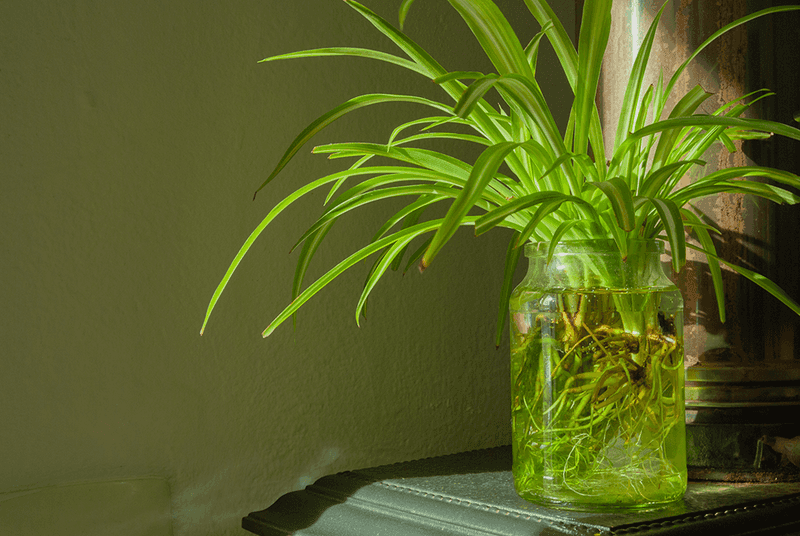
Spider plants earn their spot on this list because they’re incredibly forgiving and produce adorable baby plants called spiderettes that dangle from the mother plant on long stems. While typically grown in soil, spider plants adapt surprisingly well to water culture in jars and bottles.
Their arching leaves with green and white stripes create a fountain-like appearance that looks fantastic in hanging or elevated containers.
Texas homeowners appreciate spider plants because they tolerate various light conditions, from bright indirect light to moderate shade. The plant actively cleans indoor air by absorbing carbon monoxide and other impurities, which is especially beneficial in homes with poor ventilation.
When growing spider plants in water, make sure the roots stay submerged but keep the base of the plant above the waterline to prevent rot.
The baby plantlets that grow from mature spider plants can be snipped off and placed in their own jars to create new plants, giving you an endless supply of greenery to share with friends or spread throughout your Texas home.
Spider plants prefer temperatures between 60 and 75 degrees, which aligns perfectly with most air-conditioned Texas interiors.
If you notice brown tips on the leaves, it’s usually due to chemicals in tap water, so switching to filtered or rainwater often solves the problem.
These plants grow quickly and produce cascading foliage that adds dimension and movement to any room, whether you display them in the kitchen, living room, or bathroom.
4. Philodendron
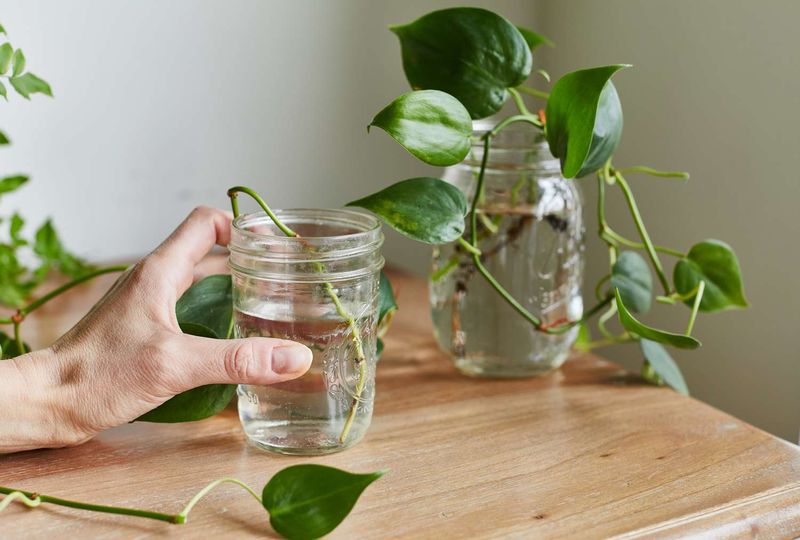
Philodendrons belong to a large family of tropical plants that adapt beautifully to jar and bottle growing, especially the heartleaf variety with its glossy, deep green leaves. Growing philodendrons in water is remarkably simple because they root easily and don’t demand much attention once established.
Just snip a stem cutting below a leaf node, place it in a water-filled jar, and watch as roots develop within days.
These plants handle the indoor conditions in Texas homes exceptionally well, tolerating both air conditioning in summer and heating in winter without complaint.
Philodendrons prefer bright, indirect light but can survive in lower light situations, making them versatile for various rooms throughout your house. The vining growth habit creates beautiful trailing displays from shelves or windowsills.
Many people in Texas cities like San Antonio and Fort Worth choose philodendrons for their home offices because the plants add a calming, natural element without requiring daily maintenance.
Change the water every one to two weeks to keep it fresh and clear, and occasionally rinse the roots if you notice any sliminess developing.
Philodendrons grow steadily throughout the year, producing new leaves regularly that unfurl in fascinating ways. If your plant gets too long, simply trim it back and use those cuttings to start additional jars.
The plant tolerates occasional neglect, so if you travel frequently or have a busy schedule, your philodendron will likely still be thriving when you return home to check on it.
5. English Ivy
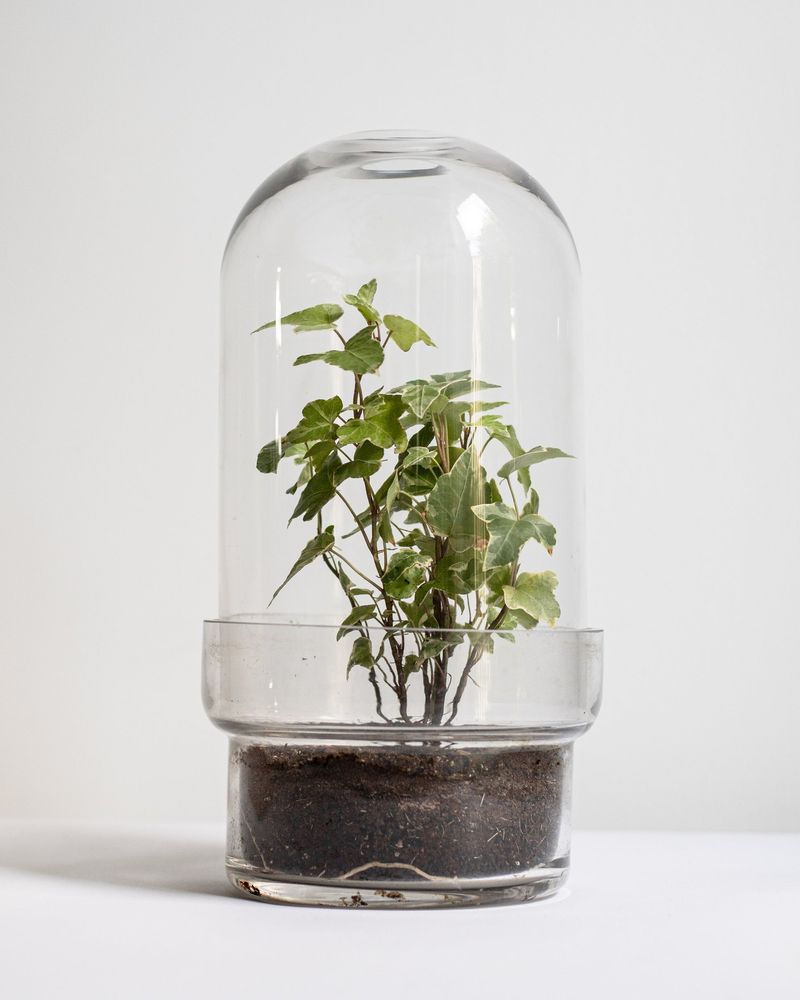
English ivy brings a touch of classic elegance to bottle and jar gardens with its distinctive lobed leaves and vigorous trailing growth. This plant propagates incredibly easily in water, making it perfect for creating multiple displays throughout your Texas home from just one parent plant.
The delicate vines soften the edges of shelves and furniture while adding a sophisticated green accent to any decor style.
Ivy prefers cooler temperatures than many other houseplants, which actually works well in Texas homes where air conditioning keeps indoor spaces comfortable during hot summers. Place your jar of ivy in bright, indirect light for best results, though it tolerates some shade.
The plant grows quickly once established, sending out new shoots and leaves that create lush, full displays in relatively short time periods.
Did you know that English ivy has been used for centuries in traditional medicine and symbolizes fidelity and eternal life?
In your Texas home, it serves the practical purpose of purifying indoor air while looking beautiful in vintage jars, modern glass bottles, or any container you choose.
Keep the water level consistent and refresh it weekly to prevent stagnation. If you notice the leaves turning brown at the edges, your ivy might be getting too much direct sun or the air is too dry, so relocate it to a shadier spot or mist the leaves occasionally.
English ivy works wonderfully in bathrooms where humidity from showers creates an ideal environment, and the trailing vines can frame mirrors or windows beautifully throughout your home.
6. Coleus
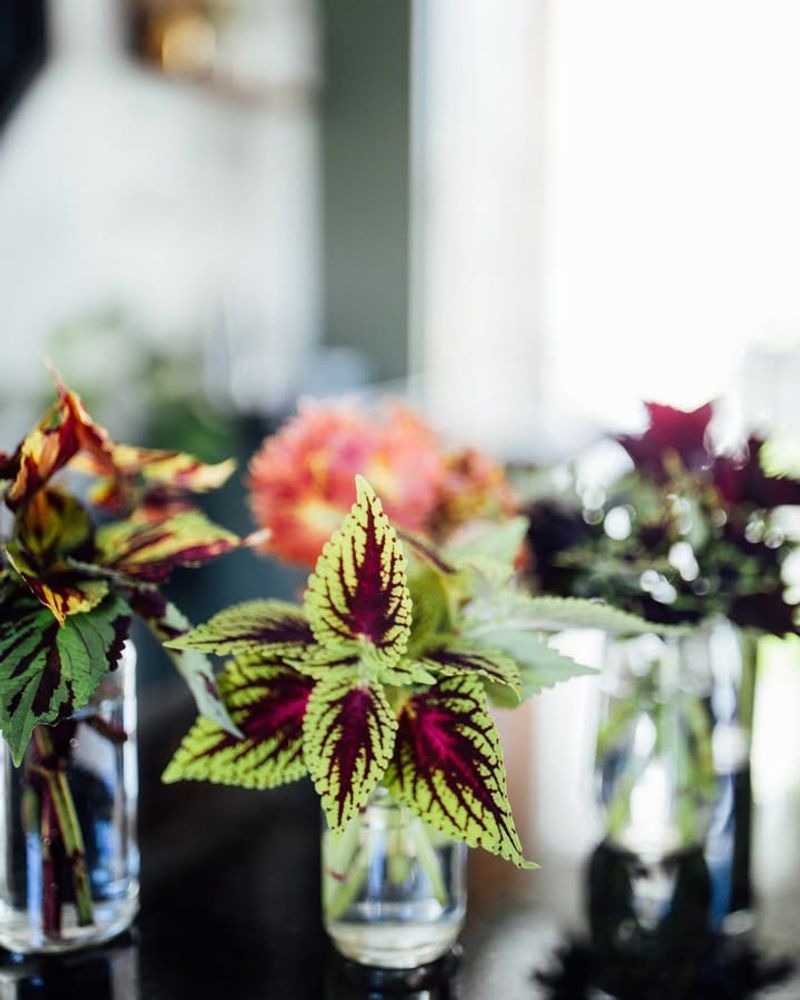
Coleus stands out from other bottle-grown plants because of its spectacular colorful foliage that ranges from deep burgundy to bright pink, orange, yellow, and green, often with multiple colors on a single leaf.
While most people grow coleus in soil outdoors, it transitions beautifully to water culture and can live indefinitely in a jar on your windowsill.The vibrant leaves bring a pop of color to Texas homes without requiring flowers.
This plant loves bright light, which helps maintain its intense coloration, so place your jar near a sunny window where it will get several hours of indirect sunlight daily. Coleus grows rapidly in water, often faster than in soil, and you’ll see new leaves emerging regularly.
The more light it receives, the more vivid the leaf colors become, creating a living piece of art in your home.
Texas gardeners who grow coleus outdoors during spring and fall can bring cuttings inside to grow in jars during the harsh summer heat or occasional winter freezes. Simply cut a stem about four to six inches long, remove the lower leaves, and place it in water.
Roots develop quickly, usually within a week. Pinch back the growing tips occasionally to encourage bushier growth and prevent the plant from getting too leggy.
Coleus appreciates warmer temperatures, making it comfortable in most Texas homes year-round.
The colorful foliage brightens up kitchens, living rooms, and entryways. Plus, you can easily propagate multiple jars to create a coordinated display using different color varieties together for maximum visual impact.
7. Begonia
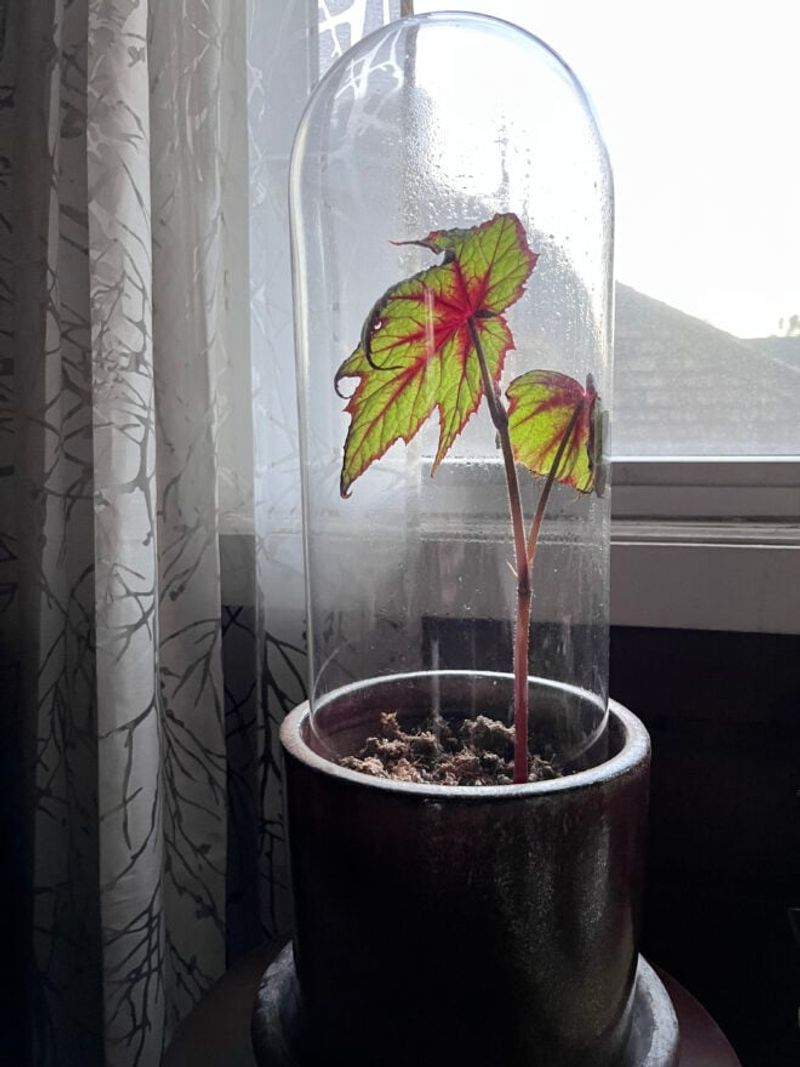
Certain begonia varieties, particularly rex begonias and angel wing begonias, adapt wonderfully to growing in bottles and jars filled with water.
Rex begonias feature some of the most stunning foliage you’ll find in the plant world, with leaves displaying intricate patterns in silver, purple, pink, red, and green.
Growing these beauties in glass containers lets you appreciate both the decorative leaves and the developing root system.
Begonias prefer bright, indirect light and moderate humidity, conditions that are easy to maintain in most Texas homes, especially in rooms like bathrooms or kitchens where moisture levels naturally run higher.
Place a begonia cutting in water, ensuring at least one node is submerged, and roots will begin forming within two to three weeks.
The plant grows moderately, producing new leaves that unfurl to reveal their spectacular colors and patterns.
Houston and Dallas residents particularly enjoy growing begonias indoors because these plants add tropical flair without the maintenance requirements of more demanding species.
Change the water weekly and keep your jar in a spot with consistent temperatures between 65 and 75 degrees for optimal growth.
If leaves start dropping, the plant might be experiencing temperature stress or needs more humidity, so consider grouping several jars together to create a microclimate.
Begonias grown in water tend to stay more compact than their soil-grown counterparts, making them ideal for small spaces.
The combination of beautiful foliage and easy care makes begonias excellent choices for adding color and interest to any room in your Texas home throughout the entire year.
8. Wandering Jew
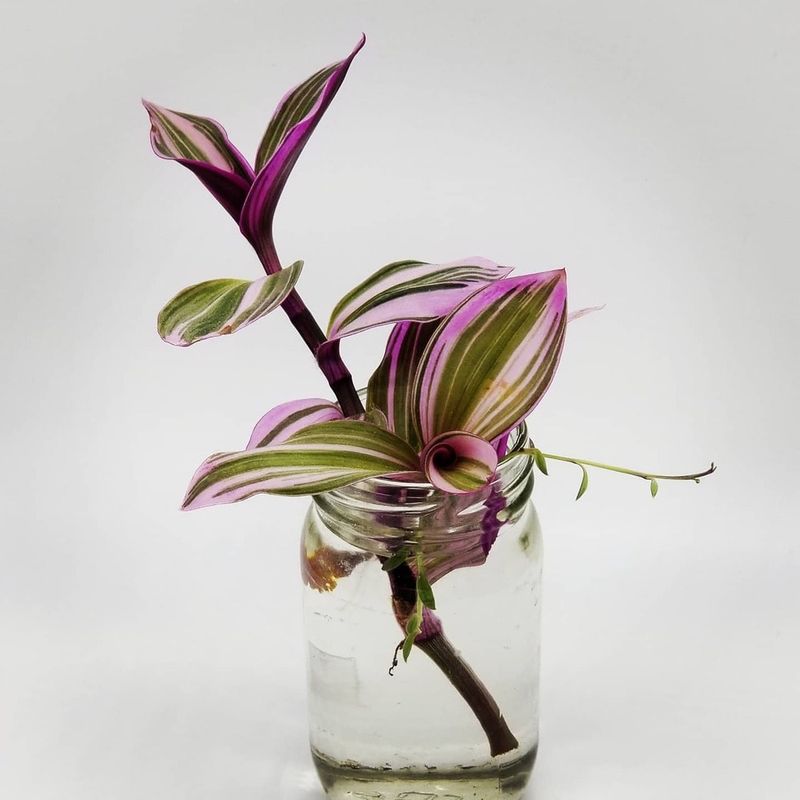
Wandering Jew, also called inch plant or Tradescantia, grows with such enthusiasm in water that you’ll be amazed at how quickly it fills out and trails from your jar or bottle.
The leaves come in various color combinations including purple and silver, green and white, or solid purple, creating eye-catching displays that brighten any corner of your home.
This plant roots so easily that even people who claim they can’t keep plants alive usually succeed with wandering Jew.
The trailing stems can grow several feet long, creating beautiful cascading curtains of color when displayed on high shelves or in hanging positions. Texas homeowners love this plant because it thrives in the typical indoor conditions found throughout the state, handling air-conditioned environments without stress.
Place your jar in bright, indirect light to maintain the vibrant leaf colors, as too much shade can cause the distinctive markings to fade.
Wandering Jew grows so vigorously that you’ll need to trim it regularly to keep it looking full and bushy rather than sparse and leggy. The good news is that every cutting you remove can be placed in another jar to start a new plant, giving you unlimited free plants to enjoy or share.
Change the water weekly to keep it fresh, and rinse the stems occasionally if you notice any sliminess. In Austin, San Antonio, and other Texas cities, this plant has become a popular choice for renters who want beautiful greenery without the commitment of soil-based plants.
The fast growth and brilliant colors make wandering Jew one of the most rewarding plants for bottle and jar gardening in any Texas home.
9. African Violet Leaves
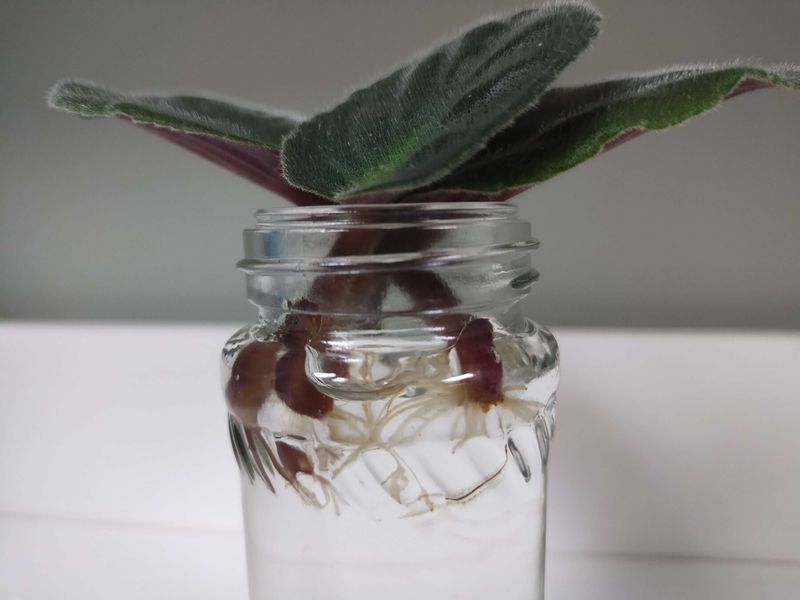
African violets typically grow in soil, but you can successfully propagate them in jars using single leaves, creating a fascinating process to watch as tiny plantlets develop from the leaf base.
Select a healthy leaf from a mature African violet, cut it with about an inch of stem attached, and place it in a small jar or bottle with the stem submerged in water.
Within several weeks, you’ll see roots forming, followed by baby plantlets emerging from the base.
This method works beautifully in Texas homes because the enclosed environment of a jar helps maintain the humidity that African violets prefer. Place your jar in bright, indirect light, avoiding direct sun which can scorch the delicate leaves.
The water level should cover just the stem, not the leaf itself, to prevent rot from developing.
African violets come in stunning colors including purple, pink, white, and blue, with both single and double flower forms, though the leaf propagation stage focuses on growing the plantlets rather than flowers.
Many Texas plant enthusiasts find the propagation process rewarding because it feels almost magical to watch new plants develop from a single leaf.
Once the plantlets grow large enough and develop their own root systems, you can either keep them growing in water or transplant them to soil. The parent leaf may eventually fade, but by then you’ll have several new baby plants to enjoy.
This propagation method works well on kitchen windowsills or bathroom counters where the ambient humidity from daily activities creates favorable conditions for the developing plantlets to thrive and grow strong in your Texas home.