Top 10 Butterfly Herbs Texas Gardeners Are Planting This Season
Butterflies bring color, movement, and life to any Texas garden, but how do you actually attract them to your yard? Many gardeners are surprised to learn that herbs do more than flavor food.
They also provide nectar, shelter, and safe resting spots for pollinators. With warm weather and long growing seasons, Texas is a perfect place to grow butterfly-friendly plants that thrive in garden beds and containers.
Planting the right herbs can turn your outdoor space into a peaceful habitat while adding beauty and natural balance. Even small gardens and patios can make a difference when planted wisely.
If you enjoy watching butterflies float through your yard and want to support local pollinators, choosing the right herbs this season can bring both color and purpose to your garden space.
1. Milkweed
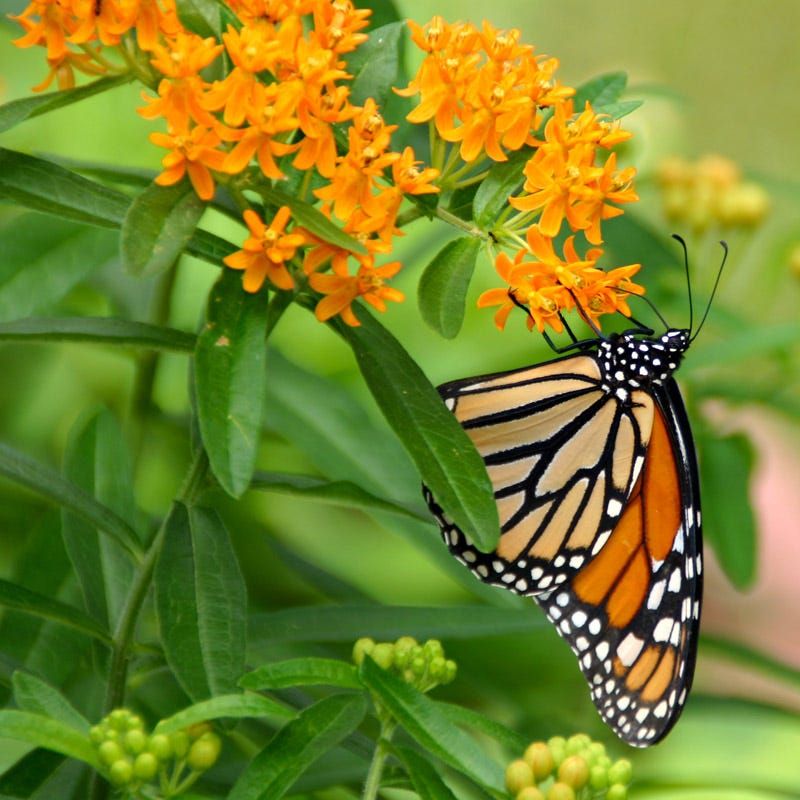
Monarch butterflies depend entirely on milkweed plants for their survival, making this herb absolutely essential for Texas gardens.
Female monarchs lay their eggs exclusively on milkweed leaves, and the caterpillars feed on nothing else as they grow.
Without milkweed, monarch populations would disappear completely from our landscapes.
Several milkweed varieties thrive in Texas climates, including tropical milkweed, antelope horn, and green milkweed. Each type produces clusters of small flowers that provide nectar for adult butterflies while the leaves support caterpillar growth.
Texas gardeners appreciate how these plants handle heat and require minimal watering once established.
Plant milkweed in sunny spots with well-draining soil for best results. The plants grow between two and four feet tall depending on the variety.
Their blooms appear from spring through fall, offering months of butterfly activity in your garden.
Many Texas nurseries now stock native milkweed varieties specifically suited to different regions of the state.
Choosing native types helps support local butterfly populations better than non-native varieties. Plus, native milkweeds are naturally adapted to Texas weather patterns and soil conditions.
Gardeners across Texas report seeing more monarchs within weeks of planting milkweed. The bright orange and black butterflies are impossible to miss as they visit the flowers repeatedly.
Adding milkweed to your herb garden creates a critical habitat that butterflies desperately need throughout their migration routes.
2. Purple Coneflower
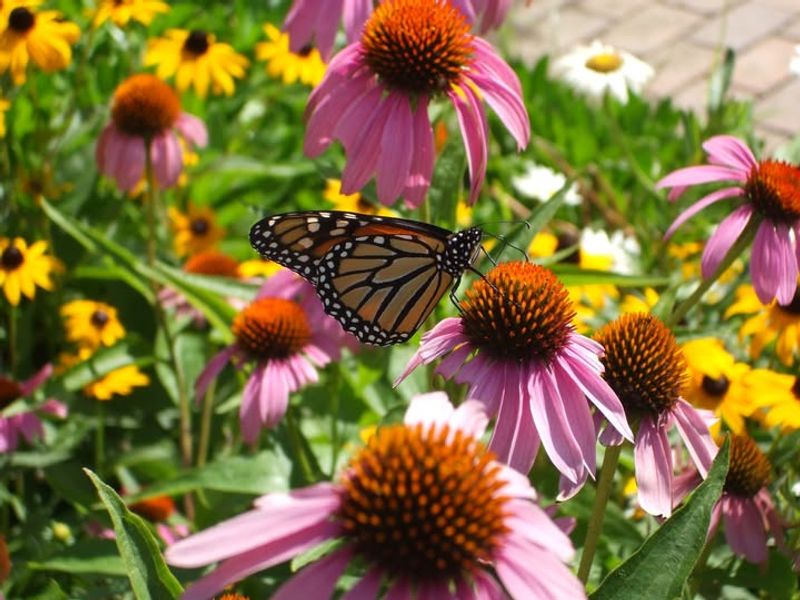
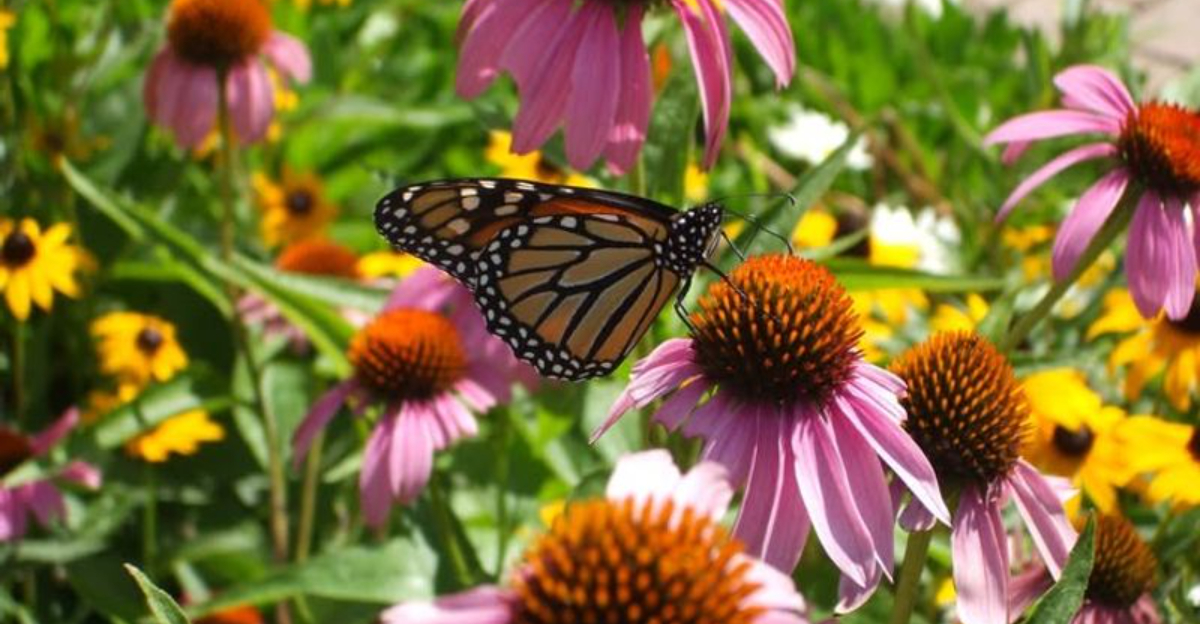
Swallowtails, painted ladies, and dozens of other butterfly species flock to purple coneflower throughout the growing season.
This prairie native produces large, daisy-like blooms with prominent centers that butterflies find irresistible. Texas gardeners love how reliably this herb returns year after year without any fuss.
Purple coneflower handles the toughest Texas conditions with ease, including blazing summer heat and periods without rain. The plants typically reach two to three feet in height and spread slowly to form attractive clumps.
Their purple-pink petals surround spiky orange centers that stand out beautifully in any garden setting.
Blooming begins in late spring and continues well into fall if you remove spent flowers regularly.
Each bloom lasts for weeks, providing consistent nectar sources when butterflies need them most. The sturdy stems hold up well in Texas winds and thunderstorms too.
Beyond attracting butterflies, purple coneflower has been used traditionally for supporting immune health. Many Texas gardeners harvest the roots and flowers for making teas and tinctures.
Your Texas Garden Changes Every Week. Your Plan Should Too.
Gardening in Texas changes quickly throughout the season. Every Friday you’ll receive a simple weekly plan showing exactly what to plant, prune, fertilize, harvest, and protect so you never miss the right timing.
However, even if you never use them medicinally, their value for butterflies alone makes them worth planting.
Place purple coneflower in full sun locations where they receive at least six hours of direct light daily. They tolerate various soil types but perform best in well-drained areas.
Once established, these herbs require almost no maintenance while providing months of butterfly entertainment in your Texas landscape.
3. Lavender
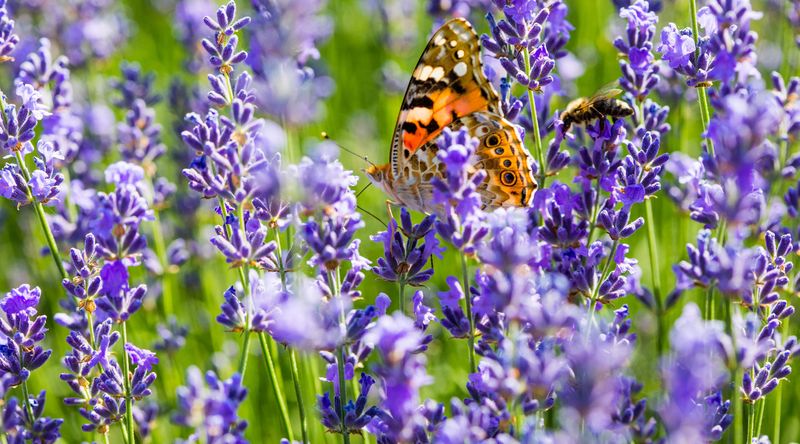
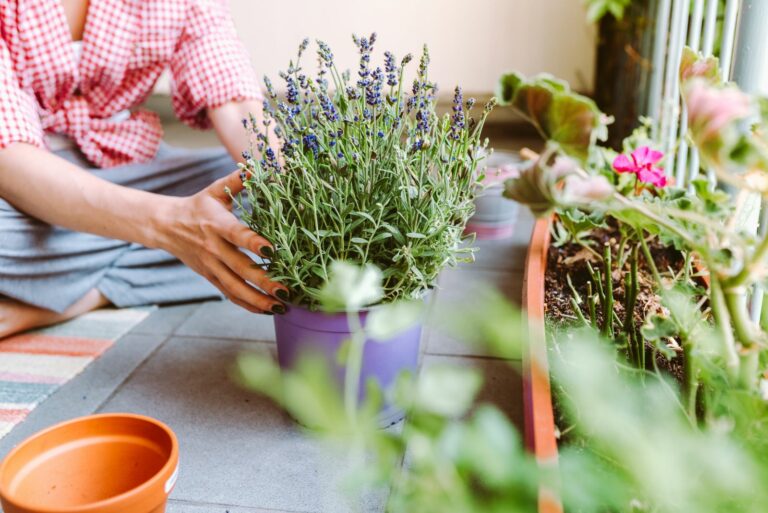
Few herbs match lavender’s ability to attract butterflies while filling your Texas garden with heavenly fragrance. The long spikes of purple flowers act like landing strips for butterflies, offering easy access to abundant nectar.
Texas Hill Country gardeners especially appreciate how well lavender adapts to rocky, alkaline soils common in their region.
English lavender and Spanish lavender both perform well in Texas, though Spanish varieties handle humidity better in eastern parts of the state.
The silvery-green foliage looks attractive even when plants are not blooming. Butterflies visit lavender constantly from early summer through the first frost.
Plant lavender in the sunniest spots available with excellent drainage to prevent root problems. These herbs grow between one and three feet tall depending on variety.
Their compact, bushy shape makes them perfect for borders, container gardens, or lining walkways where you can brush against them and release their scent.
Beyond butterfly attraction, lavender serves many purposes in Texas homes. You can harvest the flowers for sachets, cooking, or making relaxing teas. The essential oils have calming properties that many people enjoy.
Texas gardeners should space lavender plants about two feet apart to allow good air circulation. Prune plants lightly after blooming to maintain their shape and encourage bushier growth.
With minimal care, lavender will return stronger each year, bringing more butterflies to your garden with each season.
4. Basil
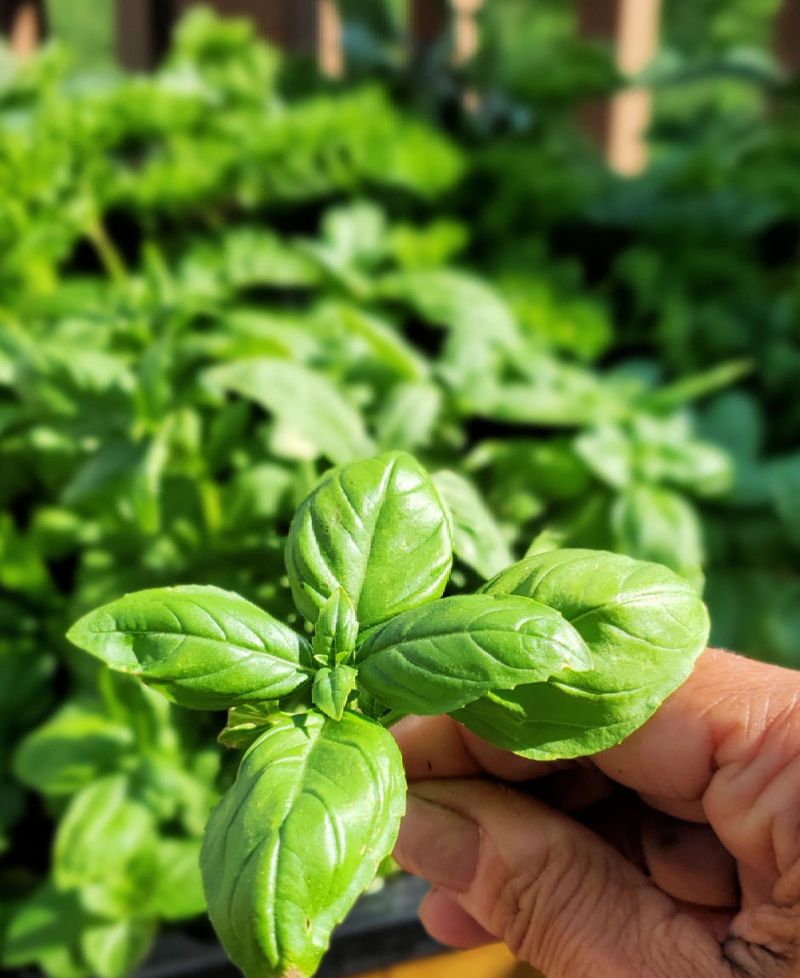
When basil plants bolt and produce flowers, they become butterfly magnets that rival any ornamental plant. The small white or purple blooms appear on tall spikes above the familiar aromatic leaves.
Texas gardeners often let a few basil plants flower specifically to attract butterflies while harvesting leaves from other plants for cooking.
Sweet basil, Thai basil, and African blue basil all attract different butterfly species to Texas gardens. The flowering period can last for months if you allow plants to continue blooming.
Butterflies seem particularly attracted to the purple-flowered varieties, though all types bring visitors.
Growing basil in Texas requires consistent moisture and protection from the most intense afternoon sun in peak summer. Plants thrive in rich, well-amended soil that drains well. Most varieties reach 18 to 24 inches tall when flowering.
The beauty of basil is its dual purpose in the garden. You can harvest leaves for pesto, salads, and Italian dishes while simultaneously supporting butterfly populations. Simply plant extra basil so some can flower while others remain productive for the kitchen.
Texas heat causes basil to flower earlier than in cooler climates, which actually benefits butterfly gardeners.
The extended bloom period from early summer through fall provides reliable nectar when other sources might be scarce. Swallowtails, skippers, and sulfurs all visit basil flowers regularly throughout Texas.
5. Mexican Bush Sage
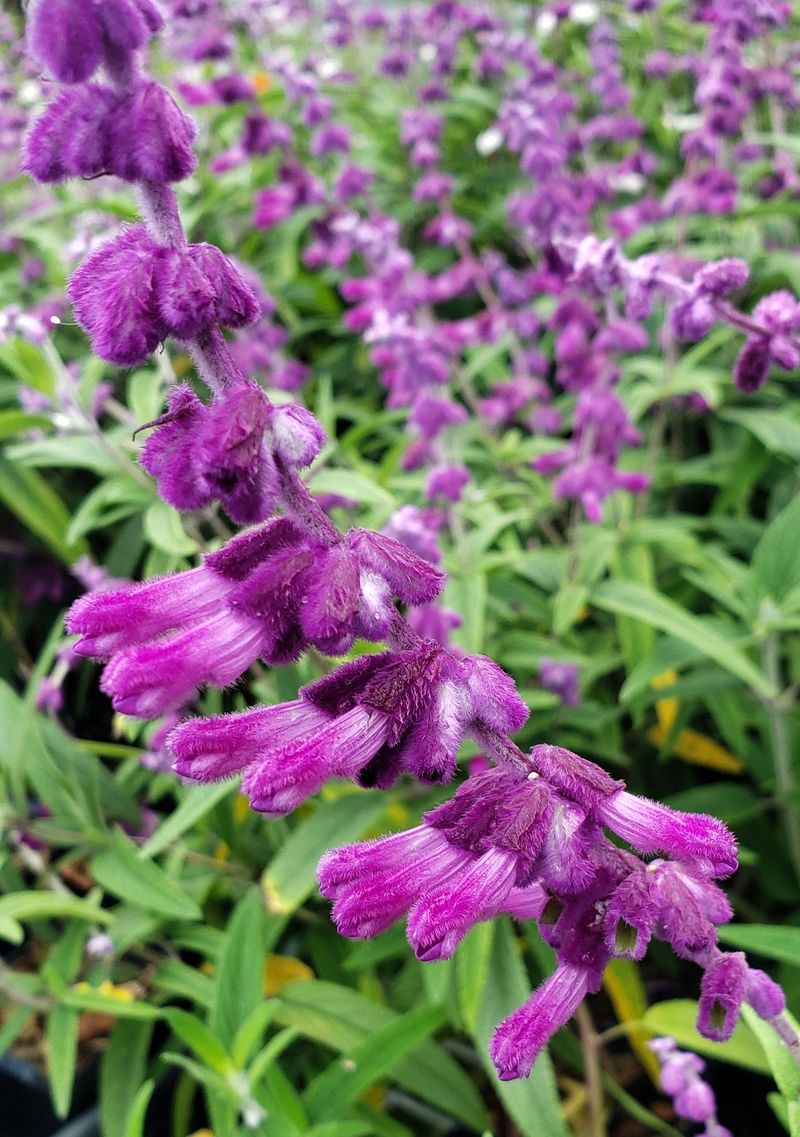
Nothing quite matches the dramatic display of Mexican bush sage when it bursts into bloom across Texas gardens each fall. The long, velvety purple spikes appear just as many butterflies are migrating through the state.
This timing makes Mexican bush sage incredibly valuable for providing fuel to traveling butterflies.
Native to Mexico, this sage species feels right at home in Texas heat and drought. Plants grow quite large, often reaching four to five feet tall and equally wide.
The silvery-green foliage provides attractive texture even before the spectacular flowers appear.
Blooming typically begins in late summer and continues until hard freezes arrive. Each flower spike can be over a foot long, covered in fuzzy purple calyxes with small white flowers peeking through.
Butterflies land on these spikes and work their way up, visiting flower after flower. Texas gardeners should give Mexican bush sage plenty of space since mature plants become quite substantial.
Full sun exposure produces the most blooms. These herbs tolerate poor soil and need very little water once their roots are established.
Monarchs passing through Texas on their migration routes depend heavily on fall-blooming plants like Mexican bush sage. Providing this nectar source helps them build energy reserves for their long journey to Mexico.
Gulf fritillaries, queens, and painted ladies also visit these blooms constantly throughout autumn in Texas gardens.
6. Oregano
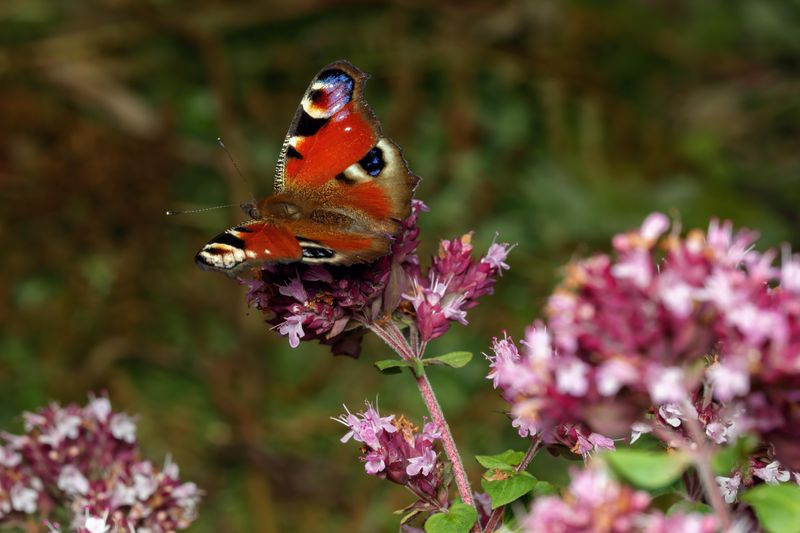
Most people think of oregano only as a pizza herb, but Texas gardeners know its flowers attract butterflies like crazy. When oregano blooms, it produces masses of tiny pink or white flowers that cluster at the branch tips.
These delicate blooms provide easily accessible nectar that butterflies of all sizes can reach.
Greek oregano and Italian oregano both flower prolifically in Texas gardens when allowed to bloom naturally.
The plants form low, spreading mounds that fill in nicely between larger herbs. Their flowers appear in early summer and continue sporadically through fall.
Growing oregano in Texas is remarkably easy since this Mediterranean herb loves hot, dry conditions. Plant it in well-drained soil with full sun exposure.
Oregano spreads gradually to form attractive groundcovers that smell wonderful when you walk past them.
You can harvest oregano leaves for cooking throughout the season while still allowing some stems to flower for butterflies. The leaves actually develop stronger flavor just before blooming begins.
Many Texas gardeners maintain several oregano plants so they can harvest some while letting others flower.
Smaller butterfly species like skippers and blues particularly love oregano flowers. The low-growing nature of the plants makes them easy for these tiny butterflies to access.
Oregano also attracts beneficial insects that help control garden pests naturally throughout your Texas landscape.
7. Gregg’s Mistflower
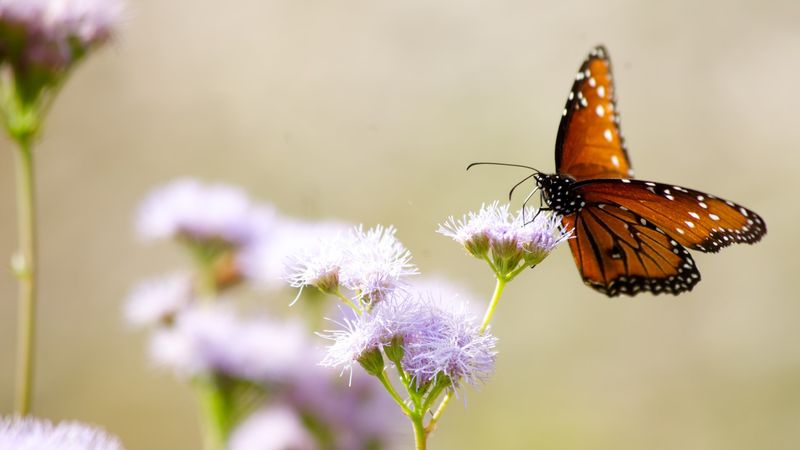
Ask any experienced butterfly gardener in Texas about their must-have plants, and Gregg’s mistflower will top the list.
This native Texas herb produces clouds of fuzzy blue-purple flowers that butterflies find absolutely irresistible. The blooms appear in late summer and fall, perfectly timed for monarch migration.
Also called blue mistflower, this plant spreads to form thick colonies that create impressive displays. Each flower head consists of many tiny tubular blooms packed together.
The blue color is relatively rare in the plant world, making it especially attractive to butterflies.
Gregg’s mistflower thrives in partial shade, making it perfect for those tricky spots under trees where many herbs struggle.
It tolerates more moisture than most butterfly herbs, so it works well in low areas that stay damp. Plants typically reach two to three feet in height.
Central and South Texas gardeners have grown this native herb for generations because it performs so reliably. The plants require virtually no maintenance once established.
They spread by underground runners, so give them room or be prepared to remove excess plants.
During peak migration periods, you might see dozens of monarchs covering a single patch of Gregg’s mistflower. Queens, gulf fritillaries, and swallowtails also visit constantly.
The extended bloom period provides critical resources when butterflies need them most for their long journeys through Texas.
8. Fennel
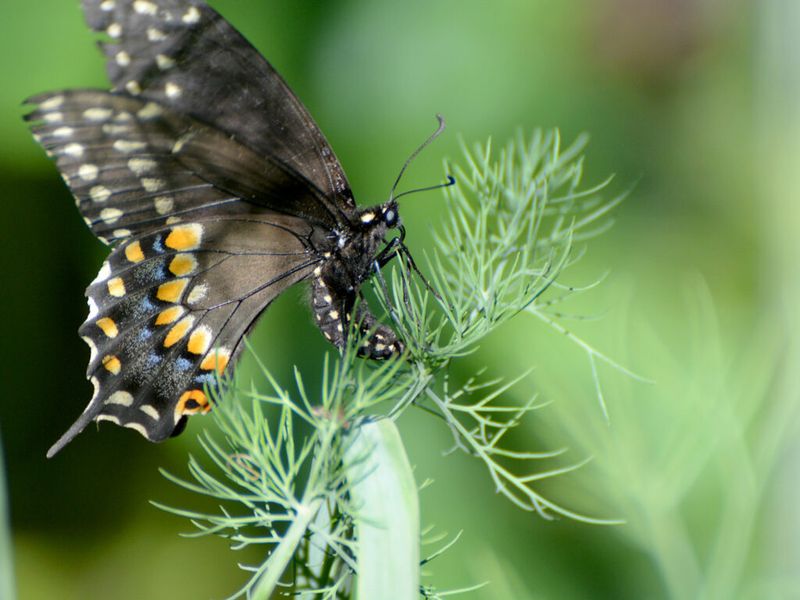
Feathery and fragrant, fennel serves double duty in Texas butterfly gardens by feeding both caterpillars and adult butterflies.
Black swallowtail butterflies lay their eggs on fennel plants, and the striped caterpillars munch happily on the leaves. When fennel flowers, the flat-topped yellow blooms attract numerous butterfly species.
Bronze fennel and green fennel both grow well in Texas, with bronze varieties adding extra color to garden designs. The plants can reach five feet tall or more, creating impressive vertical accents.
Their delicate, thread-like foliage sways gracefully in breezes and releases a licorice scent when brushed.
Fennel blooms in late spring and early summer, producing umbrella-shaped clusters of tiny yellow flowers. These blooms provide landing platforms where butterflies can rest while feeding.
The flowers eventually produce seeds that many gardeners harvest for cooking or let self-sow for more plants next year.
Texas gardeners should plant fennel in full sun with good drainage. The plants develop deep taproots that make them quite drought-tolerant once established. Space them at least two feet apart since mature plants become quite large.
Watching black swallowtail caterpillars transform on your fennel plants is one of gardening’s great joys. The caterpillars are beautiful themselves, with bright green bodies marked by black and yellow stripes.
Many Texas gardeners plant extra fennel specifically to support these caterpillars while still having leaves to harvest for the kitchen.
9. Rosemary
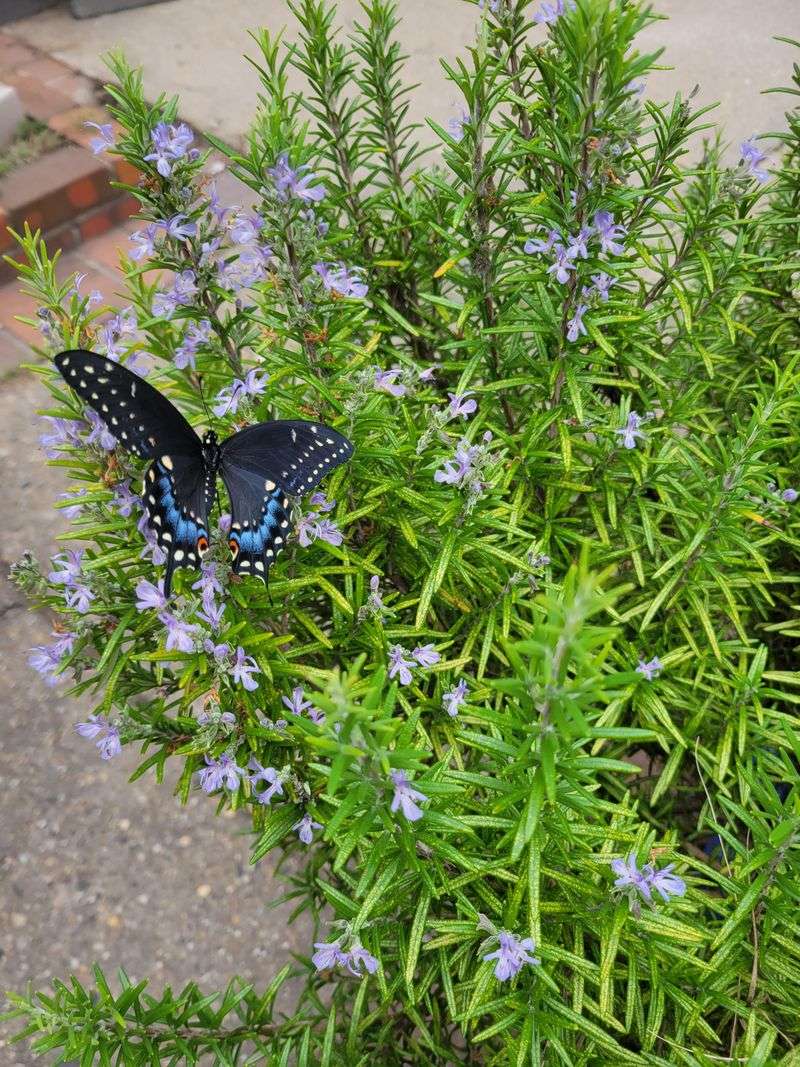
Rosemary’s blue flowers might be small, but butterflies notice them immediately when they bloom across Texas gardens. This evergreen herb provides year-round structure with its needle-like foliage, then surprises gardeners with flushes of blooms in spring and fall.
The flowers appear along the stems in clusters, creating a beautiful contrast against the dark green leaves.
Upright rosemary varieties and trailing types both attract butterflies when flowering. Texas gardeners appreciate how rosemary tolerates heat, drought, and poor soil without complaining.
The plants range from low groundcovers to tall, upright shrubs depending on variety.
Peak blooming occurs in early spring, often starting in February in warmer parts of Texas. A second, lighter bloom period happens in fall.
During these times, you will see painted ladies, sulfurs, and other butterflies working the flowers constantly.
Growing rosemary in Texas requires excellent drainage since soggy roots cause problems quickly. Plant in full sun for best flowering.
The plants become quite woody over time, developing attractive gnarled trunks that add character to landscapes.
Besides attracting butterflies, rosemary provides year-round harvests for cooking. The aromatic leaves enhance meats, vegetables, and breads with their distinctive pine-like flavor.
Texas gardeners love having fresh rosemary available every single day while also supporting butterfly populations throughout the seasons.
10. Autumn Sage
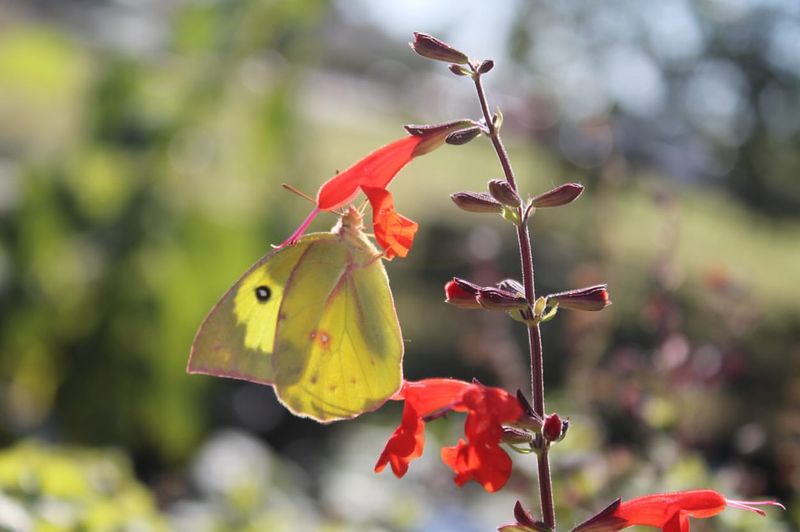
Hummingbirds might hog the spotlight on autumn sage, but butterflies visit these blooms just as frequently in Texas gardens. This native Texas herb produces tubular flowers in red, pink, white, or purple from spring through frost.
The long blooming period makes autumn sage incredibly valuable for providing consistent nectar sources.
Autumn sage naturally occurs throughout Texas, so it handles local conditions perfectly. Plants form rounded mounds about two to three feet tall and wide.
The small leaves release a pleasant fragrance when touched, and the flowers appear on tall spikes above the foliage.
Different flower colors seem to attract different butterfly species, so Texas gardeners often plant several color varieties together. Red-flowered types attract the most attention, but pink and purple varieties also see constant butterfly activity.
The tubular shape requires butterflies to work a bit to reach nectar, but they clearly find the effort worthwhile.
Plant autumn sage in full sun with well-drained soil for best results. These herbs handle reflected heat from walls and paved areas better than most plants. They need only occasional deep watering once their roots are established.
Texas gardeners should trim autumn sage lightly after each bloom flush to encourage more flowers. The plants respond by producing fresh growth and more blooms within weeks.
This simple maintenance keeps butterflies visiting your garden from early spring until winter arrives across Texas.