Why This Invasive Vine Keeps Taking Over Florida Gardens And How To Stop It
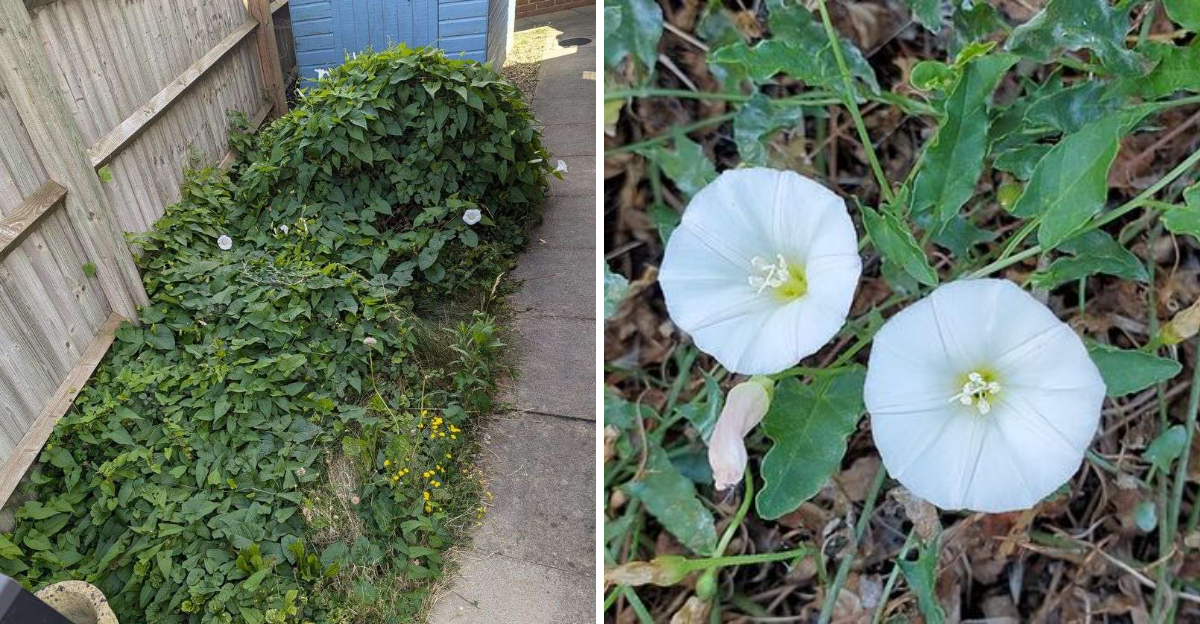
Something in your garden keeps taking over. You pull it out, trim it back, and somehow it always comes back.
It climbs over flowers, twists around shrubs, and spreads faster than you can keep up. In Florida, this isn’t just a minor annoyance.
It’s a serious problem for homeowners and gardeners who want healthy, thriving yards. The culprit is bindweed, a fast-growing invasive vine that loves the state’s heat, humidity, and long growing seasons.
Once it gets established, it can choke out plants and take over entire garden beds. The good news is that you don’t have to accept defeat.
By understanding how bindweed spreads and using the right strategies to stop it at the roots, you can reclaim your garden and keep this aggressive vine from coming back.
1. Meet Bindweed: The Vine That Refuses To Quit
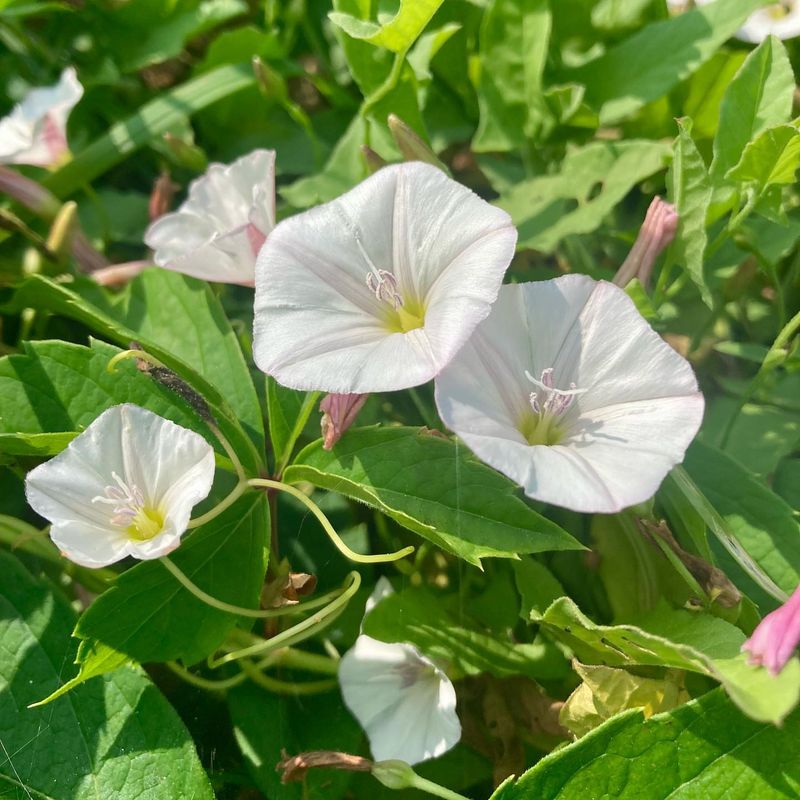
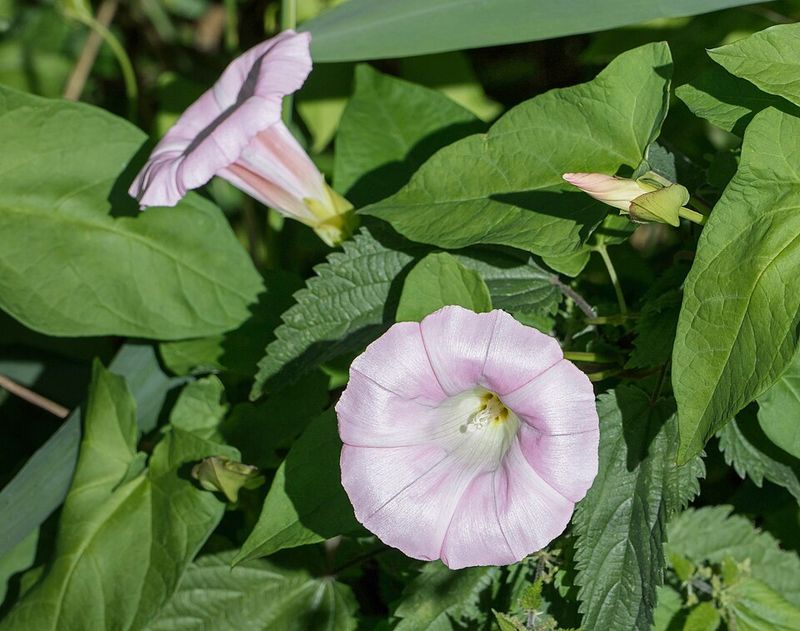
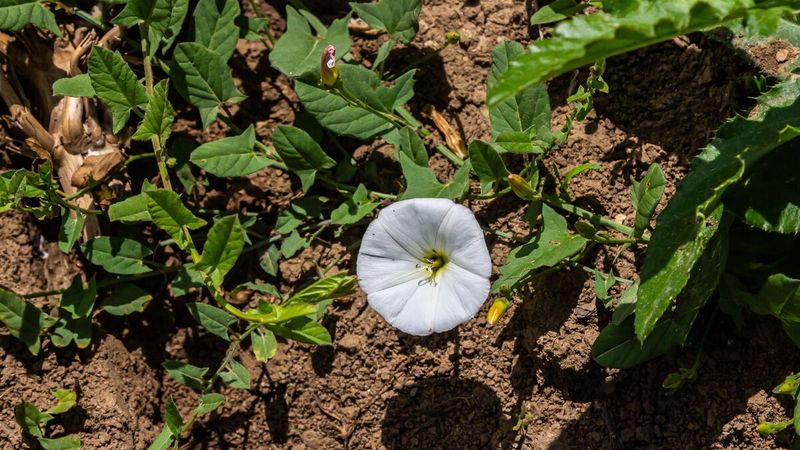
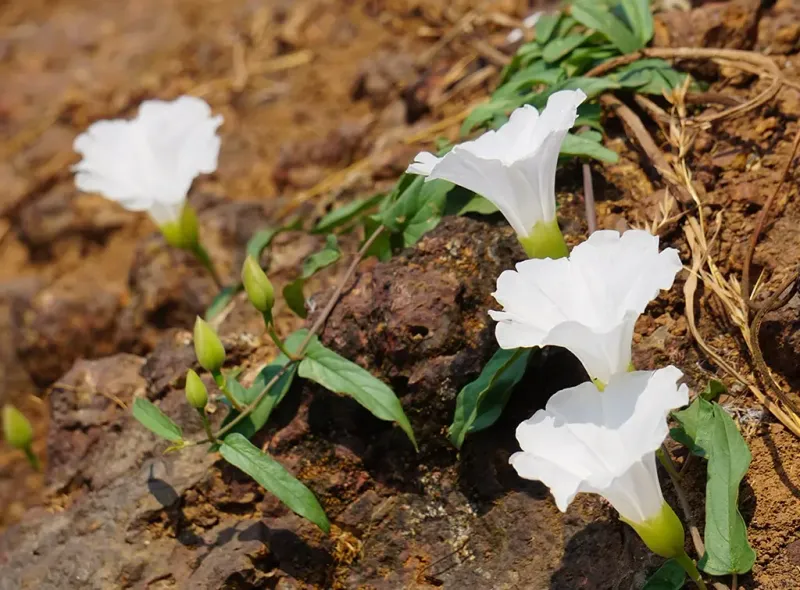
Bindweed looks innocent at first with its delicate white or pink trumpet-shaped flowers and heart-shaped leaves that seem almost decorative. Many Florida gardeners mistake it for morning glory when they first spot it creeping along their fence line or climbing up their mailbox post.
The resemblance ends quickly once you try to pull it out and realize the roots go far deeper than you ever imagined.
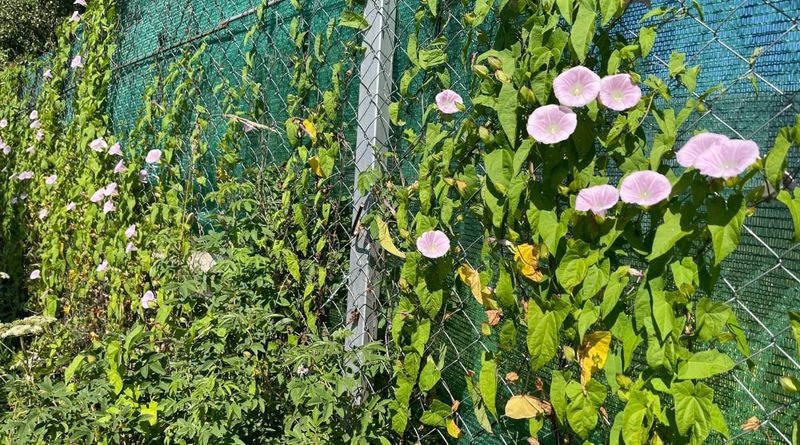
Field bindweed and hedge bindweed are the two main types found across Florida yards, and both share the same relentless growing habits. The vines twist counterclockwise as they climb, wrapping around stems, fences, and anything vertical they can reach.
Within weeks, a single plant can send out runners several feet long in every direction.
What makes bindweed so tough is its extensive root system that can spread both horizontally and vertically, making removal challenging. Those roots store energy and allow the plant to regrow even after you think you have removed every visible stem.
A single root fragment left behind can sprout a whole new plant, which explains why this vine keeps returning no matter how many times you yank it out.
Recognizing bindweed early gives you the best chance to control it before the roots establish themselves too deeply in your garden beds.
2. How Bindweed Takes Over So Fast
One bindweed plant can produce hundreds of seeds in a single season, and seeds can remain viable in the soil for many years, waiting for favorable conditions to sprout. Birds, garden tools, and even your shoes can carry seeds from one part of your yard to another without you noticing.
Once a seed germinates, the young plant focuses all its energy on building an extensive underground network before most gardeners even realize it has arrived.
The roots spread horizontally as well as vertically, creating new shoots every few inches along the underground stems called rhizomes. Each new shoot becomes another vine that emerges from the soil and starts climbing whatever it finds nearby.
This allows bindweed to cover large areas surprisingly fast, especially during Florida’s warm rainy months when growth accelerates.
Bindweed also thrives in disturbed soil, which means tilling your garden beds can actually help it spread rather than control it. Every time you chop through a root with a shovel or tiller, you create multiple pieces that can each grow into a new plant.
Your Florida Garden Changes Every Week. Your Plan Should Too.
Gardening in Florida changes quickly throughout the season. Every Friday you’ll receive a simple weekly plan showing exactly what to plant, prune, fertilize, harvest, and protect so you never miss the right timing.
This regeneration ability makes mechanical removal frustrating for homeowners who expect pulling weeds to solve the problem.
Understanding these growth patterns helps you choose control methods that actually work instead of accidentally encouraging more spread.
3. Why Florida Heat Supercharges This Invasive Plant
Florida’s long growing season gives bindweed an advantage over gardeners in cooler climates where frost limits growth. In most of the state, mild winters allow it to grow for much of the year, although northern regions may see slower growth during occasional cold spells.
The warm temperatures allow the roots to establish deeply and spread extensively before most homeowners realize they have a problem on their hands.
Summer heat combined with afternoon thunderstorms creates perfect growing conditions for bindweed, which loves full sun and tolerates both wet and dry periods surprisingly well.
The vines grow fastest when temperatures stay between 70 and 85 degrees, which describes most Florida days from spring through fall.
Bindweed can grow several inches per week during peak conditions, quickly overtaking slower-growing ornamental plants.
Drought tolerance also helps bindweed survive Florida’s dry spells better than many garden plants, giving it another competitive edge. Its roots can reach moisture that shallower-rooted plants may not access, helping bindweed survive dry periods better than many garden plants.
The combination of heat, moisture, and year-round growing conditions makes Florida an ideal habitat for this aggressive invader.
Timing your control efforts to match bindweed’s growth patterns gives you better results than random removal attempts throughout the year.
4. The Real Damage Bindweed Does To Your Garden
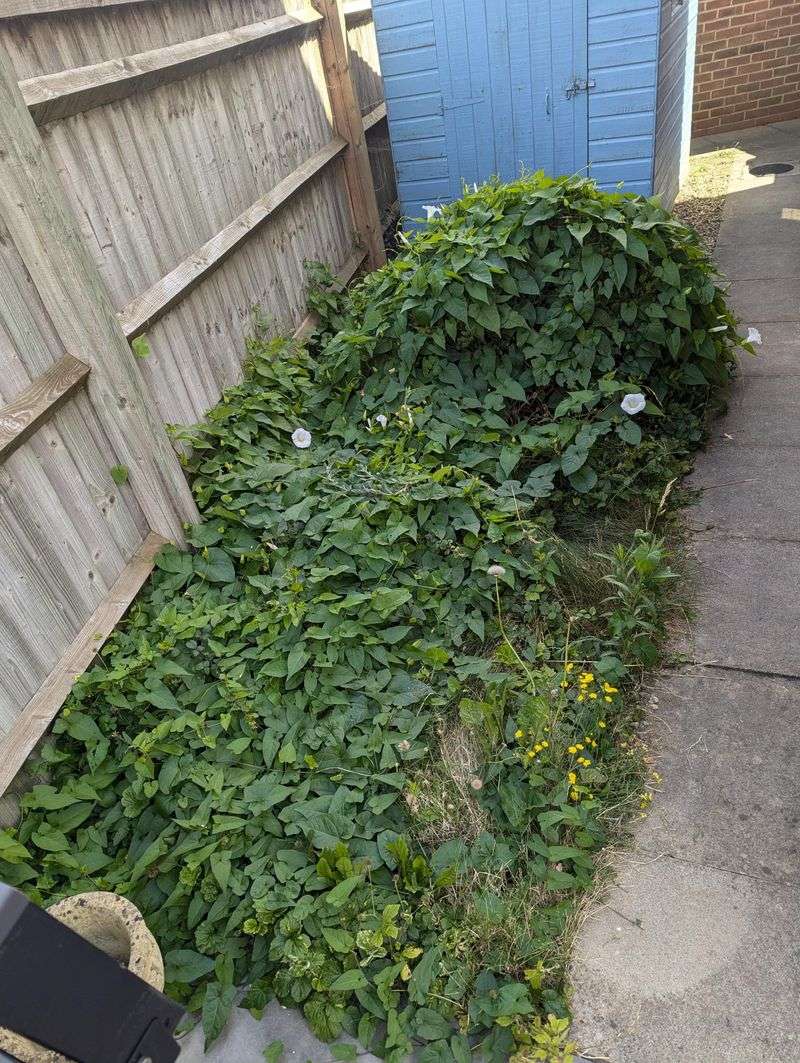
Bindweed steals water, nutrients, and sunlight from your desirable plants by wrapping around stems and shading out leaves with its dense growth. Vegetables, flowers, and shrubs struggle to compete once bindweed establishes itself nearby because the aggressive vines grow faster and reach resources more efficiently.
Your tomato plants may produce fewer fruits, your roses might bloom less, and young shrubs can become stunted when bindweed takes hold around their base.
The vines also create structural problems by pulling down plants they climb and making garden beds look messy and neglected. Heavy bindweed growth can bend or break flower stems, collapse trellises, and make it difficult to access your plants for pruning or harvesting.
The tangled mass of vines also creates hiding spots for pests and makes it harder to spot problems like disease or insect damage on your garden plants.
Beyond the visible damage, bindweed roots compete underground for the same resources your plants need to thrive. The extensive root system depletes soil nutrients faster than most ornamentals can keep up with, which means you may need to fertilize more often just to keep your garden looking healthy.
Bindweed competes aggressively with nearby plants for sunlight, water, and nutrients, which can stunt their growth.
Protecting your investment in landscaping and edible gardens requires controlling bindweed before it becomes firmly established.
5. Spot Bindweed Early Before It Chokes Your Plants
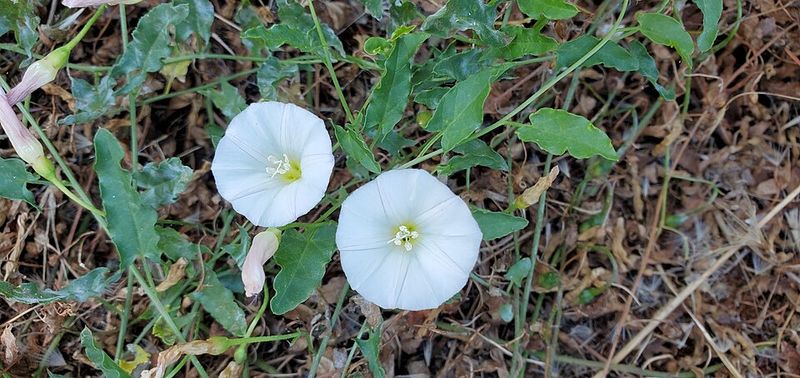
Learning to identify bindweed when it first appears gives you the best chance to control it before the roots grow too deep to manage easily. Look for thin, twining stems that spiral counterclockwise around other plants or any vertical surface they encounter.
The leaves are typically arrow-shaped or heart-shaped with smooth edges, and they alternate along the stem rather than growing in pairs.
Check your garden beds regularly during spring and early summer when new bindweed shoots first emerge from the soil after winter dormancy. Young plants are easier to spot before they blend in with your other garden growth, and early removal prevents the roots from expanding further underground.
Pay special attention to areas where soil has been disturbed recently, along fence lines, and near compost piles where seeds may have been introduced.
The flowers are the most distinctive feature, appearing as white or light pink trumpets about one to two inches across that open in the morning. These blooms signal that the plant is producing seeds for future generations.
If you see flowers, act quickly to prevent seed production and further spread throughout your landscape.
Regular monitoring allows you to catch new infestations early when control efforts are most effective and least labor-intensive for Florida homeowners.
6. Proven Ways To Remove Bindweed For Good
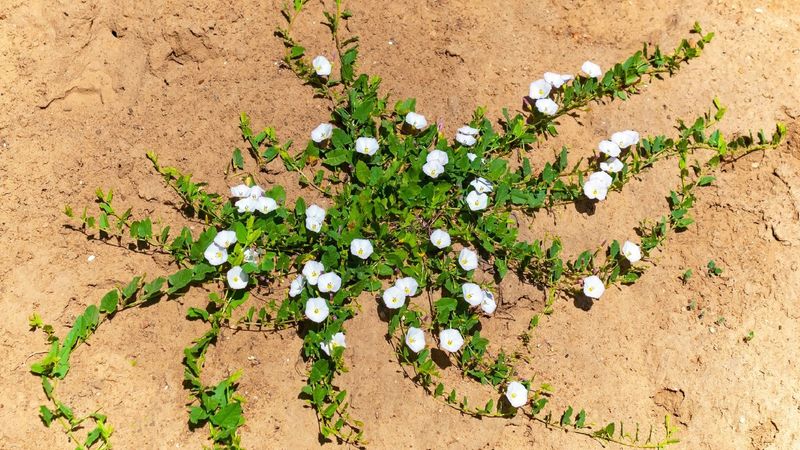
Persistent hand-pulling works best when you catch bindweed early before the root system becomes extensive, but you need to remove as much root as possible with each attempt. Water the soil thoroughly before pulling to soften the ground and allow roots to slide out more easily without breaking.
Grasp the vine at ground level and pull slowly and steadily, trying to extract the entire root system rather than just snapping off the visible growth.
For established infestations, covering the area with thick cardboard or landscape fabric blocks sunlight and eventually exhausts the roots by preventing photosynthesis. This smothering technique takes several months to work but avoids chemical treatments if you prefer an organic approach.
Layer the covering material at least six inches deep and weight it down with mulch or stones to prevent bindweed from finding gaps to grow through.
Selective herbicides containing glyphosate can be effective when applied carefully to bindweed foliage without contacting your desirable plants. The University of Florida IFAS Extension recommends treating bindweed in late summer or early fall when the plant naturally moves nutrients down into the roots for winter storage.
This timing helps the herbicide reach the entire root system more effectively than spring applications when growth moves upward.
Combining multiple control methods over several seasons gives you the best results against this persistent invader in Florida landscapes.
7. Mistakes That Make Bindweed Come Back Stronger
Tilling or cultivating soil infested with bindweed chops the roots into dozens of pieces that each have the potential to sprout into a new plant. What seems like a good way to clear your garden bed actually multiplies your problem by creating many small root fragments scattered throughout the area.
Avoid using a rototiller or turning the soil deeply until you have completely eliminated the bindweed infestation through other methods first.
Pulling bindweed carelessly and leaving root pieces behind in the soil guarantees the plant will return within weeks, often growing back even more vigorously than before. Many homeowners give up after a few attempts because they see the same vines returning repeatedly and assume nothing works.
The reality is that incomplete removal feeds the cycle, and you need to commit to thorough, repeated efforts to truly exhaust the root system.
Applying herbicides when bindweed is stressed from drought or heat reduces effectiveness because the plant is not actively moving nutrients through its system. Treating during active growth periods when the plant is healthiest actually works better because the herbicide travels more efficiently to the roots.
Also avoid mowing or cutting bindweed right before herbicide application, as the plant needs healthy foliage to absorb and transport the treatment downward.
Learning from these common mistakes helps Florida gardeners develop more effective strategies that actually reduce bindweed populations over time.
8. How To Stop Bindweed From Returning Next Season
Maintaining a thick layer of mulch in your garden beds makes it harder for bindweed seeds to germinate and for new shoots to reach sunlight. Apply three to four inches of organic mulch like pine bark or wood chips around your plants, replenishing it as it breaks down throughout the year.
This barrier reduces the number of new bindweed plants that can establish while also benefiting your desirable plants by conserving moisture and moderating soil temperature.
Growing dense groundcovers or planting closely spaced ornamentals reduces the open space where bindweed can take hold and spread. Healthy, vigorous plants compete more effectively for resources and shade out emerging bindweed shoots before they can establish.
Choose Florida-friendly plants that grow well in your specific conditions so they can outcompete weeds naturally without requiring excessive maintenance from you.
Inspect your garden regularly throughout the growing season and remove any new bindweed shoots immediately before they can build up their root reserves. This consistent monitoring and quick response prevents small problems from becoming large infestations that require major control efforts.
Prevent bindweed from flowering and producing seeds to reduce the addition of new seeds to your soil, which can remain viable for years.
Prevention through good garden practices and vigilant monitoring gives you long-term control over bindweed in your Florida landscape.