7 Costly Mistakes Florida Gardeners Make In Early February
February may feel quiet in the garden, but for Florida gardeners, a few missteps now can turn into big problems later. Planting too early, skipping soil preparation, or overwatering might seem harmless, but they can stunt growth, invite pests, or cause plants to struggle when spring arrives.
Many think cold snaps are over or that heavy fertilizing is safe, only to face setbacks weeks later. Steering clear of these mistakes can save time, money, and frustration.
From timing and watering to fertilizing and pruning, understanding common traps helps your garden stay healthy, vibrant, and productive all season.
If you want your yard to look its best and get the most out of your plants, early February is the perfect time to act carefully.
1. Fertilizing Too Early And Wasting Money
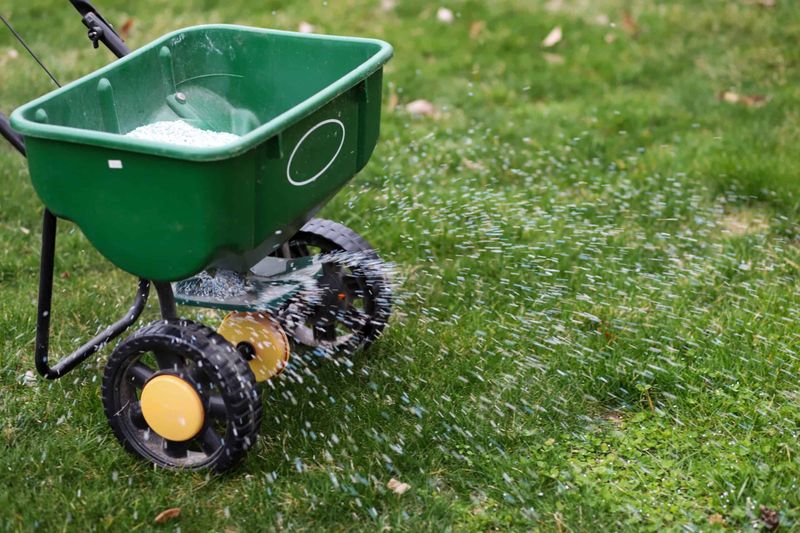
Warm afternoons in early February can make you feel like it’s time to feed everything in the yard. But most Florida plants are still in a slow-growth phase because nighttime temperatures drop and soil stays cooler than you might think.
When you spread fertilizer before plants actively grow, the nutrients often wash away with rain or leach into groundwater instead of feeding roots.
University of Florida IFAS Extension generally recommends waiting until spring green-up, often mid-March or later depending on your region of Florida. Grass, shrubs, and perennials need warm soil to take up nitrogen and other nutrients efficiently.
Applying fertilizer too soon means you’re paying for products that won’t benefit your plants.
Another issue is that early feeding can push tender new growth right before a late cold snap arrives. That soft new foliage is more vulnerable to frost damage, which sets the plant back even further.
You end up spending money twice and stressing your landscape unnecessarily.
Instead, use early February to prepare beds, check soil pH, and plan your feeding schedule. Wait until daytime highs stay consistently in the 70s and lows are above 50 degrees for several nights.
That’s when roots wake up and fertilizer actually works. Mark your calendar for mid-March and save your budget for when it counts most.
2. Pruning Plants That Shouldn’t Be Cut Yet
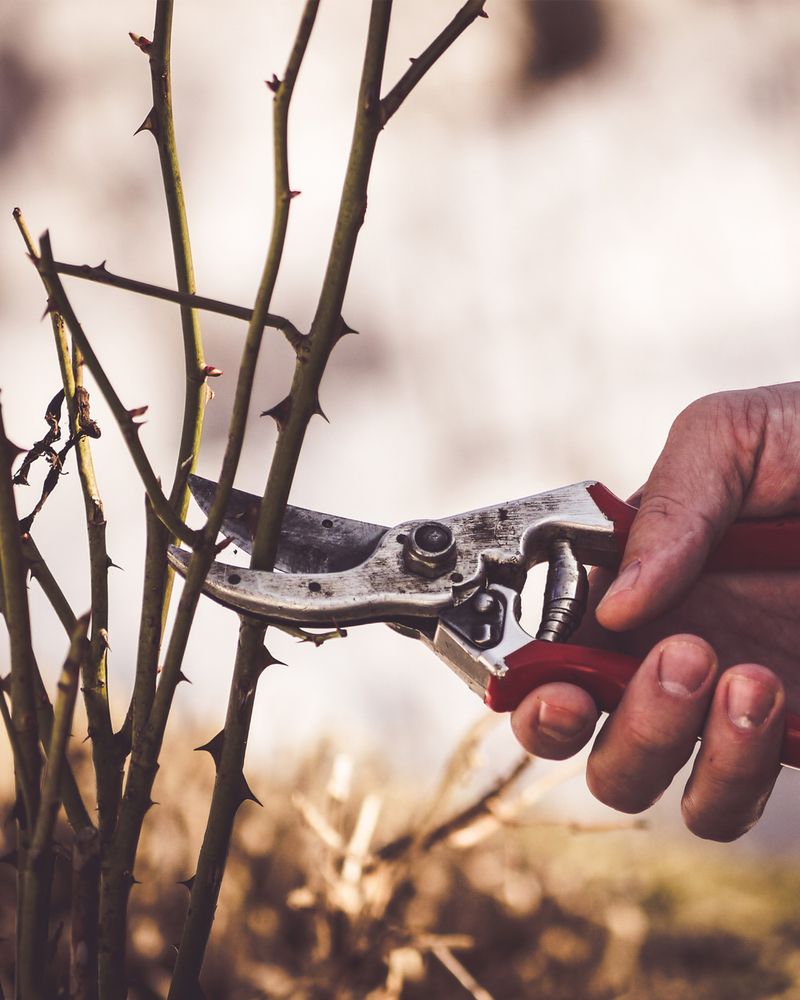
Seeing overgrown shrubs and scraggly hedges makes many gardeners reach for pruning shears in early February. It feels productive to clean up the yard while the weather is nice.
But timing matters more than most people realize, especially in Florida where different plants bloom and grow on different schedules.
Spring-blooming shrubs like azaleas, camellias, and gardenias set their flower buds in late summer and fall. If you prune them in February, you cut off all those buds and lose the entire spring flower show.
That’s months of beauty gone in one afternoon of well-meaning trimming.
On the other hand, plants that bloom on new growth, like crape myrtles and tropical hibiscus, can handle February pruning better. But even then, waiting until late February or early March is safer in North and Central Florida because cold snaps can still damage fresh cuts.
Your Florida Garden Changes Every Week. Your Plan Should Too.
Gardening in Florida changes quickly throughout the season. Every Friday you’ll receive a simple weekly plan showing exactly what to plant, prune, fertilize, harvest, and protect so you never miss the right timing.
Open wounds on plants are entry points for disease and stress, especially when temperatures swing wildly.
Before you prune anything, research the specific plant and its bloom cycle. University of Florida Gardening Solutions offers detailed guides for common Florida landscape plants.
Make notes about what blooms when, and plan your pruning calendar around those schedules. Your patience will pay off with healthier plants and better flowering throughout the season.
3. Planting Before The Last Cold Front Passes
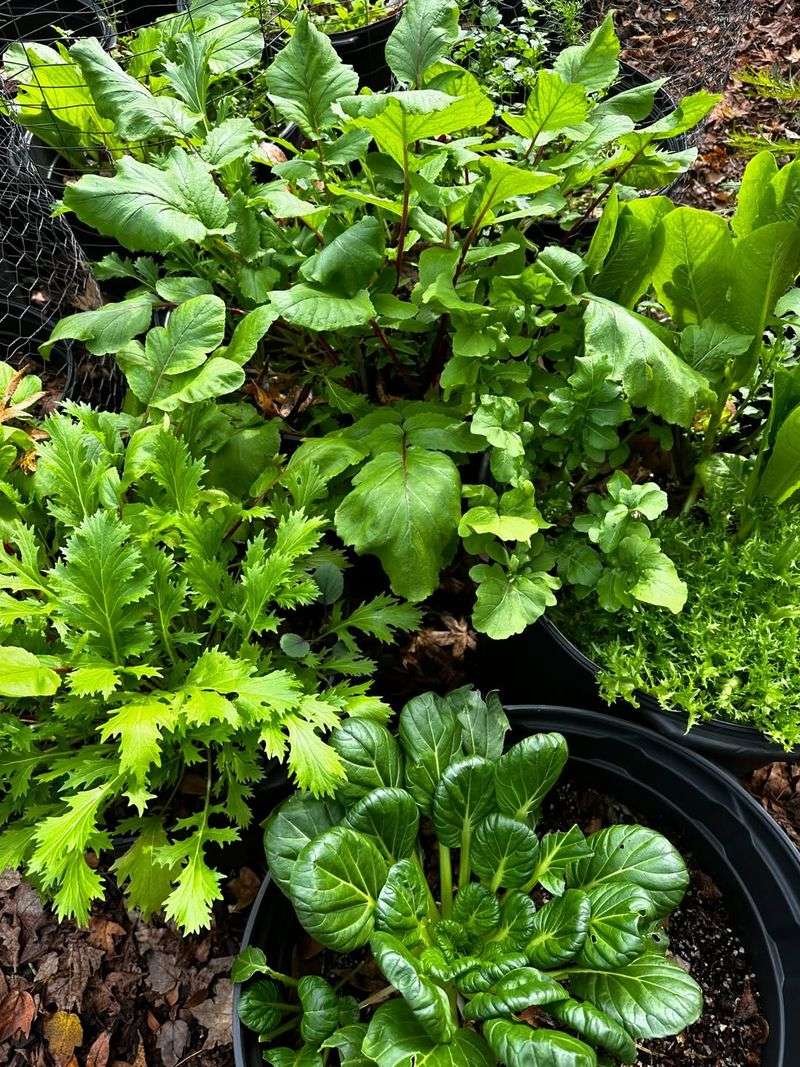
Garden centers stock up on colorful annuals and vegetable seedlings in early February, and it’s tempting to fill your beds right away. But Florida’s last cold fronts typically roll through between mid-February and early March, depending on where you live in the state.
Planting frost-sensitive crops too soon means risking everything you just bought.
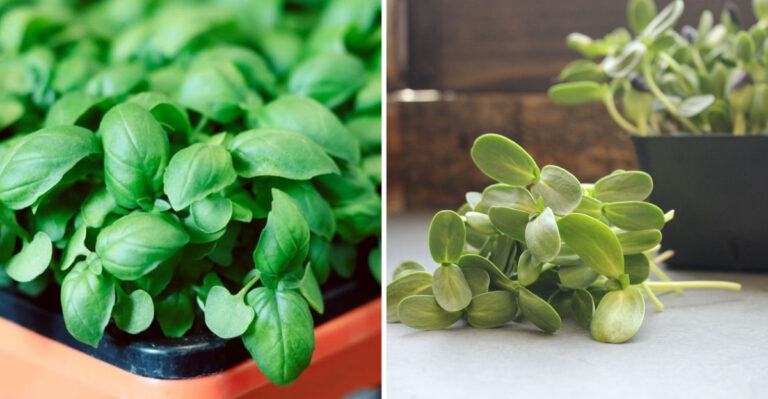
Tomatoes, peppers, basil, and most warm-season flowers experience stress when temperatures drop below about 50 degrees and can suffer damage near 40 degrees or lower. Even if they survive a light chill, the stress slows their growth for weeks and makes them more prone to pests and diseases.
You lose the head start you were hoping for.
North Florida gardeners face higher freeze risk than those in Central or South Florida, so timing varies widely across the state. Check historical weather data for your specific county and watch extended forecasts closely.
USDA hardiness zones give you a general guide, but local microclimates and yearly weather patterns matter just as much.
Instead of rushing, use early February to prepare planting beds, add compost, and plan your garden layout. Start seeds indoors if you want a jump on the season.
Then wait until nighttime lows stay consistently above 50 degrees before transplanting tender plants outside. That extra week or two of patience protects your investment and gives plants the best possible start for strong spring growth.
4. Overwatering During Cool Weather
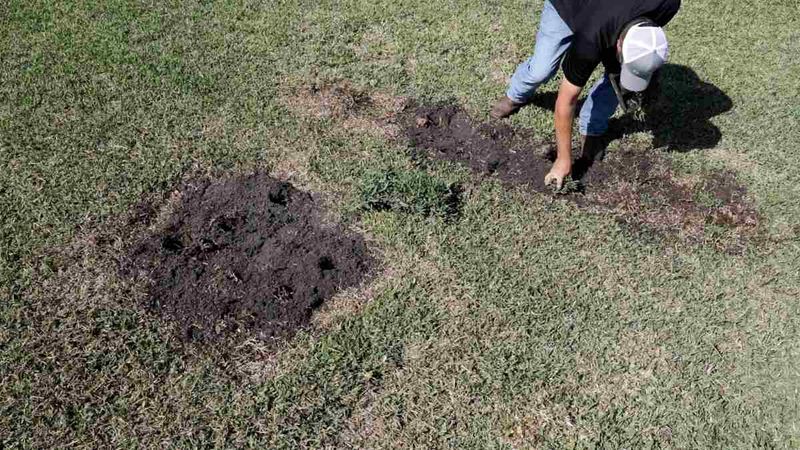
Most Florida gardeners get used to watering frequently during hot months, and it’s easy to keep that same schedule running into February. But cooler temperatures mean plants use far less water, and soil holds moisture longer because evaporation slows down.
Overwatering during this time creates soggy conditions that stress roots and invite fungal problems.
Lawns are especially prone to overwatering damage in late winter. St. Augustine and Bahia grasses need much less water when they’re not actively growing.
Too much moisture encourages fungal diseases like brown patch and gray leaf spot, which can spread quickly across your yard. You end up needing expensive fungicide treatments to fix a problem that watering less would have prevented.
Container plants and garden beds face similar issues. When roots sit in waterlogged soil, they can’t access oxygen properly, which weakens the entire plant.
Yellowing leaves and slow growth are common signs that you’re watering too much, not too little.
Check soil moisture before you water by sticking your finger two inches into the ground. If it feels damp, wait another day or two.
Adjust your irrigation timer to run less often, and turn it off completely when rain is forecast. Florida Friendly Landscaping guidelines recommend watering only when plants show early signs of stress, like slight wilting in the afternoon.
This approach keeps roots healthy and saves water at the same time.
5. Ignoring Frost Protection On Tender Plants
After a few warm weeks in January, it’s easy to assume winter is over and let your guard down. But early February cold fronts can still bring freezing temperatures, especially in North and Central Florida.
Tender tropical plants, citrus trees, and new transplants are vulnerable to frost damage that can ruin months of growth in a single night.
Many gardeners think frost protection is only necessary in December and January, but February freezes often catch people off guard. Weather patterns shift quickly, and a sunny 75-degree afternoon can turn into a frosty 32-degree morning within 24 hours.
Plants that seemed fine yesterday can show serious damage by sunrise.
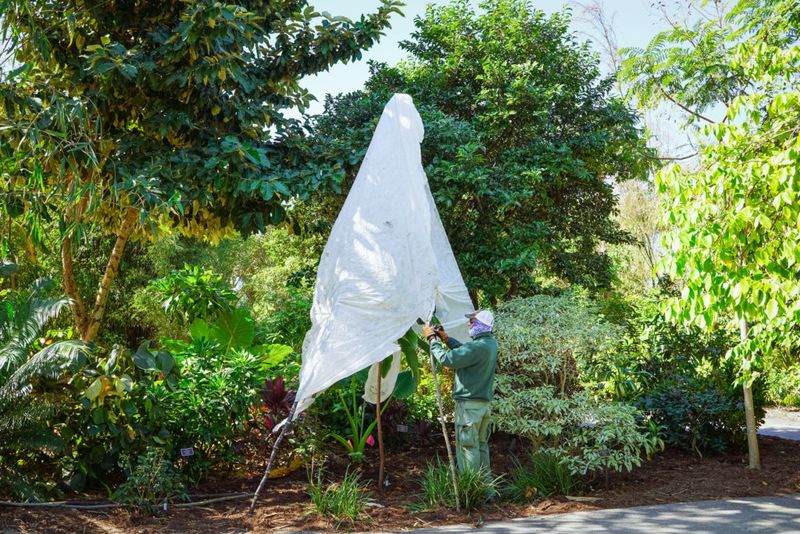
Covering plants with frost cloth, old sheets, or blankets provides several degrees of protection when the material does not touch plant leaves directly. The key is getting covers in place before temperatures drop and removing them once morning sun warms the air.
Leaving covers on too long can trap heat and moisture, which creates other problems. Watering plants well before a freeze also helps because moist soil holds heat better than dry soil.
Keep an eye on weather forecasts throughout February and have frost protection materials ready to go. Bring potted plants under cover or into the garage when freezes are predicted.
Small actions on cold nights save you from replacing expensive plants later. By mid-March, frost risk drops significantly, but until then, stay prepared and protect your landscape investment.
6. Using The Wrong Mulch For Florida Soil
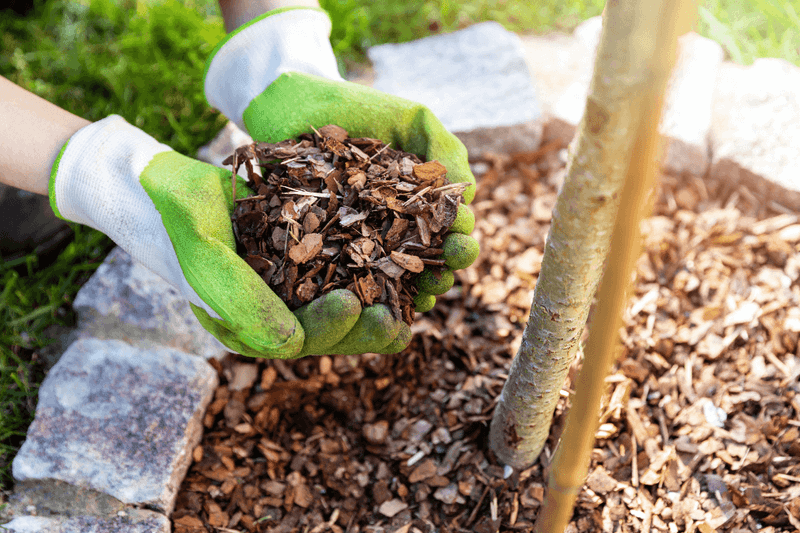
Mulch is one of the best tools for Florida gardens, but not all mulch types work equally well in our climate. Early February is a popular time to refresh mulch layers, and many gardeners grab whatever is cheapest or most convenient without thinking about how it interacts with Florida’s sandy soil and high humidity.
Cypress mulch has been popular for years, but harvesting it damages sensitive wetland ecosystems. Pine bark and melaleuca mulch are better environmental choices and they break down at a rate that actually improves Florida soil over time.
Avoid low-quality dyed mulches, which may contain construction debris or unknown additives that can be harmful to garden beds.
Applying mulch too thickly or piling it against plant stems and tree trunks creates moisture problems and encourages pests. A two to three inch layer is ideal for most landscapes.
Keep mulch pulled back several inches from trunks and stems to allow air circulation and prevent rot issues.
Fresh mulch in early February also helps moderate soil temperature swings during the last cold snaps. It insulates roots and keeps soil moisture more consistent, which benefits plants as they prepare for active spring growth.
Choose a mulch that matches your landscape style and local availability, and apply it correctly for the best results. University of Florida IFAS Extension offers detailed guides on mulch types and application methods that work best for Florida conditions year-round.
7. Skipping Pest Checks Before Spring Starts
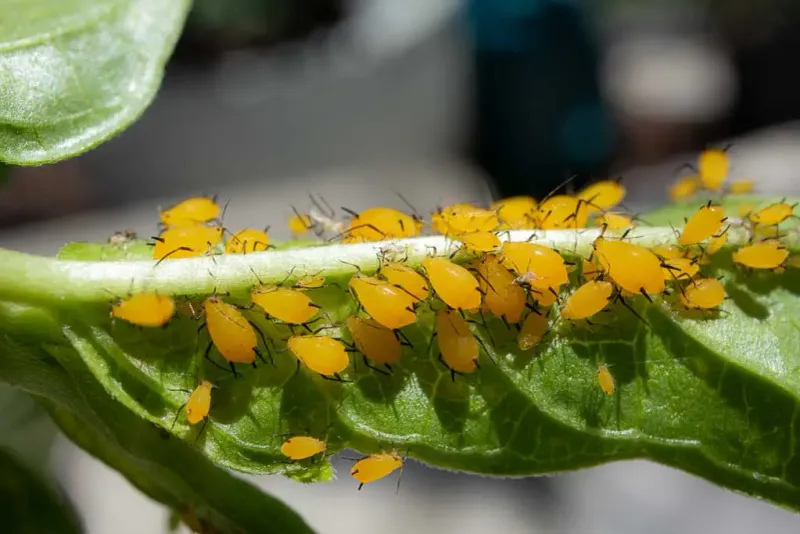
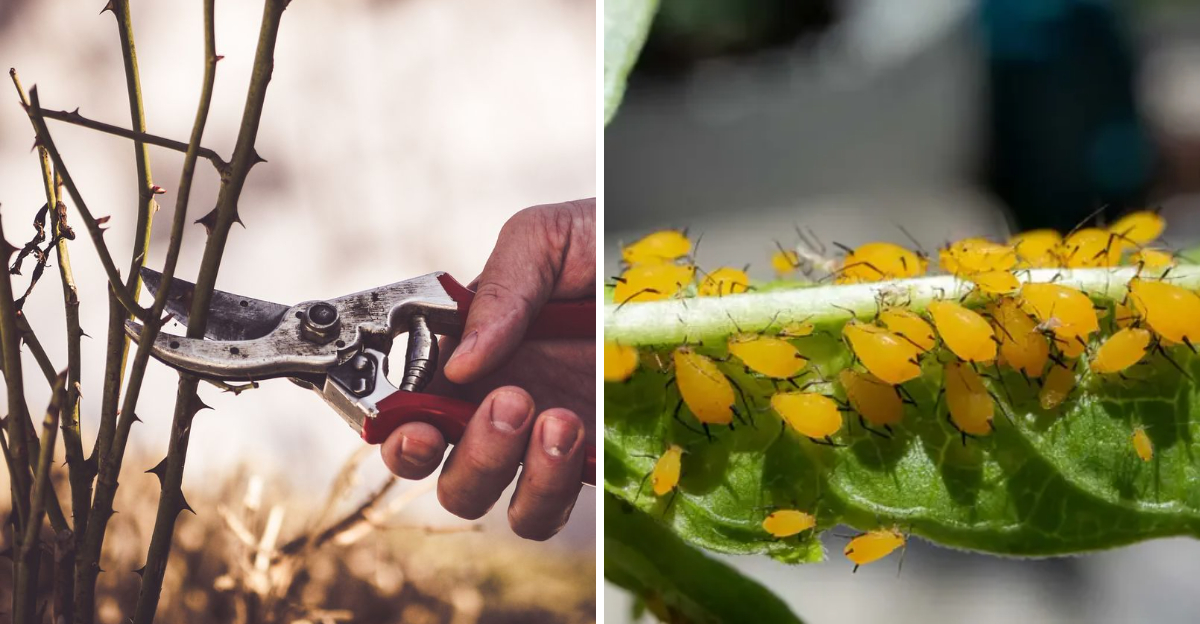
Early February might seem too cool for major pest problems, but many insects and diseases are quietly building up in your landscape. Aphids, whiteflies, scale insects, and fungal spores thrive in Florida’s mild winters, and small infestations can explode once warmer weather arrives.
Catching problems now saves you from serious headaches in March and April.
Walk through your yard and look closely at plant leaves, especially the undersides where pests like to hide. Check for sticky residue, discolored spots, or clusters of tiny insects.
Inspect tree trunks and branches for scale insects, which look like small bumps and can weaken plants over time. Early detection means you can use gentler control methods like insecticidal soap or horticultural oil instead of stronger chemicals later.
Fungal diseases like powdery mildew and black spot also start slowly during cool, damp weather. Removing affected leaves and improving air circulation around plants helps prevent spread.
Clean up fallen leaves and debris, which harbor disease spores and insect eggs that will hatch as temperatures rise.
Make pest monitoring a regular habit throughout the year, not just when you notice obvious damage. A quick walk around your garden every week or two helps you spot issues early.
Take photos of anything that looks unusual and compare them to University of Florida pest identification guides. Integrated pest management focuses on prevention and early action, which keeps your landscape healthier and reduces the need for intensive treatments down the road.