What Looks Like A Nest In Your Texas Tree Might Actually Be Something You Should Never Ignore
I’ll never forget the first time I spotted what looked like a small nest in one of my Texas trees. At first, I thought it was harmless, but a closer look revealed it could be a sign of a bigger problem.
Not all “nests” are created equal, and ignoring them can lead to plant damage or safety hazards. What seems harmless might actually be a warning sign in your yard.
These unusual structures can include insect hives, parasitic plant growth, or disease-related formations. Knowing how to identify and respond to them protects your trees and prevents damage to your property.
Early detection and proper action make all the difference in maintaining a healthy landscape. Being observant keeps your trees safe and thriving.
Texas homeowners who inspect and address these suspicious growths ensure stronger trees and a safer yard environment. Pay attention to unusual tree formations and act before problems escalate.
1. Witch’s Broom: Nature’s Tangled Mystery
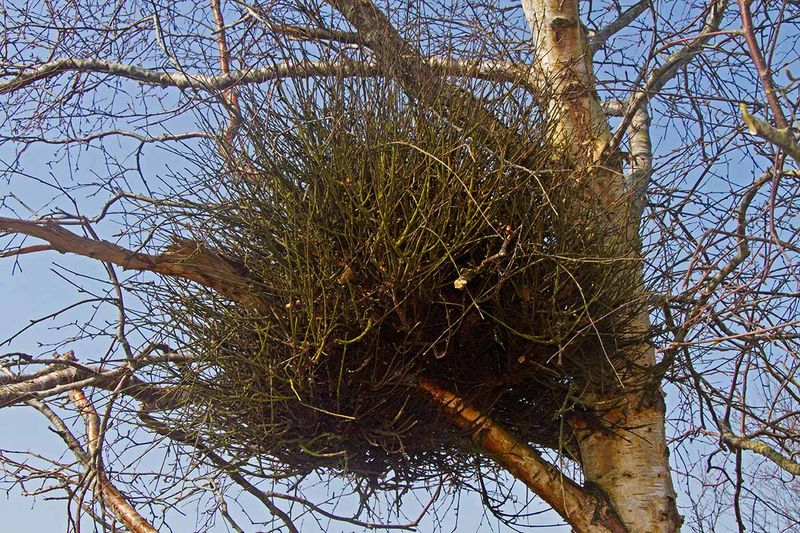
Those dense, broomlike clusters of twigs growing from a single point on a tree are not abandoned nests, but a fascinating phenomenon known as witch’s broom.
This unusual growth pattern occurs when a tree experiences stress from fungi, insects, mistletoe, or even environmental factors such as drought.
The tree responds by producing a cluster of shoots from a single bud, creating the tangled appearance that resembles a broom hanging from its branches.
While the sight may seem eerie or unusual, witch’s brooms rarely harm the overall health of a mature tree.
Some Texas gardeners view these formations as unique natural decorations, appreciating their unusual shapes as part of the garden’s character.
Certain species of trees, including oaks and pecans, are more prone to forming these clusters, and observing them provides insight into the tree’s response to stress.
In addition to aesthetic curiosity, these brooms can serve as miniature habitats for birds or small insects, adding ecological value to a garden.
Maintaining healthy soil, proper watering, and regular pruning can help prevent excessive stress that might lead to new brooms, but existing clusters are generally safe to leave in place.
The presence of witch’s broom is a reminder of nature’s ability to adapt and create surprising patterns even in challenging conditions.
2. Squirrel Dreys: Leafy Hideaways Above
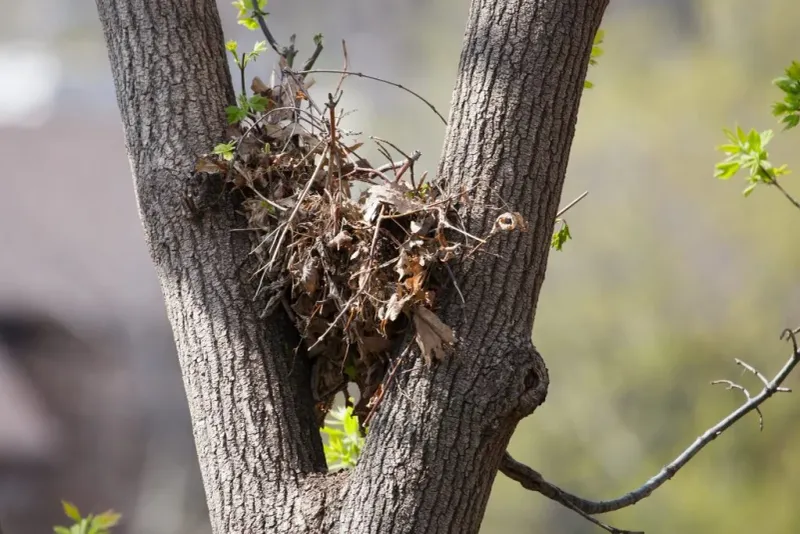
Round, leafy masses nestled against tree trunks or tucked into the forks of branches are likely squirrel dreys, the cozy homes that Texas squirrels construct to raise their young and survive harsh conditions.
Unlike bird nests, which often feature loosely arranged twigs or grass, squirrel dreys are tightly woven using twigs, leaves, moss, and sometimes shredded bark, forming a spherical structure roughly the size of a softball.
Texas fox squirrels and gray squirrels build these nests in the upper branches of trees, providing shelter from rain, wind, and predators.
The presence of fresh green leaves mixed with dried material often indicates an active drey rather than an abandoned structure, offering an opportunity for observation without disturbing the inhabitants.
Your Texas Garden Changes Every Week. Your Plan Should Too.
Gardening in Texas changes quickly throughout the season. Every Friday you’ll receive a simple weekly plan showing exactly what to plant, prune, fertilize, harvest, and protect so you never miss the right timing.
Dreys are typically located high above the ground, but their construction reflects careful planning by squirrels to create a stable, insulated environment for raising young.
Observing these nests can also provide insights into the local wildlife ecosystem, revealing the behaviors and adaptations of squirrels in Texas landscapes.
Homeowners are encouraged to respect these natural structures, avoiding interference that could harm young squirrels.
Dreys are a testament to the ingenuity of wildlife and a reminder of the interconnectedness of urban and suburban ecosystems.
By appreciating these leafy hideaways, gardeners can foster coexistence with local animals while maintaining a healthy and balanced yard.
3. Ball Moss: The Misunderstood Hitchhiker
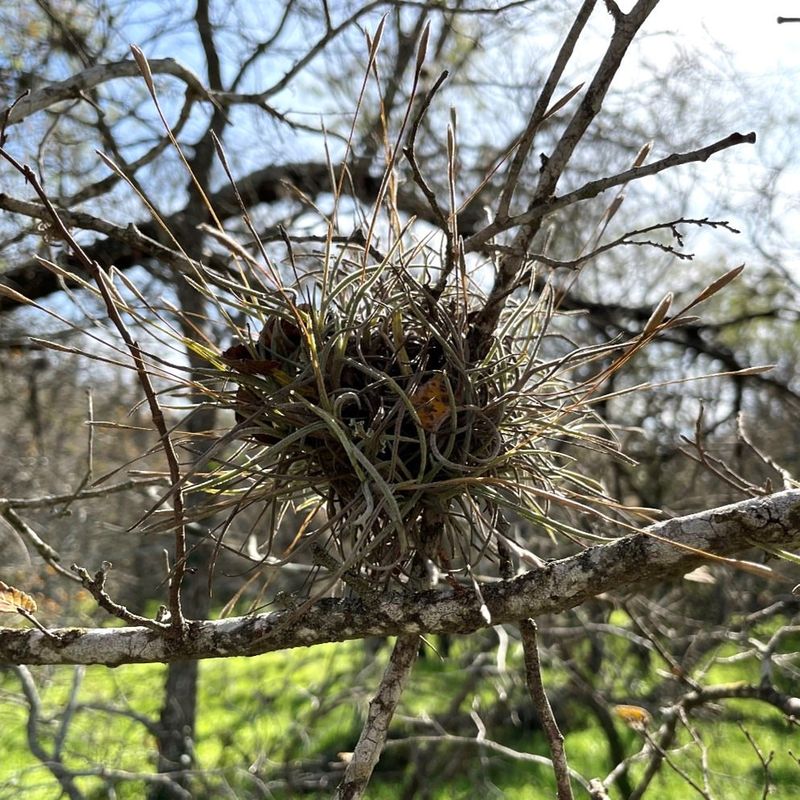
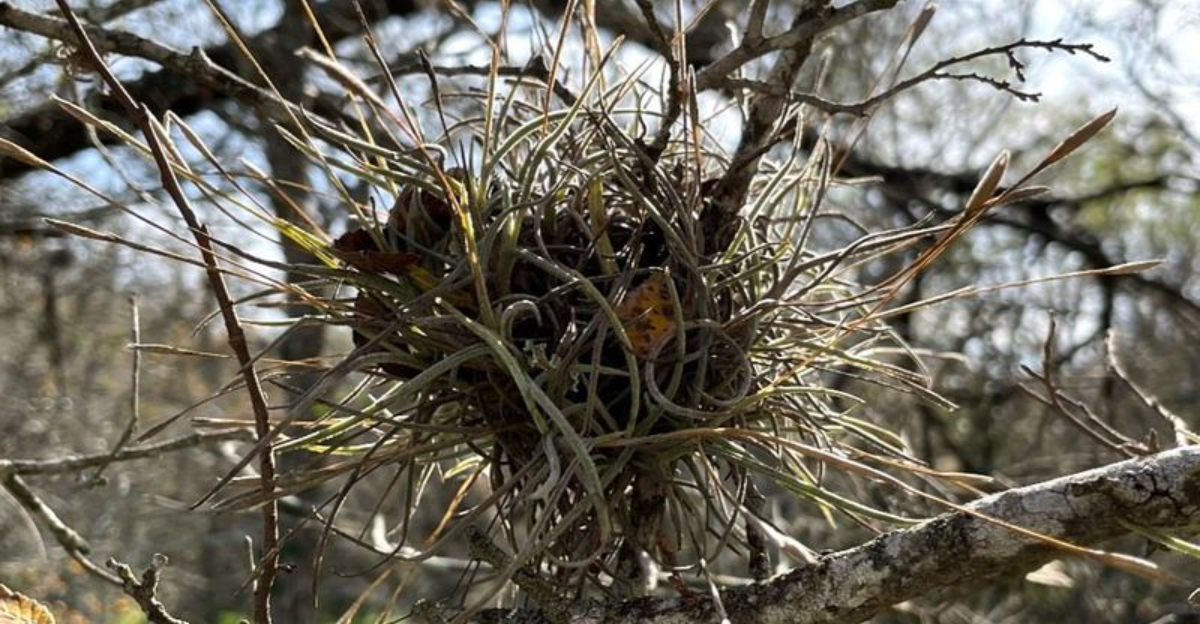
Clusters of ball moss clinging to tree branches throughout Central Texas are often mistaken for nests or even harmful growths, but this gray-green epiphyte is a fascinating and mostly harmless plant.
Despite its name, ball moss is not actually moss; it belongs to the bromeliad family, making it a distant relative of pineapples.
The plant attaches itself to trees using minimal resources, drawing no nutrients from its host and relying primarily on rainwater and airborne nutrients.
Ball moss grows in fuzzy spherical clusters ranging from marble-sized to softball-sized, adding texture and visual interest to trees such as live oaks and pecans.
While some homeowners worry about the appearance or assume that the plant is a parasite, ball moss is generally a benign passenger that rarely affects tree health.
In fact, it provides habitat for small wildlife, including insects and birds, contributing to biodiversity in the garden.
Gardeners can manage ball moss if desired by gently trimming overgrown clusters, but heavy intervention is rarely necessary. Its presence can serve as a natural indicator of air moisture and overall environmental conditions.
By embracing ball moss as a harmless and unique component of the landscape, Texas gardeners can enjoy both the aesthetic and ecological benefits it brings to mature trees.
4. Galls: Tiny Insect Condominiums
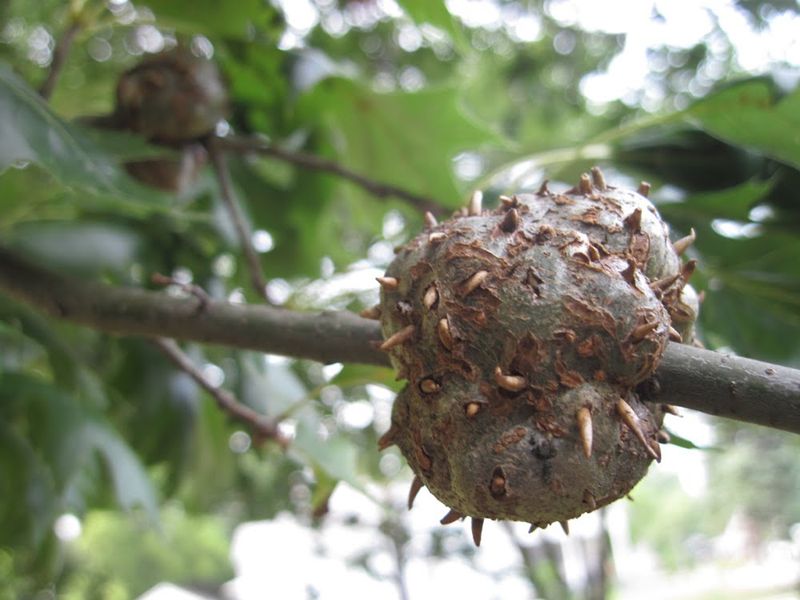
Those strange, round swellings observed on leaves or twigs are called galls, miniature structures formed by a tree in response to insects, mites, or fungi.
In Texas, oak trees frequently host “oak apple galls,” which house developing wasp larvae.
Each gall type has a distinct shape, ranging from smooth spheres to spiky, star-like formations, often resembling tiny ornaments growing from the tree.
These growths occur when the tree tissue reacts to chemicals released by insects during egg-laying, resulting in a protective capsule around the developing larvae.
While the appearance of galls may alarm homeowners, they typically cause minimal harm to healthy trees and are considered a natural part of the ecosystem.
Galls provide insects with a safe environment free from predators and environmental stressors, and they also contribute to ecological interactions, supporting birds and other animals that feed on the inhabitants.
Observing these formations allows gardeners to appreciate the complex relationships between plants and insects, highlighting the intricate balance of nature.
In many cases, galls enhance a garden’s visual and biological diversity. Maintaining overall tree health through proper watering, pruning, and soil care can reduce the risk of excessive gall formation.
Galls are a natural curiosity, offering an opportunity to learn about insect life cycles and plant-insect interactions while leaving a minimal impact on tree vitality.
5. Spanish Moss: Graceful Tree Drapery
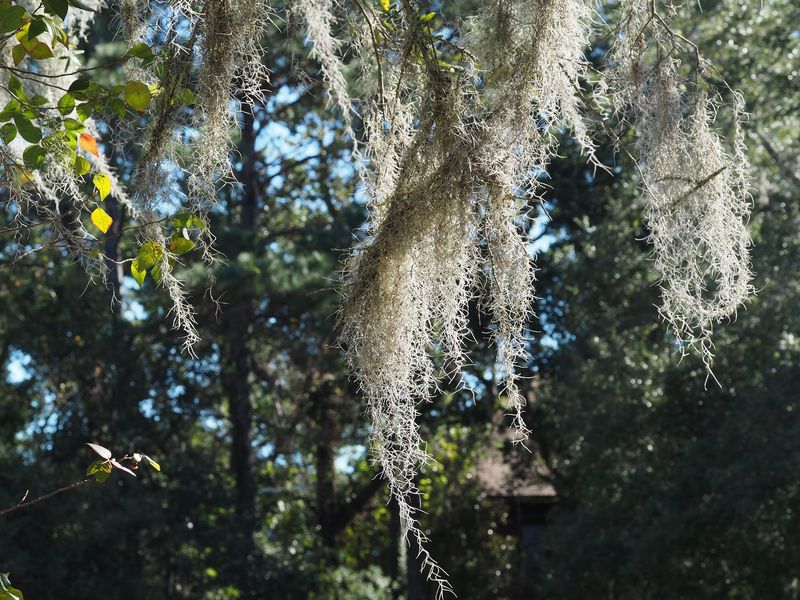
Spanish moss, with its long, gray, silvery strands draping gracefully from tree branches, is one of the most iconic elements of East Texas landscapes.
This air plant is often mistaken for a parasitic growth or an abandoned nest, but it is non-parasitic, using trees solely for physical support.
Spanish moss absorbs moisture and nutrients from the air, rain, and debris, rather than from the host tree itself.
While dense growth can sometimes shade leaves and slightly reduce vigor, moderate amounts typically do not harm mature trees and provide valuable habitat for small creatures such as tree frogs, insects, and birds.
The moss’s dramatic appearance adds texture and a unique aesthetic to live oaks, cypress, and other trees, creating a quintessential Southern ambiance. It also serves ecological functions, retaining moisture and supporting microhabitats in the canopy.
Managing Spanish moss involves occasional thinning if growth becomes excessive, but many gardeners leave it intact due to its minimal impact and visual appeal.
Its presence in yards and parks enhances the natural beauty of the landscape while supporting biodiversity.
By understanding Spanish moss as a harmless, ecologically valuable air plant, Texas residents can appreciate its role in creating both charming scenery and wildlife habitat.
6. Webworm Tents: Silky Seasonal Spectacles
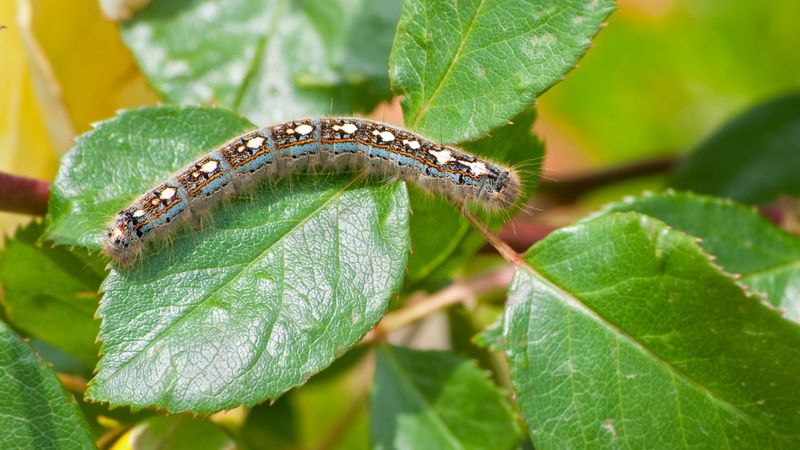
Large, silken webs enveloping branches on pecan, mulberry, and other trees are the handiwork of fall webworms, not spiders or abandoned nests.
These caterpillars construct protective silk tents around the leaves they consume, expanding their silky structures as they feed throughout late summer.
Webworms are common across Texas, and their impressive webs often appear most prominently in areas with abundant foliage.
While the dense silk coverings may seem alarming, they rarely cause lasting damage to mature trees, as the defoliation is temporary and trees typically recover fully after the caterpillars complete their lifecycle.
Birds and other natural predators often feed on webworms, helping maintain population balance.
Homeowners can leave these webs intact to observe the fascinating process of growth and feeding, or they can remove smaller infestations manually to reduce aesthetic impact.
The appearance and disappearance of webworm tents offer an excellent opportunity to learn about insect life cycles and the natural processes occurring in the garden.
Despite their dramatic appearance, these seasonal spectacles illustrate the resilience of Texas trees and the dynamic relationships between plants and insects that create a balanced, functioning ecosystem.
7. Mistletoe Clusters: Holiday Parasites
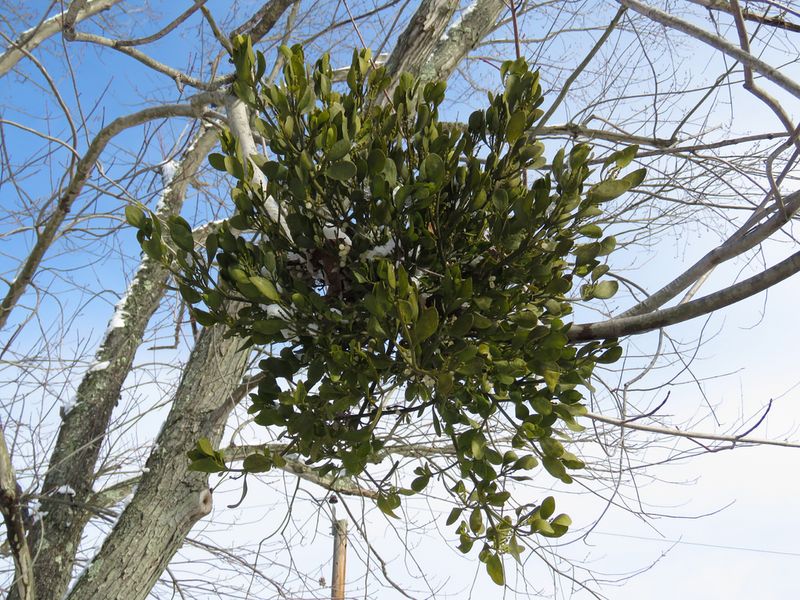
Clusters of green, round growths high in leafless winter trees are not decorative remnants but mistletoe, a parasitic plant that attaches to branches to extract water and nutrients from its host.
In Texas, mistletoe is commonly found on mesquite and oak trees, where it forms striking evergreen clumps that remain visible when the host trees shed their leaves.
Birds are essential to mistletoe propagation, spreading seeds by wiping sticky berries onto branches after consumption, which allows the plant to colonize new trees over time.
While mistletoe can stress trees by diverting resources, moderate infestations rarely kill mature hosts, and its bright green appearance adds winter interest to landscapes.
This parasitic plant also provides ecological benefits, offering shelter and food for birds, insects, and other wildlife during scarce winter months.
Homeowners concerned about mistletoe can selectively prune affected branches, but complete removal is usually unnecessary.
Understanding mistletoe as both a parasite and a wildlife resource allows gardeners to appreciate its dual role in Texas ecosystems.
Its presence highlights the complex interactions between plants, animals, and humans, demonstrating how even unusual or parasitic growths contribute to ecological diversity and seasonal beauty.