Why Florida Gardeners Are Leaving These 6 Crops In The Soil All Winter
Woke up to 70 degrees in January again? That’s just another winter day in Florida.
While gardeners in colder states are shutting things down, Florida growers know this season can be pure gold for the garden. Instead of ripping everything out, more locals are leaving certain crops right in the soil and letting nature do the work.
The result? Healthier plants, steadier harvests, and way less effort.
If you’ve ever wondered why some backyard gardens stay productive all winter long, the secret isn’t fancy fertilizer or complicated schedules. It’s choosing the right crops that actually love our mild nights and cooler days.
These six plants don’t just survive Florida winters, they quietly thrive and keep producing when others slow down. If you’re tired of starting over every season and want your garden to work with Florida weather instead of fighting it, you’re about to discover a smarter way to grow.
1. Carrots Get Sweeter When Left In The Ground
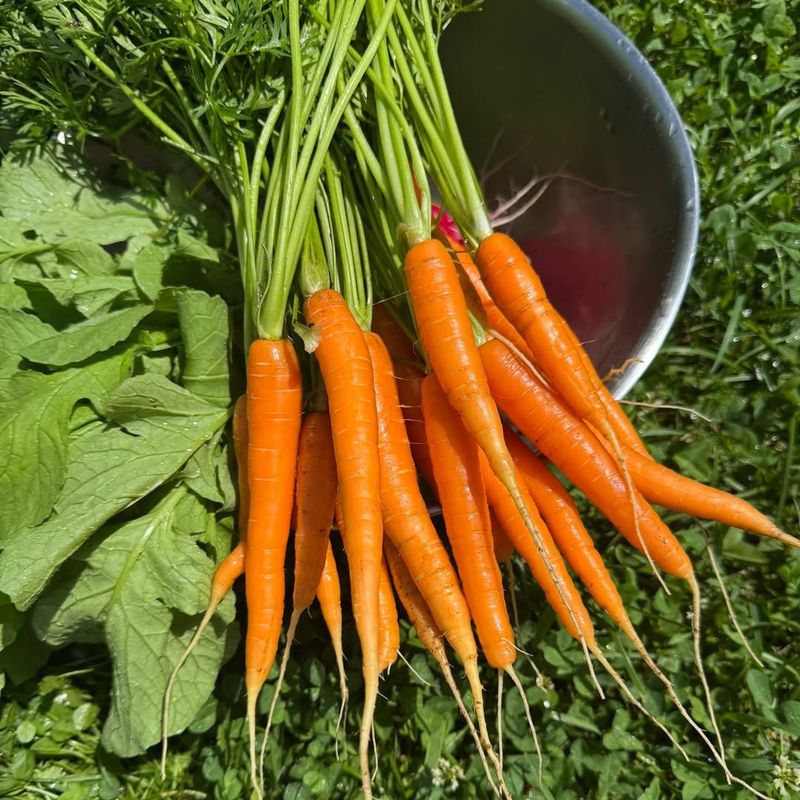
Cold weather works magic on carrots in ways that might surprise you. When temperatures dip during Florida’s mild winter months, carrot roots respond by converting stored starches into sugars, creating a natural antifreeze that protects plant cells.
This chemical transformation means carrots harvested after extended cool weather often taste noticeably sweeter than those pulled earlier in the season.
Your Florida garden provides ideal winter conditions for storing carrots right where they grow. Unlike northern climates where soil freezes solid, our ground stays workable throughout winter, allowing you to harvest whenever you need fresh carrots.
The cool soil acts like nature’s refrigerator, keeping roots crisp and flavorful without any special storage equipment or techniques.
Harvest timing becomes flexible when you treat your garden bed as storage space. Pull carrots as you need them rather than harvesting everything at once and struggling to keep them fresh indoors.
Most varieties handle light frosts beautifully, and in South Florida, they thrive all winter without protection.
Keeping soil consistently moist protects carrot quality better than any refrigerator can. Water your carrot patch regularly but avoid overwatering, which can cause roots to crack or develop odd flavors.
A two-inch layer of mulch helps maintain even moisture levels and keeps soil temperatures stable during occasional cold snaps.
Watch for carrot tops pushing above the soil line as roots mature. When shoulders peek through, mound a bit of soil or mulch over them to prevent greening and bitter flavors.
This simple step helps ensure carrots you pull stay sweet and tender throughout the winter harvest season.
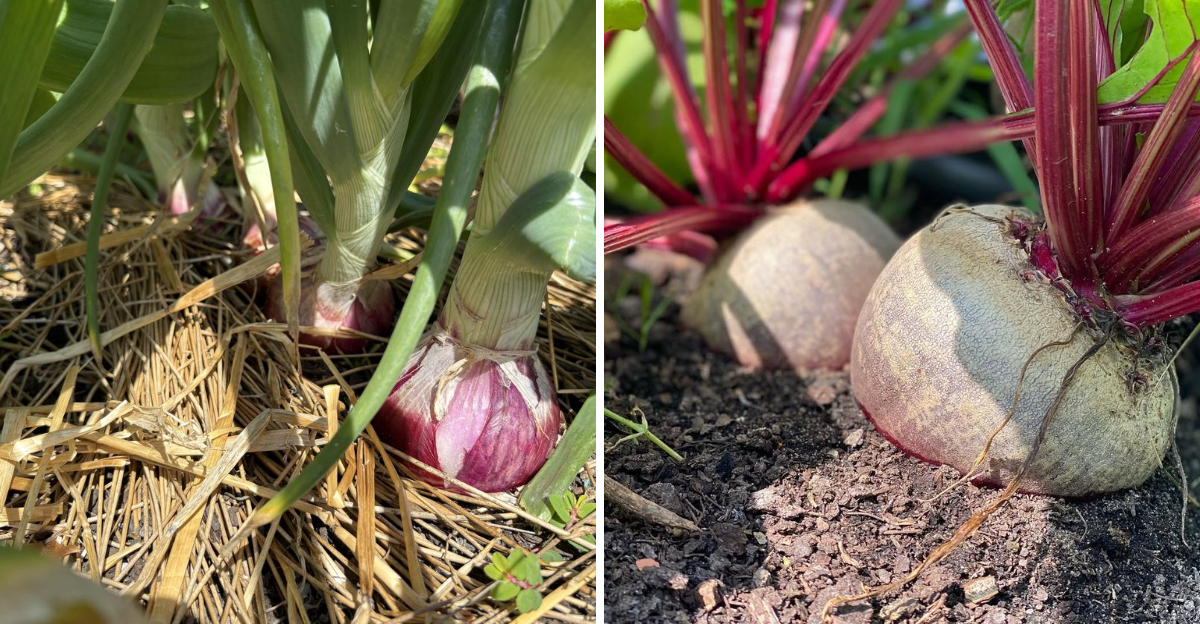
2. Beets Store Naturally In Florida Soil
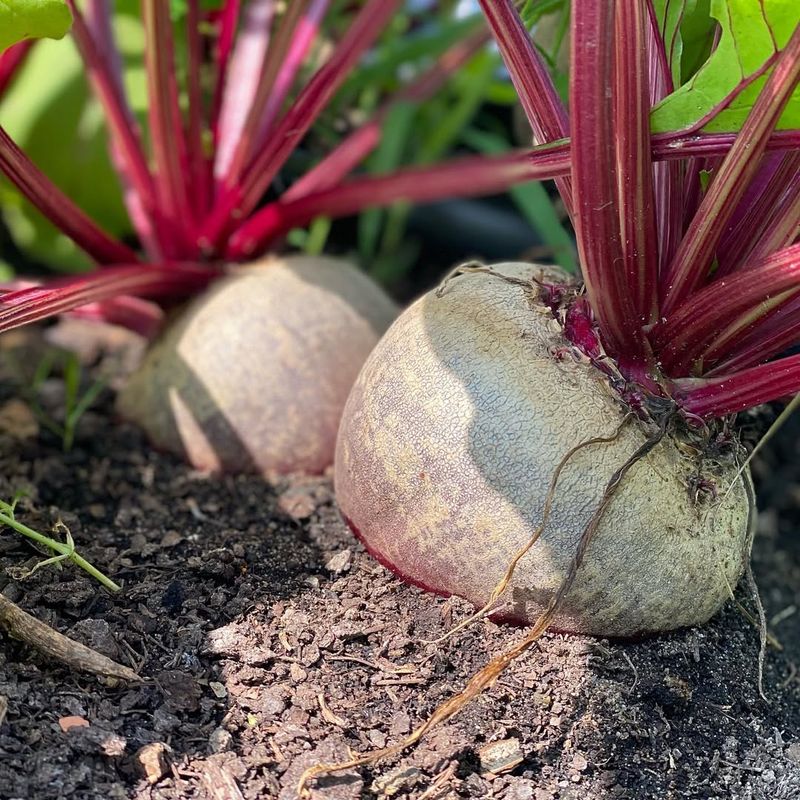
Beet roots develop their best flavor when allowed to mature slowly in cool winter soil. Florida’s gentle temperature swings create perfect conditions for beets to concentrate sugars and develop that rich, earthy taste gardeners prize.
Rather than rushing to pull every beet at once, you can leave them snug in the ground and harvest over several weeks or even months.
In well-drained Florida garden beds, soil conditions help prevent the rot issues that plague stored beets in humid climates. As long as your garden bed drains properly, beets will stay firm and fresh underground far longer than they would sitting in your refrigerator crisper drawer.
Your Florida Garden Changes Every Week. Your Plan Should Too.
Gardening in Florida changes quickly throughout the season. Every Friday you’ll receive a simple weekly plan showing exactly what to plant, prune, fertilize, harvest, and protect so you never miss the right timing.
This natural storage method also saves valuable kitchen space during busy holiday cooking seasons.
Timing your harvest around meal plans rather than calendar dates gives you ultimate flexibility. Beets ranging from golf ball size to softball size all taste wonderful when grown in Florida’s winter conditions.
Smaller beets offer tender sweetness, while larger ones provide hearty substance for roasting or pickling projects.
Consistent moisture keeps beet roots from becoming woody or developing those tough rings that make them unpleasant to eat. Check soil moisture weekly and water deeply when the top inch feels dry.
During Florida’s occasional winter dry spells, a good soaking every five to seven days usually does the trick.
Mulching around beet tops provides extra protection during the rare hard freeze. A light layer of straw or shredded leaves insulates roots without smothering the plants.
You can also harvest the nutritious beet greens throughout winter while leaving roots in place to continue growing and sweetening.
3. Turnips Survive Winter With Little Protection
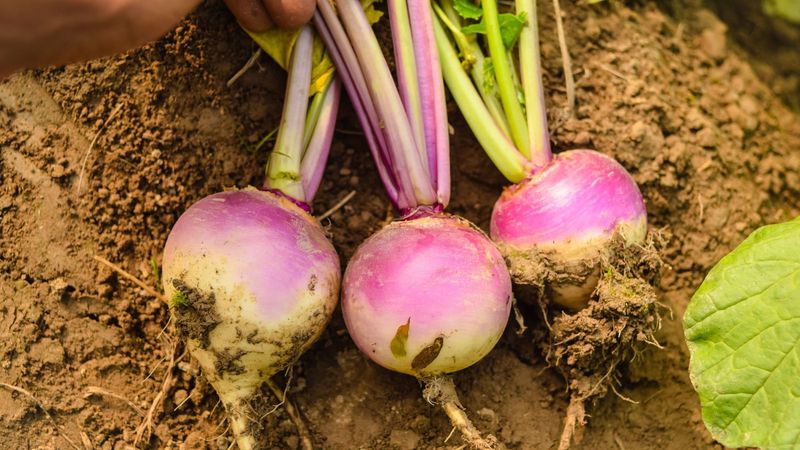
Tough and reliable describe turnips better than any other winter vegetable in Florida gardens. These hardy roots laugh at cold weather that would stress more delicate crops, continuing to grow and improve in flavor as winter progresses.
Gardeners across most Florida zones can count on turnips to perform well with little need for frost blankets or row covers.
Florida’s winter climate suits turnips so well that they often grow better during cool months than in fall or spring. Moderate temperatures slow growth just enough to develop tender texture and mild flavor, while warmer winter days in Central and South Florida keep plants actively growing.
This combination means your turnip patch keeps producing fresh roots and greens all season long.
Pulling turnips as you need them ensures the freshest possible flavor for your table. Roots left in the ground maintain perfect moisture content and crisp texture that deteriorates quickly once harvested.
Plan to use turnips within a few days of pulling, or leave them happily growing until you are ready to cook them.
Minimal care keeps turnip patches thriving through winter months. Water when rainfall does not provide at least an inch per week, and pull any weeds that pop up to reduce competition.
Turnips rarely need fertilizing during winter since cool-season growth happens slowly and steadily without heavy nutrient demands.
Both roots and greens offer delicious eating from a single planting. Harvest outer leaves for cooking greens while allowing roots to continue sizing up underground.
This dual-purpose harvest stretches your garden productivity and provides varied nutrition from one easy crop that practically grows itself through Florida’s mild winter weather.
4. Radishes Hold Well Through Cool Weather
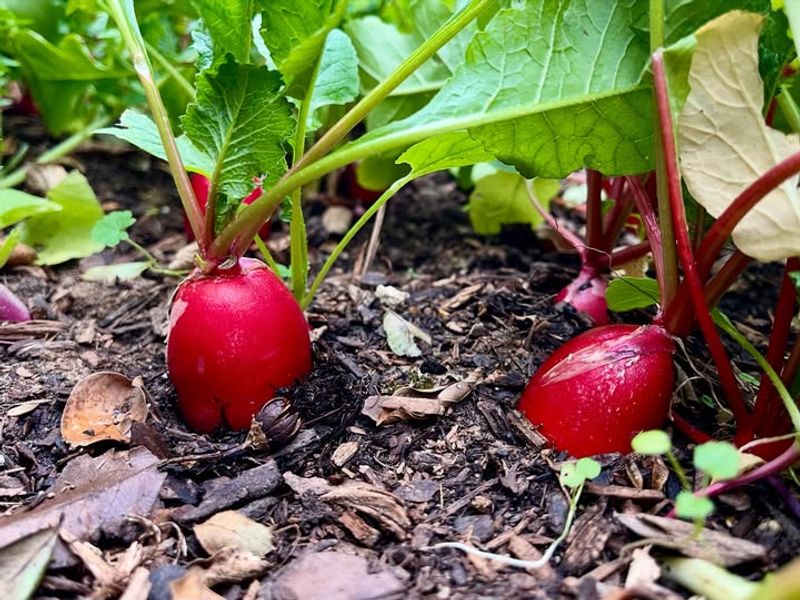
Quick-growing radishes surprise many Florida gardeners by holding quality far longer in winter soil than spring plantings ever do. While spring radishes often turn pithy and hot-flavored within days of reaching harvest size, winter radishes stay crisp and mild for weeks when left in cool ground.
This extended harvest window takes pressure off gardeners who cannot check the garden daily.
Cool soil temperatures slow the processes that make radishes develop hollow centers and sharp bite. Your winter radish patch essentially pauses at peak quality, maintaining that satisfying crunch and pleasant peppery flavor that makes radishes such a refreshing addition to salads and snacks.
North Florida gardeners enjoy the longest holding period, while Central Florida performs well most winters and South Florida radishes benefit from cooler weather windows.
Staggered harvesting lets you enjoy perfect radishes over many weeks from a single planting. Start pulling the largest roots first, which creates space for remaining radishes to size up.
This thinning-as-you-harvest approach maximizes your yield while ensuring every radish you pull meets your quality standards.
Regular watering prevents the cracking and splitting that happens when radishes experience uneven moisture. Winter rainfall often provides enough water in North Florida, but Central and South Florida gardens usually need supplemental irrigation.
Check soil moisture twice weekly and water deeply when needed to maintain consistent growing conditions.
Radish varieties make a difference in how long roots hold quality in the ground. Traditional round red types and French breakfast radishes perform well, while daikon and other winter radish varieties can stay in Florida soil for months.
Experiment with different types to find your favorites for winter garden storage and extended harvesting throughout the cool season.
5. Green Onions Keep Growing All Season
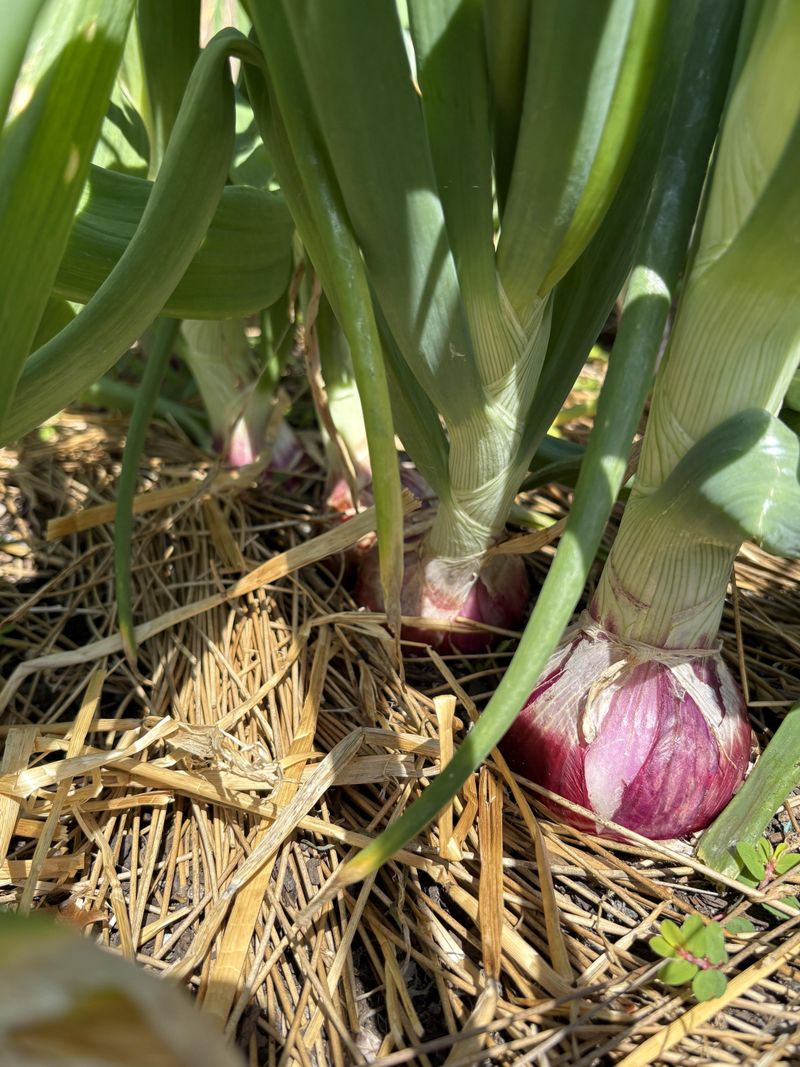
Green onions stand out as the ultimate low-maintenance winter crop for Florida gardeners. Plant them once in fall and you will have fresh onions to snip for cooking all winter long without replanting or special care.
Their shallow roots and upright growth make them perfect for tucking into corners of garden beds or growing in containers near your kitchen door.
Continuous growth throughout winter gives you steady harvests rather than a one-time crop. Unlike bulbing onions that form heads and finish growing, green onions keep pushing up new leaves as you harvest outer ones.
This cut-and-come-again habit means a small patch provides seasoning and garnishes for months of cooking.
Harvesting techniques determine how long your green onion patch produces. For longest productivity, snip leaves an inch above the soil line rather than pulling entire plants.
Roots left in the ground quickly sprout new growth. When you need whole green onions with white bases, pull every third or fourth plant to thin the patch while leaving others to continue growing.
Moderate fertilizing keeps green onions producing tender, flavorful leaves all winter. Apply a balanced fertilizer at half strength every three to four weeks, or scratch compost into the soil around plants monthly.
Too much nitrogen creates lush growth that tastes harsh, while too little results in tough, thin leaves.
Companion planting with green onions benefits your entire winter garden. Their mild onion scent may help discourage some pests from neighboring crops, and their upright form does not shade low-growing vegetables.
Tuck green onions between lettuce plants, along edges of beds, or in any spot that receives at least six hours of sunlight daily for reliable winter harvests.
6. Kale Thrives In Florida’s Winter Gardens
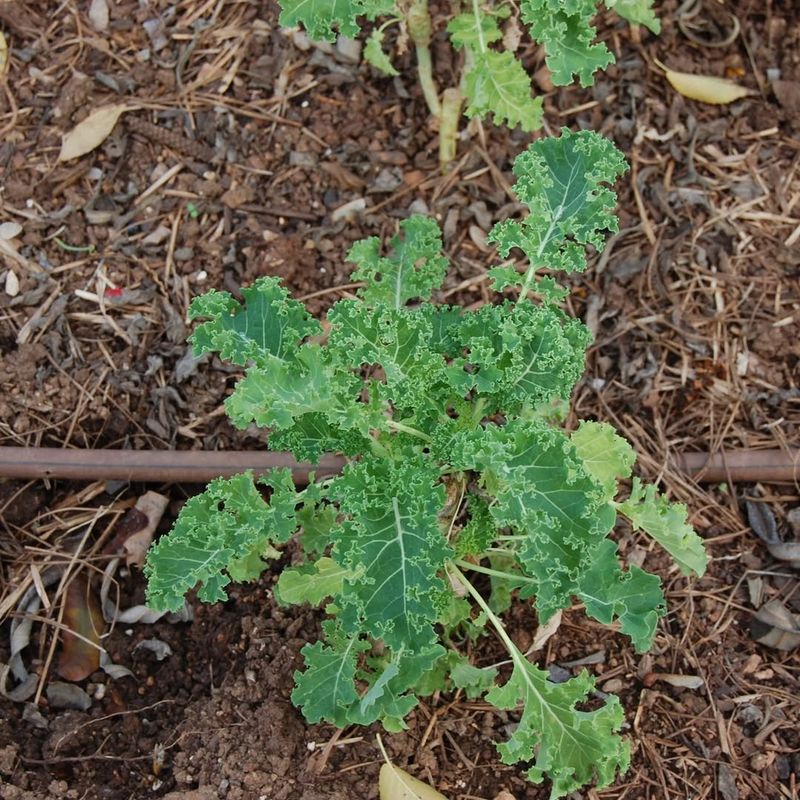
Kale transforms from a temperamental warm-weather plant into a superstar performer once Florida’s winter weather arrives. Those same plants that struggled through summer heat suddenly burst into lush growth when temperatures moderate, producing tender leaves with sweet flavor that bears no resemblance to bitter summer kale.
Cool nights and mild days create ideal conditions for this nutrient-packed green to thrive in most Florida garden zones.
Winter kale stays productive for months when you harvest correctly. Pick outer leaves regularly rather than cutting entire plants, which allows the central growing point to keep producing fresh foliage.
A single plant can provide cooking greens from November through March with this simple harvest method, making kale one of the most productive vegetables you can grow.
Flavor improvement throughout winter makes kale increasingly delicious as the season progresses. Early winter leaves taste good, but kale that experiences several weeks of cool weather develops remarkable sweetness and tender texture.
Many Florida gardeners consider January and February kale the best-tasting greens their gardens produce all year.
Light fertilizing every four to six weeks supports steady leaf production without encouraging the rapid growth that leads to tough texture. Use a balanced organic fertilizer or compost tea, applying it to soil around plants rather than directly on leaves.
Kale grows well in Florida’s winter conditions without heavy feeding since cool temperatures naturally slow growth to a moderate pace.
Pest pressure drops dramatically on winter kale compared to fall plantings. Cabbage worms and other common pests become much less active as temperatures cool, especially in North Florida.
This natural pest control means you can grow beautiful kale without sprays or covers, simply enjoying harvest after harvest of perfect leaves throughout the winter growing season.