The 9 Easy Tips For Fixing Waterlogged Garden Beds In Oregon
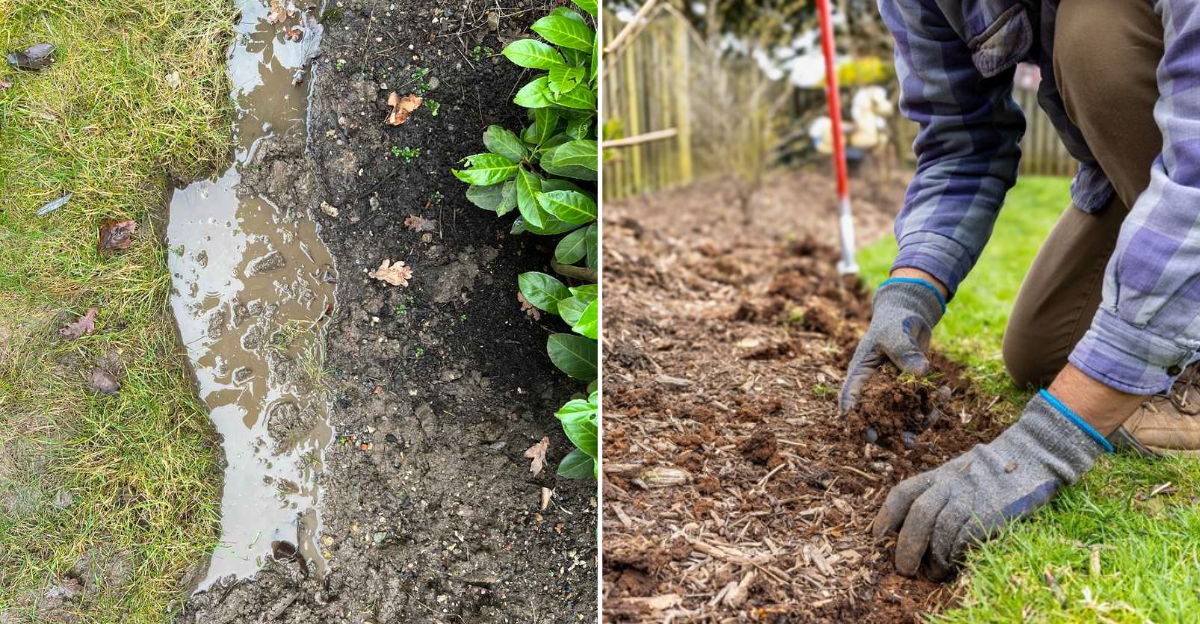
Waterlogged garden beds are a common problem in Oregon. All that rain can leave soil heavy, soggy, and hard to work with.
Plants struggle when their roots sit in too much water. Growth slows down and diseases show up faster.
I’ve dealt with this in my own garden more than once. After a few wet seasons, I realized small changes made a big difference.
Better drainage, healthier soil, and stronger plants came from simple adjustments.
You don’t need to rip everything out or start over. There are easy ways to improve drainage without spending a lot of money or time.
Even small fixes can help water move where it should go.
These tips are practical and beginner friendly. They help turn soggy beds into healthier growing spaces that plants actually enjoy.
1. Start With Drainage
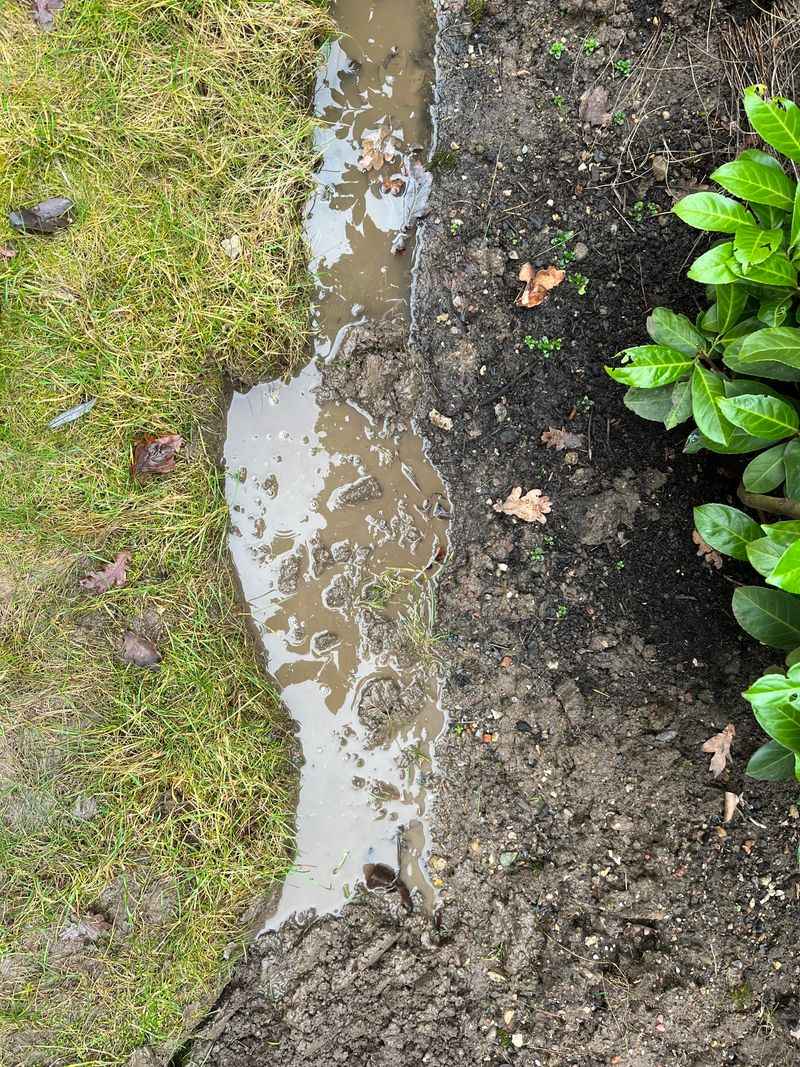
After a heavy rainstorm, you may notice puddles lingering in certain spots long after the clouds clear. Some areas dry out fairly quickly, while others stay muddy for days.
Before you start digging or adding amendments, take some time to understand where water tends to collect in your garden beds and what might be causing it.
Walk through your garden with a notebook and mark the wetter zones. Notice which beds seem to drain well and which remain soggy.
Pay attention to how water moves across your yard during rainfall.
Does it gather near the bottom of a slope? Is there a low area where water naturally settles?
Recognizing these patterns makes it easier to choose the most practical solution.
Grab a shovel and dig a hole about twelve inches deep in the problem area. Fill it with water and observe how long it takes to drain.
If water remains after four hours, drainage may be slower than ideal and could benefit from improvement.
Clay soil, which is common in many parts of Oregon, tends to drain slowly and hold moisture. Compacted soil from foot traffic or equipment can also reduce water movement.
Once you identify likely causes, you can focus on the most effective fix.
This assessment step helps reduce trial and error and saves time and effort. You will have a clearer idea whether improving soil structure, redirecting water, or raising beds might help.
Starting with careful observation sets a strong foundation for better drainage.
2. Improve Your Soil Structure
Clay soil can look great when it is healthy, but when it becomes waterlogged, it often turns dense and low in oxygen, which can stress plant roots. Many Oregon gardens sit on heavy clay that drains slowly and compacts easily.
One of the most effective long-term approaches is improving soil structure by adding organic matter that creates more space for air and water to move through.
Compost is especially helpful for this purpose. Spread a two- to three-inch layer of finished compost over your garden beds each fall or early spring.
Work it into the top six to eight inches of soil using a garden fork or similar tool.
Compost helps improve drainage by loosening clay particles and creating small channels that allow water to move more freely. It also supports beneficial soil organisms that contribute to overall soil health throughout the year.
Your Oregon Garden Changes Every Week. Your Plan Should Too.
Gardening in Oregon changes quickly throughout the season. Every Friday you’ll receive a simple weekly plan showing exactly what to plant, prune, fertilize, harvest, and protect so you never miss the right timing.
You can also incorporate aged manure, leaf mold, or composted bark. Avoid adding sand unless it is combined with generous amounts of organic matter, since sand mixed directly with clay can form a dense, cement-like texture.
Organic materials tend to perform better and continue improving soil as they break down over time.
Repeat this process annually. Soil improvement works best as an ongoing practice rather than a one-time fix.
Over several growing seasons, soil often becomes looser, darker, and better able to handle heavy rainfall.
With improved structure, plants can develop stronger root systems, drain more efficiently, and experience fewer stress-related problems. Your garden will be better equipped to handle wet winters with less strain on plants and soil.
3. Use Raised Beds!
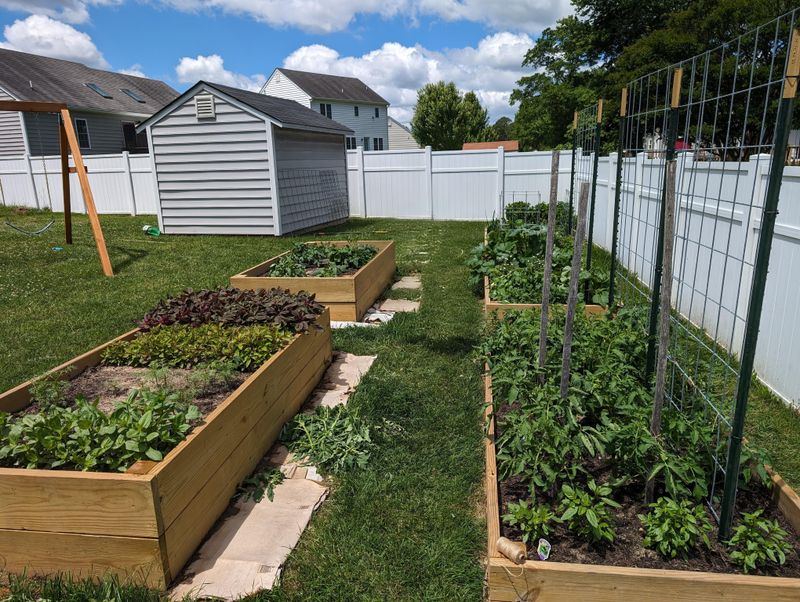
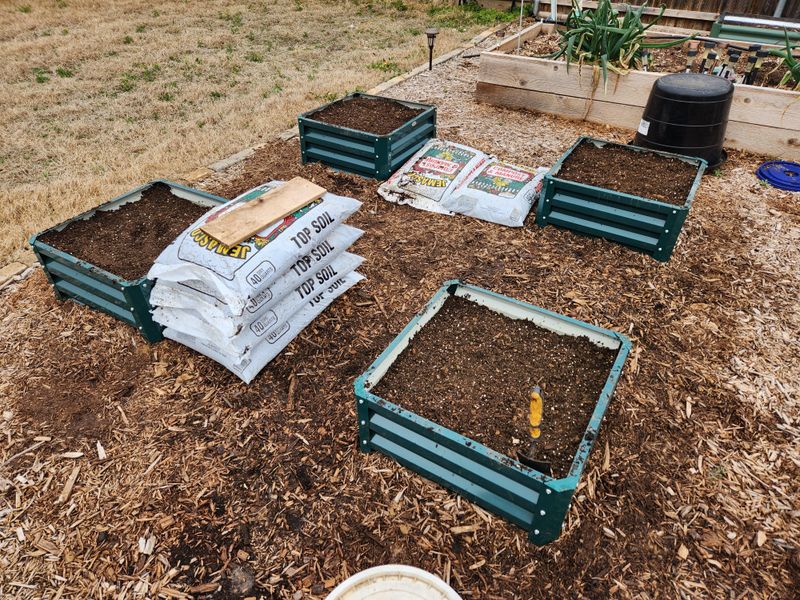
When drainage problems run deep and your soil just often does not cooperate, building raised beds is one of the smart moves you can make. Raising your planting surface even six to twelve inches above ground level allows water to drain away from plant roots and gives you strong control over soil quality.
This is especially helpful in low-lying yards or areas with a high water table.
You can build raised beds from untreated cedar, recycled composite lumber, or even stacked stones. Aim for beds at least eight to twelve inches tall, though taller is even better for root crops and perennials.
Fill them with a blend of topsoil, compost, and a bit of perlite or pumice for extra drainage.
Raised beds warm up faster in spring, which means earlier planting and better germination. They also prevent soil compaction because you rarely step inside the bed.
Water drains through the loose soil and out the bottom, so roots stay healthy even during wet spells.
Position your raised beds on a slight slope if possible, or add drainage holes at the base. Line the bottom with hardware cloth to keep out gophers and moles.
Mulch the pathways between beds to reduce mud and keep your garden tidy.
Raised beds are helpful for Oregon gardeners. They extend your growing season, improve yields, and reduce the frustration of waterlogged roots.
4. Install French Drains
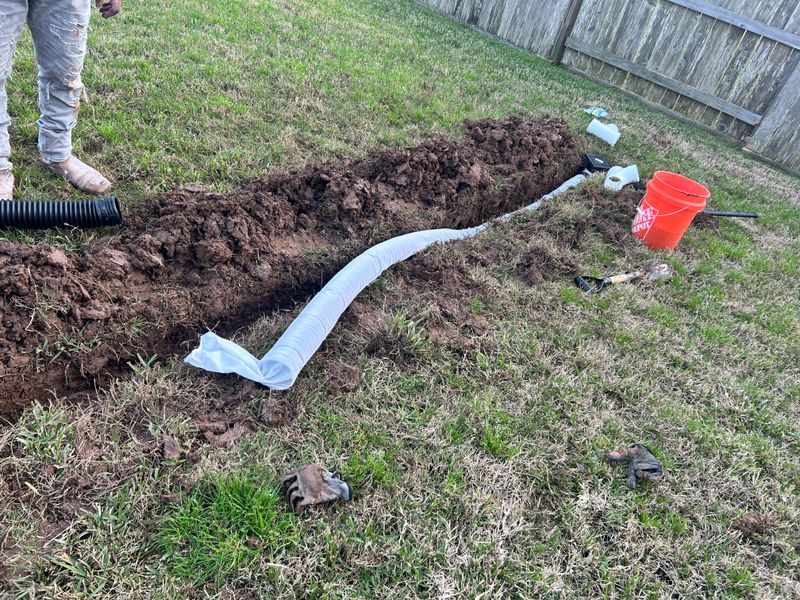
Sometimes the problem is not just soggy soil but actual standing water that seems to go nowhere. If your garden sits at the bottom of a slope or in a natural drainage path, you might need a long term solution like a French drain.
This simple system redirects water away from your beds and into a safer spot, like a rain garden or storm drain.
A French drain is basically a trench filled with gravel and a perforated pipe that carries water underground. Start by digging a trench about twelve inches deep and six inches wide along the edge of your problem area.
Slope it gently downhill so water flows naturally.
Lay landscape fabric in the trench to prevent soil from clogging the gravel. Place a perforated drain pipe in the bottom, then cover it with several inches of gravel or crushed rock.
Fold the fabric over the top and cover with soil or mulch.
Water will seep into the pipe and flow away from your garden beds, keeping roots dry even during rainy months. You can also install catch basins at low points to collect water and direct it into the drain system.
French drains work well when they have somewhere to send the water, so plan your outlet carefully. They are a bit of work to install but provide years of steady drainage and peace of mind.
5. Try Swales Or Contour
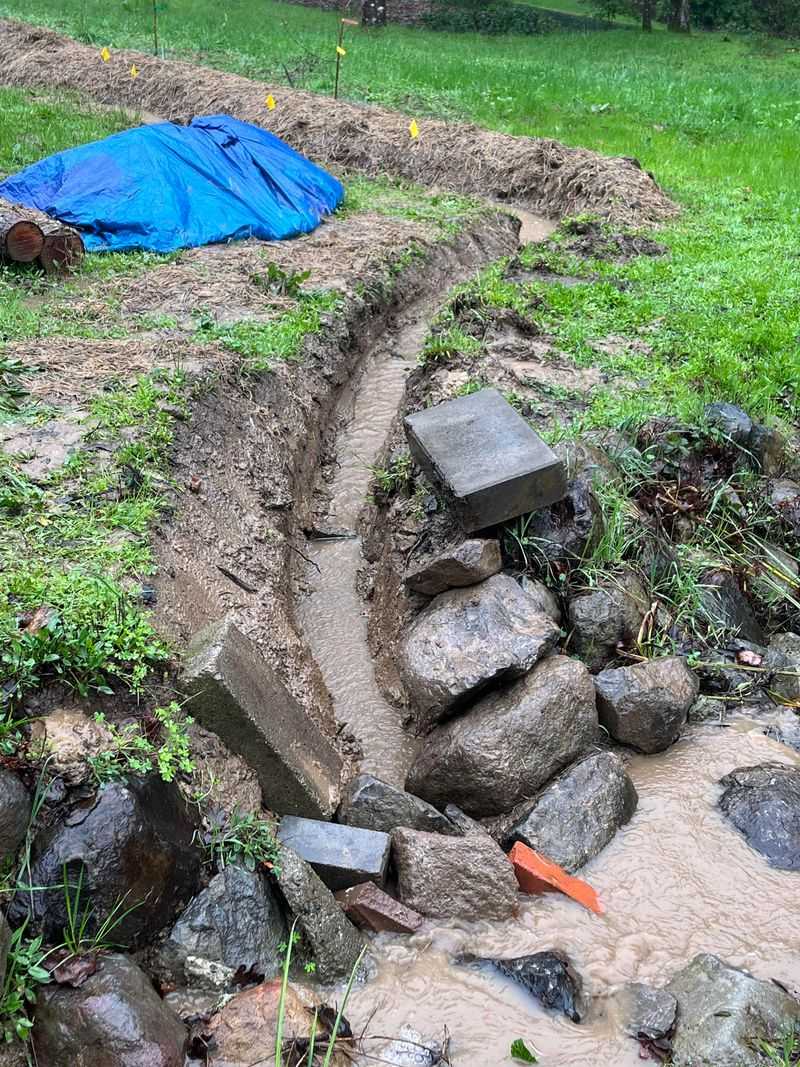
If your yard has a slope, you can use gravity to your advantage by creating swales or contour beds that slow down water and spread it fairly across your garden.
Instead of letting rain rush downhill and pool at the bottom, swales capture and absorb it along the way.
This technique is especially useful on hillsides or properties with uneven terrain.
A swale is a shallow, gently sloping ditch that runs along the contour of your land. It catches runoff and allows it to soak into the soil slowly.
Dig a shallow trench on the uphill side of your garden beds, following the natural contour line.
Make it wide and shallow rather than deep and narrow. Plant the swale with water-loving plants like sedges, rushes, or native shrubs that thrive in wet conditions.
Contour beds work the same way but are designed for planting vegetables or flowers. Shape your beds to follow the slope, creating level terraces that hold water and limit erosion.
Mulch heavily to keep soil in place during heavy rain.
Both swales and contour beds reduce runoff, improve water infiltration, and protect your garden from washouts. They also create habitat for beneficial insects and pollinators.
Over time, they turn a drainage problem into a beautiful, productive landscape feature.
This approach works with nature instead of fighting it, making your garden more resilient and sustainable.
6. Choose Water-Tolerant Plants
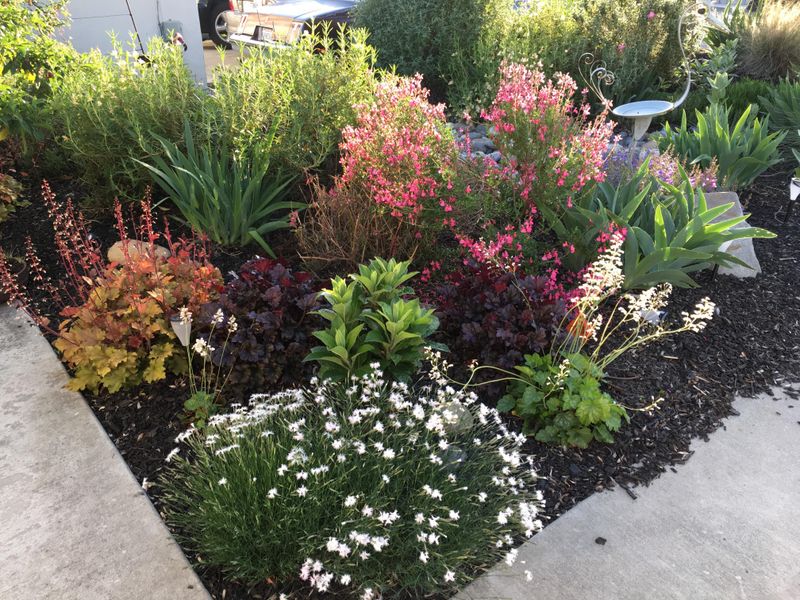
Not every plant can handle wet feet, but some actually thrive in moist soil and can grow well in areas that stay damp longer than others.
Instead of fighting a drainage problem in a stubborn spot, consider planting species that tend to tolerate or even prefer wet conditions.
This strategy works nicely in low-lying beds or along the edges of rain gardens.
Native plants are often a good choice because they have adapted to Oregon’s wet winters and dry summers. Try western sword fern, red twig dogwood, or Oregon grape for shrubby areas.
For perennials, consider astilbe, ligularia, iris, or Joe Pye weed.
These plants handle soggy soil with fewer issues and add color and texture to your garden. Vegetables like celery, lettuce, and certain greens can tolerate more moisture than tomatoes or peppers.
Herbs like mint and parsley also do well in damp spots.
Avoid planting drought-loving species like lavender, rosemary, or succulents in wet areas. They may struggle and eventually decline.
Match the plant to the site, and you will save yourself a lot of frustration.
Mulch around water-tolerant plants to keep roots cool and reduce weeds. Water them less frequently once established, since they are already getting steady moisture from the soil.
By choosing the right plants, you turn a problem area into a lush, easier-care garden feature that looks great all season long.
7. Mulch Wisely
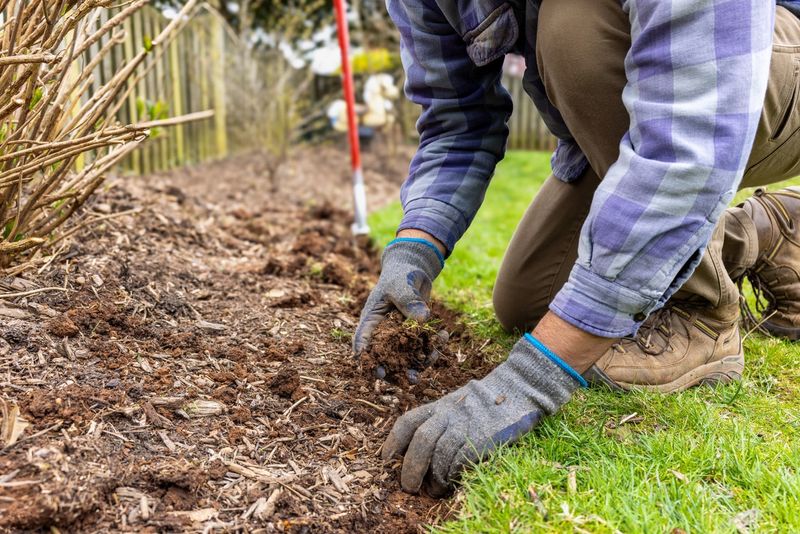
Mulch is one of the easiest tools for managing moisture in your garden, but in Oregon’s wet climate, you need to use it strategically. Too much mulch or the wrong type can trap water against plant stems and encourage rot.
Too little, and your soil dries out too quickly in summer or erodes during heavy rain.
In waterlogged beds, use coarse mulch like wood chips, shredded bark, or straw. These materials allow air and water to move through while protecting the soil surface.
Spread a two to three-inch layer around plants, keeping it a few inches away from stems and trunks.
Avoid piling mulch too thickly, especially in low spots where water collects. Heavy mulch can smother soil and slow evaporation, making drainage problems worse.
In very wet areas, consider using gravel or small stones as mulch instead.
Mulch also reduces soil compaction by cushioning the impact of raindrops. It keeps mud from splashing onto leaves, which may reduce fungal disease issues.
In summer, mulch conserves moisture and keeps roots cool.
Refresh your mulch layer each spring or fall as it breaks down. Composted mulch adds nutrients to the soil and improves structure over time.
By mulching wisely, you create a healthier environment where water drains well but plants still have access to the moisture they need.
8. Avoid Compaction
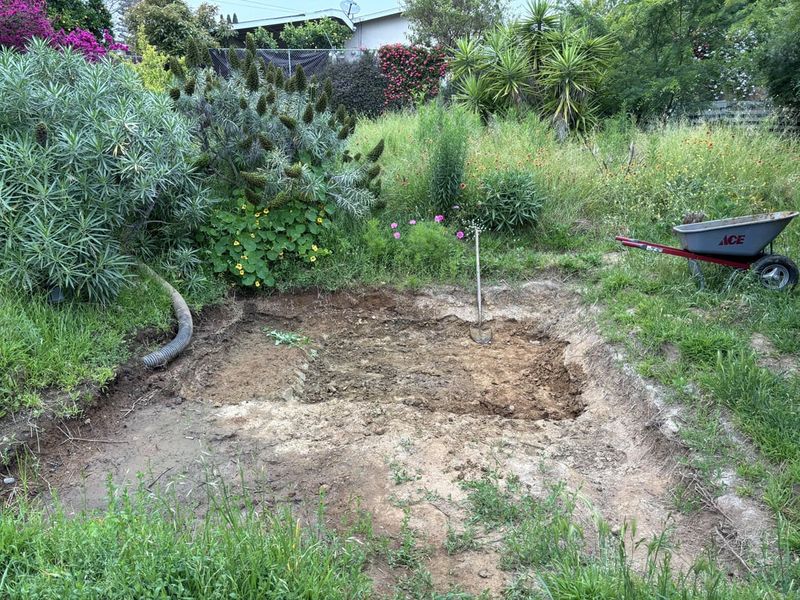
Every time you step into a garden bed, especially when the soil is wet, you press air pockets out of the soil and create a dense, compacted layer that water struggles to penetrate.
Compacted soil is one of the common causes of poor drainage, and it is surprisingly easy to cause without realizing it.
Protecting your soil from foot traffic is one of the easiest ways to keep it healthy and well-draining.
Design your garden with permanent pathways so you rarely need to step on planting areas. Use boards, stepping stones, or mulched walkways to access beds.
If you must walk on soil, lay down a plank to distribute your weight.
Avoid working in the garden when the soil is soaking wet. Wait until it dries out enough that it crumbles in your hand instead of forming a sticky ball.
Working wet soil damages its structure and creates hard clumps that take months to break down.
If your beds are already compacted, gently loosen the soil with a garden fork. Push the fork in and rock it back and forth without turning the soil over.
This opens up channels for water and air without disrupting beneficial organisms.
Compaction happens gradually, so stay mindful of where you step. Protect your soil, and it can reward you with better drainage, healthier plants, and a garden that grows well even during Oregon’s rainy months.
9. Monitor Watering And Adjust Schedules
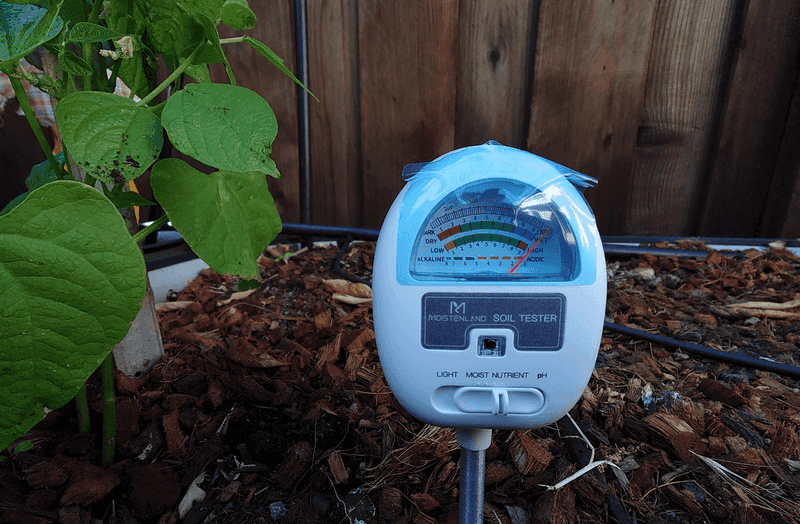
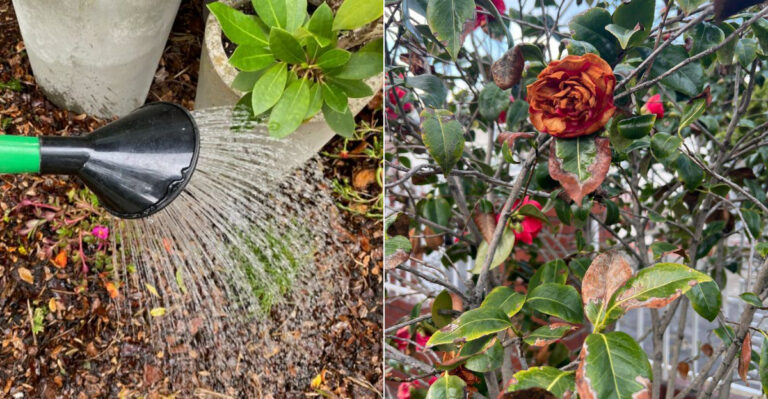
It might sound strange to talk about watering when your garden is already too wet, but improper watering habits can make drainage problems worse, especially during Oregon’s drier months.
Many gardeners water on a fixed schedule without checking whether the soil actually needs it.
This can lead to overwatering, root rot, and a garden that rarely fully dries out.
Check soil moisture before you water by sticking your finger two inches into the soil. If it feels damp, wait another day or two.
Plants in poorly draining soil need less frequent watering because moisture lingers longer.
During fall and winter, cut back watering significantly or pause it completely. Oregon’s rainy season provides plenty of moisture for most plants.
Overwatering during wet months keeps soil saturated and increases the risk of fungal diseases.
In spring and summer, water deeply but less often. This encourages roots to grow deeper and makes plants more drought-tolerant.
Use drip irrigation or soaker hoses to deliver water directly to roots without wetting foliage.
Adjust your watering schedule based on weather, season, and plant needs. Pay attention to how your garden responds, and be flexible.
Smart watering habits support drainage, reduce disease, and help plants develop strong, healthy root systems that can handle both wet and dry conditions with success.