What Texas Homeowners Should Know Before Scaring Possums Out Of Their Yards
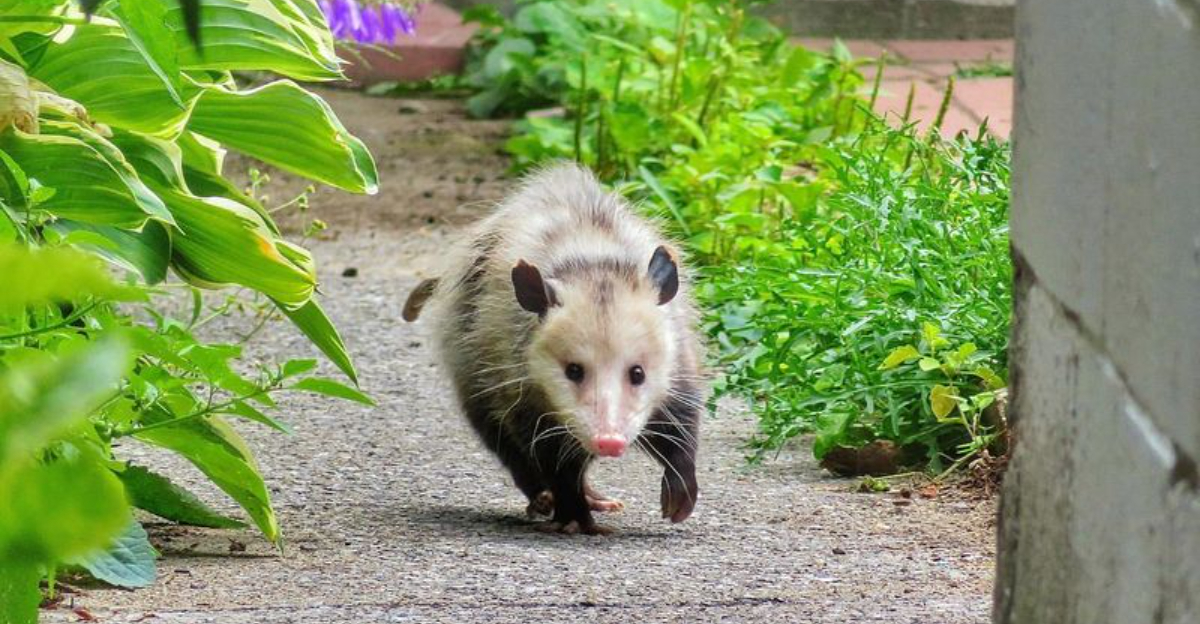
I’ll never forget the first time a possum wandered into my Texas yard at night. I chased it off without thinking, only to realize later that these animals are mostly harmless and actually help control pests.
Understanding their behavior before taking action can save time, stress, and unintended harm. Possums might seem like a nuisance, but they play an important role in your yard.
Texas possums feed on insects, small rodents, and decaying fruit, helping keep your garden healthy. Aggressively removing them can create gaps in the ecosystem, attract other pests, or even stress the animal.
Safe deterrents, secure trash, and removing attractants are smarter ways to coexist. Knowledge and caution are better than chasing them blindly.
Homeowners who understand possums’ habits can protect their property without harming wildlife. Keep your yard safe while letting possums do their natural work.
Possums Are Actually Beneficial For Your Garden
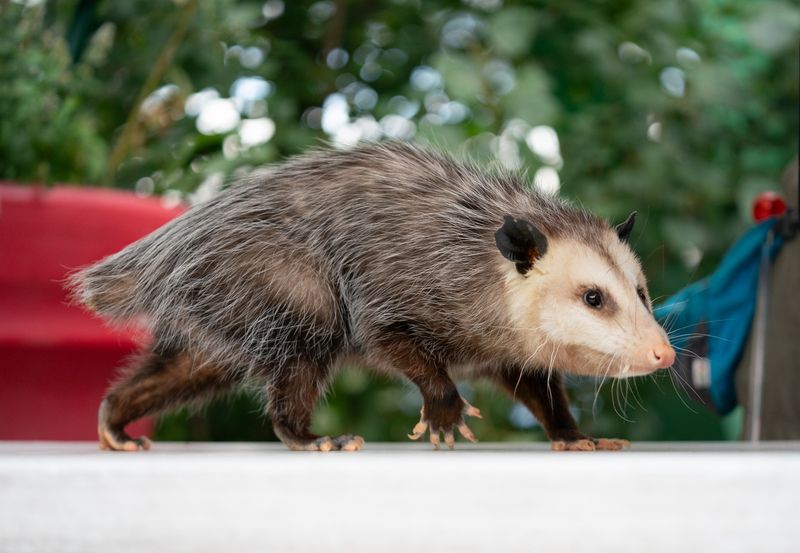
Many Texas homeowners underestimate the ecological value of possums. These nocturnal marsupials are nature’s pest control specialists, feeding on ticks, cockroaches, rats, slugs, and snails – many of the same pests that can damage gardens or invade homes.
A single possum can consume up to 5,000 ticks in one season, significantly reducing the risk of Lyme disease and other tick-borne illnesses.
Gardeners often see them foraging quietly at night, and while they might seem like intruders, they provide free, natural pest management.
Unlike chemical pesticides or traps, possums cause no harm to plants while keeping insect populations in check. Southern climates, like those in Texas, allow possums to remain active year-round, making their contribution to garden health especially valuable.
Homeowners may notice small piles of eaten insects or partially consumed fallen fruit, both signs that these animals are helping maintain balance in the yard.
Observing possums as part of the natural ecosystem also provides an opportunity for learning and wildlife appreciation.
Instead of rushing to remove them, recognizing their beneficial role encourages coexistence and reduces the need for costly interventions.
Legal Protection Status In Texas
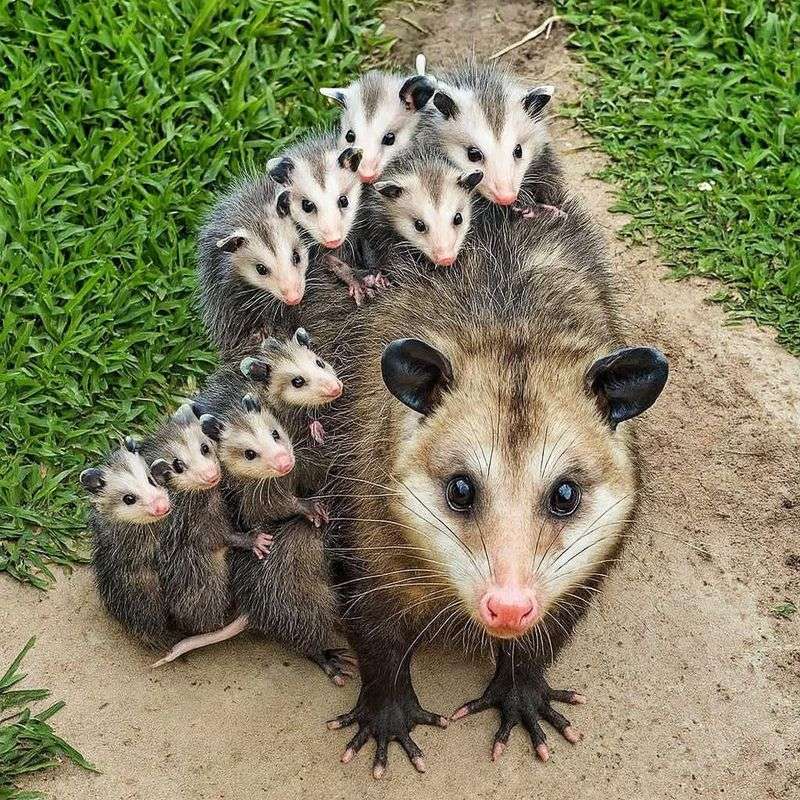
In Texas, possums are legally classified as fur-bearing animals, which means homeowners cannot trap, relocate, or harm them without proper permits in many situations. Violating these regulations can result in fines or other legal consequences.
The Texas Parks and Wildlife Department (TPWD) provides guidelines for the humane management of wildlife, including possums. It’s important to familiarize yourself with local ordinances, as rules can vary by county.
For example, some counties require a permit for relocation, while others restrict removal to professional wildlife specialists. Understanding the law helps prevent accidental violations and ensures that homeowners manage possums safely and ethically.
If you are unsure about regulations, TPWD or a licensed wildlife professional can provide guidance. Compliance protects both the animal and the homeowner while promoting responsible wildlife stewardship.
In many cases, patience and minor habitat modifications, such as removing attractants or securing structures, can resolve possum concerns without the need for removal.
Following legal protocols also helps preserve Texas’ native wildlife populations and supports broader conservation efforts in suburban and rural areas.
Your Texas Garden Changes Every Week. Your Plan Should Too.
Gardening in Texas changes quickly throughout the season. Every Friday you’ll receive a simple weekly plan showing exactly what to plant, prune, fertilize, harvest, and protect so you never miss the right timing.
Possums Rarely Carry Rabies
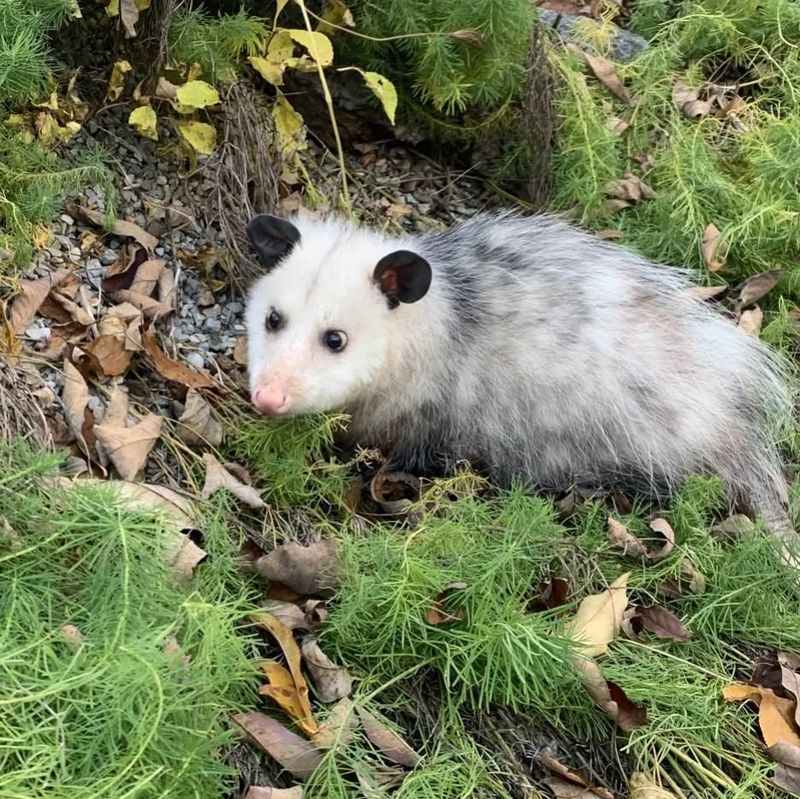
One of the most common misconceptions about possums in Texas is that they are rabid or a serious disease risk. In reality, possums rarely carry rabies.
Their low body temperature makes it difficult for the rabies virus to survive, meaning they are much safer than raccoons, skunks, or foxes. Their defensive behavior, such as playing dead, hissing, or drooling, is often misinterpreted as sickness, but it is simply a survival tactic.
Observing these behaviors is usually harmless if you keep a safe distance. Possums are also unlikely to bite unless handled, further minimizing risk to humans and pets.
Educating neighbors and family members about this fact can reduce unnecessary fear and prevent premature removal.
In Texas, allowing possums to roam naturally contributes to ecological balance, as they continue to control insect and rodent populations without spreading disease.
Understanding the biological and behavioral aspects of these creatures helps homeowners coexist safely while benefiting from the services they provide. Most possums in urban or suburban areas live quietly and do not pose a threat to people.
Temporary Visitors, Not Permanent Residents
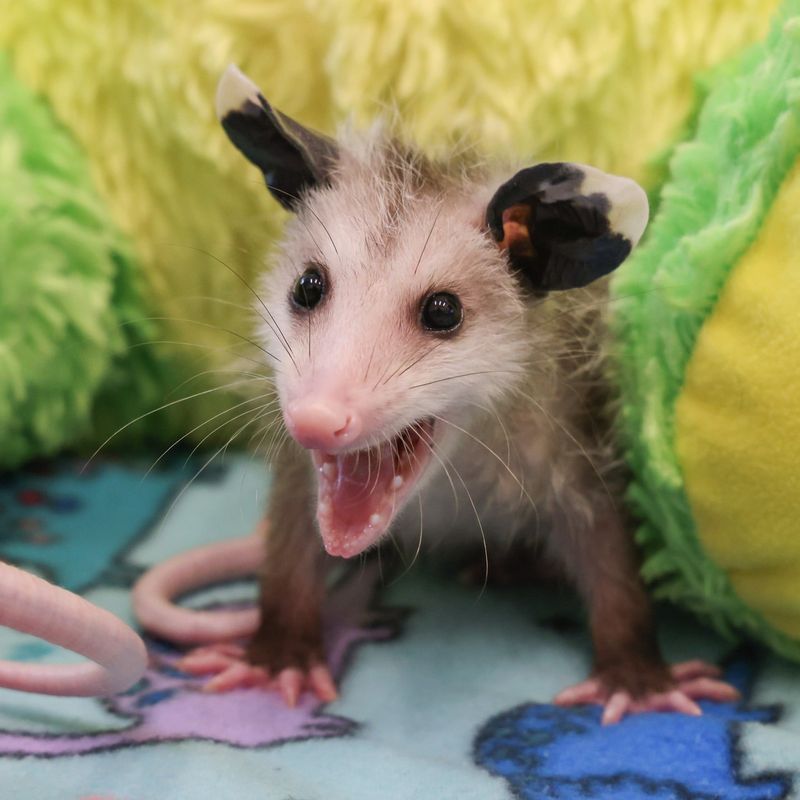
Possums in Texas are nomadic by nature and rarely remain in one location for long. A possum spotted in your yard today might have moved on within a week as it continues its natural foraging circuit.
They are opportunistic feeders, exploring several properties for food, water, and shelter without establishing permanent residence unless ideal den sites are available, such as attics, sheds, or deck spaces.
Most of the time, patient homeowners find that the perceived “problem” resolves itself naturally.
Possums rarely cause structural damage, unlike raccoons or squirrels, so allowing them to pass through is generally low-risk. Their transient behavior makes intervention unnecessary in many cases, reducing stress for both the animal and the homeowner.
By observing these creatures and understanding their patterns, Texans can distinguish temporary visits from true infestations. Avoiding unnecessary removal also helps maintain the natural predator-prey balance in the neighborhood.
Homeowners who allow possums to follow their natural movement patterns may find they provide extended pest control without causing disruption.
Patience, observation, and minor property adjustments often prevent conflicts while benefiting the garden ecosystem.
Humane Removal Methods That Actually Work
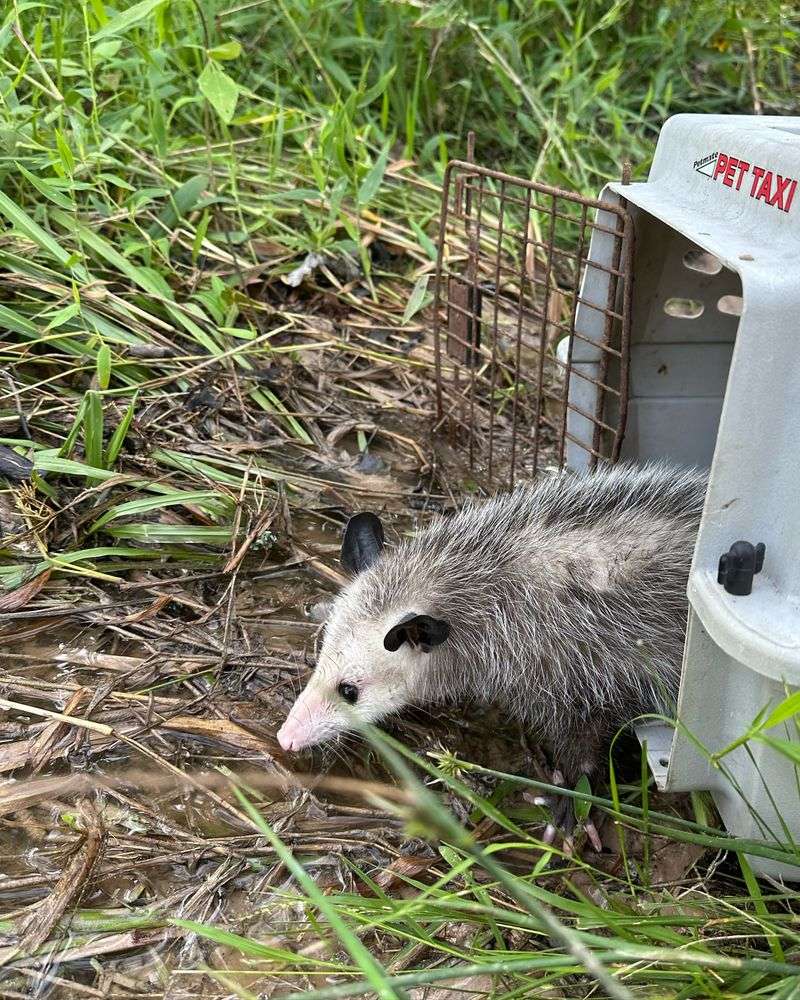
When possum removal becomes necessary in Texas, humane deterrents are often the most effective and ecologically responsible choice. Motion-activated sprinklers or lights startle possums and encourage them to leave without causing harm.
Radios tuned to talk stations can also create unfamiliar sounds that make the area less inviting. Natural repellents, such as predator urine or cayenne pepper sprinkled near entry points, are additional strategies that safely discourage visits.
It’s important to avoid lethal methods, as killing or inhumanely trapping a possum often simply opens up territory that another will immediately occupy. Focusing on exclusion and deterrence maintains the animal’s role in pest control while protecting your property.
Combining multiple non-lethal strategies, barriers, repellents, and habitat modifications, enhances effectiveness.
These methods are easy to implement, inexpensive, and low-stress for both humans and wildlife. In Texas, using humane techniques aligns with state regulations and promotes coexistence.
Responsible management allows homeowners to resolve conflicts with possums while preserving their ecological contributions, ensuring that both people and animals benefit from a balanced environment.
Identifying Property Vulnerabilities
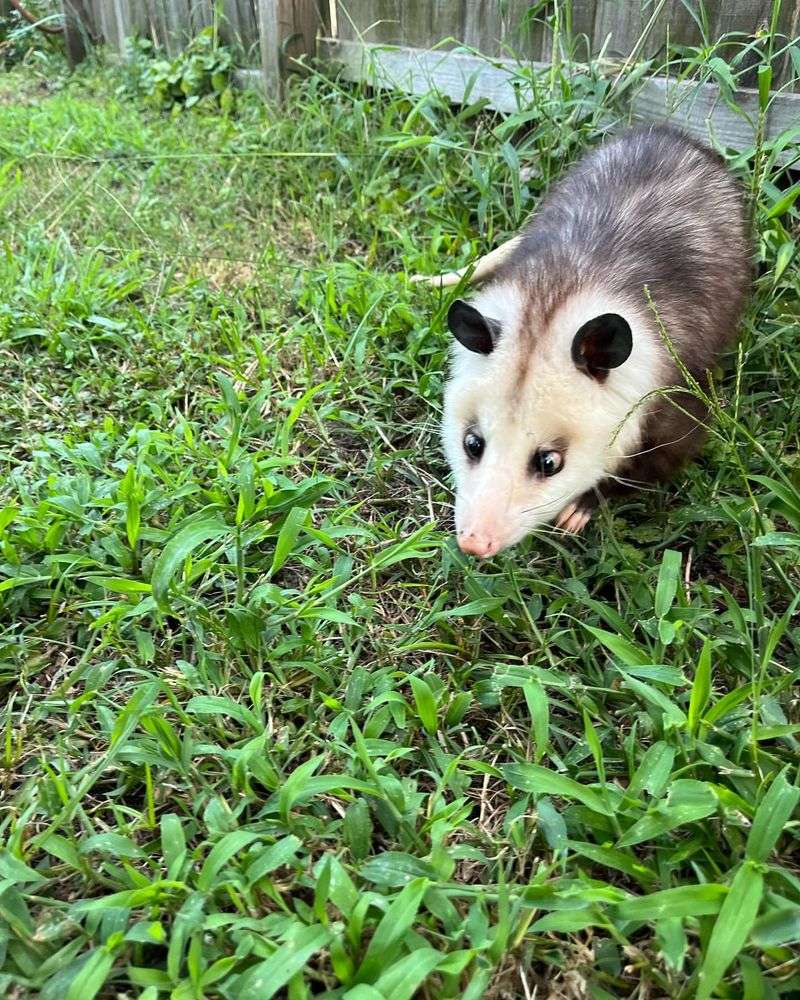
Possums typically do not damage homes, but they will take advantage of existing openings if available. In Texas, common entry points include gaps under decks, broken vents, damaged roof areas, and loose siding.
Securing trash cans with bungee cords or lids prevents easy access to food, which is a major attractant. Removing fallen fruit from trees, feeding pets indoors, and limiting accessible water sources also makes your property less appealing.
Inspecting and addressing these vulnerabilities reduces encounters without directly confronting the animals. Simple adjustments, such as sealing small holes or installing exclusion barriers, can prevent possums from nesting in attics or under sheds.
Proactive property management is particularly important in urban and suburban Texas, where human activity and wildlife overlap.
By eliminating food and shelter options, homeowners encourage possums to continue their transient lifestyle rather than settling permanently.
Combining property security with natural deterrents maximizes effectiveness, allowing possums to contribute pest control without creating conflicts. Awareness and prevention are key components of responsible wildlife coexistence.
Baby Season Considerations
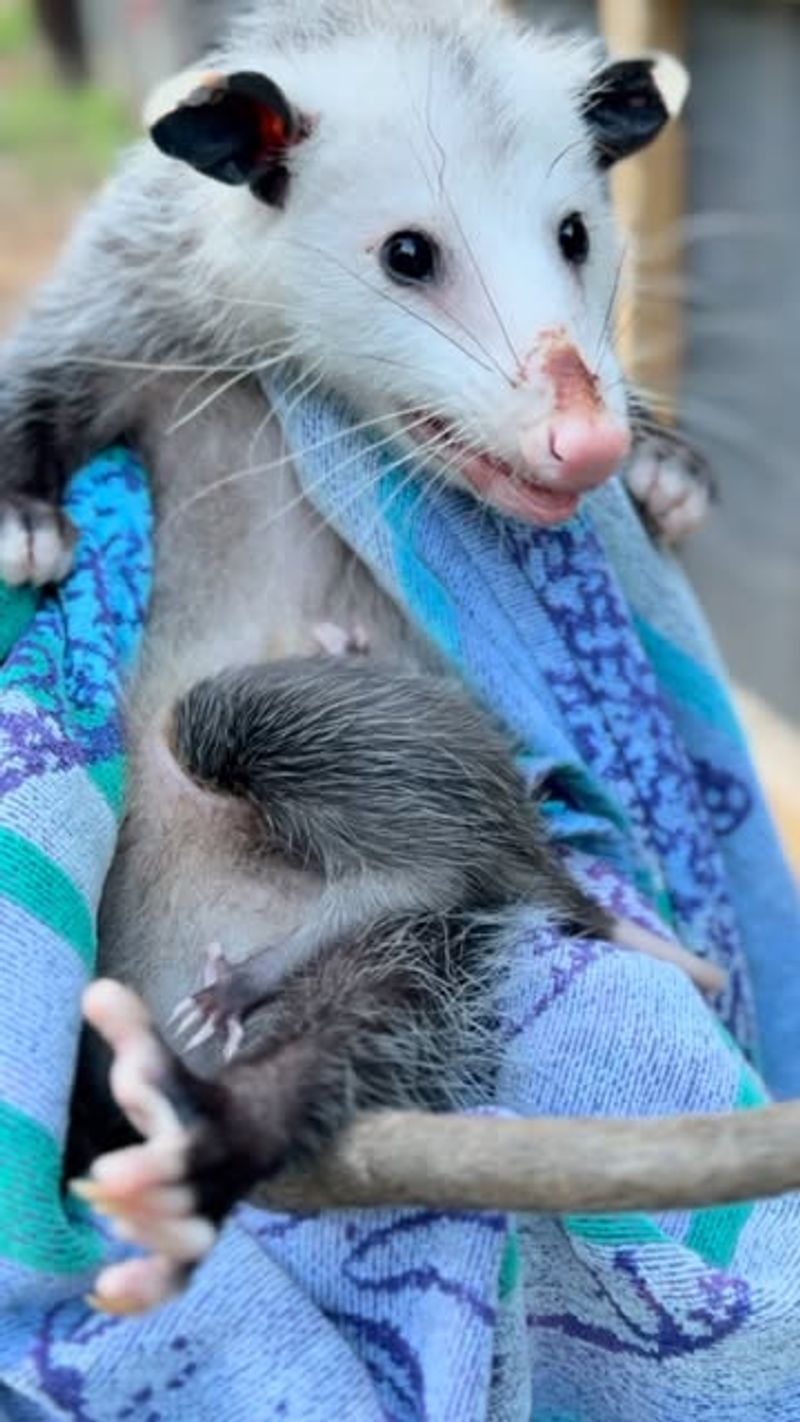
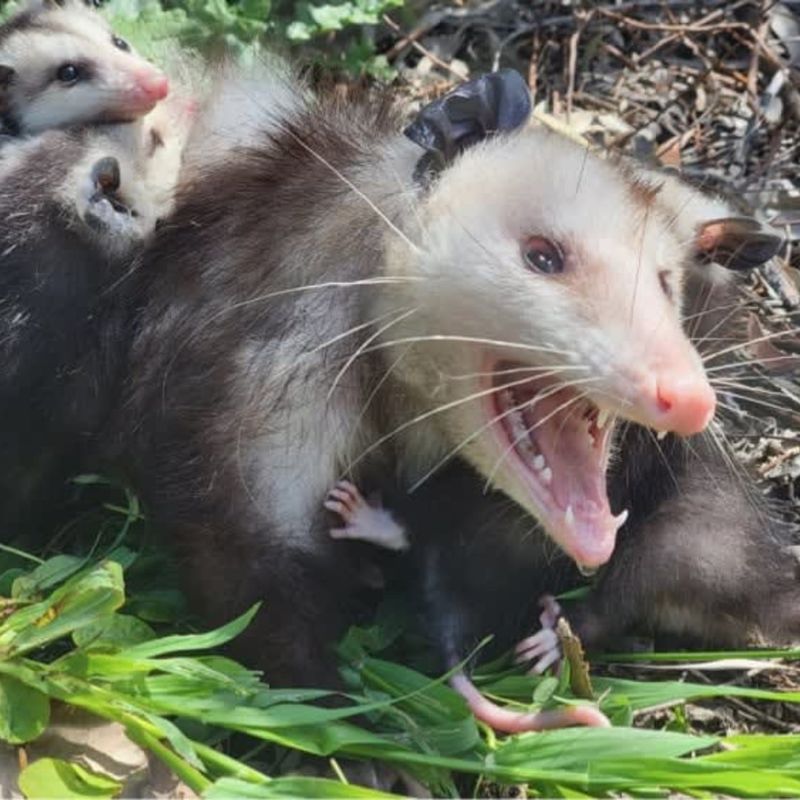
Female possums carry their young in pouches and later on their backs, typically from February through September in Texas. Attempting to remove a mother possum during this period can inadvertently orphan her babies, who are incapable of surviving on their own.
Observing a mother with young clinging to her back is a temporary situation that will resolve as the juveniles mature. Waiting a few weeks often allows the family to move naturally and reduces unnecessary harm.
Understanding possum reproduction cycles is essential for humane wildlife management in Texas. Removing a family prematurely not only endangers young possums but also disrupts the mother’s natural behaviors and foraging patterns.
Educating household members about baby season can prevent panic-driven removal attempts. Providing safe, alternative habitats, such as brush piles or natural cover away from human activity, encourages mothers to relocate on their own.
Patience and awareness during these months protect the next generation of possums while allowing homeowners to maintain their yards safely and responsibly.
Professional Wildlife Removal Services
When DIY methods fail, Texas homeowners can turn to certified wildlife removal specialists for humane possum management. Licensed professionals use no-kill techniques and proper relocation protocols to ensure the animal’s safety.
Many companies guarantee services, including identification of entry points and installation of exclusion measures to prevent repeat visits. Fees typically range from $150-300, depending on property size and complexity of removal.
While this may seem costly, professional services often provide longer-lasting results than DIY attempts. Specialists have experience navigating Texas-specific regulations, ensuring that removal complies with state law.
They can also address property vulnerabilities, such as roof gaps or deck openings, preventing future incursions. Engaging professional help allows homeowners to resolve conflicts safely, reduce stress on the animal, and maintain the possum’s ecological benefits.
Licensed wildlife removal services combine expertise, legality, and ethical practices, offering peace of mind for Texas residents.
Preventing Future Possum Problems
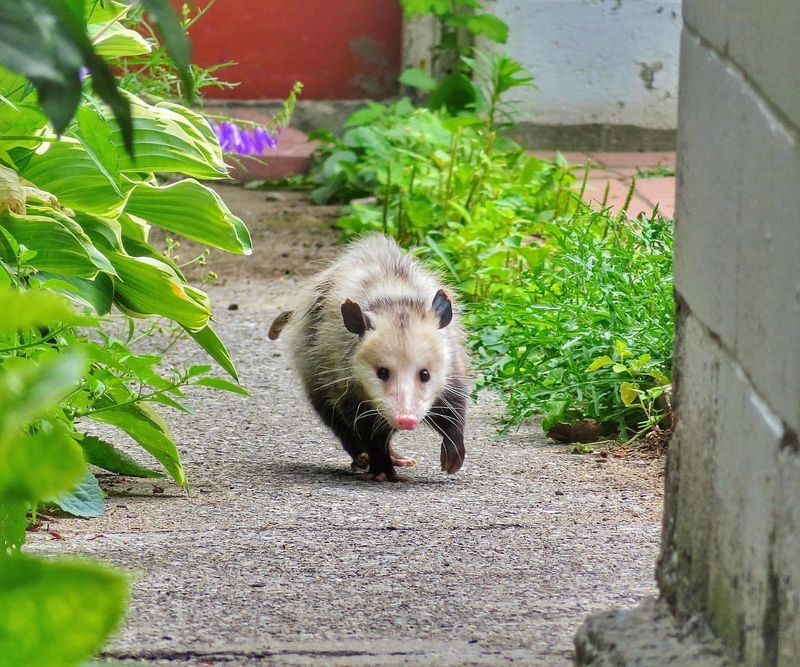
Prevention is the best strategy for keeping possums out of your Texas yard. Smart landscaping choices reduce access to food, water, and shelter.
Trim tree branches that hang over your roof, as they create highways for possums. Install barriers around decks, sheds, and crawlspaces using hardware cloth buried at least six inches deep.
Motion-activated lights or sprinklers can discourage nighttime visitors. Eliminating fallen fruit, pet food, and unsecured water sources reduces attraction.
By removing these incentives, homeowners can encourage possums to move elsewhere naturally. Prevention is preferable to reactive removal and maintains the animal’s ecological role.
With consistent management, your yard can remain safe, attractive, and free from nuisance wildlife. Educating neighbors about preventative strategies further enhances effectiveness.
Combined with humane deterrents, proactive measures create a long-term solution to possum encounters in Texas homes.
When Possums Actually Need Your Help
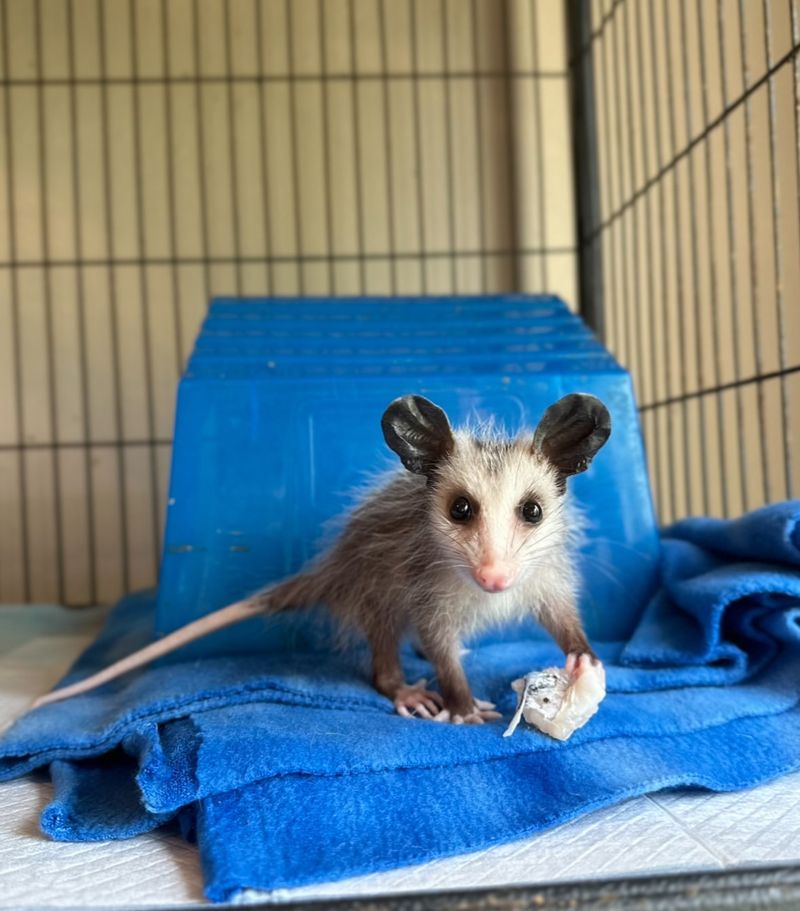
Sometimes possums are genuinely in need of assistance. Signs include daytime activity, visible injuries, or an inability to move when approached.
Possums are naturally nocturnal, so daytime wandering can indicate illness or stress. In these cases, contacting a licensed wildlife rehabilitator is the safest course of action.
Texas has certified rehabilitators specializing in possum care, such as the Texas Wildlife Rehabilitation Coalition at (713) 468-8972. Professionals can advise on handling, care, and local resources to support recovery.
Attempting DIY care without expertise can worsen injuries or cause stress. Helping an injured possum contributes to local biodiversity and prevents suffering.
Homeowners should observe from a distance and provide information on the animal’s condition, location, and behavior to rehabilitators.
Timely intervention ensures both humane treatment and successful reintegration into the wild, supporting Texas’ ecosystem while allowing residents to interact responsibly with wildlife.