10 Simple Landscaping Trends That Will Elevate Your Texas Yard In 2026
Have you ever stepped outside into your Texas yard and felt like it should feel better than it does, even though you can’t quite put your finger on what’s missing?
That quiet sense of something being off is exactly what’s pushing many homeowners to rethink their outdoor spaces right now.
Instead of chasing bold designs or dramatic upgrades, the focus has shifted toward small changes that naturally improve how a yard feels every day.
These updates are not about keeping up with trends, but about making the space feel more intentional and enjoyable to spend time in. Some ideas subtly change how the yard flows and gets used, while others refresh the look without making it feel overdone.
What makes these shifts appealing is how realistic they are for everyday Texas homes and lifestyles.
These simple landscaping trends are already shaping what elevated Texas yards look like in 2026.
Once you notice them, it becomes hard not to imagine how easily your own yard could feel more inviting.
1. Low-Water Lawns Replacing Traditional Turf
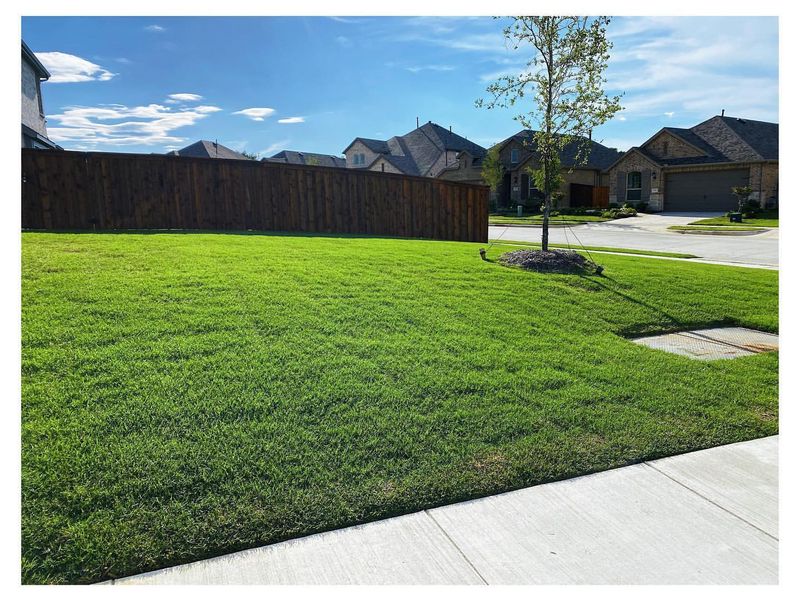
Keeping a thirsty lawn alive in Texas starts to feel pointless once you see how much water it actually takes.
You’re probably noticing more homeowners replacing St. Augustine and Bermuda with buffalo grass, zoysia, or skipping turf entirely to cut back on effort and constant upkeep.
When your water bill keeps climbing, switching to a lawn that survives mostly on rainfall feels like a smart move instead of a sacrifice, especially during long, dry Texas summers.
If you’re tired of dragging hoses around every evening, low-water options give you your time back almost immediately and reduce how much attention your yard demands.
You might even choose to remove grass altogether and use ground covers like Kurapia or clover that stay green with minimal input while still keeping the yard visually full.
Patchwork designs mixing native grasses with mulched beds let you keep structure and texture without locking yourself into weekly mowing, fertilizing, and watering routines.
Once you reset expectations, you realize your yard doesn’t need wall-to-wall green to feel finished or thoughtfully designed.
With less watering, fewer weekend chores, and lower upkeep, you end up with a yard that works with the Texas climate rather than constantly pushing against it.
Over time, these changes also make outdoor spaces easier to enjoy because maintenance no longer dictates how and when you use your yard.
As droughts and water restrictions become more common across the state, choosing a low-water lawn starts to feel less like a trend and more like a practical long-term decision.
2. Native Plants Taking Priority Over Imported Favorites
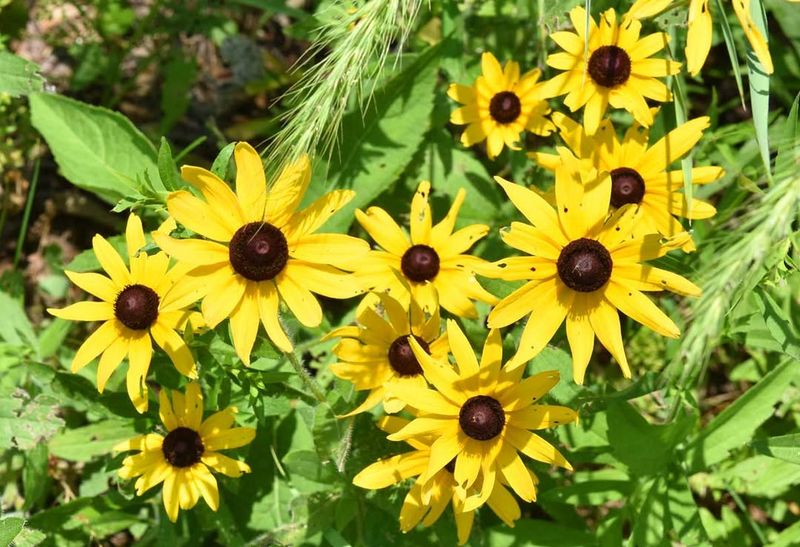
You’ve probably noticed that fighting the Texas climate with fragile plants gets old fast.
You’re now seeing more garden centers replace petunias and impatiens with native options like black-eyed Susan, Texas sage, and flame acanthus because they actually belong here.
When plants are adapted to your local soil, heat, and rainfall, you spend far less time watering, fertilizing, and worrying about whether they’ll survive the season.
Your Texas Garden Changes Every Week. Your Plan Should Too.
Gardening in Texas changes quickly throughout the season. Every Friday you’ll receive a simple weekly plan showing exactly what to plant, prune, fertilize, harvest, and protect so you never miss the right timing.
If you’ve struggled with imported ornamentals, you already know how much extra effort they demand just to stay alive in Texas conditions.
Native plants handle extremes without constant intervention because they’ve been growing in this environment for centuries, and that built-in resilience shows quickly once they’re planted. They don’t need constant adjustments to thrive.
Once you switch, you also start noticing more butterflies, bees, and birds showing up in your yard without you doing anything extra.
That added wildlife makes the space feel more active and balanced instead of static and decorative.
You’ll also find it easier to choose the right plants now that nurseries and even big-box stores clearly label region-specific Texas natives.
Matching plants to your soil type and sun exposure removes much of the guesswork that used to make gardening frustrating.
Over time, choosing plants that are meant to be here turns gardening from a constant struggle into something that feels cooperative and rewarding.
3. Shade-First Tree Placement Around Homes
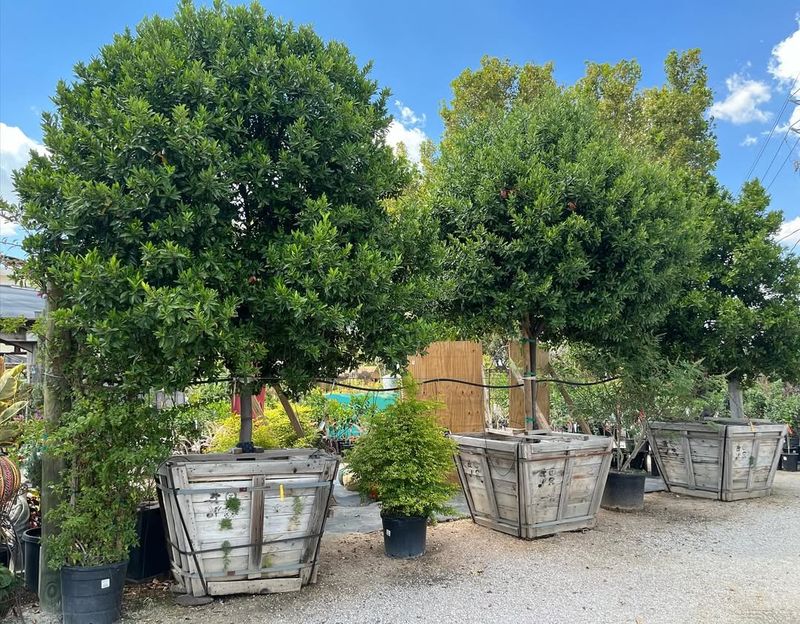
In Texas, where the heat is relentless, where you place a tree can matter more than which tree you choose.
You’re seeing more homeowners plan tree placement early because the right shade can lower indoor temperatures and reduce cooling costs.
When summers feel unbearable, using shade strategically becomes one of the simplest ways to make your home more comfortable without running the AC nonstop.
Choosing live oaks, cedar elms, or Mexican sycamores gives you dense canopies that block harsh afternoon sun while still fitting the Texas landscape.
Planting trees on the west and south sides of your home maximizes cooling benefits and protects walls, windows, and outdoor surfaces from direct heat.
Without shade, patios and driveways often sit unused for months at a time, soaking up heat and becoming uncomfortable to walk or sit on. A well-placed tree turns those spaces into usable extensions of your home.
You may also find it easier to get started thanks to city programs that offer rebates or free saplings to encourage tree planting. These incentives lower upfront costs and make long-term planning feel more achievable.
Over time, shade trees do more than cool your home because they also increase property value and curb appeal. Buyers consistently rank mature shade trees as one of the most desirable yard features.
In a state where heat is a constant challenge, prioritizing shade early helps you create a yard that feels intentional, livable, and built for Texas conditions from day one.
4. Gravel And Decomposed Granite Gaining Ground
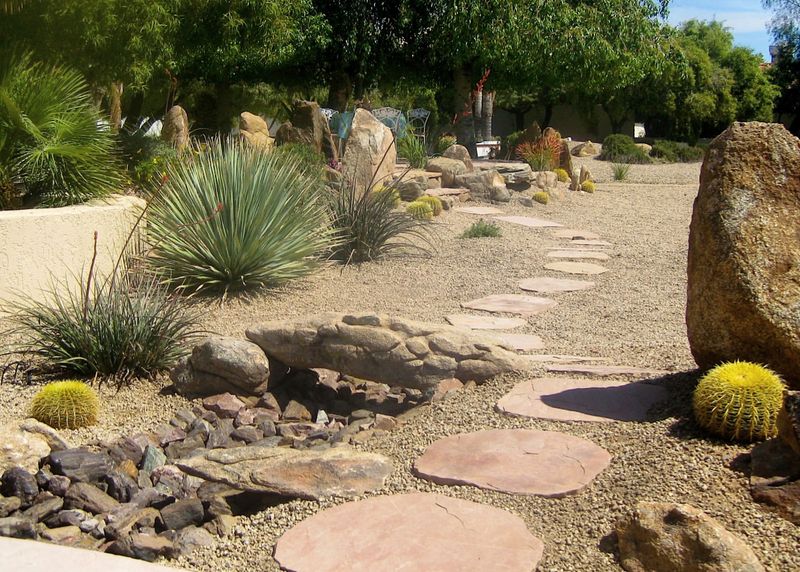
Concrete is starting to feel like the wrong choice if you want a Texas yard that actually works in the heat.
You’re seeing decomposed granite and gravel take over paths, patios, and even former lawn areas because they let water soak into the ground instead of rushing away.
If you’ve dealt with puddling or runoff before, permeable surfaces immediately solve problems that solid pavement tends to create.
Texas soil is often hard and compacted, which makes drainage a constant issue, and gravel-based surfaces reduce pooling while helping prevent erosion. They also stay noticeably cooler underfoot during summer.
That cooler surface makes walking, sitting, and using outdoor areas far more comfortable when temperatures spike.
Installation feels manageable if you like DIY projects, and many homeowners handle smaller gravel areas themselves with basic tools.
Even when professional grading is needed for larger spaces, the overall cost is still lower than pouring concrete or installing pavers.
Visually, decomposed granite blends easily with native plants because of its soft texture and natural earth tones. Gravel adds contrast and can be mixed with larger stones for extra character.
Maintenance stays simple over time since occasional raking keeps surfaces level and weeds are easy to pull when they appear.
Because gravel doesn’t need frequent replacement like grass or mulch, you end up with a set-it-and-forget-it surface that fits the Texas climate and frees you from constant upkeep.
5. Outdoor Living Areas Designed For Year-Round Use
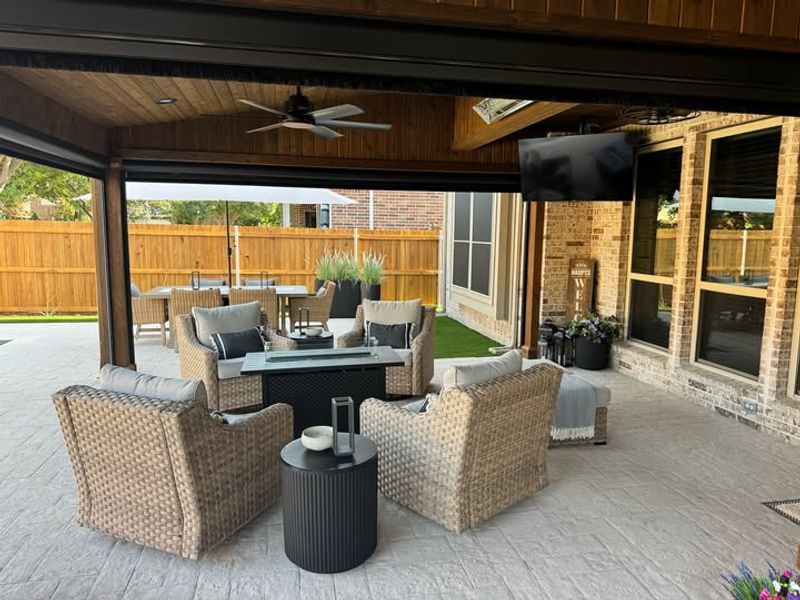
Texas homeowners are done treating patios like spaces you only use a few months a year.
You’re seeing more outdoor areas designed to work in every season, with covered structures, ceiling fans, and heaters that extend usability far beyond warm weather.
If you’ve avoided your patio in summer or winter before, year-round design fixes that problem almost immediately.
Pergolas with adjustable louvers give you control over sun and shade, letting you block heat in summer and welcome light in cooler months.
Choosing furniture that handles weather extremes also matters, since materials like powder-coated metal and all-weather wicker last longer than traditional wood.
Outdoor kitchens are becoming more common because they let you cook, host, and relax outside without running back and forth indoors.
When your backyard functions like an extension of your home, you naturally spend more time using it instead of leaving it empty.
Lighting becomes essential once the sun goes down, and layered options like string lights, spotlights, and lanterns make spaces safer and more inviting.
Smart lighting systems give you control from your phone, which makes outdoor use feel effortless instead of complicated.
Even with unpredictable Texas weather, thoughtful design turns a patio into a space you can enjoy in January or July without hesitation.
6. Heat-Tolerant Perennials Replacing Seasonal Color
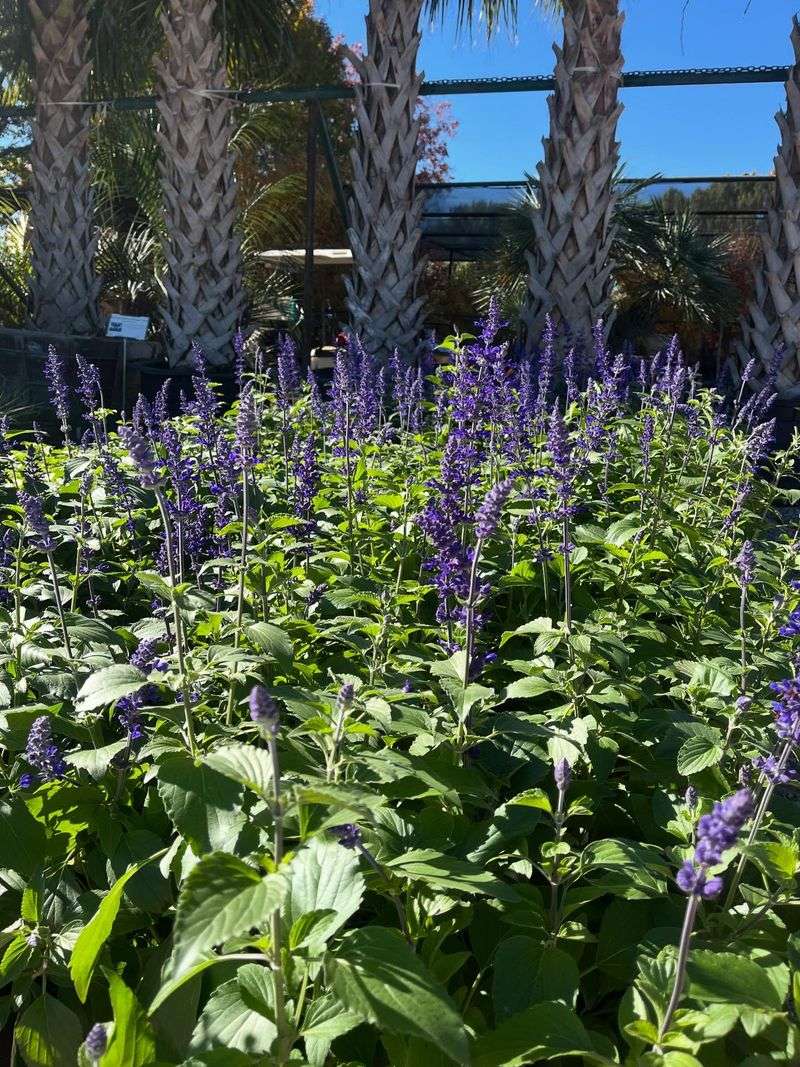
Replanting flowers every season starts to feel like a waste once you add up the time and money it takes.
You’re seeing more Texas homeowners switch to perennials because they come back every year and handle extreme heat without constant attention.
Plants like salvia, lantana, and coneflowers keep blooming even when temperatures hit triple digits, and they don’t demand heavy watering once established. Their deep root systems help them find moisture during dry spells.
If you care about pollinators, perennials quietly do more work for you by providing food throughout the growing season instead of brief bursts. Butterflies and bees benefit from those longer bloom windows.
Color doesn’t become limited just because you stop planting annuals.
Salvias bring reds, purples, and pinks, while lantana adds orange, yellow, and white for layered color that shifts as the season goes on.
Maintenance stays simple with most heat-tolerant perennials needing only occasional trimming and light spring feeding. They don’t require daily attention.
With less replanting, fewer supplies, and more consistent color, perennials end up giving you more return while keeping your Texas yard vibrant all summer long.
7. Minimalist Planting With Fewer, Bolder Choices
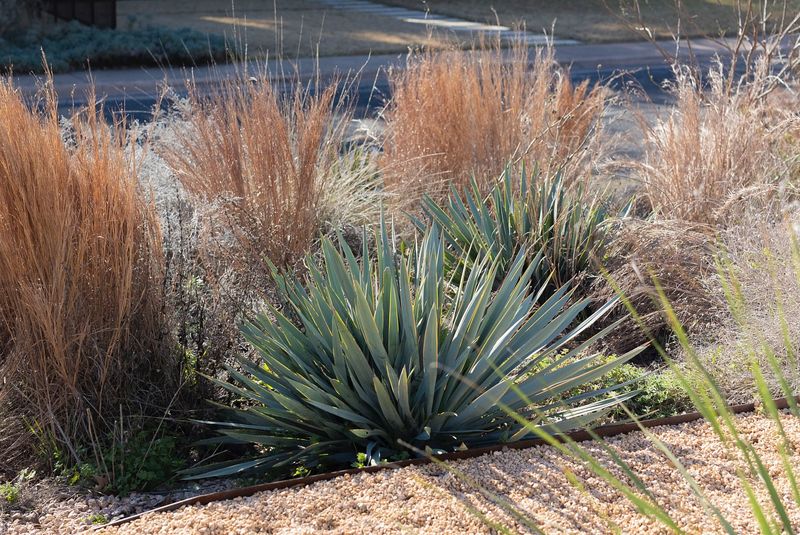
Cluttered beds packed with too many plants are starting to feel overwhelming once you’re the one maintaining them.
You’re seeing more Texas homeowners simplify their yards by choosing a few standout plants and giving each one space to breathe.
Bold architectural plants like agave, yucca, and ornamental grasses stand out on their own, and they don’t need filler plants to look finished. Their shapes and textures already do the visual work.
When plants are spaced properly, they stay healthier because they aren’t competing for water and nutrients.
Giving each plant enough room encourages stronger root systems and fuller, more balanced growth over time.
This minimalist style fits especially well with modern and mid-century homes because clean planting lines echo simple architecture. Traditional homes benefit too.
With fewer plants, you spend less time stressing over color combinations or worrying about overcrowding. Maintenance becomes simpler, and the yard feels intentional instead of chaotic.
As Texas landscapes shift toward quality over quantity, yards feel more open, plants look healthier, and upkeep becomes far less overwhelming.
8. Rain Capture And Smart Irrigation Becoming Standard
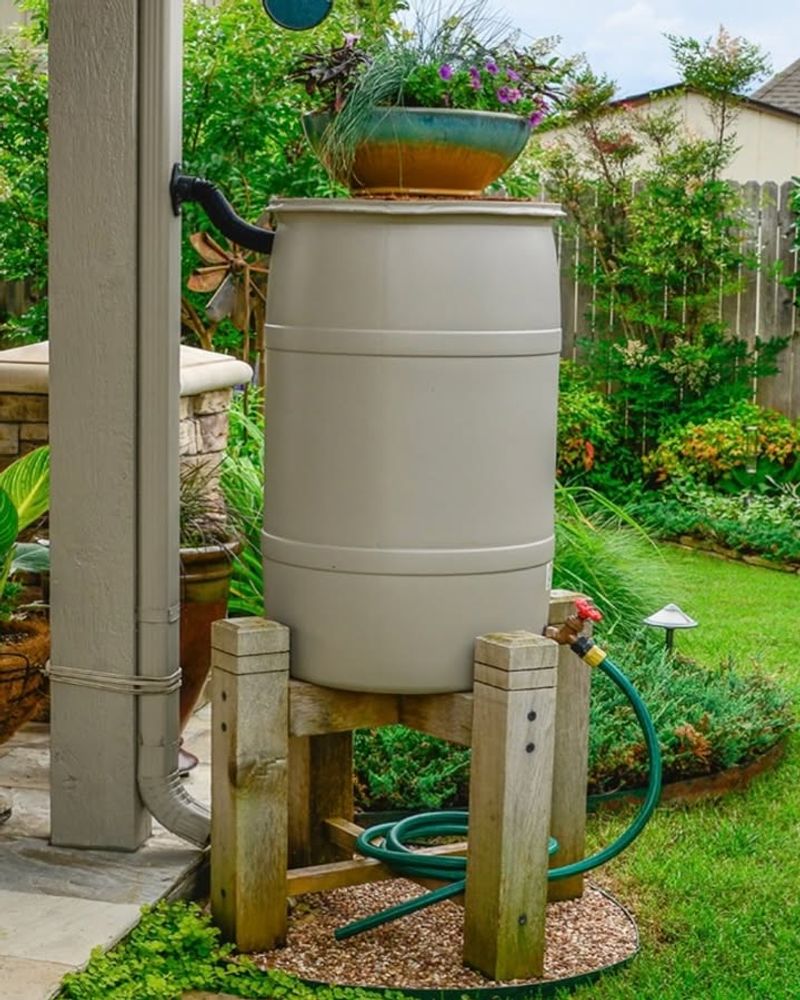
Watering like there are no limits is no longer an option if you live in many parts of Texas.
You’re seeing rain barrels and cisterns show up in more yards because capturing runoff gives you control over water use instead of relying entirely on city supplies.
When rainwater is stored and reused, you reduce pressure on municipal systems and keep your yard going even during restrictions.
Smart irrigation systems are gaining popularity because they adjust watering based on weather and soil conditions instead of fixed schedules. They help you avoid overwatering while saving money and protecting plants.
Installing a basic rain capture setup is simpler than most people expect, especially when barrels connect directly to downspouts without complicated plumbing.
Larger cisterns may require professional installation, but they can store enough water to support a yard for extended dry periods.
Drip irrigation paired with smart controllers delivers water directly to plant roots with minimal waste. Timers make sure plants get exactly what they need.
Many Texas cities now offer rebates that lower the upfront cost of rain barrels, cisterns, and smart controllers. Those incentives make switching feel practical instead of intimidating.
Over time, lower water bills and healthier plants show you that capturing and managing water wisely isn’t just eco-friendly, but one of the smartest long-term choices for a Texas yard.
9. Natural Stone And Earth-Toned Hardscapes
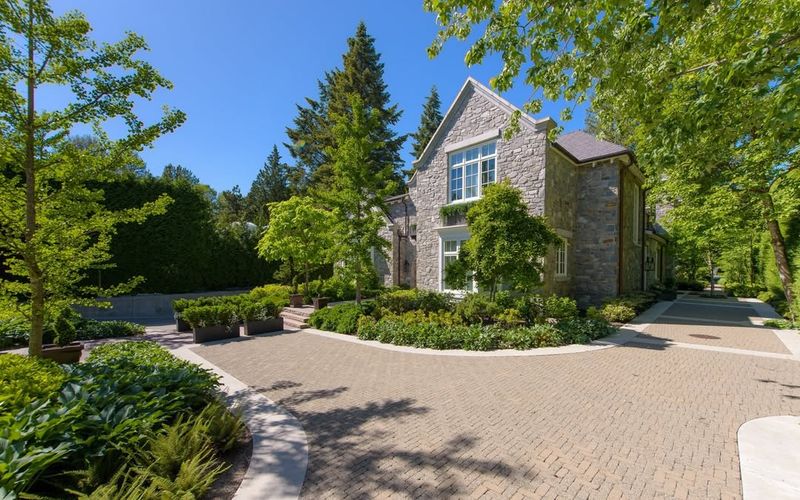
Bright white concrete and red brick start to feel out of place once you see how natural stone changes the look of a Texas yard.
You’re seeing limestone, sandstone, and flagstone take over because they fit the landscape naturally and age better over time.
Earth tones like tan, gray, and rust give your outdoor spaces a grounded, timeless feel that doesn’t fight the surrounding environment.
Patios, walkways, and retaining walls built with stone feel settled and intentional, like they’ve always belonged there.
If you’re watching costs, local Texas stone often makes more sense than imported materials because it’s easier to source and supports regional suppliers. Using local stone also cuts down on the environmental impact of long-distance shipping.
Natural stone stays cooler than concrete, which matters when summer heat makes hard surfaces uncomfortable to walk on.
Better traction when wet adds another practical benefit, especially around walkways and patios.
Homeowners choose stone because it holds up for decades without cracking or fading like manufactured materials. A well-installed stone surface delivers durability, low maintenance, and a look that stands up to Texas weather year after year.
10. Pollinator-Friendly Planting Integrated Into Everyday Yards
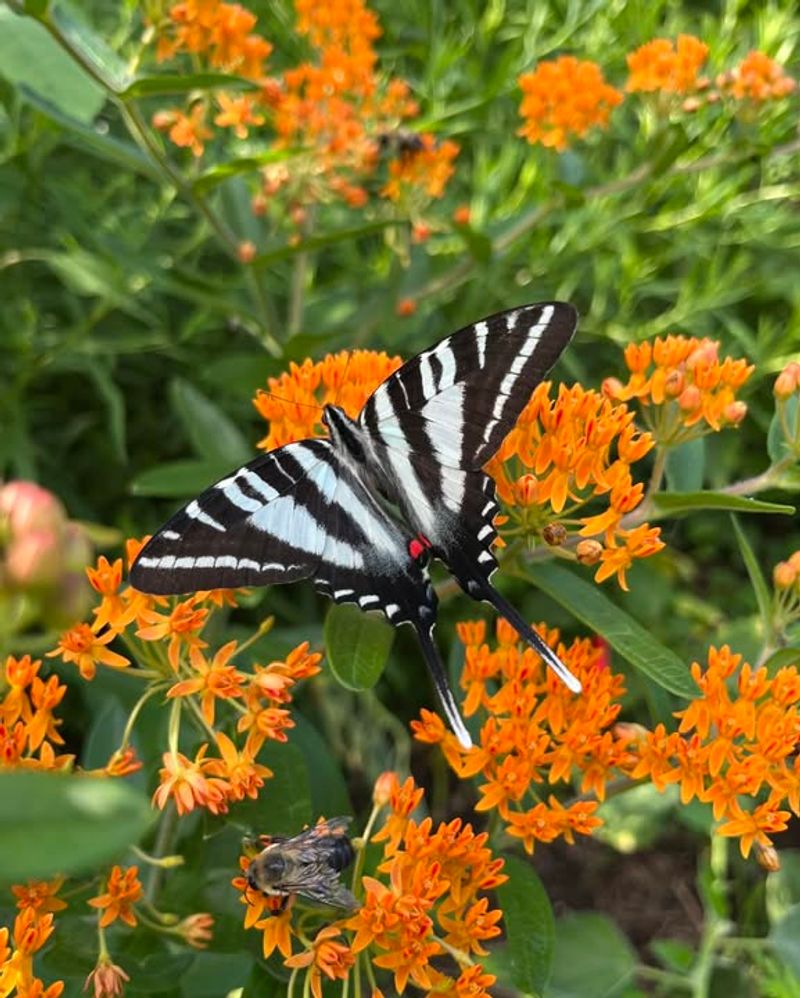
Pollinator planting stops feeling like a niche idea once you see how easily it fits into an everyday Texas yard.
You’re seeing more homeowners add milkweed, zinnias, and native wildflowers because supporting bees and butterflies doesn’t require extra work.
Texas sits along a critical migration path for monarch butterflies, which means even small planting choices matter more than you might expect. A single patch of milkweed can provide food and shelter during a long journey.
Pollinator-friendly plants also change how your yard feels by adding movement, color, and life instead of static greenery.
Watching butterflies and bees move through your garden creates a connection to nature that purely decorative plants rarely offer.
Because many of these plants are native, they handle heat and drought without demanding extra water or care.
You get the benefit of helping wildlife while keeping maintenance low, which makes the choice feel practical instead of idealistic.
Local organizations and extension offices make it easier to start by offering plant lists, design guidance, and even free seeds. As more Texas yards make room for pollinators, the impact spreads beyond individual gardens and strengthens local ecosystems.