Remove These Things From Your Florida Yard Before Spring Arrives
Your Florida yard might look calm right now, but trouble is already hiding in plain sight. That soggy corner, the pile of old pots, the “I’ll deal with it later” clutter by the fence can quietly invite pests, plant disease, mold, and expensive damage before spring even shows up.
Once Florida heat and rain kick in, everything moves fast. Bugs multiply, weeds explode, and fungi spread before you realize what’s happening.
If you want greener grass, healthier plants, and fewer headaches, now is the moment to clean up outdoors. Think about the spots you avoid when mowing and the items you meant to toss months ago.
Those overlooked areas cause the biggest problems. Handle them now and your yard thrives.
Ignore them and you spend spring battling messes instead of enjoying your backyard.
1. Fallen Leaves And Yard Debris
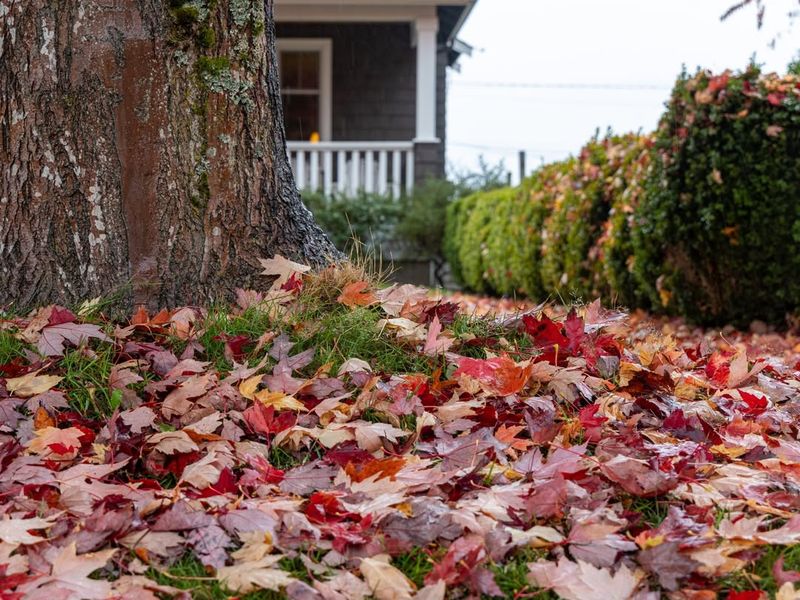
Walking through your Florida yard in late winter often reveals a thick blanket of leaves coating your flower beds and lawn. Oak trees, in particular, drop their leaves heavily during the cooler months across North and Central Florida, while South Florida residents notice debris from tropical storms and heavy rainfall washing through their landscapes.
This layer might look harmless, but underneath it creates a damp, dark environment that can encourage fungal disease development and make it harder for grass to breathe.
Many homeowners make the mistake of leaving these leaves in place, thinking they will break down naturally and feed the soil.
While leaf mulch can be beneficial in woodland areas, thick piles on your lawn block sunlight and trap moisture against plant crowns, encouraging rot and pest hiding spots.
The University of Florida IFAS Extension recommends removing excess leaf litter from turf areas and ornamental beds before spring growth begins.
Rake or blow leaves into piles, then bag them for municipal pickup or add thin layers to your compost bin where they will decompose properly. You can also use a mulching mower to chop leaves finely and spread them thinly across your lawn, allowing nutrients to filter down without smothering the grass.
After clearing, you will notice your yard looks fresher, your grass greens up faster, and spring flowers have room to emerge without fighting through matted debris.
2. Broken Branches And Storm Debris
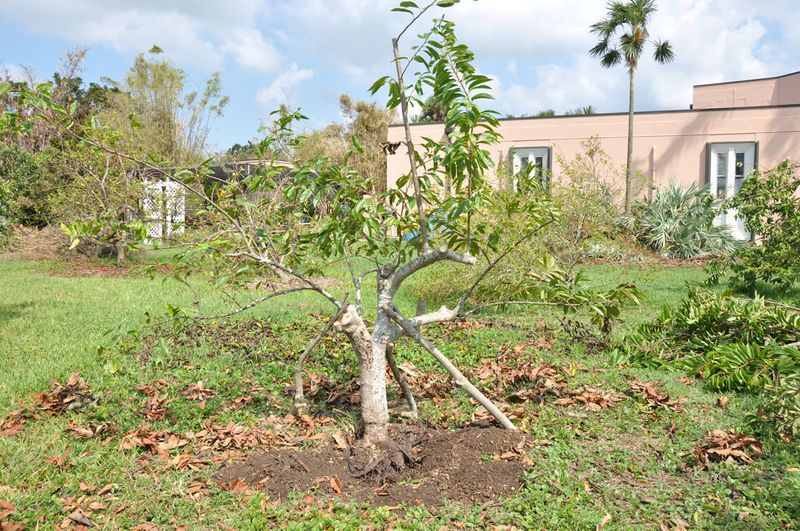
After winter storms roll through Florida, your yard often resembles an obstacle course of snapped branches, scattered twigs, and larger limbs resting against fences or draped over shrubs. Central Florida occasionally experiences strong cold fronts with gusty winds, while South Florida deals with late-season tropical weather that leaves behind plenty of woody debris.
These broken branches are not just an eyesore; they create tripping hazards and provide perfect hiding spots for rodents and insects looking for shelter.
Homeowners frequently delay removing larger branches, assuming they will get to them eventually or hoping they will somehow disappear. Unfortunately, leaving storm debris in place encourages pests to nest nearby and can damage healthy plants underneath as the weight presses down on foliage.
Your Florida Garden Changes Every Week. Your Plan Should Too.
Gardening in Florida changes quickly throughout the season. Every Friday you’ll receive a simple weekly plan showing exactly what to plant, prune, fertilize, harvest, and protect so you never miss the right timing.
The Florida-Friendly Landscaping Program advises clearing all broken branches before spring to reduce pest habitat and improve yard safety.
Start by picking up smaller twigs and stacking them for yard waste collection, then carefully remove larger branches using proper lifting techniques to avoid back injury. If a limb is too heavy or tangled in power lines, contact a professional arborist rather than risking injury.
Once cleared, your yard opens up visually, and you eliminate potential pest nesting sites before the warm weather brings increased insect activity and wildlife movement through your landscape.
3. Invasive Weeds
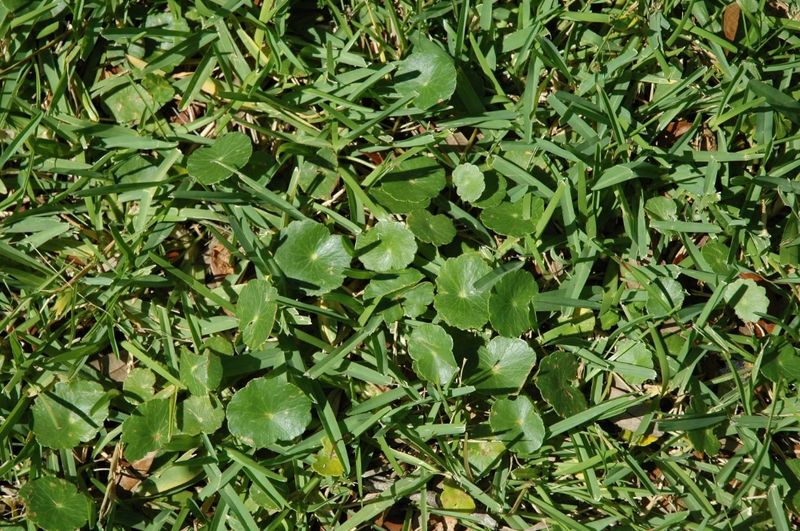
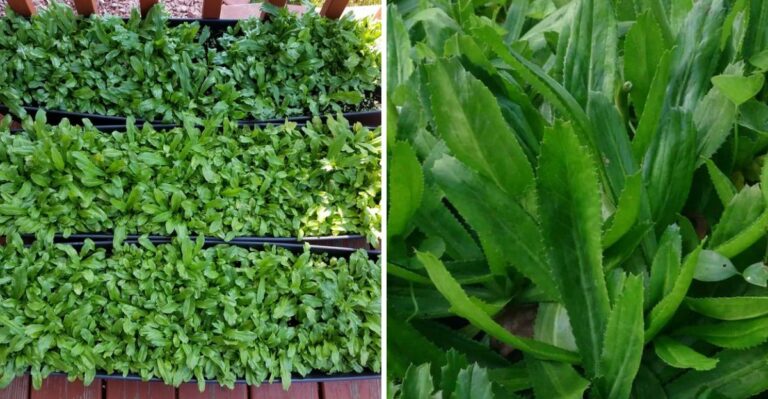
Even during Florida’s mild winters, many aggressive and nuisance weeds continue growing quietly in your flower beds, along fence lines, and between pavers.
You might notice dollar weed creeping through your lawn, Spanish needles sprouting near your mailbox, or air potato vines climbing up your fence posts.
These aggressive plants take advantage of any open space and mild temperatures to establish deep root systems before spring arrives, making them much harder to remove once the growing season begins in earnest.
Many homeowners assume a few weeds here and there are harmless and can wait until spring cleaning. However, allowing these aggressive weeds to mature means they will produce thousands of seeds or spread through underground runners, creating exponentially more work later.
The University of Florida Gardening Solutions emphasizes early removal of invasive weeds to prevent them from outcompeting desirable plants and disrupting your landscape’s balance.
Pull weeds by hand when the soil is slightly moist, ensuring you remove the entire root system to prevent regrowth. For larger infestations, use a hoe or hand weeder to dig out roots, then dispose of the plants in yard waste bags rather than composting them, as some species can survive and spread even in compost piles.
After clearing, you will notice your garden beds look tidier, your ornamental plants have more room to grow, and you have significantly reduced the weed pressure heading into the busy spring season.
4. Standing Water Containers
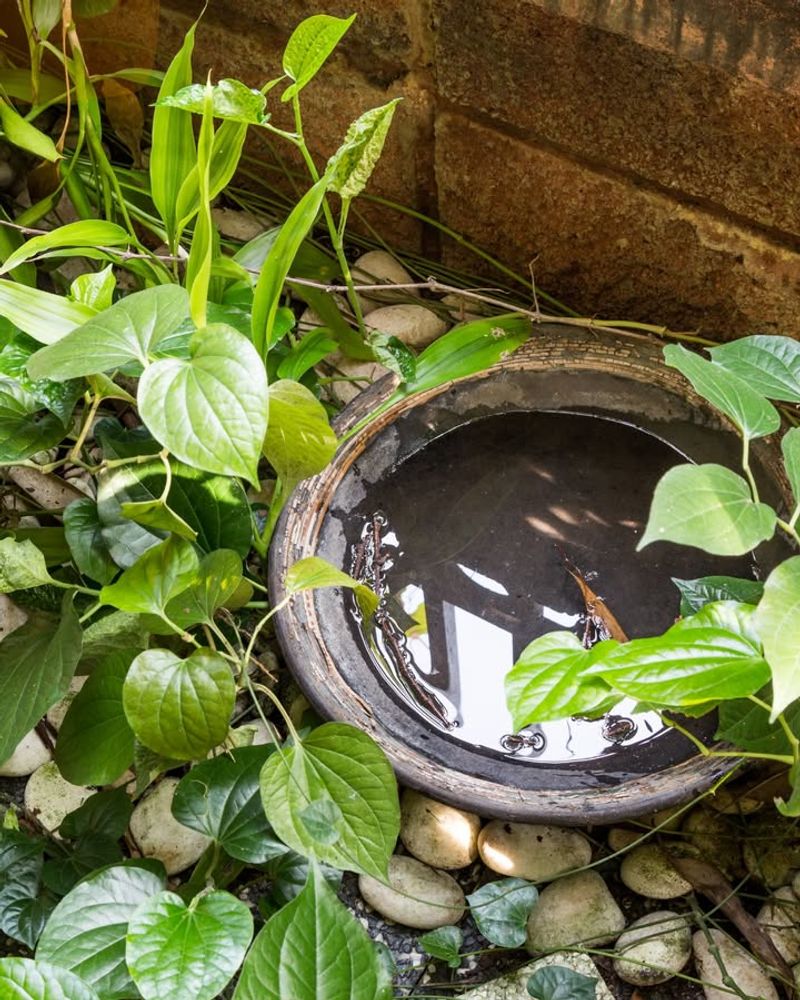
Look around your Florida yard and you will likely spot forgotten buckets, old plant saucers, clogged gutters, or discarded tires holding stagnant water from recent rains. South Florida’s frequent winter showers and Central Florida’s occasional downpours fill these containers quickly, creating perfect mosquito breeding grounds.
Even a bottle cap filled with water can support mosquito larvae, and with Florida’s year-round warm climate, mosquitoes never truly disappear, making standing water removal a critical year-round task.
Homeowners often overlook these small water-holding items, focusing instead on larger cleanup projects and forgetting that mosquitoes only need a few days of standing water to complete their breeding cycle.
The Florida Department of Health consistently reminds residents that eliminating standing water is the single most effective way to reduce mosquito populations around your home, especially before spring when mosquito activity increases dramatically.
Walk your property and flip over any containers, drill drainage holes in items you want to keep outside, and clear debris from gutters and downspouts to ensure water flows freely. Empty birdbaths and pet water bowls every few days, and consider adding mosquito dunks to ornamental ponds or rain barrels that cannot be drained.
After removing standing water sources, you will notice fewer mosquitoes buzzing around your patio, reduced risk of mosquito-borne illnesses, and a more comfortable outdoor environment for your family as spring arrives.
5. Diseased Or Damaged Plants
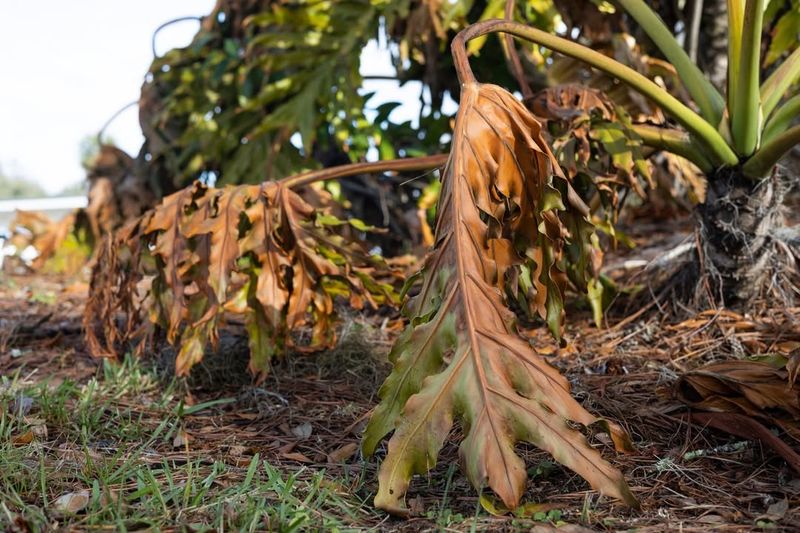
Winter weather in Florida can be surprisingly tough on tender plants, and by late winter you might notice brown, wilted foliage on your impatiens, blackened stems on your hibiscus, or yellowing leaves on your citrus trees. North Florida occasionally experiences freezing temperatures that damage tropical plants, while Central and South Florida residents deal with fungal issues from prolonged humidity and rainfall.
These struggling plants are not just unsightly; they can harbor diseases and pests that may spread to healthy plants once spring growth begins.
Many gardeners hesitate to remove plants that still have some green tissue, hoping they will recover with warmer weather. While some plants do bounce back, keeping severely damaged or diseased specimens in your landscape creates a reservoir of infection that can compromise your entire garden.
The University of Florida IFAS Extension recommends removing and disposing of diseased plant material to prevent the spread of pathogens and pests to healthy plants.
Cut back damaged foliage to healthy tissue using clean, sharp pruners, and remove any plants that show signs of root rot, severe fungal infection, or extensive frost damage. Bag diseased material and dispose of it in yard waste rather than composting, as some pathogens survive the composting process.
After clearing, your garden looks cleaner, air circulation improves around remaining plants, and you have eliminated disease sources that could have caused ongoing problems throughout the spring and summer growing season.
6. Moldy Or Compacted Mulch
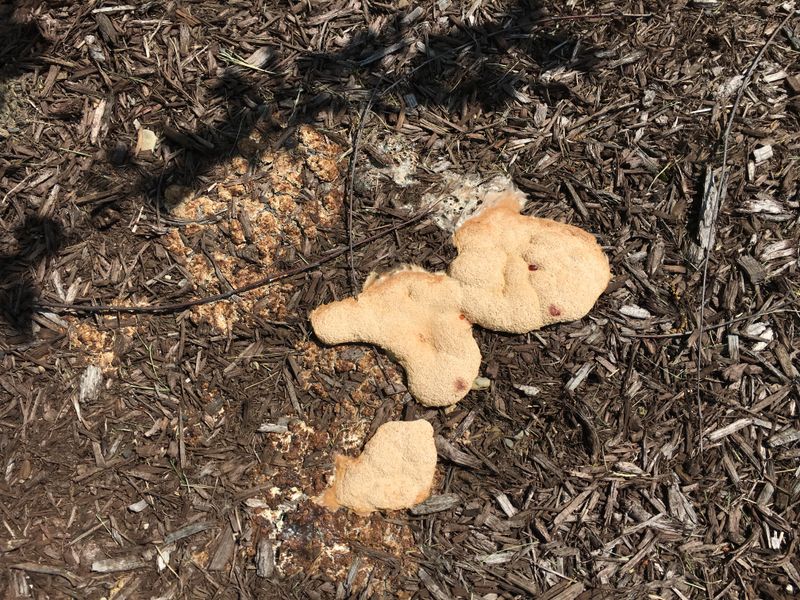
After several months of rain and humidity, the mulch in your Florida flower beds often develops a tired, compacted appearance with white or yellow mold growing on the surface. You might also notice that water no longer soaks in easily, instead pooling on top or running off to the sides.
This happens because organic mulch breaks down over time, especially in Florida’s warm, moist climate, creating a dense mat that prevents air and water from reaching plant roots while providing a cozy home for fungal growth and insect pests.
While most mulch fungi are not harmful to plants, they signal excessive moisture and compaction that should be corrected.
Homeowners commonly make the mistake of piling fresh mulch on top of old, compacted layers, thinking this will refresh the beds. Unfortunately, this creates an overly thick mulch layer that can suffocate plant roots, encourage root rot, and provide even more habitat for pests like termites and roaches.
The Florida-Friendly Landscaping Program recommends maintaining a mulch depth of two to three inches and refreshing beds annually rather than continually adding layers.
Use a rake or cultivator to break up compacted mulch, removing any moldy or sour-smelling material and disposing of it in yard waste bags. If the mulch has decomposed significantly, remove most of it and apply a fresh two to three inch layer, keeping mulch pulled back a few inches from plant stems and tree trunks to prevent rot.
After refreshing your mulch, you will notice improved water penetration, healthier plant growth, and a cleaner, more polished appearance that welcomes spring with renewed vitality and aesthetic appeal.
7. Unused Lawn Furniture Or Broken Yard Items
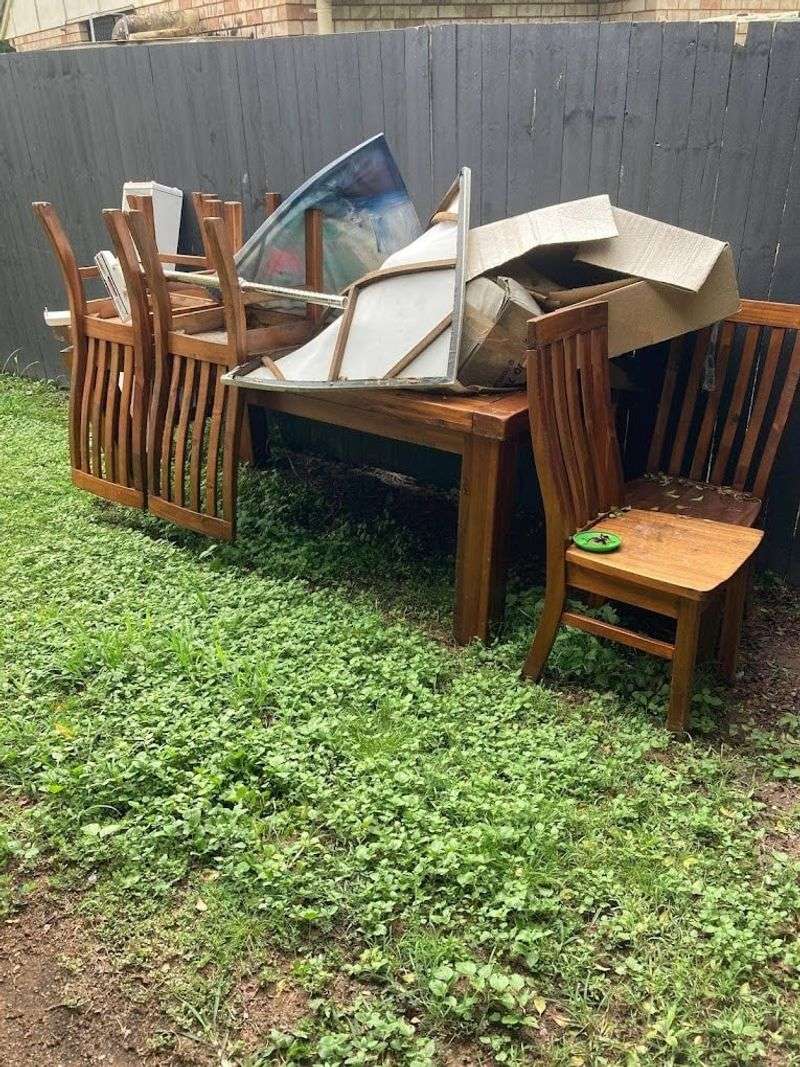
Take a good look at your Florida yard and you might be surprised by how many forgotten items have accumulated over the winter months.
Rusty patio chairs tucked behind the shed, a cracked planter leaning against the fence, broken garden tools propped near the garage, and faded pool toys scattered near the lanai all contribute to a cluttered, neglected appearance.
These items not only make your yard look messy, but they also create hiding spots for snakes, rodents, and insects seeking shelter from predators and weather.
Homeowners often intend to fix or use these items eventually, so they leave them sitting in corners where they gradually deteriorate and become even less useful. The longer they remain, the more they blend into the landscape and attract pests, while also making it difficult to mow, edge, and maintain your yard properly.
The University of Florida IFAS Extension notes that reducing clutter around your home decreases pest habitat and improves overall yard maintenance efficiency.
Gather all unused or broken items and decide whether each one can be repaired, donated, or needs to be disposed of properly. Recycle metal items at a local scrap yard, donate usable furniture to charity, and dispose of broken plastics according to your municipality’s guidelines.
Once cleared, your yard feels more spacious and organized, mowing becomes easier, and you have eliminated numerous pest hiding spots before spring brings increased wildlife and insect activity to your property.
8. Overgrown Low Branches And Shrubs
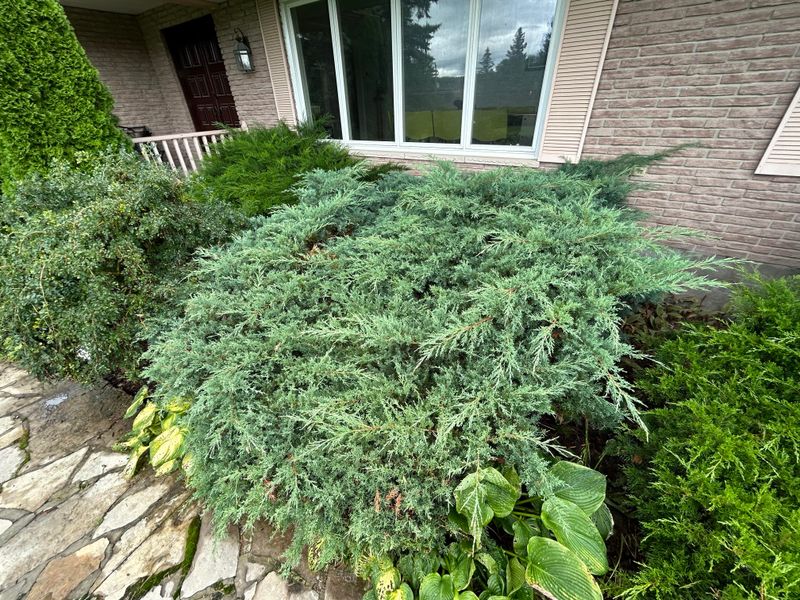
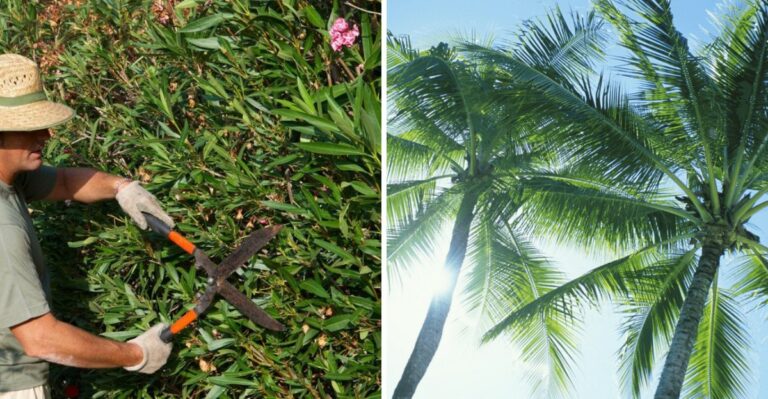
During Florida’s mild winters, many shrubs and trees continue growing slowly, and by late winter you might notice low branches hanging into walkways, shrubs blocking windows, or hedges growing unevenly across your property. These overgrown plants create a messy, unkempt appearance and can scratch visitors walking to your front door or block sight lines when backing out of your driveway.
Additionally, branches touching your home’s exterior provide convenient highways for ants, termites, and other pests to access your house.
Many homeowners delay pruning until spring is fully underway, but by then plants are actively growing and pruning can interfere with flowering or stimulate excessive new growth that requires additional maintenance.
The University of Florida IFAS Extension recommends pruning many Florida landscape plants in late winter before spring growth begins, depending on species, allowing plants to heal quickly and direct energy into healthy new growth rather than recovering from pruning wounds during peak growing season.
Use clean, sharp pruners or loppers to remove low-hanging branches, cutting back to a lateral branch or bud rather than leaving stubs that invite disease. Trim shrubs to maintain their natural shape while opening up walkways and sight lines, and pull branches away from your home’s siding and roof.
After pruning, your yard looks neater and more intentional, foot traffic flows more easily through your landscape, and you have reduced pest access points to your home just as spring insect activity begins to increase across Florida.
9. Old Bird Nests And Animal Debris
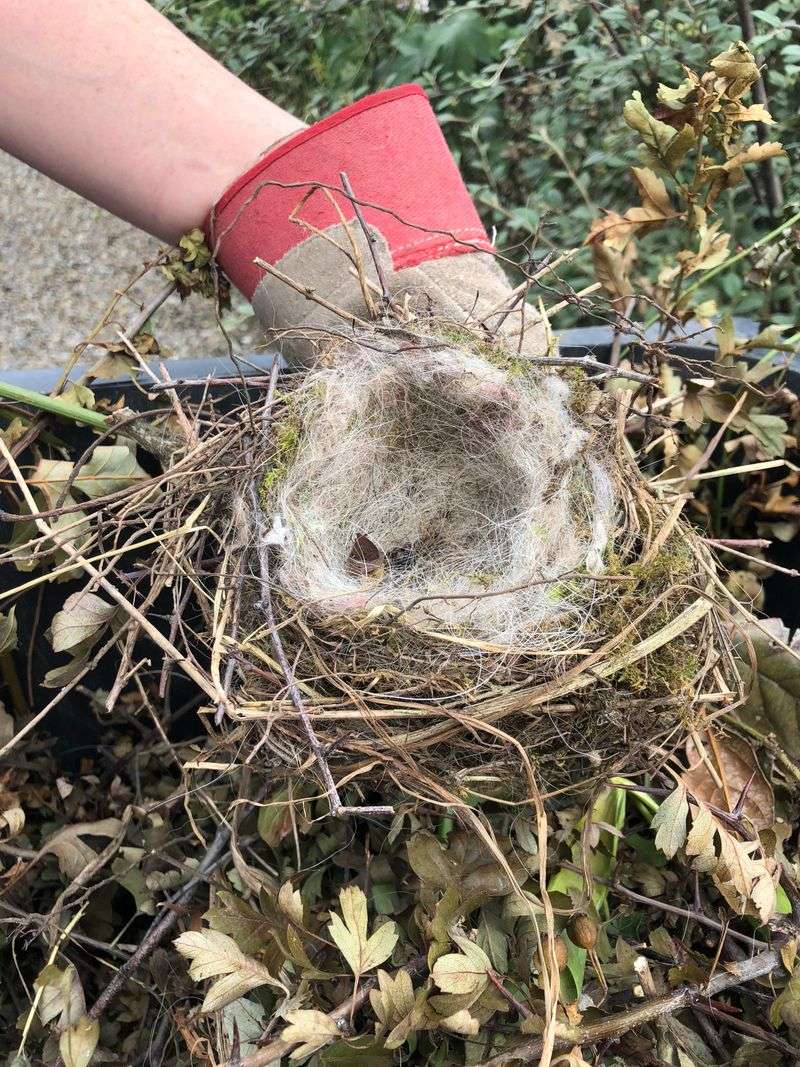
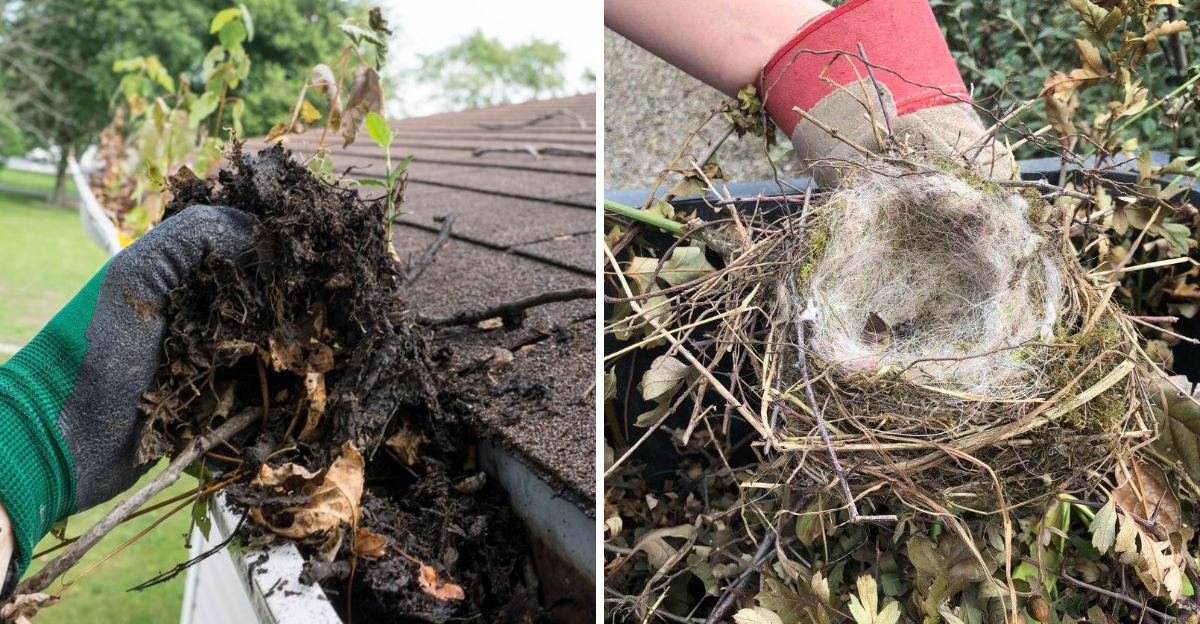
While cleaning your Florida yard before spring, you might discover old bird nests tucked in shrubs, squirrel nests high in trees, or evidence of raccoon activity near your garbage area. These remnants from winter wildlife activity are often abandoned by late winter, but they can harbor parasites, mites, and pathogens that pose risks to both humans and pets.
Additionally, leaving old nests in place may encourage the same animals to return and rebuild in those exact spots, potentially creating conflicts if the location is too close to high-traffic areas of your yard.
Homeowners sometimes feel uncertain about removing nests, worrying they might disturb active wildlife. However, once you confirm nests are inactive and abandoned, it is safe and beneficial to remove old nests before spring nesting begins again.
Never remove active nests that contain eggs or chicks. The Florida Fish and Wildlife Conservation Commission notes that removing abandoned nests and animal debris helps reduce parasite populations and discourages unwanted wildlife from establishing permanent residence too close to your home.
Check shrubs, eaves, and trees for old nests, and use gloves to carefully remove them, placing the material in sealed bags for disposal. Clean areas where animals have been active, removing droppings and nesting material that could attract pests.
After clearing, your yard becomes less attractive to nuisance wildlife, parasite populations decrease, and you have created a cleaner environment before spring brings new waves of animal activity and nesting behavior throughout your Florida landscape.
10. Clogged Drainage Areas And Gutter Debris
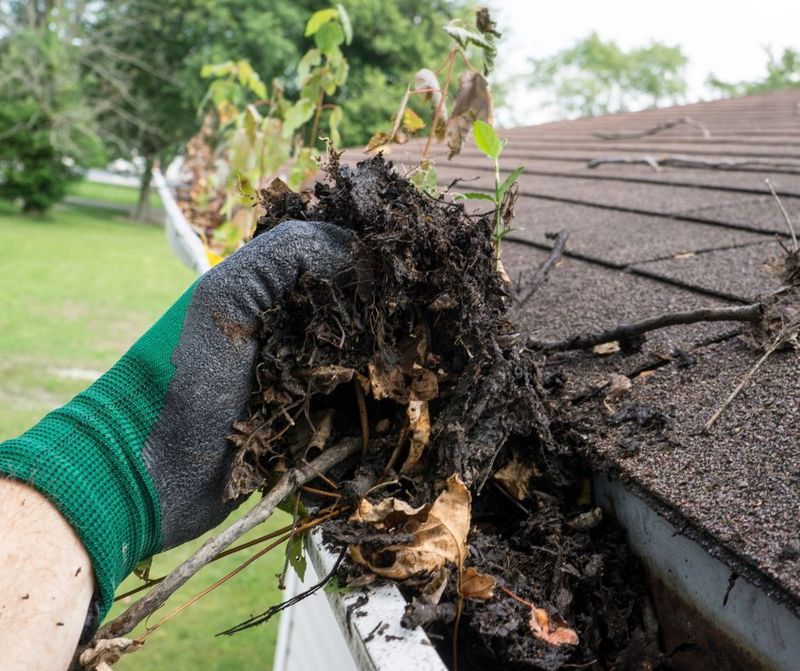
Florida’s winter rains can be surprisingly heavy, and over time leaves, pine needles, and organic debris accumulate in your gutters, downspouts, and yard drainage areas. You might notice water pooling near your foundation after a storm, gutters overflowing during heavy rain, or drainage swales filled with decomposing leaves.
These clogged areas prevent proper water flow, leading to foundation damage, landscape erosion, and creating additional standing water that attracts mosquitoes and encourages fungal disease problems in your landscape plants.
Many homeowners focus on visible yard cleanup while neglecting drainage systems, not realizing that clogged gutters and drains cause ongoing problems that worsen with spring’s heavy rainfall season.
The University of Florida IFAS Extension emphasizes proper drainage maintenance as a critical component of Florida landscape health, particularly before the summer rainy season arrives with its intense afternoon thunderstorms and tropical weather systems.
Clean gutters by hand or with a blower, flushing downspouts with a hose to ensure water flows freely. Remove debris from drainage swales, French drains, and catch basins, checking that water can move away from your home’s foundation efficiently.
If you discover persistent drainage problems, consider consulting a professional to improve grading or install additional drainage solutions.
After clearing, water flows properly away from your home and landscape, reducing foundation risks, eliminating mosquito breeding sites, and ensuring your yard can handle spring and summer rainfall without flooding or erosion issues.
Always follow local wildlife regulations and use proper safety equipment when performing yard maintenance.