This Cheap Florida Wildflower Upgrade Instantly Transforms Your Yard
Your yard doesn’t have to be expensive to look amazing. Small changes can make a huge difference, especially when you pick the right plants.
One simple upgrade can take your space from “meh” to magical without draining your wallet. Forget complicated landscaping projects or pricey imports.
Florida’s wildflowers are tough, colorful, and built to thrive in the sun, heat, and rain that stop other plants in their tracks. They bring movement, life, and bursts of color that feel effortless but make a statement.
Even a few well-placed blooms can transform bare spots, tired flower beds, or overgrown corners into vibrant focal points. You don’t need a huge budget or endless maintenance to get a yard that looks curated, alive, and full of energy.
This cheap wildflower trick gives your Florida yard an instant upgrade, and it’s one your neighbors won’t stop noticing.
1. Why Florida Homeowners Are Ditching Grass For Wildflowers
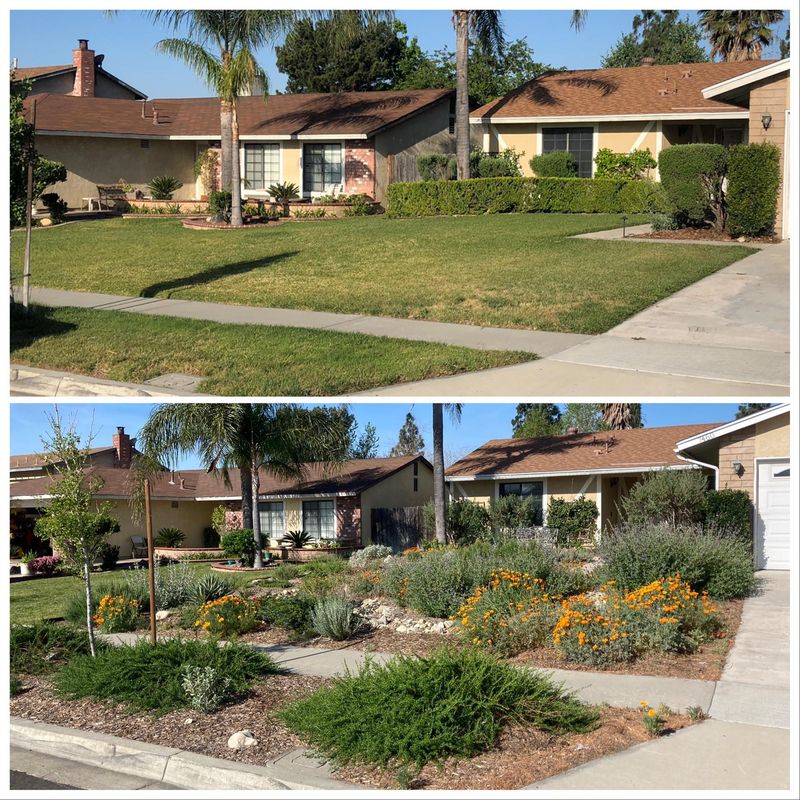
Picture your neighbor’s yard in late March, suddenly exploding with orange, yellow, and purple blooms while your grass looks patchy and brown. That’s the moment many Florida homeowners realize grass isn’t worth the struggle anymore.
Our sandy soils drain fast, summer heat stresses turf relentlessly, and watering bills climb higher every year.
Wildflowers solve all of that. Once established, they need far less water than grass and thrive in Florida’s intense sun.
They grow quickly, often blooming within six to eight weeks of planting, giving you that instant transformation without waiting months for results.
South Florida homeowners especially appreciate how wildflowers handle coastal salt spray and year-round warmth. Central Florida residents love how blooms fill in bare spots left by sandy soil.
North Florida gardeners enjoy cooler-season varieties that grass can’t compete with visually.
You’re not just saving water and money. You’re creating a landscape that works with Florida’s climate instead of fighting it.
Wildflowers adapt naturally, reseed themselves, and require almost no fertilizer once they’re growing strong. That means less mowing, less chemicals, and more time enjoying your yard instead of maintaining it.
The shift feels effortless once you see how quickly wildflowers take over and flourish.
2. The Tiny Budget Upgrade Making A Huge Visual Impact
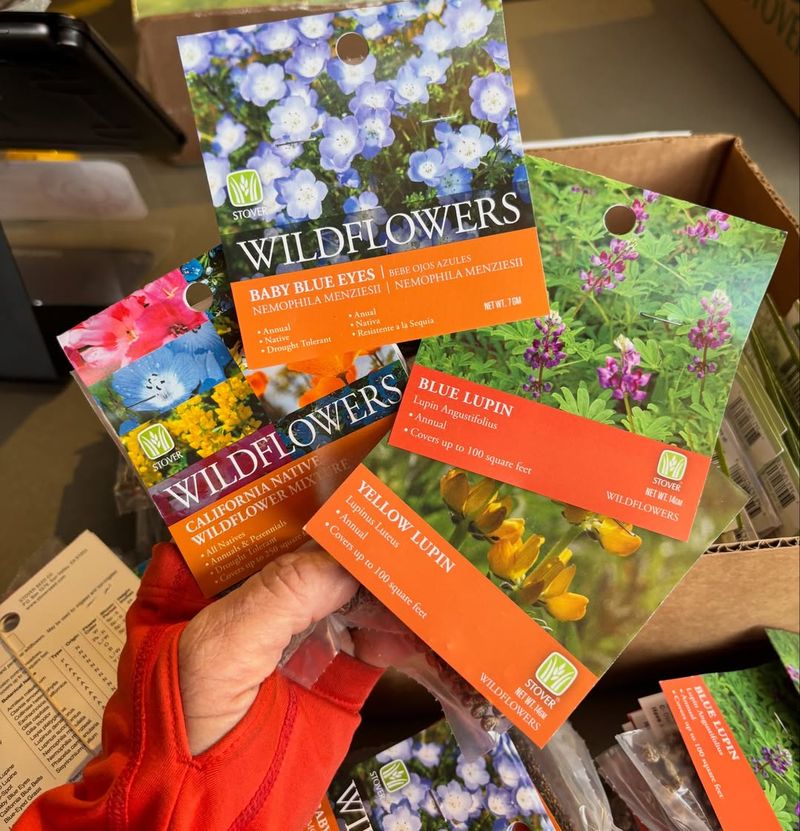
Walk into any garden center in February and you’ll find wildflower seed packets for less than the cost of a fast-food meal. A single packet covering a hundred square feet costs around five to ten dollars, and that’s enough to transform a front yard border or side garden bed.
Compare that to sod installation or buying flats of annuals, and the savings become obvious immediately.
Wildflower seeds germinate fast in Florida’s warm soil, especially if you plant between October and February. You’ll see green shoots within a week and blooms starting around six weeks later.
The visual payoff happens faster than almost any other landscaping upgrade you can make.
Central Florida’s sandy soils work perfectly for wildflowers because most varieties prefer well-drained ground. You don’t need to amend the soil heavily or add expensive topsoil.
Your Florida Garden Changes Every Week. Your Plan Should Too.
Gardening in Florida changes quickly throughout the season. Every Friday you’ll receive a simple weekly plan showing exactly what to plant, prune, fertilize, harvest, and protect so you never miss the right timing.
Just rake the surface lightly, scatter seeds, and water gently until they sprout.
South Florida gardeners can plant most wildflowers year-round, except during the hottest summer months (June–August), when germination may slow. North Florida gardeners should plant in early spring or fall when soil temperatures are consistently above 60°F to ensure good germination.
Either way, you’re looking at minimal upfront cost and maximum color return. When sown densely and evenly, wildflowers can create bold splashes of color, but seed coverage and proper planting affect how quickly the display fills in.
3. Where This Upgrade Works Best Around Your Yard
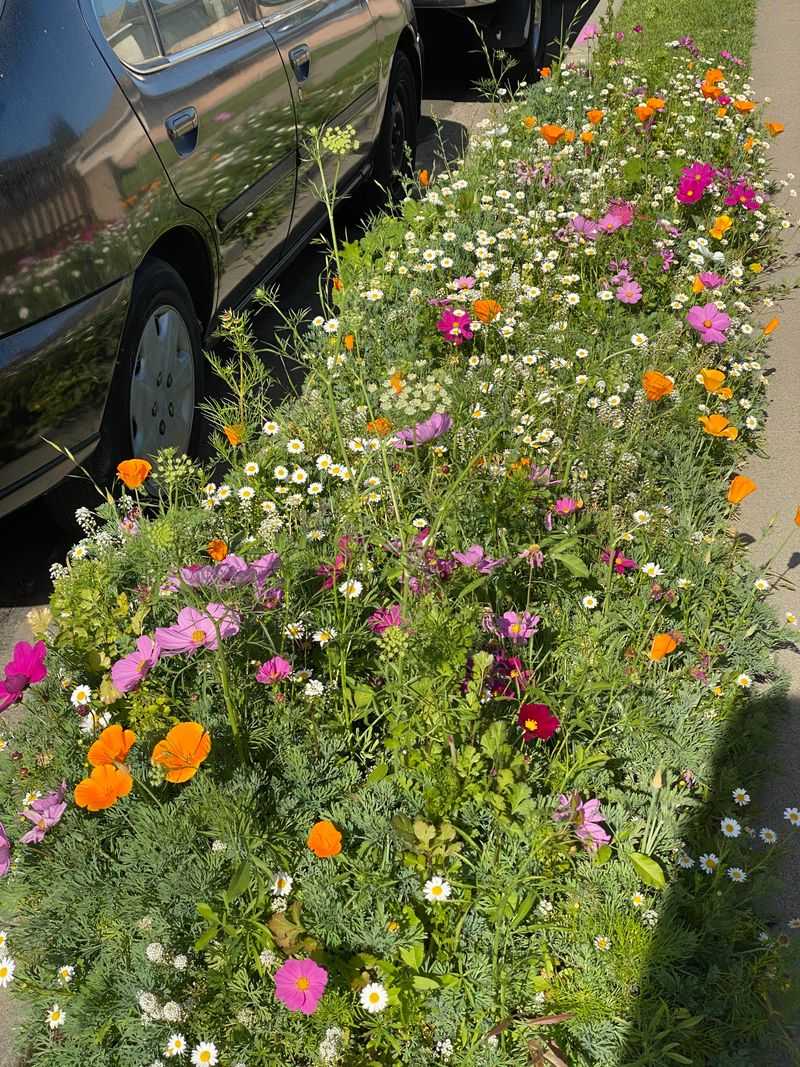
Your driveway edges probably look bare and uninviting right now, but wildflowers turn them into colorful welcome strips within weeks. These high-visibility spots get full sun most of the day, which is exactly what wildflowers crave.
You’ll notice the transformation every single time you come home.
Mailbox areas are another perfect candidate. Instead of struggling to keep grass alive in compacted soil near the curb, plant a wildflower circle that blooms continuously and needs almost no care.
Neighbors will ask what you planted because the color pops from the street.
Side yards often get neglected because they’re narrow and hard to mow. Wildflowers fill these spaces beautifully, creating natural pathways of color that make your property feel larger and more intentional.
They also work wonderfully along fence lines, softening harsh boundaries and adding privacy through height and texture.
South Florida homeowners find wildflowers thrive near patios and pool areas where salt and chlorine drift. Central Florida gardeners love using them in rain garden spots where water collects briefly after storms.
North Florida yards benefit from wildflower borders around vegetable gardens, attracting pollinators that boost harvest yields. Wherever you plant them, wildflowers adapt quickly and fill space with vibrant life.
4. The Wildflower Varieties That Perform Best In Florida Heat
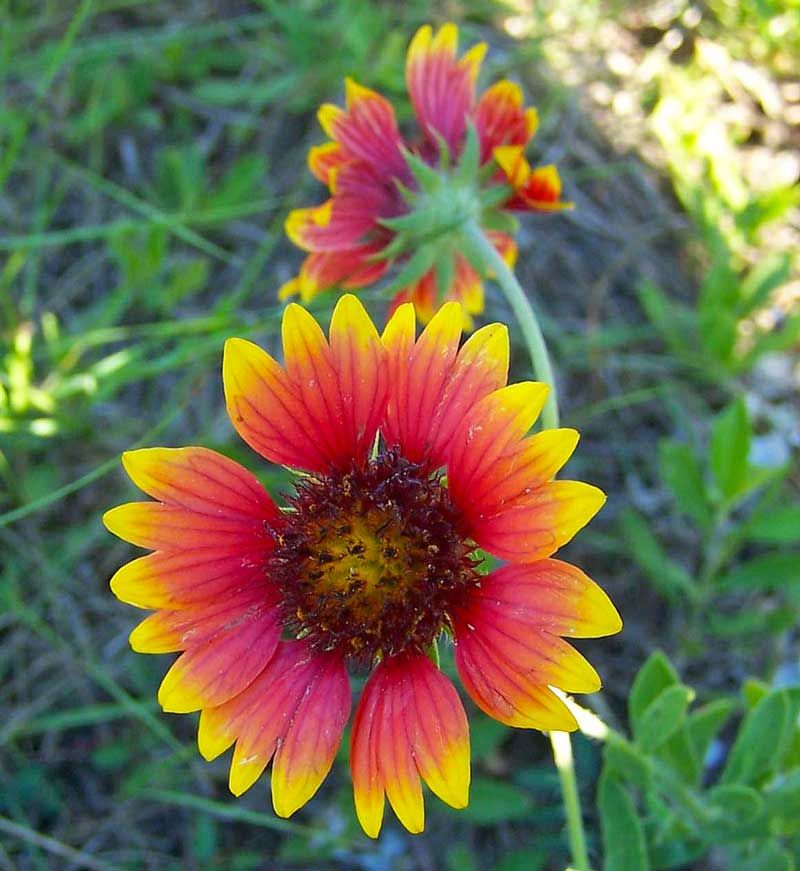
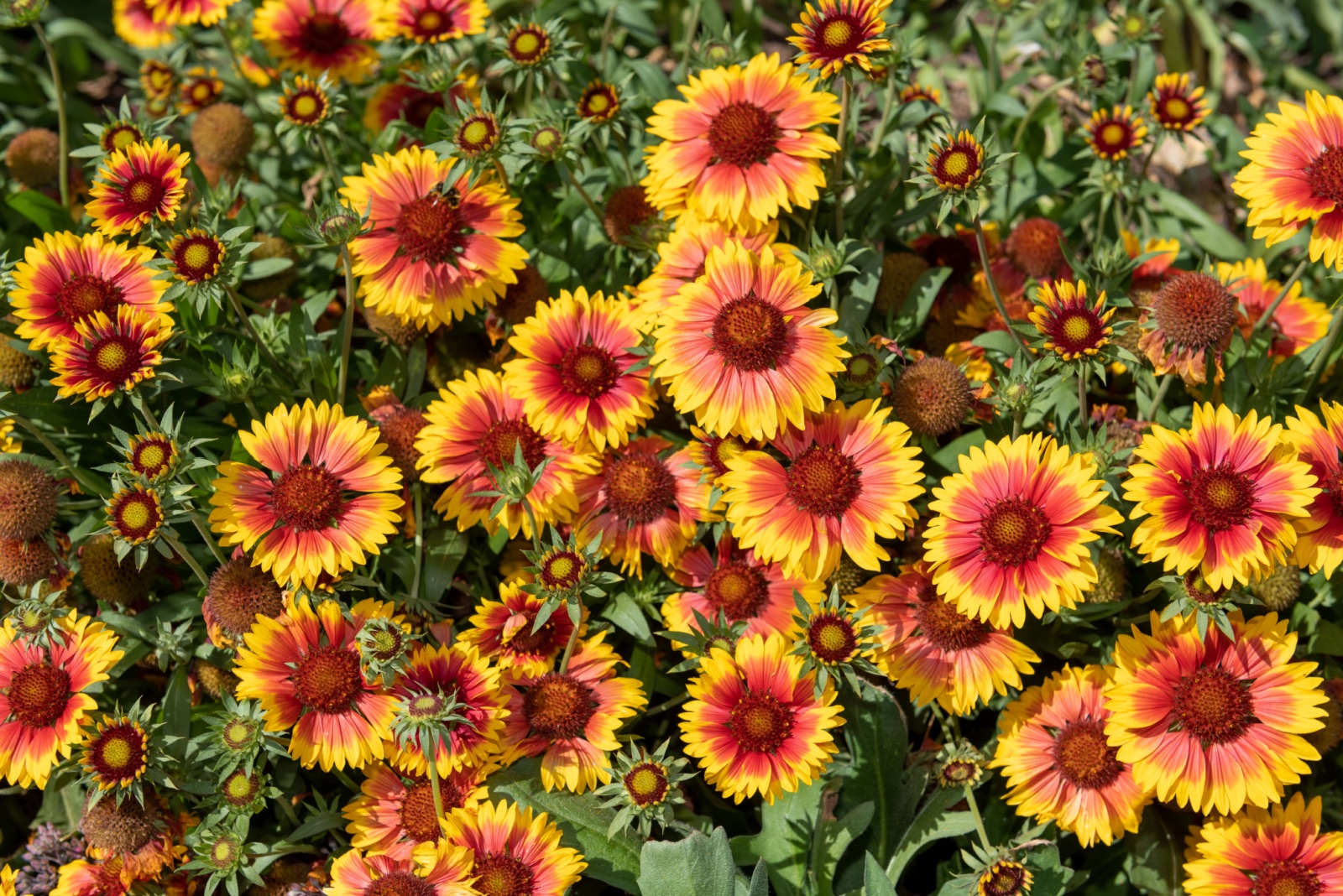
Blanket flower, scientifically known as Gaillardia, thrives in Florida’s scorching summer sun and blooms in fiery reds, oranges, and yellows. This native wildflower handles drought beautifully once established and reseeds itself year after year.
You’ll see blooms from spring through fall, giving you months of continuous color.
Black-eyed Susans bring cheerful yellow petals with dark centers, and they’re incredibly forgiving in sandy soils. They grow tall enough to create visual interest without overwhelming smaller spaces.
Butterflies and bees visit them constantly, adding movement and life to your yard.
Coreopsis is Florida’s state wildflower for good reason. It blooms prolifically in bright yellow, tolerates heat and humidity, and requires almost no maintenance once it’s growing.
Central and North Florida gardeners see it bloom heaviest in spring, while South Florida enjoys longer bloom periods.
Purple coneflower, or Echinacea, adds height and structure with its distinctive spiky centers and purple-pink petals. It’s tougher than it looks and handles full sun without wilting.
Goldfinches love the seed heads later in the season, giving you bird activity even after blooms fade. These varieties all align with University of Florida IFAS recommendations and perform reliably across the state’s diverse climate zones.
5. How To Prep Your Yard For Fast Wildflower Success
Start by clearing the area where you want wildflowers to grow. You don’t need to remove grass entirely, but raking away heavy thatch and pulling obvious weeds gives seeds better soil contact.
Wildflowers compete poorly with established grass, so creating a clean starting surface helps them germinate faster and grow stronger.
Loosen the top inch or two of soil with a rake or hand cultivator. Florida’s sandy soils usually don’t need deep tilling, and excessive digging can actually bring up weed seeds that will compete with your wildflowers.
Keep it simple and surface-level for best results.
Mix your wildflower seeds with sand before spreading them. This helps you distribute seeds evenly and prevents clumping, which can lead to bare spots or overly dense patches.
Scatter the mixture by hand or use a small broadcast spreader if you’re covering a larger area.
Water gently right after planting and keep the soil lightly moist for the first two weeks. Once seedlings emerge, you can reduce watering significantly.
South Florida’s year-round warmth means seeds sprout fast, while Central and North Florida gardeners should time planting when soil temperatures stay consistently above sixty degrees. Avoid using fertilizer at planting time because wildflowers prefer lean soils and too much nitrogen encourages weeds instead of blooms.
6. Simple Maintenance That Keeps Blooms Coming Back
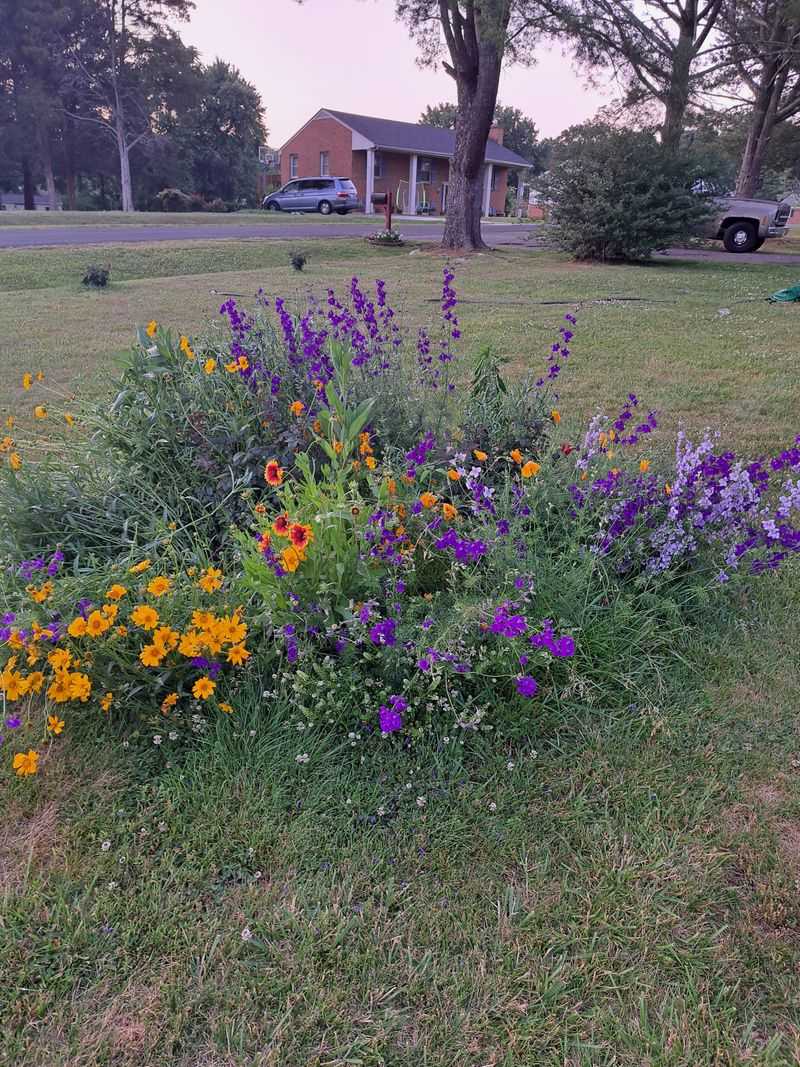
Once your wildflowers are blooming, you’ll barely need to touch them. Water only during extended dry spells, and even then, a deep soak once a week is usually enough.
Florida’s summer rains typically provide all the moisture established wildflowers need, especially if you planted drought-tolerant varieties like blanket flower or coreopsis.
If you want to extend the bloom period, simply pinch off faded flowers every couple of weeks.
Let seed heads remain on plants toward the end of the growing season. This allows wildflowers to self-sow, meaning you’ll get new blooms next year without replanting.
Birds will also visit to eat the seeds, adding another layer of wildlife activity to your yard.
Avoid using pesticides anywhere near your wildflower beds. These plants attract pollinators naturally, and chemicals harm the very creatures that make your yard come alive.
If weeds pop up, hand-pull them while they’re small rather than spraying. North Florida gardeners can cut back wildflowers in late fall to tidy up beds before winter, while South Florida residents can leave plants standing year-round since frost rarely threatens growth.
7. The Pollinator Boom That Comes With This Upgrade
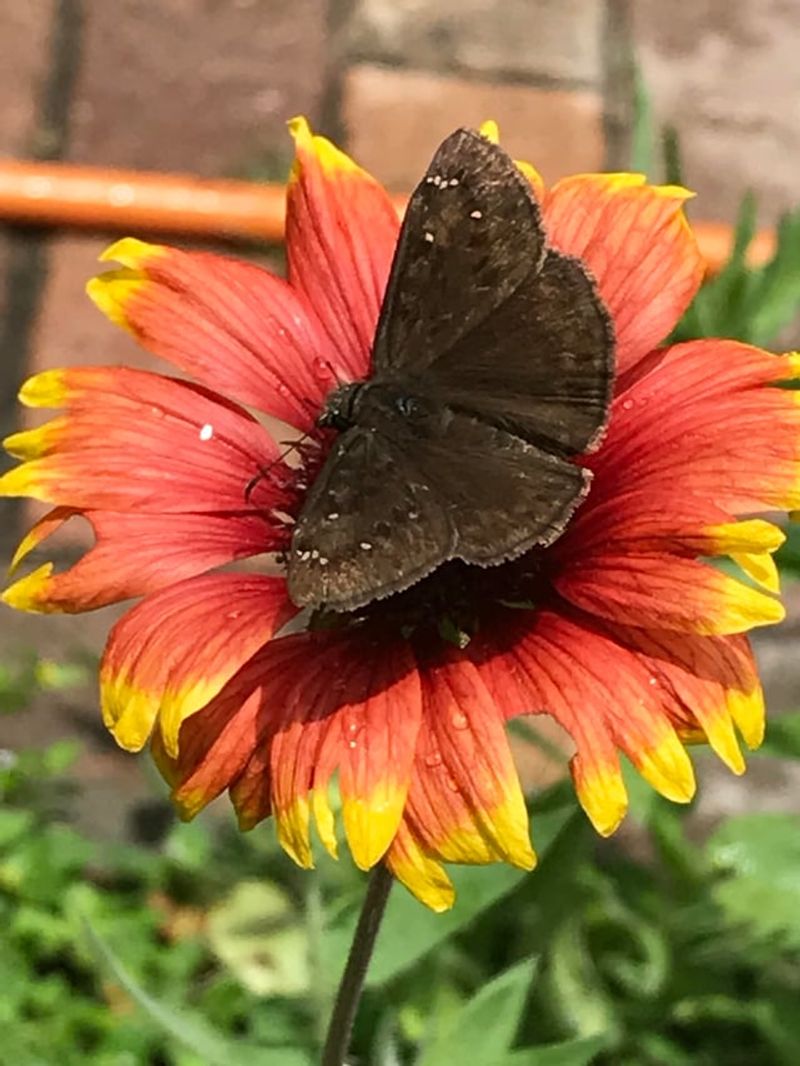
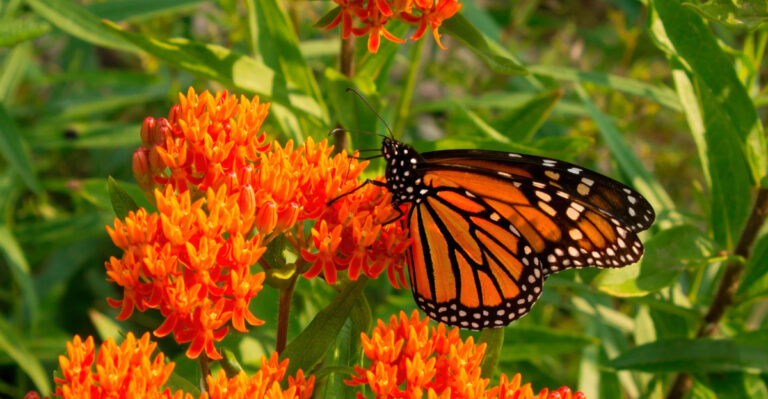
Within days of your wildflowers blooming, you’ll notice butterflies you’ve never seen before visiting your yard. Monarchs, swallowtails, and gulf fritillaries all seek out wildflower nectar, and they’ll return daily once they discover your plantings.
Watching them flutter from bloom to bloom adds a sense of movement and life that grass could never provide.
Bees arrive just as quickly. Native bees, honeybees, and bumblebees all depend on wildflower pollen and nectar, especially during Florida’s long growing season.
These pollinators help nearby vegetable gardens and fruit trees produce better harvests, making your wildflower upgrade beneficial far beyond its visual appeal.
Hummingbirds visit red and orange wildflowers like blanket flower and scarlet sage. You’ll hear their distinctive hum before you see them, and once they claim your yard as a feeding spot, they’ll return throughout the season.
Providing a small shallow water source nearby, like a birdbath with pebbles, helps them stay hydrated in Florida’s heat.
University of Florida IFAS Extension emphasizes that native and Florida-adapted wildflowers support pollinator populations far better than non-native ornamentals. Your yard becomes a mini habitat, contributing to broader ecosystem health while giving you a front-row seat to nature’s activity.
The pollinator boom feels like a bonus, but it’s really one of the most valuable outcomes of your wildflower upgrade.
8. The Backyard Transformation You’ll Notice First
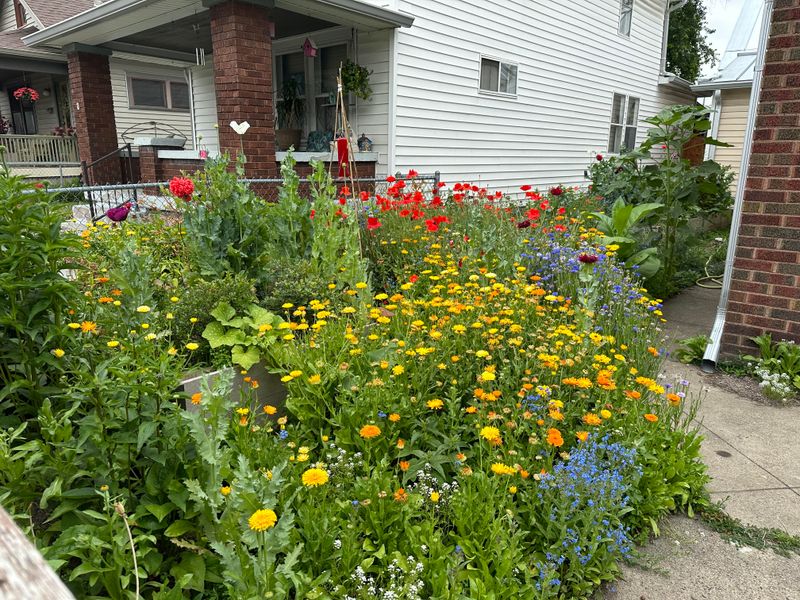
With proper coverage, color is the first thing that hits you. Wildflowers can transform a yard from flat and monotone into layered, vibrant hues that change throughout the day.
Morning light makes yellows and oranges glow, while late afternoon sun deepens purples and reds into rich, saturated tones.
Your yard suddenly feels bigger and more intentional. Wildflowers define spaces naturally, creating borders and focal points without needing hardscaping or expensive edging.
Visitors comment on how professional your landscaping looks, even though you spent a fraction of what traditional designs would cost.
The sounds change too. You’ll hear bees buzzing, birds singing, and the rustle of butterfly wings on calm mornings.
Your yard becomes a sensory experience instead of just a visual backdrop, and that shift makes spending time outdoors far more enjoyable.
South Florida homeowners notice wildflowers bloom almost year-round, providing constant color even in winter months. Central Florida gardeners enjoy peak blooms in spring and fall, with some varieties lasting through summer heat.
North Florida residents see dramatic spring displays that rival any traditional flower bed. No matter where you live in Florida, the transformation feels immediate and deeply satisfying.
You’ll wonder why you ever spent so much effort on grass when wildflowers deliver so much more beauty with so much less work.