These 7 Plants Can Support Natural Pest Control In Your Florida Yard
Pests are a part of every Florida garden, but your yard does not have to struggle. Certain plants attract helpful insects and pollinators that naturally manage pests while bringing color and life to your landscape.
Choosing the right plants gives your garden built-in support. Ladybugs, lacewings, and parasitic wasps are just a few allies that help protect flowers, vegetables, and shrubs without any chemicals.
Plants that thrive in Florida heat and rain can do more than survive. They create a balanced ecosystem where plants flourish and pests stay in check.
Add them to your yard, and you will enjoy a healthier, more vibrant garden that works with nature instead of against it.
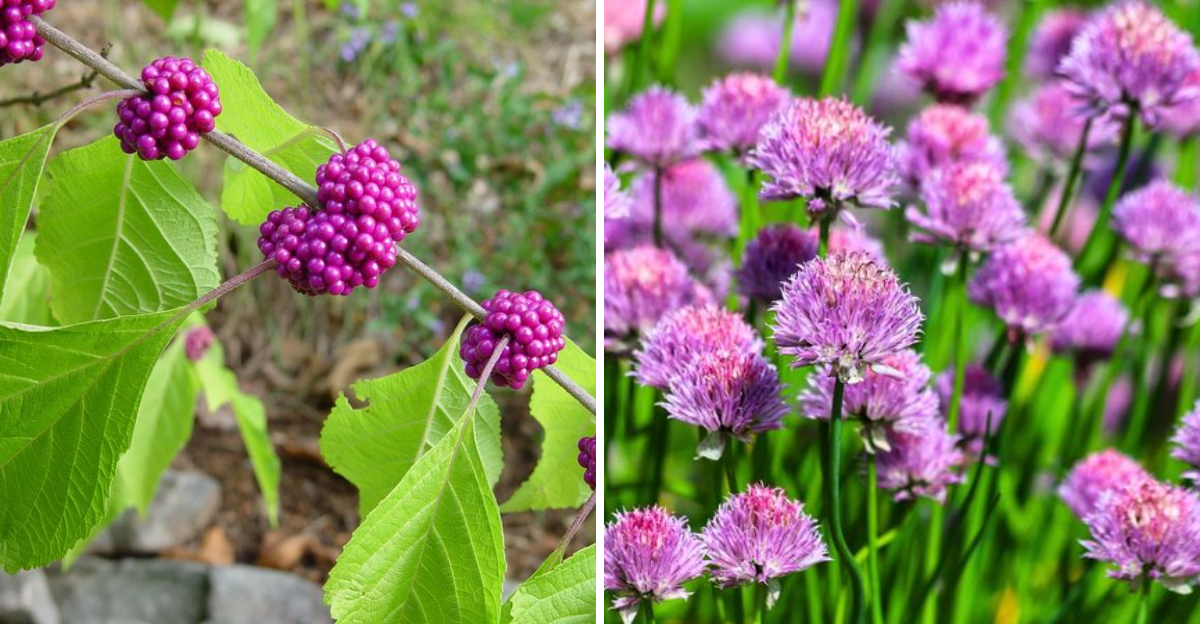
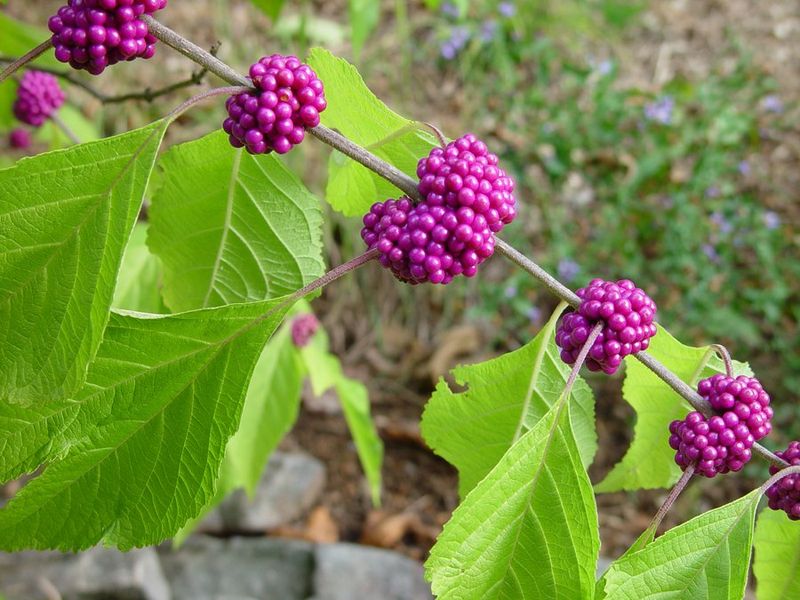
1. American Beautyberry Brings Natural Mosquito Defense To Your Yard
When you walk past certain shrubs in late afternoon and notice fewer mosquitoes landing on your arms, you are probably standing near a plant that releases compounds those insects avoid.
American beautyberry contains natural compounds that have shown mosquito-repelling activity when extracted, and brushing the leaves may temporarily discourage mosquitoes at very close range.
Research from the USDA and University of Mississippi confirmed that callicarpenal and related compounds extracted from beautyberry foliage show mosquito-repelling activity.
This native Florida shrub thrives in partial shade and adapts well to the sandy soils found across Central and North Florida. In South Florida, beautyberry benefits from afternoon shade during the hottest months, which helps prevent leaf scorch while maintaining its pest-deterring properties.
Plant it along walkways, near patios, or around garden beds where you spend time in the evening.
Beautyberry requires minimal maintenance once established. Water it during dry spells in the first year, then let natural rainfall take over.
Prune lightly in late winter to encourage dense growth and maximize leaf surface area, which increases the release of protective compounds.
Some homeowners report fewer mosquito landings immediately around disturbed beautyberry foliage, especially when the shrub is brushed or disturbed, releasing more of its natural oils. The purple berries also attract songbirds in fall, adding wildlife interest to your yard while supporting a balanced ecosystem that reduces reliance on chemical treatments.
2. Marigolds Add Color While Guarding Garden Beds
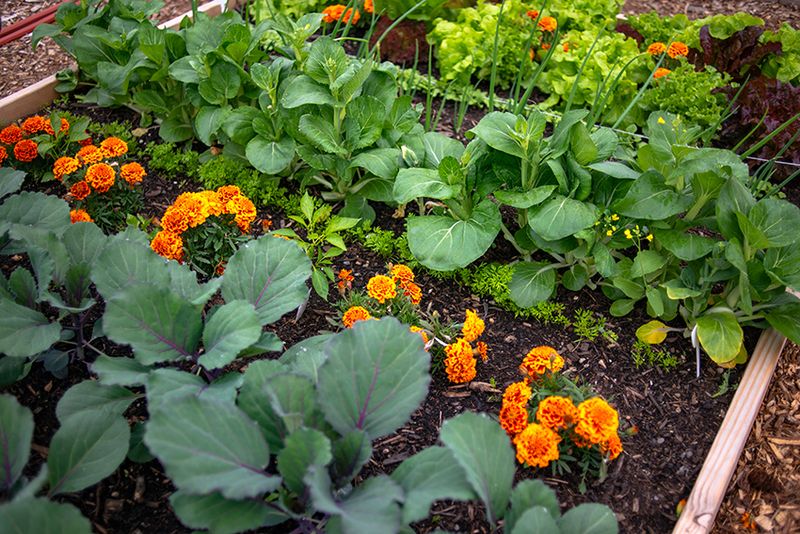
Vegetable gardeners in Florida often plant marigolds between tomato rows and notice fewer aphids, whiteflies, and nematodes damaging their crops. Certain marigold varieties suppress root-knot nematodes when grown densely as a pre-plant cover crop and incorporated into the soil, but interplanting alone provides limited nematode control.
Above ground, the strong scent of marigold leaves confuses many flying pests, making it harder for them to locate host plants.
French marigolds and African marigolds both perform well in Florida heat, but French varieties tend to handle humidity better and bloom more consistently through summer. Plant them around the edges of raised beds, intersperse them among peppers and squash, or use them as colorful borders along pathways.
In South Florida, marigolds can bloom nearly year-round if you deadhead spent flowers regularly.
These annuals need full sun and well-drained soil to thrive. Water them at the base rather than overhead to prevent fungal issues in humid conditions.
Your Florida Garden Changes Every Week. Your Plan Should Too.
Gardening in Florida changes quickly throughout the season. Every Friday you’ll receive a simple weekly plan showing exactly what to plant, prune, fertilize, harvest, and protect so you never miss the right timing.
Marigolds reseed readily, so you may find volunteer plants appearing in spring if you allow some flowers to mature and drop seeds.
Homeowners usually observe stronger vegetable growth and fewer pest infestations in beds where marigolds are planted densely.
The bright orange and yellow blooms also attract pollinators, supporting tomato and pepper production while creating a more balanced garden environment that relies less on synthetic pesticides.
3. Basil Pulls Double Duty As Pest Fighter And Kitchen Favorite
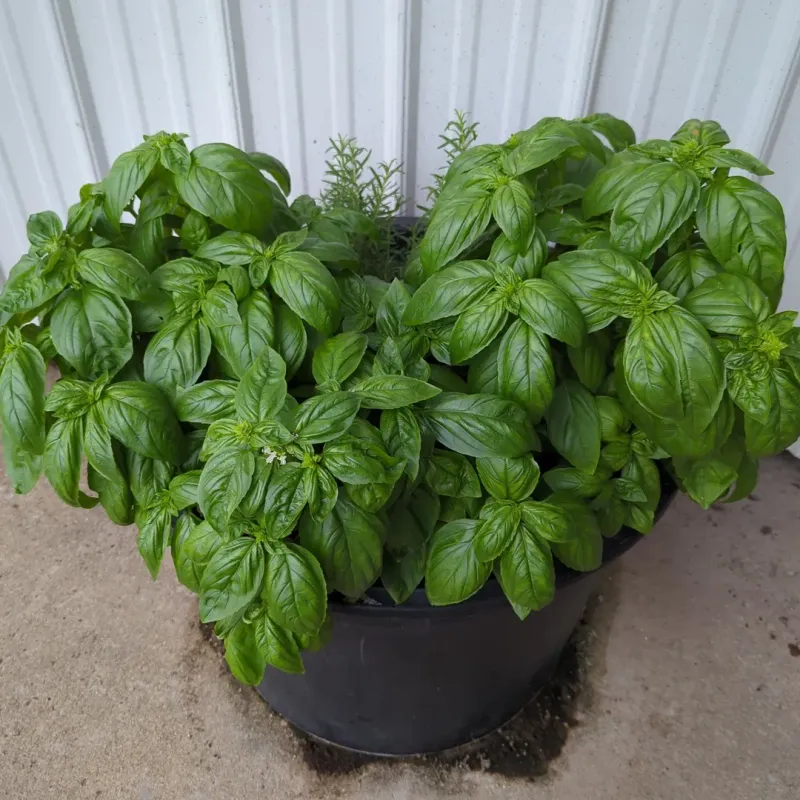
Fresh basil growing near your kitchen door does more than provide leaves for summer recipes. The essential oils in basil foliage, particularly compounds like eugenol and linalool, may discourage flies, mosquitoes, and thrips at close range when foliage is disturbed.
When you brush against basil plants or harvest leaves, those oils release into the air and create a short-range scent effect that may discourage insects at close proximity.
Sweet basil, Thai basil, and lemon basil all grow vigorously in Florida from spring through fall. In South Florida, basil can produce leaves year-round if protected from occasional cold snaps.
Plant basil in containers near outdoor dining areas, in raised beds alongside tomatoes, or in sunny spots close to windows and doors where you want fewer flying insects.
Basil prefers full sun and consistent moisture but can develop root rot in poorly drained soils. Pinch off flower buds regularly to encourage bushy growth and extend the harvest season.
Replace plants every few months as they decline, especially after flowering or during periods of extreme heat.
Homeowners often report fewer flies and mosquitoes around patios where basil is planted in clusters. The aromatic leaves also attract beneficial insects like parasitic wasps, which help control caterpillar populations on nearby vegetables.
Using basil as both a culinary herb and a pest management tool reduces the need for chemical sprays while improving your cooking and your garden health.
4. Rosemary Creates A Fragrant Pest Barrier Around Outdoor Spaces
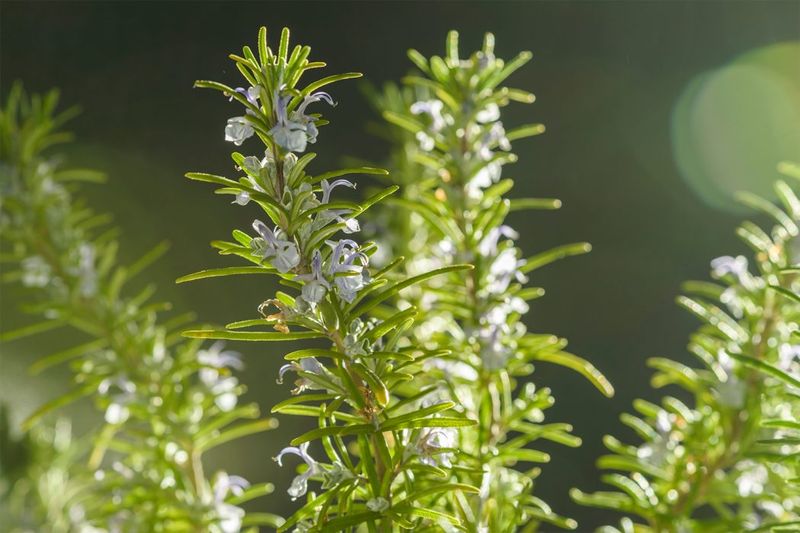
Woody herbs planted along walkways or beside seating areas can transform how comfortable your outdoor spaces feel during warm months. Rosemary releases strong aromatic oils that discourage mosquitoes, flies, and cabbage moths from lingering nearby.
The needle-like leaves contain compounds such as camphor and rosmarinic acid, which many insects find unpleasant, making rosemary useful as a close-range scent deterrent when planted strategically.
In Florida, rosemary thrives in full sun and well-drained soil, tolerating drought once established. Upright varieties work well as low hedges or borders, while trailing types suit containers and hanging baskets.
Central and North Florida gardeners can grow rosemary year-round, while South Florida gardeners may need to provide afternoon shade during the hottest months to prevent stress.
Prune rosemary lightly after flowering to maintain shape and encourage dense growth. Avoid overwatering, as rosemary prefers dry conditions and can develop root problems in soggy soil.
Harvest sprigs regularly for cooking, which also stimulates new growth and releases more protective oils into the surrounding air.
Most homeowners notice that mosquitoes and flies avoid areas where rosemary is planted densely or where branches are occasionally brushed. The evergreen foliage provides year-round structure and fragrance, while the blue flowers attract bees and other pollinators.
Using rosemary around patios, grills, and garden beds can contribute to integrated pest management when combined with other control methods and adds culinary value to your landscape.
5. Thyme Packs Big Protection In A Small Plant
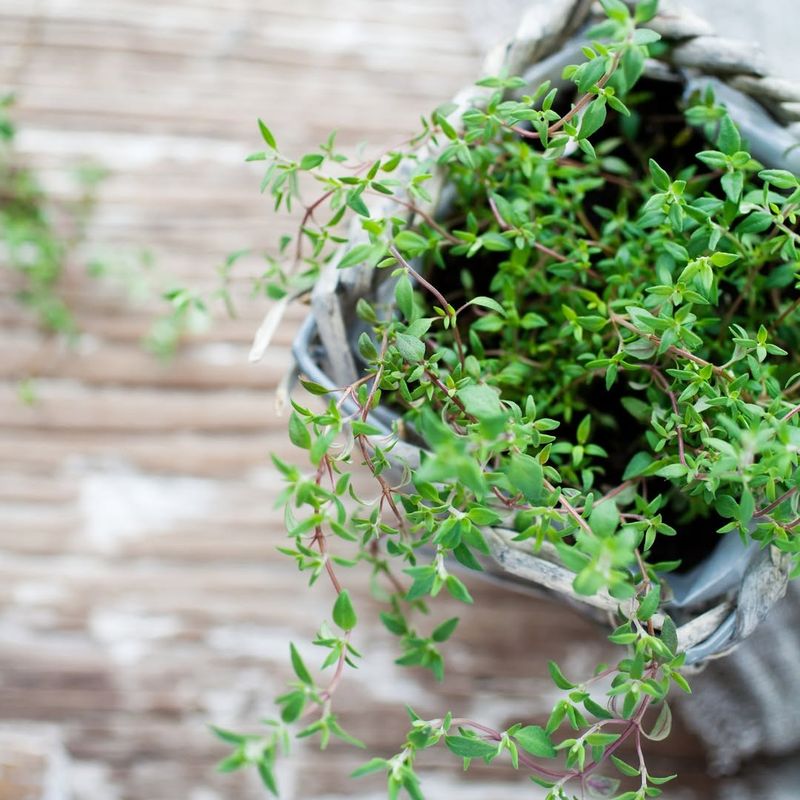
Ground-hugging herbs that spread between pavers or fill gaps in garden beds often deliver surprising pest control benefits. Thyme produces potent essential oils, including thymol, that may discourage some insects such as cabbage worms and flea beetles at close contact from crossing treated areas.
When you step on thyme or brush against it, the oils release and create a temporary barrier that many crawling and flying pests avoid.
Creeping thyme and culinary thyme both perform well in Florida, especially in well-drained soils and full sun. In Central and North Florida, thyme remains evergreen and can bloom multiple times per year.
South Florida gardeners should plant thyme in raised beds or containers to ensure drainage and prevent root rot during heavy summer rains.
Thyme requires little water once established and tolerates foot traffic, making it ideal for planting between stepping stones or along garden edges. Trim plants lightly after flowering to encourage fresh growth and maintain compact form.
Harvest leaves for cooking, which also stimulates the release of protective oils.
Homeowners typically observe fewer crawling insects in areas where thyme is planted densely. The tiny flowers attract beneficial insects like hoverflies and parasitic wasps, which prey on aphids and caterpillars.
Thyme also pairs well with vegetables, providing pest protection and culinary value without taking up much garden space or requiring heavy maintenance.
6. Chives Help Shield Vegetables From Common Garden Invaders
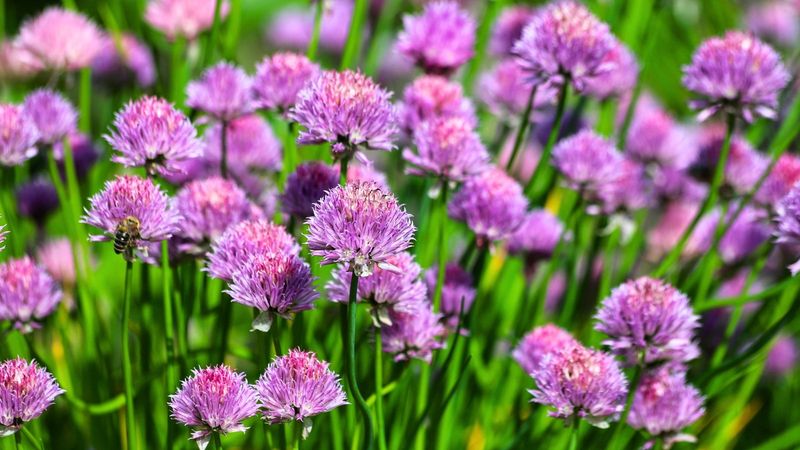
Onion-scented plants growing near vegetable beds create an invisible shield that many pests find difficult to penetrate. Chives release sulfur compounds that confuse aphids, thrips, and carrot flies, making it harder for these insects to locate their preferred host plants.
The slender leaves and purple pom-pom flowers also add vertical interest and attract pollinators, supporting overall garden health while reducing pest pressure.
Chives grow well throughout Florida, tolerating heat and humidity better than many other alliums. Plant them around the edges of raised beds, between rows of carrots and lettuce, or in containers near herbs and vegetables.
In South Florida, chives may slow down during the hottest months but will rebound with cooler fall temperatures and regular watering.
These perennials require minimal care once established. Water them during dry periods and divide clumps every few years to maintain vigor.
Harvest leaves regularly by cutting them near the base, which encourages fresh growth and releases more protective compounds into the surrounding area.
Gardeners often notice fewer aphids on tomatoes and peppers planted near chives, as well as reduced damage from some chewing insects. The edible flowers and leaves provide culinary value, allowing you to harvest pest protection and flavor from the same plant.
Chives also support beneficial insects, creating a more balanced garden ecosystem that reduces the need for chemical interventions.
7. Nasturtiums Act As Living Pest Decoys In The Garden
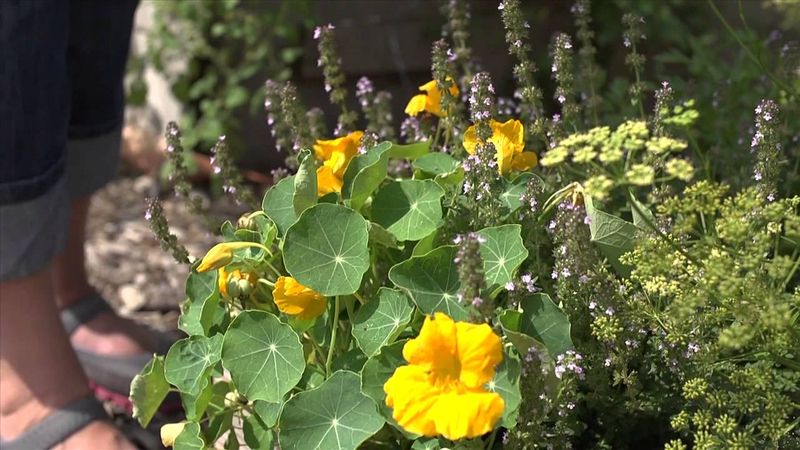
Some plants protect your vegetables not by repelling pests but by attracting them away from more valuable crops. Nasturtiums draw aphids, whiteflies, and caterpillars to their succulent leaves and stems, acting as trap crops that keep these insects occupied while your tomatoes, peppers, and squash grow undisturbed.
University of Florida IFAS research supports the use of trap cropping as part of integrated pest management strategies that reduce reliance on chemical treatments.
Nasturtiums thrive in Florida from fall through spring, preferring cooler temperatures and full sun to partial shade. In South Florida, plant them in late fall for winter and spring blooms.
In Central and North Florida, nasturtiums perform best from October through May, before summer heat causes them to decline. Sow seeds directly in garden beds or containers near vegetables you want to protect.
These annuals prefer lean soil and moderate water. Overfertilizing produces lush foliage but fewer flowers and reduces their effectiveness as trap crops.
Allow nasturtiums to sprawl around the base of taller plants or trail from containers, creating a living barrier that intercepts pests before they reach your main crops.
Homeowners usually observe that aphids colonize nasturtiums heavily, leaving nearby vegetables relatively pest-free. The bright orange, yellow, and red flowers also attract beneficial insects and add edible blooms to salads.
Using nasturtiums as decoys reduces pest damage naturally while supporting a diverse garden ecosystem.