Simple Ideas For Filling Your Texas Garden With Useful Plants
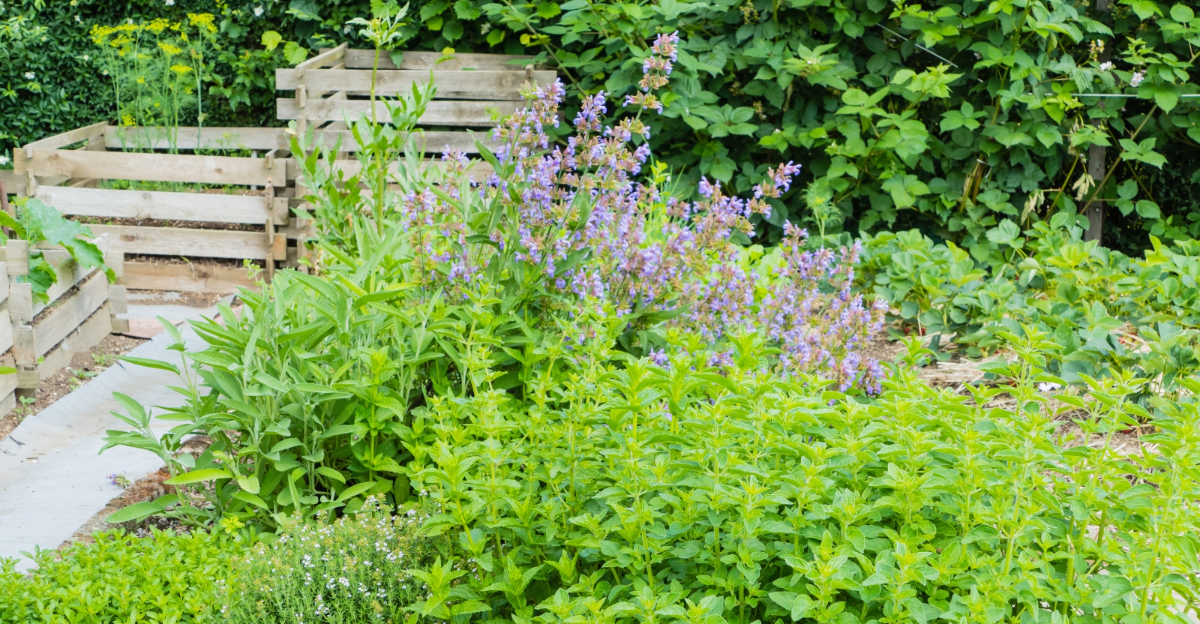
You might walk through your Texas garden and realize there’s plenty of space growing something, but not everything there is truly earning its keep.
That thought tends to surface when you’re watering, weeding, or harvesting and wondering which plants are actually giving something back.
In Texas, long seasons and intense sun make gardens generous, but they also reward smarter plant choices. Not every ornamental or filler plant is a bad idea, and beauty still has its place.
When space feels underused year after year, though, it often means the garden could be doing more for you.
Useful plants quietly change that balance by offering food, function, or support without demanding extra work. Once those plants start carrying more of the load, the garden feels different.
Filling your Texas garden with plants that serve a purpose can make every bed feel more intentional, productive, and satisfying to care for.
1. Herbs You Can Use In Everyday Cooking
Fresh basil in your pasta sauce tastes completely different from the dried version sitting in your spice cabinet. Growing culinary herbs right outside your door means you always have the freshest ingredients within reach.
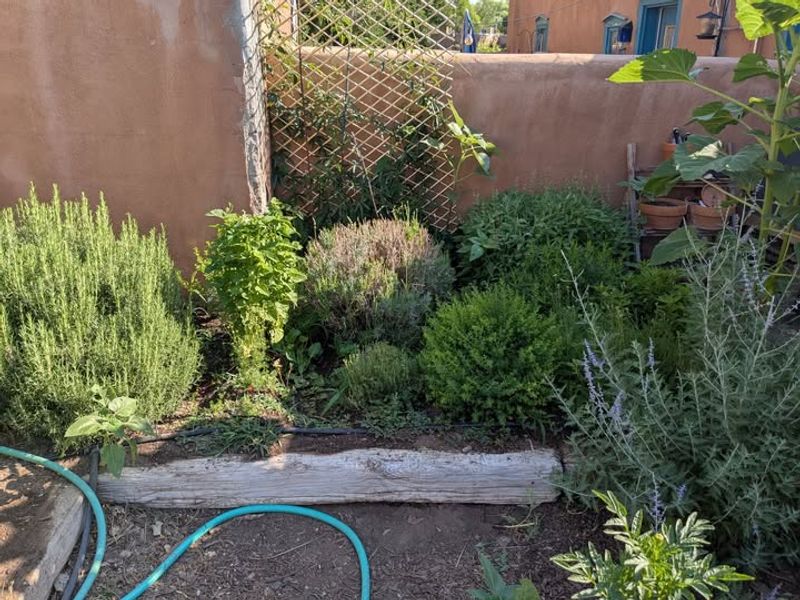
Texas gardeners can enjoy abundant harvests of rosemary, oregano, thyme, and cilantro throughout much of the year.
Your kitchen will thank you when you start snipping fresh mint for iced tea or grabbing parsley to brighten up weeknight dinners. Most cooking herbs actually prefer Texas heat once they’re established.
Many varieties handle our intense summers better than gardeners expect.
Container growing works perfectly if your yard space feels limited. A few pots near your back door create an instant herb garden you can access while cooking.
Oregano and thyme spread nicely in ground beds, creating fragrant patches that release scent when you brush past them.
Basil needs consistent moisture but rewards you with leaves all season long. Cilantro prefers cooler months across Texas, so plant it in fall for best results.
Rosemary grows into substantial shrubs that provide sprigs year-round for roasting vegetables and seasoning meats.
Chives produce pretty purple flowers while giving you mild onion flavor for salads and baked potatoes. Sage handles drought remarkably well once its roots go deep.
Your garden becomes a living pantry that never runs out of the flavors you love most.
2. Plants That Attract Helpful Pollinators
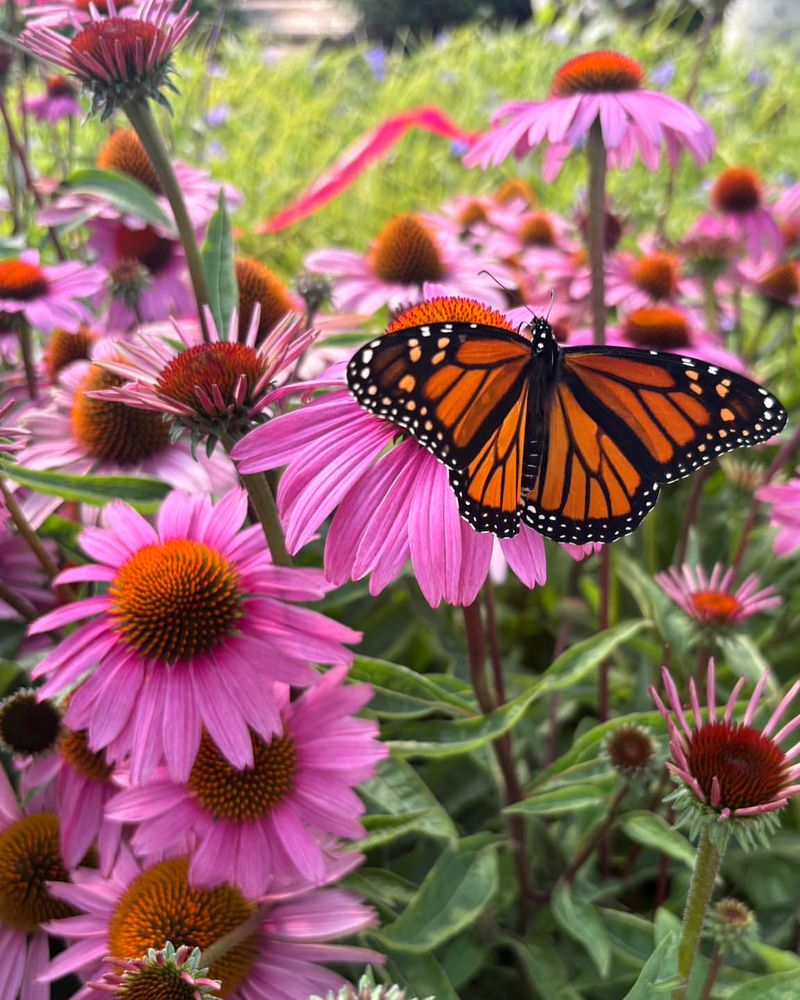
Bees, butterflies, and hummingbirds do more than add movement to your outdoor space. These creatures transfer pollen between flowers, helping your vegetables and fruits develop properly.
Without pollinators visiting regularly, many garden plants produce disappointing harvests or none at all.
Native Texas wildflowers like black-eyed Susans and coneflowers create magnets for beneficial insects. Lantana blooms continuously in Texas heat, feeding butterflies from spring through fall.
Salvia varieties attract hummingbirds that zip through your garden searching for nectar-rich flowers.
Planting in clusters works better than scattering single plants around your yard. Pollinators spot groups of colorful blooms more easily from the air.
Purple, yellow, and red flowers seem to catch their attention fastest during foraging flights.
Your Texas Garden Changes Every Week. Your Plan Should Too.
Gardening in Texas changes quickly throughout the season. Every Friday you’ll receive a simple weekly plan showing exactly what to plant, prune, fertilize, harvest, and protect so you never miss the right timing.
Zinnias give you cutting flowers while feeding pollinators throughout summer months. Sunflowers grow tall quickly, offering landing platforms for bees collecting pollen.
Mexican honeysuckle produces tubular orange blooms that hummingbirds can’t resist in Texas gardens.
Avoid pesticides when possible, since chemicals harm the helpful insects you’re trying to attract. Morning watering lets flowers dry before pollinators start their daily rounds.
Your garden becomes a refueling station that supports local ecosystems while boosting your own harvests naturally.
3. Vegetables That Keep Producing In Heat
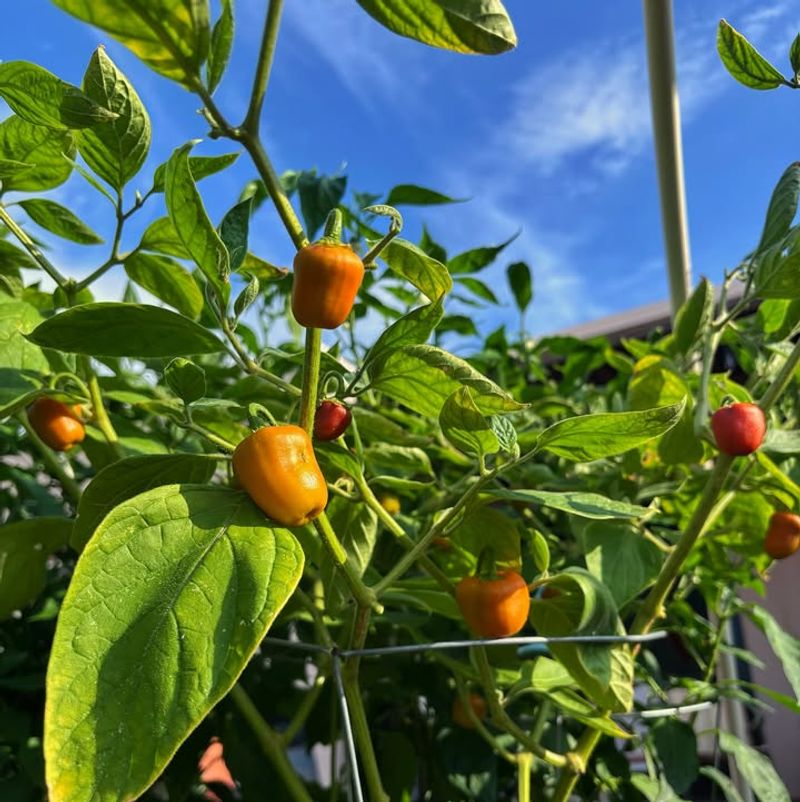
Tomatoes might struggle when Texas temperatures soar above 95 degrees, but other vegetables actually thrive in serious heat. Choosing crops that handle summer intensity means you keep harvesting fresh food when other gardens slow down.
Heat-loving vegetables turn challenging conditions into productive growing seasons.
Okra seems almost indestructible once established in Texas gardens. Plants grow taller as temperatures climb, producing pods faster than you can pick them.
Southern peas like black-eyes and purple hulls handle humidity and heat without missing a beat.
Armenian cucumbers keep setting fruit when regular cucumbers give up during July and August. Eggplant varieties produce glossy fruits throughout Texas summers with minimal care.
Hot peppers become even spicier as temperatures rise, developing intense flavors that cooler climates can’t match.
Cherry tomatoes often perform better than large slicers in extreme heat. Yard-long beans climb trellises quickly, offering continuous harvests through the hottest months.
Sweet potato vines spread across garden beds, creating edible tubers underground while providing attractive foliage above.
Regular picking encourages these plants to keep producing new vegetables. Morning harvests work best before the sun gets too intense.
Your summer garden stays productive when you match crops to Texas conditions instead of fighting the climate.
4. Plants With Leaves You Can Harvest Often
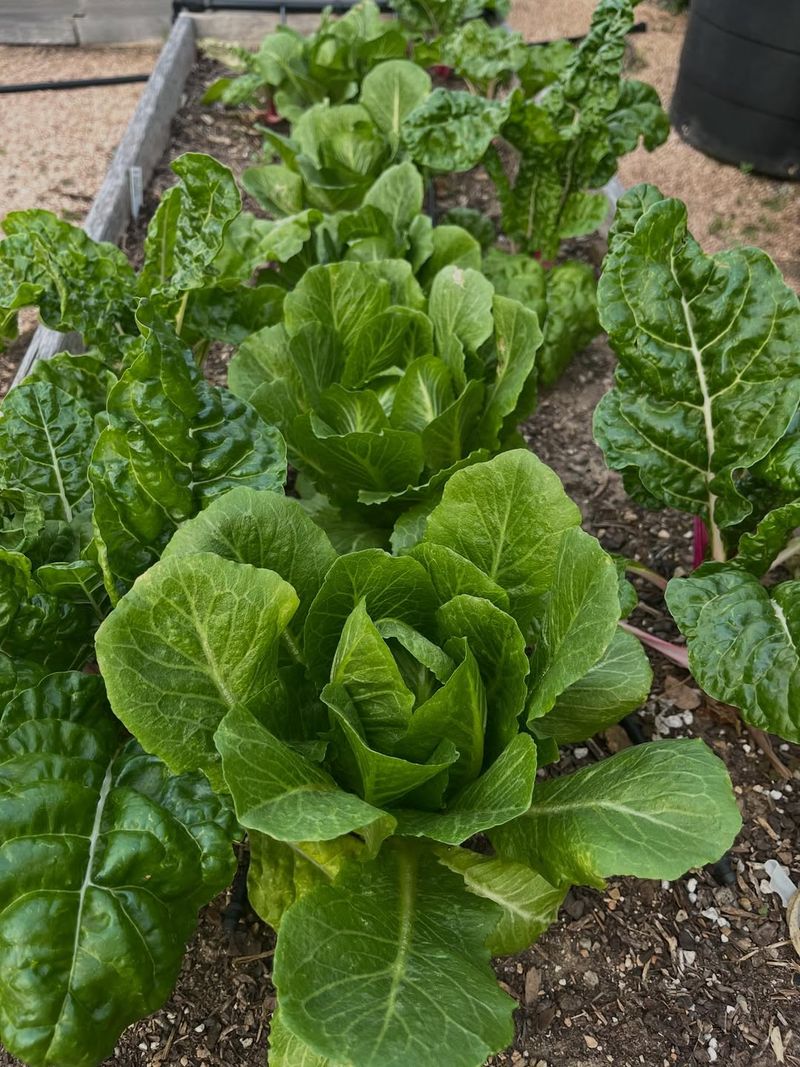
Some plants bounce back quickly after you cut their leaves, giving you multiple harvests from the same space. These cut-and-come-again crops maximize your garden’s productivity without requiring constant replanting.
Texas growers appreciate vegetables that keep producing fresh greens week after week.
Lettuce varieties regrow nicely when you snip outer leaves instead of pulling whole plants. Spinach and Swiss chard provide nutritious greens that you can harvest repeatedly throughout cooler months.
Kale becomes sweeter after light frosts touch Texas gardens in winter.
Collard greens grow into substantial plants that feed families for months. You simply pick lower leaves while the plant keeps growing upward.
Mustard greens offer spicy flavor that intensifies as leaves mature on Texas plants.
Arugula grows fast and regrows faster after cutting, giving you peppery salad greens in just weeks. Parsley plants produce fresh leaves continuously when you harvest from the outside edges.
Celery leaves make flavorful additions to soups even if you don’t get full stalks in Texas heat.
Regular harvesting actually encourages these plants to produce more tender new growth. Cutting in the morning preserves freshness and flavor.
Your garden becomes a renewable source of greens that keeps your kitchen stocked without constant trips to the store.
5. Drought-Tolerant Plants That Save Water
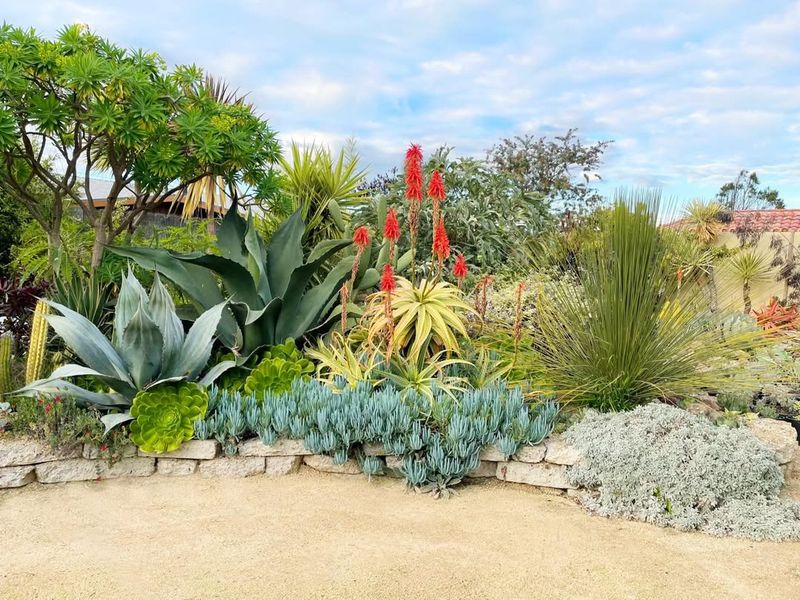
Water bills climb quickly when you’re constantly irrigating thirsty plants during Texas dry spells. Choosing varieties that handle limited moisture means your garden survives tough conditions while conserving this precious resource.
Drought-tolerant plants prove you don’t need constant watering to maintain an attractive, productive space.
Yarrow produces clusters of flowers while requiring almost no supplemental water once established in Texas soil. Russian sage creates silvery foliage and purple blooms on plants that laugh at drought conditions.
Esperanza shrubs cover themselves in yellow trumpet flowers even during the driest summers.
Succulents like sedum store water in thick leaves, making them perfect for Texas gardens with unpredictable rainfall. Yucca plants develop dramatic architectural forms while needing minimal care.
Lantana spreads quickly and blooms continuously without demanding regular irrigation.
Many Mediterranean herbs naturally handle dry conditions since they evolved in similar climates. Lavender, rosemary, and thyme all thrive on neglect in Texas gardens.
Native grasses like muhly grass create beautiful textures while surviving on rainfall alone after their first year.
Deep watering less frequently encourages stronger root systems than shallow daily sprinkling. Mulching around plants helps soil retain whatever moisture it receives.
Your garden stays healthy through dry periods while your water usage drops significantly compared to conventional landscaping.
6. Flowers That Support Beneficial Insects
Ladybugs, lacewings, and predatory wasps patrol your garden hunting for pests that damage vegetables and ornamentals. These helpful insects need nectar and pollen sources to survive between hunting sessions.
Planting flowers that feed beneficial bugs creates a natural pest control system in your Texas garden.
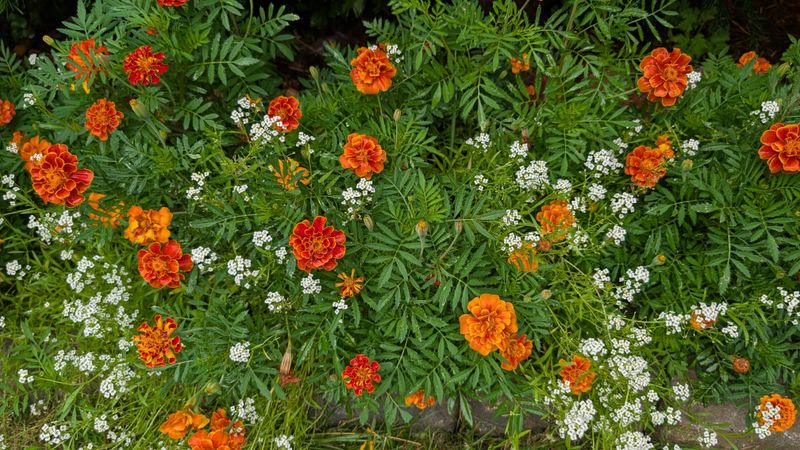
Dill and fennel produce umbrella-shaped flower clusters that beneficial insects adore. Alyssum creates carpets of tiny blooms that attract hoverflies, whose larvae eat aphids by the hundreds.
Marigolds do more than look pretty—they host insects that hunt caterpillars and other plant-damaging pests.
Cosmos flowers grow tall and airy, providing landing spots for beneficial beetles and wasps. Yarrow attracts ladybugs that consume aphids, mites, and scale insects throughout Texas gardens.
Sunflowers feed pollinators while also hosting insects that prey on common garden pests.
Native Texas plants like goldenrod support diverse beneficial insect populations better than non-native species. Leaving some flowers to go to seed provides food for insects through fall and winter.
Small flowering plants tucked between vegetables create habitat corridors that beneficial bugs use for shelter.
Avoiding broad-spectrum pesticides protects these helpful garden allies. Flowers with easy-access blooms work better than complex double flowers that hide nectar.
Your garden develops its own pest management team when you provide the right flowering plants.
7. Edible Plants That Grow Well In Small Spaces
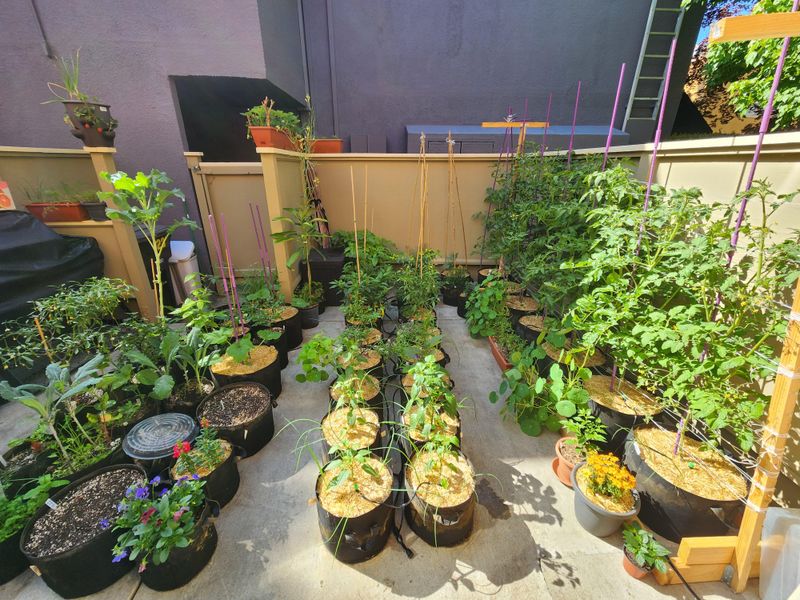
Limited yard space doesn’t mean you can’t grow your own food in Texas. Compact varieties and vertical growing techniques let you harvest fresh vegetables from balconies, patios, or tiny garden plots.
Small-space edibles prove that productive gardens come in all sizes.
Cherry tomatoes grow happily in five-gallon containers on sunny Texas porches. Bush beans stay compact while producing full-sized harvests without sprawling vines.
Dwarf pepper varieties fit perfectly in pots, offering colorful fruits throughout the growing season.
Strawberries cascade beautifully from hanging baskets while producing sweet berries in spring. Lettuce and salad greens grow quickly in window boxes, giving you fresh salads in minimal space.
Radishes mature in just weeks, fitting easily between slower-growing plants in tight quarters.
Vertical trellises turn cucumbers and pole beans into space-saving crops that grow upward instead of outward. Herb spirals maximize planting area in small Texas yards by creating multiple growing zones in one compact structure.
Tiered planters stack growing space vertically, tripling your planting area on patios.
Container mobility lets you move plants to follow the sun or escape extreme Texas heat. Succession planting keeps small spaces productive by replacing finished crops with new seedlings.
Your compact garden produces surprising amounts of fresh food when you choose appropriate varieties and growing methods.
8. Plants That Improve Soil Over Time
Healthy soil grows healthy plants, but many Texas yards start with less-than-ideal dirt. Certain plants actually enhance soil quality while they grow, fixing nitrogen, adding organic matter, or breaking up compacted clay.
These soil-building plants work underground to create better growing conditions for everything else in your garden.
Legumes like beans and peas partner with bacteria that capture nitrogen from air and store it in root nodules. When these plants finish producing, their roots decompose and release nitrogen for future crops.
Clover works as a living mulch that feeds soil while protecting it from erosion in Texas gardens.
Comfrey develops deep taproots that mine minerals from subsoil layers, then concentrates them in leaves you can harvest for compost. Daikon radishes break through hardpan with thick roots, creating channels that improve drainage in heavy Texas clay.
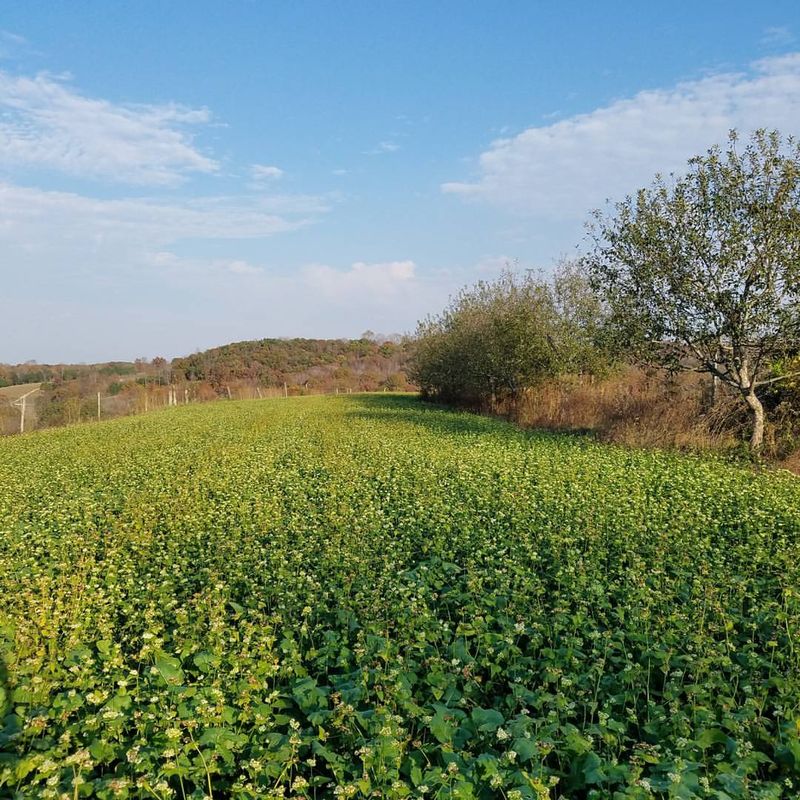
Buckwheat grows quickly as a cover crop, then decomposes into organic matter that enriches soil.
Sunflowers pull nutrients up from deep soil layers, making them available to shallow-rooted plants nearby. Cowpeas handle Texas heat while fixing nitrogen and adding biomass when you turn plants under at season’s end.
Crimson clover planted in fall protects bare soil through winter while enriching it for spring planting.
Rotating these soil-building plants through your garden beds creates long-term fertility without constant fertilizer purchases. Letting roots decompose in place feeds soil organisms.
Your garden’s foundation improves each season when you include plants that give back to the earth.
9. Low-Maintenance Plants With Multiple Uses
Busy schedules leave little time for fussy plants that demand constant attention. Multi-purpose varieties that practically take care of themselves deliver maximum benefits with minimal effort in Texas gardens.
These hardworking plants earn their space by serving several functions simultaneously.
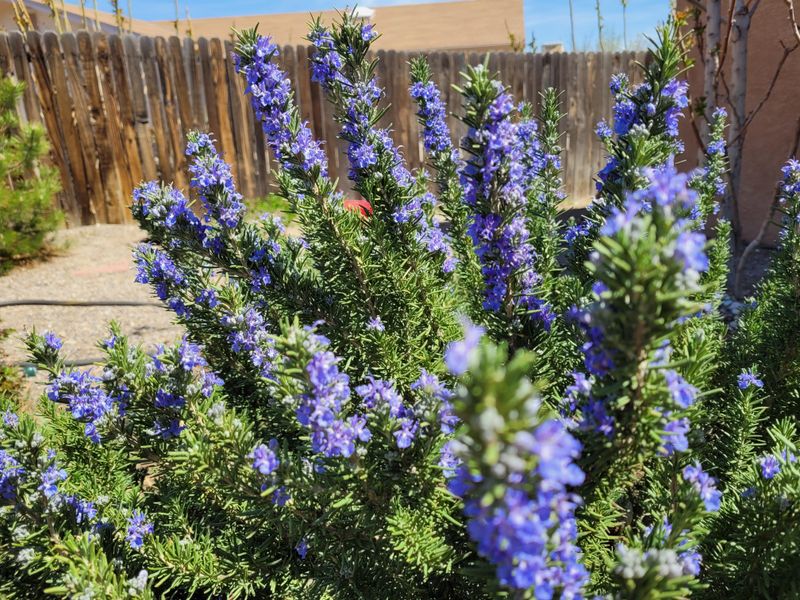
Rosemary provides cooking herbs while creating evergreen structure and producing blue flowers that feed pollinators. The tough plants handle Texas drought and heat without complaint.
Lemongrass grows into attractive clumps that repel mosquitoes while giving you fresh stalks for cooking Asian dishes.
Nasturtiums offer edible flowers and leaves for salads while their sprawling growth shades soil and suppresses weeds. The bright blooms attract pollinators and beneficial insects to Texas gardens.
Jerusalem artichokes produce tall sunflower-like plants that create privacy screens while developing edible tubers underground.
Purslane spreads as a living mulch that you can harvest for salads, all while protecting soil from erosion. Comfrey feeds pollinators with purple flowers, creates nutrient-rich compost material, and produces leaves for medicinal salves.
Mexican mint marigold gives you tarragon-flavored leaves, cheerful yellow flowers, and pest-deterring properties in one easy-care Texas plant.
These versatile plants reduce garden maintenance while increasing productivity. One plant filling multiple roles means less space needed and fewer things to remember.
Your Texas garden works harder when you choose plants that multitask as beautifully as they grow.