Indoor Plant Habits That Are Holding Your Illinois Plants Back
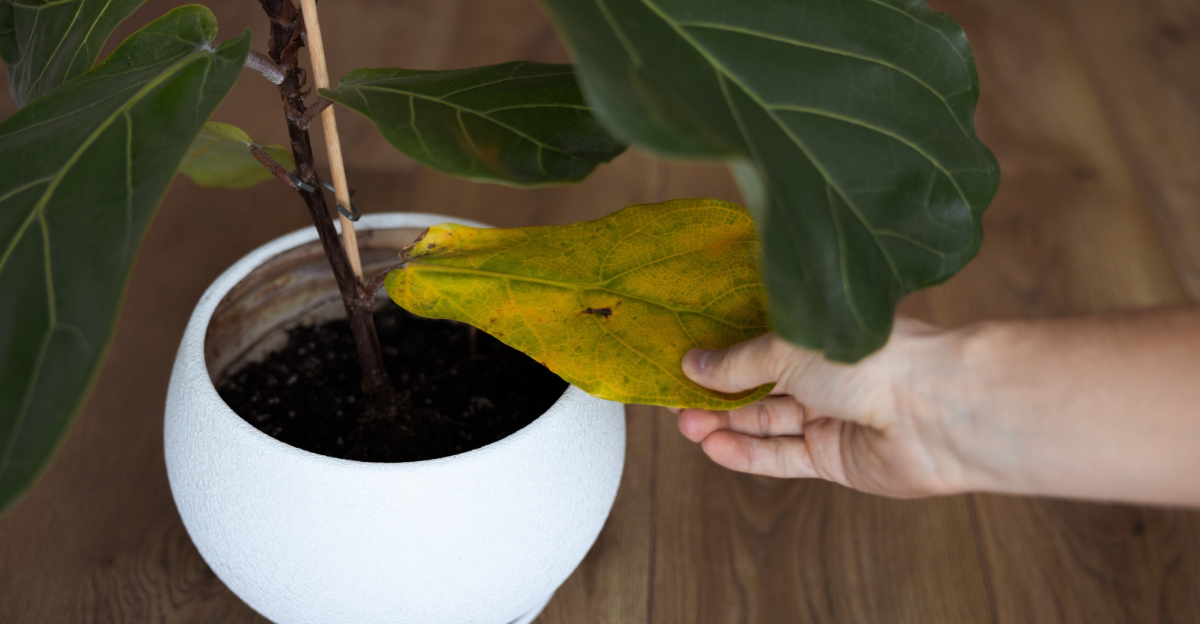
Do your indoor plants in Illinois look fine at first glance, yet never seem to truly take off?
That feeling often shows up when growth stays slow, leaves lose their energy, or plants seem stuck in the same state for months.
In Illinois homes, indoor conditions shift more than we realize, especially with changing seasons, heating, and light patterns. Not every pause in growth is a problem, and many plants simply adjust at their own pace.
When the same signs keep repeating, though, it usually points to everyday habits rather than the plant itself.
Small routines can quietly limit progress. They often feel helpful in the moment.
Things like placement, watering timing, and how often plants are moved can shape how they respond over time.
Recognizing which habits are holding plants back is often the turning point that helps Illinois houseplants grow stronger, fuller, and more confidently again.
1. Overwatering During Low-Light Months
Winter arrives in Illinois with shorter days and less sunshine streaming through your windows. Plants naturally slow down their growth when light becomes scarce.
They use less water because they’re not working as hard to make food through photosynthesis.
Many plant owners keep the same watering routine all year without thinking about seasonal changes. Soil stays wet longer when plants aren’t actively growing.
Roots sitting in moisture for too long can develop problems that weaken the entire plant.
Your pothos or snake plant doesn’t need as much water in December as it does in June. Check the soil with your finger before adding more water.
The top two inches should feel dry to the touch.
Illinois homes often have heating systems running during cold months, which can confuse plant parents. Warm indoor air makes us think plants need more water.
Actually, the combination of heat and low light means slower water uptake.
Reduce watering frequency by about half during winter months. Watch how quickly the soil dries out.
Each plant and pot size will have different needs.
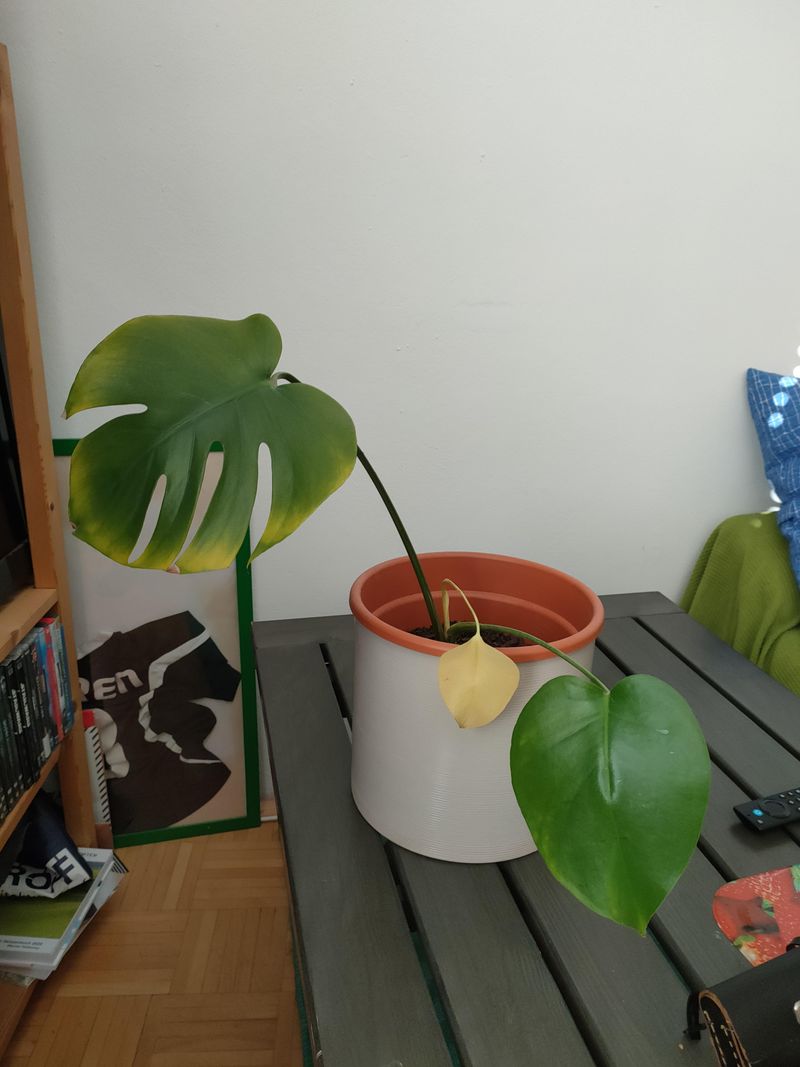
Brown leaf tips or yellowing foliage often signal too much moisture. Adjust your schedule based on what the plant shows you.
Trust the soil, not the calendar.
You might also notice that plants placed farther from windows dry out even more slowly during Illinois winters.
Moving pots closer to natural light can help balance reduced watering and keep growth steady without stressing the roots.
2. Keeping Plants In Poor Light
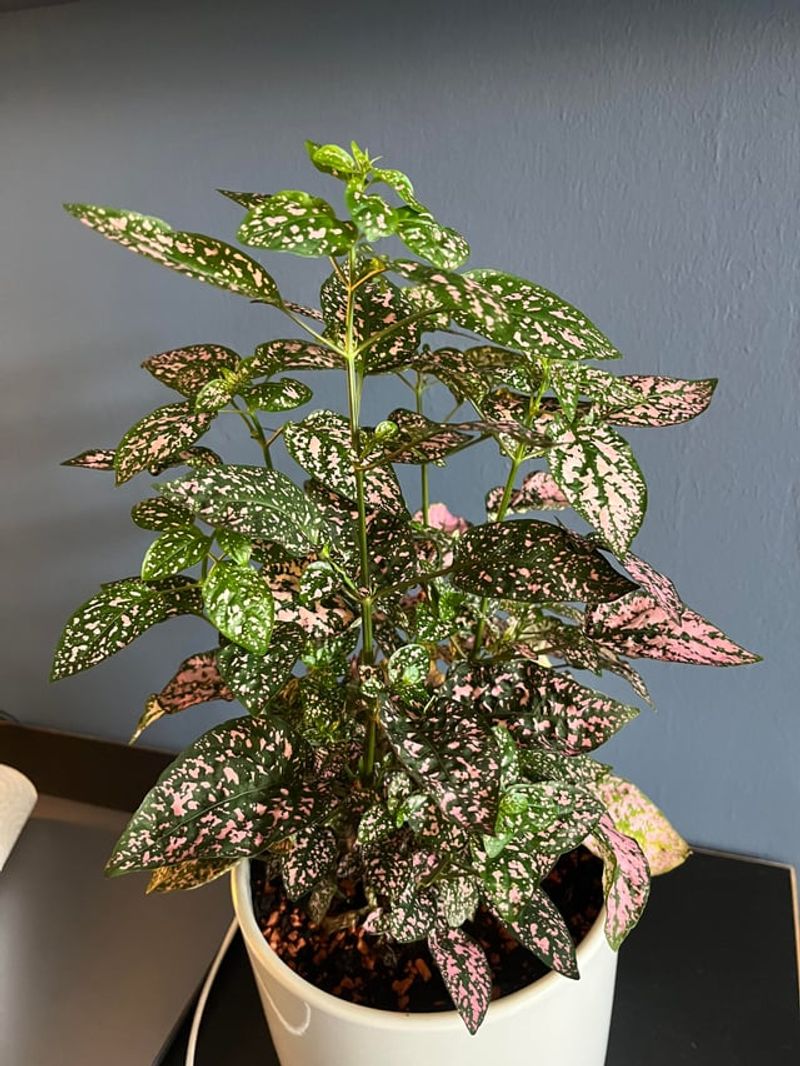
Light is food for your plants, and without enough of it, they struggle to survive. North-facing windows in Illinois homes often provide insufficient brightness for most houseplants.
Plants stretch toward whatever light they can find, becoming leggy and weak.
You might notice your fiddle leaf fig dropping leaves or your succulents losing their vibrant color. These are clear signs that light levels aren’t meeting their needs.
Even plants labeled as low-light tolerant still need some decent brightness to function properly.
Moving plants closer to east or south-facing windows can make a dramatic difference. Watch how the light changes throughout the day in your space.
Your Illinois Garden Changes Every Week. Your Plan Should Too.
Gardening in Illinois changes quickly throughout the season. Every Friday you’ll receive a simple weekly plan showing exactly what to plant, prune, fertilize, harvest, and protect so you never miss the right timing.
Morning sun is gentler than harsh afternoon rays.
Illinois winters bring cloudy skies that reduce natural light even more. Consider rotating your plants weekly so all sides receive equal exposure.
This prevents them from leaning heavily in one direction.
Artificial grow lights offer an excellent solution when natural light isn’t enough. LED options are energy-efficient and come in various sizes.
Place them about 6-12 inches above your plants for best results.
Pay attention to how your plants respond after relocating them. New growth and richer leaf color indicate they’re happier.
Give changes a few weeks before deciding if adjustments worked.
You can also clean dust off leaves so light isn’t blocked before it even reaches the plant surface.
Small adjustments like better placement and cleaner leaves often solve light problems faster than people expect.
3. Using Pots Without Drainage
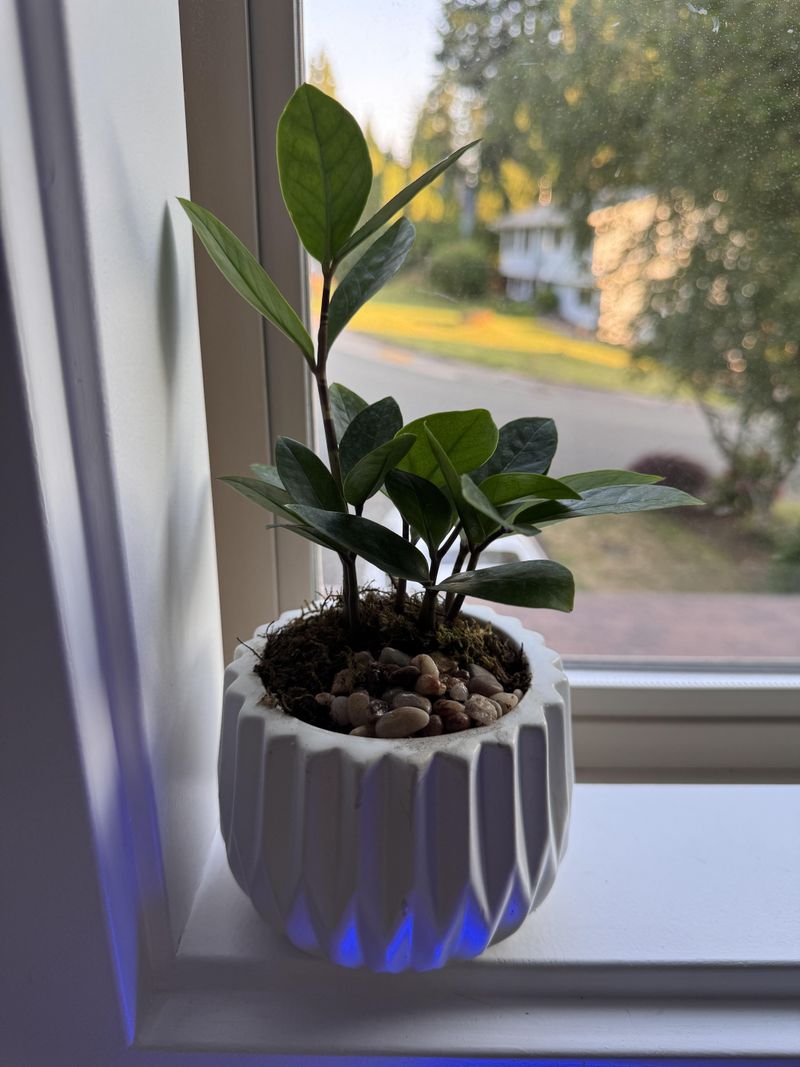
Drainage holes might seem like a small detail, but they’re essential for plant health. Water needs somewhere to escape after you’ve given your plants a drink.
Without drainage, excess moisture accumulates at the bottom of the pot where roots sit.
That decorative ceramic pot without holes might look perfect on your shelf. However, it’s creating a swimming pool environment that roots can’t tolerate.
Roots need both water and oxygen to function properly.
Many Illinois plant owners choose pretty containers over practical ones. You can still use decorative pots by keeping plants in plastic nursery pots with drainage.
Simply place the nursery pot inside the decorative one as a cachepot.
When water can’t drain away, salts and minerals from fertilizer build up in the soil. This creates a toxic environment over time.
Roots become damaged and can’t absorb nutrients effectively.
Always check for drainage before potting a new plant. If you absolutely love a pot without holes, add a thick layer of pebbles at the bottom.
This creates some space for excess water, though it’s not as effective as actual drainage holes.
You can also drill drainage holes into ceramic or plastic pots using the right tools. This simple modification transforms unusable containers into plant-friendly homes.
Your Illinois plants will thank you with vigorous growth.
Another helpful habit is emptying any water that collects in the outer pot after watering.
Letting plants sit in runoff defeats the purpose of drainage and keeps roots stressed longer than they should be.
4. Watering On A Fixed Schedule
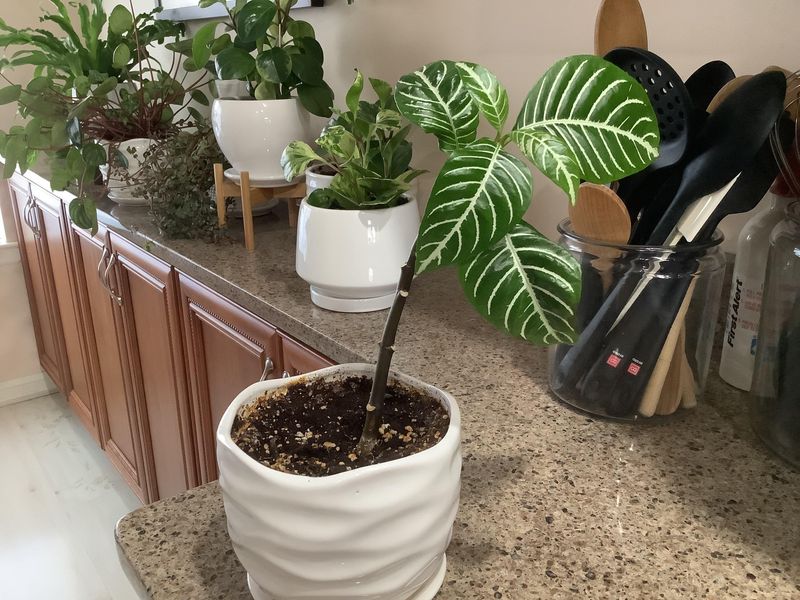
Calendars work great for appointments and birthdays, but plants don’t operate on human schedules. Watering every Sunday might work sometimes, but it ignores what your plants actually need.
Environmental conditions change constantly, affecting how quickly soil dries out.
Humidity levels fluctuate throughout the year in Illinois homes. Summer brings moisture while winter heating systems create desert-like conditions.
These changes impact how often plants need water, sometimes dramatically.
Your spider plant might need water every five days one week and every eight days the next. Temperature, light, pot size, and plant growth all influence water usage.
Sticking to a rigid schedule ignores these important factors.
Instead of marking your calendar, learn to read your plants and soil. Stick your finger into the soil up to the second knuckle.
If it feels dry at that depth, it’s time to water most plants.
Some plants prefer to dry out completely between waterings, while others like consistent moisture. Research the specific needs of each plant in your collection.
Treat them as individuals rather than a group.
Weight can also tell you when to water. Lift your pots when the soil is dry and again after watering.
You’ll quickly learn to recognize when they feel light and thirsty. This hands-on approach works better than any schedule ever could for Illinois plant parents.
5. Letting Plants Sit In Cold Drafts
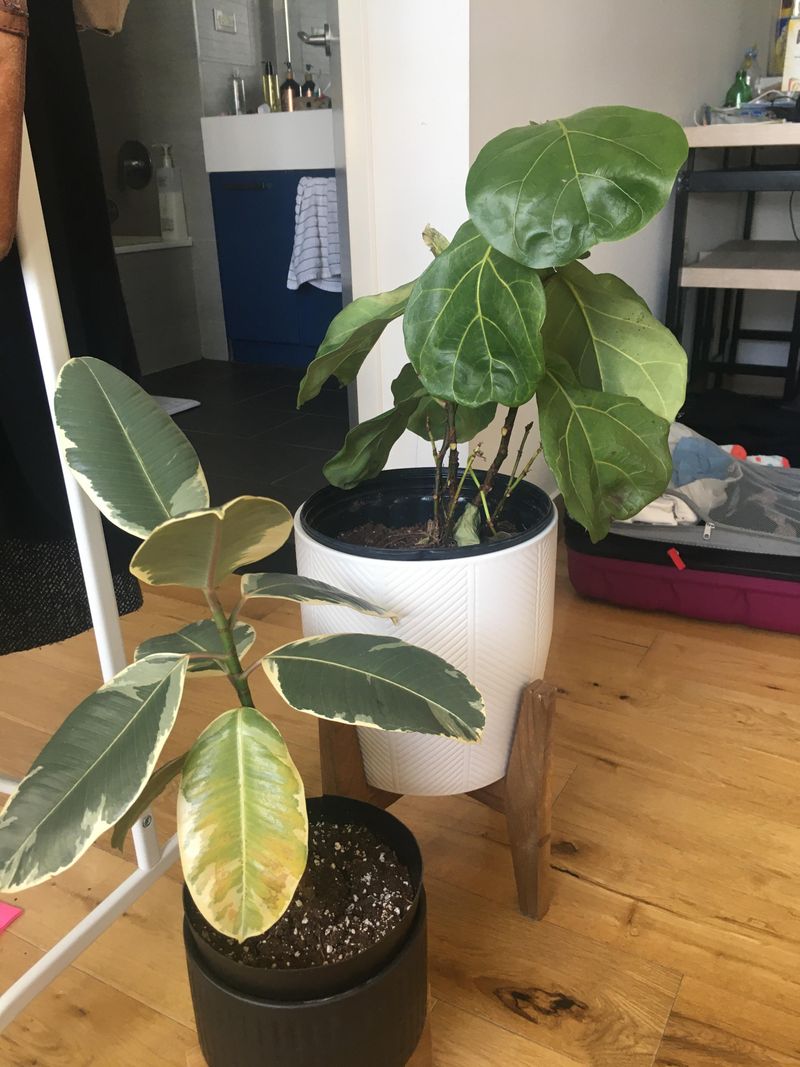
Temperature swings stress plants just as much as they bother people. Illinois winters bring frigid air that sneaks through window frames and door cracks.
Plants positioned near these drafty spots experience sudden temperature drops that shock their systems.
Your tropical houseplants evolved in warm, stable environments. Sudden cold blasts confuse their internal processes.
Leaves may develop brown spots or drop off when exposed to repeated cold stress.
That perfect spot on the windowsill might become problematic once temperatures plummet outside. Glass conducts cold easily, creating a chilly zone right where your plant sits.
Even a few degrees difference can cause problems for sensitive species.
Check for drafts by holding your hand near windows and doors on a cold day. You’ll feel the cool air flowing in.
Move plants at least a few feet away from these problem areas during winter months.
Heating vents create the opposite problem with hot, dry air blasting directly on foliage. This causes rapid moisture loss and leaf damage.
Find locations in your Illinois home where temperature stays relatively consistent throughout the day.
Grouping plants together helps create a more stable microclimate. They share humidity and buffer each other from temperature fluctuations.
Consider using a small thermometer near your plants to monitor conditions and make adjustments as needed.
6. Ignoring Seasonal Light Changes
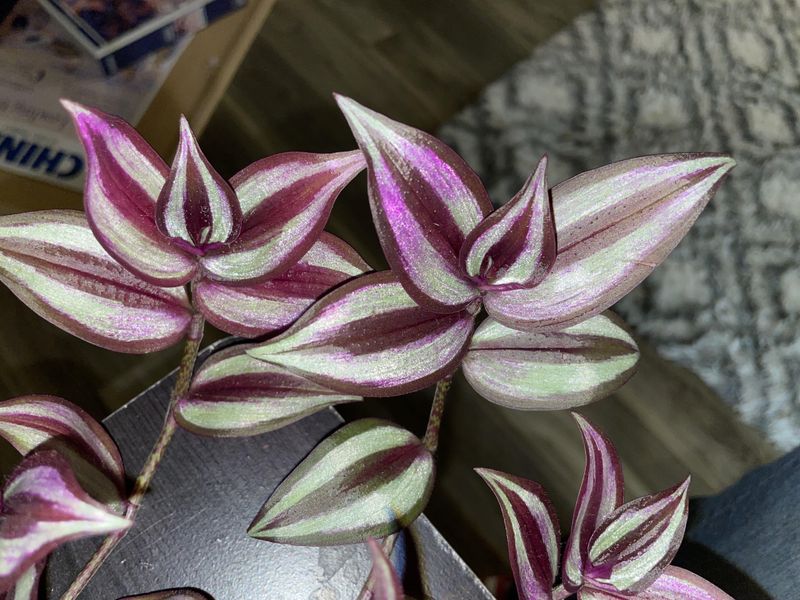
Sunlight behaves differently across the seasons, and your Illinois plants feel the impact. Summer sun sits high in the sky, streaming through windows at different angles than winter light.
A spot that’s perfect in June might become too dim by December.
Day length changes dramatically as seasons shift. Plants receive several more hours of light during long summer days.
When autumn arrives, those hours shrink considerably, affecting plant growth and health.
Your monstera might thrive three feet from a window in summer but need to move closer in winter. The sun’s lower angle during cold months means less intense light reaches interior spaces.
What worked before stops working as the calendar changes.
Many plant owners set up their collection once and forget about adjusting locations. This leads to confused plants that struggle during darker months.
They can’t photosynthesize efficiently without adequate brightness.
Start observing how light moves through your Illinois home during different seasons. Take photos of the same spots in winter and summer.
The difference will surprise you and help you understand why plants need repositioning.
Rotate your collection with the seasons. Bring plants closer to windows when days shorten.
Move them back slightly when summer sun becomes too intense. This simple habit keeps them in optimal conditions year-round and prevents the stress of insufficient light.
You may also need to adjust sheer curtains or blinds that block more light in winter than you realize.
Even small changes in window coverings can noticeably improve light levels for Illinois plants during darker months.
7. Skipping Regular Leaf Cleaning
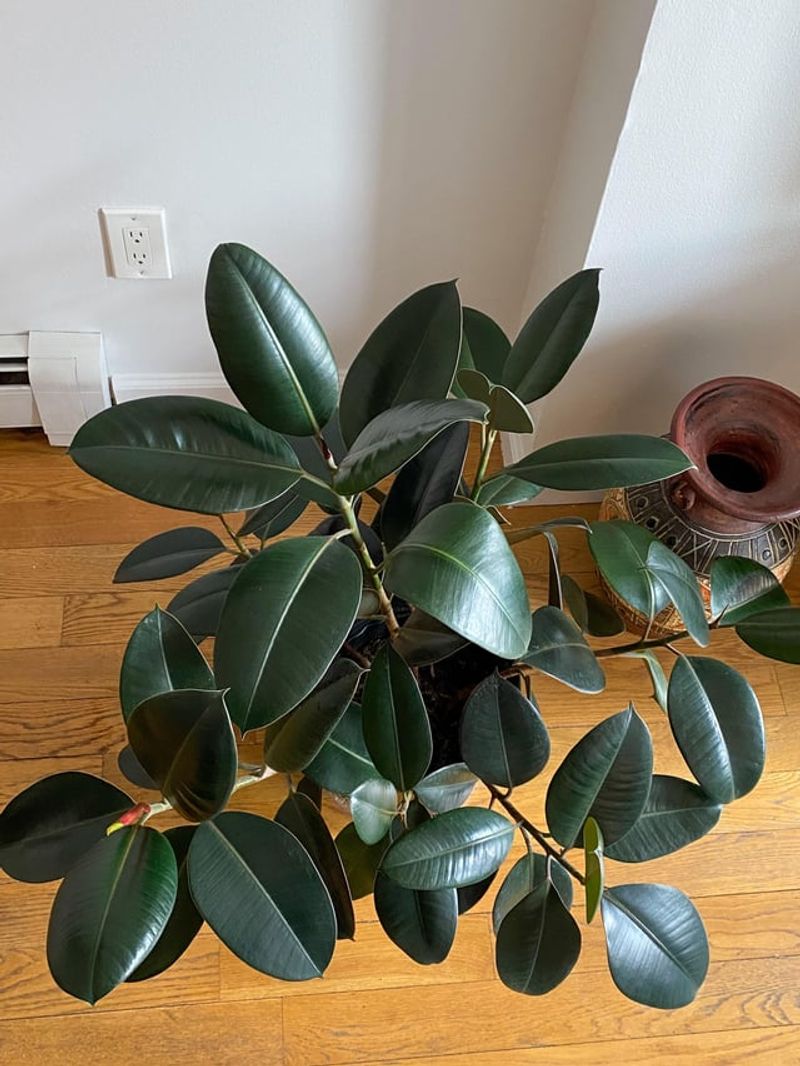
Dust accumulates on everything in your home, including plant leaves. That gray film blocks sunlight from reaching the leaf surface where photosynthesis happens.
Plants can’t make food efficiently when covered in household dust and grime.
Illinois homes deal with plenty of dust, especially during dry winter months when heating systems run constantly. Particles settle on broad leaves like those of rubber plants and philodendrons.
Over time, this buildup becomes thick enough to significantly reduce light absorption.
Cleaning leaves isn’t just about appearance, though shiny foliage does look healthier. It’s about maintaining the plant’s ability to function properly.
Think of it like cleaning your glasses so you can see clearly.
Use a damp cloth to gently wipe down large leaves every few weeks. Support the leaf from underneath while cleaning the top surface.
This prevents tearing or damaging delicate foliage.
Plants with small leaves or fuzzy textures need different care. A soft brush works better than a wet cloth for these varieties.
You can also give some plants a gentle shower to rinse off dust.
Regular cleaning also helps you spot pest problems early. You’ll notice tiny insects or webbing while tending to leaves.
This gives you a chance to address issues before they become serious. Your Illinois plants will reward this attention with vibrant, healthy growth throughout the year.
8. Failing To Adjust Care In Winter
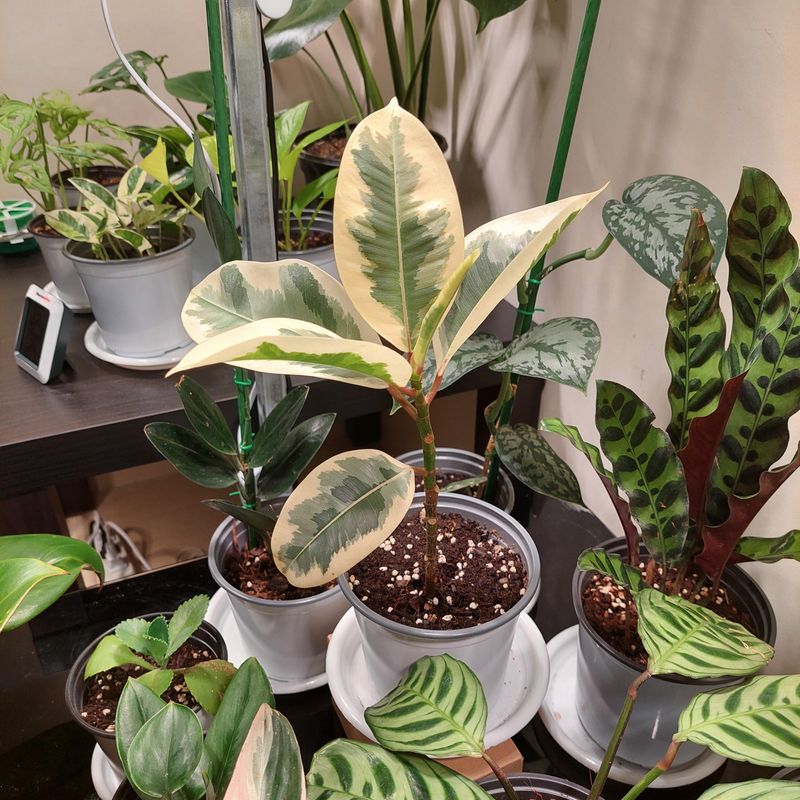
Winter transforms the environment inside Illinois homes in ways that directly affect plants. Heating systems create dry air while shorter days reduce light levels.
Plants enter a rest period during these months, needing different care than their growing season.
Continuing summer care routines into winter causes multiple problems. Plants receiving too much water, fertilizer, or attention can become stressed.
They’re not actively growing, so they can’t use these resources effectively.
Fertilizer should be reduced or stopped completely during winter months. Plants aren’t producing new growth that requires extra nutrients.
Unused fertilizer builds up in soil, potentially causing root damage over time.
Humidity drops dramatically when furnaces run constantly in Illinois homes. Tropical plants suffer in this dry air.
Consider using a humidifier near your plant collection or grouping plants together to share moisture.
Growth slows or stops entirely for most houseplants during winter. This is normal and healthy.
Fighting against this natural rest period by pushing fertilizer and frequent watering works against the plant’s needs.
Watch for signs that your plants are entering dormancy. Slower growth and less frequent watering needs indicate they’re resting.
Respect this cycle by backing off on care routines. Come spring, they’ll emerge stronger and ready to grow vigorously again with proper winter rest behind them.
You might also notice plants dropping an occasional older leaf as they adjust to winter conditions, which is usually nothing to worry about.
Focus on maintaining stable temperatures and gentle care rather than trying to force growth during Illinois winters.