How Cold Is Too Cold For Hibiscus In Florida
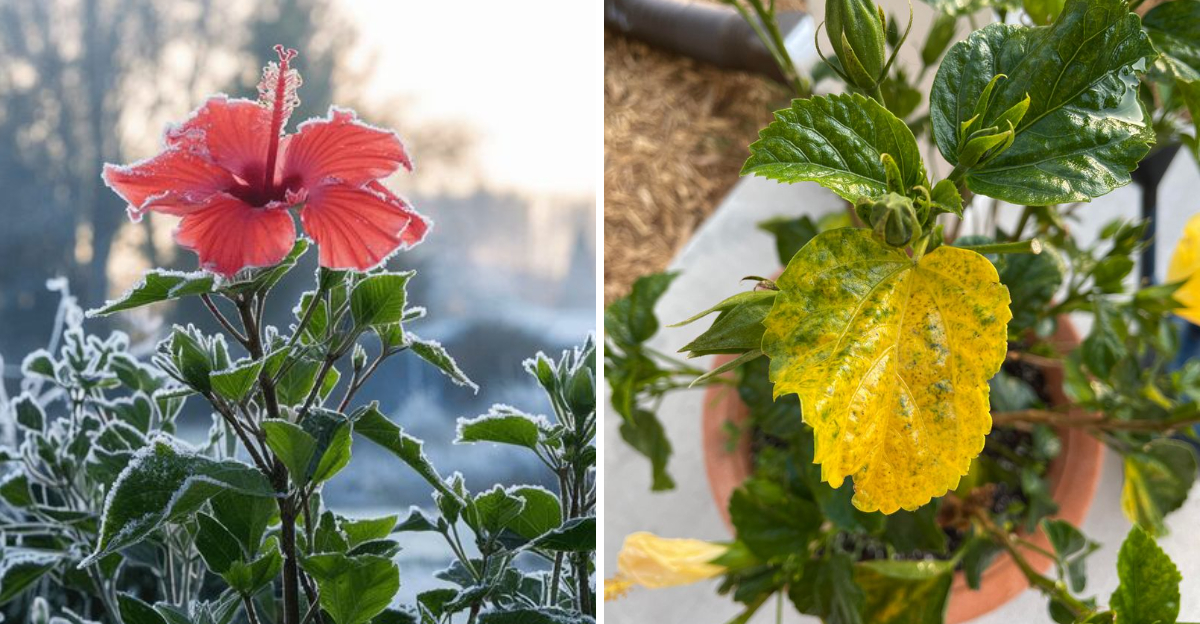
Florida gardeners, be honest… the moment temperatures dip below “flip-flop weather,” you’re already eyeing your hibiscus like a worried plant parent.
One chilly night can turn those lush green leaves into a sad, droopy mess, and nobody wants to wake up to frost damage after all that hard work.
If you’ve ever dragged pots closer to the house, thrown a sheet over your plants at midnight, or refreshed the weather app ten times before bed, you’re not alone. Hibiscus might love our sunshine, but cold snaps hit different in the Sunshine State.
Knowing the exact temperature line between “totally fine” and “uh-oh” can save your blooms, your time, and your patience. Keep reading if you want to protect your hibiscus and avoid learning the hard way this season.
1. Cold Weather Hits Hibiscus Growth Long Before Freezing
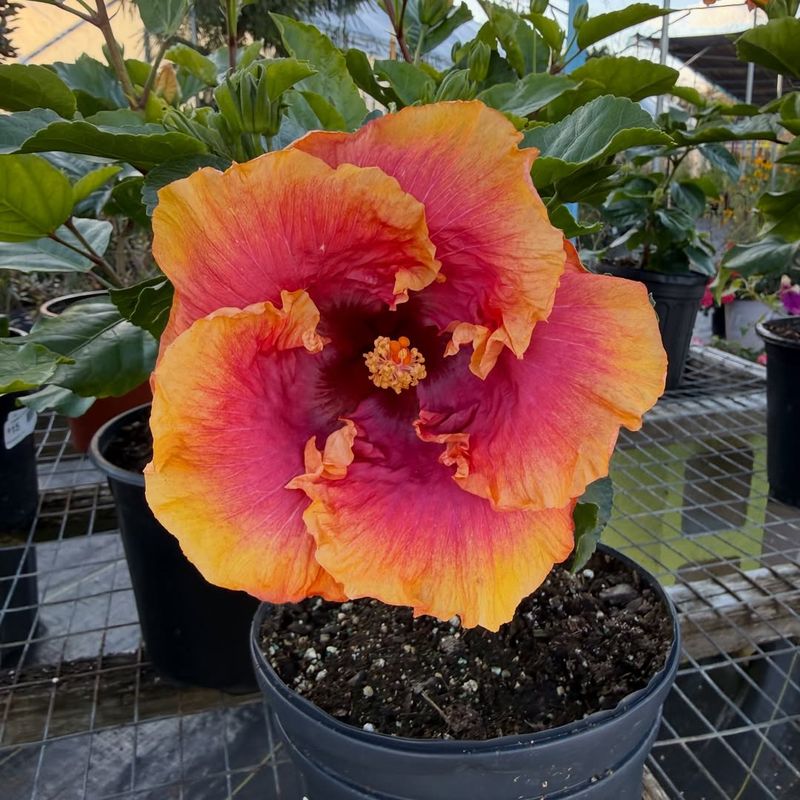
You step outside one November morning and notice your hibiscus looks a little tired. The leaves seem less vibrant, and new growth has slowed to a crawl.
This happens well before any frost threatens your yard. Hibiscus plants start feeling the effects of cooling temperatures around 60 degrees Fahrenheit, especially at night.
Tropical hibiscus varieties, which most Florida gardeners grow, prefer warm conditions year-round. When evening temperatures consistently drop into the upper 50s or low 60s, metabolic processes inside the plant begin to slow down.
Photosynthesis gradually slows, and the plant begins conserving energy instead of actively producing flowers and new leaves.
North Florida gardeners see this shift earlier in the season, often by late October. Central Florida yards experience the slowdown in November, while South Florida hibiscus might not show these signs until December or even January.
Many homeowners mistake this natural response for a pest problem or disease.
Your hibiscus is not in danger at these temperatures, but growth will pause. Flowers become smaller and less frequent.
Leaf production slows noticeably. Understanding this threshold helps you adjust expectations and avoid unnecessary worry when your plants look less enthusiastic during cooler months.
2. Growth Slows As Temperatures Dip Into Cool Ranges
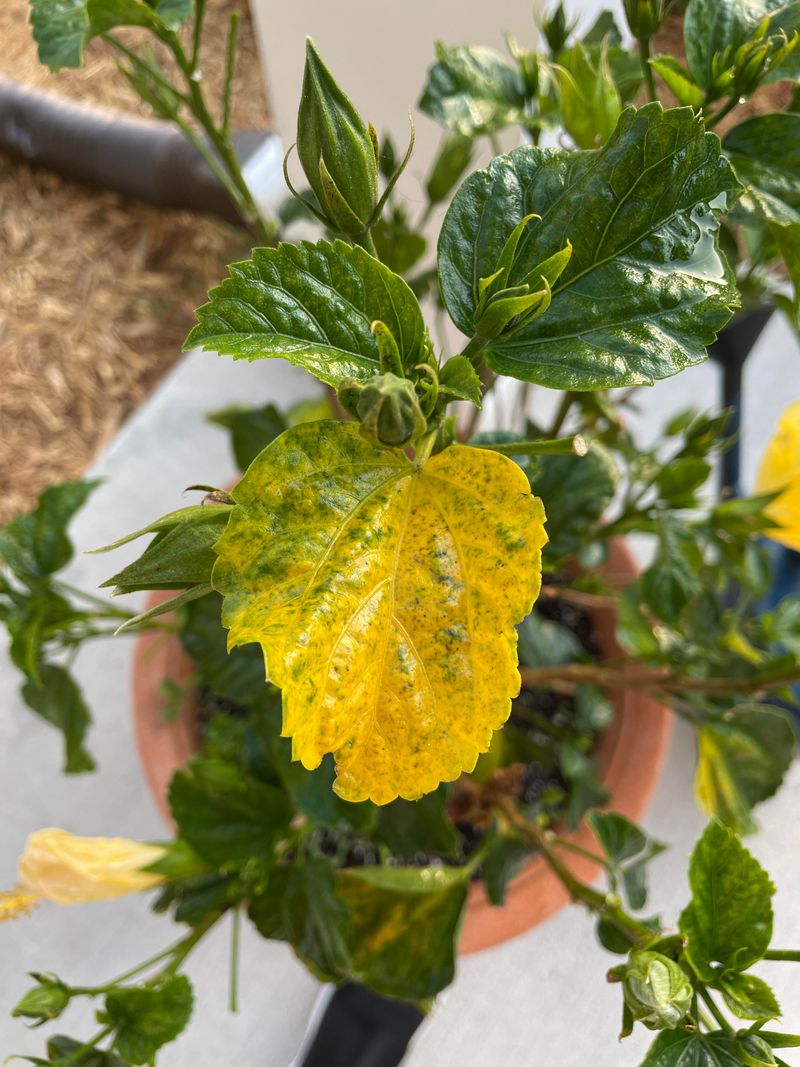
Walk through your garden on a chilly January morning and you will see the difference. Hibiscus stems that were pushing out new buds every week now sit quietly.
The 50 to 60 degree range marks a significant transition point for tropical hibiscus, where active growth nearly stops.
At these temperatures, tropical hibiscus enter a slowed-growth state that resembles dormancy but does not fully stop biological activity. Root activity decreases, water uptake slows, and nutrient absorption becomes minimal.
You might notice older leaves turning yellow and dropping, which is completely normal. The plant is conserving resources rather than supporting unnecessary foliage.
Hardy hibiscus varieties handle this temperature range much better than their tropical cousins. If you planted perennial hibiscus species native to temperate regions, you will see them naturally go dormant, losing all their leaves and retreating into their root systems.
This is their survival strategy and nothing to worry about.
Gardeners across Florida sometimes make the mistake of fertilizing heavily during this cool period, thinking extra nutrients will perk up their plants. This actually stresses hibiscus further because they cannot process the fertilizer efficiently.
Your Florida Garden Changes Every Week. Your Plan Should Too.
Gardening in Florida changes quickly throughout the season. Every Friday you’ll receive a simple weekly plan showing exactly what to plant, prune, fertilize, harvest, and protect so you never miss the right timing.
Instead, slightly reduce watering and avoid fertilizing until nighttime temperatures consistently stay above 60 degrees again.
3. Cool Nights Can Stress Leaves And Impact Blooms
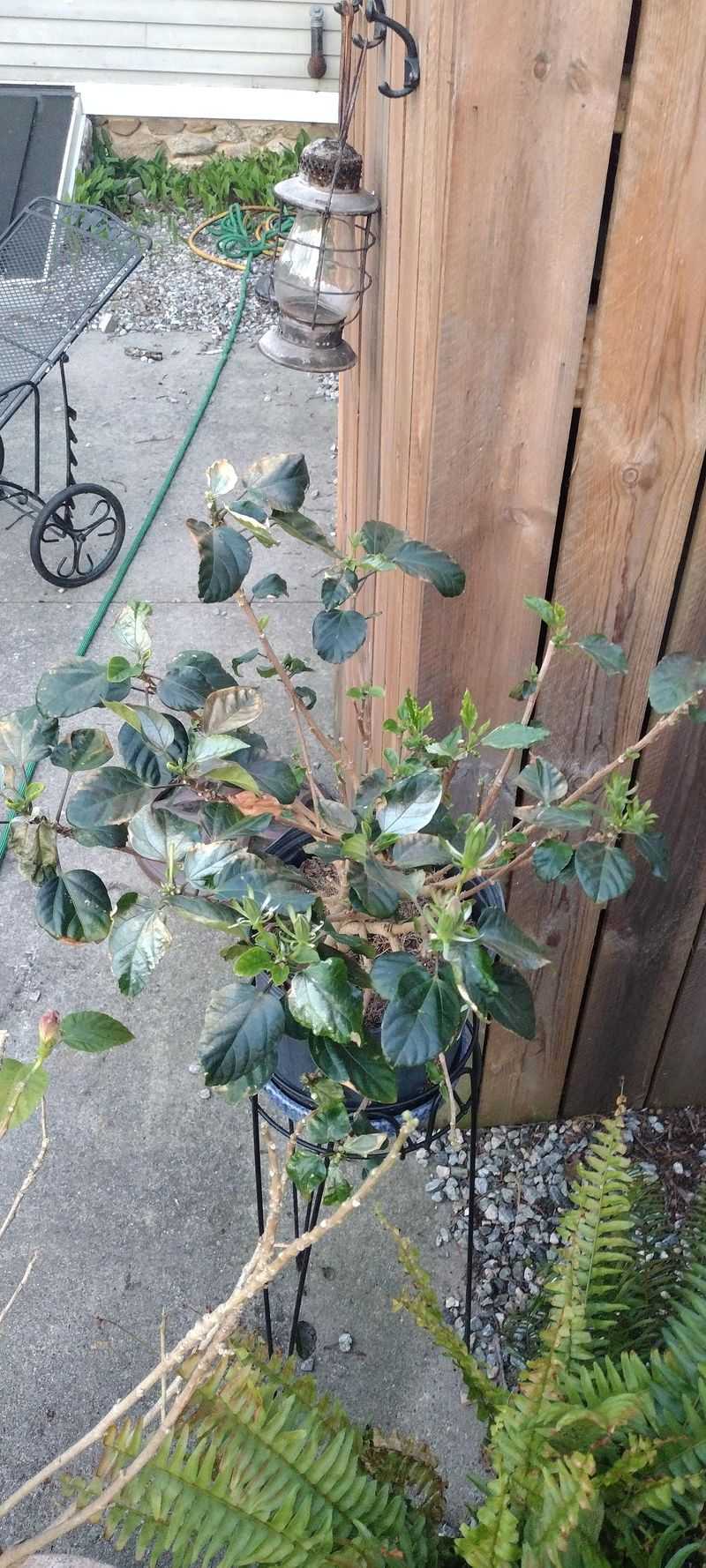
You wake up to a brisk 45-degree morning and head outside with your coffee. Your hibiscus leaves look different, almost droopy and slightly discolored at the edges.
Temperatures in the mid-40s create visible stress on tropical hibiscus, even if the cold spell only lasts a few hours.
Leaf cells contain water that becomes sluggish in cold conditions. This affects turgor pressure, which keeps leaves firm and upright.
You might see leaves curling inward or drooping noticeably after a particularly cool night. Blooms that were forming may drop unopened, and flowers that do open often look smaller or misshapen.
Central Florida gardeners face this scenario several times each winter. North Florida sees it more frequently, sometimes multiple nights in a row.
South Florida rarely experiences temperatures this low, but when it happens, the shock to plants can be more severe because they are not acclimated to any cold at all.
Covering your hibiscus with lightweight frost cloth on these nights makes a significant difference. The fabric traps heat radiating from the ground and can keep the microclimate around your plants several degrees warmer.
Remove the covers during the day so plants can absorb sunlight and warm up naturally.
4. Freeze And Frost Will Really Hurt Tender Hibiscus
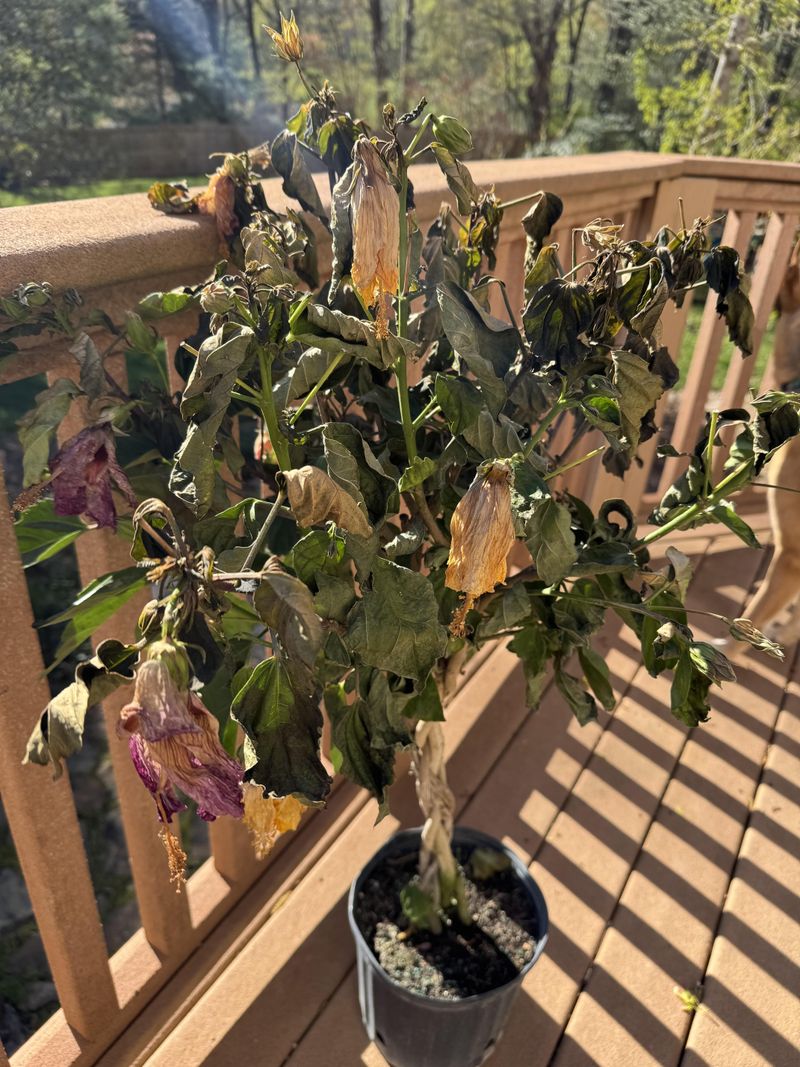
The weather forecast calls for temperatures dropping to 32 degrees or below, and your heart sinks. Freezing temperatures spell serious trouble for tropical hibiscus.
Ice crystals form inside plant cells, rupturing cell walls and causing extensive damage that shows up within hours.
You will see blackened, mushy leaves after a freeze. Stems may turn dark and soft.
Buds drop immediately, and any flowers present collapse. This level of damage requires significant recovery time, and severely frozen plants may not bounce back at all.
However, many hibiscus appear severely damaged after freezes but resprout weeks later from protected lower stems or roots once warm weather returns. North Florida gardeners know this risk well and plan protection strategies every winter.
Frost forms when surface temperatures drop to around 32 degrees or slightly above, causing moisture in the air to freeze on plant surfaces. Even a light frost can scorch tender new growth on hibiscus.
The damage looks like brown, crispy edges on leaves and blackened tips on stems. Established woody growth usually survives better than soft, new shoots.
Moving container hibiscus into a garage or covered porch protects them completely. For in-ground plants, covering with blankets or tarps supported by stakes creates an insulating layer.
Water your plants thoroughly before a freeze because moist soil retains heat better than dry soil, radiating warmth upward through the night.
Cold tolerance varies by hibiscus variety and overall plant health. Newly planted, stressed, or drought-affected hibiscus are more likely to suffer cold damage than established, healthy plants.
Some tropical hybrids tolerate brief dips into the mid-30s better than others.
5. Hardy Hibiscus Can Handle Far Lower Temps Than Tropicals
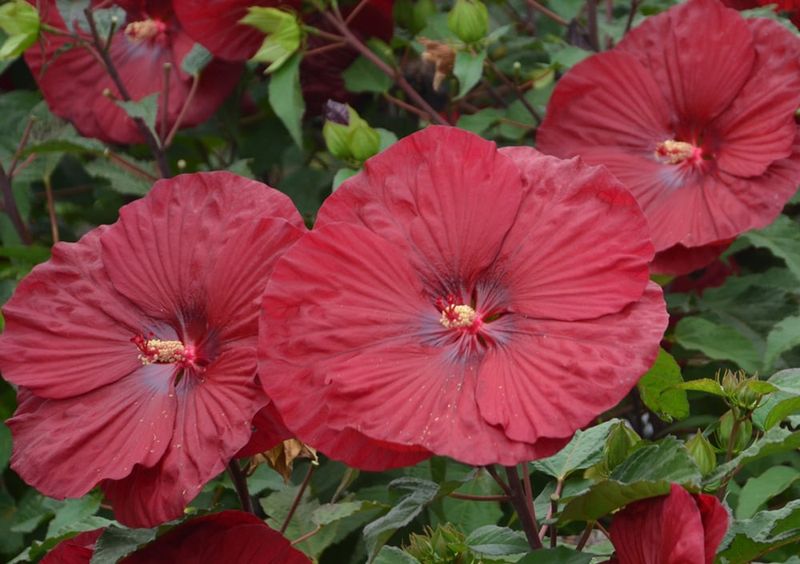
Perhaps you planted a hardy hibiscus variety without realizing it differs dramatically from tropical types. These perennial hibiscus species tolerate temperatures well below freezing, often surviving down to 10 degrees Fahrenheit or even lower.
They naturally grow in temperate climates and expect cold winters.
Hardy hibiscus goes dormant completely to the ground each winter. You will see all the stems and leaves turn brown and collapse, leaving nothing but bare soil.
This alarms many Florida gardeners who think their plant is gone forever. Actually, the root system is alive and well underground, waiting for spring warmth to trigger new growth.
North Florida is ideal for hardy hibiscus because the climate provides the winter chill these plants need for proper dormancy. Central Florida works well too, though the shorter cold season means a longer growing period.
South Florida can grow hardy hibiscus, but consistently warm winters may reduce dormancy quality and flowering performance compared to North and Central Florida.
You do not need to protect hardy hibiscus from cold the way you do tropical varieties. Simply cut back the brown stems in late winter, add a layer of mulch over the root zone, and wait.
When soil temperatures warm in spring, fresh shoots will emerge and grow rapidly into tall, flowering plants by summer.
6. Duration Of Cold Spells Increases Hibiscus Stress
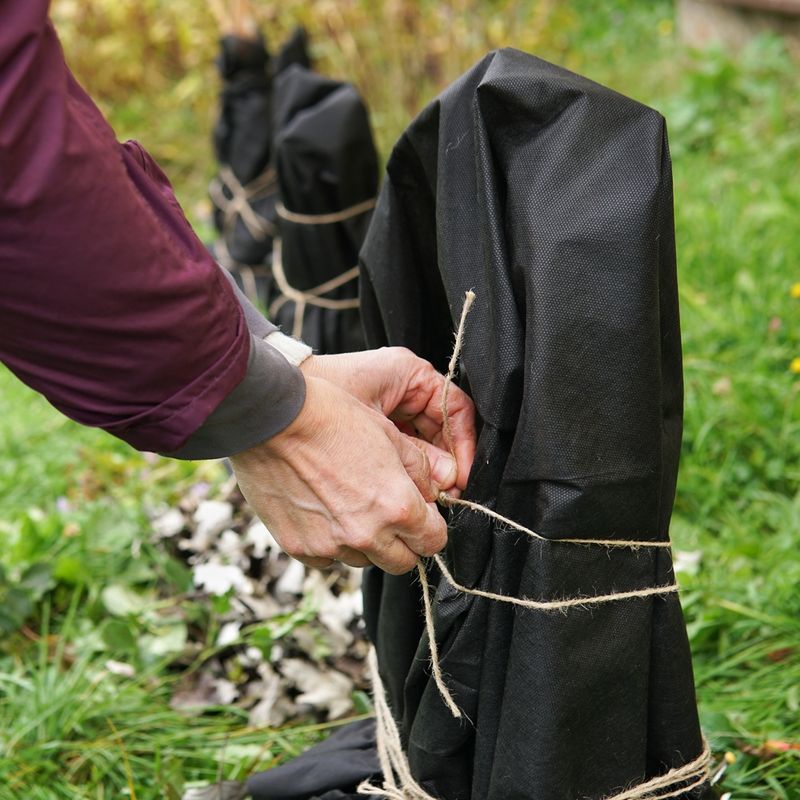
One cold night at 40 degrees causes less damage than three nights in a row at the same temperature. Duration matters as much as the actual low temperature.
Extended cold periods prevent plants from recovering between chilly nights, compounding stress and increasing the likelihood of visible damage.
Your hibiscus can tolerate brief cold snaps by shutting down temporarily and then resuming normal activity when warmth returns. However, when cool temperatures persist for days or weeks, the plant exhausts stored energy reserves.
Leaves continue dropping, stems may suffer dieback, and overall vigor declines noticeably.
North Florida often experiences prolonged cold fronts that settle in for a week or more. This extended chill stresses tropical hibiscus far more than the occasional cold night Central or South Florida sees.
Gardeners in northern counties often choose to grow hibiscus in containers so they can move plants indoors during long cold stretches.
Monitoring weather forecasts helps you plan protection strategies. If you see several cold nights predicted in a row, remove frost covers once temperatures rise above 45–50 degrees during the day to prevent overheating and moisture buildup that can lead to disease.
This maintains a more stable temperature around your plants and reduces the cumulative stress of repeated temperature swings.
7. Protecting Hibiscus When Florida Nights Turn Chilly
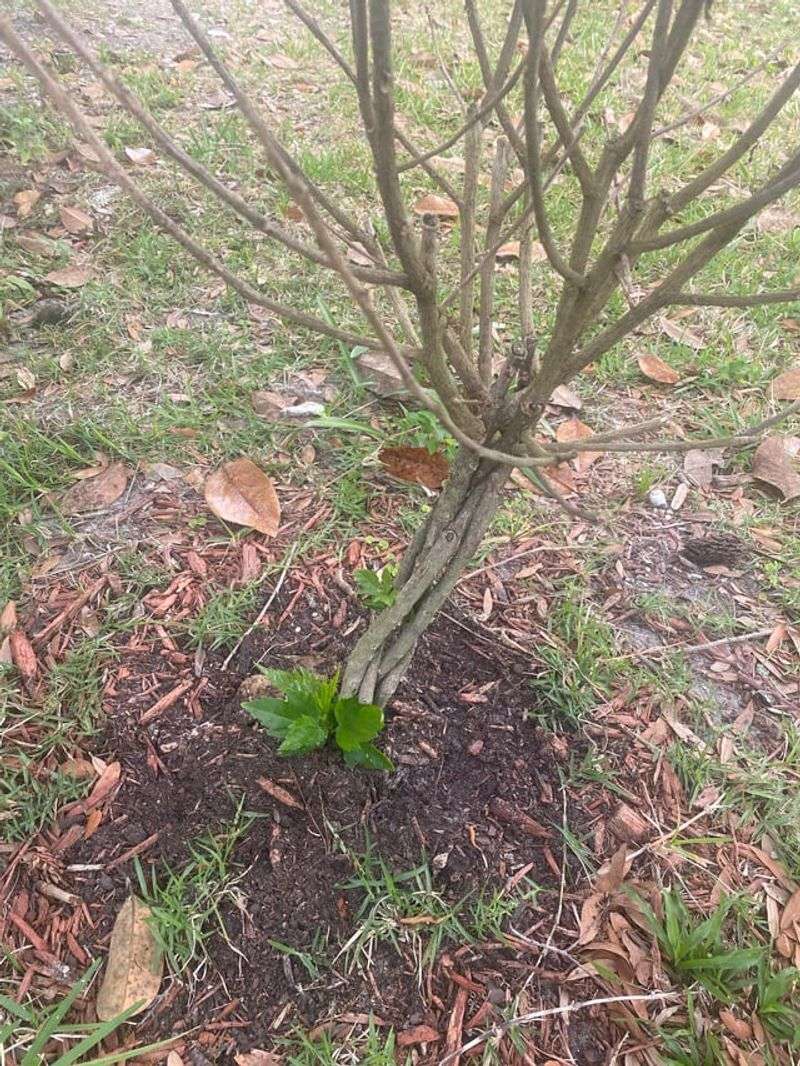
You check the forecast and see temperatures dropping into the low 40s tonight. Time to take action.
Protecting hibiscus from cold is straightforward when you know what works. Start by watering your plants thoroughly in the afternoon before the cold night arrives.
Moist soil holds heat much better than dry soil.
For container hibiscus, the easiest solution is moving them into a garage, covered patio, or even indoors near a window. They do not need bright light during a brief cold spell, just protection from freezing air.
In-ground plants need covering with frost cloth, old sheets, or blankets draped over stakes to create a tent that does not touch the foliage directly.
Applying a fresh layer of mulch around the base of your hibiscus insulates roots and helps retain soil warmth. Avoid piling mulch against stems, which can encourage rot.
Instead, spread it in a circle extending out to the drip line. Wind protection also matters because moving cold air strips heat away faster than still air.
Remove covers once morning temperatures rise above 45–50 degrees so plants can warm up naturally and resume normal activity. Leaving covers on too long creates a humid, dark environment that encourages fungal problems.
Most Florida cold snaps last only one or two nights, making temporary protection very effective.
8. What To Watch For When Winter Weather Looms
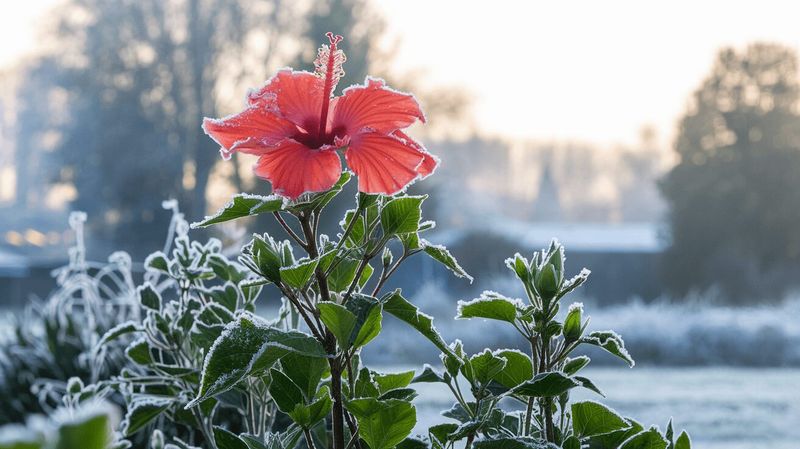
You hear the weather forecast mention a cold front moving through Florida in the next few days. Knowing what signs to watch for helps you respond quickly and protect your hibiscus before damage occurs.
Pay attention to nighttime low temperatures first, particularly when forecasts predict readings below 50 degrees.
Watch your plants closely for early stress signals. Leaves that start drooping in late afternoon or evening before temperatures even drop indicate your hibiscus is already sensing the coming cold.
Buds that suddenly yellow and drop are another warning sign. These clues give you time to implement protection before conditions worsen.
Check soil moisture levels because dry plants suffer more cold damage than well-watered ones. If your soil feels dry several inches down, water thoroughly a day before the cold arrives.
Also notice wind direction and speed, since cold winds accelerate heat loss from plants. Position windbreaks or move containers to sheltered locations.
After cold nights pass, inspect your hibiscus carefully. Brown leaf edges and blackened stem tips show where damage occurred.
Prune affected areas after freeze danger has passed and new growth begins to appear in late winter or early spring. New growth will emerge from healthy tissue below the damaged sections, and your plants will recover as spring approaches and warmth returns to your Florida garden.