What It Means When Frogs Show Up In Florida Yards
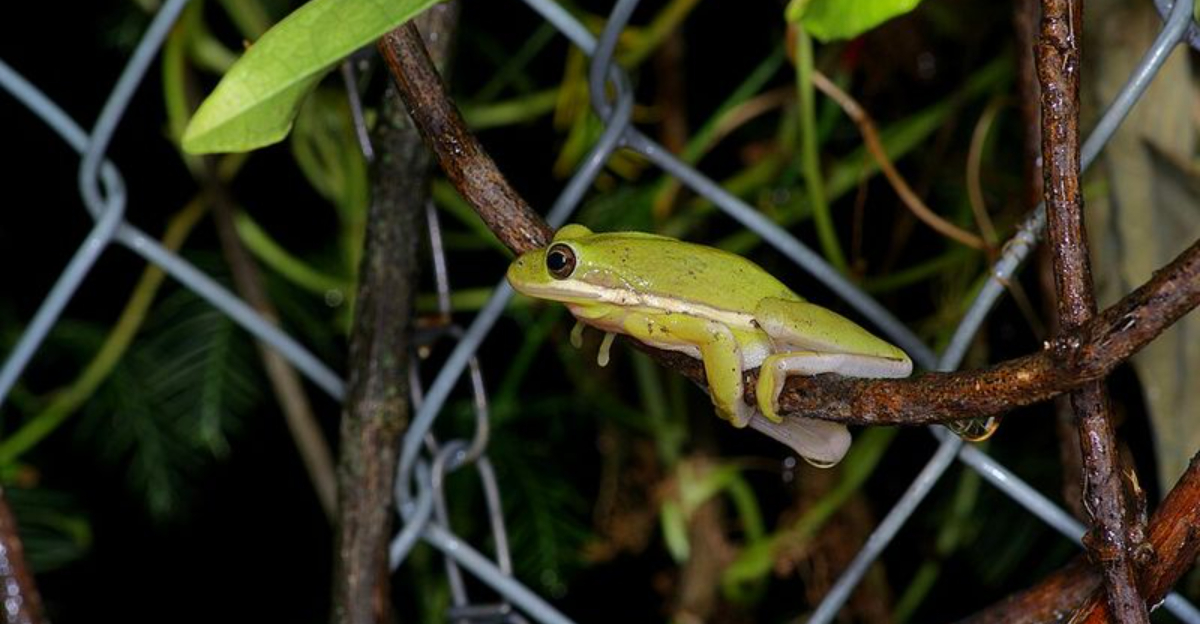
Florida homeowners, this one might surprise you. You step outside, spot a frog chilling by your porch, and suddenly you’re wondering if it’s cute, creepy, or trying to tell you something.
In this state, frogs don’t just show up for no reason. Their sudden appearance can mean changes in weather, moisture levels, bugs, or even what’s happening underground in your yard.
If you’ve ever noticed more frogs after heavy rain, during warm nights, or around your garden lights, there’s a reason behind it. Some signs are harmless, others are worth paying attention to.
Before you brush it off as just another Florida thing, you’ll want to know what these little visitors are really signaling about your yard and your environment. What you’re about to learn might change how you see them hopping around your property.
1. Frogs Play Favorites When Choosing Florida Yards
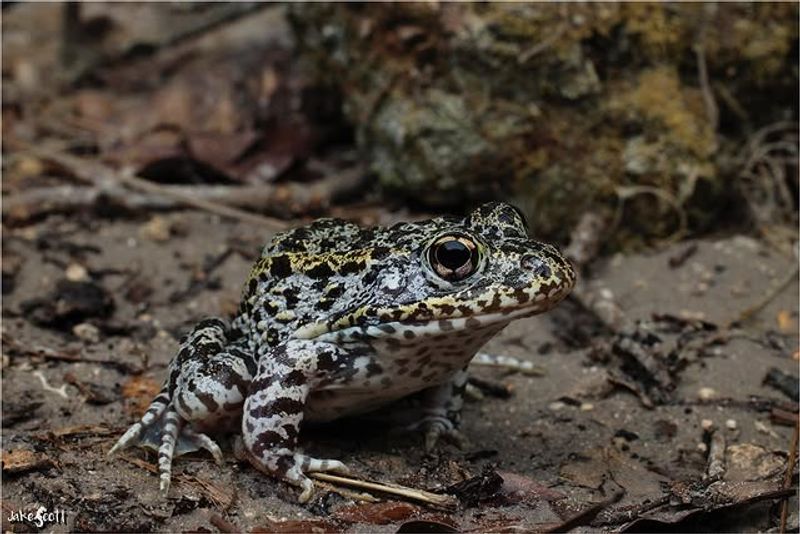
Walk outside on a humid evening and you might notice frogs gathered near your garden beds while your neighbor’s lawn stays silent. That’s not random.
Frogs actively choose yards based on specific features that support their survival, and your property might be offering exactly what they need.
Florida frogs look for yards with dense ground cover, shaded areas, and access to moisture. Properties with mulch, leaf litter, ornamental plants, and low shrubs create perfect daytime hiding spots.
At night, frogs emerge to hunt insects attracted to porch lights, sidewalks, and driveways.
Yards with minimal pesticide use and diverse plant life tend to attract more frogs because insect populations thrive there. If your yard has standing water after rain, potted plants that hold moisture, or even air conditioning drip lines, frogs notice.
These small water sources help frogs absorb moisture through their skin and regulate body temperature during hot months.
Understanding this helps you see frog presence as a sign of a balanced yard ecosystem. Frogs aren’t invading, they’re responding to habitat cues your property naturally provides.
When you notice them gathering in certain spots, you’re seeing their preferences play out in real time, revealing which parts of your yard offer the best combination of shelter, food, and moisture.
2. Frog Activity Exposes Your Yard’s Moisture Sweet Spots
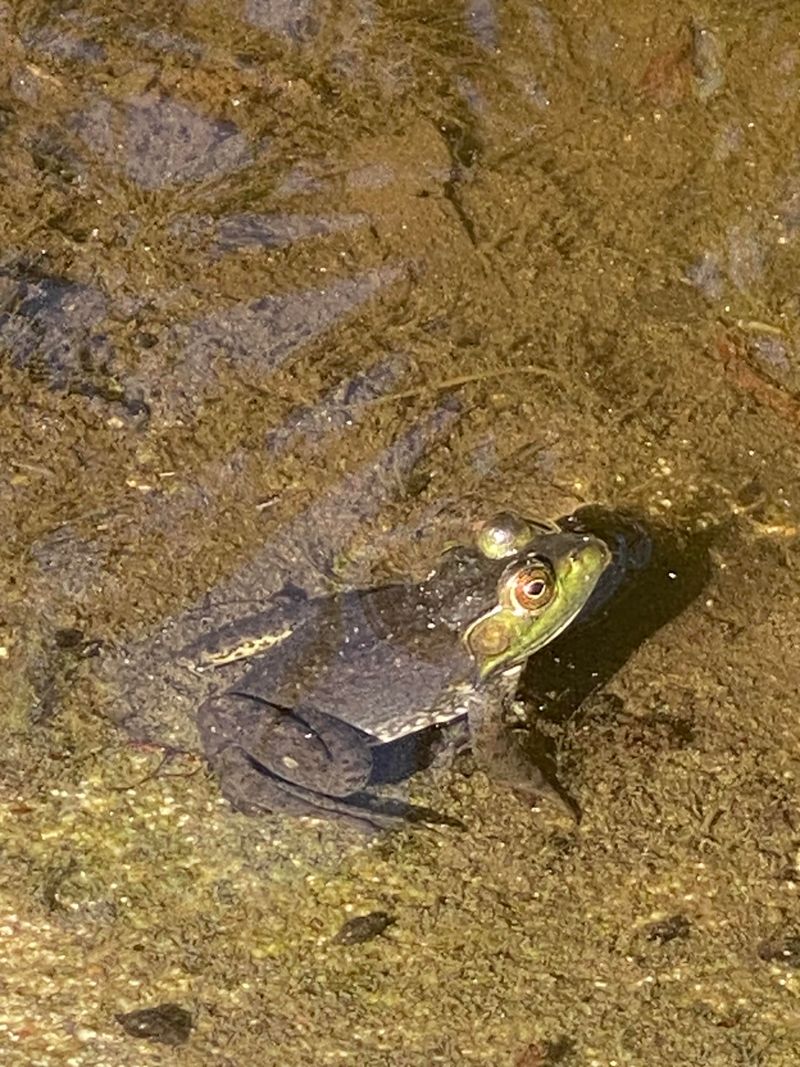
You walk out to water your plants and spot three frogs clustered near the hose bib. Another group sits under the dripping air conditioner unit.
Their locations aren’t coincidental. Frogs reveal where moisture lingers in your yard, even when you don’t notice it yourself.
Florida’s humidity helps frogs survive, but they still seek out microclimates with higher moisture levels. Low spots that collect rainwater, shaded areas under dense foliage, and places where irrigation systems create damp soil all attract frogs.
They rely on moist skin to breathe and stay hydrated, so these moisture pockets become essential gathering zones.
If you see frogs congregating in one area repeatedly, check for drainage issues, leaky hoses, or overwatered plant beds. Sometimes frog activity points to problems you didn’t know existed.
Your Florida Garden Changes Every Week. Your Plan Should Too.
Gardening in Florida changes quickly throughout the season. Every Friday you’ll receive a simple weekly plan showing exactly what to plant, prune, fertilize, harvest, and protect so you never miss the right timing.
Other times, it simply shows where your yard naturally holds moisture longer, like under thick palms or along north-facing walls that stay shaded all day.
Across Central Florida, homeowners often notice frogs near downspouts and French drains after storms. In South Florida, they gather around pool equipment and outdoor showers.
Recognizing these patterns helps you understand your yard’s water movement and where conditions stay frog-friendly even during dry spells.
3. Rainstorms Flip The Switch On Frog Movement
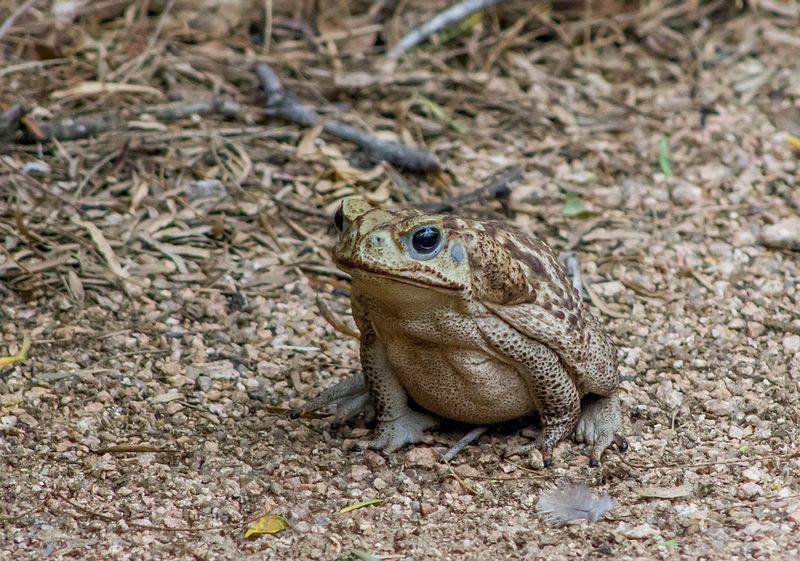
The rain stops and within an hour your yard transforms into a frog chorus. Suddenly they’re everywhere, hopping across driveways, calling from bushes, and moving through grass you never saw them in before.
Florida rainstorms trigger immediate behavioral shifts that bring frogs out in force.
Rain increases humidity, cools the air, and saturates the ground, creating ideal conditions for frog activity. Many Florida frog species time their breeding calls and movement to coincide with rain events.
Rain increases humidity and ground moisture, allowing frogs to move safely without drying out.
After heavy storms, frogs emerge from hiding spots under logs, in tree crevices, and beneath thick vegetation. They move toward temporary puddles, ditches, and low areas where water collects.
This is when you’ll see the most frog traffic across sidewalks, patios, and open lawn areas as they navigate between shelter and breeding sites.
North Florida residents notice this pattern shift with seasonal rains in late spring and summer. In South Florida, where afternoon storms are predictable during wet season, frog activity spikes almost daily.
Understanding this rain-triggered behavior helps you anticipate when frogs will be most visible and active in your yard.
4. Busy Frog Yards Mean Strong Food Availability
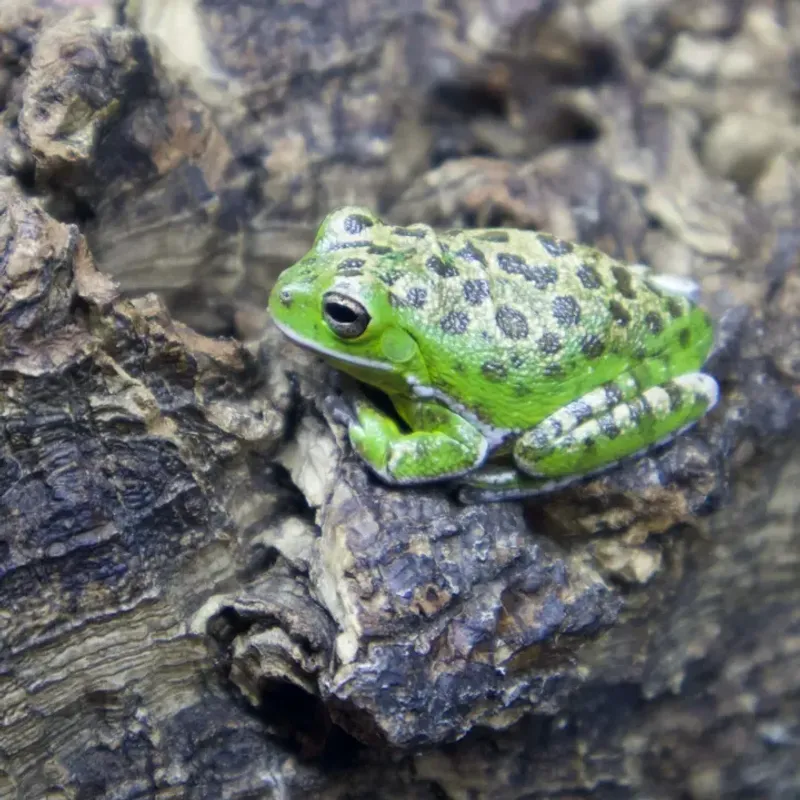
Your neighbor complains about mosquitoes every evening, but you rarely get bitten in your own yard despite sitting outside regularly. Look closer and you might notice frogs hunting near your porch light, snapping up insects as they circle the glow.
High frog activity often signals abundant insect populations, which means your yard supports a healthy food web.
Florida frogs eat mosquitoes, moths, beetles, ants, termites, and other small invertebrates. Frogs can consume large numbers of insects during nightly feeding activity.
When frogs gather in your yard consistently, it’s because they’ve found reliable hunting grounds. Areas with outdoor lighting, flowering plants that attract pollinators, and organic debris that shelters insects all create feeding opportunities.
Yards with diverse plantings and minimal pesticide use develop richer insect communities, which in turn support more frogs. This creates a natural balance where frog predation helps keep pest populations manageable without chemical intervention.
If you notice frogs stationed near lights every night, they’ve learned your yard offers consistent meals.
Across Florida, homeowners who embrace this natural pest control often see fewer nuisance insects over time. Frogs become part of the backyard ecosystem, filling a role that benefits both wildlife and people who want to enjoy outdoor spaces without constant bug interference.
5. Frogs Act As Nighttime Pest Patrol
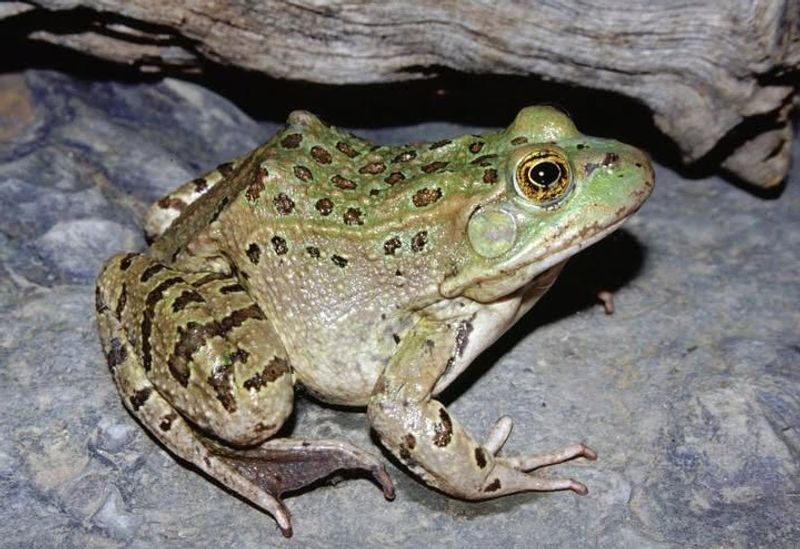
Ever flipped on the patio light and immediately spotted a frog perched on the railing, eyes fixed on the swarm of gnats circling above? Within seconds, it lunges and snaps up a meal.
This scene plays out in Florida yards every night, but most homeowners don’t realize they’re witnessing free, effective pest control in action.
Frogs are opportunistic hunters that position themselves where insects congregate. Outdoor lights, compost bins, damp mulch areas, and flowering plants all attract insects, and frogs learn these patterns quickly.
They station themselves in prime spots and wait for prey to come within striking distance.
Unlike chemical treatments that can harm beneficial insects and contaminate soil, frogs target pests selectively. They eat what’s abundant and available, helping reduce adult insects around lights and contributing to natural insect population control.
Their presence indicates your yard has enough insect activity to sustain them, but also that natural predation is helping keep populations in check.
In South Florida, where mosquitoes breed year-round, frogs provide consistent pest pressure. Central Florida homeowners notice increased frog activity during rainy summer months when insect populations explode.
By recognizing frogs as part of your yard’s pest management team, you can appreciate their role rather than viewing them as unwanted visitors.
6. Florida’s Climate Turns Yards Into Frog Hotspots
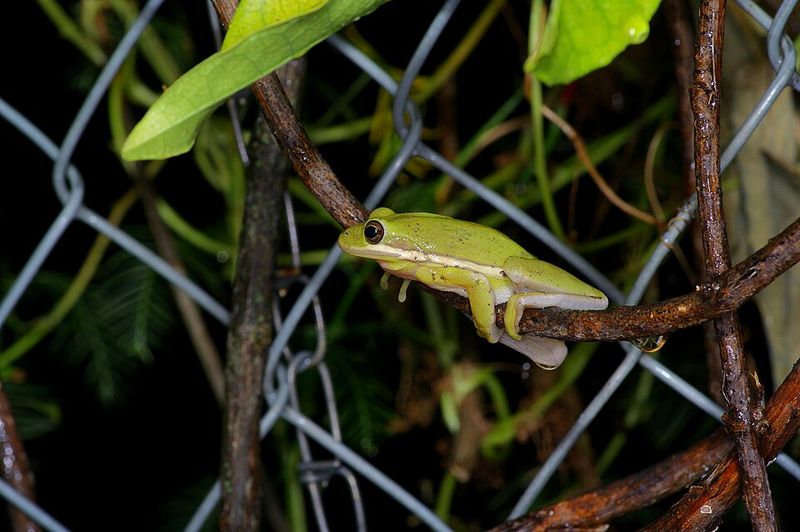
Your cousin in Arizona never sees frogs in their yard, but you can count five different species in yours on any given summer night. Florida’s unique climate creates conditions that make residential yards prime frog habitat, and understanding this helps explain why frog presence is simply part of living here.
High humidity, warm temperatures, frequent rainfall, and mild winters allow Florida frogs to stay active most of the year. Unlike northern states where frogs must hibernate for months, Florida species remain visible and vocal almost year-round, especially in Central and South Florida.
Even North Florida sees frog activity from March through November.
Residential yards mimic natural wetland edges with their combination of open areas, vegetation, and artificial water sources. Irrigation systems, rain gardens, and landscape features create microhabitats that support frog populations even in suburban settings.
The state’s biodiversity means multiple frog species can occupy the same yard, each using slightly different niches.
According to Florida wildlife agencies, Florida is home to roughly 27 native frog species, along with several introduced species. When frogs show up in your yard, they’re responding to conditions that Florida’s climate naturally provides, making coexistence both inevitable and beneficial for maintaining balanced backyard ecosystems.
So the next time frogs appear after a rainstorm or gather near your porch lights, don’t dismiss it as just another Florida oddity. Their presence often signals healthy moisture levels, active insect populations, and a functioning outdoor ecosystem right outside your door.
In many ways, frogs serve as tiny environmental indicators. They reflect what’s happening in your soil, your plants, your water flow, and even your pest activity.
Sometimes the smallest creatures really do make the biggest difference in how balanced your yard becomes.
Important Note: Not all frogs found in Florida yards are native. Species such as the Cuban treefrog and cane toad are invasive and can compete with or harm native wildlife.
These species are often larger, louder, and more aggressive than native frogs.
If you notice unusually large frogs, extremely loud nighttime calls, or frogs invading birdhouses or tree cavities, it may be worth identifying the species before encouraging their presence. Learning the difference helps protect Florida’s native frog populations while still enjoying the benefits frogs bring to your yard.