This Fertilizer Is Helping Texas Gardeners Grow Stronger Leafy Greens
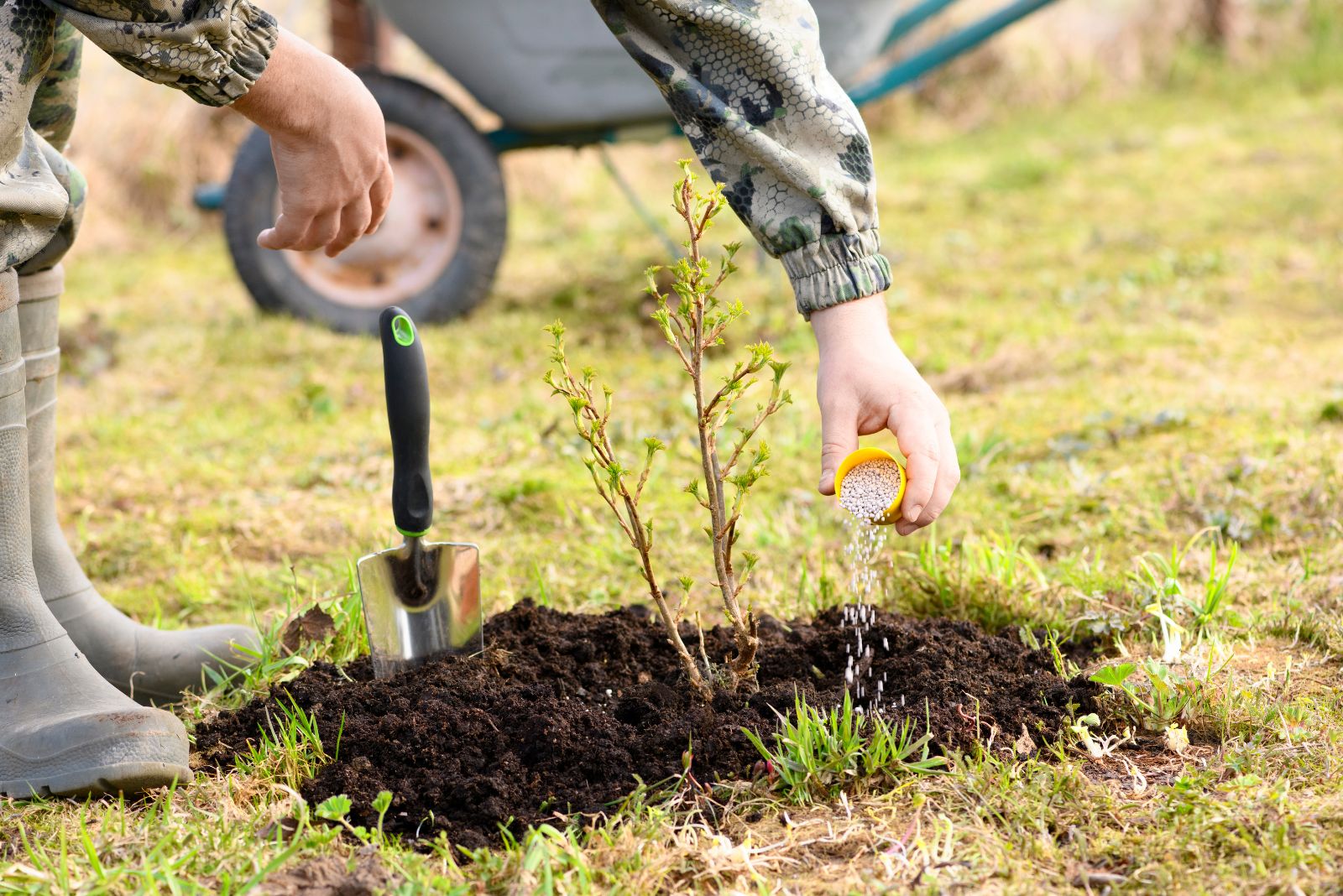
Trying to grow leafy greens in your Texas garden but not seeing the results you expected? The problem might not be your watering schedule, it could be your soil.
Leafy greens like spinach, kale, and lettuce are heavy feeders that rely on nitrogen to produce those full, vibrant leaves. Without enough of it, your plants may stay small, pale, or grow slowly.
That’s why more and more Texas gardeners are turning to nitrogen-rich fertilizers to give their greens the fuel they need. With the right boost, your plants can grow faster, handle stress better, and produce lush, flavorful harvests.
Whether you’re gardening in containers, raised beds, or open soil, adding a balanced, nitrogen-rich fertilizer could be the game-changer your garden needs. Ready to take your greens from struggling to thriving?
Here’s how this powerful nutrient is making a difference for gardeners across the Lone Star State.
1. Boosting Chlorophyll Production For Deeper Green Color
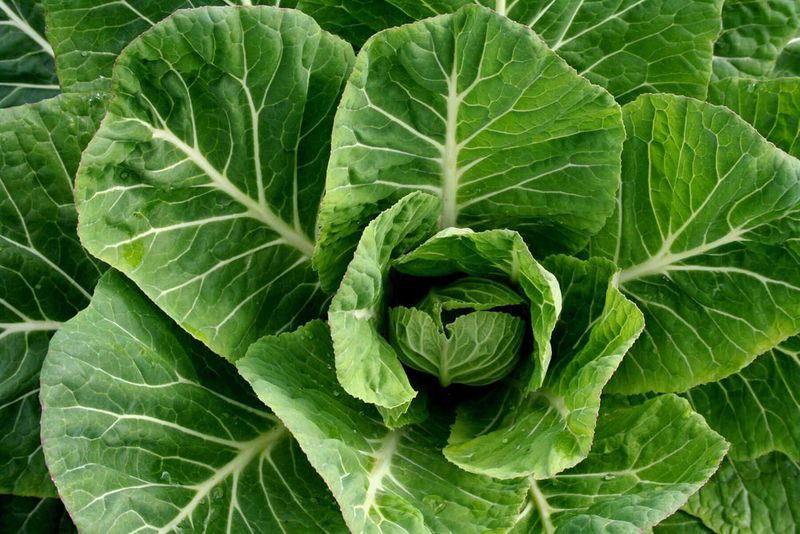
Every gardener in Texas wants to see that rich, deep green color in their leafy vegetables because it signals health and vitality. Chlorophyll is what gives plants their green color, and it’s absolutely essential for photosynthesis, the process plants use to make their own food.
Nitrogen is the main ingredient in chlorophyll molecules, which means without enough nitrogen, your greens will look pale, yellowish, and sickly.
When Texas gardeners apply nitrogen-rich fertilizer to their garden beds, the plants quickly absorb this nutrient through their roots. The nitrogen then travels up through the plant’s vascular system and gets incorporated into new chlorophyll molecules.
Within just a few days, you can often see the difference as leaves transform from light green to a vibrant, healthy dark green color.
This color change isn’t just about looks. Darker green leaves contain more chlorophyll, which means the plant can photosynthesize more efficiently and produce more energy.
That energy gets used to grow bigger leaves, stronger stems, and healthier root systems. In San Antonio and other parts of Texas where summer heat can stress plants, having maximum chlorophyll means greens can make the most of morning and evening light when temperatures are cooler.
Gardeners across the state have noticed that nitrogen-fertilized spinach, lettuce, and kale not only look better but also taste better. The improved nutrition helps plants produce more of the vitamins and minerals that make leafy greens so healthy for us to eat.
The deep color also indicates that the plant has the resources it needs to resist stress and continue growing strong even when conditions aren’t perfect.
2. Accelerating Leaf Growth And Development
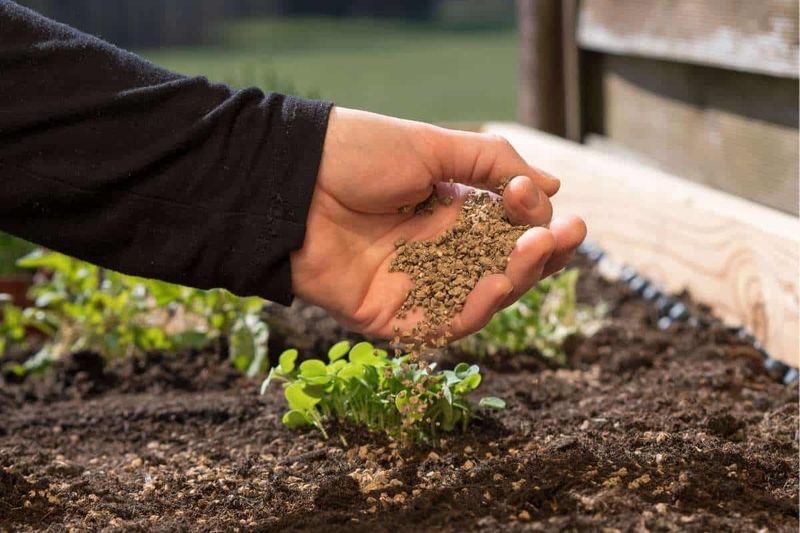
Speed matters when you’re growing leafy greens, especially in Texas where the growing season can be unpredictable. Nitrogen-rich fertilizer acts like a growth accelerator, helping plants develop new leaves faster and more efficiently.
Protein synthesis is the key process here, and nitrogen is an essential component of amino acids, which are the building blocks of proteins.
When plants have plenty of nitrogen available, they can manufacture proteins quickly and use them to build new cells and tissues.
Your Texas Garden Changes Every Week. Your Plan Should Too.
Gardening in Texas changes quickly throughout the season. Every Friday you’ll receive a simple weekly plan showing exactly what to plant, prune, fertilize, harvest, and protect so you never miss the right timing.
Gardeners in Fort Worth and throughout North Texas have found that their lettuce and arugula crops mature several days earlier when they use nitrogen fertilizer compared to unfertilized plants.
This faster growth means you can harvest sooner and even squeeze in an extra planting cycle during the cooler months.
Faster leaf development also means your plants spend less time in vulnerable young stages when they’re more susceptible to pests and environmental stress.
The science behind this acceleration is straightforward. Nitrogen fuels the production of new leaf cells at the growing points of the plant. Each new leaf emerges larger and develops more quickly when nitrogen is abundant.
In El Paso and West Texas, where the growing season for cool-season greens is relatively short, this acceleration can make the difference between a successful harvest and plants that bolt before reaching full size.
Commercial growers and home gardeners alike appreciate how nitrogen helps them maximize productivity. A single kale plant with adequate nitrogen might produce twice as many harvestable leaves as an unfertilized plant in the same time period.
That efficiency translates to more food from the same garden space, which is especially valuable in urban areas where every square foot counts.
3. Strengthening Plant Stems And Structure
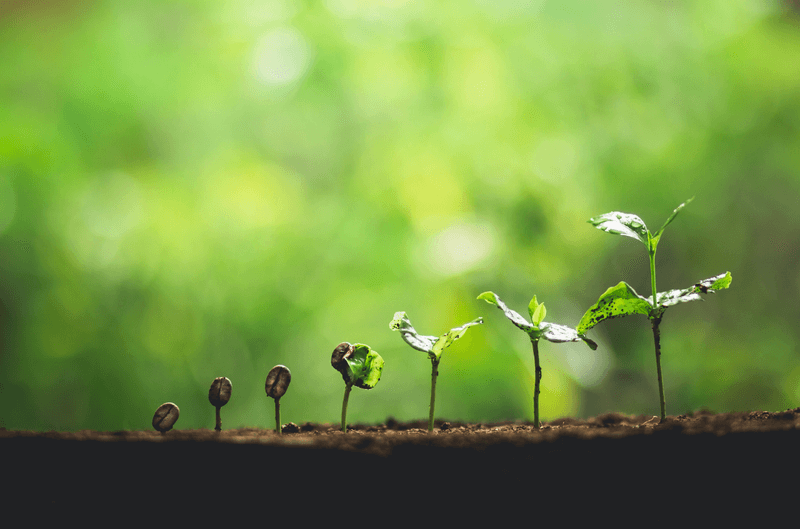
Strong stems might not be the first thing you think about when growing lettuce or spinach, but they’re absolutely critical for healthy plants. Nitrogen doesn’t just help leaves grow bigger; it also contributes to building sturdy stems that can support all that leafy growth.
In Texas, where spring winds can be intense and summer thunderstorms roll through without warning, having plants with strong structural integrity makes a real difference.
When plants receive adequate nitrogen, they produce more structural proteins and compounds that reinforce cell walls. This internal strength shows up in stems that stand upright rather than flopping over, and in leaves that resist tearing and damage.
Gardeners in Corpus Christi and along the Gulf Coast, where humidity and occasional tropical weather systems can weaken plants, particularly value this structural benefit.
The relationship between nitrogen and plant structure involves complex biochemistry, but the results are easy to see in your garden. Collard greens with strong stems hold their large leaves up to the sun instead of dragging on the ground where they can rot or attract pests.
Swiss chard develops thick, crisp stalks that are not only easier to harvest but also have better texture and flavor when cooked.
Texas gardeners working with raised beds and container gardens have noticed that nitrogen-fertilized plants handle transplanting stress better because their stems and leaf attachments are more robust.
When you’re moving seedlings from indoor starts to outdoor beds, that extra structural strength helps plants recover quickly and continue growing without setbacks.
The investment in proper nitrogen nutrition pays off in plants that look better, perform better, and produce more usable harvest throughout the growing season.
4. Improving Drought Resistance In Hot Texas Climate
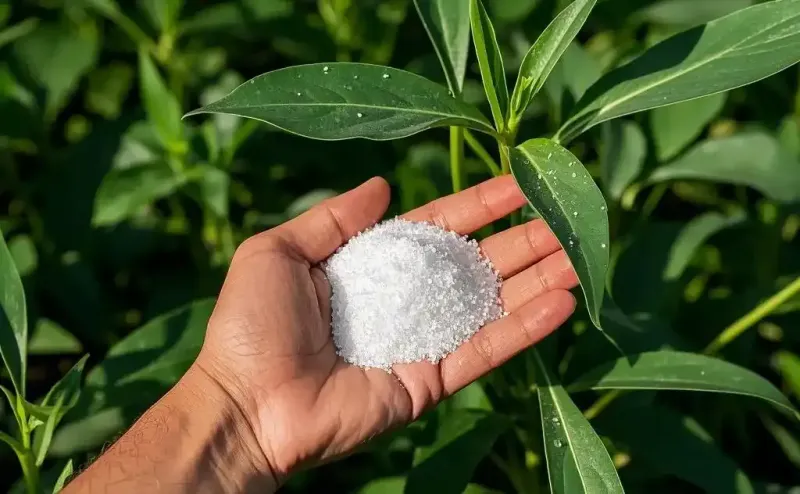
Drought is a constant concern for Texas gardeners, and surprisingly, proper nitrogen nutrition can help plants cope better with dry conditions. Well-nourished plants develop more extensive root systems that can reach deeper into the soil to find moisture.
When your leafy greens have access to adequate nitrogen, they invest energy in growing roots as well as leaves, creating a foundation that helps them survive when water becomes scarce.
Research has shown that nitrogen-deficient plants actually suffer more during drought because they lack the resources to maintain their cellular functions.
In contrast, plants with optimal nitrogen levels can better regulate their water use through their stomata, the tiny pores on leaf surfaces.
In Lubbock and the Panhandle region, where rainfall is limited and irrigation water is precious, this efficiency matters tremendously.
The connection between nitrogen and drought tolerance involves the plant’s ability to produce protective compounds and maintain turgor pressure in cells.
Turgor pressure is what keeps leaves firm and upright, and without adequate nitrogen, plants lose this pressure more quickly when water is limited.
Gardeners in the Hill Country around Austin have observed that their nitrogen-fertilized greens stay crisp and continue growing during dry spells that cause unfertilized plants to wilt and stop producing.
Smart water management combined with proper nitrogen application creates a winning combination for Texas gardens. When you feed your plants well, they make better use of every drop of water you provide.
This doesn’t mean nitrogen-fertilized plants don’t need water, but they handle inevitable dry periods more gracefully.
For sustainable gardening in a state where water conservation is increasingly important, maximizing the efficiency of your plants through proper nutrition makes both environmental and economic sense.
5. Extending Harvest Season With Continuous Production
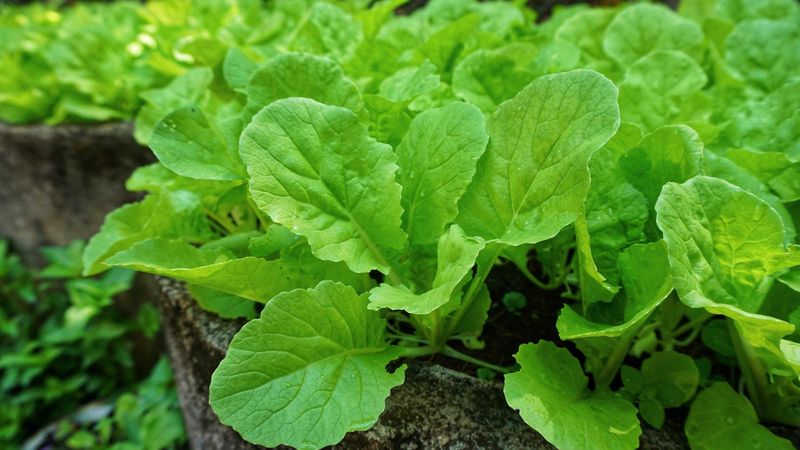
One of the most valuable benefits of nitrogen-rich fertilizer is how it keeps your leafy greens producing over a longer period. Instead of growing quickly, maturing all at once, and then declining, well-fertilized plants maintain steady production for weeks or even months.
This continuous harvest approach is perfect for home gardeners who want fresh greens for salads and cooking throughout the season rather than dealing with a glut of produce all at once.
Nitrogen acts as fuel for ongoing growth, allowing plants to replace harvested leaves with fresh new growth from the center.
Texas gardeners practicing cut-and-come-again harvesting have found that their nitrogen-fertilized lettuce, arugula, and mustard greens will produce multiple cuttings from the same plant.
Each time you harvest the outer leaves, the plant uses nitrogen to generate new leaves from its growing point, effectively extending your harvest by several weeks.
In the Rio Grande Valley and South Texas, where mild winters allow for extended growing seasons, maintaining adequate nitrogen levels means gardeners can harvest greens from November through March.
Without supplemental nitrogen, plants might produce one decent harvest and then decline, but with regular feeding, the same plants keep delivering.
This extended productivity is especially important for families trying to grow a significant portion of their own vegetables.
Commercial growers have long understood that nitrogen management is key to profitable leafy green production, and home gardeners can apply the same principles.
By side-dressing plants with nitrogen fertilizer every few weeks, you signal to your greens that they should keep growing rather than going to seed.
This strategy works particularly well in Dallas and Central Texas, where fall and spring growing seasons offer ideal temperatures for leafy greens if you can keep them actively growing with proper nutrition.
6. Enhancing Nutritional Value Of Harvested Greens
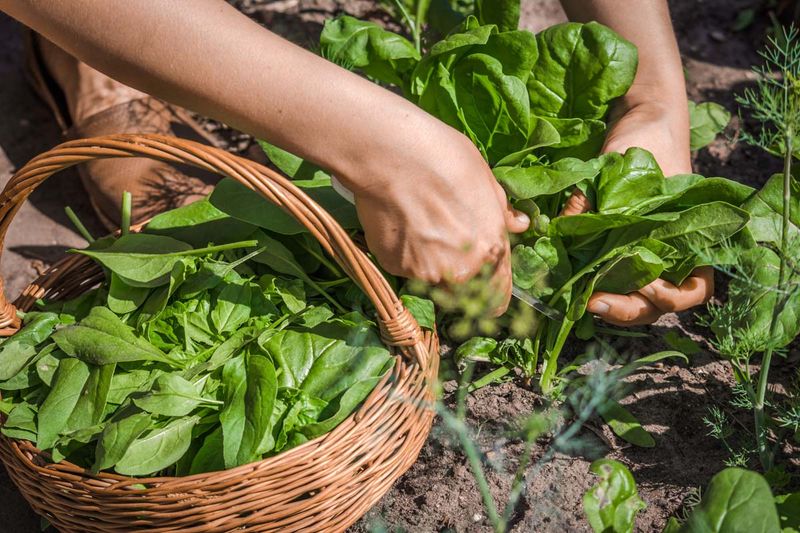
Growing your own food is partly about knowing where it comes from, but it’s also about maximizing the nutritional value of what you eat. Nitrogen-rich fertilizer doesn’t just help plants grow bigger; it also influences the nutritional content of the leaves you harvest.
Leafy greens are prized for their vitamins, minerals, and protein content, and all of these nutritional components depend on adequate nitrogen availability during growth.
Studies have demonstrated that nitrogen-deficient plants produce leaves with lower protein content and reduced levels of certain vitamins.
When Texas gardeners provide optimal nitrogen, their spinach and kale contain more of the nutrients that make these vegetables so valuable in a healthy diet.
The amino acids that form proteins all contain nitrogen, so without sufficient nitrogen in the soil, plants simply cannot manufacture the proteins that contribute to their nutritional value.
Gardeners in Houston and along the Gulf Coast who grow greens specifically for their health benefits should pay attention to nitrogen nutrition.
Well-fertilized greens have better flavor too, which might seem unrelated to nutrition but actually reflects the plant’s ability to produce the complex compounds that give vegetables their characteristic tastes.
Bitter or bland greens often indicate nutritional stress, while properly nourished plants develop the full, rich flavors that make them enjoyable to eat.
The goal of any vegetable garden should be producing the most nutritious food possible, and nitrogen management is a key part of that equation.
When you invest time and effort into growing your own leafy greens, you want to harvest vegetables that are truly superior to what you could buy at the store.
By ensuring your plants have the nitrogen they need throughout their growth cycle, you’re not just growing bigger plants; you’re growing better food for your family.