These Tropical Plants South Florida Gardeners Can Grow Easily
South Florida has a secret advantage, and it’s not just the sunshine. While other gardeners are bundling up their plants, you get to grow bold, colorful, tropical stunners that look like they belong in a resort.
If you’ve ever dreamed of stepping into your backyard and feeling like you’re on vacation, this is how it starts. Warm nights, salty breezes, and long growing seasons create the perfect playground for tropical plants that thrive with very little effort.
No complicated routines, no constant babying, just lush growth and serious wow factor. Do you want a yard that turns heads, attracts compliments, and makes your neighbors slow down as they walk by?
Well, you’re going to love what’s coming next.
1. Tropical Hibiscus Delivers Instant Island Color
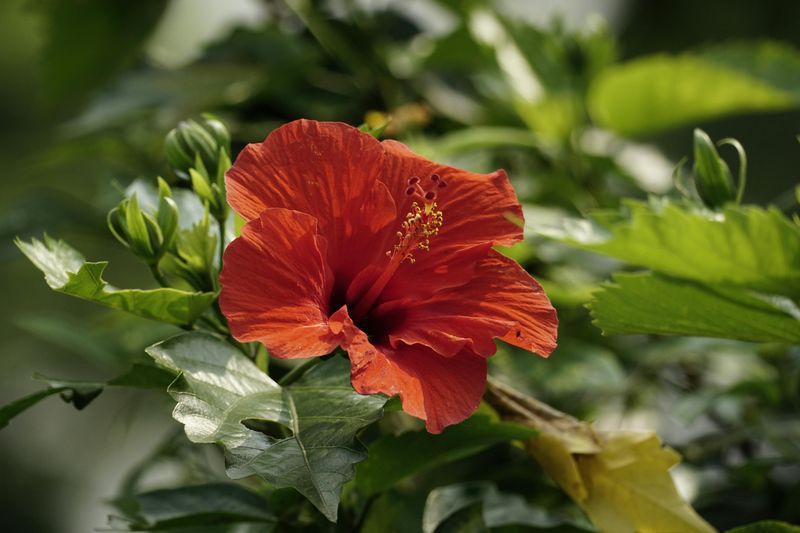
Imagine stepping into your backyard and seeing impressively large flowers glowing in shades of red, orange, pink, and yellow. Tropical hibiscus brings that bold, vacation-worthy color to South Florida landscapes without demanding constant attention from you.
These flowering shrubs thrive in the heat and humidity that define your region, blooming frequently throughout the warm growing season once established.
Plant your hibiscus in full sun where it receives at least six hours of direct light daily. The soil should drain well but hold enough moisture to support those generous blooms.
Water regularly during dry spells, but remember that summer rains usually provide plenty of hydration.
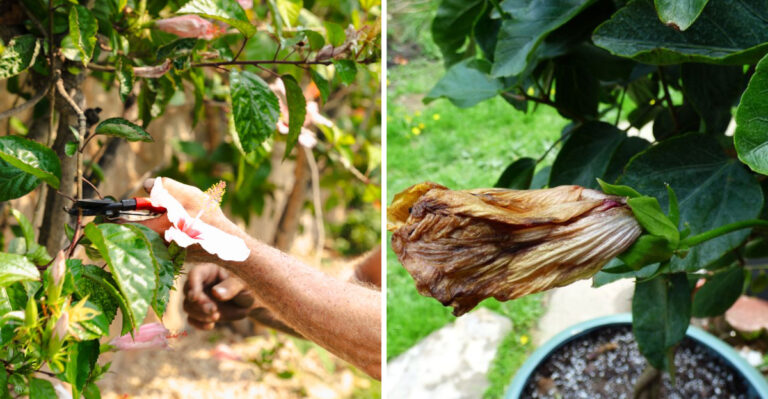
Most South Florida gardeners notice their hibiscus plants recover quickly after light pruning, which helps maintain a compact shape. Space them about three to four feet apart if you’re creating a flowering hedge.
Mulch around the base to keep roots cool and conserve moisture during hotter months. These plants handle coastal conditions surprisingly well, making them perfect for properties near the ocean where salt spray might damage more delicate species.
2. Bougainvillea Creates Explosive Tropical Impact
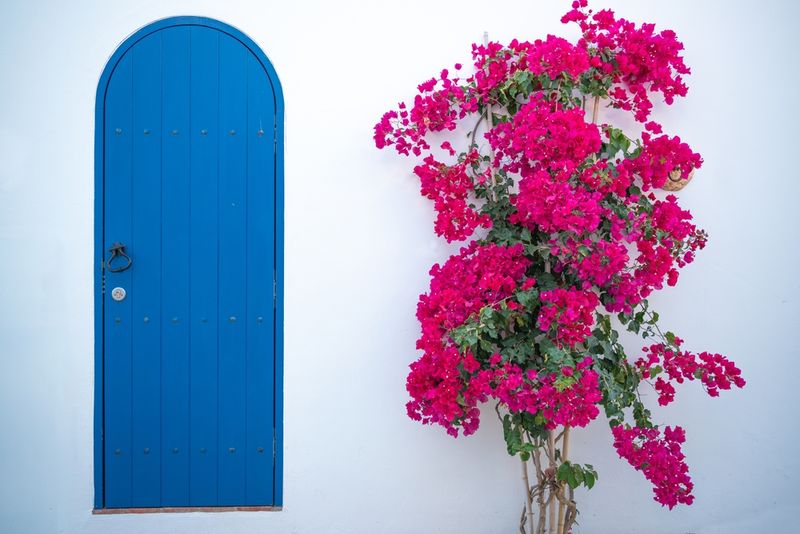
Few plants deliver the sheer visual punch that bougainvillea brings to your South Florida garden. Walls of electric pink, deep purple, orange, and white bracts cascade over fences, arbors, and trellises, creating scenes that look straight out of a Mediterranean villa.
What you’re actually seeing aren’t true flowers but colorful modified leaves called bracts that surround the tiny white blooms.
Bougainvillea loves full sun and actually blooms more intensely when conditions get hot and dry. Plant it in well-draining soil and avoid overwatering, especially during the rainy season when South Florida receives abundant natural moisture.
Too much water reduces flowering and encourages leafy growth instead of those stunning color displays.
This vigorous grower handles pruning well, so don’t hesitate to shape it as needed. Space plants at least five feet apart to give them room to spread.
Coastal gardeners appreciate how bougainvillea tolerates salt spray better than many flowering vines. Mulching helps suppress weeds and maintains consistent soil temperature, though established plants prove remarkably drought-tolerant once their root systems develop fully.
3. Ixora Turns Hedges Into Flower Walls
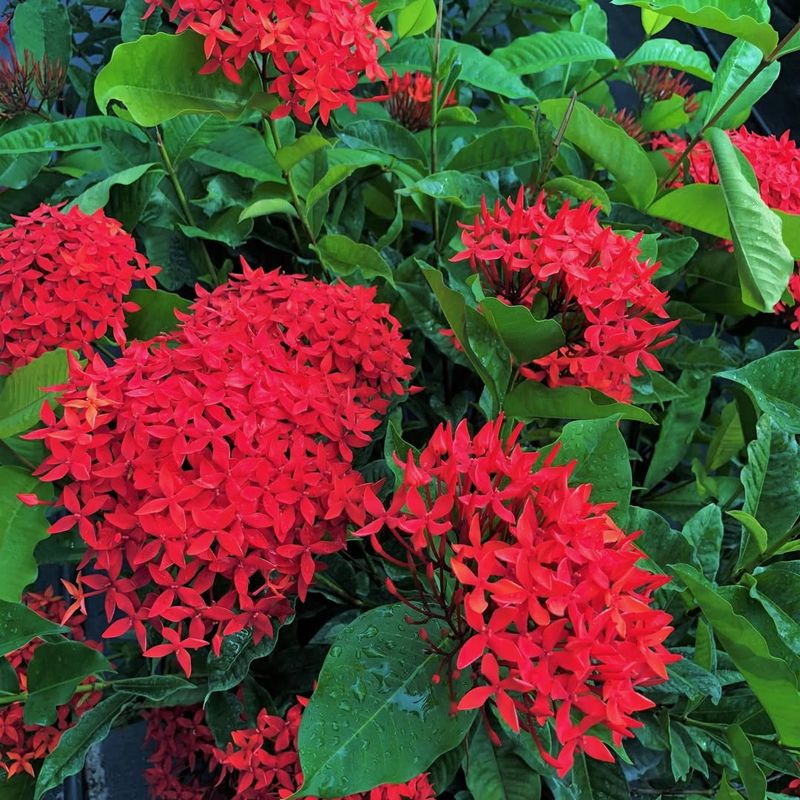
Picture a living fence covered in clusters of tubular flowers that bloom repeatedly through the warm months and often year-round in frost-free areas. Ixora makes this vision a reality in South Florida gardens, producing rounded flower clusters in shades of red, orange, yellow, pink, and white.
Your Florida Garden Changes Every Week. Your Plan Should Too.
Gardening in Florida changes quickly throughout the season. Every Friday you’ll receive a simple weekly plan showing exactly what to plant, prune, fertilize, harvest, and protect so you never miss the right timing.
Butterflies and hummingbirds visit these blooms regularly, adding movement and life to your outdoor space.
Plant ixora in full sun to partial shade where it receives at least four to six hours of sunlight daily. The soil should be slightly acidic and drain well, though these shrubs adapt to various soil types common in South Florida.
Water regularly during dry periods, but avoid overwatering during the rainy season when natural precipitation provides ample moisture.
These compact shrubs typically grow three to six feet tall and wide, making them ideal for low hedges or colorful borders. Space plants about three feet apart for a continuous hedge effect.
Mulch around the base to maintain soil moisture and moderate temperature fluctuations. Light pruning after major bloom cycles encourages bushier growth and more flower production.
Coastal gardeners find ixora moderately salt-tolerant, though plants perform best with some protection from direct salt spray.
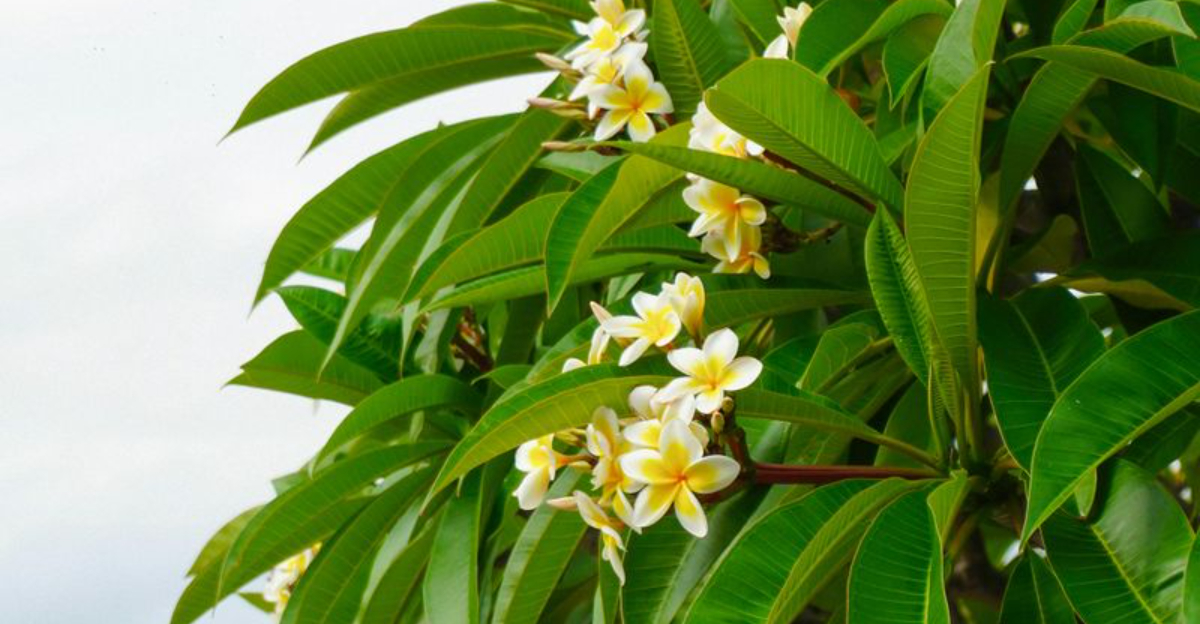
4. Plumeria Brings Resort-Style Blooms Home
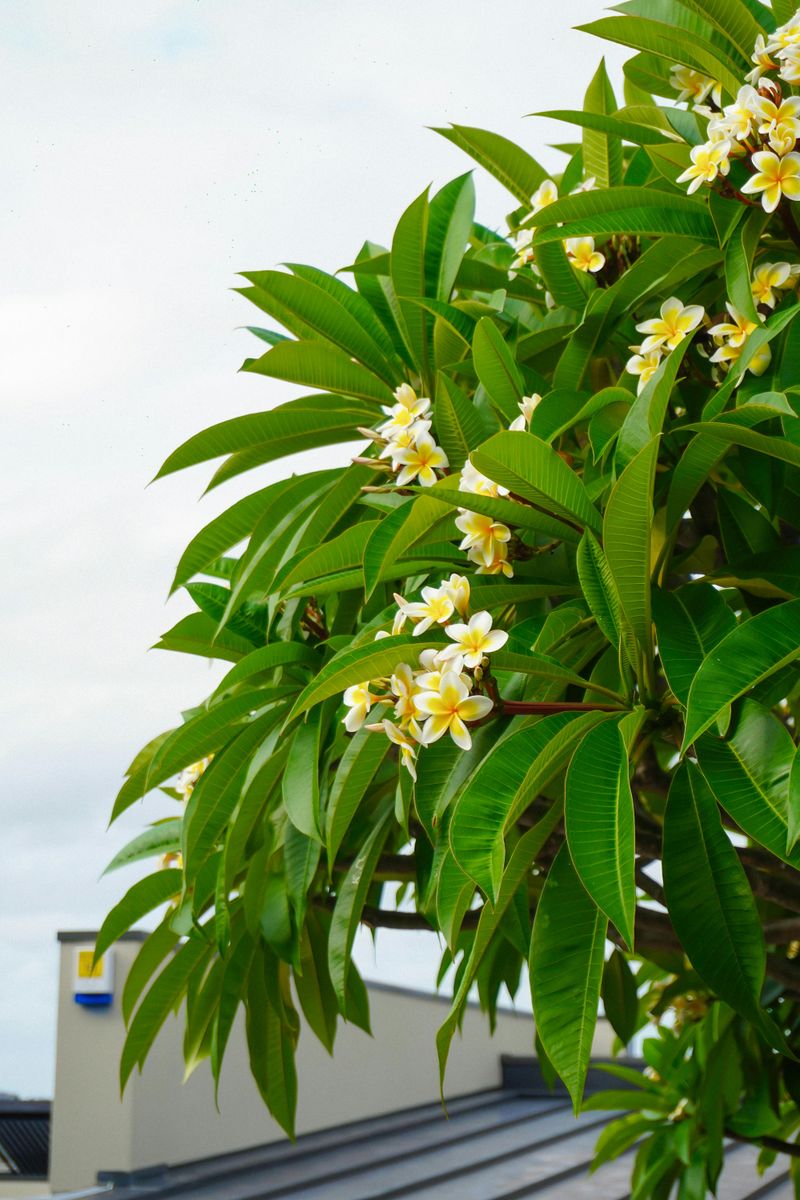
The intoxicating fragrance of plumeria flowers drifting through your garden creates an instant tropical resort atmosphere. These deciduous trees produce clusters of waxy, five-petaled flowers in combinations of white, yellow, pink, red, and multicolor patterns.
Each bloom releases a sweet scent that intensifies during warm evenings, making your patio or pool area feel like a Hawaiian getaway.
Plumeria thrives in full sun and well-draining soil, making it perfect for South Florida’s sandy conditions. These trees actually prefer drier conditions and can suffer from root rot if overwatered, especially during the rainy season.
Allow the soil to dry between waterings, and reduce irrigation significantly during winter months when trees naturally drop their leaves.
Most varieties grow ten to twenty feet tall with spreading canopies that provide dappled shade. Space trees at least ten feet apart to accommodate their mature spread.
Plumeria handles pruning well, and many gardeners shape them into multi-trunked specimens for added visual interest. Mulch lightly around the base, keeping material away from the trunk to prevent moisture-related issues.
These trees prove remarkably low-maintenance once established in your landscape.
5. Bird Of Paradise Adds Dramatic Tropical Flair
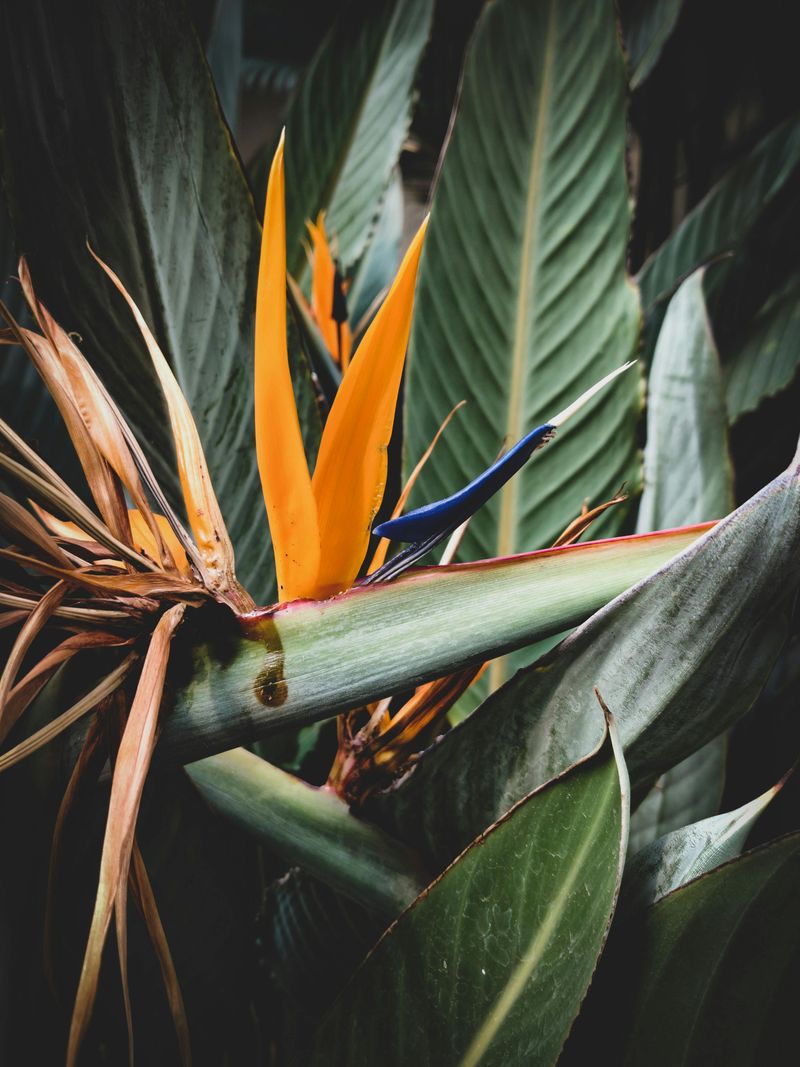
Large, paddle-shaped leaves arranged in fan-like clusters create instant architectural drama in South Florida landscapes. Bird of paradise plants deliver bold tropical texture year-round, with mature specimens producing exotic orange and blue flowers that resemble colorful birds in flight.
These striking plants work beautifully as focal points or planted in groups for maximum impact.
Plant bird of paradise in full sun to partial shade where it receives at least four to six hours of direct light daily. These plants tolerate South Florida’s heat exceptionally well and actually thrive in the humidity that can challenge other species.
The soil should drain well but hold enough moisture to support those large leaves.
Water regularly during establishment and dry periods, though mature plants handle brief drought surprisingly well. Orange bird of paradise (Strelitzia reginae) typically grows four to six feet tall and wide, while white bird of paradise (Strelitzia nicolai) can reach much larger tree-like sizes.
Space plants about four to five feet apart when creating groupings. Mulch generously around the base to conserve moisture and suppress weeds.
Remove older leaves as they yellow to maintain a clean appearance. Bird of paradise tolerates coastal conditions moderately well, making it suitable for properties near the ocean with some protection from direct salt spray.
6. Heliconia Brings True Jungle Vibes
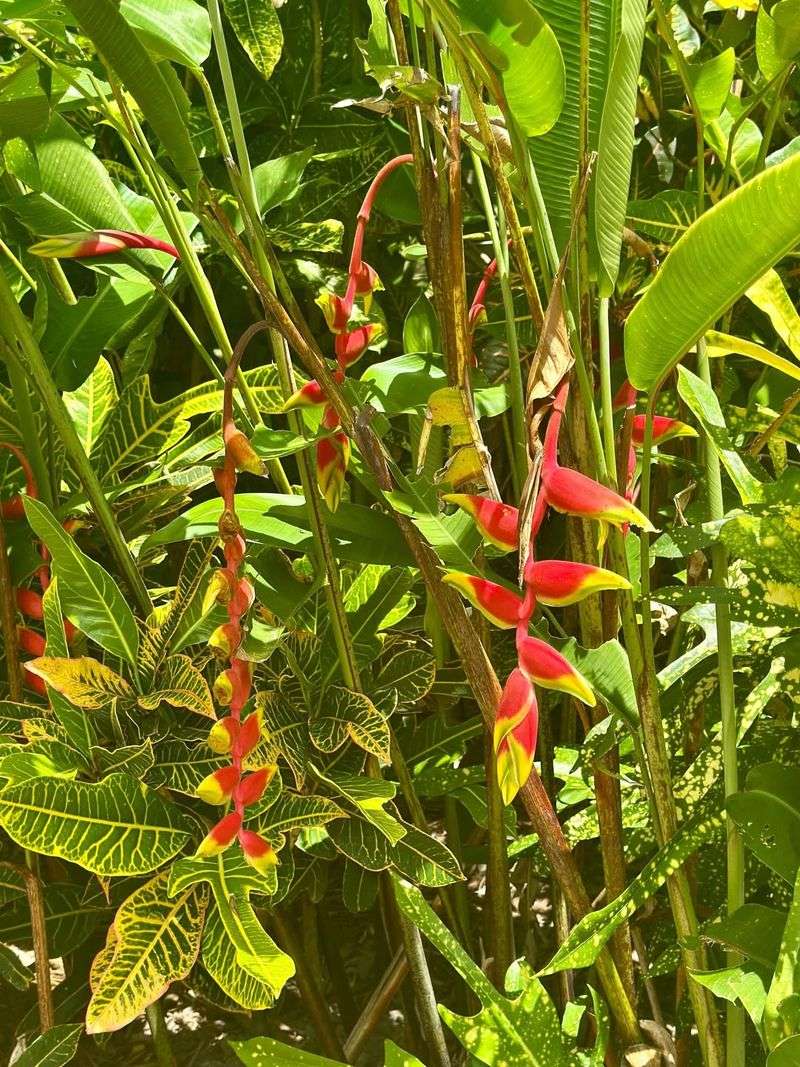
Towering stalks topped with waxy, brightly colored bracts create the lush jungle atmosphere South Florida gardeners crave. Heliconia produces exotic flower structures in shades of red, orange, yellow, and pink that emerge from clumps of banana-like foliage.
These bold perennials attract hummingbirds and add unmistakable tropical character to any landscape.
Plant heliconia in partial shade to filtered light where it receives protection from the hottest afternoon sun. These moisture-loving plants thrive in South Florida’s humid climate and appreciate consistently moist, well-draining soil rich in organic matter.
Water regularly, especially during dry spells, as heliconias suffer when allowed to dry out completely.
Most varieties grow four to eight feet tall, with some species reaching even greater heights. Space plants about three to four feet apart to allow for the spreading clumps they naturally form.
Mulch heavily around the base to conserve moisture and suppress competing weeds. Remove spent flower stalks and older leaves to maintain appearance and encourage new growth.
Heliconias spread gradually through underground rhizomes, creating fuller displays over time. These plants handle South Florida’s rainy season well, often growing more vigorously during periods of abundant moisture.
7. Areca Palm Builds Instant Tropical Privacy
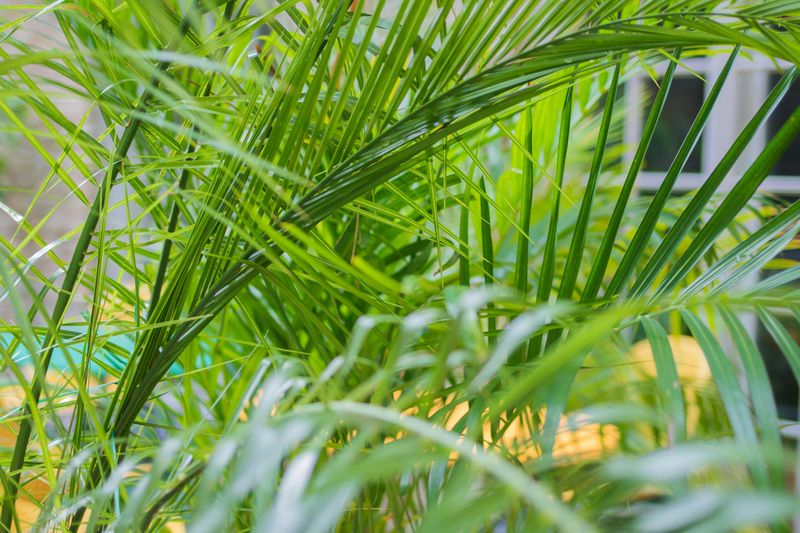
Graceful, feathery fronds swaying gently in the breeze create natural privacy screens that transform your outdoor space into a secluded retreat. Areca palms grow in dense clusters with multiple stems, making them perfect for blocking unwanted views while maintaining that light, tropical aesthetic.
These palms grow relatively quickly, providing screening solutions faster than many other landscape plants.
Plant areca palms in full sun to partial shade for best growth and density, as too much shade can cause thinning and yellowing. These palms appreciate South Florida’s humidity and warm climate.
The soil should drain well but hold enough moisture to support the lush fronds.
Water regularly during establishment and throughout dry periods, as these palms prefer consistently moist soil. Most areca palms grow ten to twenty feet tall with a spread of eight to fifteen feet at maturity.
Space them about six to eight feet apart for privacy screening, or closer for a denser barrier. Mulch generously around the base to conserve moisture and add organic matter as it decomposes.
Remove yellowing fronds at the base to maintain a clean appearance. Areca palms tolerate urban conditions well but prefer some protection from strong coastal winds and salt spray.
8. Firebush Attracts Butterflies With Tubular Blooms
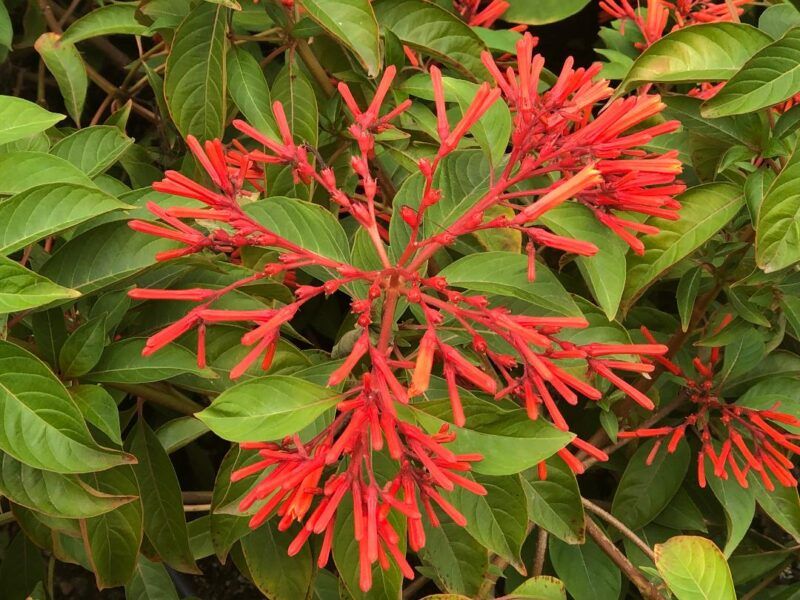
Clusters of bright orange-red tubular flowers cover this native Florida shrub throughout most of the year. Firebush serves as a magnet for butterflies, hummingbirds, and other pollinators, bringing constant movement and life to your garden.
This fast-growing shrub handles South Florida’s heat, humidity, and occasional dry spells with remarkable resilience.
Plant firebush in full sun to partial shade where it receives at least four to six hours of direct light daily. This adaptable native tolerates various soil types common in South Florida, from sandy coastal soils to heavier inland compositions.
The plant actually thrives on minimal care once established in your landscape.
Water regularly during the first few months after planting, then reduce frequency as the root system develops. Firebush handles South Florida’s rainy season without issue and proves surprisingly drought-tolerant during drier periods.
Most plants grow five to eight feet tall and wide, though you can maintain smaller sizes through regular pruning. Space shrubs about four to five feet apart for informal hedges or mass plantings.
Mulch around the base to conserve moisture and moderate soil temperature. This native plant requires very little fertilizer and performs best with minimal feeding that encourages flowering rather than excessive foliage growth.
9. Pentas Provide Non-Stop Blooms For Pollinators
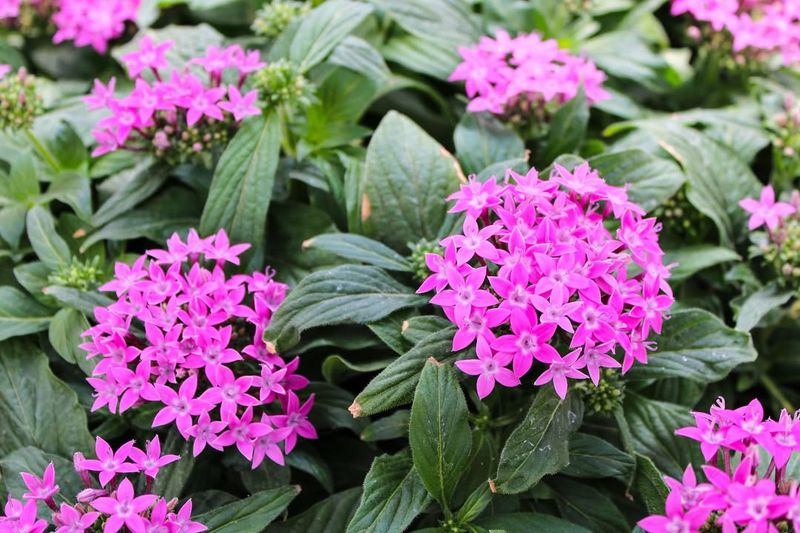
Star-shaped flowers clustered in rounded heads bloom nearly year-round in frost-free areas of South Florida gardens. Pentas come in shades of pink, red, white, and lavender, creating colorful displays that attract butterflies and hummingbirds from spring through winter.
These compact perennials work beautifully in borders, containers, or mass plantings where you want reliable color.
Plant pentas in full sun to partial shade where they receive at least four to six hours of direct sunlight daily. These adaptable plants tolerate South Florida’s heat and humidity exceptionally well.
The soil should drain well, as pentas suffer in waterlogged conditions common during the rainy season.
Water regularly during establishment, then ease back to occasional deep watering during extended dry periods. Most varieties grow one to three feet tall and wide, making them perfect for front-of-border placements or container gardens.
Space plants about twelve to eighteen inches apart for a full, continuous display. Mulch lightly around the base to conserve moisture without creating overly wet conditions.
Deadhead spent flower clusters regularly to encourage continuous blooming and maintain a tidy appearance. Light pruning several times per year keeps plants compact and bushy rather than leggy.
Pentas handle coastal conditions moderately well and prove remarkably low-maintenance once established in your landscape.
10. Lantana Thrives In Heat With Minimal Water
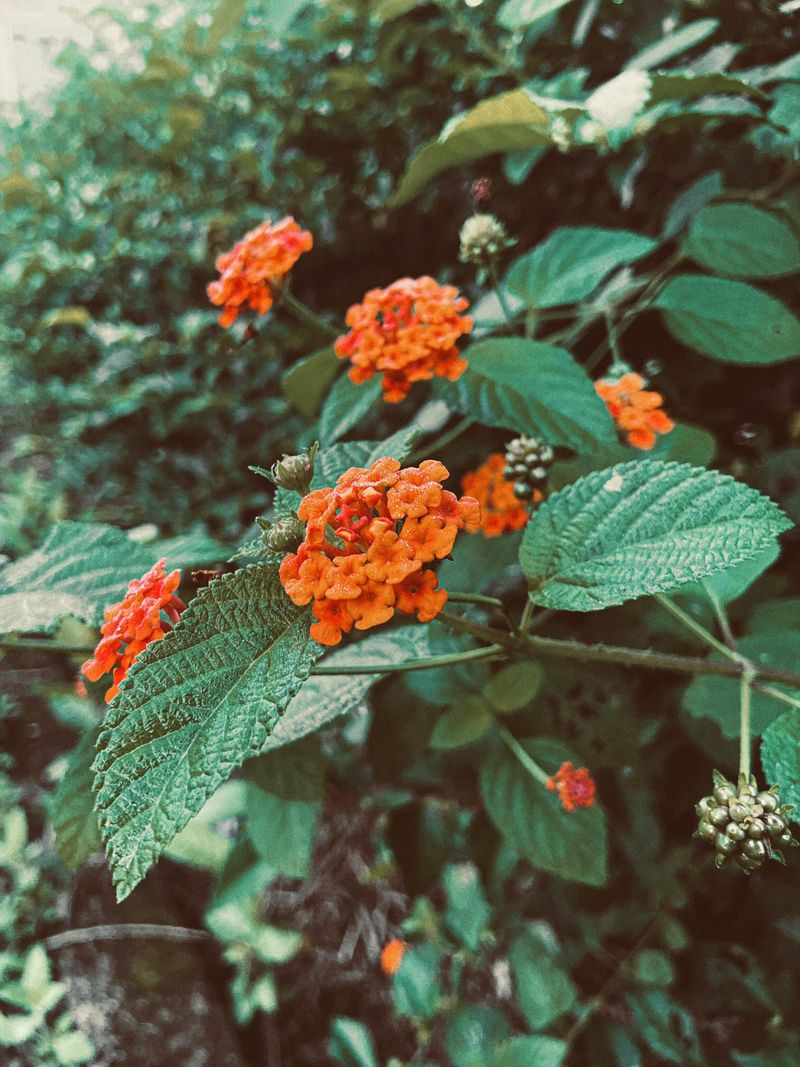
Clusters of tiny flowers in combinations of yellow, orange, red, pink, and purple cover these tough shrubs from spring through fall. Lantana handles South Florida’s intense heat and occasional drought better than almost any flowering plant, making it perfect for low-maintenance landscapes.
Choose sterile or non-invasive lantana varieties recommended by Florida nurseries to avoid invasive spread. Butterflies visit these blooms constantly, adding movement and interest to your garden throughout the growing season.
Plant lantana in full sun where it receives at least six hours of direct light daily. This adaptable plant tolerates various soil types and actually prefers leaner, well-draining conditions over rich, heavily amended soil.
Too much fertility produces excessive foliage at the expense of flowers.
Water regularly during establishment, then reduce frequency significantly as plants mature. Lantana proves remarkably drought-tolerant once established and actually blooms more prolifically when kept on the drier side.
Most varieties grow two to four feet tall and wide, though you can maintain smaller sizes through regular pruning. Space plants about three to four feet apart for mass plantings or informal hedges.
Mulch lightly around the base to suppress weeds and conserve moisture. Deadhead spent flower clusters occasionally to encourage continuous blooming and maintain appearance.
Lantana tolerates coastal conditions better than many flowering plants, including sandy soils and light salt exposure near the ocean.
11. Coontie Provides Native Groundcover With Fern-Like Texture
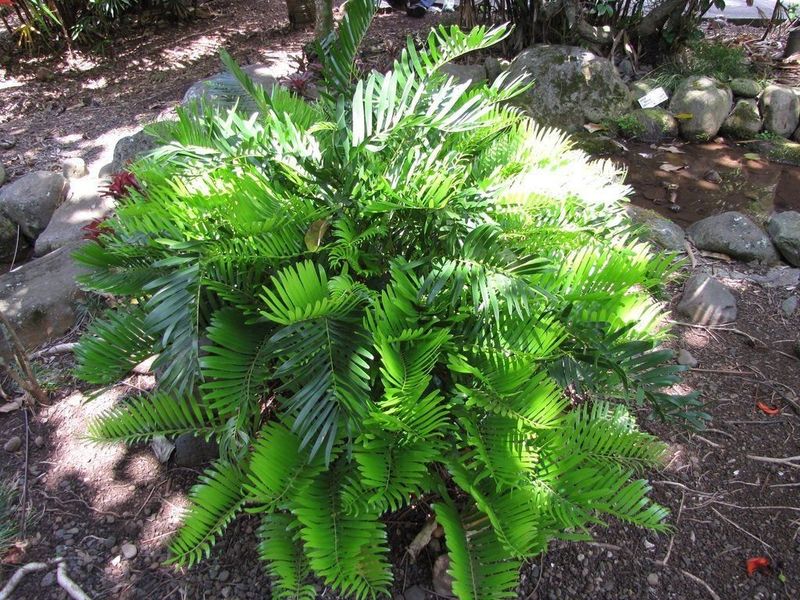
Glossy, fern-like fronds arranged in low rosettes create attractive groundcover that’s perfectly adapted to South Florida conditions. Coontie represents one of Florida’s most important native plants, serving as the only host plant for the endangered Atala butterfly.
This ancient cycad requires virtually no maintenance once established and thrives in conditions that challenge many landscape plants.
Plant coontie in full sun to partial shade where it receives protection from extreme afternoon heat, though established plants tolerate full sun in coastal areas. These adaptable natives grow in various soil types, from sandy coastal soils to heavier inland compositions.
Well-draining soil proves important for long-term health.
Water regularly during the first few months after planting, then reduce frequency dramatically as plants establish. Mature coonties prove remarkably drought-tolerant and actually prefer drier conditions over constant moisture.
Most plants grow two to three feet tall and wide over several years. Space them about two to three feet apart for groundcover effect or mass plantings.
Mulch lightly around plants to conserve moisture and suppress weeds. Remove any yellowing fronds at the base as needed.
Coontie requires little fertilizer and often thrives with minimal maintenance compared to most landscape plants. These natives tolerate coastal conditions better than many tropical plants and provide important habitat for native wildlife.