9 Trees For Beachside Florida Homes You Can Plant Right Now
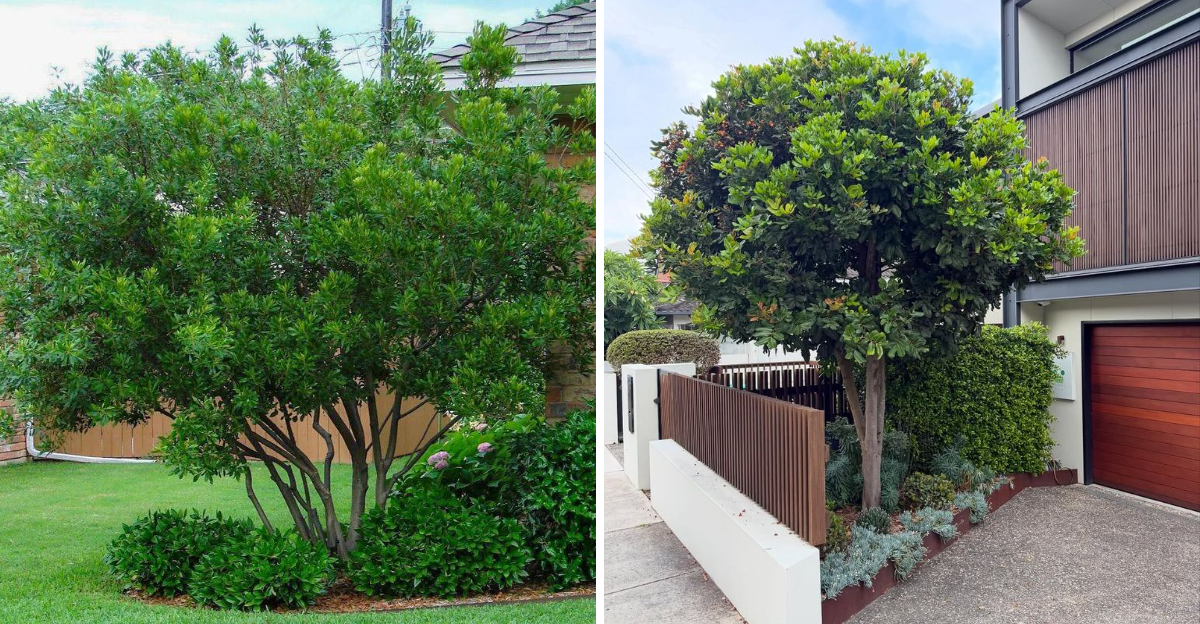
Living by the beach sounds dreamy… until salty air, sandy soil, and strong coastal winds start bullying your yard.
If you’ve ever planted a tree that struggled, leaned sideways, or gave up completely, you already know coastal Florida plays by different rules.
The good news is some trees are built for this lifestyle. They handle salt spray, blazing sun, and loose soil like pros while still bringing shade, beauty, and privacy to your property.
Right now is a great time to get them in the ground and let them establish before the intense heat kicks in. Get ready for stronger roots, better shade, and trees that finally work with your beachside environment.
1. Live Oak Builds Powerful Shade And Storm Resilience
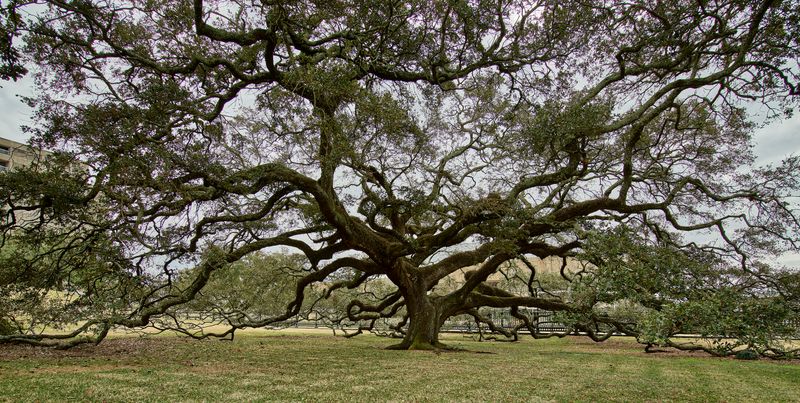
When you need serious shade that can stand up to hurricane-force winds, look no further than this coastal giant. Live oak roots spread wide and form a dense anchoring network that helps stabilize the tree during storms.
The heavy horizontal branches form a canopy that cools your yard and protects smaller plants underneath.
Salt spray from the ocean barely bothers this tree. It handles sandy, well-drained soil better than most species and tolerates drought once established.
You will see faster growth if you plant it about fifteen feet from your home to avoid future foundation issues.
Spacing matters for long-term health. Give each live oak at least thirty feet in all directions so the canopy can spread naturally.
Central and North Florida coastal homeowners love how it handles cooler winter nights while South Florida yards benefit from its evergreen shade year-round.
After a few years, you will notice birds nesting in the branches and neighbors asking what tree provides such reliable cover. Pruning should focus on removing crossing limbs and keeping the structure balanced before storm season arrives.
2. Sabal Palm Delivers Classic Florida Coastal Style
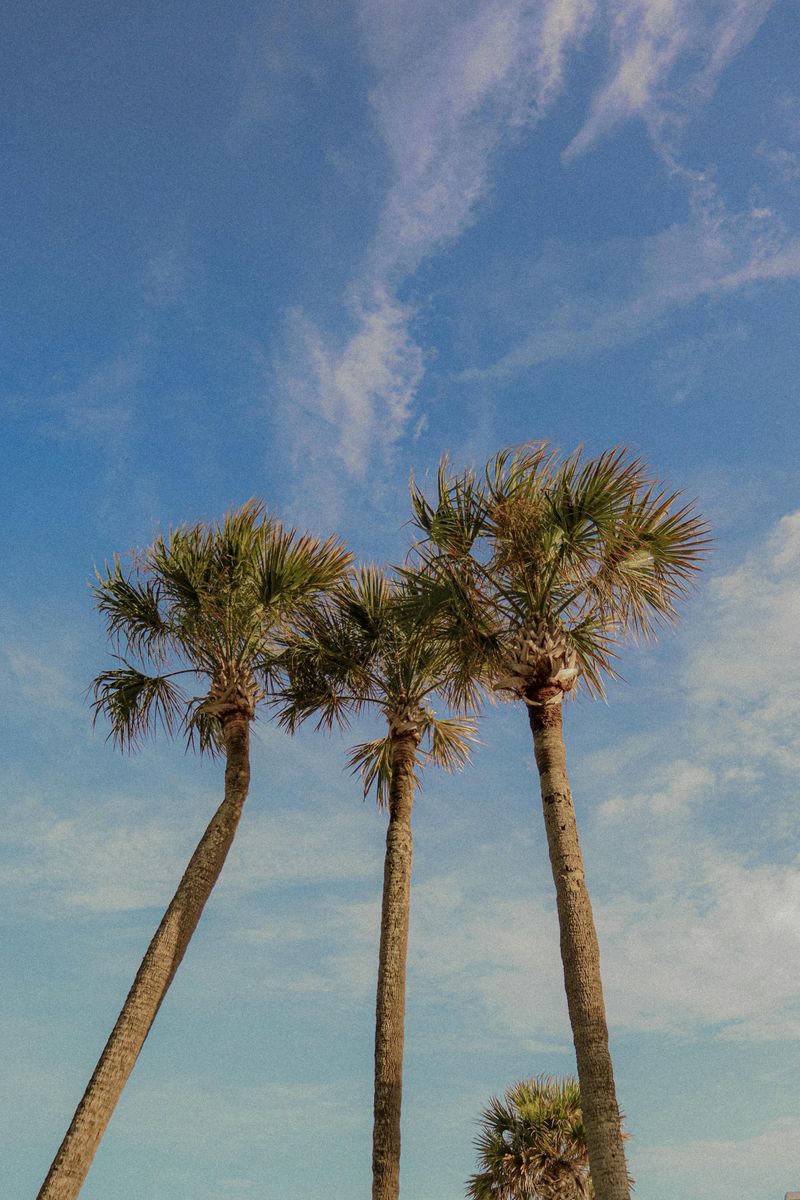
Picture the iconic silhouette swaying gently against a sunset sky. That is exactly what this native palm brings to your coastal property.
Sabal palms grow slowly but steadily, reaching heights that frame your home without overwhelming smaller yards. The fan-shaped fronds move beautifully in ocean breezes and create a relaxed, tropical vibe.
Wind and salt are no match for this Florida champion. It tolerates salt spray better than almost any other palm and thrives in the sandy, fast-draining soil common near beaches.
You can plant it close to walkways or patios because the root system stays compact and non-invasive.
This palm works throughout the entire state. North Florida coastal areas see it handle occasional freezes while South Florida heat and humidity make it grow faster.
Space multiple palms about ten to twelve feet apart if you want a clustered look or use single specimens as focal points.
Maintenance stays minimal once established. Remove old fronds as they brown but avoid over-pruning, which can stress the tree.
Homeowners appreciate how this palm adds height and character without demanding constant care or creating storm debris issues.
3. Sea Grape Thrives Right Along The Shoreline
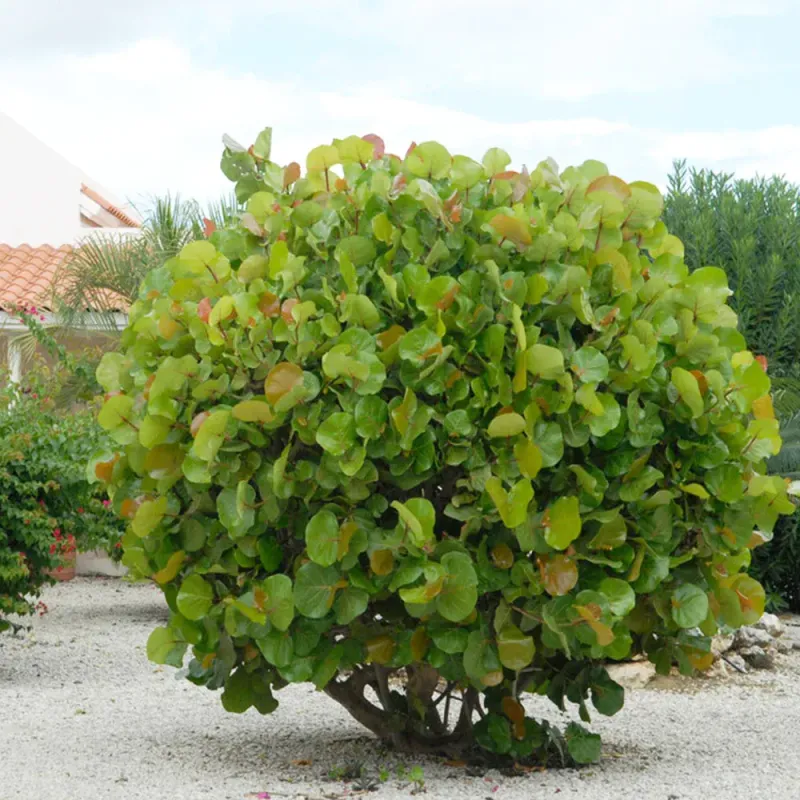
Walk along any Florida beach and you will spot this tough performer growing just beyond the high tide line. Sea grape handles direct salt spray, strong winds, and poor sandy soil like no other tree.
Your Florida Garden Changes Every Week. Your Plan Should Too.
Gardening in Florida changes quickly throughout the season. Every Friday you’ll receive a simple weekly plan showing exactly what to plant, prune, fertilize, harvest, and protect so you never miss the right timing.
The large, round leaves turn shades of red and orange as they age, adding unexpected color to your coastal landscape.
Planting it near the edge of your property creates a natural windbreak that protects more delicate plants behind it. The dense branching structure also provides privacy and blocks unwanted views.
You can shape it into a multi-trunk tree or let it grow as a large shrub depending on your yard’s needs.
South Florida homeowners see the fastest growth, but Central Florida coastal zones also support healthy specimens. Space them about fifteen feet apart if you want a continuous screen or use single plants as accent features.
The purple grape-like fruit attracts birds and adds seasonal interest.
Pruning keeps the shape tidy and encourages fuller growth. Remove any branches damaged by storms promptly to maintain structure.
This tree rarely needs fertilizer and thrives on neglect, making it perfect for low-maintenance beachside yards that still need serious coastal toughness.
4. Southern Magnolia Brings Big Blooms And Evergreen Beauty
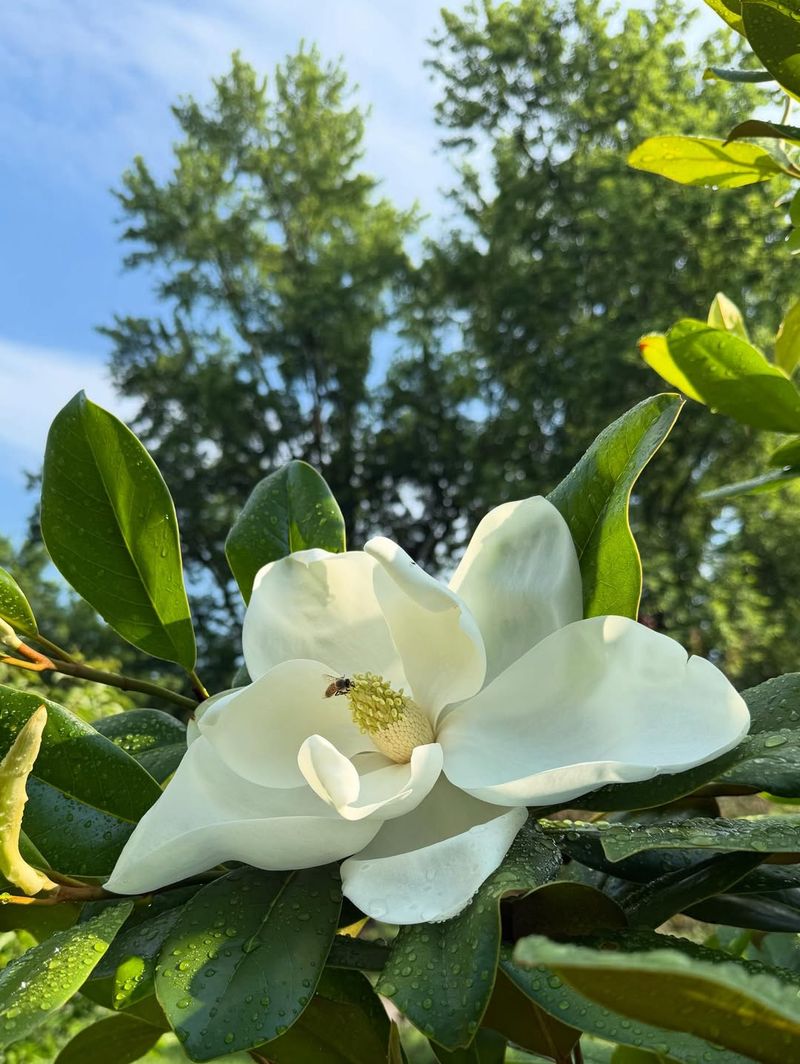
Imagine stepping outside on a warm May evening and catching the sweet scent of dinner-plate-sized white flowers. Southern magnolia delivers that experience year after year while also providing dense evergreen shade.
The glossy dark green leaves stay on the tree through winter, creating a privacy screen that never takes a break.
Coastal conditions suit this tree better than many people realize. It tolerates light salt exposure but should be planted away from direct ocean spray and behind more salt-tolerant trees for best results.
The thick waxy leaves reduce moisture loss, but this tree performs best in sheltered coastal locations rather than fully exposed beachfront sites.
North and Central Florida coastal areas see the best growth, though South Florida can succeed with careful watering during establishment. Plant it at least twenty feet from your home because the canopy spreads wide and roots need room.
Space multiple trees thirty feet apart for healthy development.
You will notice dropped leaves and seed cones throughout the year, so plan for regular cleanup. Prune lower branches to raise the canopy and improve air circulation.
Homeowners love how this tree adds classic Southern charm while standing strong against coastal weather that would stress lesser species.
5. Buttonwood Handles Salt Spray Like A Champion
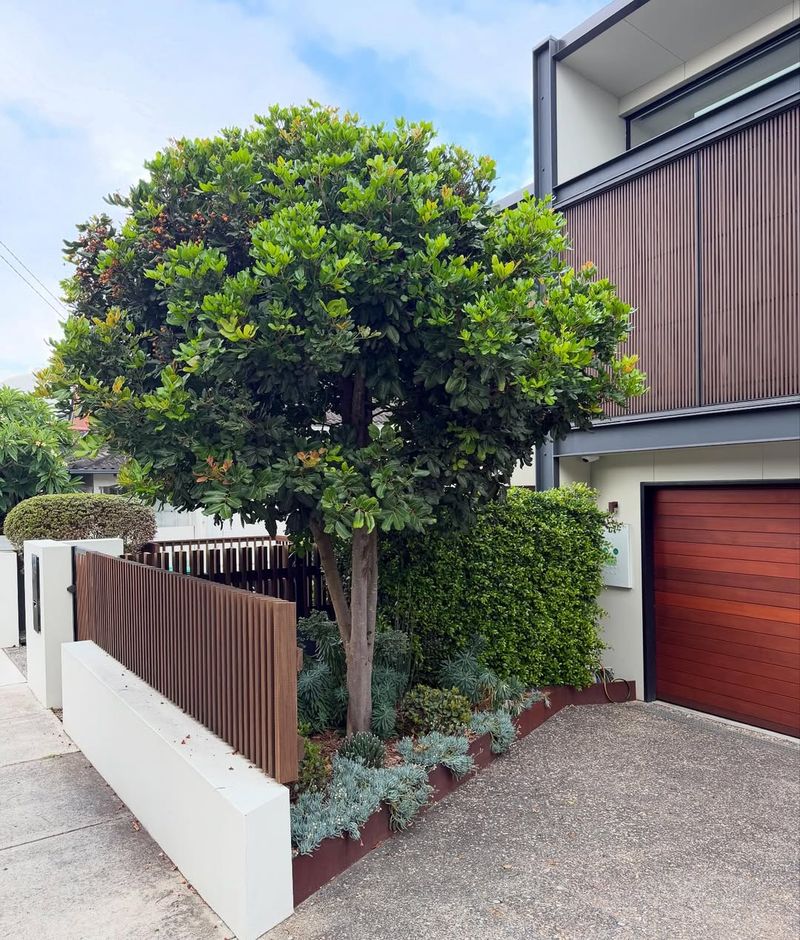
Few trees shrug off direct ocean spray the way buttonwood does. This Florida native grows naturally along coastlines and in brackish wetlands, proving its ability to handle challenging conditions.
The silvery-green foliage catches sunlight beautifully and the twisted trunk develops character as the tree matures.
You can plant buttonwood right in your front yard where salt spray hits hardest. It tolerates sandy coastal soils and occasional flooding, especially in naturally brackish environments.
The dense branching creates excellent wind protection and the moderate growth rate means you will not spend years waiting for results.
South Florida sees the fastest growth, but Central Florida coastal properties also support healthy specimens. Space them about twelve to fifteen feet apart for a windbreak or use single trees as focal points.
The small button-like fruit gives the tree its name and attracts wildlife.
Pruning keeps the shape tidy and encourages fuller branching. Remove any limbs that cross or rub together to prevent future damage.
This tree adapts to various forms, from multi-trunk specimens to single-trunk shade trees, giving you flexibility in design. Homeowners appreciate how it stays green and healthy even when other trees show salt stress after windy days.
6. Red Maple Adds Fast Color And Canopy Growth
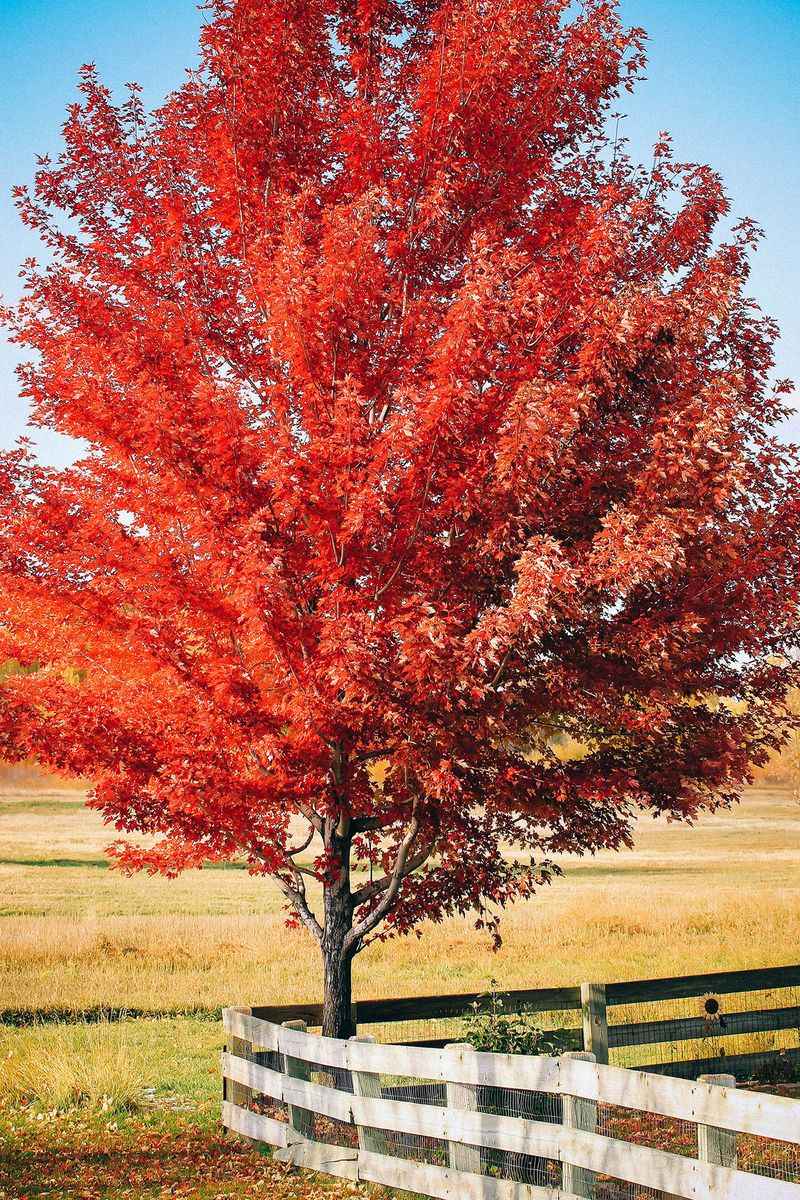
When you want shade quickly and a burst of seasonal color, red maple delivers both. This tree grows faster than most coastal options and produces brilliant red foliage in fall, even in warmer South Florida climates.
The rounded canopy spreads wide, cooling your yard and creating comfortable outdoor spaces.
Red maple has limited salt tolerance and should be planted well inland from the shoreline or in protected coastal neighborhoods away from direct ocean spray. Plant it back from the immediate shoreline and it will thrive in sandy soil that drains well.
The shallow root system establishes quickly but needs adequate space away from structures.
Space red maples at least twenty-five feet apart and fifteen feet from your home to avoid future crowding. The fast growth means you will enjoy shade within a few years, but also requires regular pruning to maintain strong structure.
Remove weak or crossing branches before storm season to reduce wind resistance.
You will notice increased bird activity as the tree matures. The seeds attract wildlife and the dense foliage provides nesting sites.
Homeowners love the combination of rapid growth and fall color that brings a touch of traditional autumn beauty to Florida’s coastal landscape.
7. Wax Myrtle Creates Natural Windbreaks And Privacy
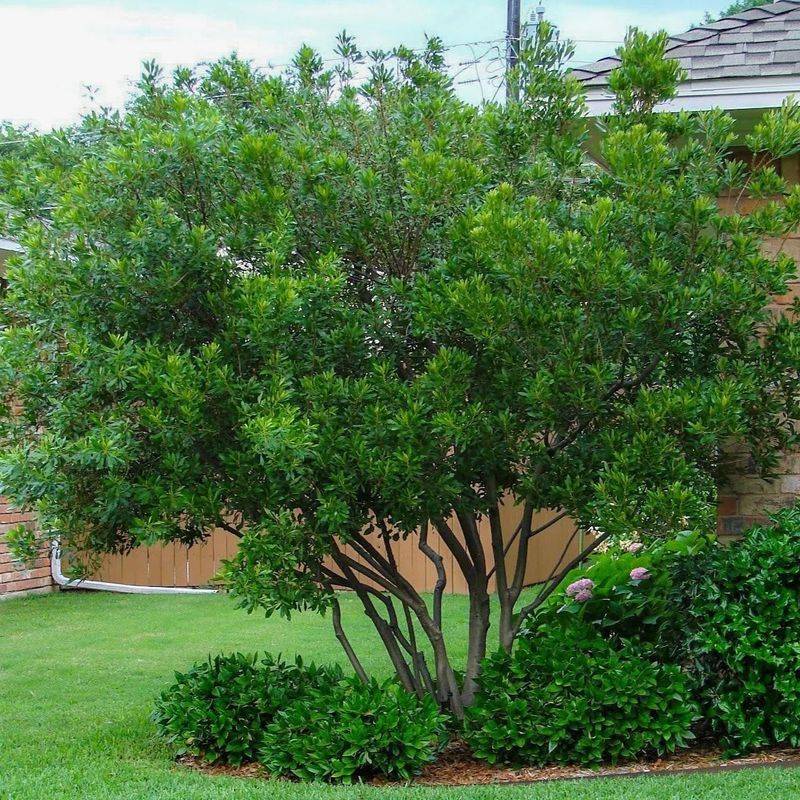
Blocking wind and creating privacy ranks high on most coastal homeowners’ wish lists. Wax myrtle handles both jobs beautifully while also tolerating salt spray and sandy soil.
The evergreen foliage stays dense year-round and the rapid growth rate means you will see results fast. The aromatic leaves release a pleasant scent when brushed or pruned.
This Florida native thrives throughout the state’s coastal zones. It handles everything from North Florida’s cooler winters to South Florida’s intense summer heat.
Plant it along property lines or between your yard and the beach to create a natural barrier that filters wind and reduces salt exposure for more delicate plants.
Space wax myrtles about eight to ten feet apart for a continuous screen or use single specimens as accent plants. The multi-trunk growth habit creates a full, shrubby appearance that fills in quickly.
You can also prune it into a small tree form if you prefer a more structured look.
Maintenance stays simple once established. Prune to shape and control size, but avoid heavy cutting that removes too much foliage at once.
The tree attracts birds who love the small blue berries produced on female plants. Homeowners appreciate how this tough performer provides function and beauty without demanding constant attention.
8. Pindo Palm Adds Tropical Flair With Cold Tolerance
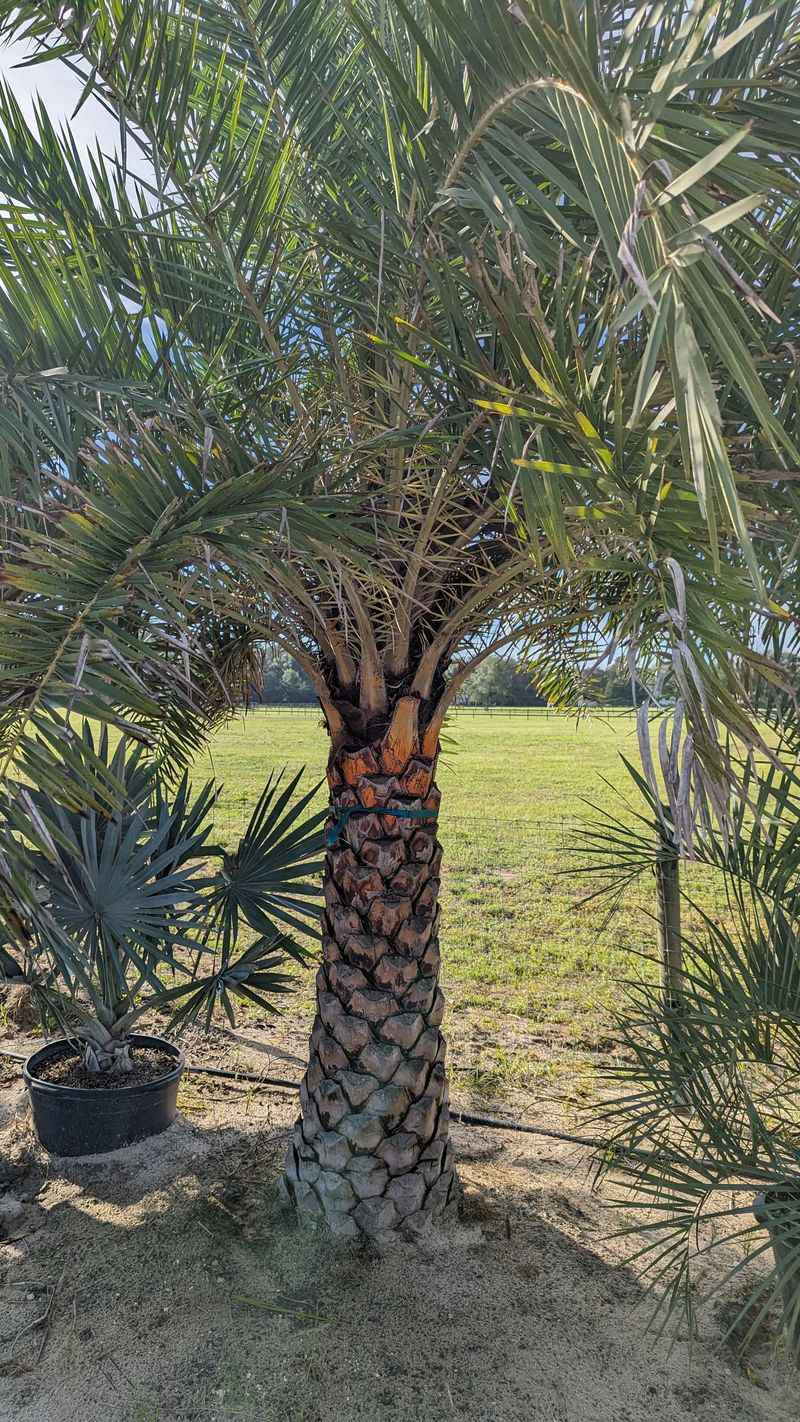
Most palms struggle when temperatures drop, but pindo palm keeps growing through North Florida’s occasional freezes. The arching feather-like fronds create a classic tropical look while the gray-green color adds subtle contrast to your landscape.
While it handles coastal conditions better than many palms, sabal palm remains the superior choice for direct beachfront salt exposure.
The sweet-smelling flowers in summer attract bees and the orange fruit that follows makes delicious jelly.
Salt tolerance and sandy soil adaptability make this palm perfect for coastal yards. It grows slowly but steadily, reaching a manageable height that suits smaller properties.
The thick trunk develops character over time and the compact crown stays neat without constant pruning.
North and Central Florida coastal homeowners see excellent performance, while South Florida also enjoys success with this adaptable palm. Space them about ten feet apart for a grouped look or use single specimens as focal points near entryways or patios.
The non-invasive root system allows close planting near walkways and structures.
Maintenance involves removing old fronds as they brown and cleaning up fallen fruit if you prefer a tidier look. The palm rarely needs fertilizer but benefits from occasional applications of palm-specific nutrients.
Homeowners love how this palm combines tropical beauty with practical cold hardiness, giving coastal yards year-round appeal without the worry of freeze damage.
9. Crape Myrtle Lights Up Coastal Yards With Color
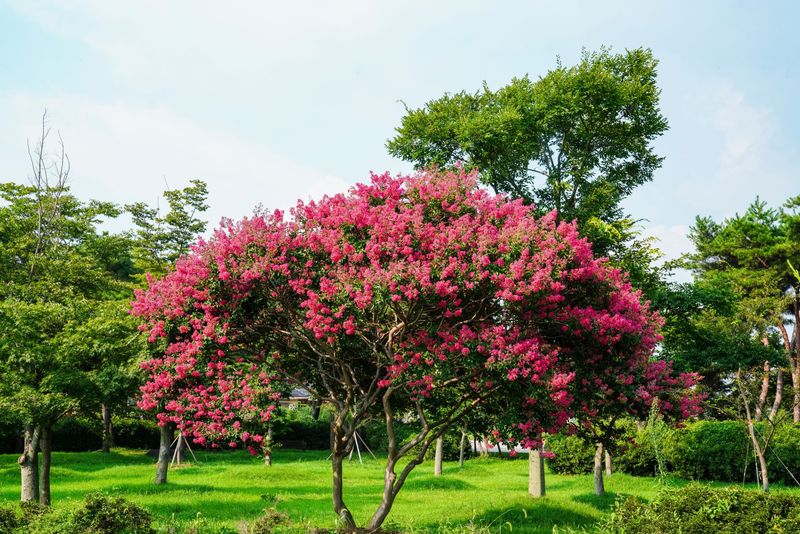
Summer heat brings out the best in crape myrtle, covering the tree with clusters of pink, purple, red, or white blooms that last for weeks. The multi-trunk form creates visual interest year-round and the smooth, peeling bark adds texture during winter months.
This tree brings a burst of color to coastal landscapes that often lean heavily on green foliage.
Crape myrtle has limited salt tolerance and should be planted in protected coastal yards rather than directly exposed beachfront areas. Sandy, well-drained soil suits it perfectly and the drought tolerance helps once the roots establish.
The compact size fits smaller yards and the upright growth habit keeps it tidy.
Central and North Florida coastal areas see the most reliable blooming, though South Florida also succeeds with proper variety selection. Space trees about ten to fifteen feet apart depending on the mature size of your chosen variety.
Pruning in late winter encourages stronger blooming and better structure.
You will notice butterflies and hummingbirds visiting the flowers throughout summer. The fall foliage often turns shades of yellow, orange, or red before dropping.
Homeowners appreciate how this tree delivers big color impact without the maintenance headaches that come with larger coastal species.