The Best Ways To Propagate Lipstick Plants For Texas Spring Growth
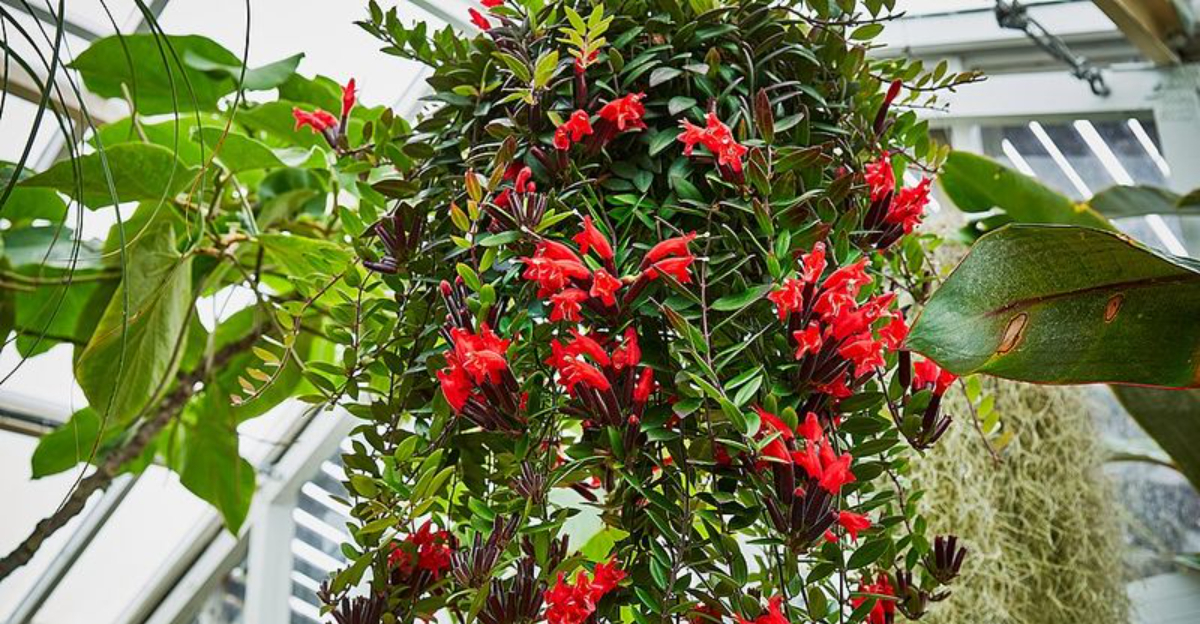
Looking to multiply your lipstick plants this spring? If you live in Texas, you’re in a great spot to help these bold, vining beauties thrive.
Lipstick plants love warm temperatures, bright indirect light, and just the right amount of humidity – all things Texas can offer in spring.
Propagating them is easier than you might think, and doing it now gives your cuttings time to root and grow strong before summer heat sets in.
Whether you’re new to plant care or just want to expand your collection, propagating lipstick plants is a fun, budget-friendly way to fill your home with vibrant greenery and blooms.
You don’t need fancy tools or a greenhouse, just a healthy parent plant, a few basic supplies, and the right timing.
Learn the best methods to propagate lipstick plants and how to give your new cuttings the best possible start in your Texas garden or home.
1. Water Propagation Method
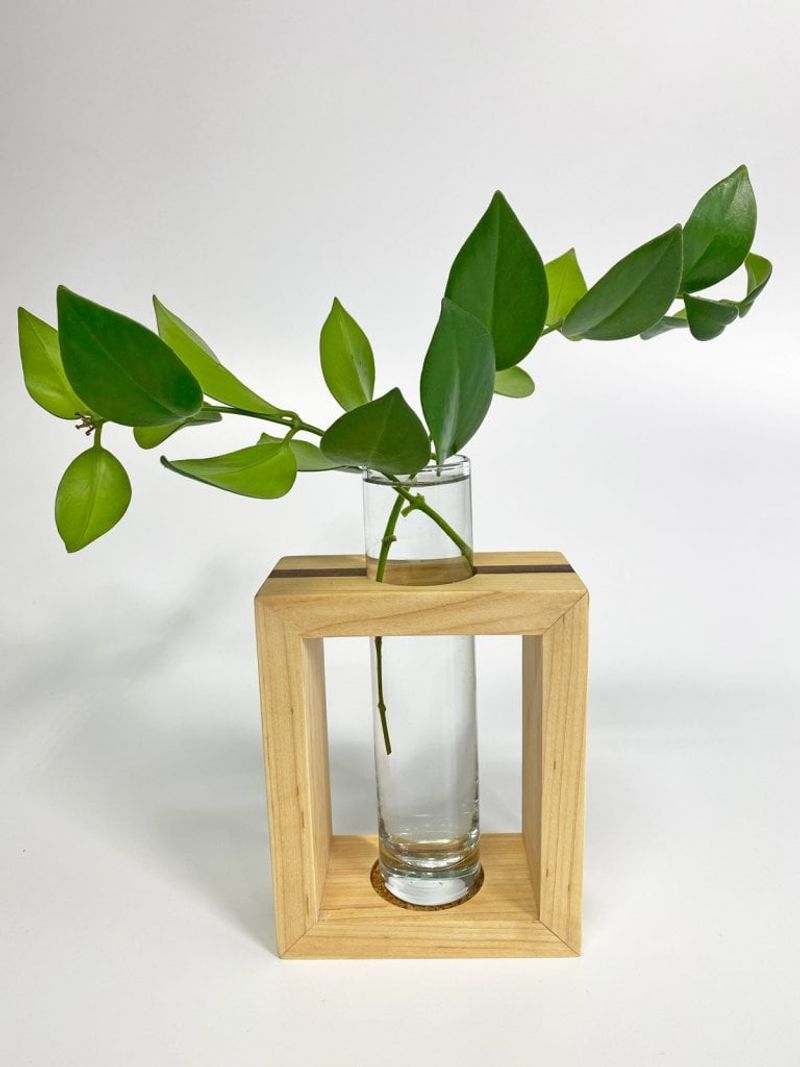
Many plant lovers start with water propagation because it lets you watch roots develop right before your eyes.
This method works beautifully for lipstick plants during Texas spring months when natural light increases and temperatures hover between 65 and 80 degrees.
You simply cut a healthy stem section about four to six inches long, making your cut just below a leaf node where hormones concentrate.
Remove the lower leaves to prevent them from rotting in water, then place your cutting in a clear glass container filled with room-temperature water.
Position your container in bright, indirect light near a window that doesn’t get harsh afternoon sun, which can be intense in Texas even during spring.
Change the water every three to five days to keep it fresh and oxygen-rich, preventing bacterial growth that could damage developing roots.
Within two to four weeks, you should see white roots emerging from the submerged nodes, signaling that your cutting is ready for the next stage.
Once roots reach about two inches long, you can transfer your cutting to a small pot with well-draining soil. Texas gardeners often find success using a mix of potting soil, perlite, and orchid bark to create the airy texture lipstick plants prefer.
Keep the newly potted cutting in a warm spot with consistent moisture for the first few weeks while it adjusts to soil life. This transition period is critical because roots grown in water need time to adapt to extracting nutrients and moisture from soil instead.
Water propagation remains popular because it requires minimal supplies and offers high success rates for beginners.
The visual feedback of watching roots grow also helps you understand exactly when your cutting is ready for transplanting, taking the guesswork out of the process.
2. Soil Propagation Technique
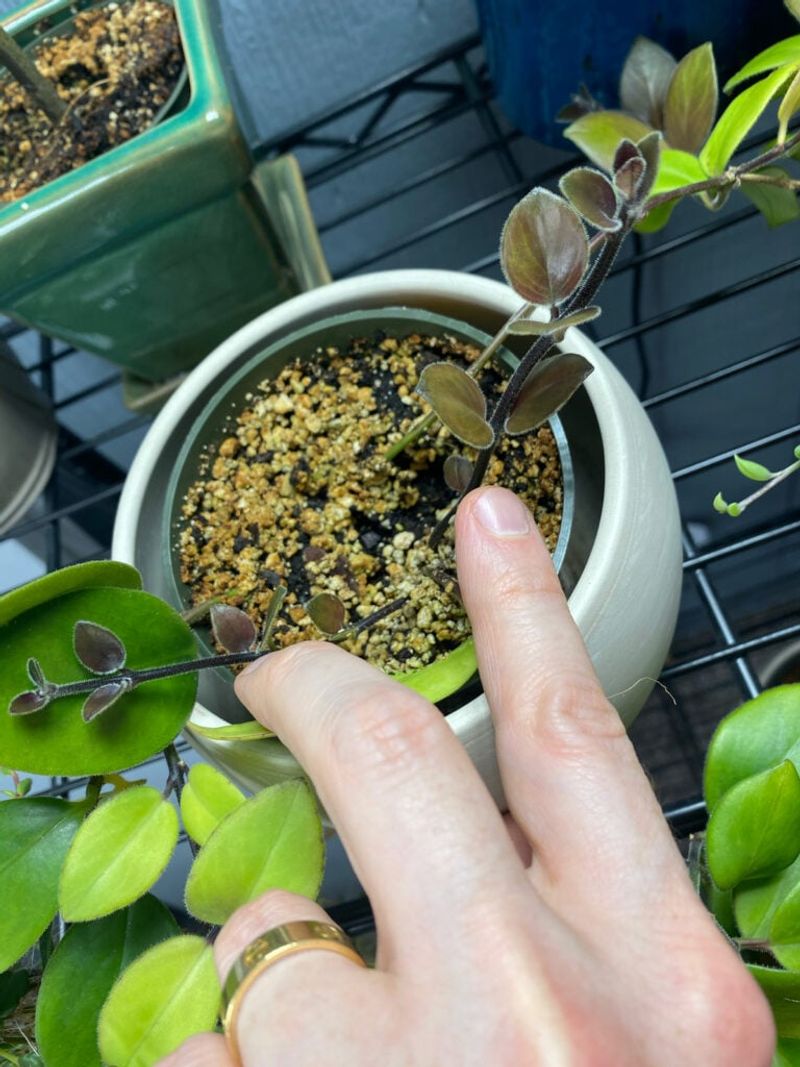
Planting cuttings directly into soil skips the water-to-soil transition phase entirely, which some Texas gardeners prefer for faster establishment.
This straightforward approach works especially well during spring when humidity levels naturally support root development without constant monitoring.
Start by preparing a small pot with drainage holes filled with a light, moisture-retentive potting mix that won’t compact or stay soggy.
Your Texas Garden Changes Every Week. Your Plan Should Too.
Gardening in Texas changes quickly throughout the season. Every Friday you’ll receive a simple weekly plan showing exactly what to plant, prune, fertilize, harvest, and protect so you never miss the right timing.
Take your cutting the same way you would for water propagation, selecting a healthy stem with at least two or three leaf nodes.
Dip the cut end into rooting hormone powder if you have it available, though this step is optional since lipstick plants root fairly easily on their own.
Insert the cutting about one to two inches deep into the prepared soil, firming the mix gently around the stem to hold it upright.
Creating a mini greenhouse effect helps maintain the high humidity lipstick plants love during their rooting phase. Cover your pot with a clear plastic bag or place it inside a propagation dome, making sure the plastic doesn’t touch the leaves directly.
This setup traps moisture around your cutting while still allowing some air circulation, which prevents fungal problems common in Texas’s variable spring weather.
Check your cutting every few days by gently tugging on it after about three weeks. Resistance indicates roots have formed and anchored the plant into the soil.
Keep the soil consistently moist but never waterlogged, as lipstick plants are susceptible to root rot when their roots sit in excess water. Most cuttings establish strong root systems within four to six weeks when given proper care and spring’s favorable growing conditions.
Soil propagation saves you the transplanting step and often results in sturdier plants that adapt more quickly to their permanent homes.
3. Division Of Mature Plants
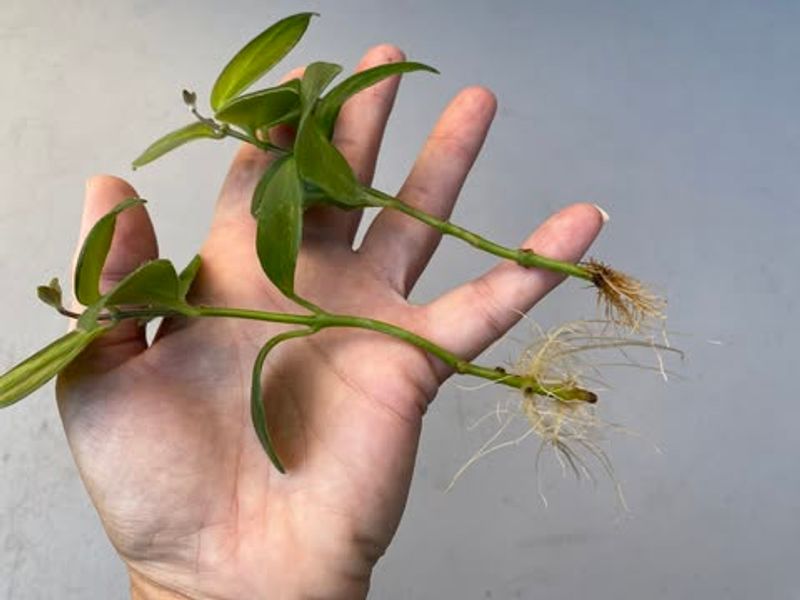
When your lipstick plant has grown into a full, bushy specimen with multiple stems emerging from the soil, division becomes an excellent propagation option.
Spring in Texas provides perfect timing for this method because plants are entering their active growth phase and will recover quickly from the stress of being separated.
Unlike cutting methods that create entirely new plants from stem sections, division splits an existing root system into multiple independent plants.
Remove your mature plant from its container and gently shake off excess soil so you can see the root structure clearly. Look for natural separation points where distinct stem clusters have their own root sections attached.
Using clean, sharp scissors or pruning shears, carefully cut through the root ball to separate these sections, making sure each division has both healthy roots and several stems with foliage.
Pot each division into its own container with fresh potting mix, planting at the same depth the plant was growing originally. Water thoroughly after repotting to help settle the soil and eliminate air pockets around roots.
Texas gardeners should place newly divided plants in a location with bright, filtered light and keep them slightly more moist than usual for the first two weeks while they establish.
This method gives you instant mature plants rather than starting from scratch with small cuttings. The trade-off is that you need an existing large plant to divide, so it’s not an option for everyone starting their lipstick plant journey.
However, if you’ve been growing one successfully for a year or more, division can quickly multiply your collection.
Plants propagated through division typically show no growth slowdown and may even bloom faster than cutting-propagated plants since they already have established root systems.
4. Air Layering For Large Stems
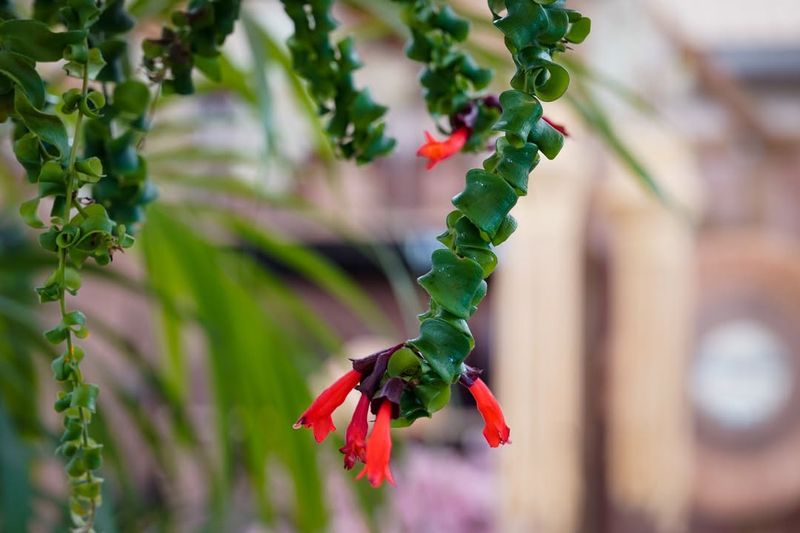
Air layering sounds complicated but it’s actually one of the most reliable propagation methods for lipstick plants with longer, trailing stems.
This technique encourages roots to form on a stem while it’s still attached to the parent plant, guaranteeing the cutting receives nutrients and water during the rooting process.
Texas spring weather provides ideal conditions because increased humidity and warmth speed up root development significantly.
Choose a healthy stem section about six to twelve inches from the tip and locate a spot just below a leaf node. Make a small upward cut about one-third through the stem, or gently scrape away a small section of the outer bark to expose the inner tissue.
Apply rooting hormone to this wounded area if you have it, then wrap the spot with moist sphagnum moss, securing it with plastic wrap or a small plastic bag tied at both ends.
The moss creates a consistently moist environment right where you want roots to form, while the plastic holds everything in place and prevents moisture loss. Check your air layer every week or so to ensure the moss stays damp, adding water with a spray bottle if needed.
Within four to eight weeks, you should see white roots growing through the moss, which means your air layer succeeded.
Once roots are well-developed, cut the stem below the rooted section and pot it up as a new plant. This method works particularly well for stems that have become too long or leggy, letting you shorten the parent plant while creating a new one simultaneously.
Air layering has higher success rates than simple cuttings because the developing roots receive constant support from the parent plant.
Texas gardeners appreciate this method for propagating their most prized lipstick plant specimens without risking failure.
5. Tip Cutting Propagation
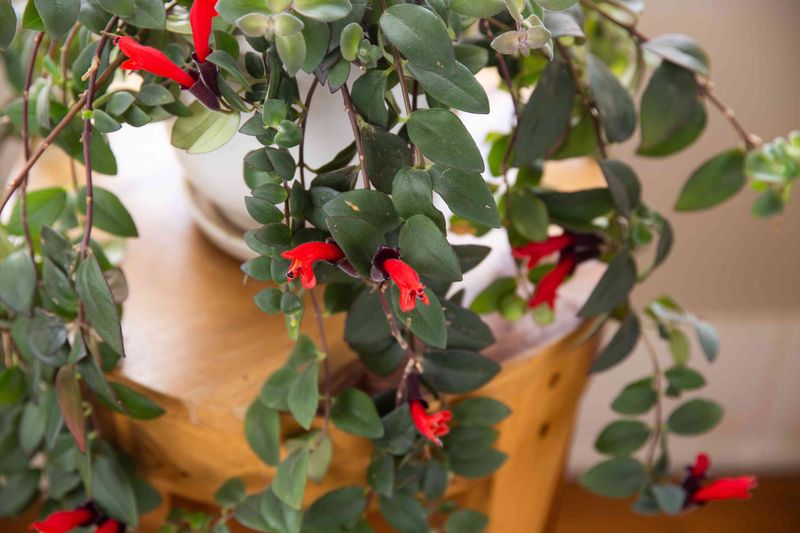
Tip cuttings focus specifically on the newest growth at the end of stems, which tends to root faster than older, woody sections. During Texas spring, lipstick plants push out fresh growth with vigor, making this the perfect time to snip those tender tips for propagation.
These young stem sections contain high concentrations of growth hormones that naturally encourage rapid root development when given the right conditions.
Select stems with bright green, flexible tips rather than older brown or woody sections lower on the plant. Cut about three to five inches from the tip, making sure your cutting includes at least two sets of leaves.
The cut should be clean and made just below a leaf node using sharp, sterilized scissors or pruning shears to prevent infection or damage.
You can root tip cuttings in either water or soil, depending on your preference and experience level.
Many Texas gardeners find that tip cuttings root even faster than standard stem cuttings because the young tissue responds more enthusiastically to propagation efforts.
Place your cuttings in bright, indirect light and maintain warm temperatures between 70 and 75 degrees for optimal results.
Tip cuttings also tend to produce more compact, bushier plants compared to cuttings taken from middle or lower stem sections. This happens because the growth hormones in tip tissue promote branching rather than just vertical growth.
Keep your cuttings consistently moist but never soggy, and watch for new leaf growth as a sign that roots have successfully formed below the soil or water surface.
This method lets you shape your parent plant while propagating, removing leggy tips to encourage fuller growth while creating new plants at the same time.
Texas spring conditions support rapid establishment, often producing rooted cuttings ready for potting within three weeks.
6. Leaf Node Propagation
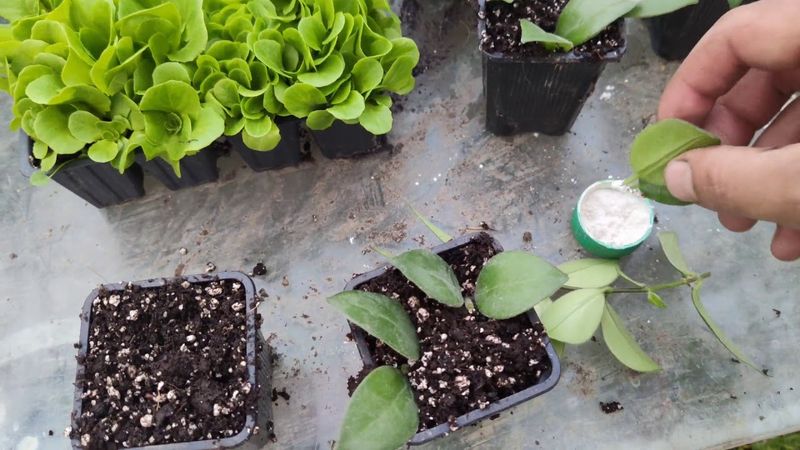
Focusing on leaf nodes specifically when taking cuttings maximizes your success rate because these areas contain the highest concentration of cells capable of forming new roots.
Each node on a lipstick plant stem represents a point where leaves attach, and these spots naturally produce growth hormones that trigger root development when exposed to the right conditions.
Spring in Texas brings the warmth and light that activate these dormant capabilities.
When preparing your cutting, make sure it includes at least two or three nodes, with your cut made just below the lowest node on your cutting.
Remove any leaves from the bottom node since this portion will be submerged in water or buried in soil, and leaves in these positions would only rot and cause problems.
The remaining nodes higher on the stem should keep their leaves to continue photosynthesis and feed the developing cutting.
The bottom node where you removed leaves becomes the primary rooting zone, so treat this area with extra care. If using rooting hormone, apply it directly to this node before placing your cutting in your chosen rooting medium.
Whether you choose water or soil propagation, ensure this critical node stays in contact with moisture consistently throughout the rooting period.
Texas gardeners working with lipstick plants during spring often see roots emerging from multiple nodes on a single cutting, creating a more robust root system faster.
This happens because the plant recognizes multiple opportunities to anchor itself and takes advantage of favorable conditions.
Monitor your cuttings weekly, looking for the telltale white root tips that signal successful propagation.
Understanding node biology helps you make smarter cuts and position your cuttings for maximum success, turning propagation from guesswork into a predictable process with reliable results.
7. Humidity Tray Method
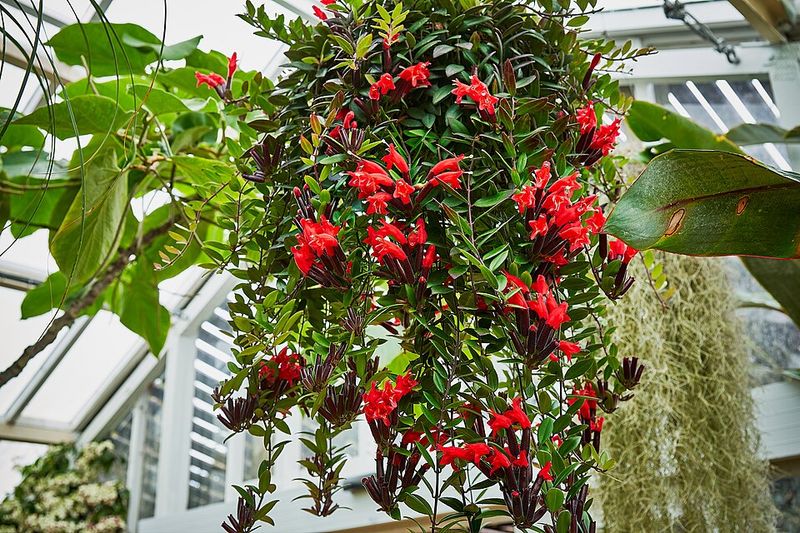
Combining any propagation technique with a humidity tray dramatically improves success rates, especially important in Texas where spring weather can swing between humid and dry depending on your location.
Lipstick plants are tropical natives that crave high humidity levels, and providing this during propagation reduces stress on cuttings trying to establish roots.
A humidity tray creates a localized microclimate that mimics the plant’s natural environment without requiring expensive equipment.
Create your humidity tray by filling a shallow waterproof tray or saucer with pebbles, gravel, or decorative stones, then adding water until it reaches just below the top of the stones.
Place your propagation containers on top of the stones, ensuring the pot bottoms don’t sit directly in water, which would oversaturate the soil.
As water evaporates from the tray, it creates a humid zone around your cuttings that helps prevent moisture loss through leaves.
This setup works beautifully in Texas homes where air conditioning can create drier indoor conditions than lipstick plants prefer. The humidity tray compensates for this artificial dryness while still allowing you to enjoy comfortable indoor temperatures.
Refill the tray as needed to maintain water levels, typically every few days depending on your home’s humidity and temperature.
You can use this method alongside water propagation, soil propagation, or any other technique you choose. The added humidity reduces wilting in fresh cuttings and supports faster root development by keeping leaf tissue hydrated and functional.
Many Texas gardeners keep their humidity trays near windows where bright, filtered light combines with the moist air to create perfect propagation conditions.
This simple addition to your propagation setup costs almost nothing but can mean the difference between cuttings that struggle and those that thrive, especially during Texas’s unpredictable spring weather patterns.