What Your Birth Month Flower Really Means (Plus How Texans Can Grow It At Home)
Ever wonder what your birth month flower really says about you? These symbolic blooms have been tied to personality traits, emotions, and even life paths for centuries.
From January’s quiet carnation to December’s narcissus, each flower carries its own unique meaning. Knowing yours can be a fun and meaningful way to connect with nature.
But here’s the best part for Texans: many of these flowers aren’t just beautiful in bouquets – they can actually be grown right at home.
Thanks to the state’s long growing seasons and variety of climates, plenty of birth month blooms thrive in Texas gardens with the right care.
Whether you’re planting to celebrate a birthday, give a meaningful gift, or just add a personal touch to your yard, growing your birth flower is a simple way to bring beauty and symbolism together.
1. January – Carnation
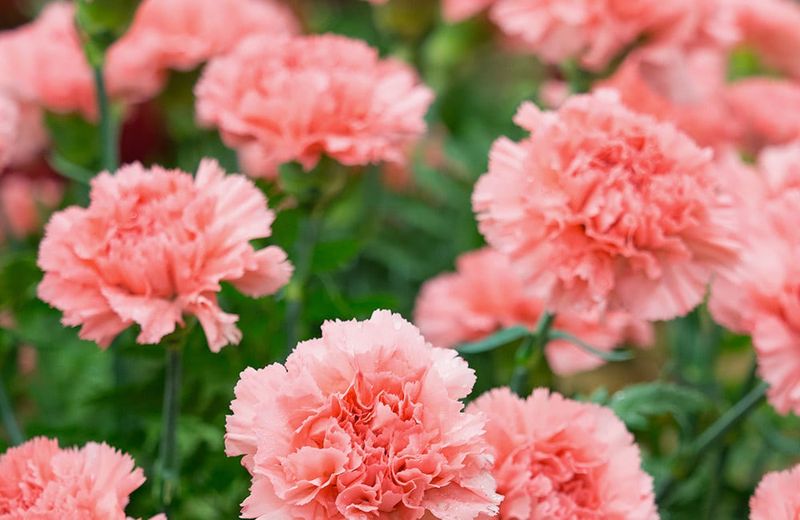
Carnations symbolize love, fascination, and distinction, making them a perfect representation for those born in the first month of the year.
Different colors carry different messages: pink carnations represent gratitude, white ones symbolize pure love, and red carnations convey deep affection.
People born in January often share the carnation’s qualities of being loyal, protective, and strong-willed. Growing carnations in Texas requires attention to timing and soil preparation.
Plant them in fall or early spring when temperatures are mild, as extreme summer heat can stress these flowers. Choose a spot with full sun exposure and well-draining soil enriched with compost.
Water carnations regularly but avoid overwatering, which can lead to root rot in Texas’s clay-heavy soils.
Mulching around the plants helps retain moisture and keep roots cool during warmer months. Deadhead spent blooms to encourage continuous flowering throughout the season.
Carnations thrive in cooler Texas regions like the Panhandle and North Texas, but gardeners in Central and South Texas can still succeed with proper care. Consider container gardening if your soil drains poorly.
With patience and the right conditions, carnations will reward you with long-lasting, fragrant blooms that brighten winter and spring gardens across the Lone Star State.
2. February – Violet
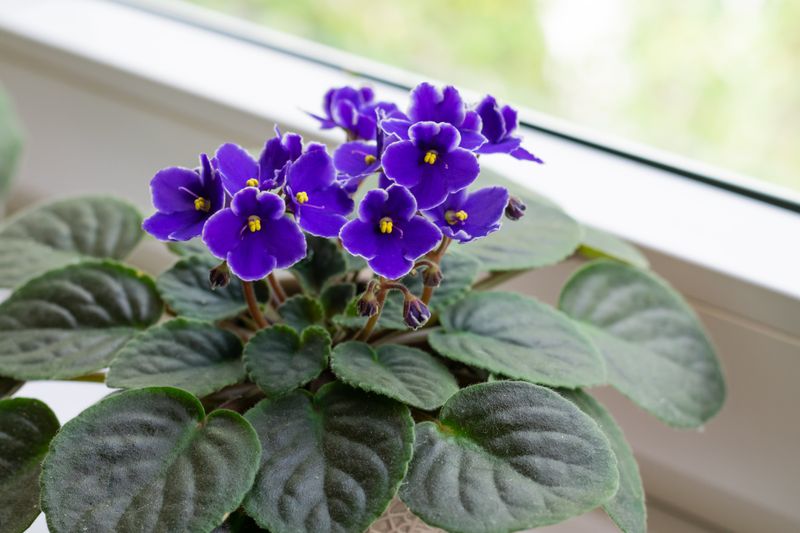
Violets represent faithfulness, modesty, and spiritual wisdom, qualities that resonate with February-born individuals. These delicate flowers have been cherished since ancient times, appearing in Greek mythology and Victorian flower language.
Their heart-shaped leaves and charming purple blooms make them a symbol of humility and devotion.
Texas gardeners will find violets surprisingly easy to grow, especially in shaded areas where other flowers struggle. Plant them in fall or early spring in locations with partial to full shade. They prefer moist, rich soil with plenty of organic matter mixed in.
Wild violets grow naturally in East Texas forests, but cultivated varieties perform well throughout the state. Water them consistently to keep soil evenly moist but never soggy.
Violets spread readily through runners and self-seeding, creating lovely ground cover over time.
In North and Central Texas, violets make excellent woodland garden additions or border plants under trees. South Texas gardeners should provide extra shade and moisture during hot months.
Your Texas Garden Changes Every Week. Your Plan Should Too.
Gardening in Texas changes quickly throughout the season. Every Friday you’ll receive a simple weekly plan showing exactly what to plant, prune, fertilize, harvest, and protect so you never miss the right timing.
These low-maintenance flowers bloom from late winter through spring, bringing cheerful color when many other plants are still dormant. Violets also attract beneficial pollinators and can naturalize beautifully in Texas landscapes.
3. March – Daffodil
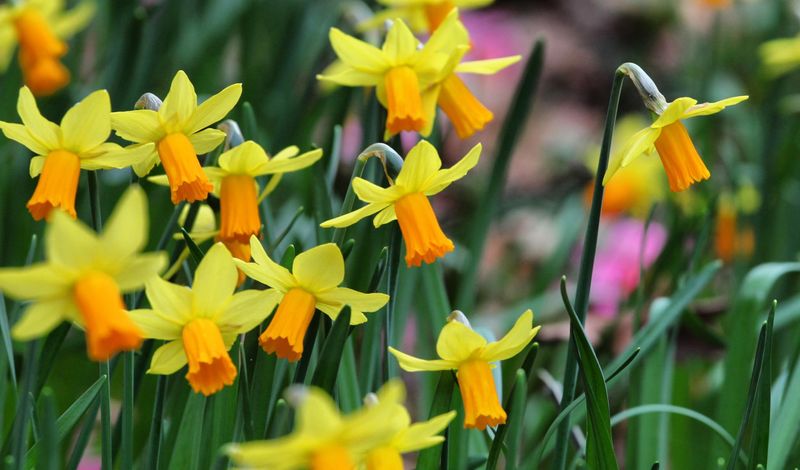
Daffodils announce the arrival of spring with their bright yellow trumpets, symbolizing rebirth, new beginnings, and unrequited love. March babies share these flowers’ optimistic and resilient nature.
Daffodils have been celebrated in poetry and art for centuries, representing hope and the promise of warmer days ahead.
Planting daffodils in Texas requires understanding bulb chilling requirements. Many varieties need cold winter temperatures to bloom properly, making them ideal for North Texas and the Panhandle.
Choose varieties specifically bred for warmer climates if you garden in Central or South Texas.
Plant daffodil bulbs in fall, about six to eight inches deep in well-draining soil. Select a sunny location where they’ll receive at least six hours of direct light daily. Daffodils don’t like wet feet, so avoid areas with standing water.
After blooming, allow foliage to remain until it yellows naturally, as leaves replenish the bulb for next year’s flowers. Daffodils naturalize beautifully across Texas landscapes, multiplying over years to create stunning spring displays.
They’re also deer-resistant, making them practical for rural Texas properties. With minimal care, these cheerful flowers return faithfully each spring throughout the Lone Star State.
4. April – Daisy
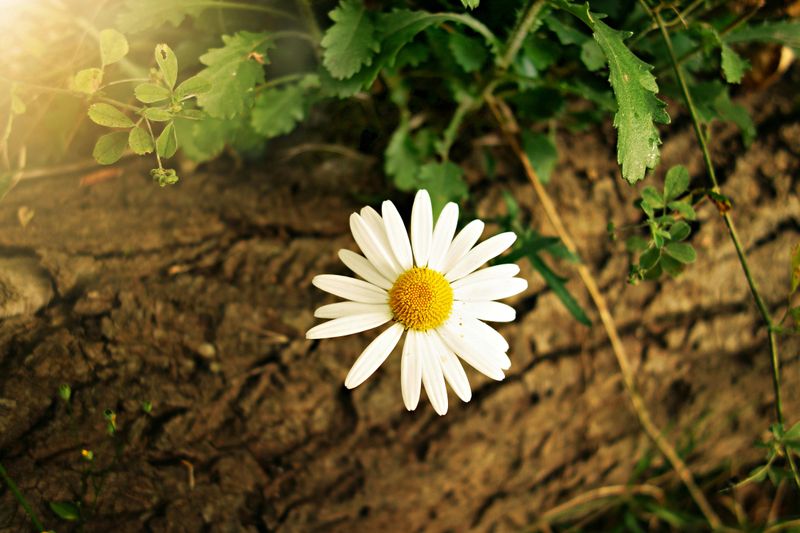
Daisies embody innocence, purity, and true love, perfectly capturing the fresh energy of April. Their simple beauty and cheerful appearance have made them beloved worldwide.
April-born people often reflect the daisy’s qualities: optimistic, genuine, and able to find joy in life’s simple pleasures.
Texas gardeners can choose from many daisy varieties, including Shasta daisies, Gerbera daisies, and native Texas species.
Plant them in spring after the last frost date for your region. Daisies love full sun and tolerate Texas heat remarkably well once established.
Prepare soil by adding compost for drainage and nutrients. Space plants according to variety requirements, usually twelve to eighteen inches apart.
Water regularly during establishment, then reduce frequency as plants mature and develop deep root systems.
Deadheading encourages continuous blooming throughout spring and summer across Texas. Many daisy varieties are drought-tolerant once established, making them excellent choices for water-conscious Texas gardeners.
They also attract butterflies and beneficial insects to your garden. In South Texas, provide afternoon shade during peak summer.
North Texas gardeners enjoy extended bloom periods with cooler temperatures. Daisies bring lasting charm and low-maintenance beauty to Texas landscapes year after year.
5. May – Lily Of The Valley
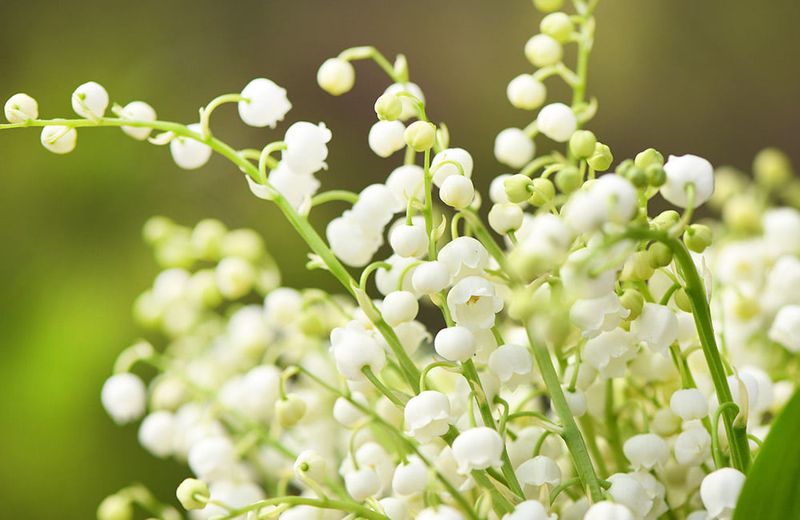
Lily of the valley symbolizes sweetness, humility, and the return of happiness. These delicate bell-shaped flowers release an intoxicating fragrance that has inspired perfumes for generations.
May-born individuals often share this flower’s gentle yet resilient character, bringing quiet joy to those around them.
Growing lily of the valley in Texas presents unique challenges due to heat and humidity. This flower prefers cool climates and shade, making it difficult but not impossible in the Lone Star State. North Texas and higher elevation areas offer the best success rates.
Plant rhizomes in fall in deeply shaded locations with rich, moist, acidic soil. Add plenty of peat moss and compost to improve soil conditions.
These flowers spread slowly through underground runners, eventually forming attractive ground cover in suitable locations.
Keep soil consistently moist but well-drained throughout the growing season. In Central and South Texas, container gardening may work better than in-ground planting.
Move pots to the coolest, shadiest spots during summer months. Lily of the valley requires patience and specific conditions, but Texas gardeners willing to provide extra care can enjoy these sweetly scented blooms.
Remember that all parts of this plant are toxic, so plant away from children and pets.
6. June – Rose
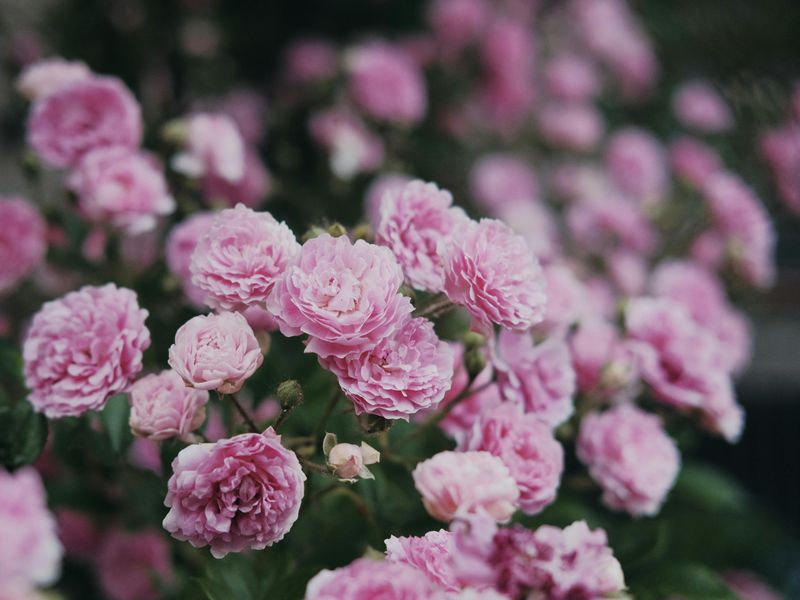
Roses represent love, passion, and beauty, making them the perfect birth flower for June. Different rose colors convey distinct meanings: red for romantic love, yellow for friendship, pink for gratitude, and white for purity.
June babies often possess the rose’s combination of beauty and strength, along with its occasional thorny protection.
Texas has a rich rose-growing heritage, with many varieties thriving in the state’s diverse climates.
Plant bare-root roses in winter or early spring, and container roses anytime except during extreme heat. Choose disease-resistant varieties suited to your Texas region.
Roses need at least six hours of direct sunlight daily and well-draining soil enriched with organic matter.
Space plants according to variety size, ensuring good air circulation to prevent fungal diseases common in humid Texas climates. Water deeply and regularly, especially during establishment and hot summer months.
Fertilize roses monthly during the growing season with balanced rose food. Mulch around plants to conserve moisture and regulate soil temperature.
Prune in late winter before new growth begins. Popular Texas rose varieties include Knockout roses, Earth Kind roses, and antique roses that handle heat exceptionally well.
With proper care, roses bloom prolifically throughout spring and fall across Texas, bringing timeless elegance to gardens statewide.
7. July – Larkspur
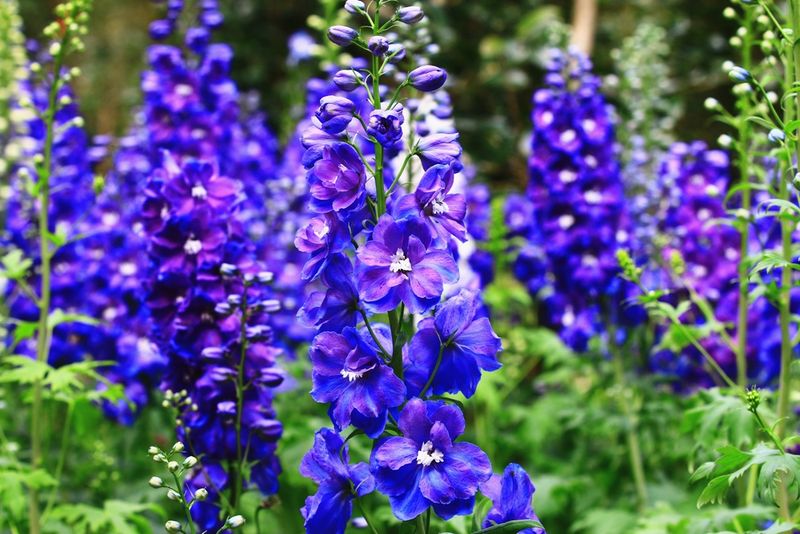
Larkspur flowers symbolize lightness, levity, and an open heart, qualities that match the carefree spirit of summer. July-born people often share the larkspur’s joyful nature and ability to bring positivity to any situation.
These tall, elegant flowers come in shades of blue, purple, pink, and white, creating stunning vertical interest in gardens.
Growing larkspur in Texas works best as a cool-season annual. Plant seeds in fall for spring blooms, as larkspur needs cool temperatures to germinate and establish.
Direct sow seeds in garden beds where you want them to grow, as they don’t transplant well.
Choose a location with full sun to partial shade and well-draining soil. Larkspur tolerates various soil types but prefers slightly alkaline conditions common in many Texas regions. Water regularly during establishment and flowering periods.
Tall varieties may need staking to prevent wind damage, especially in open Texas landscapes. Deadhead spent blooms to encourage additional flowering.
Larkspur performs best in North and Central Texas, where cooler spring temperatures last longer. South Texas gardeners should plant in shadier locations and expect shorter bloom periods.
These graceful flowers attract hummingbirds and butterflies, adding movement and life to Texas gardens during their peak spring display.
8. August – Gladiolus
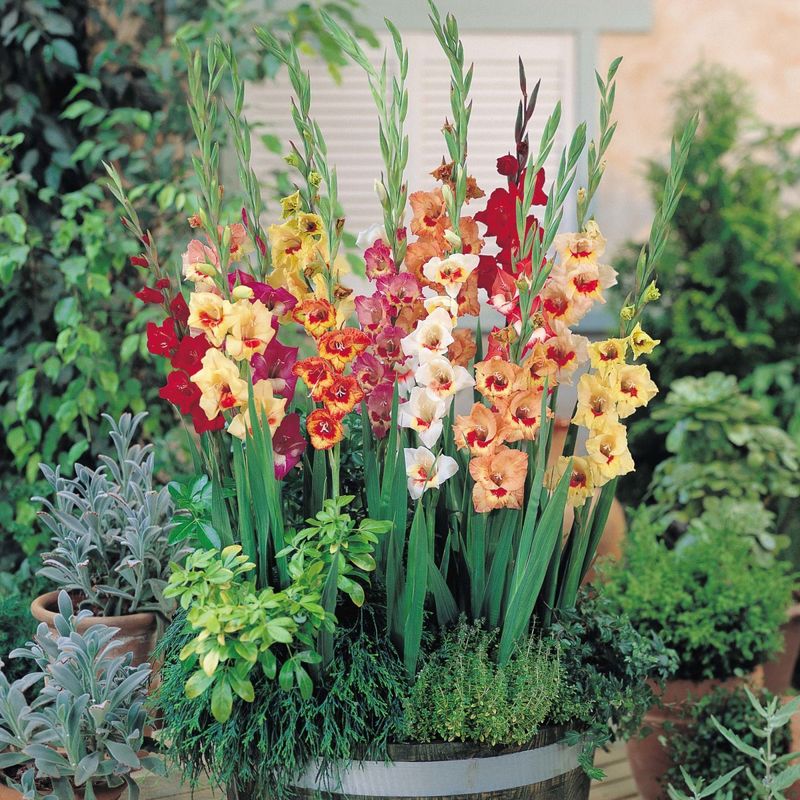
Gladiolus represents strength of character, integrity, and remembrance, fitting for those born in the heat of summer. The name comes from the Latin word for sword, referring to the flower’s blade-like leaves.
August babies often display the gladiolus’s qualities: standing tall, maintaining integrity, and persevering through challenges. Planting gladiolus in Texas requires strategic timing to avoid the worst summer heat.
Plant corms in early spring for summer blooms, or in late summer for fall flowers. Choose a sunny location with excellent drainage, as corms rot easily in waterlogged soil.
Plant corms four to six inches deep and six inches apart. For continuous blooms, stagger plantings every two weeks through spring.
Water regularly once shoots emerge, increasing frequency during hot Texas summers. Tall flower spikes need staking to prevent toppling in wind.
Gladiolus corms aren’t winter-hardy in most of Texas, so many gardeners treat them as annuals. However, you can dig corms after foliage yellows, dry them thoroughly, and store in a cool, dry place until replanting.
They perform well throughout Texas with proper watering and sun exposure. These dramatic flowers make excellent cut flowers, bringing bold color and vertical drama to both gardens and floral arrangements across the Lone Star State.
9. September – Aster
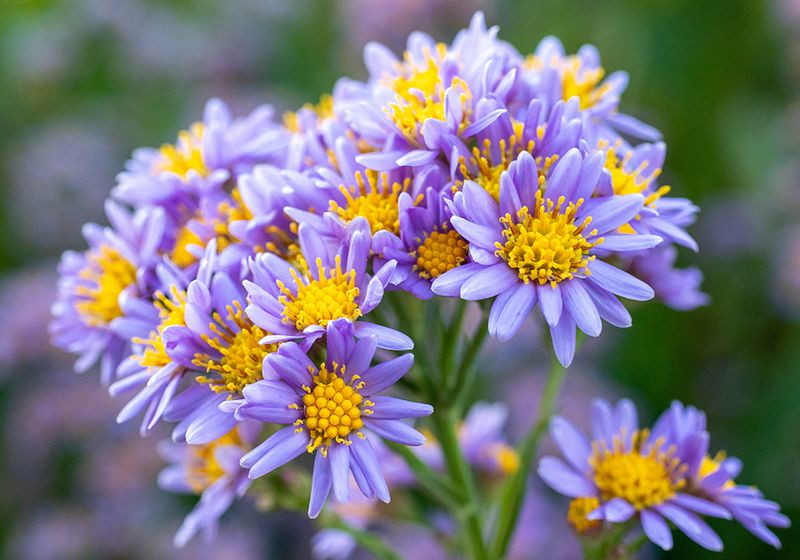
Asters symbolize wisdom, faith, and valor, representing the thoughtful nature of September-born individuals. Their star-shaped flowers bloom when summer fades into fall, bringing fresh color when many plants finish flowering.
Ancient Greeks believed asters were created from stardust, adding magical significance to these charming blooms.
Texas gardeners love asters for their late-season color and pollinator appeal. Plant them in spring or fall in locations with full sun to partial shade.
Native Texas aster varieties are especially well-adapted to local conditions and require minimal maintenance once established.
Prepare planting areas with well-draining soil amended with compost. Space plants according to variety size, typically twelve to twenty-four inches apart.
Water regularly during establishment, then reduce frequency as plants mature and develop drought tolerance.
Pinch back stems in early summer to encourage bushier growth and more flowers. Asters bloom prolifically from late summer through fall across Texas, providing crucial nectar sources for migrating butterflies and native bees.
They tolerate Texas heat better than many fall bloomers. Aromatic aster, smooth aster, and heath aster are native Texas species that naturalize beautifully.
These reliable perennials return year after year, creating stunning purple, pink, and white displays throughout the Lone Star State each autumn.
10. October – Marigold
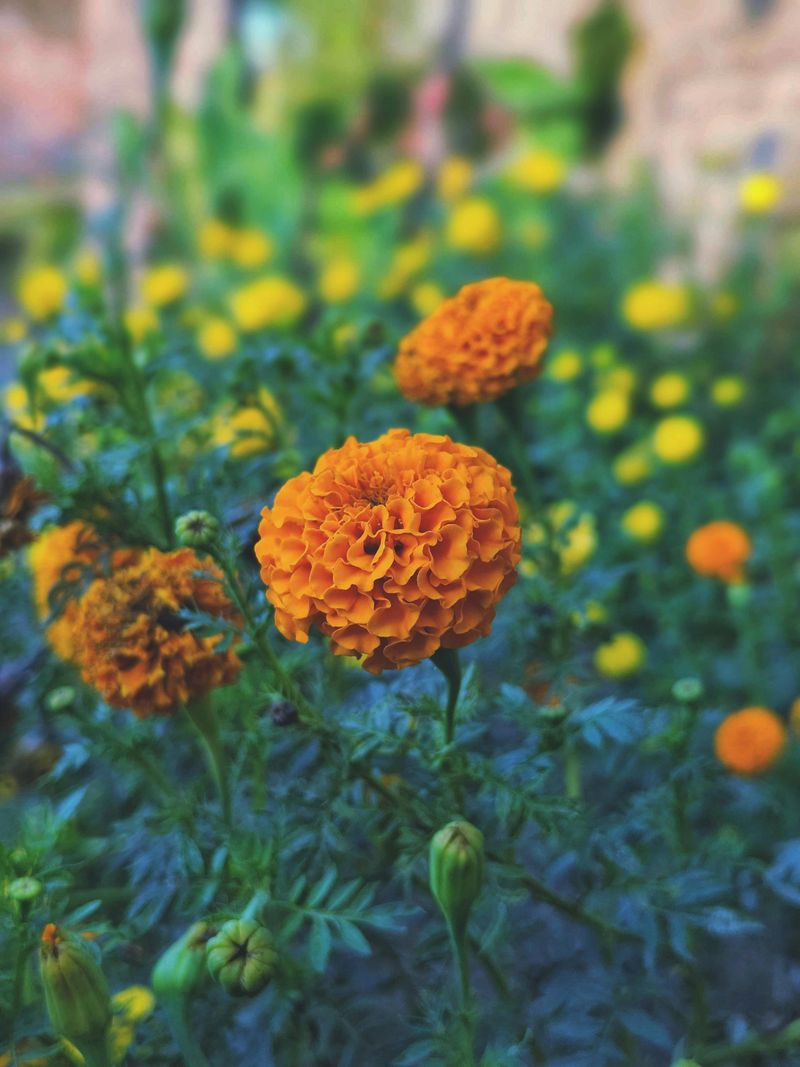
Marigolds symbolize passion, creativity, and the warmth of the sun, perfectly matching October’s golden light. These cheerful flowers have been cultivated for centuries, valued for both beauty and practical garden benefits.
People born in October often share the marigold’s vibrant energy, optimism, and ability to brighten any environment.
Growing marigolds in Texas is remarkably easy, making them perfect for beginning gardeners. Plant seeds or transplants in spring after frost danger passes.
Marigolds love full sun and tolerate Texas heat exceptionally well, blooming continuously until the first frost.
They adapt to various soil types but prefer well-draining conditions. Space plants six to twelve inches apart depending on variety size.
Water regularly after planting, then reduce frequency once established, as marigolds tolerate drought well.
Marigolds repel certain garden pests, making them excellent companion plants for vegetable gardens throughout Texas. Deadhead spent blooms to encourage continuous flowering and prevent self-seeding.
French marigolds, African marigolds, and signet marigolds all perform well across the state. They bloom from spring through fall in most Texas regions, providing months of golden, orange, and rust-colored flowers.
These low-maintenance annuals bring reliable color and natural pest control to Texas gardens, making them favorites among gardeners statewide.
11. November – Chrysanthemum
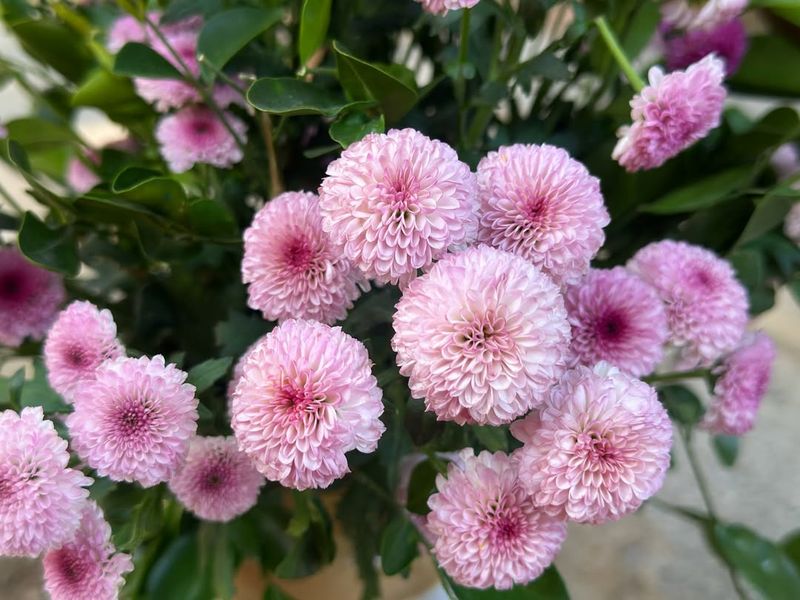
Chrysanthemums represent joy, optimism, and long life, making them ideal symbols for November births. Called mums for short, these flowers have been cultivated in Asia for over 2,500 years.
November-born individuals often reflect the chrysanthemum’s enduring nature, loyalty, and ability to bring warmth during cooler months.
Texas gardeners embrace mums as essential fall flowers, with garden centers offering abundant selections each autumn.
Plant them in early fall for immediate color, or in spring for fuller plants by autumn. Choose locations with full sun and well-draining soil for best results.
Water newly planted mums regularly until established, then maintain consistent moisture throughout blooming periods.
Pinch back stems in late spring and early summer to encourage bushier growth and more flower buds. Stop pinching by mid-July to allow buds to form for fall blooming.
Hardy garden mums can overwinter successfully in most Texas regions with proper care. After blooming ends, cut back stems and mulch around plants for winter protection.
Mums come in virtually every color except blue, offering endless design possibilities for Texas landscapes. They attract late-season pollinators and provide crucial food sources before winter.
With thousands of varieties available, chrysanthemums bring reliable, spectacular color to Texas gardens each fall.
12. December – Narcissus
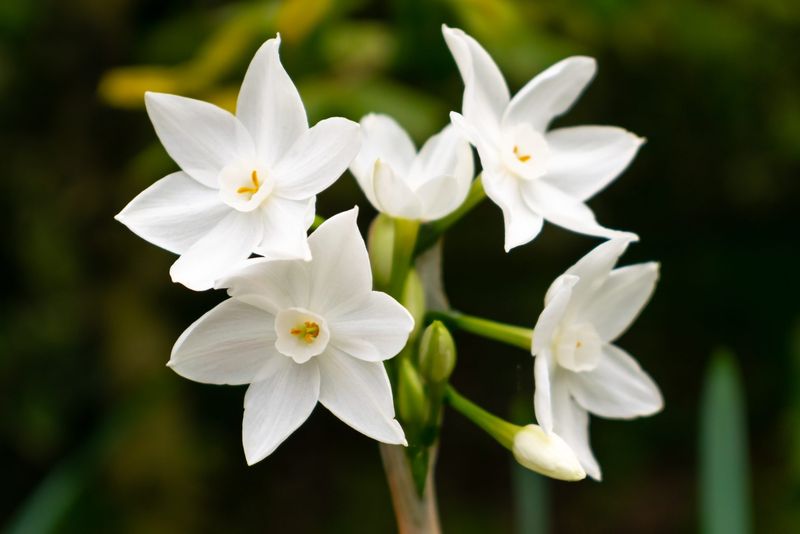
Narcissus flowers symbolize rebirth, new beginnings, and self-reflection, appropriate for those born as one year ends and another begins. This genus includes daffodils and paperwhites, with paperwhites being especially popular for holiday forcing indoors.
December babies often possess the narcissus’s ability to bring light during the darkest season and hope for fresh starts.
Growing narcissus in Texas varies by type. Paperwhites require no chilling and bloom readily indoors during winter months.
Plant bulbs in containers with pebbles and water for holiday displays. For outdoor narcissus, plant bulbs in fall throughout Texas.
Choose varieties bred for southern climates, as many narcissus need less winter chilling than daffodils.
Plant bulbs four to six inches deep in well-draining soil with full sun exposure. Water after planting and during dry spells throughout winter and spring.
Narcissus naturalize well in Texas landscapes, returning and multiplying each year with minimal care.
They’re deer-resistant and drought-tolerant once established, making them practical for Texas properties. Allow foliage to yellow naturally after blooming to replenish bulbs for next season.
Paperwhites, jonquils, and other southern-adapted narcissus varieties perform excellently throughout the Lone Star State, bringing fragrant winter and early spring blooms that signal warmer days ahead.