These Are The Best Places To Keep A Spider Plant In Texas Homes
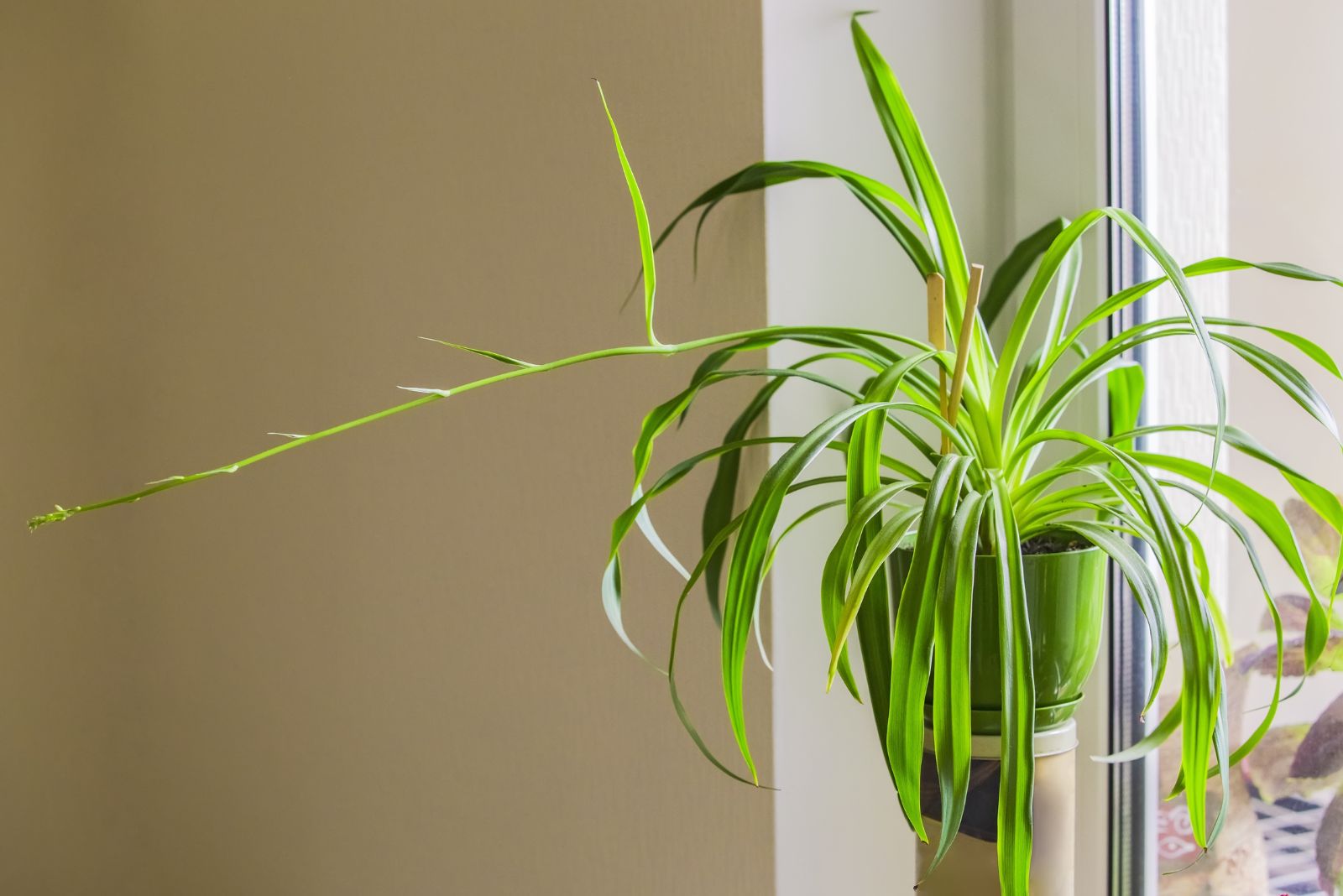
Spider plants are one of the easiest, and most rewarding, houseplants to grow, especially in Texas homes where bright light and warm temps are common. But where you place your spider plant can make a big difference in how well it thrives.
Too much direct sun can scorch its leaves, while too little light may slow its growth and dull its vibrant green color. The good news?
This adaptable plant does great in all sorts of cozy corners, sunny spots, and even hanging baskets, if you choose wisely.
From bright kitchens and living rooms to shaded porches and home offices, spider plants can bring life, color, and cleaner air to almost any room. Plus, their trailing babies make them an eye-catching addition to shelves and plant stands.
Want to know the best places around your Texas home to show off your spider plant and help it flourish? Let’s dive into your top options.
1. Near A North-Facing Window
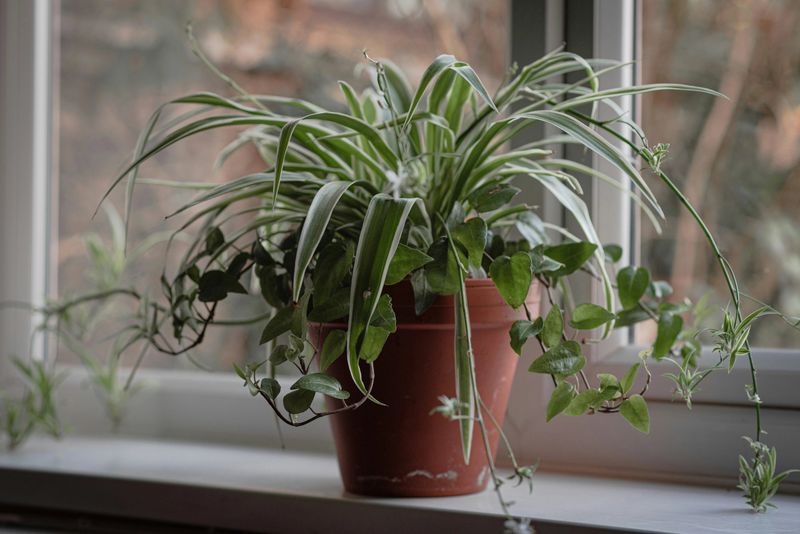
North-facing windows provide the gentlest light in any Texas home, making them absolutely perfect for spider plants.
Unlike the harsh southern exposure that can scorch leaves during those brutal summer months, northern light stays soft and consistent throughout the day.
Your spider plant will soak up just enough brightness without getting sunburned, which is a common problem when people place them in too much direct sun.
Texas summers are no joke, and even indoor plants can feel the stress of intense heat and light. A north-facing window gives your spider plant steady illumination without the risk of leaf tips turning brown from sun damage.
The temperature near these windows also tends to stay more moderate, which spider plants appreciate since they prefer cooler conditions compared to many tropical houseplants.
If you live in Dallas or San Antonio, you know how powerful the afternoon sun can be. North-facing windows protect your plant from that intensity while still offering plenty of ambient light.
Your spider plant will grow steadily and produce those adorable baby plantlets that dangle down like ornaments.
Place your pot on a small stand or table near the window so the leaves can cascade beautifully. Make sure the window has a curtain or blind you can adjust if needed, especially during winter when cold drafts might sneak in.
Spider plants are tough, but they do not enjoy sudden temperature drops that sometimes happen near windows during Texas cold snaps.
2. In The Bathroom With Natural Light
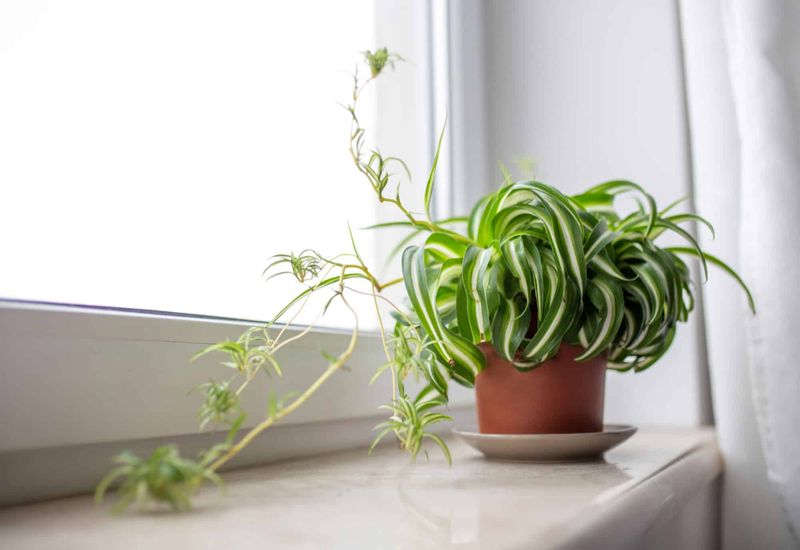
Bathrooms are surprisingly wonderful spots for spider plants, especially in Texas where indoor air can get bone dry from constant air conditioning. The natural humidity from showers and baths creates a mini tropical environment that spider plants absolutely love.
If your bathroom has a window that lets in some natural light, you have found a goldmine location for your plant.
Spider plants originally come from humid regions, so they appreciate moisture in the air. Texas homes often struggle with low humidity indoors, particularly during summer when the AC runs nonstop.
Your bathroom provides that extra moisture without you having to mist your plant constantly or run a humidifier. The steam from your morning shower gives your spider plant a refreshing boost.
Your Texas Garden Changes Every Week. Your Plan Should Too.
Gardening in Texas changes quickly throughout the season. Every Friday you’ll receive a simple weekly plan showing exactly what to plant, prune, fertilize, harvest, and protect so you never miss the right timing.
Position your plant on a shelf, windowsill, or even hang it from the ceiling if you have the right setup. Just make sure it gets some indirect light during the day.
Bathrooms without windows can work too, but you will need to supplement with a grow light or rotate your plant to a brighter spot every few days.
In cities like Houston where humidity is already high outside, your bathroom becomes an even better match for your spider plant.
The combination of natural moisture and moderate light helps the leaves stay vibrant green without crispy brown tips. Plus, having greenery in your bathroom makes the space feel like a relaxing spa retreat.
3. On A Covered Patio Or Screened Porch
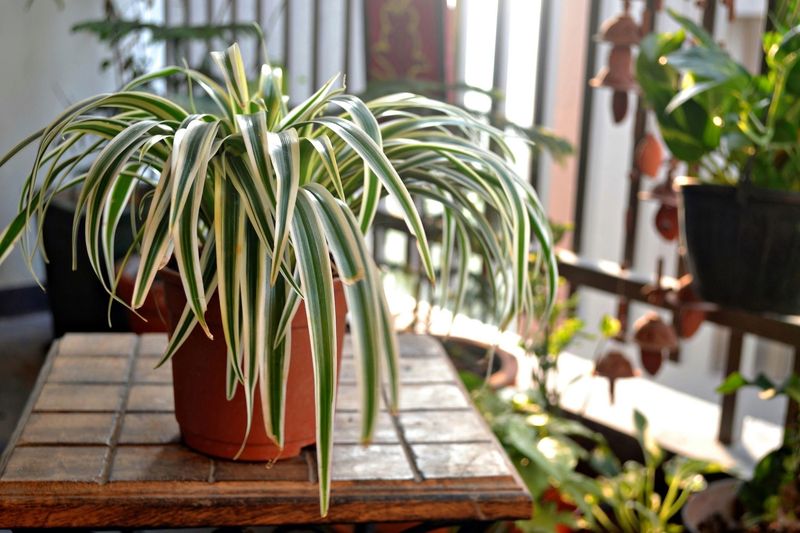
Many Texas homes feature beautiful covered patios or screened porches, and these outdoor spaces make excellent homes for spider plants during the milder months.
The filtered light and fresh air circulation create ideal growing conditions that you cannot quite replicate indoors.
Your spider plant will flourish in this protected outdoor environment where it gets bright indirect light without harsh direct sun.
Screened porches are particularly great because they keep bugs out while allowing gentle breezes to flow through. Spider plants benefit from good air circulation, which helps prevent problems like fungal issues or pest infestations.
The natural light levels on a covered patio are usually perfect, especially if the space faces east or north.
In Texas, you can keep your spider plant on the porch from spring through fall, but bring it inside when temperatures drop below 50 degrees at night.
Cities like Austin and Fort Worth can have surprising cold snaps in winter, and spider plants do not handle frost or freezing temperatures well. During those warm Texas evenings, your plant will thrive in the outdoor air.
Hang your spider plant in a decorative basket or place it on a plant stand where the long leaves can drape down attractively. The porch setting shows off the plant’s natural cascading habit beautifully.
Just watch the watering schedule since outdoor spots can dry out faster, especially during hot Texas summers when temperatures soar above 100 degrees.
4. In A Bright Kitchen Away From Direct Sun
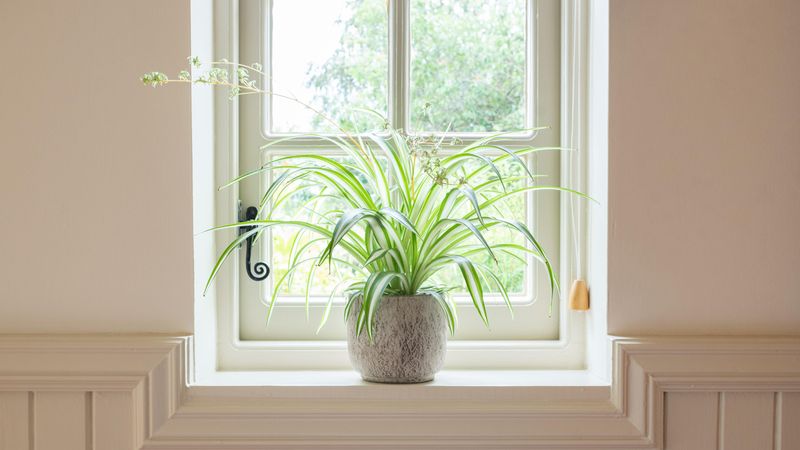
Kitchens are naturally bright spaces in most Texas homes, and they offer several advantages for spider plants. The ambient light from windows combined with frequent activity creates a lively environment where your plant can thrive.
Kitchens also tend to have slightly higher humidity than other rooms because of cooking and running water, which spider plants appreciate.
Position your spider plant on top of cabinets, on open shelving, or on the counter away from the stove.
The key is finding a spot that gets plenty of indirect light but stays protected from the intense direct sun that might blast through a west-facing kitchen window during Texas afternoons.
Spider plants need bright conditions to maintain their beautiful variegated stripes, but too much direct sun causes bleaching and brown spots.
Having a plant in your kitchen also serves a practical purpose beyond decoration. Spider plants are known for their air-purifying qualities, helping to filter out common indoor pollutants.
In a space where you prepare food and spend considerable time, having cleaner air is a nice bonus.
If you live in El Paso or Corpus Christi, your kitchen likely gets excellent natural light. Just make sure to rotate your plant every week or so to ensure all sides get equal exposure.
Spider plants will naturally grow toward the light source, and rotating prevents them from becoming lopsided. Avoid placing them too close to hot appliances or directly above the stove where heat and grease could become problems.
5. In A Home Office With Indirect Light
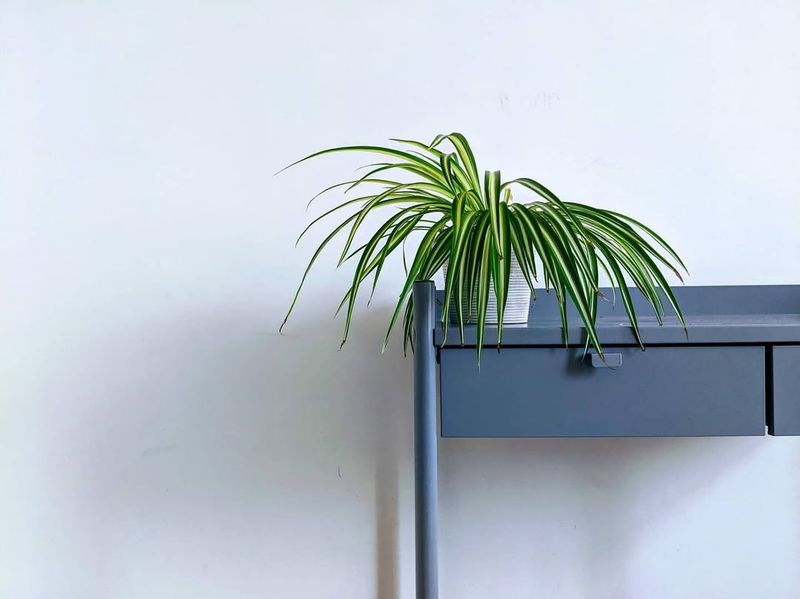
Home offices have become essential spaces in Texas homes, and adding a spider plant to your workspace brings both beauty and benefits. Studies show that having plants nearby while you work can improve concentration, reduce stress, and boost productivity.
Spider plants are particularly great office companions because they require minimal fuss while looking attractive all year long.
Place your spider plant on your desk, a nearby bookshelf, or a filing cabinet where it receives bright indirect light from a window. The plant’s graceful arching leaves and dangling plantlets add visual interest without taking up too much space.
In Texas, where many people work from home to avoid brutal commutes in cities like Houston or Dallas, creating a pleasant workspace matters.
Home offices often have decent lighting from windows, but not the intense direct sun that could harm your plant. This makes them naturally suitable for spider plants.
The moderate indoor temperatures maintained by air conditioning also work well, as spider plants prefer staying comfortable rather than experiencing extreme heat or cold.
Consider hanging your spider plant in a macrame hanger near your desk or placing it on a corner shelf where the babies can cascade down. The movement of the dangling plantlets adds a calming, natural element to your work environment.
Spider plants also help filter indoor air, which is beneficial in a room where you spend many hours each day. Your Texas home office will feel more alive and inviting with this easy-care green companion nearby.
6. On A Plant Stand In The Living Room
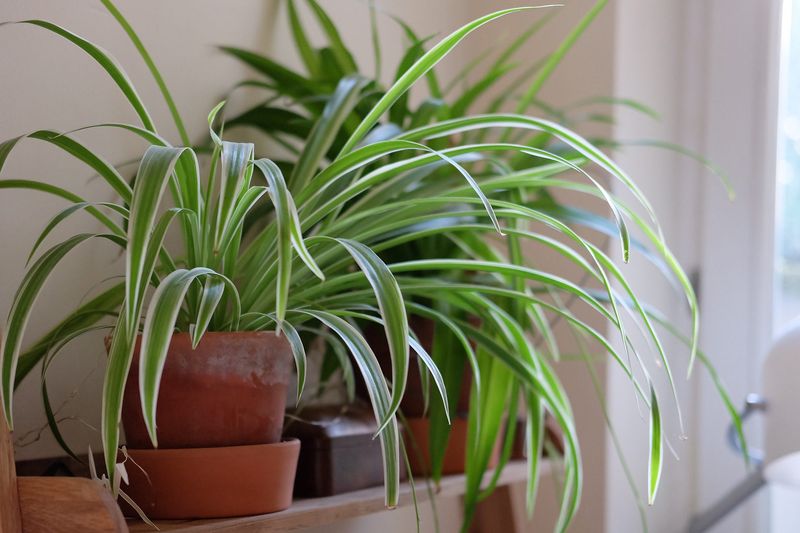
Living rooms are gathering spaces where families spend time together, and a spider plant on a decorative stand can become a beautiful focal point. These plants have an elegant cascading habit that looks stunning when displayed at the right height.
A plant stand elevates your spider plant so the long leaves and baby plantlets can hang freely, creating a dramatic waterfall effect that catches everyone’s eye.
Choose a spot in your Texas living room that gets bright indirect light, perhaps near a window with sheer curtains or in a corner that receives reflected light throughout the day. Living rooms typically have good air circulation from ceiling fans, which spider plants enjoy.
The moderate temperatures maintained by your AC system also suit these plants perfectly since they prefer conditions that humans find comfortable.
In cities like Plano or Arlington, living rooms often feature large windows that let in lots of natural light. This abundant brightness helps your spider plant grow vigorously and produce plenty of those charming baby plants.
Just make sure the direct sun does not hit the leaves for extended periods, especially during the intense afternoon hours when Texas sun is strongest.
A plant stand also keeps your spider plant safely out of reach of curious pets or small children. Spider plants are non-toxic, but it is still better to position them where they will not get knocked over.
The living room placement means you will see your plant daily, making it easier to notice when it needs water or care.
7. In A Bedroom Away From Heating Vents
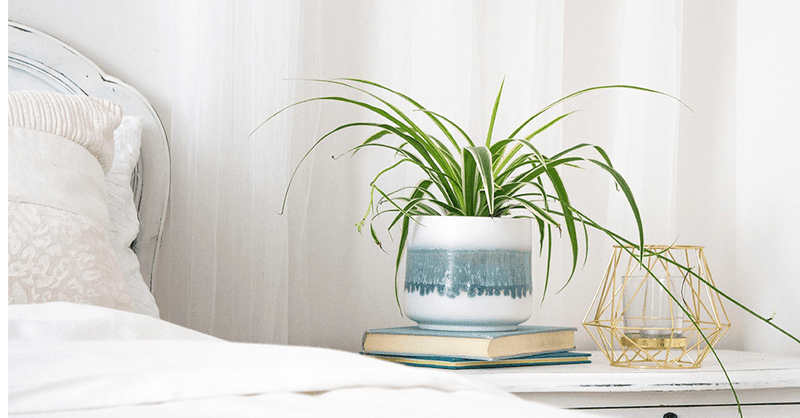
Bedrooms make surprisingly good locations for spider plants, especially if you want to improve the air quality where you sleep.
Spider plants continue their air-purifying work throughout the night, helping to filter out pollutants and create a fresher sleeping environment.
Unlike some flowering plants that release pollen, spider plants are clean and non-allergenic, making them perfect bedroom companions.
Position your spider plant on a dresser, nightstand, or windowsill where it receives gentle morning light or bright indirect light during the day. Bedrooms in Texas homes often have windows with blinds or curtains that you can adjust to control light levels.
Spider plants do not need intense brightness, so even a bedroom with moderate light can work well.
The important thing is keeping your plant away from heating or cooling vents. Texas homes rely heavily on HVAC systems, and the direct blast of air from vents can dry out your spider plant quickly.
The constant air flow also causes stress that might lead to brown leaf tips or stunted growth. Find a spot with good ambient air circulation but no direct vent exposure.
Having greenery in your bedroom creates a calming atmosphere that promotes relaxation and better sleep. The gentle presence of a spider plant adds life to the space without being overwhelming.
In cities like San Antonio or Lubbock, where bedroom windows might face harsh sun directions, you can still find suitable spots by placing your plant a few feet back from the window where light stays bright but indirect.